


Creating a healthy home isn’t just about good lighting and the right layout. The materials you live with every day—the sofa fabric you sink into, the finish on your dining chair, the foam inside your cushions—have a real impact on your well-being. As more people ask for non-toxic furniture and eco-friendly upholstery, the design world is finally catching up. And at Comosum, we’re fortunate to work with makers who have been ahead of this shift for years.
If you’ve ever wondered what makes one fabric safer than another, or why some sofas feel “cleaner” to live with, this is your guide.
Why Upholstery Materials Matter for a Healthy Home
The reality is simple: most conventional upholstered furniture relies on synthetic fabrics, chemical flame retardants, petroleum-based foams, and solvent-heavy finishes. These off-gas into the home and can affect indoor air quality—especially in smaller spaces like New York apartments or tightly sealed homes in California.
The good news is that there are excellent alternatives today. Organic fibers, recycled textiles, water-based finishes, and third-party certifications make it much easier to choose furniture that’s good for you, not just good-looking.
Across Comosum’s assortment, brands like Ethnicraft, Mater, FDB Møbler, Case Furniture, Woud, Anglepoise, and others are already working with responsible materials and cleaner production. The result: upholstery and finishes that feel better, last longer, and introduce far fewer chemicals into your home.
Natural & Organic Fabrics: Why They Feel Different
When people ask, “What upholstery fabric is the most eco-friendly?” the answer usually starts with natural fibers.
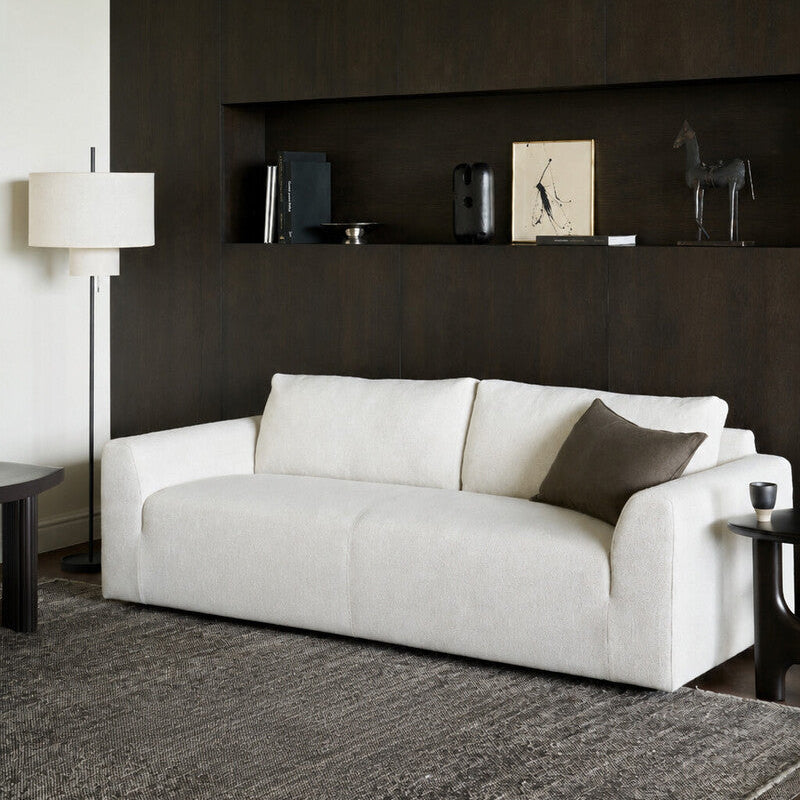
Cotton, linen, wool, and hemp consistently remain the strongest foundation for healthy upholstery because they come from renewable sources and don’t require the same chemical processing as synthetics. Organic cotton and linen—common in several Case Furniture and Ethnicraft upholstery programs—skip pesticides entirely, which reduces environmental impact upstream and avoids residue in the final textile.
Why natural fabrics matter:
-
Breathable and temperature-regulating
-
Fewer chemical treatments compared to synthetic upholstery
-
Softer aging and a tactile, nuanced appearance
-
Often machine-cleanable with simple, non-toxic detergents
For anyone building a healthier home, choosing a natural fabric is one of the easiest wins.
The Role of OEKO-TEX® and Other Textile Certifications
The next question is usually: “How do I know a fabric is non-toxic?”
That’s where certifications come in. Several products across our assortment—including FDB Møbler’s cushions and many European-made textile components—carry OEKO-TEX® Standard 100 certification. This ensures the fabric has been tested for harmful substances and meets strict safety criteria.
Other labels you’ll see in responsible upholstery:
-
GOTS-certified organic textiles for fully traceable organic fibers
-
GRS-certified recycled textiles, increasingly used in contemporary upholstery
-
Nordic Swan Ecolabel, found throughout FDB Møbler’s seating, signaling high environmental and health standards across the entire product lifecycle
These certifications aren’t marketing fluff. They’re practical tools that help you buy with confidence.
Recycled Textiles: Closing the Loop Without Sacrificing Comfort
Recycled fabrics have come a long way in the last decade. What once felt scratchy or overly synthetic is now surprisingly soft, durable, and visually refined.
Brands like Woud and Mater use recycled poly-systems and upcycled fibers in cushions, seat pads, and upholstery details. These textiles reduce landfill waste, lower the carbon footprint associated with virgin materials, and often outperform traditional synthetics in everyday wear.
Recycled textiles make sense especially for high-traffic pieces—bar stools, dining chairs, lounge seating—where durability is essential. And for customers who want a sustainable home without moving entirely to natural fibers, this category strikes a thoughtful balance.
Non-Toxic Finishes & Low-VOC Treatments
A healthy home goes beyond the fabric itself. The finishes used on a chair frame or sofa base matter too.
Comosum brands like FDB Møbler, Ethnicraft, and Mater rely heavily on:
-
Water-based lacquers
-
Plant-based oils
-
Low-VOC stains and adhesives
These finishes do two things: protect the wood and maintain indoor air quality. Nordic Swan–labeled pieces from FDB Møbler go even further, meeting strict chemical-use restrictions that exceed many local regulations.
This level of transparency is where Scandinavian design shines—quality materials, responsibly treated, without unnecessary additives.
What About Foam? Choosing the Right Cushion Core
It’s impossible to talk about healthy furniture without addressing what we sit on.
Traditional polyurethane foam is petroleum-based and often treated with flame retardants. While regulations have improved in the U.S., many customers still prefer alternatives:
-
Natural latex foam offers resilience without petrochemicals
-
High-resilience foams from European makers often meet stricter chemical-emission standards
-
Some collections integrate recycled foam blends, reducing raw material use
Mater, for example, has invested heavily in recycled and bio-based material development. While not foam-specific, their circular design approach (including materials like Matek) reflects where soft-goods innovation is headed: fewer fossil inputs, more regenerative thinking.
How to Shop for Non-Toxic Furniture: A Quick Checklist
1. Choose natural or certified fabrics (OEKO-TEX, GOTS, GRS).
2. Look for FSC-certified wood frames—common across FDB Møbler, Woud and Mater.
3. Prefer water-based or low-VOC finishes.
4. Ask about foam composition—natural latex or certified low-VOC foam is ideal.
5. Avoid unnecessary stain guards or chemical treatments.
6. Buy from makers who publish real sustainability data, not vague claims.
Most products on Comosum already pass this test, and every new brand must meet our Sustainability Rubric before being added to the assortment.
A Healthier Home Starts With Better Materials
Sustainable furniture isn’t just about recycled content or a green label. It’s about creating a home that feels good to live in—materials you can trust, fabrics you enjoy touching, and craftsmanship that lasts longer than a trend cycle.
Whether it’s the clean OEKO-TEX textiles in FDB Møbler’s seating, the natural finishes and organic materials in Ethnicraft’s lounge pieces, or the circular innovations coming from Mater, the path is clear: better materials make better homes.
If you’re exploring a healthier approach to furnishing your space, we’re here to help you navigate it—honestly, clearly, and always with an eye for good design.



Leave a comment
This site is protected by hCaptcha and the hCaptcha Privacy Policy and Terms of Service apply.