


Comosum Learn
Sustainable furniture, explained
Buying guides, material comparisons and plain-English explanations of the labels you'll see on furniture, from Comosum, a Brooklyn retailer of original-design furniture. Every brand we carry is graded on six published categories, and every buying guide shows live prices and stock.
Researched, written and checked by Comosum. Every claim comes from the maker, an independent certifier or our product records. How we write our guides · How we grade brands
Buying guides
Shop with a guide
Each guide answers one buying question, then shows the pieces we'd choose, with prices, stock and Meter grades read live from our store.
-
 Guide · Repair and warranties
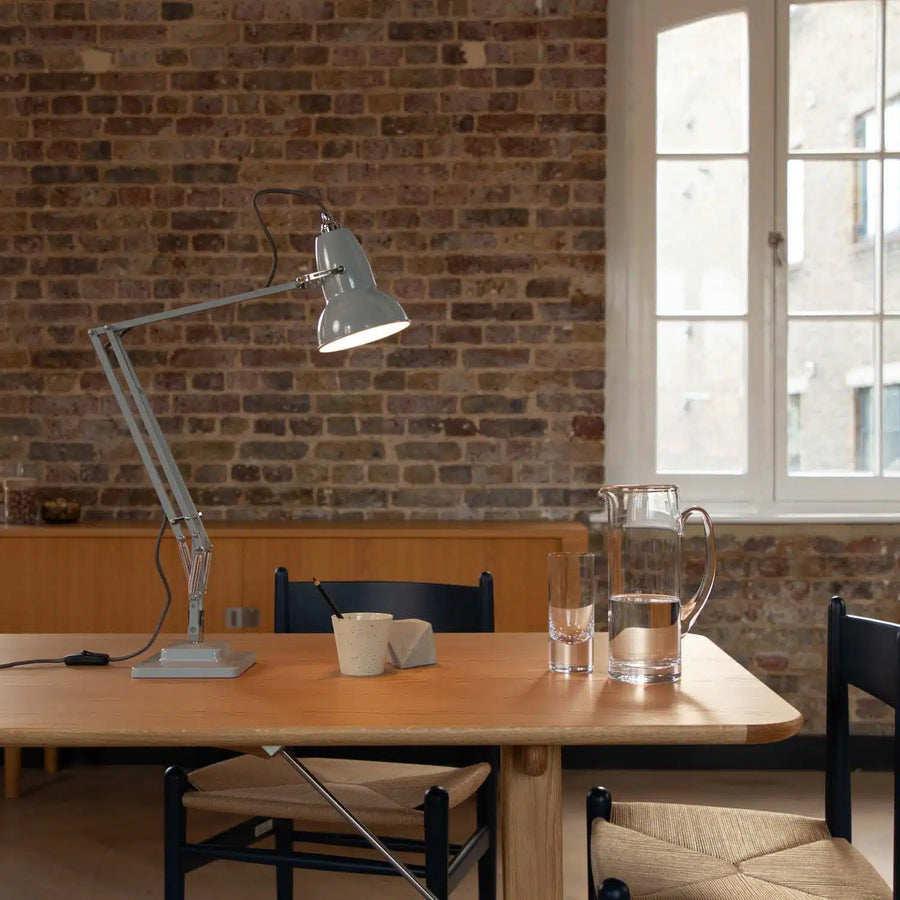
Repairable Furniture: Warranties, Spare Parts and the Brands That Back Them
Repairable furniture is built so the part that wears out can be replaced on its own: bolted or clamped joints, covers that come off, solid wood you can sand, and...
-
 Buying guide · Nursery and kids' rooms
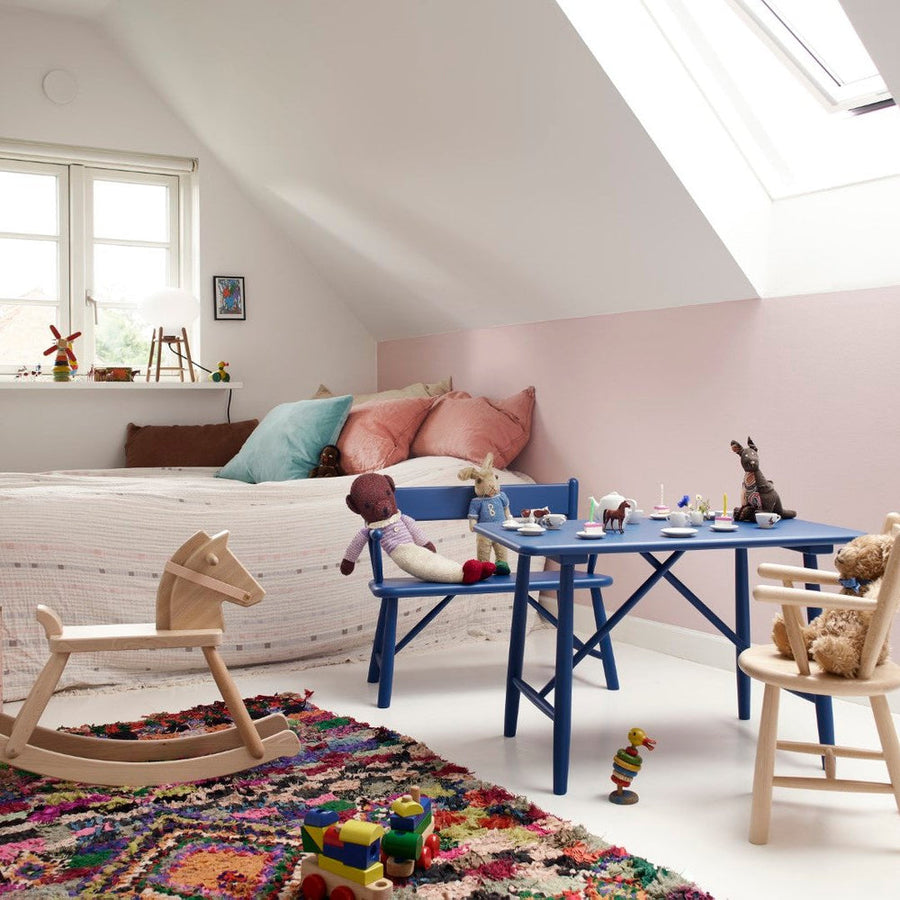
Sustainable Nursery & Kids' Furniture: Non-Toxic Picks and the Labels to Check
Non-toxic kids' furniture has a solid core (solid wood or solid bamboo, no particleboard or MDF), a water-based finish or none, and proof you can look up: a product-level label...
-
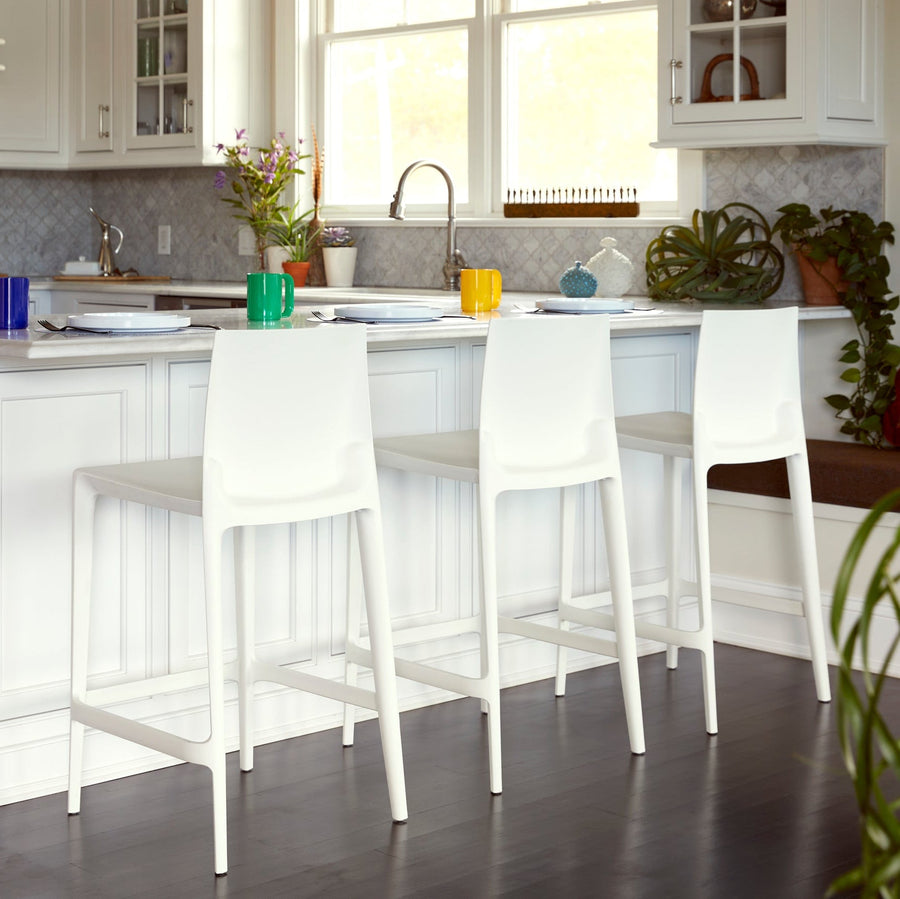 Buying guide · Kitchen and bar seating
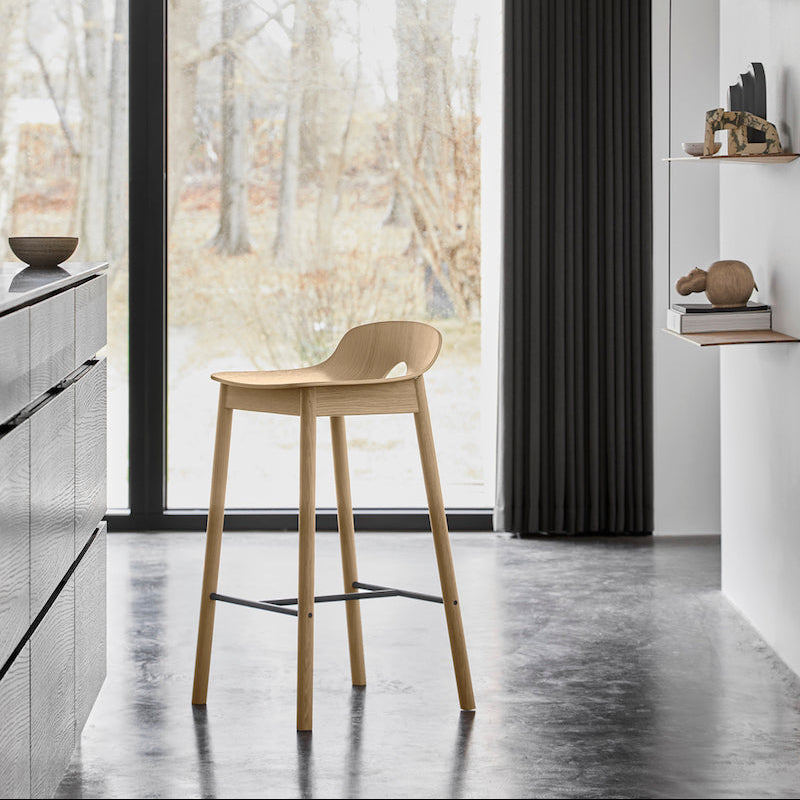
The Best Sustainable Bar Stools and Counter Stools: A Buyer's Guide
A sustainable bar or counter stool is made from a material you can trace, such as FSC-certified wood, recycled plastic or a waste-based composite, by a maker whose claims you...
-
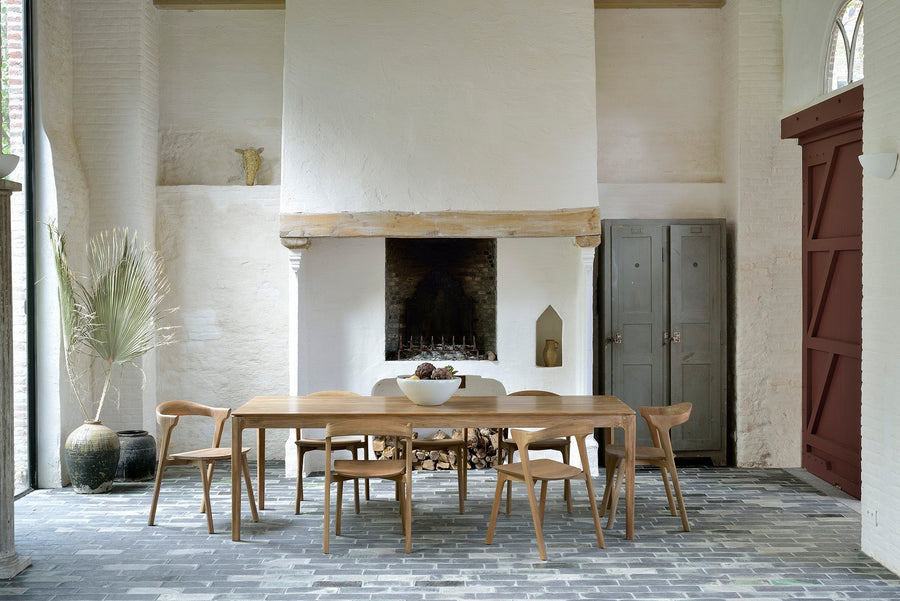 Buying guide · Dining & kitchen tables
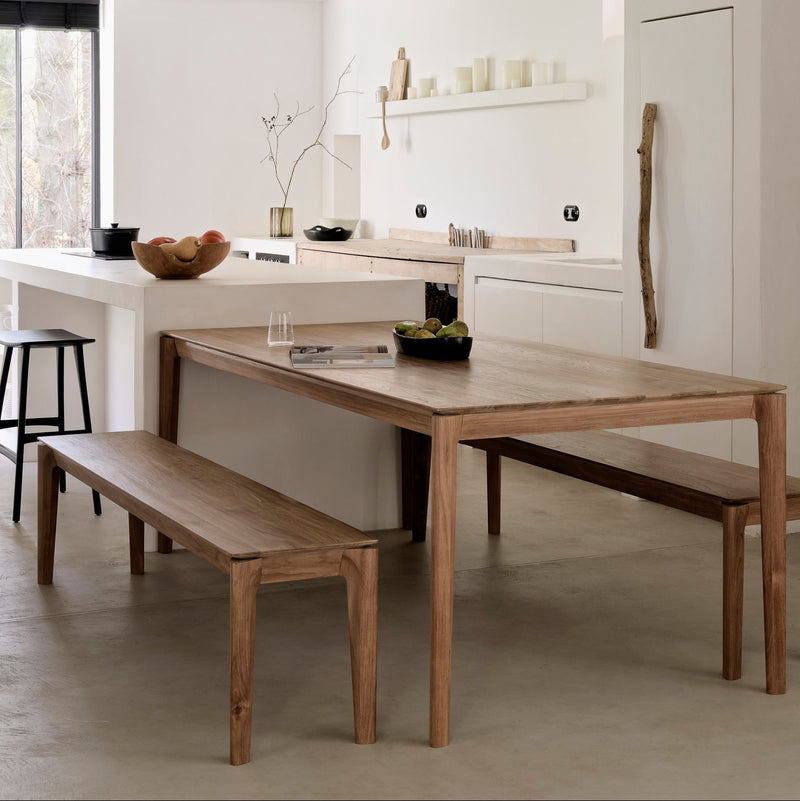
The Best Sustainable Dining Tables: A 2026 Buyer's Guide for Heirloom-Quality Homes
Eco-friendly kitchen tables are dining tables made of solid wood or solid bamboo, not veneer over MDF or particleboard, from a source you can check, such as FSC-certified forests. They...
-
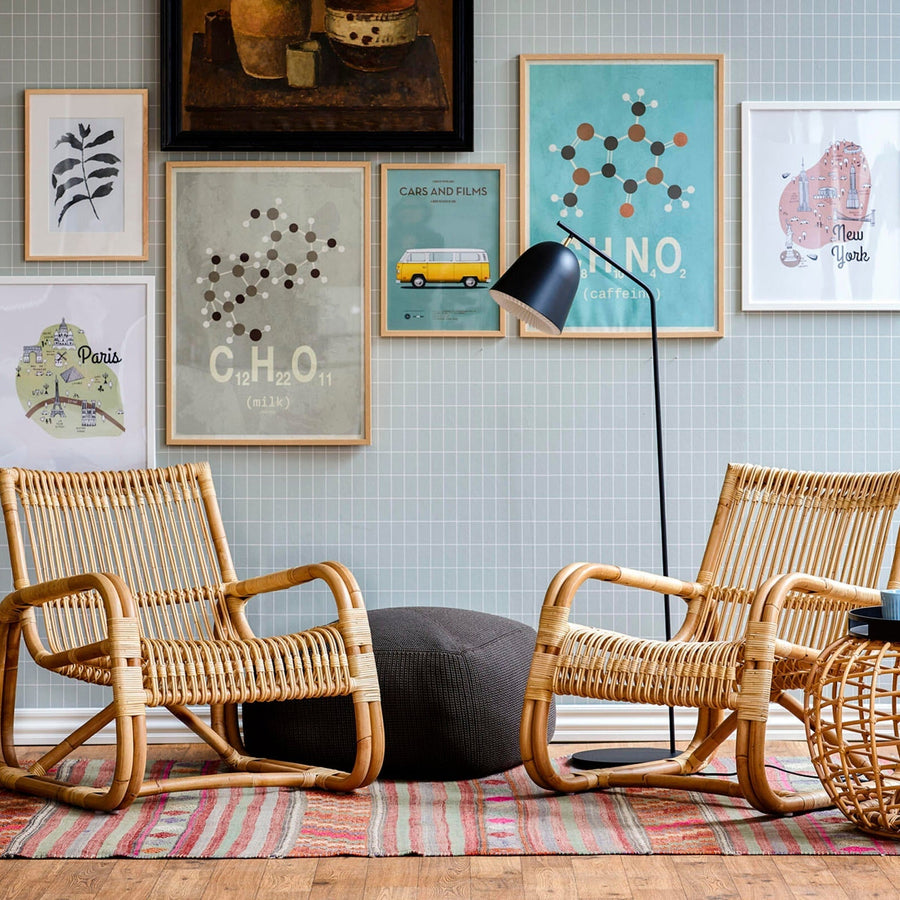 Buying guide · Lounge chairs
The Best Sustainable Lounge & Accent Chairs for Modern Homes
Judge a lounge chair by four things: a frame of solid wood, metal or recycled plastic; upholstery the maker names, ideally recycled or OEKO-TEX-certified; a low-VOC finish, such as water-based...
-
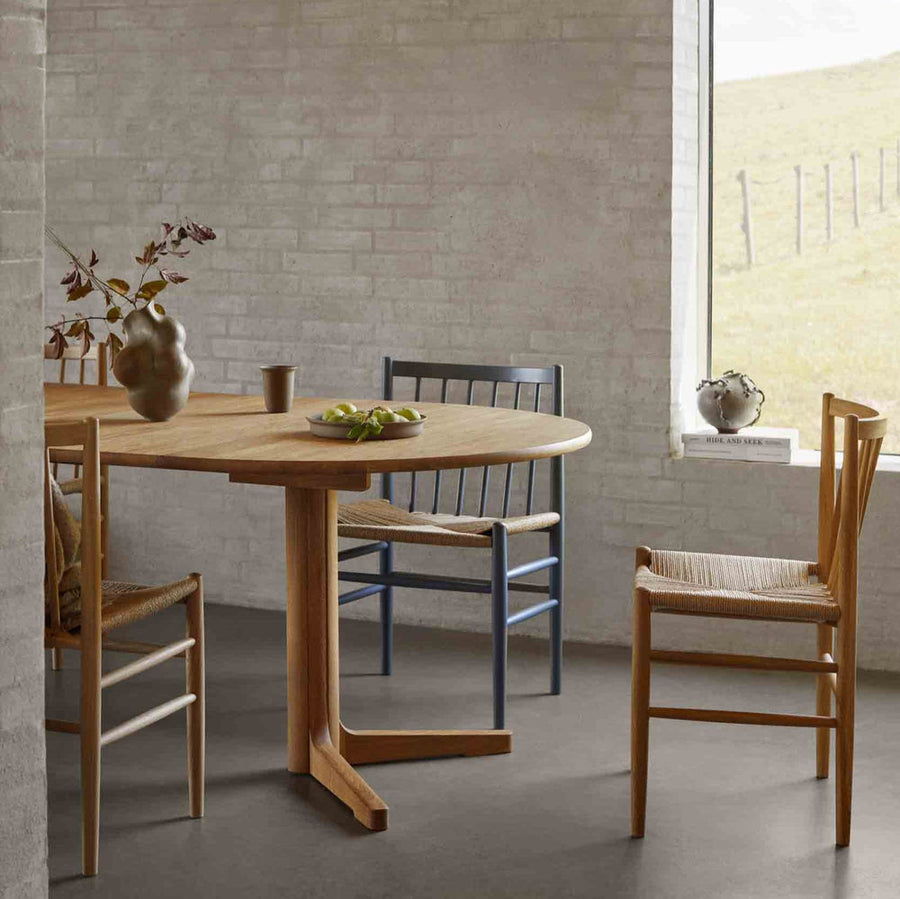 Buying guide · Sustainable brands
The Best Eco-Friendly Furniture Brands in 2026: 12 Makers We Vetted
Judge a furniture retailer or brand by what it can prove: named third-party certifications such as B Corp, FSC or ISO 14001 rather than words like “eco-conscious”, a country of...
-
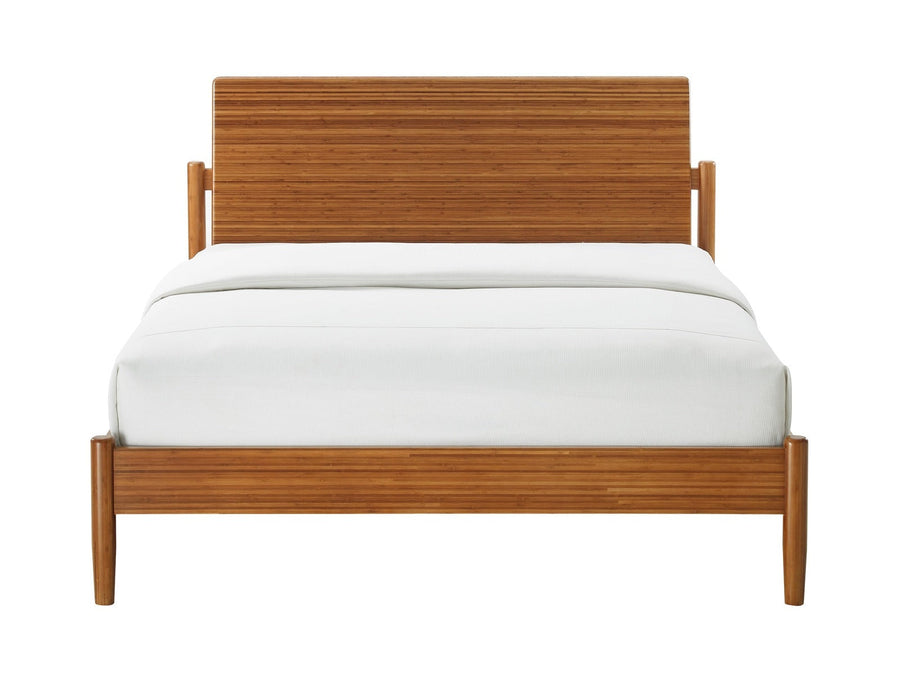 Comparison · Materials
Bamboo vs. Hardwood Furniture: Which Is More Sustainable?
Both can be sustainable; they win on different counts. Solid Moso bamboo is a grass that Greenington says matures in under five years and regrows from its roots without replanting,...
-
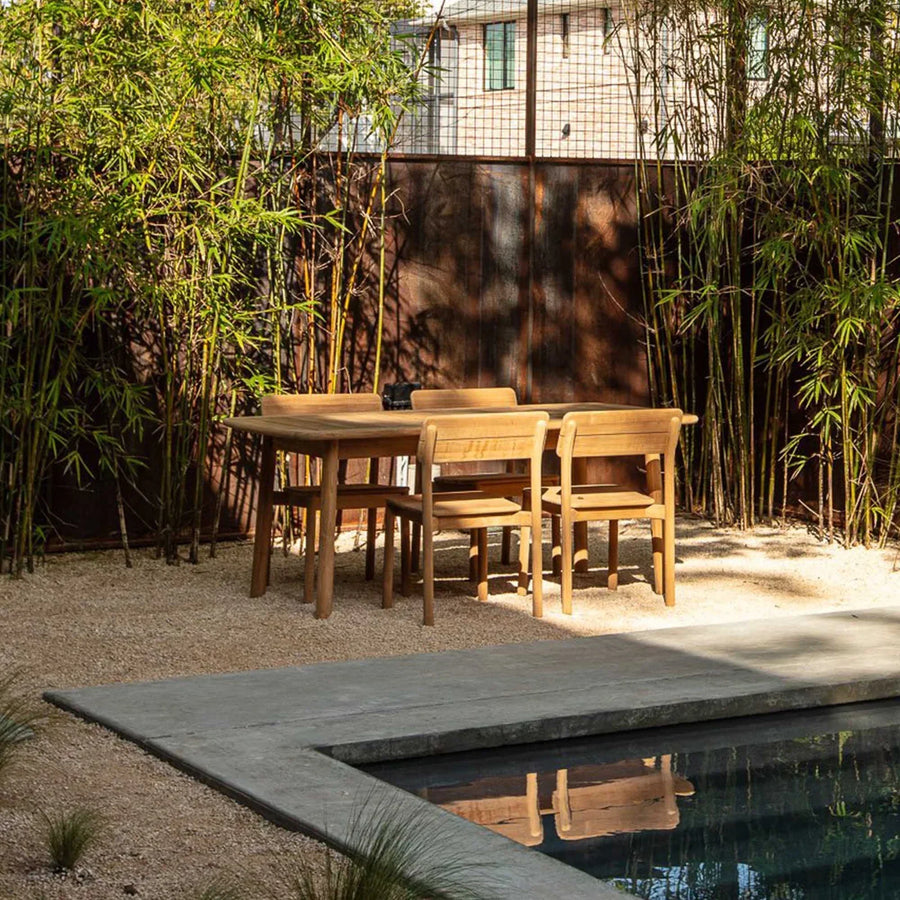 Comparison · Outdoor materials
Teak vs. Acacia vs. Powder-Coated Aluminum: Best Outdoor Furniture Material for Your Climate
For furniture that lives uncovered in sun and rain, choose solid teak or powder-coated aluminum. Teak’s natural oils and silica let it weather to silver for decades; aluminum doesn’t rust...
-
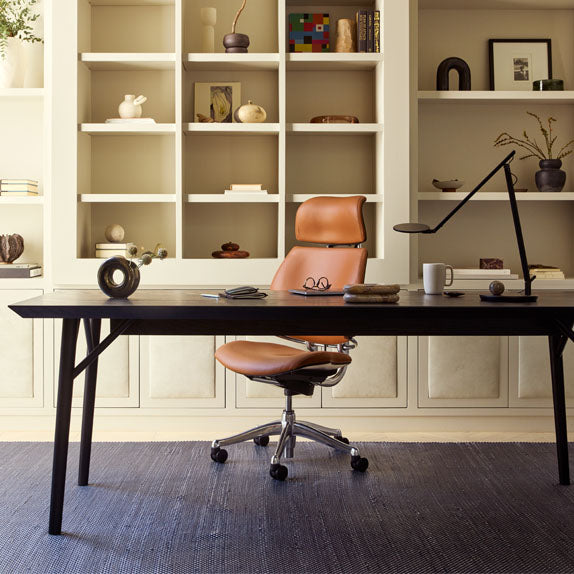 Buying guide · Home office
Sustainable and Non-Toxic Office Chairs: An Ergonomic Buyer's Guide
Check four things, in this order: recycled content stated in pounds or percent, a low-emission certification such as GREENGUARD Gold or SCS Indoor Advantage Gold, a long warranty on the...
-
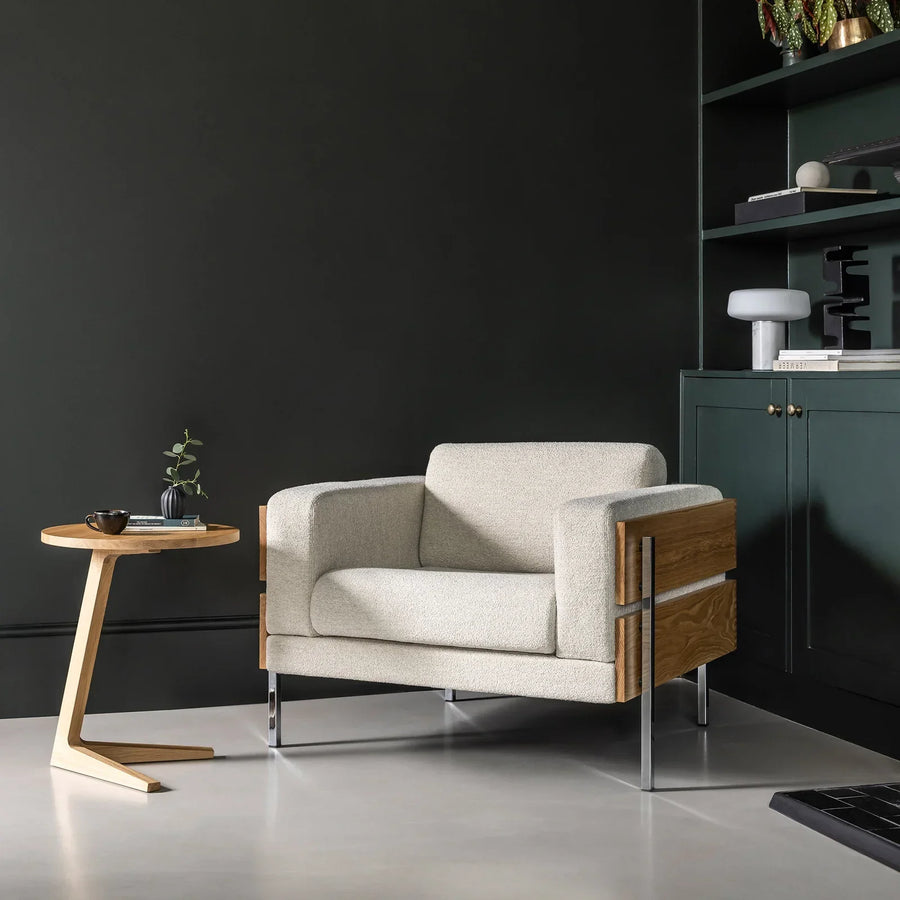 Buying guide · Materials & health
Non-Toxic Furniture Guide: How to Choose Safe, Healthy Pieces for Every Room
Choose solid wood, solid bamboo or powder-coated metal over particleboard and MDF, which are usually bonded with formaldehyde resins. Pick natural-oil or water-based finishes, and OEKO-TEX fabric for upholstery. For...
Labels, decoded
What the labels on furniture actually prove
Each label answers one question. Pick yours to see which ones count, and what each can't tell you.
-
FSCForest Stewardship Council
- Proves
- The wood came from responsibly managed forests, tracked through every owner and factory to the finished piece.
- Doesn't tell you
- What's in the glue, finish or foam, or how long the piece will last.
- How to check it
- Ask for the licence code (FSC-C plus six digits) and look it up at info.fsc.org.
-
PEFCPEFC Council
- Proves
- The same question as FSC, answered through the national forest standards PEFC endorses. Common on European wood.
- Doesn't tell you
- What's in the glue, finish or foam.
- How to check it
- Ask for the PEFC certificate number and check it in PEFC's online database.
-
GREENGUARD GoldUL Solutions
- Proves
- A finished product's chemical emissions were tested in a chamber against limits on more than 360 VOCs and total emissions, set for sensitive groups such as children.
- Doesn't tell you
- Where the wood came from, or how the factory treats its workers.
- How to check it
- Look up the exact model in UL's SPOT directory. A brand-wide claim isn't a certificate for the piece you're buying.
-
Nordic Swan EcolabelNordic Ecolabelling
- Proves
- For the labelled product: limits on formaldehyde and VOCs in glues, panels and finishes, no halogenated flame retardants, and at least 70% certified wood.
- Doesn't tell you
- Anything about the brand's other products. It's issued product by product.
- How to check it
- Look for the swan logo and licence number on the product listing.
-
OEKO-TEX Standard 100OEKO-TEX Association
- Proves
- Every part of a textile, from thread to zip, was tested against more than 1,000 harmful substances. Product Class 1, for babies and children up to 3, is the strictest.
- Doesn't tell you
- Anything about the frame, foam or wood under the fabric.
- How to check it
- Enter the certificate number in the label check on oeko-tex.com.
-
B CorpB Lab
- Proves
- The whole company met B Lab's verified standard for social and environmental performance, and is re-verified every three years.
- Doesn't tell you
- That a particular product is low-emission or made from certified wood.
- How to check it
- Find the company in B Lab's B Corp directory.
-
ISO 14001Independent certification bodies
- Proves
- An independent body audited a company's environmental management system at the sites the certificate names.
- Doesn't tell you
- A product's materials or emissions. The standard sets no numeric limits.
- How to check it
- Ask for the certificate and which factory it covers.
-
STURDY tip-over ruleUS CPSC
- Proves
- A dresser or chest made after September 1, 2023 passed three stability tests, one with a child's weight, and ships with an anti-tip kit.
- Doesn't tell you
- Anything about materials or chemistry. It's a mandatory safety rule, not an eco label.
- How to check it
- Ask the seller, then install the anti-tip kit.
-
ANSI/BIFMA X5.1 · EN 16139BIFMA · CEN
- Proves
- A seat passed strength and durability tests written for commercial use. X5.1 covers office seating and stools; EN 16139 covers non-domestic seating.
- Doesn't tell you
- Emissions, materials or where it was made.
- How to check it
- Ask which standard, and which year, the model was tested to.
- "LEED-certified" furniture. LEED rates buildings and interior projects, not products. A piece can count toward a project's low-emitting materials credit when its maker supplies emissions data.
- "Non-toxic" or "eco-friendly" on their own. Neither has a fixed definition. Ask which test or certificate backs the word.
- FSC as a health claim. FSC tells you where the wood came from, not what's in the glue or finish.
- A brand-wide certificate. Emissions and textile labels are issued per product, so check the model you're buying.
Side by side
Compare materials and makers
Head-to-head comparisons, so you can choose on evidence rather than adjectives.
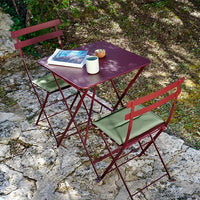 OutdoorFermob vs. Isimar vs. Resol: Which European Metal Outdoor Chair Should You Buy?
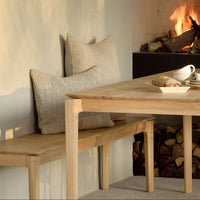 MaterialsGreenington vs. Ethnicraft: Bamboo or Solid Oak for Your Next Table?
 ComparisonDo Tariffs Make European Furniture More Expensive? What the EU Rate Means for Your Order
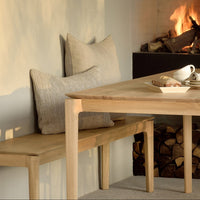 MaterialsEthnicraft vs. FDB Møbler: Belgian Warmth or Danish Restraint in Solid Oak?
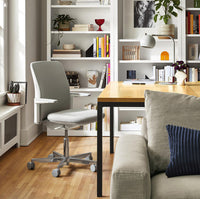 Home officeHumanscale vs. Varier: Two Philosophies of Sitting Better (and Which Fits Your Desk)
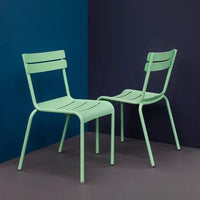 OutdoorFermob Luxembourg vs. Bistro: Two French Outdoor Icons Compared
The makers
Why we carry each brand
Who makes it, where, and what each maker can show.
- Lladró Lighting: Porcelain, Hand-Painting, and What Craft Actually Costs
- CondeHouse: Japanese Joinery, Asahikawa Hardwood, and the Craft Case for Slower Furniture
- UMAGE: Copenhagen's Flat-Pack Answer to Shipping Emissions
- Why We Carry Tala: London's B Corp LED Lighting
- Why We Carry Tikamoon: France's Solid-Wood B Corp
- 3 Days of Design 2026: What Copenhagen Told Us About the Future of Sustainable Furniture
- Danish Homeware, Built to Be Kept: Kähler, Holmegaard, Lyngby Porcelæn, and Arne Jacobsen Clocks
- Why We Carry Tiptoe: Paris B Corp Furniture Built to Disassemble
- Why We Carry Heymat: Norway's Recycled-Fiber Answer to the Ugly Doormat
- The Heller Swell Catchall: The Story Behind the Wave-Shaped Wall Organizer
- Why We Carry Case Furniture: London Design Engineering Since 2005
- Why We Carry Heller: New York's Closed-Loop Recycled Plastic Pioneer
The library
Every guide and article
Showing 124 of 124
-
 Repairable Furniture: Warranties, Spare Parts and the Brands That Back Them Buying guideShop the guideDiningLiving roomOutdoorHome officeLightingUpdated Oct 2026
 -
 Dining Tables for Small Spaces: How to Fit a Dinner Party Into a Small Apartment Buying guideDiningSmall spacesOct 2026
 -
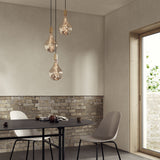 Pendant Lighting Over a Dining Table: Size, Height, and Spacing Guide Buying guideDiningLightingSep 2026
 -
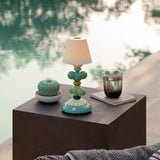 Lladró Lighting: Porcelain, Hand-Painting, and What Craft Actually Costs Maker storyLightingSep 2026
 -
 What Actually Happens to a Sofa at the End of Its Life in the US? MaterialsLiving roomSep 2026
 -
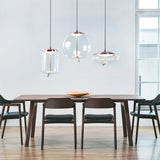 CondeHouse: Japanese Joinery, Asahikawa Hardwood, and the Craft Case for Slower Furniture MaterialsSep 2026
 -
 "Carbon Negative," Audited: What Isimar's Claim Actually Means (and How We Check) Labels and claimsOutdoorSep 2026
 -
 The Design Gift Guide: Sustainable Pieces from $30 to $250 Buying guideSep 2026
 -
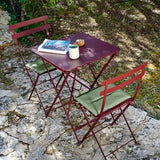 Fermob vs. Isimar vs. Resol: Which European Metal Outdoor Chair Should You Buy? ComparisonOutdoorSep 2026
 -
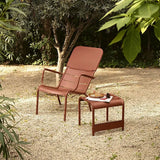 When to Buy Outdoor Furniture: A Month-by-Month Guide (and Why Longevity Beats Discounts) Buying guideOutdoorSep 2026
 -
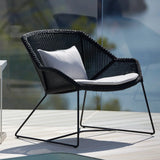 How to Care for Rattan, Cane, and Woven Furniture (Natural and All-Weather Are Opposites) Care and repairOutdoorSep 2026
 -
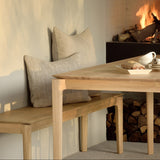 Greenington vs. Ethnicraft: Bamboo or Solid Oak for Your Next Table? ComparisonDiningSep 2026
 -
 UMAGE: Copenhagen's Flat-Pack Answer to Shipping Emissions Maker storyLightingSep 2026
 -
 Why We Carry Tala: London's B Corp LED Lighting Labels and claimsLightingSep 2026
 -
 Do Tariffs Make European Furniture More Expensive? What the EU Rate Means for Your Order ComparisonSep 2026
 -
 Wool, Bouclé, and Performance Fabric: Choosing Upholstery That Survives Ten Years MaterialsLiving roomSep 2026
 -
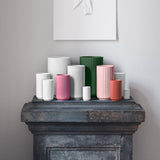 Housewarming Gifts Under $100 That Actually Get Used Buying guideSep 2026
 -
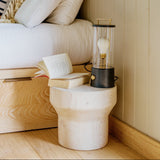 The Best Rechargeable and Portable Lamps for Dark Evenings: Tala, Anglepoise, Fermob, Rosendahl Buying guideLightingSep 2026
 -
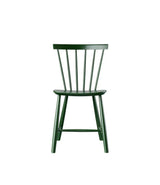 What Is the Nordic Swan Ecolabel? The Certification Most American Buyers Have Never Heard Of Labels and claimsSep 2026
 -
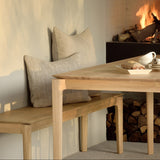 Ethnicraft vs. FDB Møbler: Belgian Warmth or Danish Restraint in Solid Oak? ComparisonDiningSep 2026
 -
 Warm Woods, Deep Tones: How to Layer a Living Room for Fall Without Buying Fast Furniture IdeasLiving roomSep 2026
 -
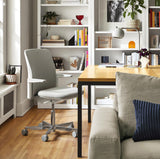 Humanscale vs. Varier: Two Philosophies of Sitting Better (and Which Fits Your Desk) ComparisonHome officeSep 2026
 -
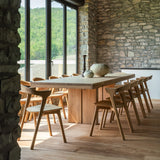 The Best Extendable Dining Tables for Holiday Hosting (Seats 6, Extends to 10) Buying guideDiningSep 2026
 -
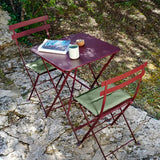 How to Winterize Outdoor Furniture: What Comes In, What Stays Out, and How to Store It Care and repairOutdoorSep 2026
 -
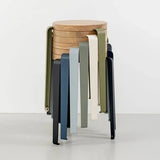 Sustainable Furniture for Renters: Pieces That Move When You Do Buying guideLiving roomSmall spacesSep 2026
 -
 The Best Sustainable TV Stand & Media Console Sizing Guide (2026) Buying guideLiving roomAug 2026
 -
 Why We Carry Tikamoon: France's Solid-Wood B Corp MaterialsAug 2026
 -
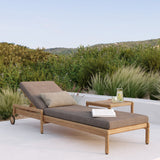 Sustainable Sun Loungers and Outdoor Daybeds: A Late-Summer Buyer's Guide Buying guideOutdoorAug 2026
 -
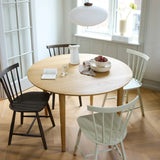 3 Days of Design 2026: What Copenhagen Told Us About the Future of Sustainable Furniture MaterialsAug 2026
 -
 What Is Recycled Plastic Furniture? Polyethylene, Polypropylene, and Ocean Plastic Explained MaterialsOutdoorAug 2026
 -
 Danish Homeware, Built to Be Kept: Kähler, Holmegaard, Lyngby Porcelæn, and Arne Jacobsen Clocks Buying guideDiningAug 2026
 -
 How to Clean and Care for Upholstered Sofas (Without Toxic Stain Treatments) Care and repairLiving roomAug 2026
 -
 How to Set Up a Sustainable Entryway: Doormats, Benches, and Smart Storage Buying guideAug 2026
 -
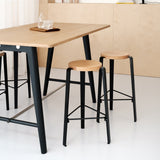 Why We Carry Tiptoe: Paris B Corp Furniture Built to Disassemble Labels and claimsAug 2026
 -
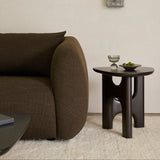 Sustainable End and Side Tables: Small Pieces, Honest Materials Buying guideLiving roomAug 2026
 -
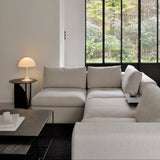 Modular Sofas and Sectionals You Can Rearrange (and Keep Forever) Buying guideLiving roomSmall spacesAug 2026
 -
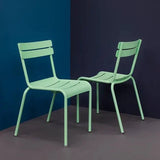 Fermob Luxembourg vs. Bistro: Two French Outdoor Icons Compared ComparisonOutdoorJul 2026
 -
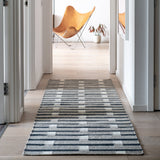 Sustainable Rugs and Doormats: Materials, Certifications, and Care Buying guideJul 2026
 -
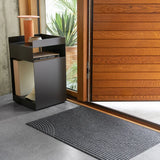 Why We Carry Heymat: Norway's Recycled-Fiber Answer to the Ugly Doormat Maker storyJul 2026
 -
 Sustainable Furniture Under $500: Real Picks That Aren't Fast Furniture Buying guideJul 2026
 -
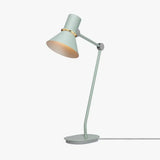 Anglepoise Type 75 vs. Type 80 vs. Original 1227: Which Lamp Should You Buy? ComparisonLightingJul 2026
 -
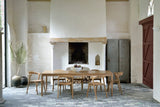 Sustainable Dining Chairs: A Buyer's Guide to Wood, Recycled, and Upholstered Seats Buying guideDiningJul 2026
 -
 What Are Zero-VOC Finishes? Furniture Paints, Oils, and Sealants Explained MaterialsJul 2026
 -
 The Heller Swell Catchall: The Story Behind the Wave-Shaped Wall Organizer Maker storyLiving roomJul 2026
 -
 Sustainable and Non-Toxic Office Chairs: An Ergonomic Buyer's Guide Buying guideShop the guideHome officeUpdated Oct 2026
 -
 Wall Organizers That Earn Their Wall Space: Sustainable Catchalls, Shelves & Coat Racks Buying guideLiving roomJul 2026
 -
 Why We Carry Case Furniture: London Design Engineering Since 2005 Maker storyJul 2026
 -
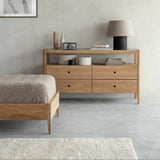 Non-Toxic Bedroom Furniture: Bed Frames, Nightstands, and What to Avoid Buying guideBedroomJul 2026
 -
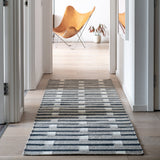 Sustainable Pet-Friendly Furniture: Materials That Last with Cats and Dogs Buying guideLiving roomJun 2026
 -
 The Rise of Warm Minimalism: Why Earth Tones Define 2026 Sustainable Design IdeasJun 2026
 -
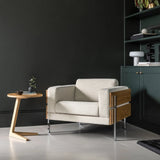 Non-Toxic Furniture: What PFAS, Formaldehyde, and TB117 Really Mean MaterialsJun 2026
 -
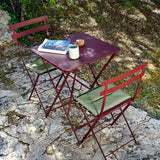 How to Care for Powder-Coated Outdoor Furniture (Fermob, Cane-Line, ISIMAR) Care and repairOutdoorJun 2026
 -
 Sustainable Furniture for Small Balconies: A Buying Guide for City Apartments Buying guideOutdoorSmall spacesJun 2026
 -
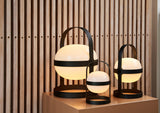 Best Sustainable Outdoor Lighting: Portable, Solar, and Hardwired at Comosum Buying guideOutdoorLightingJun 2026
 -
 Why We Carry Heller: New York's Closed-Loop Recycled Plastic Pioneer Maker storyJun 2026
 -
 Sustainable Bookshelves and Wall-Mounted Shelving: A Buyer's Guide Buying guideLiving roomJun 2026
 -
 What Is Cradle to Cradle Certification? A Furniture Owner's Guide Labels and claimsJun 2026
 -
 Sustainable Sideboards and Credenzas: A Buyer's Guide at Comosum Buying guideDiningLiving roomJun 2026
 -
 How to Care for Solid Oak Furniture: Cleaning, Oiling, and Repair MaterialsJun 2026
 -
 Why We Carry Mater: Recycled Coffee, Ocean Plastic, and Danish Craft Maker storyJun 2026
 -
 Anglepoise vs. Tala: Two British B Corp Lighting Brands, Compared ComparisonLightingJun 2026
 -
 Sustainable Outdoor Dining Sets: A Buyer's Guide for Patios and Terraces Buying guideDiningOutdoorJun 2026
 -
 What Is GREENGUARD Gold Certification? A Plain-English Guide for Furniture Labels and claimsJun 2026
 -
 Why We Carry WOUD: Copenhagen's Quietly Confident Design House Maker storyMay 2026
 -
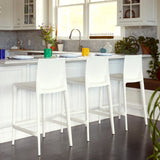 The Best Sustainable Bar Stools and Counter Stools: A Buyer's Guide Buying guideShop the guideDiningUpdated Oct 2026
 -
 Why We Carry Ethnicraft: Belgium's Solid-Wood Standard for Sustainable Furniture Maker storyMay 2026
 -
 What Is FSC Certification? A Furniture Buyer's Guide Labels and claimsMay 2026
 -
 Sustainable Coffee Tables: A Buyer's Guide to Wood, Recycled, and Heirloom-Quality Picks Buying guideLiving roomMay 2026
 -
 The Best European Sustainable Furniture Brands Available in the US Buying guideMay 2026
 -
 How to Care for Teak Outdoor Furniture (and When to Let It Patina) Care and repairOutdoorMay 2026
 -
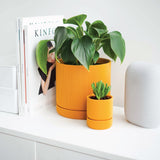 Biophilic Design at Home: Bringing Nature In with Wood, Plants, and Natural Light IdeasMay 2026
 -
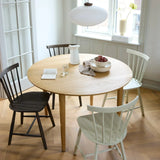 Mid-Century Modern, Done Sustainably: Brands Reissuing Iconic Designs Responsibly at Comosum IdeasMay 2026
 -
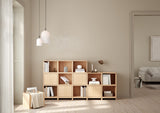 Japandi Style on a Sustainable Foundation: How to Get the Look with FSC-Certified Brands IdeasMay 2026
 -
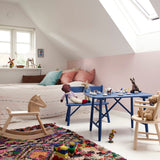 Sustainable Nursery & Kids' Furniture: Non-Toxic Picks and the Labels to Check Buying guideShop the guideBedroomKidsUpdated Oct 2026
 -
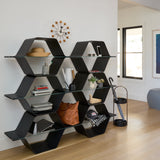 Sustainable Home Office Setup: A Room-by-Room Guide for Creators and Remote Workers Buying guideHome officeMay 2026
 -
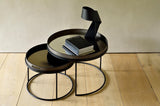 The Sustainable Living Room: Sofas, Coffee Tables, Lighting, and Rugs That Last Buying guideLiving roomMay 2026
 -
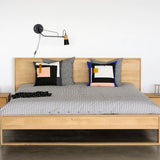 The Sustainable Bedroom: How to Build a Non-Toxic, FSC-Certified Sleep Space Buying guideBedroomMay 2026
 -
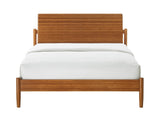 Bamboo vs. Hardwood Furniture: Which Is More Sustainable? ComparisonShop the guideUpdated Oct 2026
 -
 Solid Wood vs. Veneer vs. Engineered Wood: Which Lasts Longest? ComparisonMay 2026
 -
 Teak vs. Acacia vs. Powder-Coated Aluminum: Best Outdoor Furniture Material for Your Climate ComparisonShop the guideOutdoorUpdated Oct 2026
 -
 Fermob vs. Cane-Line: Which Sustainable Outdoor Furniture Brand Is Right for You? ComparisonOutdoorMay 2026
 -
 The Best Sustainable Lounge & Accent Chairs for Modern Homes Buying guideShop the guideLiving roomUpdated Oct 2026
 -
 Sustainable Lighting Buying Guide: Lamps, Pendants, and Fixtures Built to Last Buying guideLightingMay 2026
 -
 B Corp Furniture & Lighting Brands at Comosum: What B Corp Means and the Brands We Carry Labels and claimsMay 2026
 -
 Sustainable Kitchen Accessories: Heirloom Tableware, Boards, and Tools That Last Generations Buying guideDiningMay 2026
 -
 The Best Sustainable Office Desks for the Home Office Buying guideHome officeMay 2026
 -
 The Best Sustainable Dining Tables: A 2026 Buyer's Guide for Heirloom-Quality Homes Buying guideShop the guideDiningUpdated Oct 2026
 -
 The Best Sustainable Sofas: A 2026 Buyer's Guide for Eco-Conscious Homes Buying guideLiving roomMay 2026
 -
 Outdoor Furniture Materials: How to Choose Between Metal, Wood, and Plastic at Comosum MaterialsOutdoorApr 2026
 -
 Fermob: Why We Carry France's Most Iconic Sustainable Outdoor Furniture at Comosum Maker storyOutdoorMar 2026
 -
 Humanscale: Why We Carry Its B Corp, Climate-Positive Ergonomic Furniture at Comosum Maker storyHome officeMar 2026
 -
 Isimar: Why We Carry Spain's Solar-Powered Outdoor Furniture Brand at Comosum Maker storyOutdoorMar 2026
 -
 Petite Friture: Why We Carry France's Independent Design House at Comosum Maker storyLightingMar 2026
 -
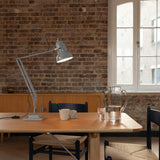 Anglepoise: Why We Carry Britain's B Corp Lighting Pioneer at Comosum Maker storyLightingMar 2026
 -
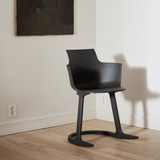 Varier: Why We Carry Norway's Ergonomic Seating Pioneer at Comosum Maker storyHome officeMar 2026
 -
 Greenington: Why We Carry America's Sustainable Bamboo Furniture Brand at Comosum Maker storyMar 2026
 -
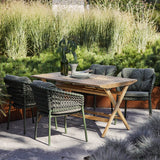 Cane-Line: Why We Carry Denmark's Premium Outdoor Furniture Brand at Comosum Maker storyOutdoorMar 2026
 -
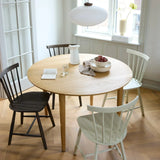 FDB Møbler: Why We Carry Denmark's People's Furniture at Comosum Maker storyMar 2026
 -
 Sustainable Outdoor Furniture: The Complete Guide Buying guideOutdoorMar 2026
 -
 The Hidden Cost of Fast Furniture (And What to Buy Instead) Buying guideMar 2026
 -
 The Interior Designer's Guide to Sourcing Sustainable Furniture Buying guideMar 2026
 -
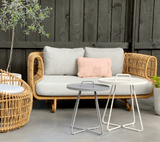 Sustainable Furniture for Small Spaces & Apartment Living Buying guideLiving roomSmall spacesMar 2026
 -
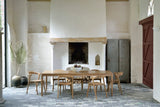 What Is Sustainable Furniture? Everything You Need to Know Buying guideMar 2026
 -
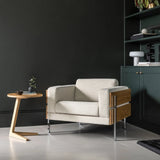 Non-Toxic Furniture Guide: How to Choose Safe, Healthy Pieces for Every Room Buying guideShop the guideUpdated Oct 2026
 -
 The Best Eco-Friendly Furniture Brands in 2026: 12 Makers We Vetted Buying guideShop the guideUpdated Oct 2026
 -
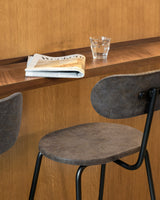 Scandinavian Sustainable Furniture: Why Danish Design Leads Modern Responsible Living IdeasFeb 2026
 -
 Why 3D Printing Belongs in Sustainable Furniture and Eco-Friendly Home Decor MaterialsFeb 2026
 -
 How Comosum Grades Sustainable Furniture (And Why We’re Honest About the Gaps) Labels and claimsJan 2026
 -
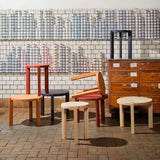 How to Shop Sustainable Furniture: What Certifications Really Mean Buying guideJan 2026
 -
 Meet the Makers: Rosendahl Maker storyJan 2026
 -
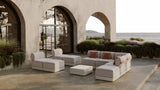 Why Resol Makes Sense for Sustainable Outdoor Furniture Maker storyOutdoorDec 2025
 -
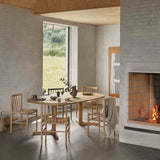 A Healthy Home Starts With Better Materials: Your Guide to Sustainable Upholstery & Non-Toxic Furniture MaterialsDec 2025
 -
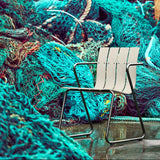 Beyond Wood: The New Materials Rewriting Sustainable Furniture MaterialsDec 2025
 -
 Eco-Friendly Furniture: How to Create a Green Living Space Buying guideLiving roomNov 2025
 -
 How to Identify and Buy Ethically Sourced Furniture Buying guideSep 2025
 -
 What to Look for in Sustainable Furniture Company: A Buyer's Checklist Buying guideSep 2025
 -
 The Ultimate Guide to Sustainable Furniture: What to Know Before You Buy Buying guideSep 2025
 -
 Illuminating Craft: Lladró Lighting Arrives at Comosum Maker storyLightingAug 2025
 -
 Why Original Design & Sustainability Are the Perfect Match IdeasFeb 2025
 -
 Why Bamboo is the Future of Sustainable Furniture MaterialsDec 2024
 -
 Sustainable Swaps: How to Responsibly Dispose of Your Old Furniture Care and repairJan 2024
 -
 Embracing Originality: Why Original Design Matters in The Furniture Industry IdeasJan 2024
 -
 5 Pro Tips to Outsmart Greenwashing in Your Furniture Quest Buying guideJan 2024
 -
 The Role of FSC-Certified Wood in Promoting Forest Health MaterialsJan 2024


Nothing matches yet. Try a material (teak, oak, bamboo), a room, or a label (FSC, GREENGUARD), or email hello@comosum.co and tell us what to write next.
How these are made
Guides you can check
Claims with a source
Every factual claim comes from the brand's own published material, an independent certification body or our product records. If we can't verify it, we leave it out. How we write our guides
Every brand graded
Each maker we carry is scored on six published categories: Material, Transportation, Manufacturing, Labor, Energy and Durability. How the Meter works
Live prices and stock
Buying guides read prices, stock and Meter grades straight from our store, so they're current when you read them. Spot an error? hello@comosum.co

 🔒 Secure checkout
30-Day Returns
Warranty Included
🔒 Secure checkout
30-Day Returns
Warranty Included