


Americans throw away over 12 million tons of furniture every year — and according to EPA data, roughly 80% of it ends up in landfills. To put that number in perspective: that's the combined weight of about 40 Empire State Buildings, discarded annually. The fast furniture industry makes this possible — producing cheap, disposable pieces designed to last just long enough to seem like a deal. But there's a math problem built into that model, and once you see it, you can't unsee it.
What Fast Furniture Actually Is
Fast furniture is the furniture industry's version of fast fashion: mass-produced, low-cost pieces built from engineered wood, particle board, and synthetic materials, designed to be replaced rather than repaired. The business model depends on regular replacement cycles — new collections every season, prices low enough that replacing feels easier than fixing, and construction that makes repair effectively impossible anyway.
The hallmarks are recognizable once you know what you're looking at: furniture that weighs surprisingly little (engineered wood with hollow cores), joints held with cam bolts and staples rather than mortise and tenon or dowels, surfaces that chip when struck rather than dent (particle board with a paper laminate over it, not solid wood), and finishes that smell distinctly chemical when new because they are.
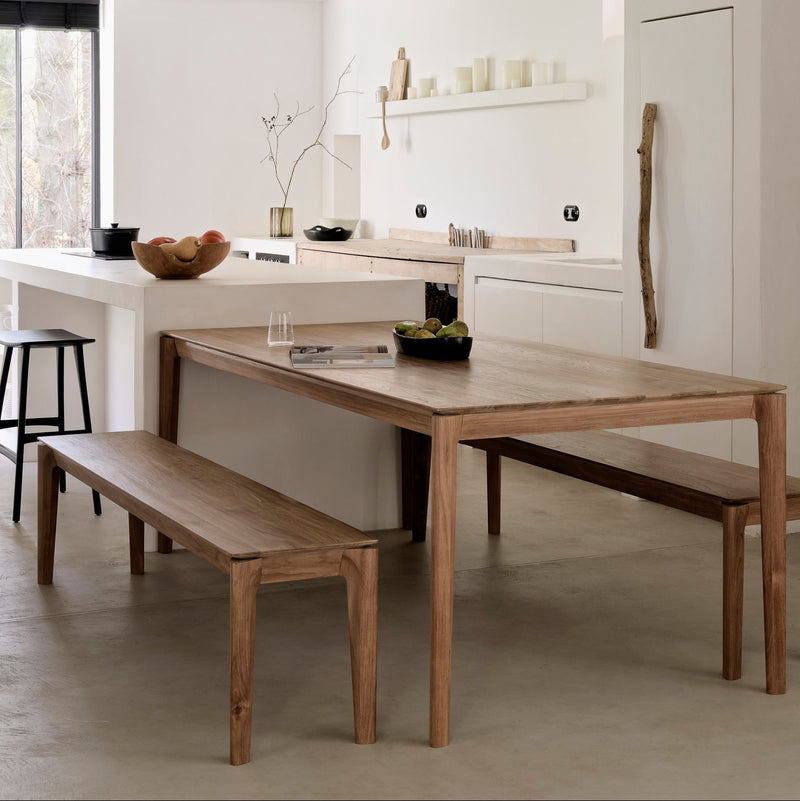
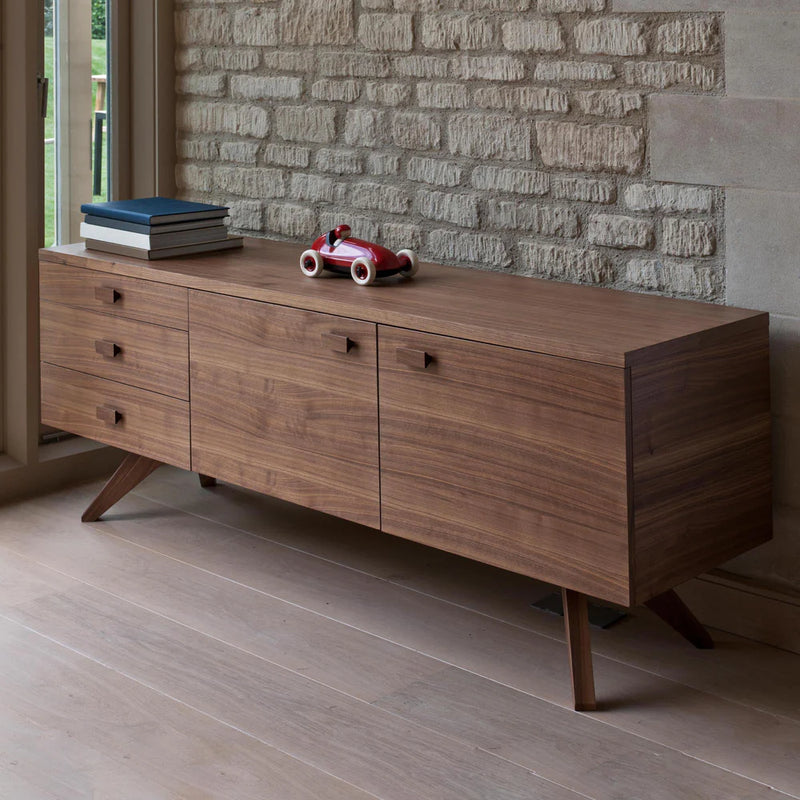
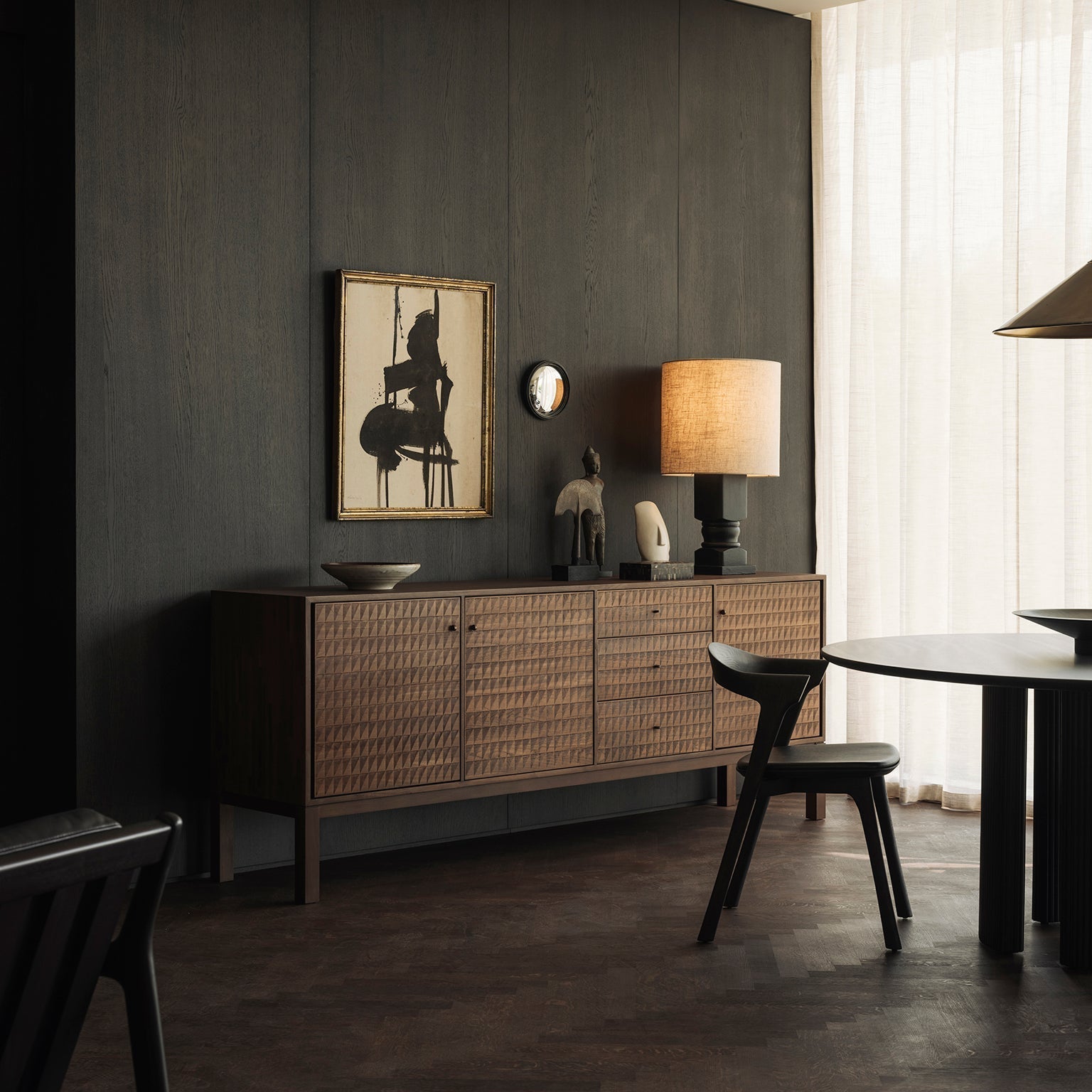
The contrast with sustainable furniture isn't primarily aesthetic — it's structural. A solid oak dining table from Ethnicraft is heavy because it's solid throughout. Its joints are engineered to tighten with use rather than loosen. It can be sanded and refinished when the surface wears. It can be repaired. It's not designed for a landfill in year five; it's designed to be in someone's home in 2080.
The Real Numbers Behind the Hidden Cost of Fast Furniture
The "affordable" framing of fast furniture falls apart quickly when you run the actual math.
The financial cost
A particle board dining table at $350, replaced every 5-6 years: over 30 years, you buy five to six tables — a total spend of $1,750-$2,100, plus five or six deliveries, five or six assembly sessions, and five or six disposal problems. A solid oak FSC-certified dining table at $1,500, lasting 30-50+ years: $1,500, once. The "expensive" option costs 40-70% less over a decade. The cost-per-year story is even starker for sofas, bed frames, and storage: fast furniture in these categories regularly fails within three years of heavy use.
The environmental cost
Each piece of particle board furniture in landfill doesn't just sit there — it releases formaldehyde and other chemicals as it decomposes. The adhesives, synthetic coatings, and binders in engineered wood products don't biodegrade cleanly. The furniture industry is also one of the largest drivers of global timber demand; non-FSC-certified wood sourcing has been directly linked to deforestation in Southeast Asia and South America.
Manufacturing emissions compound the problem. A piece of furniture has a carbon cost associated with its production — energy, transport, processing. Fast furniture with a 3-5 year lifespan generates that carbon cost four to six times over the period that a single quality sustainable piece would serve.
The health cost
This is the hidden cost people talk about least. Conventional particle board furniture off-gasses formaldehyde — a known carcinogen — for months to years after purchase. The thinner the laminate surface and the cheaper the adhesive, the more it off-gasses. In a bedroom or a children's room where air circulation is limited, this is a genuine air quality issue. Our complete non-toxic furniture guide covers the specific materials and certifications to look for if this is a priority for you.
How to Spot Fast Furniture Before You Buy
The marketing has gotten sophisticated enough that fast furniture is often presented with the same vocabulary as quality furniture — "solid," "hardwood," "natural" — without those words meaning what they appear to mean.
A few practical tests: pick up a sample or ask about weight — solid wood furniture is substantially heavier than its particle board equivalent. Ask specifically what the core material is; "wood" or "wood veneer" doesn't tell you whether the core is solid or engineered. Check the joint construction in person if possible — cam bolt assemblies (the hex key circular inserts) are fine for flat-pack transit but shouldn't be the primary structural connection. Look for the finish type: "lacquered" or "painted" without specifics often means solvent-based; "natural oil finish" or "water-based lacquer" is a better sign.
And look for certifications. FSC certification, Nordic Swan Ecolabel, GREENGUARD — these aren't marketing terms a brand can self-apply. They require third-party verification. Their presence on a product label is a meaningful signal. Their absence on a brand website that talks a lot about sustainability is also a signal.
What to Buy Instead: Fast Furniture Alternatives by Category
Here's where the math and the decision converge. Category by category, here are the sustainable alternatives worth the investment.
Dining Tables
Instead of a $300-500 MDF dining table you'll replace twice this decade, consider a solid oak or teak table from Ethnicraft or FDB Møbler. The cost difference upfront is real; the cost difference over 20 years runs in your favor. Ethnicraft's oiled solid oak tables can be restored with an afternoon's work and a tin of maintenance oil. Browse sustainable dining tables at Comosum.
Dining Chairs and Seating
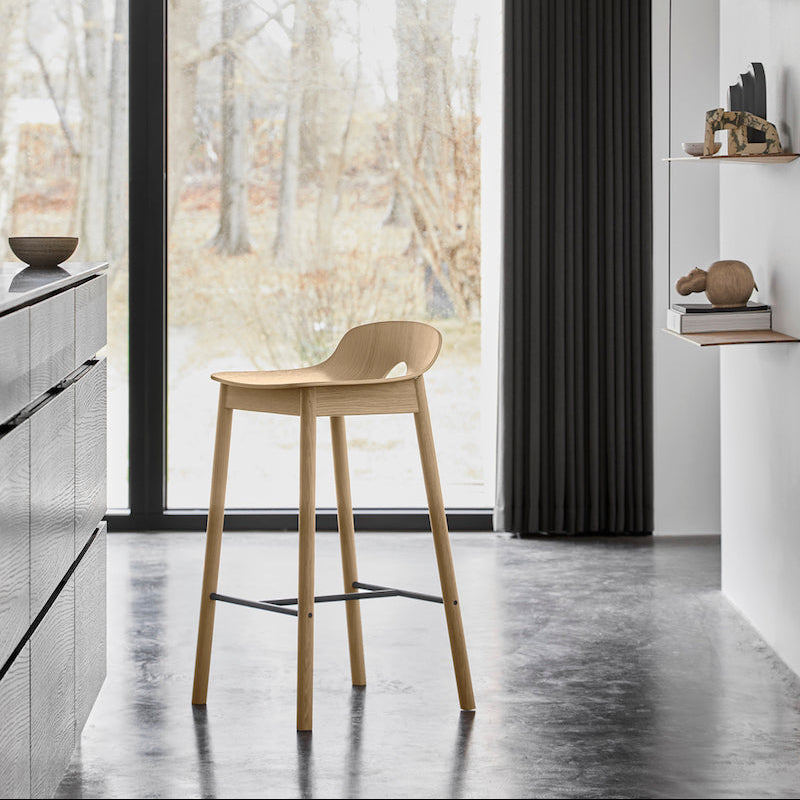
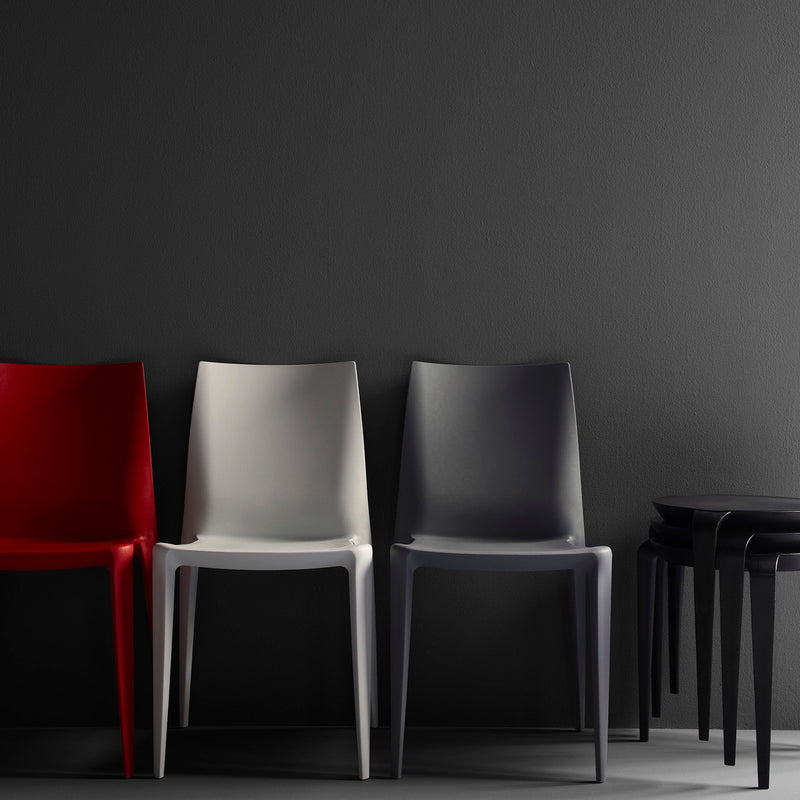
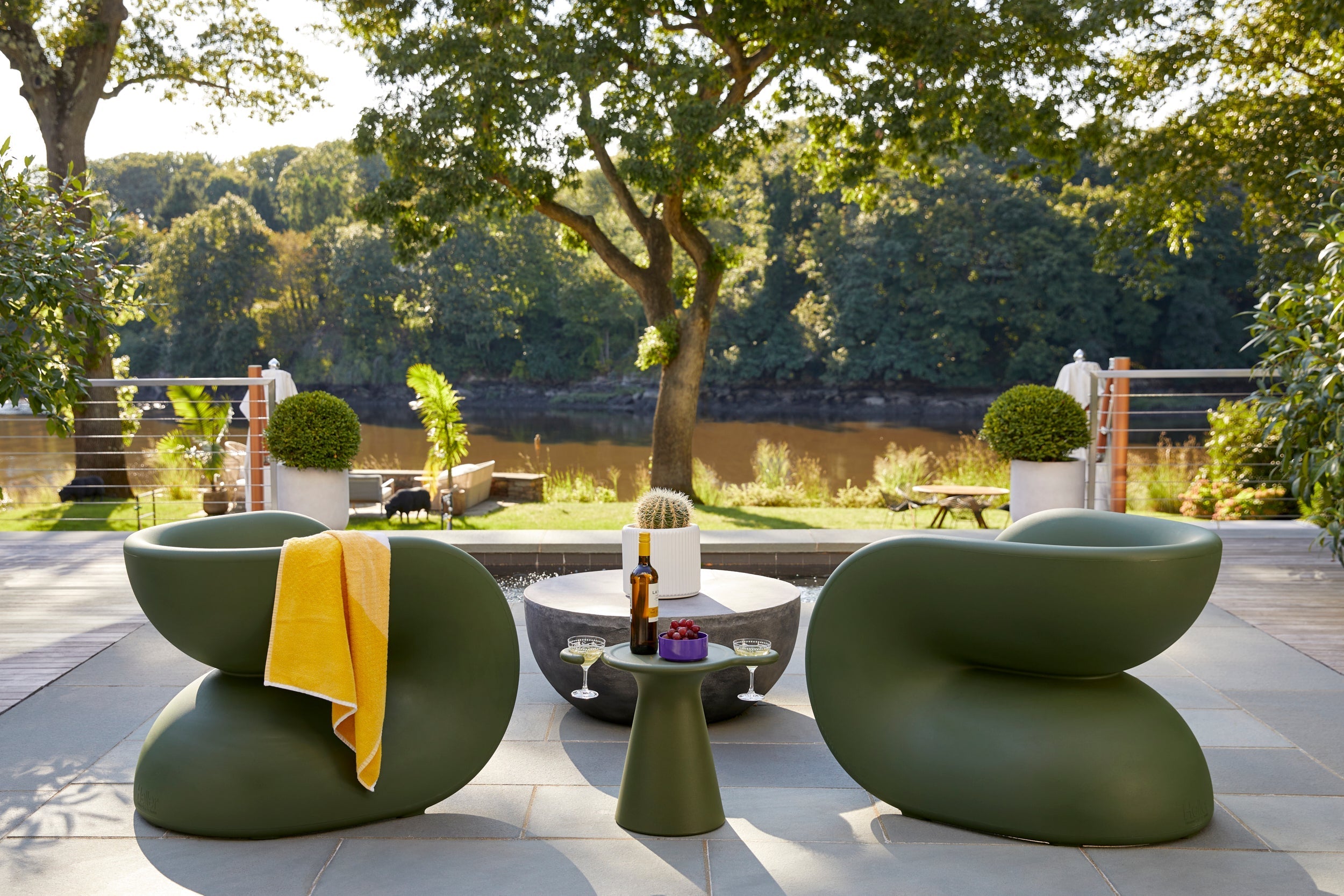
FDB Møbler's dining chairs — Nordic Swan Ecolabel certified, solid beech and oak, Danish-designed — have been in continuous production in some cases since the 1940s. That production longevity tells you something about the physical longevity. Heller's polypropylene stackers are fully recyclable, in production since Mario Bellini's first chair for Heller in 1998, and still look current because they were designed to be timeless rather than trend-driven. Browse sustainable dining chairs at Comosum.
Bedroom Furniture
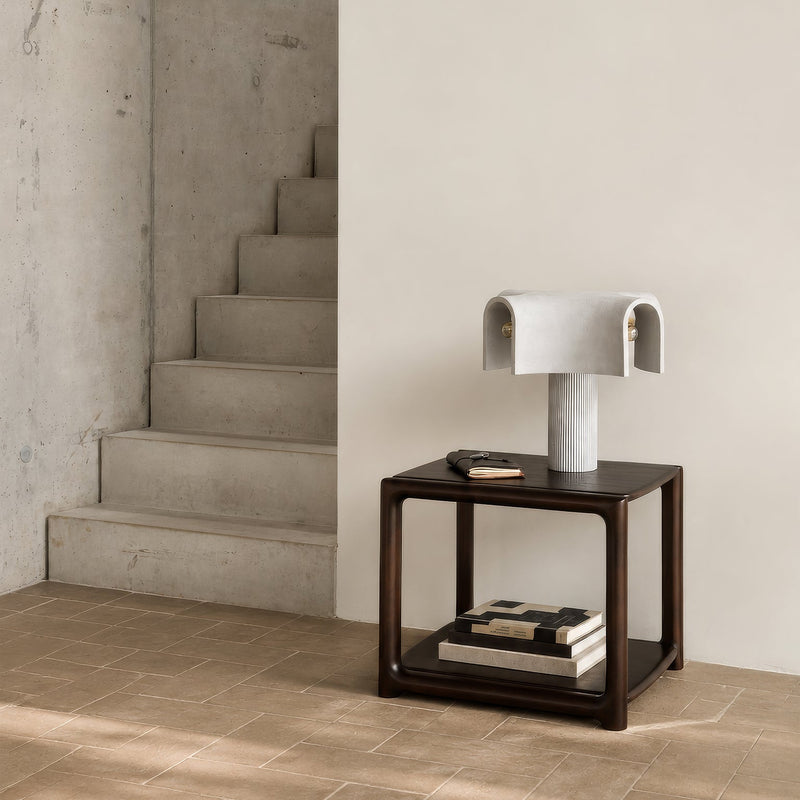
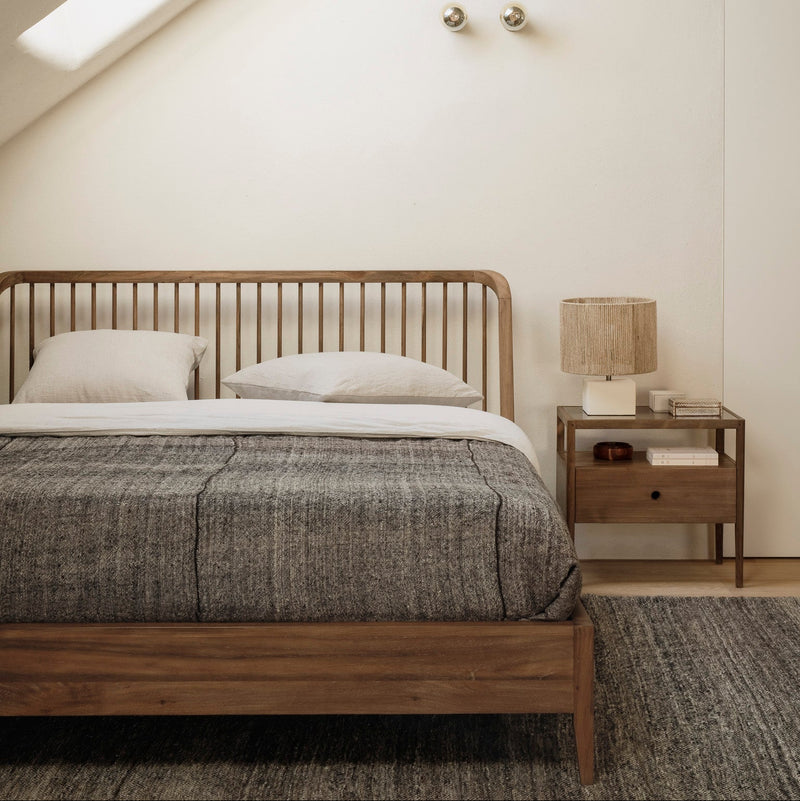
Bed frames are where the fast furniture failure mode is most personally inconvenient — a bed that creaks, sags, or fails structurally is a significant quality-of-life problem, not just an inconvenience. FSC-certified solid wood bed frames from quality brands are built with proper joinery and designed for decades of nightly load-bearing. The non-toxic credential in a bedroom is also worth more than almost anywhere else: you sleep in that room for 8 hours with the door closed. Browse sustainable bed frames and bedside tables at Comosum.
Storage and Shelving
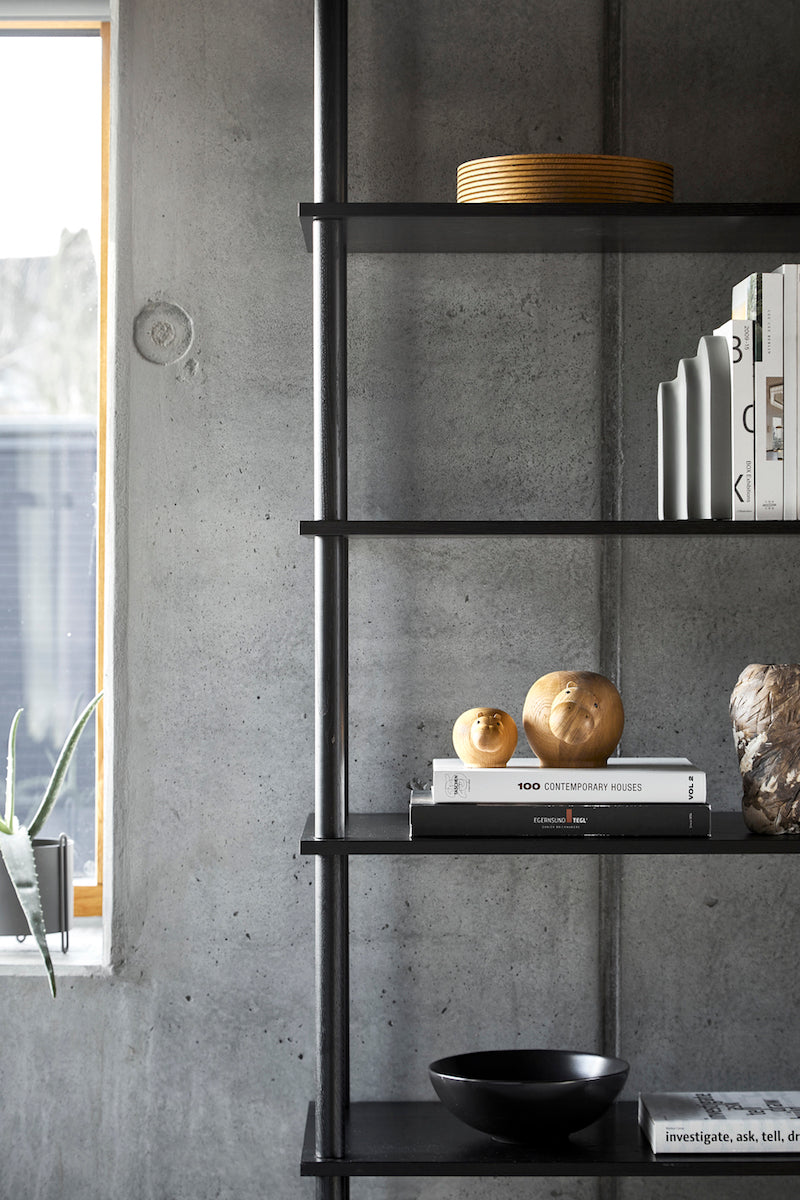
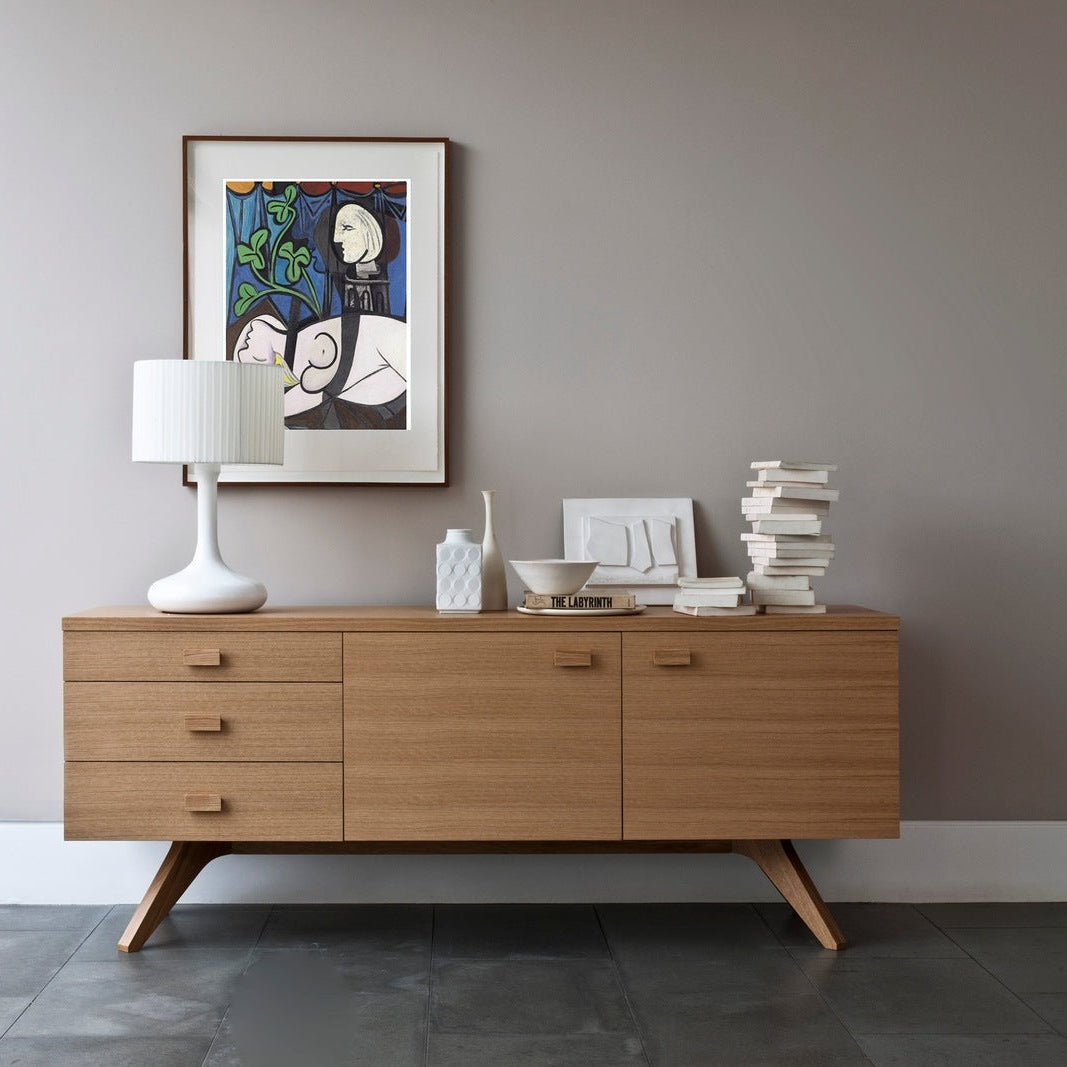
The fast furniture category most likely to fail early is flat-pack particleboard shelving: the cam bolts loosen with the weight of books, the surface chips within months, and most units are effectively irreparable once the structure starts to go. Greenington's solid bamboo shelving is harder than most hardwoods with a Janka hardness rating above oak. Ethnicraft's wall-mounted solid wood shelving systems are modular, expandable, and built to stay on a wall for as long as the wall itself does. Browse sustainable storage and wall-mounted shelving at Comosum.
Outdoor Furniture
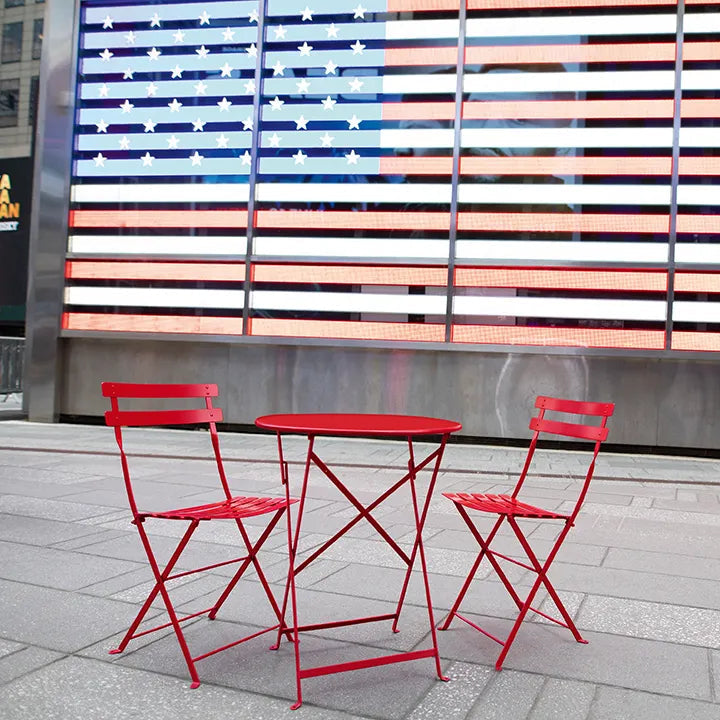
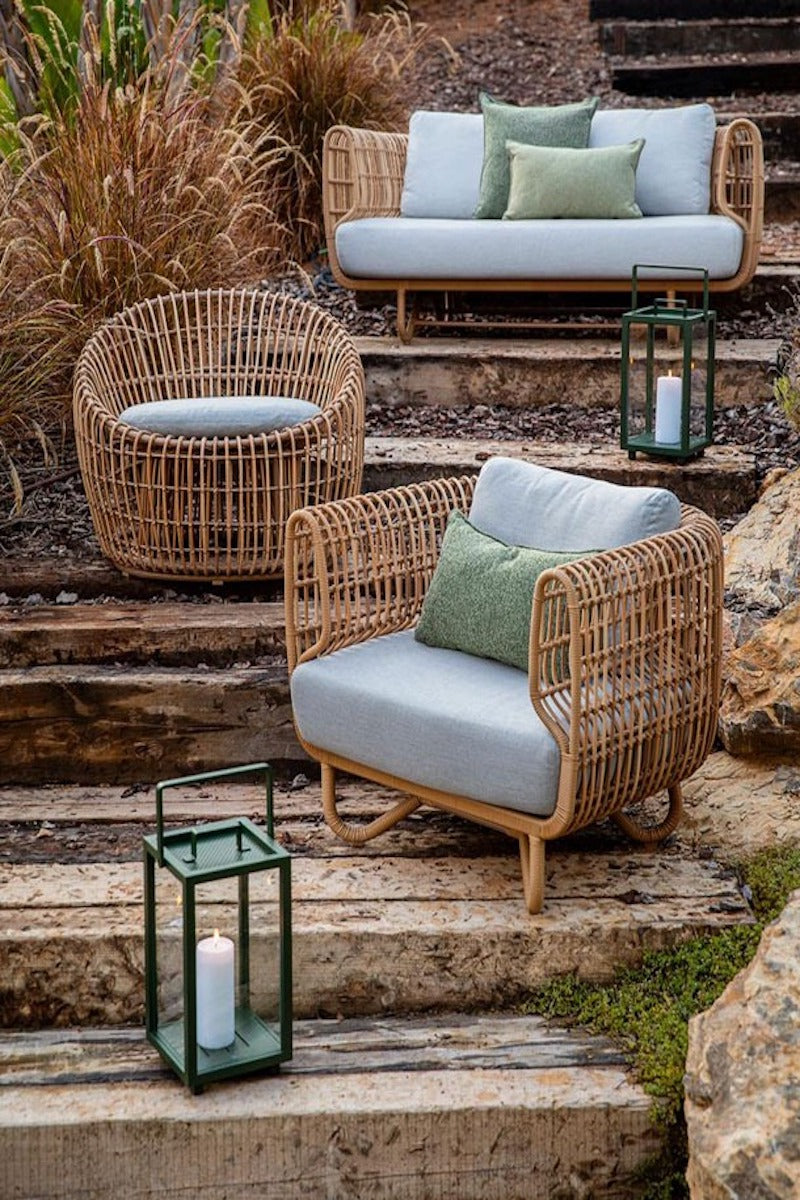
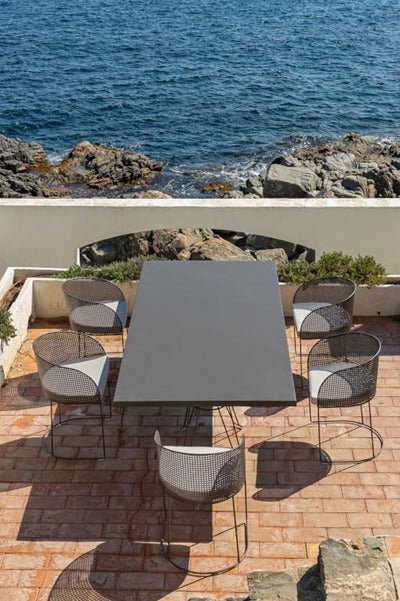
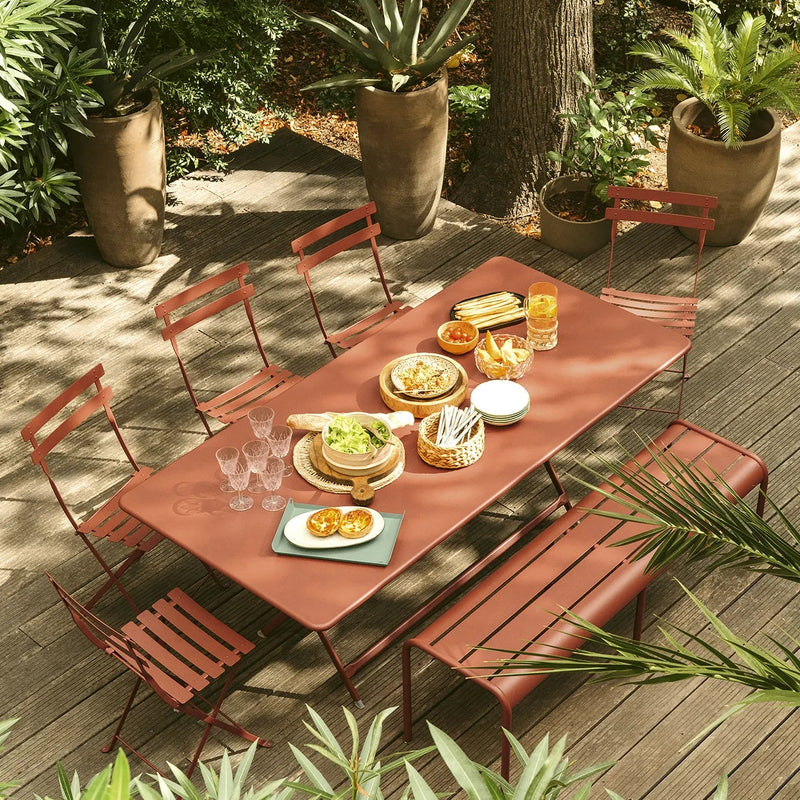
Fast furniture's outdoor category is probably its most dishonest: cheap plastic outdoor furniture is marketed as weather-resistant, but UV degradation and freeze-thaw cycling destroy most of it within three to five seasons. Cane-Line's outdoor collections are designed for the actual Danish climate — harsh enough that if it survives a decade outdoors in Jutland, it can survive anything. Isimar's recycled steel and aluminium furniture is powder-coated to resist rust, UV, and temperature cycling. Browse sustainable outdoor furniture at Comosum.
The Buy-Less, Buy-Better Philosophy
There's a version of sustainable living that's about deprivation — using less, owning less, consuming less as a form of sacrifice. That's not the version being advocated here.
The buy-less, buy-better philosophy is about intention: owning things that earn their place in your home, that become more beautiful with age rather than less, that you'll actually keep rather than eventually discard. A well-made dining table that develops a patina over decades of use is more interesting than a pristine one that never accumulated any history. A solid wood bookshelf that holds the weight of books without deflecting is more satisfying to use than one that doesn't.
The sustainability case and the aesthetic case for quality furniture point the same direction. That's worth noticing. For a deeper look at what sustainable furniture actually means and how to evaluate it, our guide to sustainable furniture covers the full picture.
Browse every certified maker we carry in our directory of sustainable furniture brands.
Frequently Asked Questions: Fast Furniture and Alternatives
What is fast furniture?
Fast furniture is mass-produced, low-cost furniture typically made from particle board, MDF, or engineered wood with synthetic finishes, designed for rapid replacement rather than long-term use. It follows a business model similar to fast fashion: seasonal collections, disposable price points, and construction that makes repair impractical. Most fast furniture lasts 3-5 years before structural failure or surface degradation.
How much furniture ends up in landfills each year?
According to EPA data, Americans discard over 12 million tons of furniture annually, with approximately 80% of that material going to landfills. The mixed-material construction of most fast furniture — engineered wood, synthetic coatings, metal hardware, and fabric — makes recycling impractical at scale.
Is sustainable furniture worth the higher price?
Yes, when measured by cost-per-year of use rather than purchase price. A $1,500 solid oak dining table lasting 40 years costs $37.50 per year. A $350 particle board table replaced every 5 years costs $70 per year — and generates seven times the landfill volume over the same period. The higher upfront cost of sustainable furniture is typically lower over any realistic ownership horizon.
What are the best alternatives to fast furniture brands?
The best fast furniture alternatives are brands that use FSC-certified solid wood, recycled materials, or other verified sustainable materials with documented third-party certifications. Comosum curates sustainable furniture alternatives across all categories, including Ethnicraft (solid oak and FSC-certified teak), FDB Møbler (Nordic Swan Ecolabel), Greenington (solid bamboo), Isimar (recycled steel and aluminium), and Cane-Line (FSC teak and recycled materials).
Start Building a Collection That Lasts
The antidote to fast furniture isn't complicated: buy things built to last, from brands that can tell you exactly what they're made from and why that matters. Comosum exists to make that straightforward — every brand in our collection has been selected for genuine sustainability credentials and the kind of material quality that makes replacement unnecessary.
Browse the full collection of sustainable furniture alternatives at comosum.co — or start with the category where you're most ready to make a permanent decision.
Comosum is a proud member of Be Original Americas, a coalition committed to authentic design and ethical production.


Leave a comment
This site is protected by hCaptcha and the hCaptcha Privacy Policy and Terms of Service apply.