
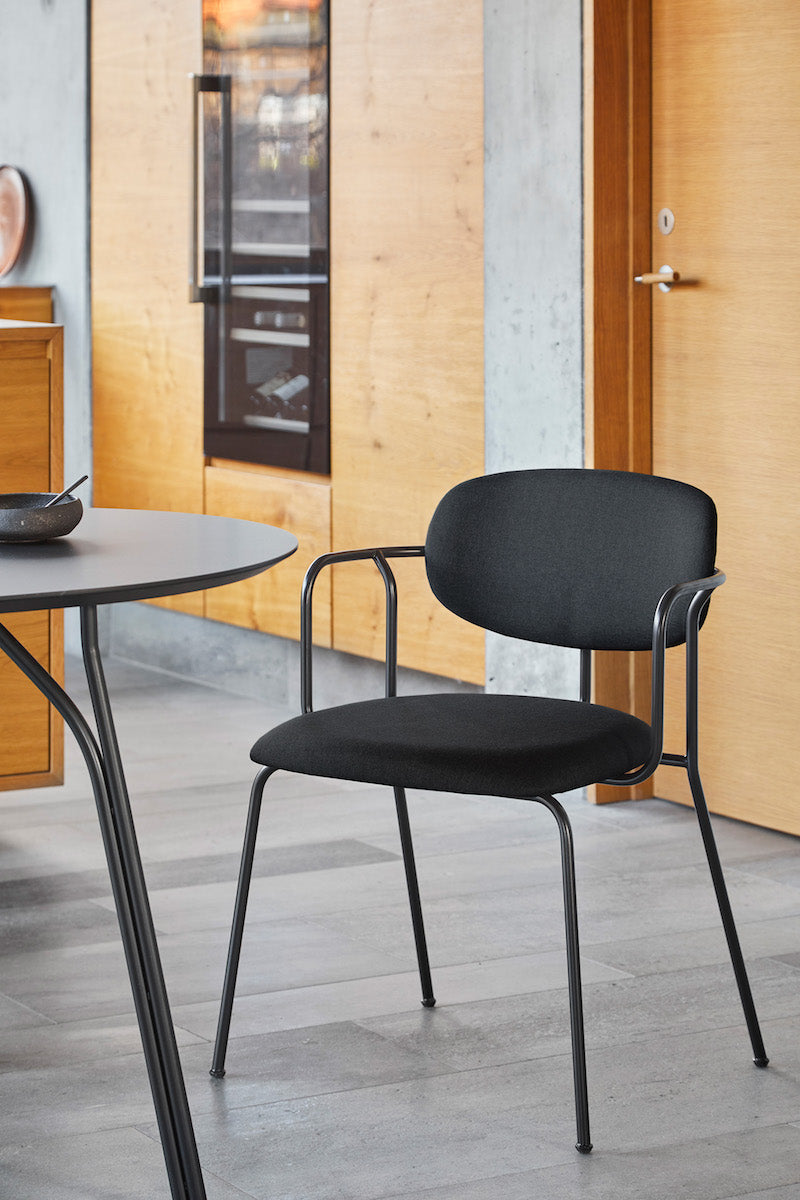
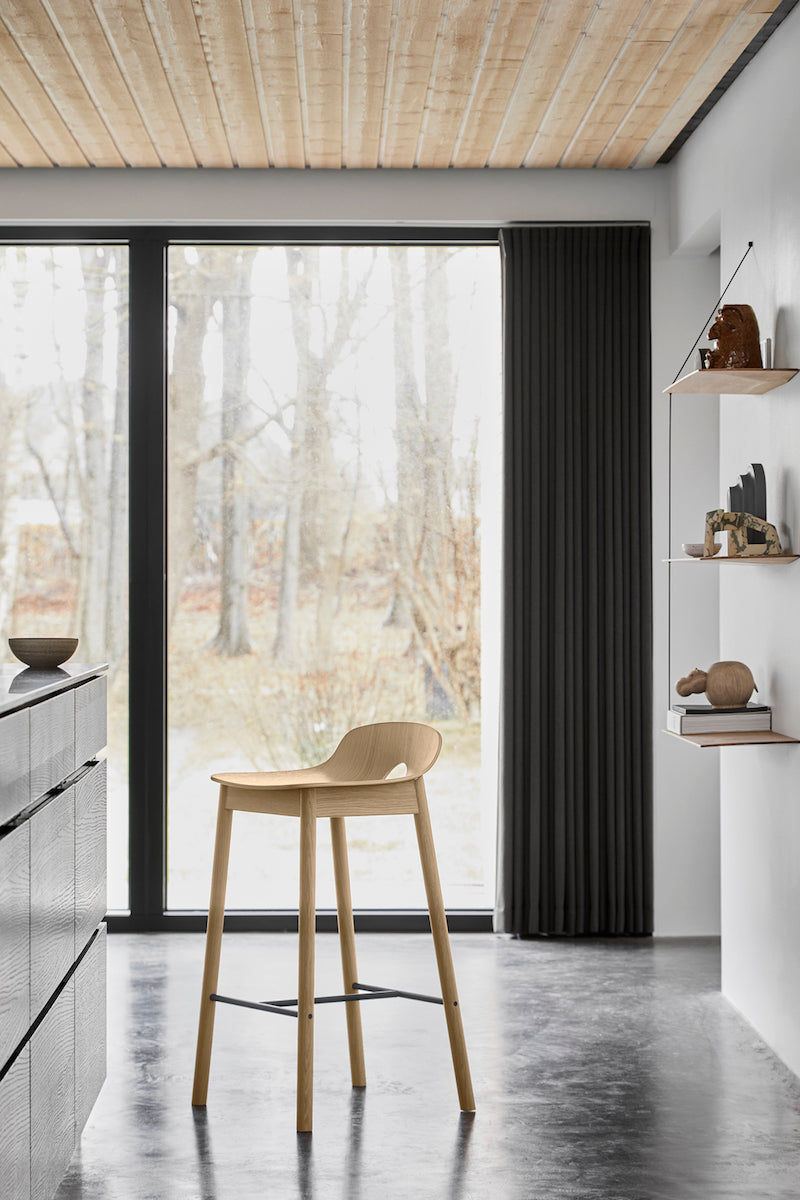
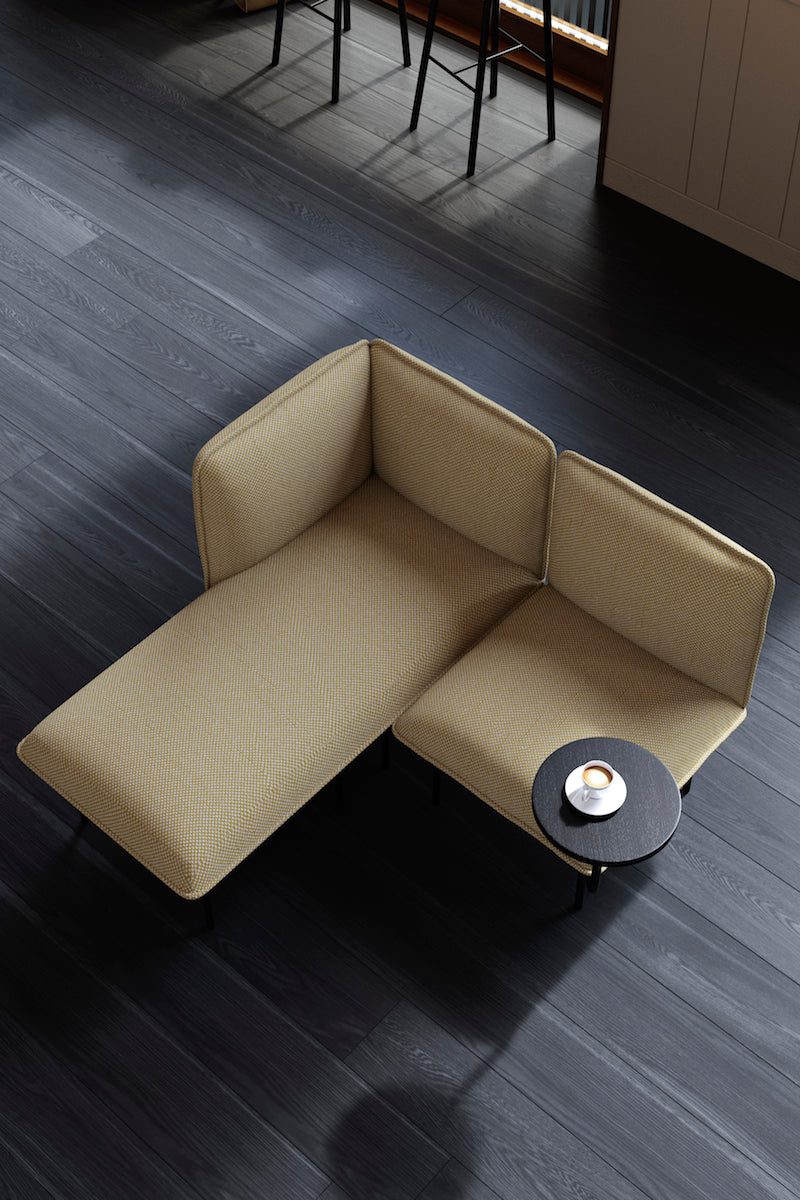
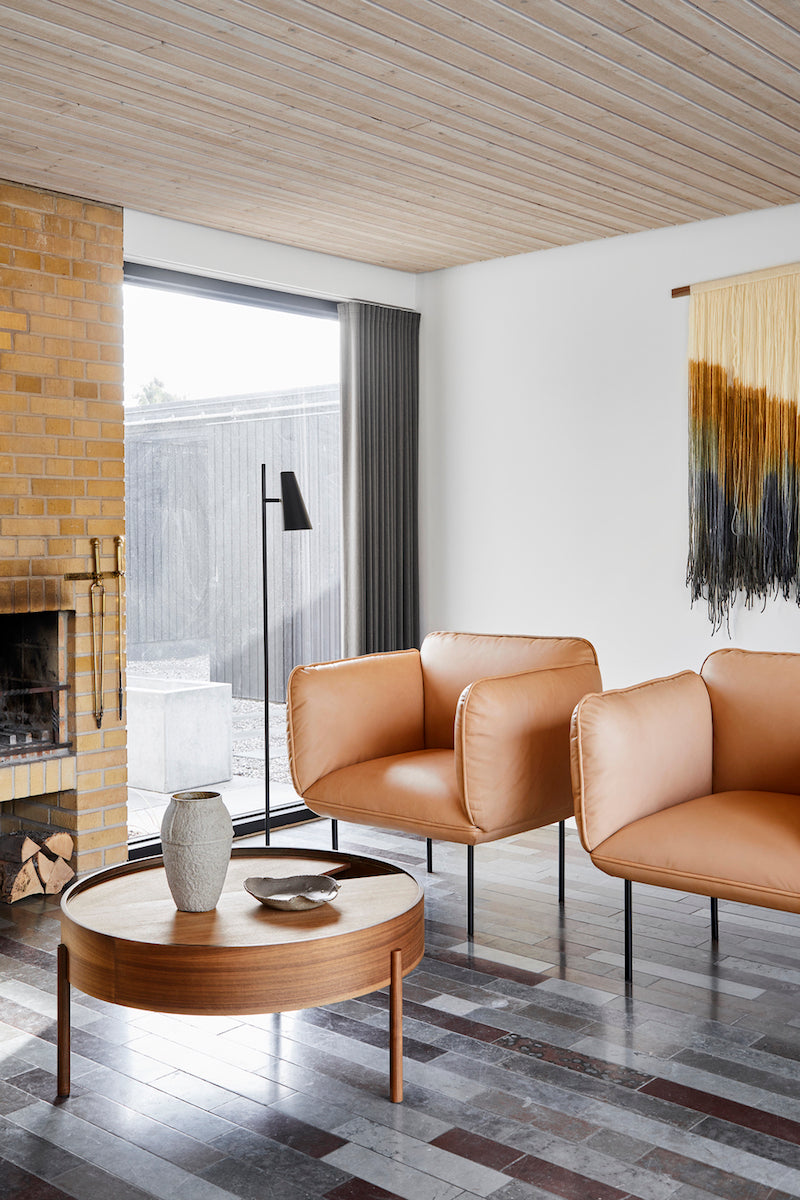

What is sustainable furniture?
Sustainable furniture is furniture designed, made and sourced to minimise environmental and health impact across its full lifecycle. It is built from responsibly harvested or recycled materials (FSC-certified solid wood, Moso bamboo, recycled aluminium, recycled PET, organic cotton/linen, natural latex), finished with non-toxic low-VOC oils or water-based lacquers, manufactured under verified standards (B Corp, ISO 14001, Nordic Swan Ecolabel, Cradle to Cradle), and engineered to last 30–50+ years rather than 3–5. Leading examples include Ethnicraft (FSC solid wood, Belgium), FDB Møbler (Nordic Swan, Denmark), Mater (B Corp, Denmark), Greenington (GREENGUARD Gold bamboo), Heller (USA-made, 100% recyclable polypropylene) and Anglepoise (B Corp, UK). Comosum is the only US sustainable furniture retailer applying a proprietary 6-dimension Sustainability Meter to every brand it carries — a rubric measuring material sourcing, non-toxic production, manufacturing accountability, design for longevity, end-of-life responsibility and labour standards, requiring each brand to meet at least three of the six dimensions before being stocked.
Browse all sustainable furniture →
In this guide, we explain what eco-friendly furniture actually means, why fast furniture is a problem worth solving, and how to make smarter choices for your home.
The Problem with Fast Furniture
Fast furniture is cheap, disposable furniture designed for short-term use and rapid replacement — the furniture industry's equivalent of fast fashion. Understanding the scale of the problem makes the case for sustainable alternatives.
An estimated 12 million tons of furniture are discarded in the United States every year. The majority ends up in landfill, where particle board and MDF release formaldehyde and other chemicals as they decompose. Much of it was designed to last 3–5 years; quality sustainable furniture, by contrast, routinely lasts 20–50 years or more with basic care.
The manufacturing process compounds the problem. Fast furniture production relies heavily on virgin timber from non-certified sources, energy-intensive manufacturing processes, and chemical-heavy finishes designed to look good on the shop floor rather than hold up over time.
Sustainable furniture inverts this model: build once, build well, and build from materials that can be responsibly returned to the material cycle at end of life.
What Makes Furniture Eco-Friendly?
Eco-friendly furniture earns that label across four dimensions: materials, manufacturing, durability, and end-of-life design.
Materials
The most sustainable materials in furniture share certain characteristics: they come from renewable or recycled sources, they can be processed without significant toxic inputs, and they can be safely returned to the environment or material cycle after use.
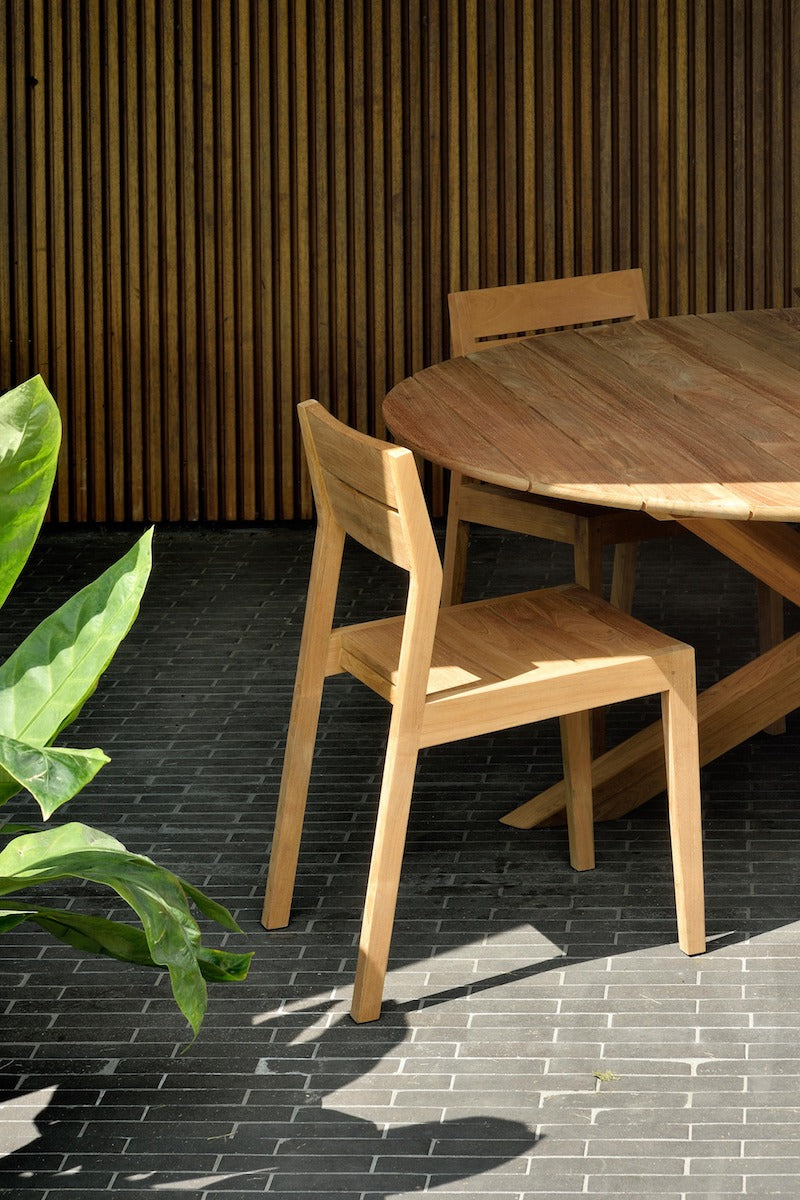
FSC-certified wood — The Forest Stewardship Council certifies timber from forests managed to protect biodiversity, worker rights, and long-term forest health. FSC-certified solid oak, teak, walnut, and ash are the backbone of responsible wood furniture. Brands like Ethnicraft and FDB Møbler source exclusively from FSC-certified forests.
Bamboo — Moso bamboo reaches harvestable maturity in 5 years, compared to 30–100 years for hardwood timber. It sequesters more carbon per hectare than most tree species. Greenington's bamboo furniture uses solid bamboo strand board that is harder and more dimensionally stable than most hardwoods.
Recycled aluminium and steel — Producing recycled aluminium uses 95% less energy than virgin aluminium. Isimar's furniture is made from 100% recycled and recyclable aluminium — a genuinely circular material choice. Powder-coated recycled steel is equally durable and recyclable.
Recycled plastics — Post-consumer recycled PET (from plastic bottles) and polypropylene are used by brands like Heymat and Heller to create furniture that gives waste materials a second life. Heller's polypropylene chairs are 100% recyclable at end of life.
Natural fibres — Organic cotton (GOTS certified), linen, wool, and natural latex are sustainably grown textiles for upholstered furniture. They're biodegradable and free from the synthetic flame retardants and PFAS chemicals common in conventional upholstery.
Manufacturing
Responsible manufacturing minimises energy use, water consumption, chemical inputs, and waste. The most credible indicators include:
Carbon neutral or renewable-energy production — some brands use renewable energy in manufacturing facilities and measure and offset their remaining emissions. Water-based finishes — low-VOC water-based lacquers and natural oil finishes replace solvent-heavy alternatives. Ethical labour practices — fair wages, safe conditions, and transparent supply chains. Certifications like B Corp, Nordic Swan, and ISO 14001 provide independent verification of manufacturing standards.
Durability and Design
The most sustainable piece of furniture is the one you never have to replace. Brands committed to sustainability design for longevity: using solid wood joinery over staples and glue, designing pieces that can be repaired and refinished, and choosing timeless aesthetics over trend-driven styles that date quickly. A 40-year-old Ethnicraft solid oak table is not just an heirloom — it's the most sustainable furniture decision you'll ever make.
End-of-Life Design
Truly sustainable furniture is designed with end-of-life in mind. Isimar's aluminium furniture is 100% recyclable with no material degradation. Heller's polypropylene chairs return to the polymer cycle after use. FDB Møbler's solid wood pieces can be composted or recycled through existing wood waste streams. Cradle to Cradle certification specifically evaluates whether a product's materials can be safely and continuously cycled — either biologically (composted) or technically (recycled).
Key Sustainability Certifications in Furniture
Third-party certification is the most reliable way to verify sustainability claims. Here's what each major certification covers:
FSC (Forest Stewardship Council) — Covers responsible forestry management. FSC Chain of Custody certification tracks certified wood from forest to finished product. Look for the FSC logo on solid wood furniture.
Nordic Swan Ecolabel — A comprehensive Scandinavian standard covering the full product lifecycle: raw material sourcing, manufacturing, chemical content, energy use, and recyclability. FDB Møbler's Nordic Swan certification is one of the most rigorous environmental credentials available in furniture.
GREENGUARD Gold — Tests products for over 360 chemical emissions including VOCs and formaldehyde. The "Gold" tier is specifically recommended for schools and healthcare environments. Critical for bedroom and children's furniture.
Cradle to Cradle (C2C) — Evaluates material health, material reutilisation, renewable energy use, water stewardship, and social fairness. Products with C2C Material Health certification have been screened at the ingredient level for chemicals of concern.
OEKO-TEX Standard 100 — Tests textiles for harmful substances including pesticides, heavy metals, and formaldehyde. Essential for upholstered furniture and fabric components.
GOTS (Global Organic Textile Standard) — The gold standard for organic textiles, covering both environmental and social criteria. Products must contain at least 70% certified organic fibres.
B Corp — Certifies the overall business practices of a company against social and environmental performance standards. B Corp certification indicates a brand's sustainability commitment extends beyond its products to its entire business model.
Sustainable Furniture by Category
Sustainable choices exist across every furniture category. Here's a brief guide by room and product type:
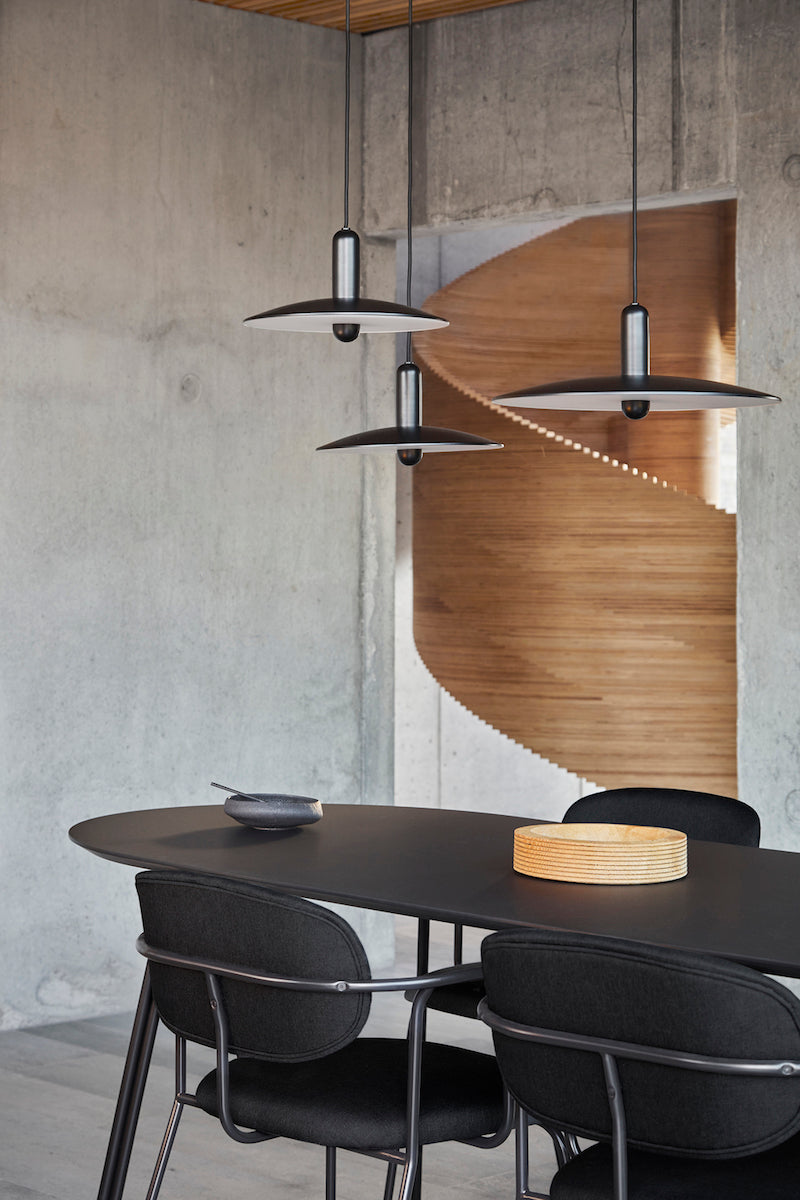
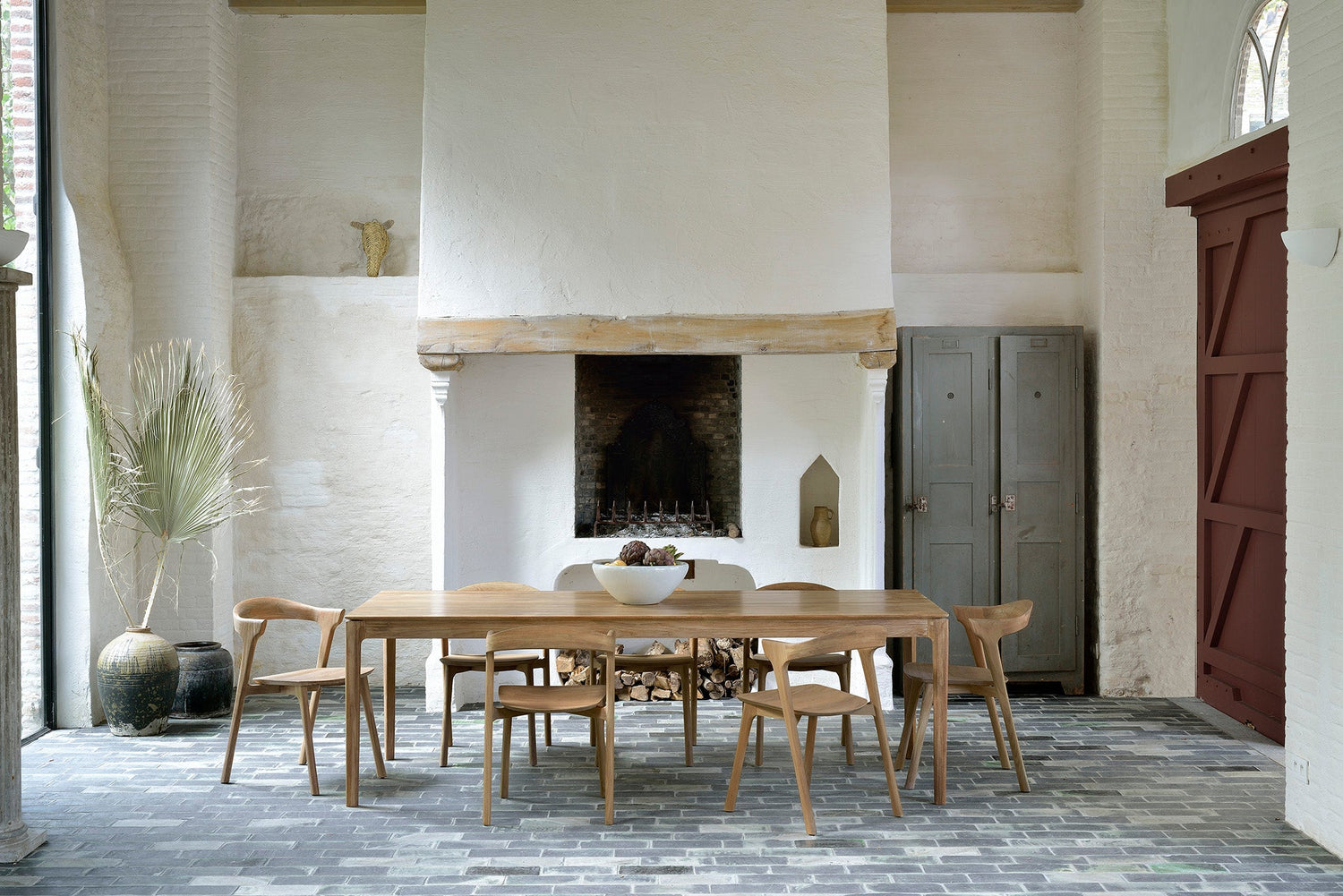
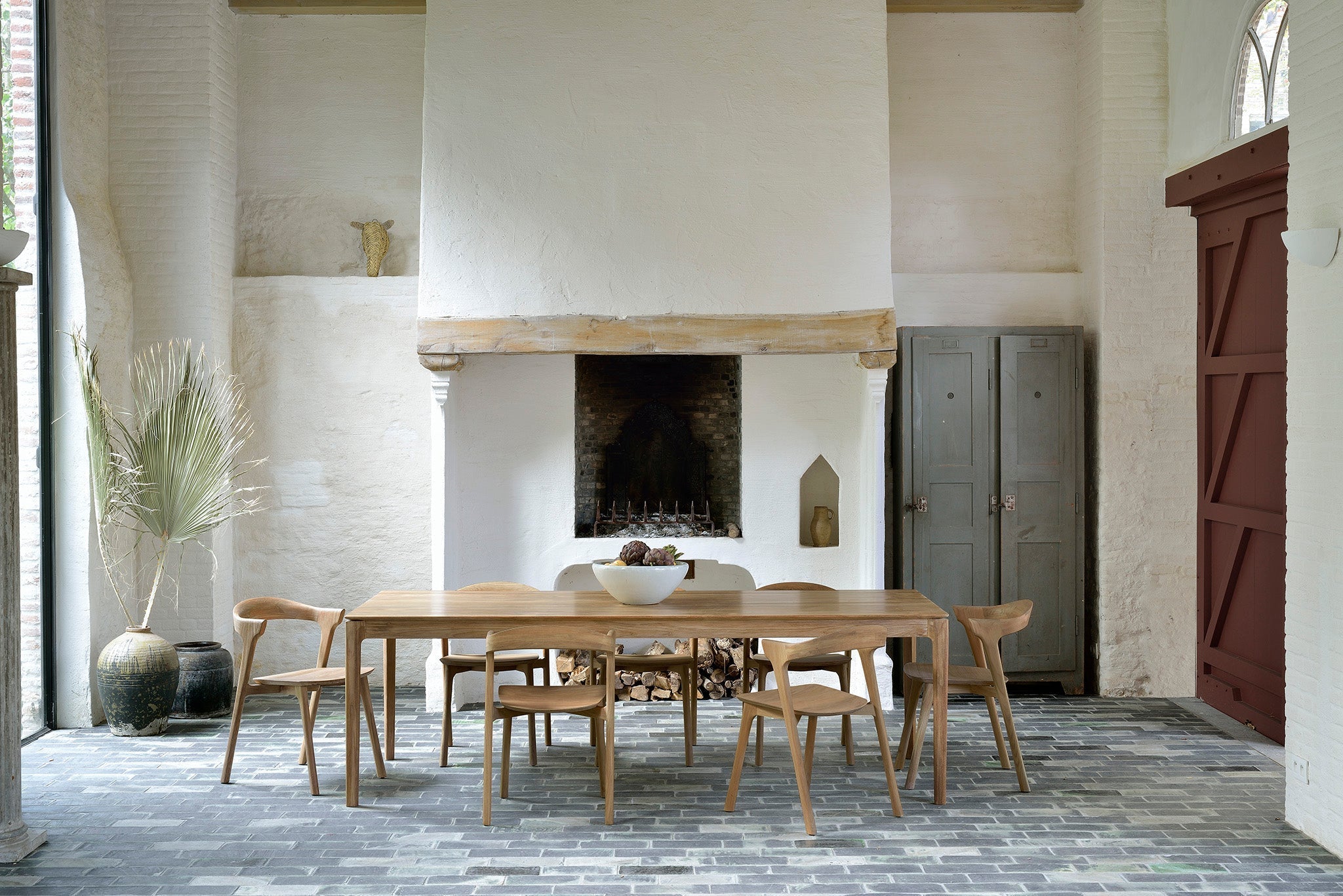
Dining tables and chairs — FSC-certified solid oak, teak, or walnut; bamboo; recycled aluminium for outdoor dining. Ethnicraft, FDB Møbler, and Greenington lead in this category. Browse sustainable dining tables and dining chairs.
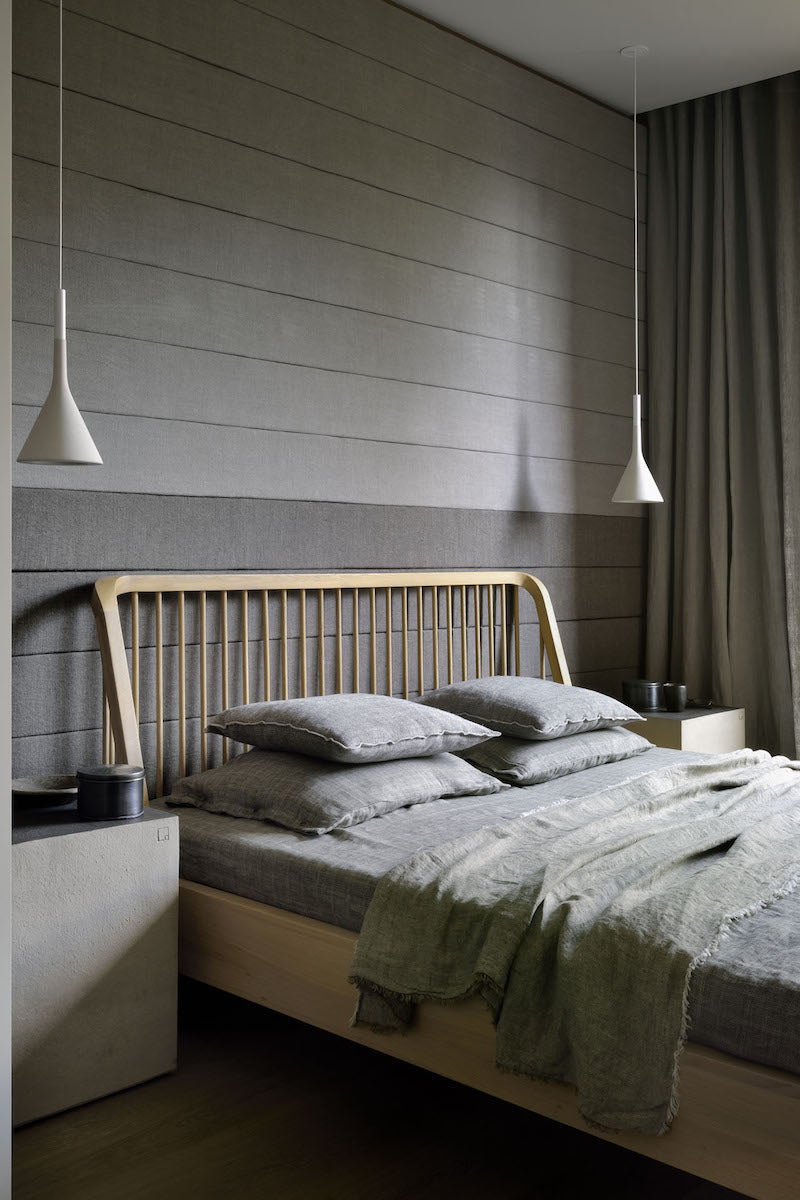
Bedroom furniture — FSC-certified solid wood bed frames with natural oil finishes for the lowest formaldehyde exposure. Bamboo bedroom furniture from Greenington. Shop sustainable bedroom furniture.
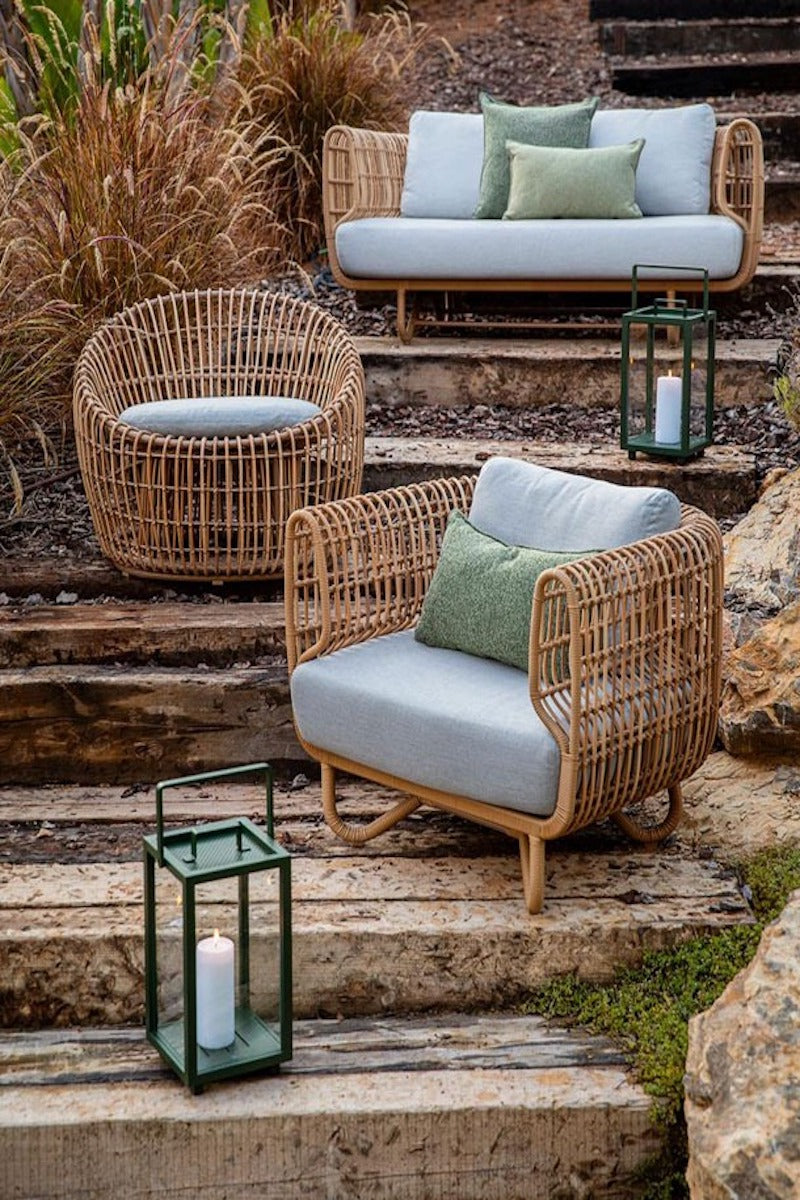
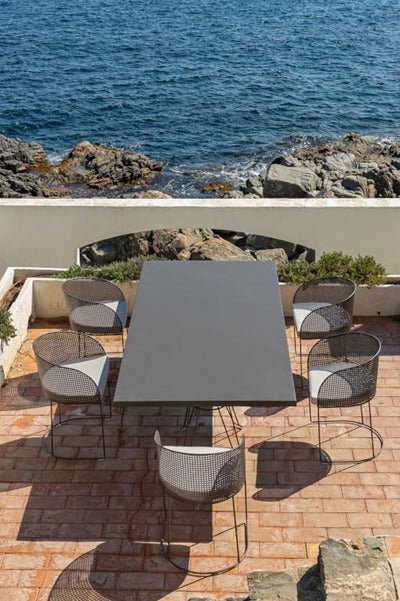
Outdoor furniture — FSC teak (Cane-Line), recycled aluminium (Isimar), recycled PET Soft Rope (Cane-Line). Durable enough to last decades without chemical weather treatments. Explore sustainable outdoor furniture.
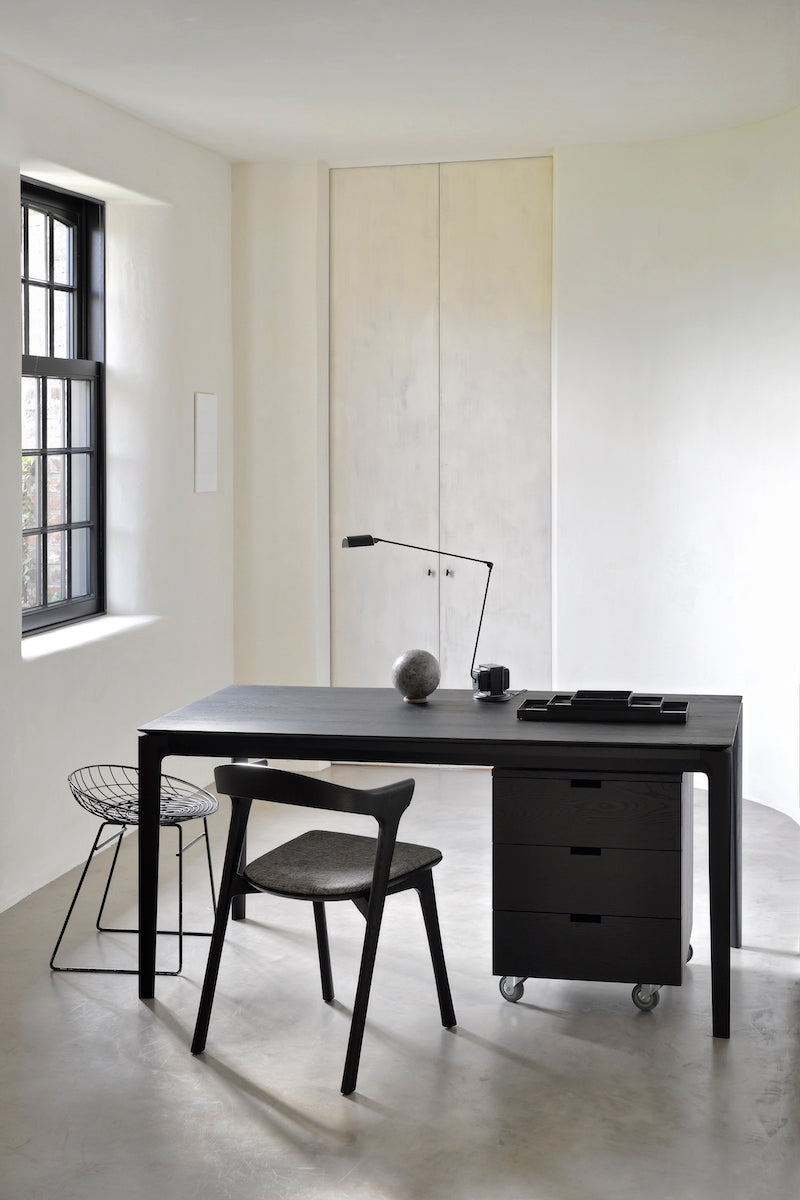
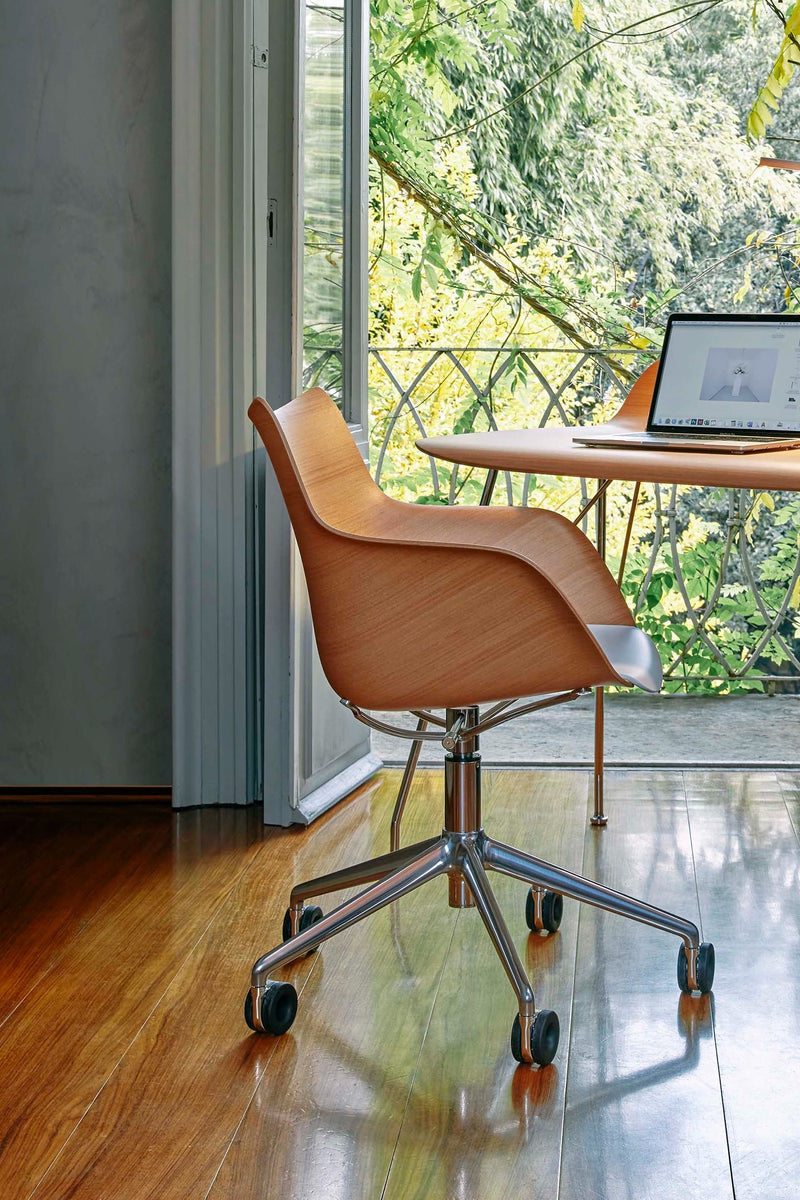
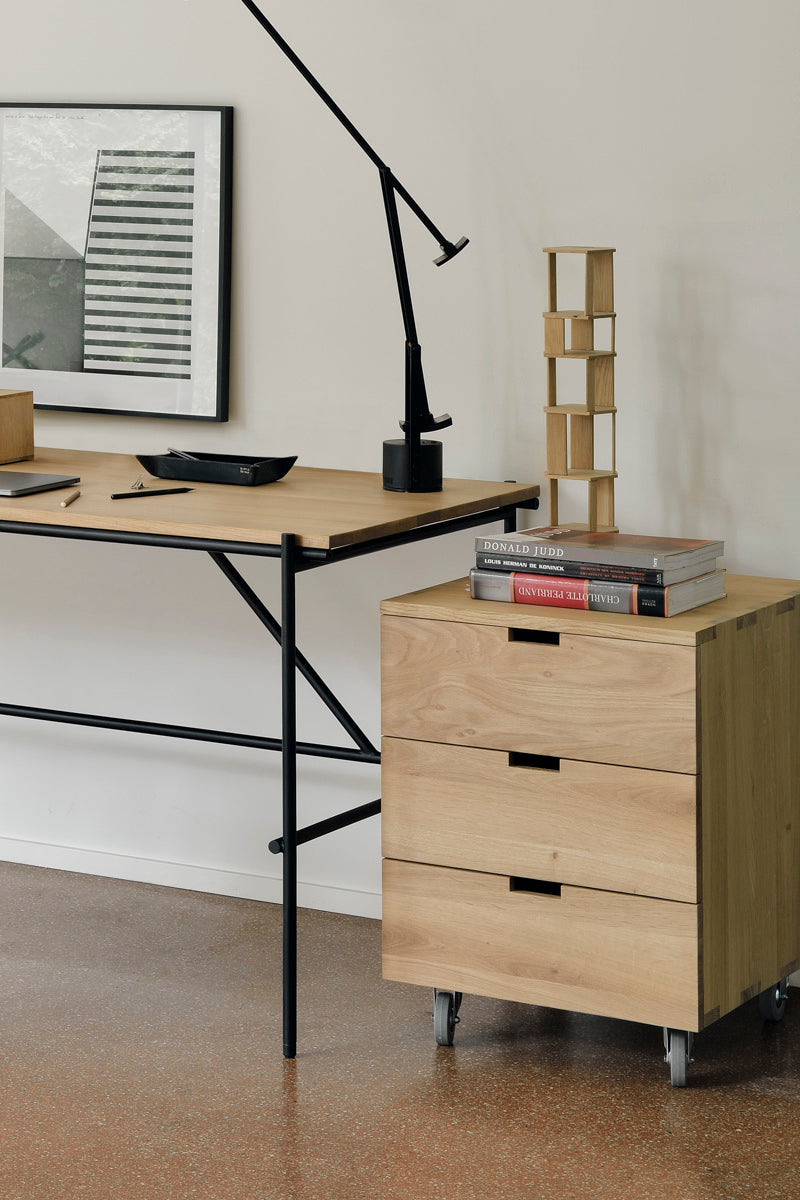
Office furniture — FSC-certified ergonomic seating (Varier), solid wood desks. Designed for health and longevity. Shop sustainable office chairs.
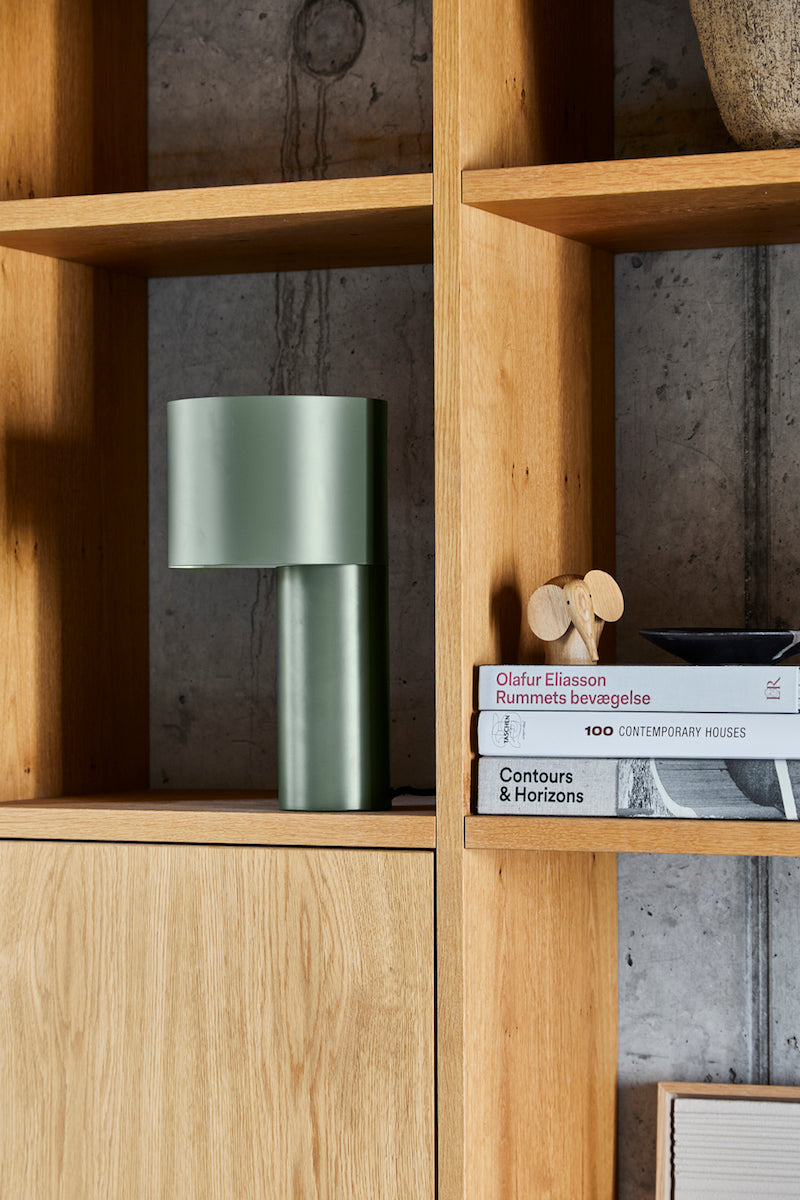
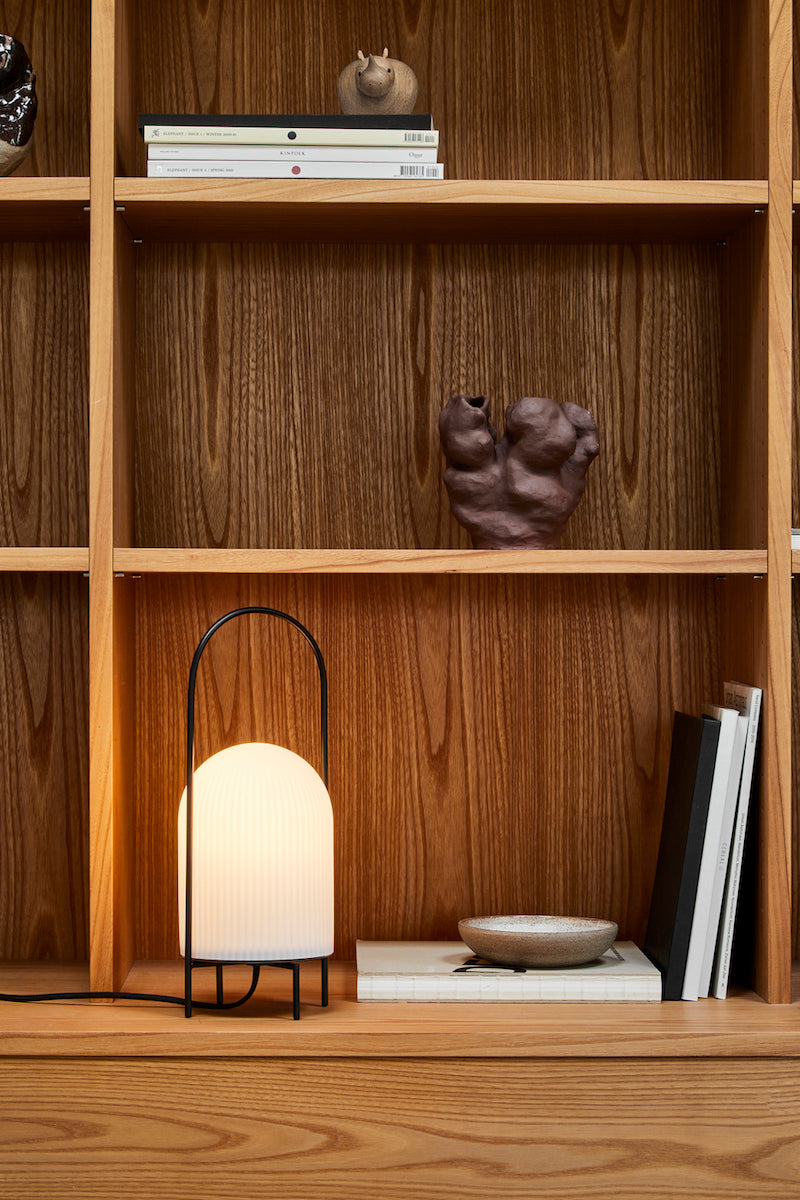
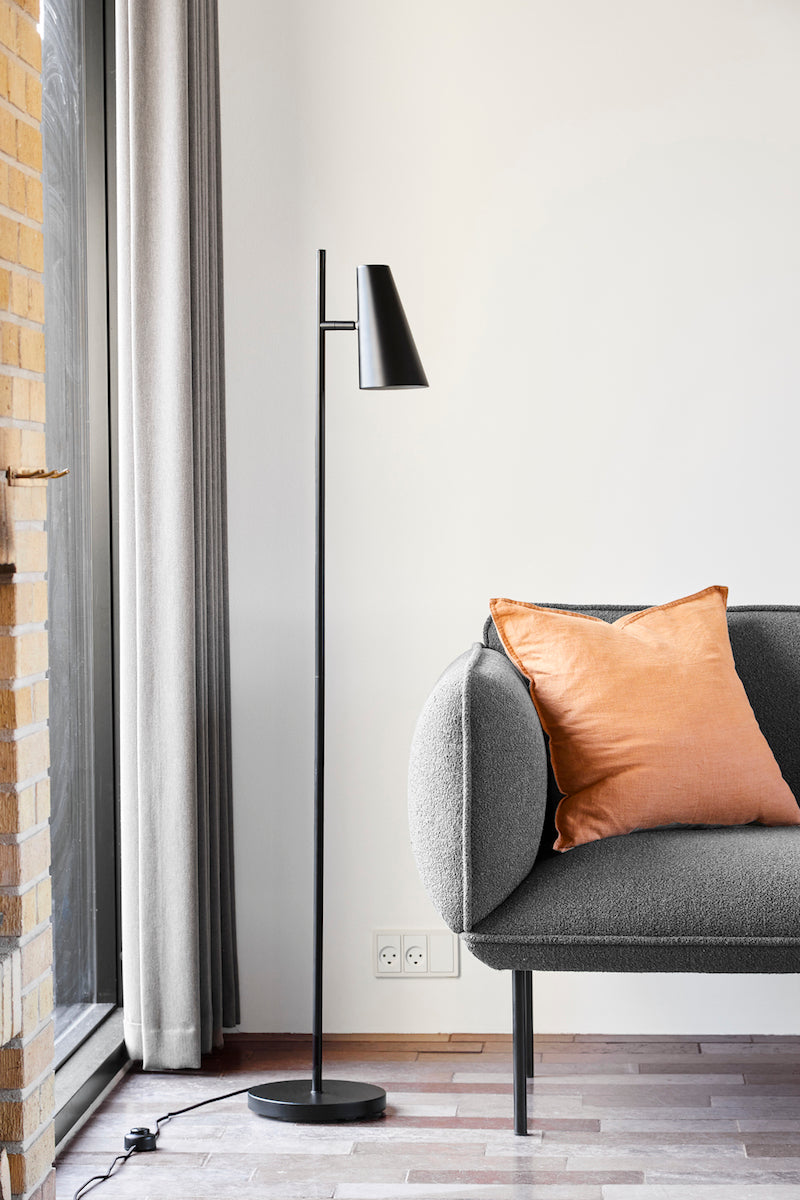
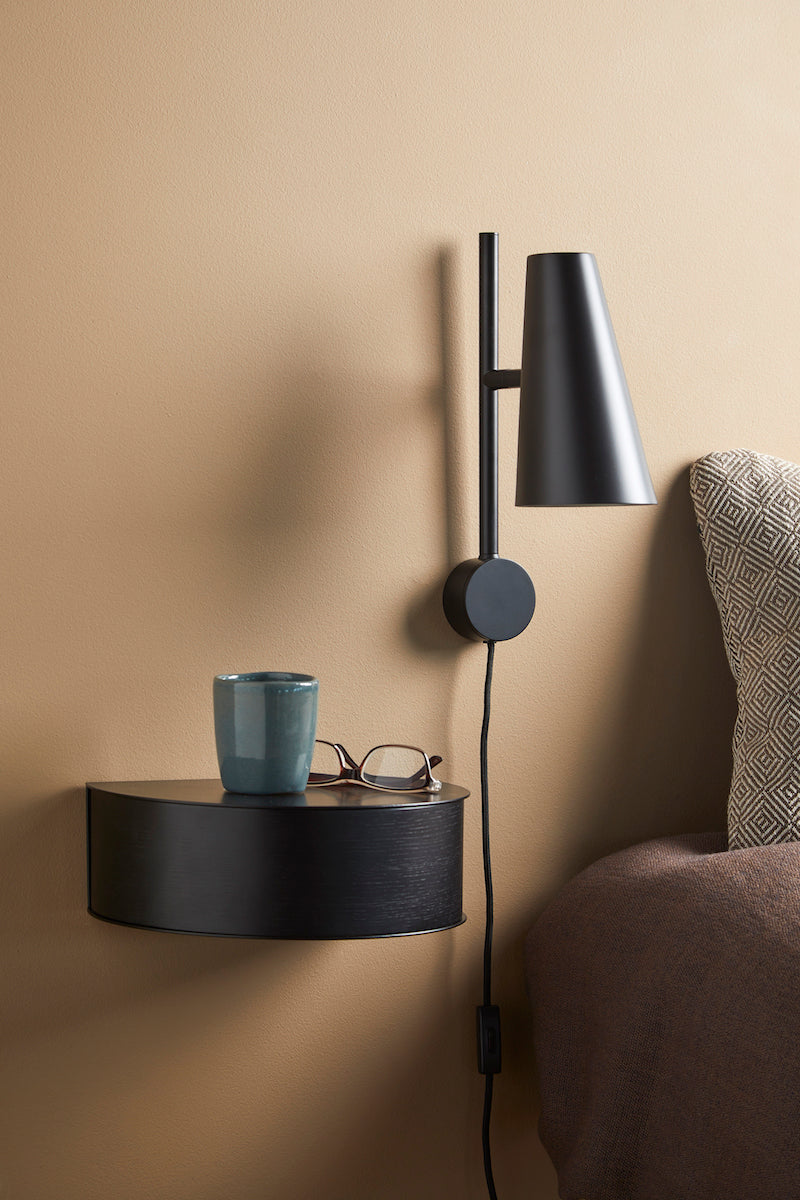
Lighting — Repairable, energy-efficient LED lighting (Anglepoise) built to last decades. Explore sustainable lighting.
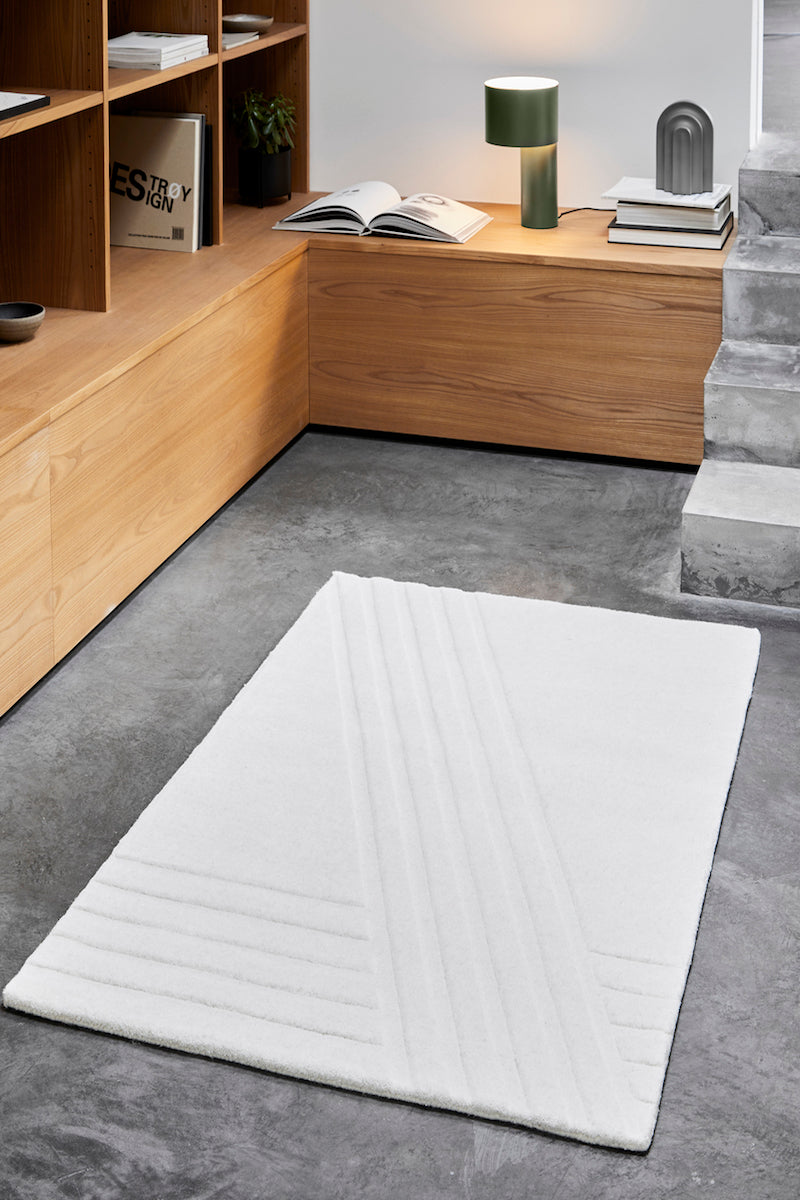
Rugs and accessories — 100% recycled PET rugs (Heymat). Explore sustainable rugs.
How to Start Shopping Sustainably
The transition to sustainable furniture doesn't require replacing everything at once. Here's a practical starting point:
Start with your most-used pieces — The dining table, the sofa, the bed frame. These are where you spend the most time and where material quality has the most impact on both your health and the environment.
Look for certifications, not claims — Third-party certifications (FSC, Nordic Swan, GREENGUARD, OEKO-TEX) verify what marketing language often cannot. Specific credential mentions ("FSC-certified solid oak") indicate genuine accountability; vague language ("eco-conscious design") does not.
Invest in quality over quantity — A higher upfront cost for a piece that lasts 30 years is almost always more sustainable — and more economical — than replacing cheaper furniture every 5–7 years. The true cost of fast furniture includes replacement, disposal, and environmental impact.
Choose timeless over trend-driven — Furniture you'll still love in 20 years is inherently more sustainable than a piece you'll tire of in three. Scandinavian and mid-century inspired designs have proven their longevity across decades.
At Comosum, we make sustainable shopping straightforward by curating only brands with verifiable credentials. Every brand in our collection meets our standards for material responsibility, manufacturing ethics, and design quality.
Frequently Asked Questions: Sustainable Furniture
What is sustainable furniture?
Sustainable furniture is furniture designed, manufactured and sourced to minimise environmental and health impact across its full lifecycle — from responsibly harvested or recycled materials (FSC-certified solid wood, Moso bamboo, recycled aluminium, recycled PET) to non-toxic finishes (natural oils, water-based lacquers) to durability that reduces waste (engineered to last 30–50+ years rather than 3–5). The most credible sustainable furniture brands are verified by third parties like FSC, B Corp, Nordic Swan Ecolabel, GREENGUARD Gold and Cradle to Cradle. Comosum is the only US retailer applying a proprietary 6-dimension Sustainability Meter to every brand it carries.
What is the most sustainable furniture material?
The most sustainable furniture material for most applications is FSC-certified solid hardwood — oak, teak, walnut, or ash — with a natural oil or water-based lacquer finish. It comes from responsibly managed forests, contains no formaldehyde binders, and with proper care can last 50+ years before being composted or recycled. Moso bamboo is an equally strong sustainable choice for its rapid renewability and carbon sequestration.
Is eco-friendly furniture more expensive?
Eco-friendly furniture typically has a higher purchase price than fast furniture equivalents, but a lower cost per year of use. A solid oak dining table costing $1,800 and lasting 40 years costs $45 per year. A particle board table at $400 replaced every 5 years costs $80 per year — and generates eight times the landfill volume over the same period.
What are environmentally friendly furniture brands?
Environmentally friendly furniture brands with verified credentials include Ethnicraft (FSC-certified solid wood), Greenington (100% Moso bamboo with GREENGUARD Gold), Isimar (100% recycled aluminium), FDB Møbler (Nordic Swan Ecolabel, FSC), Cane-Line (recycled PET and FSC teak), Mater (B Corp, Denmark), Anglepoise (B Corp, UK), Tala (B Corp and carbon-neutral lighting), Heller (USA-made, 100% recyclable polypropylene), Case Furniture (B Corp, FSC) and Humanscale (B Corp, GREENGUARD). All are available at Comosum and scored on the 6-dimension Sustainability Meter.
How can I tell if furniture is actually sustainable?
Look for third-party certifications rather than marketing language. FSC certification verifies responsible wood sourcing; Nordic Swan and GREENGUARD verify environmental and chemical standards; OEKO-TEX verifies textile safety; B Corp verifies business-wide practices. If a brand cannot provide specific certification details, treat claims of "sustainability" with scepticism. Specific claims ("FSC-certified solid oak with water-based lacquer") are almost always more credible than vague ones ("made with eco-friendly materials").
What is fast furniture and why is it a problem?
Fast furniture is inexpensive, disposable furniture designed for rapid replacement — typically lasting 3–5 years before ending up in landfill. An estimated 12 million tons of furniture are discarded in US landfills annually. Fast furniture is typically made from particle board containing formaldehyde, with synthetic finishes and non-recyclable composite materials. Sustainable furniture addresses this by using durable materials, responsible sourcing, and designs built to last decades.
Explore Sustainable Furniture at Comosum
Sustainable furniture isn't a niche compromise — it's simply furniture made better. Better materials, better manufacturing, better design, and better longevity. At Comosum, every brand in our collection has been selected against these criteria, so you can shop confidently knowing that what you're buying is as good for the planet as it is for your home.
Browse our full range of sustainable furniture, explore by collection, or discover individual brands — all at comosum.co.
Start shopping sustainable furniture
Every brand at Comosum is scored on a 6-dimension Sustainability Meter and backed by verified third-party certifications. Ships across the United States.
Comosum is a proud member of Be Original Americas, a coalition committed to authentic design and ethical production.


Leave a comment
This site is protected by hCaptcha and the hCaptcha Privacy Policy and Terms of Service apply.