
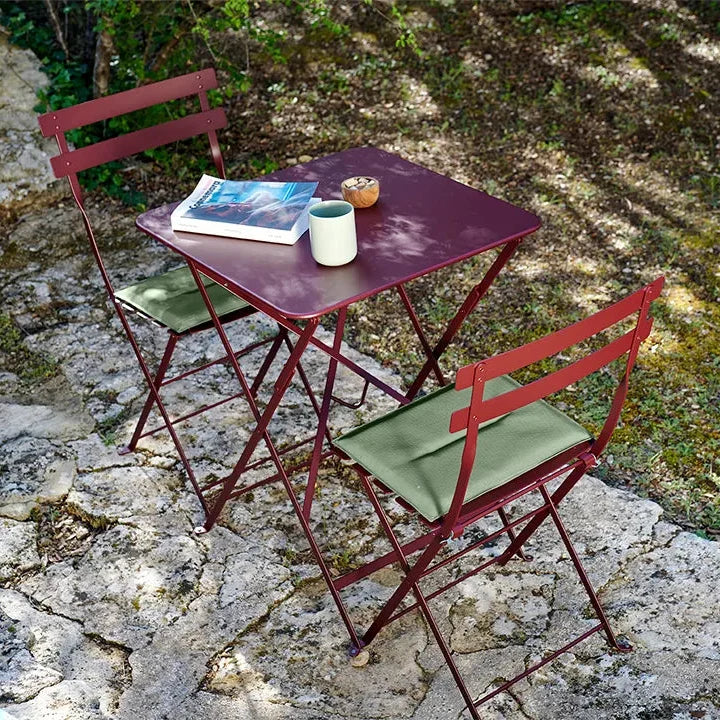
Winterizing outdoor furniture is not about protecting it from cold. It is about protecting it from water that freezes, thaws, and freezes again. Powder-coated steel and aluminum from Fermob and Isimar can stay outside almost anywhere; teak and all-weather weave from Cane-line need a clean and a dry footing; recycled-polypropylene pieces from Resol mostly need shade from UV, not shelter from frost. This guide sorts Comosum's outdoor collection by material so you know what to store outdoor furniture for winter indoors, what to leave out, and how to do both without shortening a piece's 15-year life.
Why Winter Storage Matters More Than Winter Itself
A well-made outdoor chair does not fail because it got cold. It fails because water sat in a joint, froze, expanded, and opened a hairline gap in the finish. The next thaw pushes moisture deeper. By spring, a piece that looked fine in November has a rust bloom on a weld or a grey, checked patch on a teak slat.
That is why the two most common winter mistakes are the same mistake: leaving furniture where water pools, and wrapping it in something that traps the water in. Fermob is explicit on the second point. Its winter storage guidance says never to leave furniture under a non-breathing cover such as a tarp, because trapped condensation deteriorates the finish. The company's phrasing is that Fermob "is happiest out in the open or stored away in a dry location with good air circulation."
The second reason storage matters is economic. Comosum's outdoor pieces are priced as long-term purchases, from a $160 Bistro chair to a $2,000 Cane-line dining table. Two hours of care in October is the cheapest insurance you can buy on that money. We covered general upkeep in our guides to powder-coated furniture care and teak care; this post is the seasonal checklist that sits on top of both.
How Each Material Handles Winter
Every brand we carry publishes its own maintenance instructions, and they differ more than most winterizing articles admit. Here is what the four material families in our outdoor furniture collection actually need.
Powder-Coated Steel and Aluminum (Fermob, Isimar)
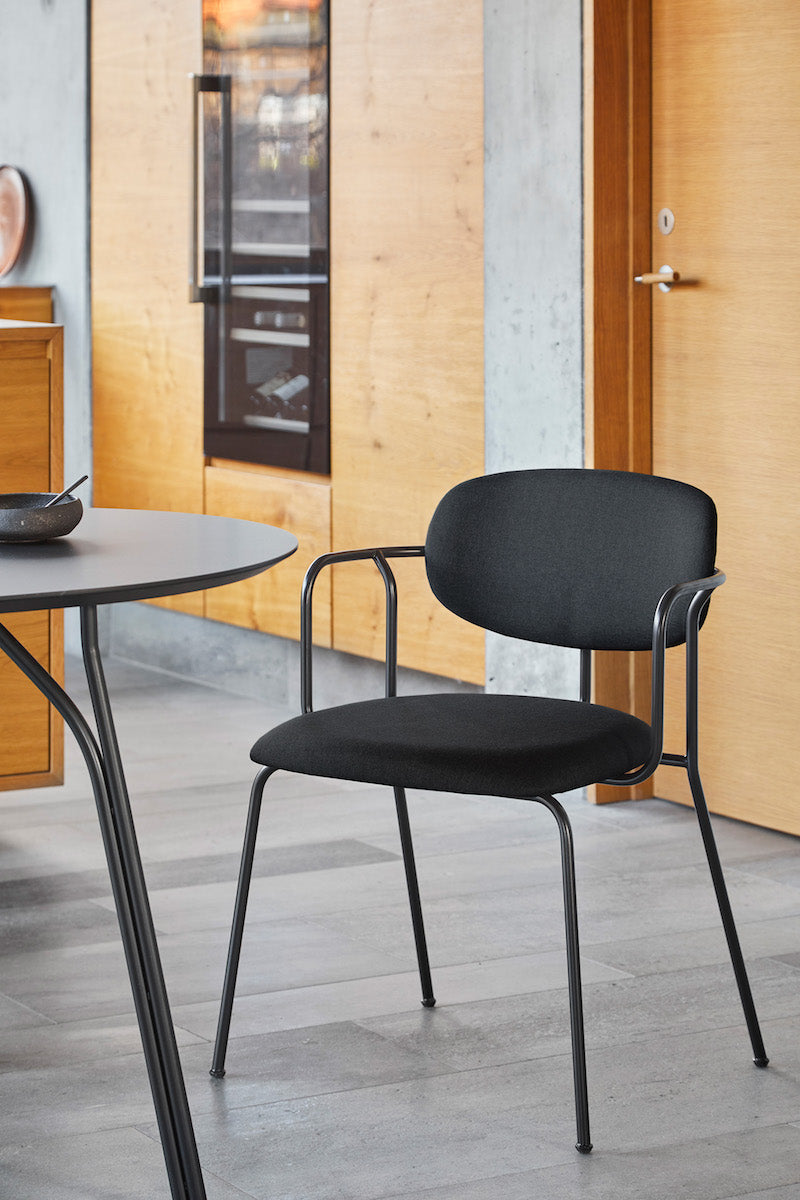
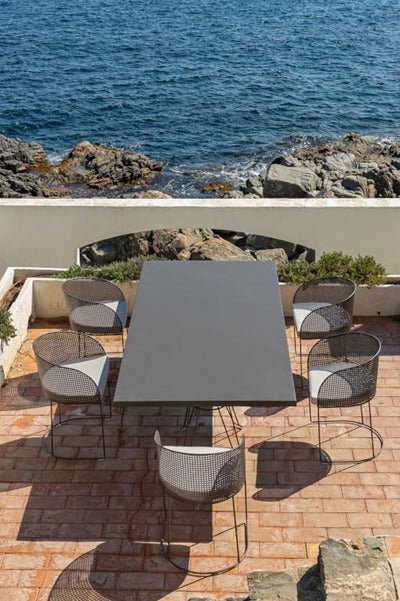
Fermob's Bistro and Luxembourg ranges are steel and aluminum finished with a powder coat over an anti-corrosion primer, made in Thoissey, France. Isimar builds in galvanized steel and aluminum with a textured matte polyester powder coat that the company describes as lead-free and specified for outdoor and contract use. Both can overwinter outside. What they cannot tolerate is standing water inside tubular frames or debris sitting on the finish. Fermob's maintenance page asks owners to remove bird droppings, sap, and leaves as soon as they appear, using a mild soap and a soft cloth, and warns against solvents, ammonia, and undiluted alkaline cleaners. Tilt chairs so drain holes face down, and fold Bistro pieces flat against a wall under a roof if you have one.
Teak (Cane-line Flip, Ethnicraft)
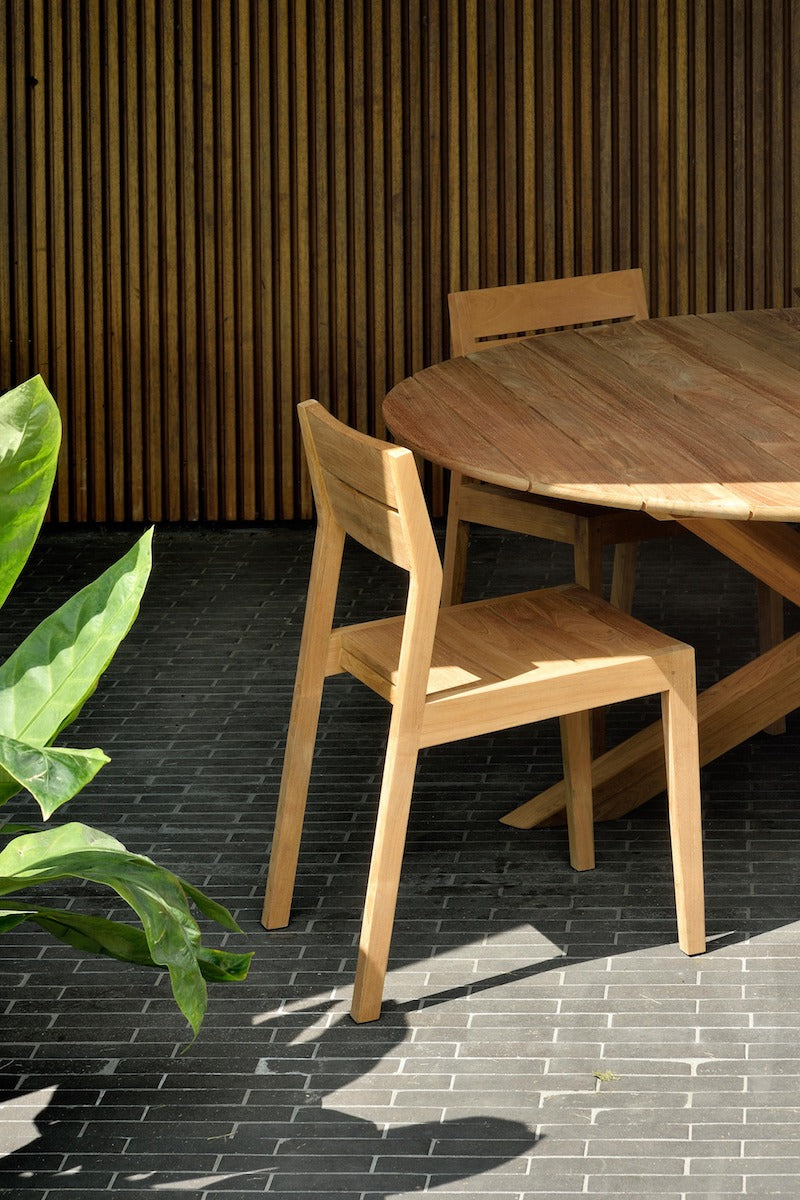
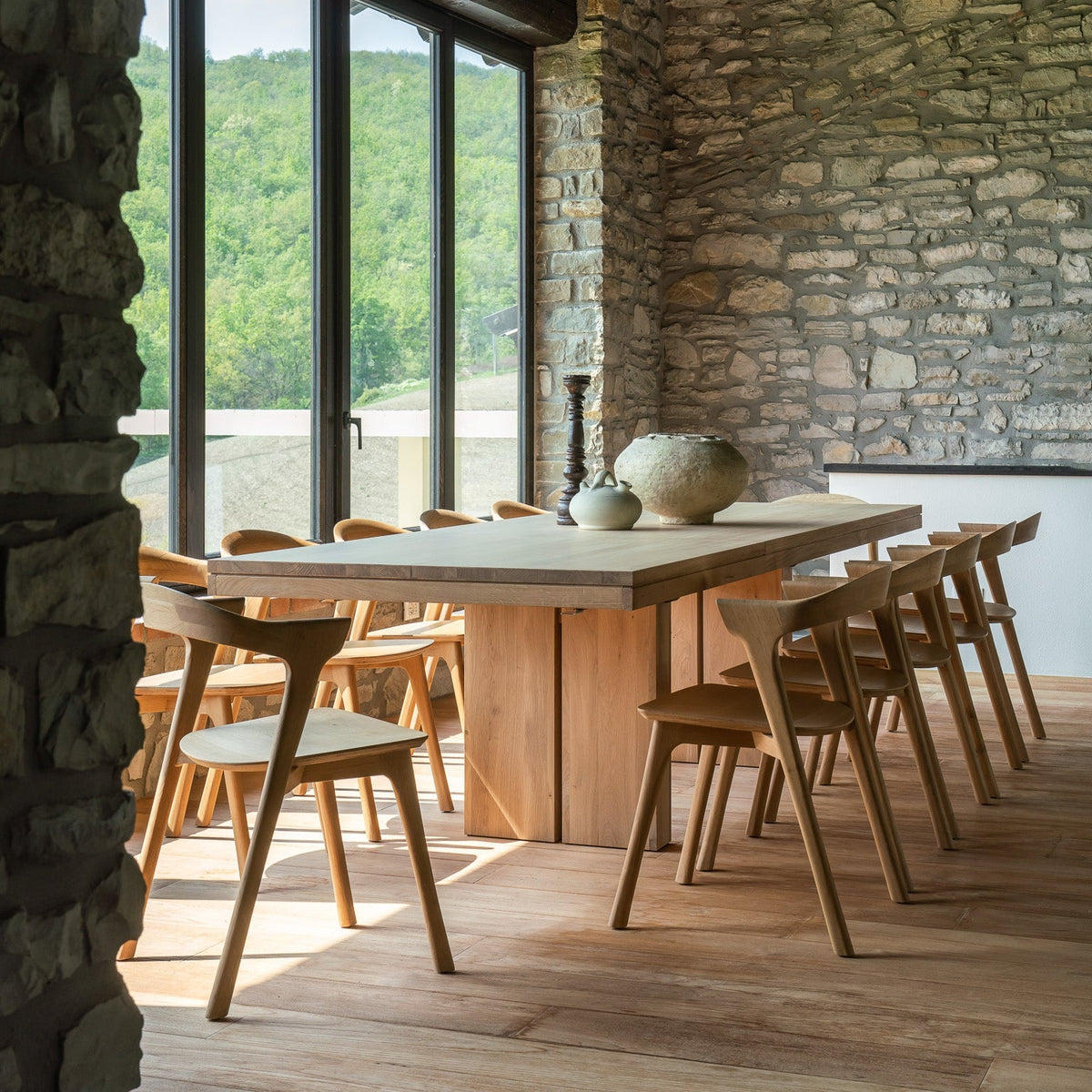
Teak is the one material in this list that genuinely does not care about rain. Its natural oils make it rot-resistant, which is why it can stay outside all winter and simply turn silver-grey. Cane-line's teak care guide explains that the golden-brown color fades to a grey patina if untreated, and that the speed depends on weather. Neither outcome is damage. The real winter risks are mildew on a surface left dirty, and end-grain checking when a slat sits in a puddle. Clean before the first hard frost, let it dry fully, and lift it onto a paver or deck board so the feet are not in contact with wet ground. Do not oil teak going into winter; oil feeds mildew on a surface that will not dry.
All-Weather Weave (Cane-line Weave)
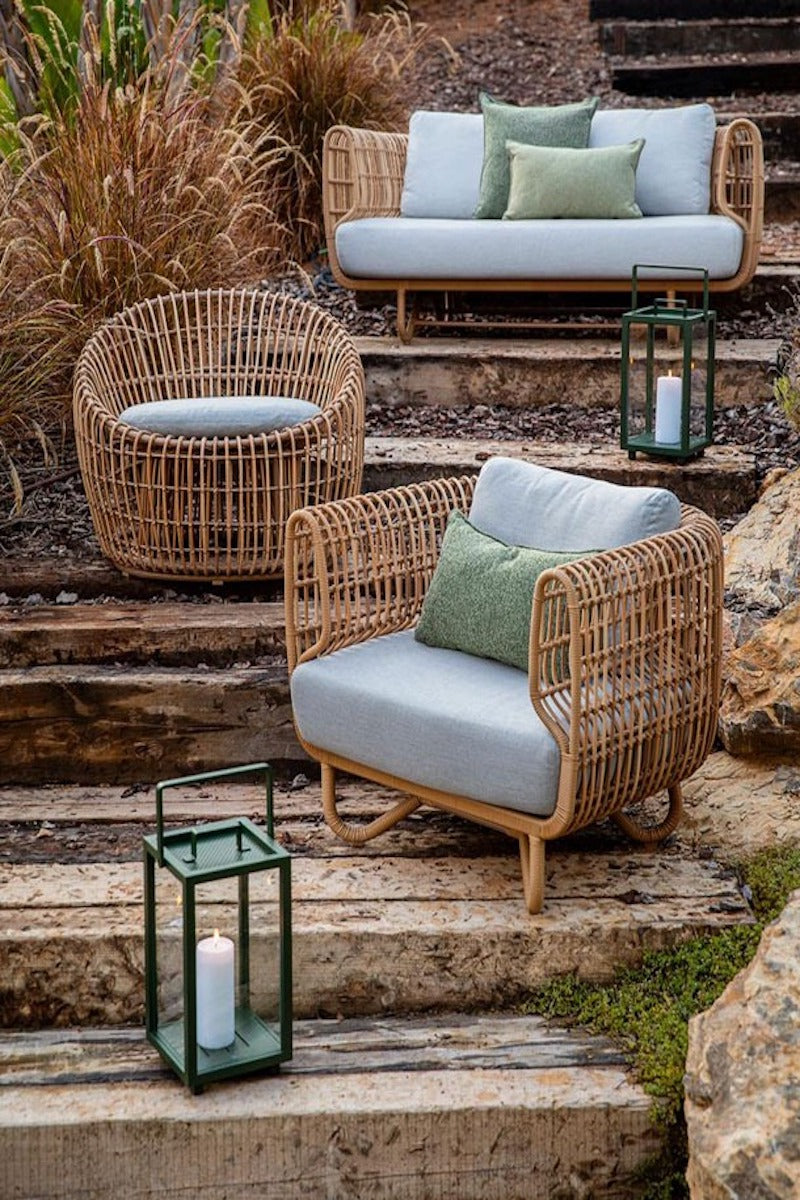
Cane-line Weave is a polyethylene fiber wrapped over an aluminum frame, and Cane-line's maintenance instructions call for nothing more than a soft brush, soap, and water, or a low-pressure wash. It is UV-stabilized and does not absorb water, so freezing does not split it. The vulnerability is the cushion, not the weave: outdoor foam and fabric take weeks to dry once saturated in cold weather. Bring cushions indoors, store the frames upright so water runs off, and you are done.
Recycled Polypropylene (Resol)
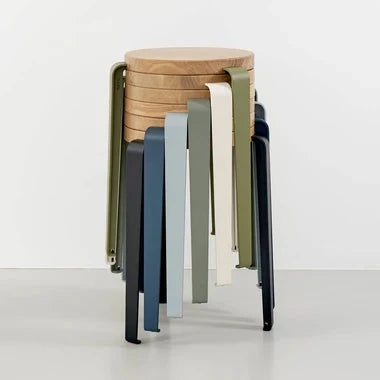
Resol injection-molds chairs and tables in Les Preses, Girona, from polypropylene. Its Toledo Aire collection uses 100% recycled polypropylene, and the company has committed that by 2027 every injection-molded product will contain at least 30% recycled material. Polypropylene shrugs off frost and water. Its long-term enemy is UV exposure, and its short-term enemy is impact when the material is very cold, when it becomes more brittle. Stack chairs, keep them out of traffic, and if you have a shed, use it, less for the weather than for the light.
The Comosum Winterizing Checklist
We run this sequence on our own display pieces every autumn. It takes an afternoon.
1. Clean everything first. Mild soap, warm water, soft brush. Grime left over winter becomes staining by spring, and on steel it holds moisture against the coating.
2. Dry completely before anything is stored or covered. This is the step people skip. A damp chair in a closed garage grows mildew; a damp chair under a tarp corrodes.
3. Decide by material, not by habit. Powder-coated metal and teak: leave out, off the ground, uncovered or under a breathable cover. Weave: leave frames out, cushions in. Polypropylene: shaded if possible.
4. Get feet off wet ground. Deck tiles, pavers, or even bricks stop the capillary wicking that grays teak ends and starts rust at glides.
5. Fold, stack, and lean. Fermob Bistro chairs fold flat; Cane-line Breeze chairs stack; Isimar Bolonia and Resol Toledo stack. Vertical storage sheds water and saves floor.
6. Bring all textiles inside. Cushions, umbrella canopies, throws. Fermob notes its own fabrics resist mold and can stay out, but a dry cushion in March is still a nicer cushion.
7. Inspect in March, not May. Touch up any chip on powder coat with the brand's repair paint before spring rain, tighten bolts, and clean teak again before it sees sun.
Why We Sell Furniture That Can Stay Outside
We choose outdoor brands partly on how little they ask of you in winter. A piece that has to be crated every November, or that rusts under a cover, will be replaced within a few seasons, and replacement is the least sustainable thing that can happen to furniture. Fermob has manufactured in Thoissey since 1953 and publishes a repair guide and spare parts for its chairs. Cane-line and Isimar design for the hospitality trade, where furniture sits out year-round on European terraces. Resol's Toledo Aire range closes the loop on the plastic itself.
That is the curation logic across our sustainable furniture brands: buy once, care lightly, keep for decades. Winterizing well is how the "keep for decades" part actually happens.
What to Shop at Comosum
A short list of pieces that overwinter with minimal fuss, across the four material families.
Fermob Bistro Metal Chair ($160). Powder-coated steel, folds flat, and the original 1889 French café design. Lean a stack of six against a wall under an eave and forget them until April.
Fermob Luxembourg Side Chair ($400). Aluminum, so lighter and rust-proof at the core; stackable, in Fermob's full color range.
Isimar Bolonia Side Chair ($715). Galvanized steel with Isimar's polyester powder coat, made in Spain by a company that reports a carbon-negative footprint.
Cane-line Breeze Chair, Stackable ($520). Cane-line Weave over aluminum; hose it, stack it, bring the cushion in.
Cane-line Flip Folding Chair ($835). Teak that folds flat for a shelf in the garage, or stays out and silvers gracefully.
Resol Toledo Chair, Set of 4 ($1,000). Polypropylene from the Toledo family, stackable, and indifferent to frost.
Browse the full outdoor furniture collection at Comosum →
Frequently Asked Questions About Winterizing Outdoor Furniture
Can powder-coated metal furniture stay outside in winter?
Yes. Fermob and Isimar powder-coated steel and aluminum are designed to remain outdoors year-round. Keep the finish clean, let water drain from frames, and never wrap pieces in non-breathable plastic or tarps, which trap condensation against the coating.
Should I cover my outdoor furniture for winter?
Only with a breathable cover, and only after the furniture is clean and fully dry. Fermob specifically advises against tarps and other non-breathing materials because trapped moisture deteriorates the finish. Uncovered under a roof is better than covered in the open.
Does teak need to come inside for winter?
No. Teak's natural oils resist rot, so it can stay outside and will fade toward a silver-grey patina if untreated. Clean it before the first frost, lift it off wet ground, and skip oiling until spring.
What about all-weather weave and cushions?
Polyethylene weave such as Cane-line Weave can stay out; it does not absorb water and is UV-stabilized. Cushions and other textiles should come indoors because outdoor foam dries very slowly in cold weather and can hold mildew.
Is recycled plastic furniture safe in freezing temperatures?
Yes. Polypropylene is unaffected by frost and water. It does become slightly more brittle when very cold, so stack Resol chairs somewhere they will not be knocked, and store them in shade if possible since UV, not cold, is what ages the material.


Leave a comment
This site is protected by hCaptcha and the hCaptcha Privacy Policy and Terms of Service apply.