
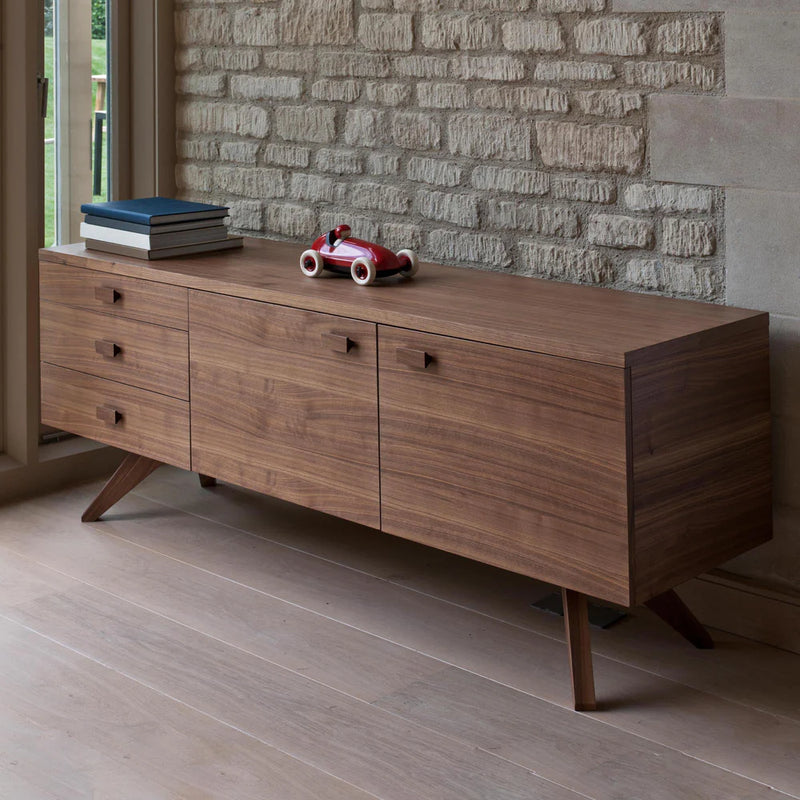
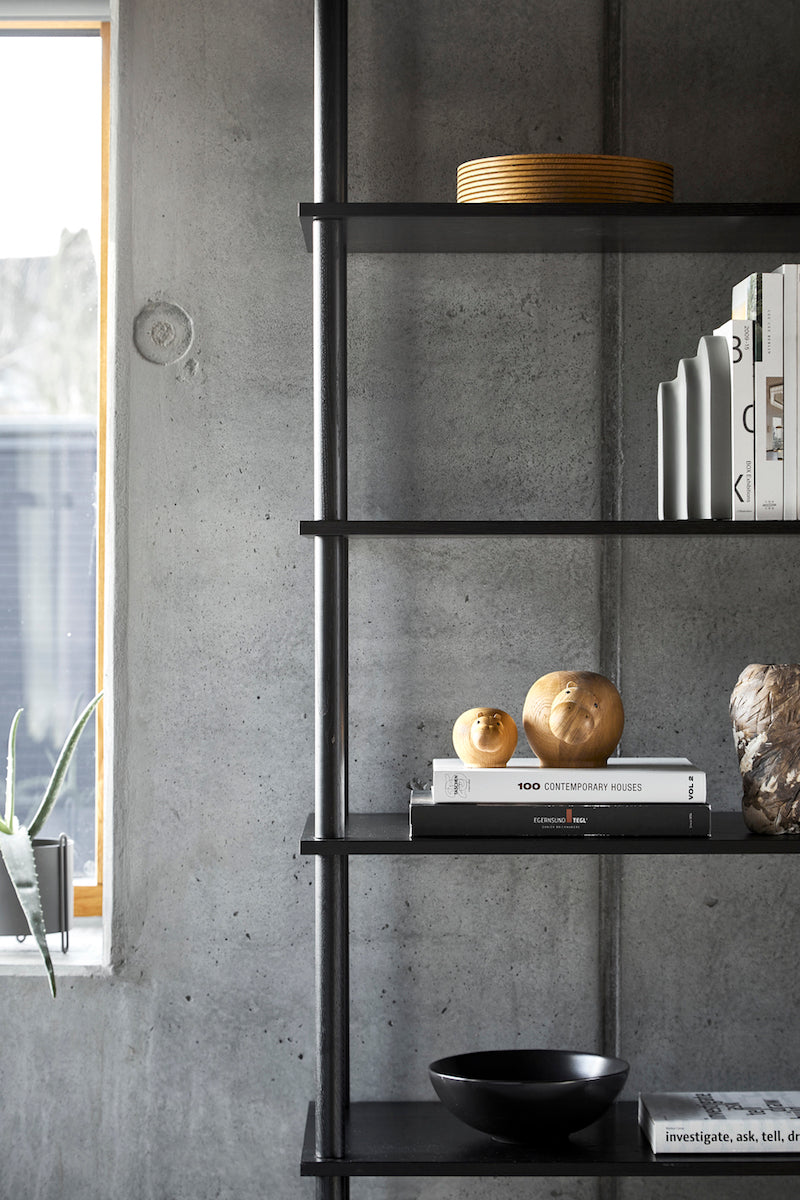
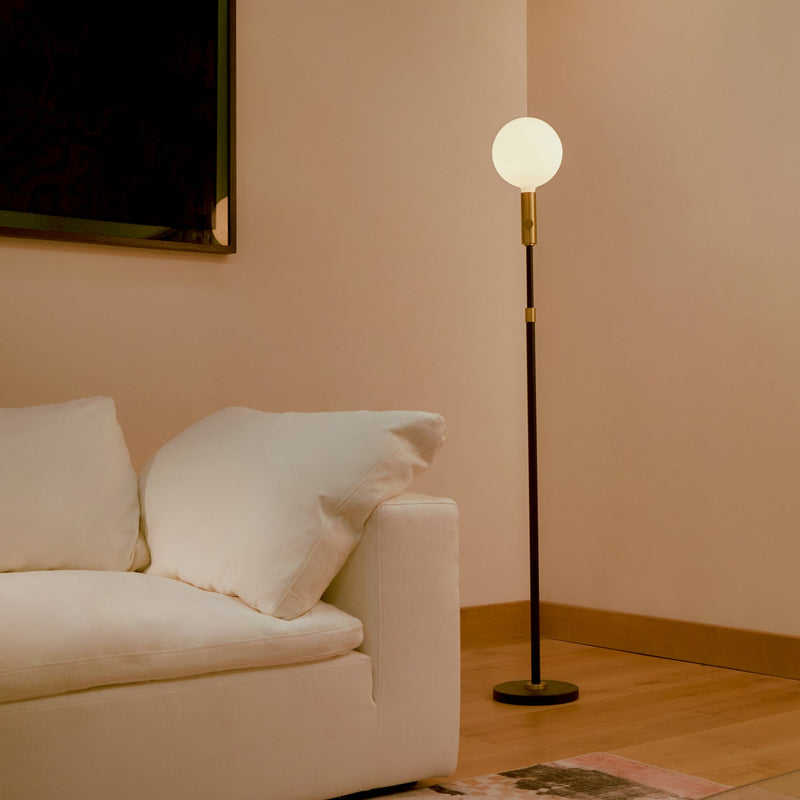

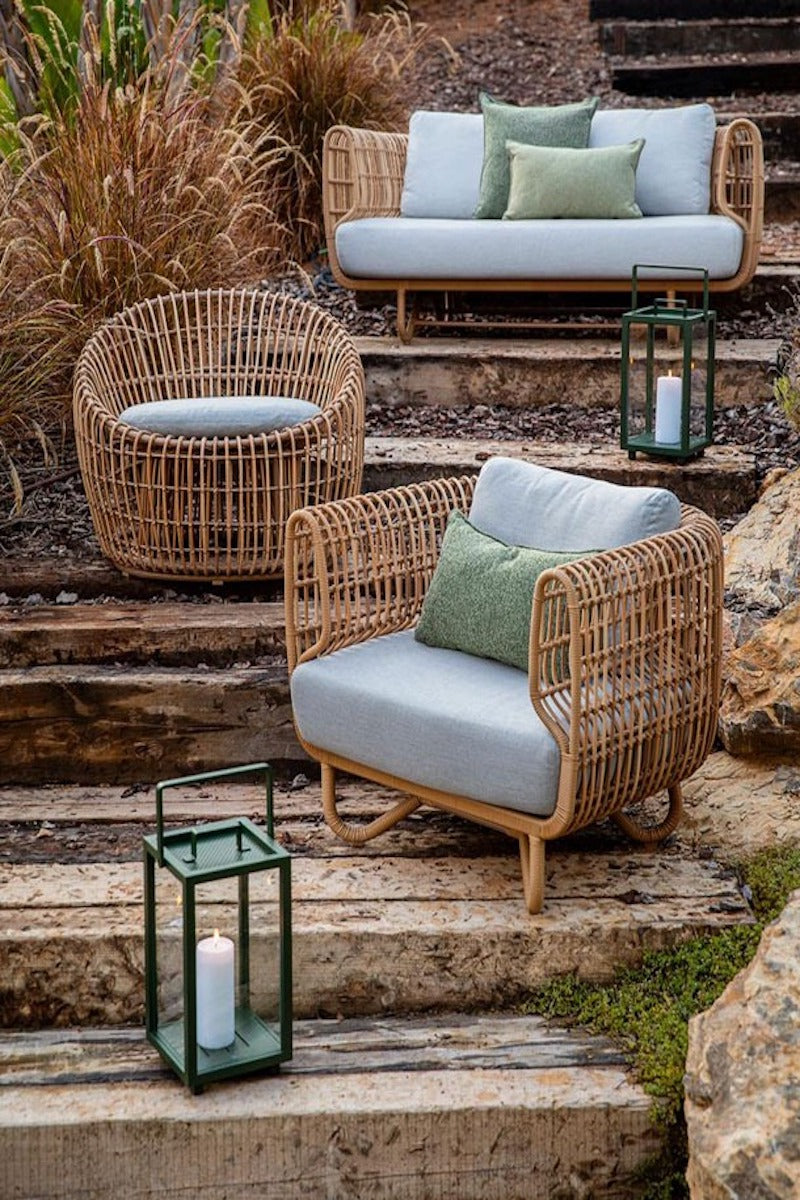
Solid wood vs. veneer vs. engineered wood is the question that determines whether a piece of furniture is built to last decades or to be discarded inside a decade. Solid hardwood furniture with FSC-certified timber and water-based finishes will typically last 50–100 years with normal use. Properly built veneer over an FSC-certified plywood core is a legitimate, sustainable choice for large surfaces. Engineered wood — MDF and particleboard — is the lowest-cost and shortest-lived option and is the primary source of formaldehyde off-gassing in modern furniture. CARB Phase 2 is the regulatory floor in California; everything else is a marketing exercise.
What "Wood Furniture" Actually Means
The wood-furniture category is one of the most confused on the market. "Real wood," "wood furniture," "natural wood look" — all of these can describe pieces with very different construction, lifespans, and emissions profiles. Understanding the distinction matters because the wrong wood choice is a permanent indoor air-quality decision.
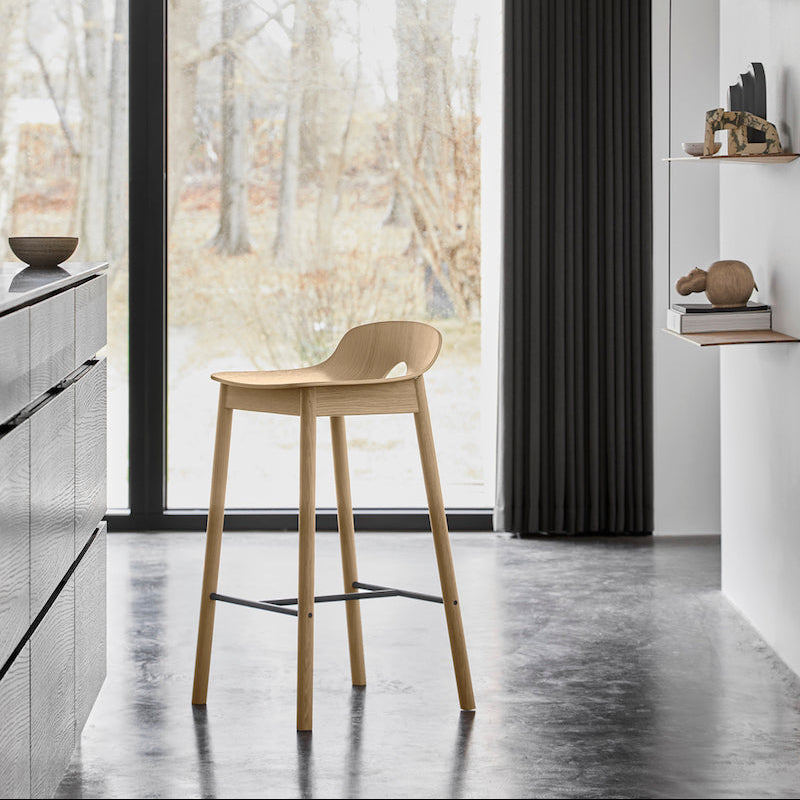
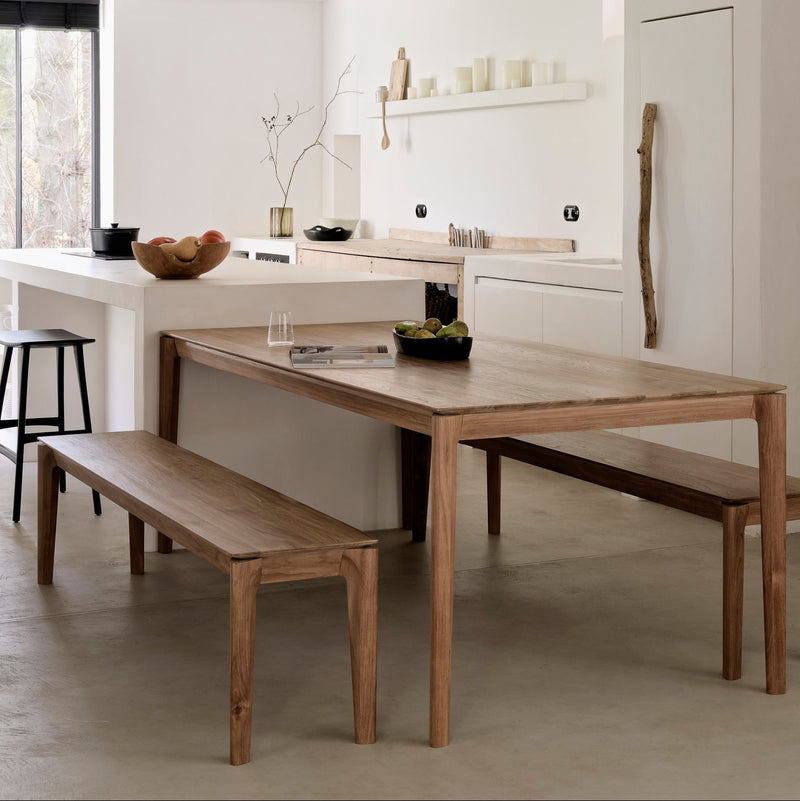
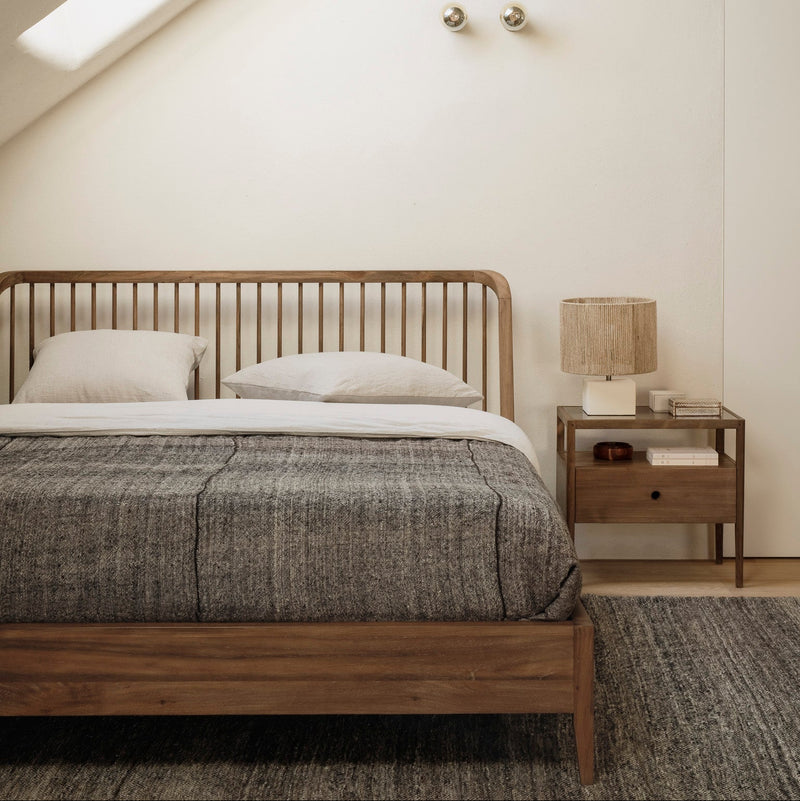
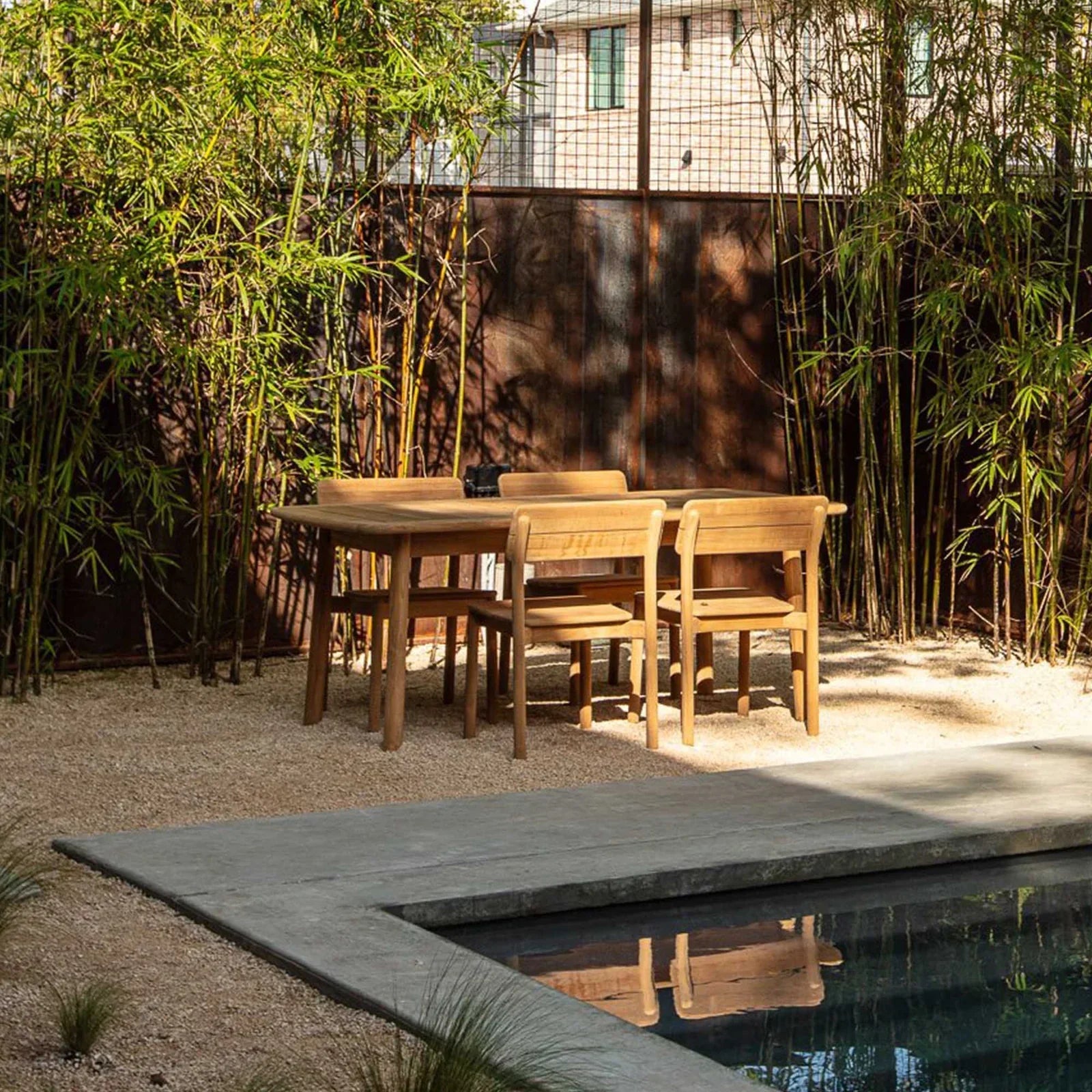
Solid hardwood is just that: boards milled directly from a tree, joined with traditional or modern joinery, finished with stains, oils, or lacquers. Ethnicraft builds most of its dining tables, sideboards, and lounge frames from solid teak, oak, or mahogany. Greenington does the same with Moso bamboo. FDB Møbler — the Danish design studio behind Poul Volther's 1956 J46 chair and Jørgen Bækmark's 1962 J80 — works in solid beech and oak with the Nordic Swan Ecolabel.
Veneer is a thin slice of real wood (typically 0.6mm) glued onto a stable core, usually plywood or MDF. Engineered wood is the substrate itself — MDF (medium-density fibreboard), particleboard, or HDF — wood fibres compressed with adhesive resins into sheet stock.
These three constructions look similar in a showroom photograph and behave very differently across a thirty-year furniture lifespan.
Shop this guide
In stock, shipping from US warehouses, each from a brand graded on our Sustainability Meter.


How They Compare on the Things That Matter
Lifespan and Repairability
Solid wood is the only construction that can be refinished, repaired, and structurally rebuilt across multiple generations. A scratched solid-oak tabletop can be sanded back and refinished; a chipped MDF tabletop is exposed substrate that cannot be sanded or repaired without replacing the panel. Heirloom math is straightforward: a $4,000 solid-wood dining table that lasts 60 years costs $67 per year of service, while a $700 MDF table replaced every 7 years costs $100 per year — and the MDF table generates 8x the landfill volume.
Veneer over a high-quality plywood core lasts almost as long as solid wood — the veneer face can be carefully refinished one or two times before the underlying layers show. Veneer over MDF or particleboard is structurally a short-lived piece dressed up to look like a long-lived one.
Formaldehyde and Off-Gassing
Engineered wood is bonded with urea-formaldehyde or melamine-formaldehyde adhesives, which off-gas formaldehyde over time — particularly in the first 12–24 months. The U.S. regulatory floor is the California Air Resources Board's CARB Phase 2 standard, which limits emissions from particleboard, MDF, and hardwood plywood. Furniture sold in California must meet it; furniture sold elsewhere in the U.S. should, but does not always.
Higher-tier voluntary certifications include GREENGUARD (UL), GREENGUARD Gold for children's products, and the Cradle to Cradle certification, which evaluates material health alongside recyclability. Solid hardwood with water-based finishes contains virtually no formaldehyde; the off-gassing concern lives entirely in the engineered-wood layer.
Sustainability of the Wood Itself
For solid hardwood, FSC (Forest Stewardship Council) chain-of-custody is the single most credible signal. FSC certification means the timber was tracked from a sustainably managed forest through every step of processing to the final piece. Plantation teak, plantation oak, and Moso bamboo (Greenington's signature material) are all credible options under FSC.
Veneer over an FSC-certified plywood core is one of the most resource-efficient ways to use rare or premium-figured wood — a single 6-foot oak veneer face can come from a tree that would otherwise have to be milled into solid stock at far higher waste. This is a legitimate sustainable use of veneer; it is not the same thing as veneer over particleboard.
Why We Prefer Solid Wood (and Honest Veneer) at Comosum
Most of the furniture we carry is solid wood: Ethnicraft's dining tables in solid oak and FSC-certified teak; FDB Møbler's beech and oak chairs with the Nordic Swan Ecolabel; Greenington's solid Moso bamboo dressers, beds, and sideboards. The reason is honest: solid wood is the only construction that lets us promise a 50-year lifespan with a straight face.
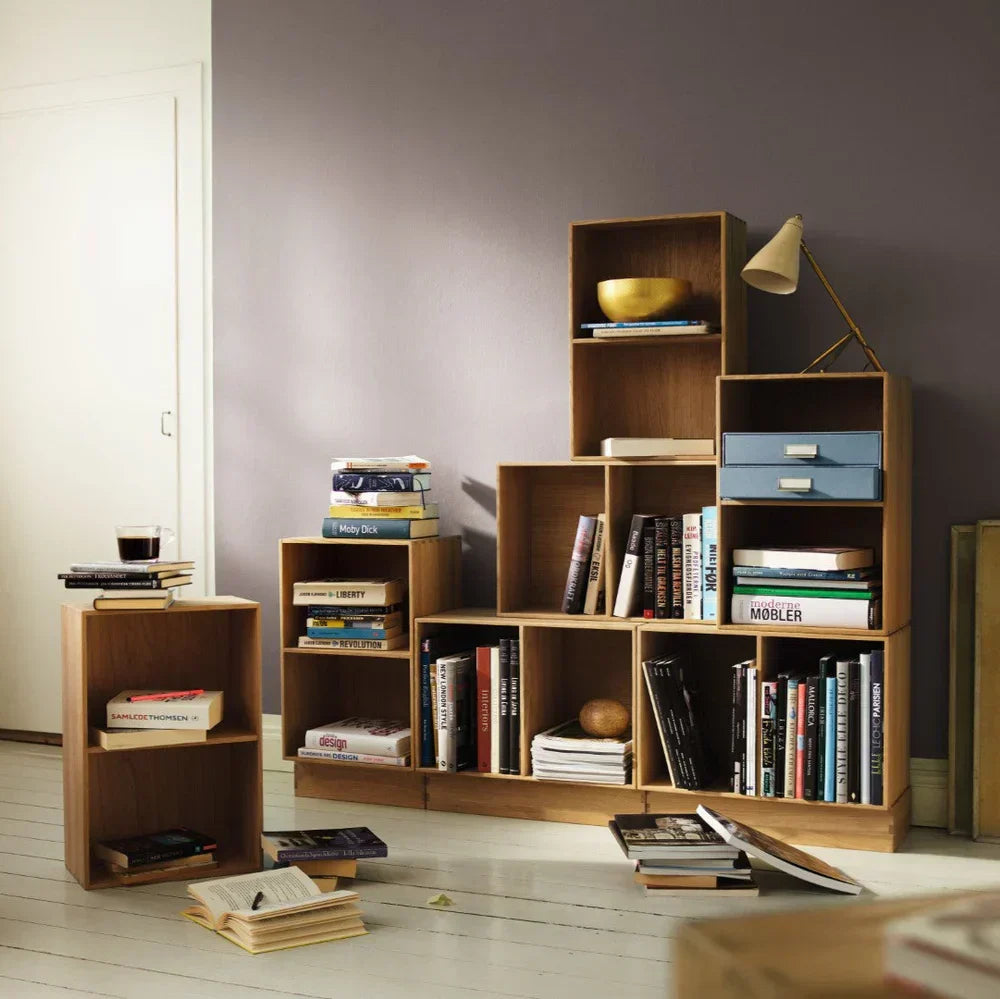
Where we carry veneer pieces, the substrate is FSC-certified plywood, not MDF or particleboard. This shows up in items like FDB Møbler's wall shelves and the frames of Ethnicraft's upholstered Barrow and Ellipse pieces, where a stable, dimensionally consistent panel is required. These are legitimate uses of veneer. Our sustainability page describes the full set of construction filters, and our broader curation of sustainable furniture brands is built around them. For the dining-table category specifically, see our sustainable dining tables guide.
Explore Sustainable Solid-Wood Furniture at Comosum
Pieces built from solid hardwood or bamboo:
- Ethnicraft Eye Lounge Chair — solid solid oak frame with optional Sienna leather, designed by Alain van Havre.
- Ethnicraft Weave Lounge Chair — interwoven solid wood back structure with removable linen cushion.
- FDB Møbler J80 Chair — Jørgen Bækmark's 1962 spoke-back classic in solid oak or beech, Nordic Swan Ecolabel.
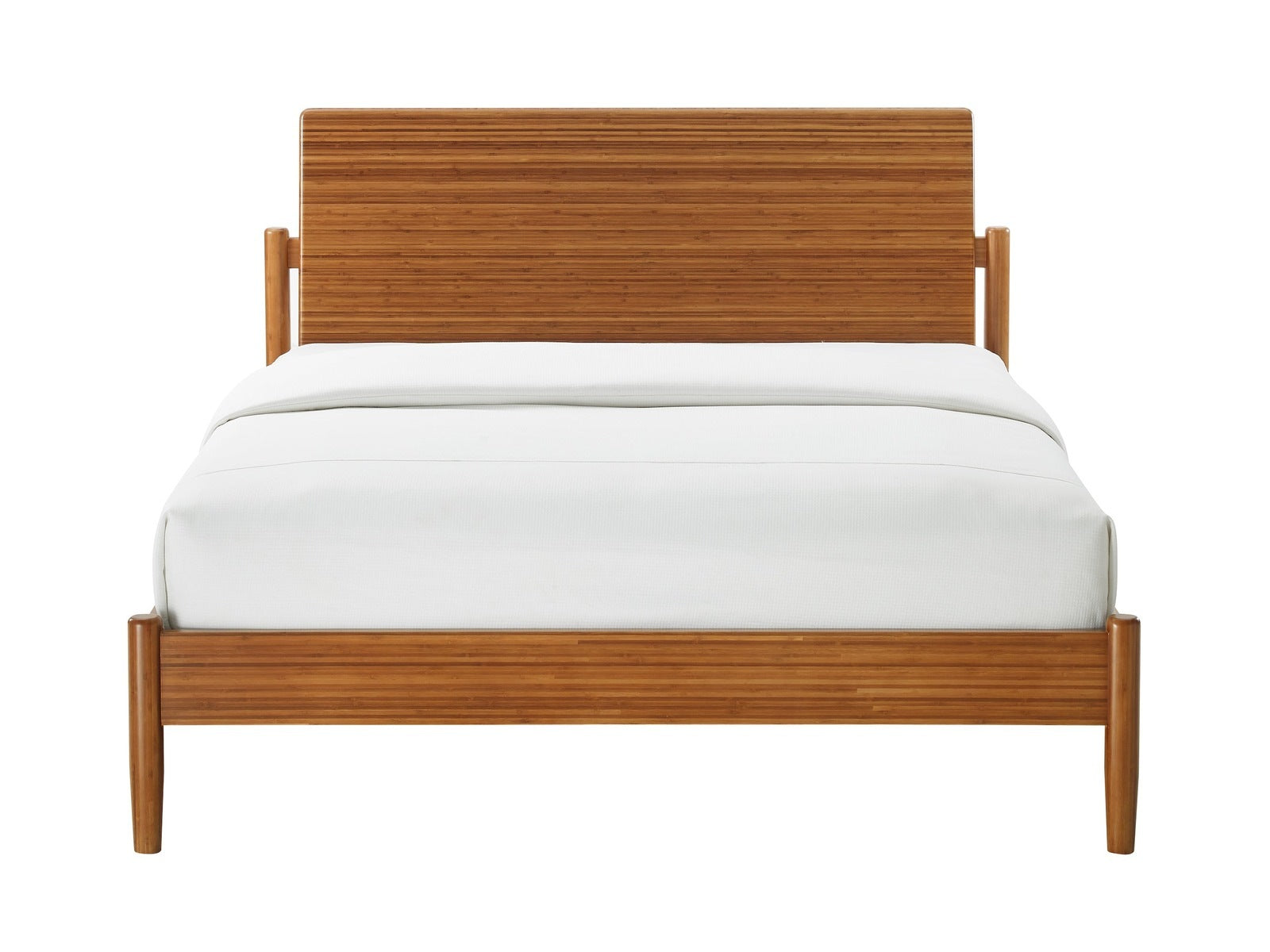
- Greenington Currant Platform Bed — solid Moso bamboo, available in Amber and Caramelized, Queen and King sizes.
- Greenington Currant Sideboard — solid Moso bamboo storage in Caramelized or Black Walnut.
Browse our broader collection of sustainable furniture brands at Comosum →
Frequently Asked Questions About Wood Furniture Construction
Is solid wood furniture worth the cost?
Yes, on a cost-per-year basis. A $4,000 solid-wood dining table that lasts 60 years costs roughly $67 per year, while a $700 MDF table replaced every 7 years costs about $100 per year and generates more total waste. Solid wood is also the only construction that can be refinished, repaired, and passed down across generations.
Is veneer furniture bad?
Not inherently. Veneer over an FSC-certified plywood core is a legitimate, resource-efficient use of premium wood — it produces stable panels that resist seasonal movement better than solid stock for large surfaces. Veneer over MDF or particleboard is a different product: short-lived, hard to repair, and a source of formaldehyde off-gassing.
What is CARB Phase 2?
CARB Phase 2 is the California Air Resources Board's standard limiting formaldehyde emissions from particleboard, MDF, and hardwood plywood used in composite wood products. It is the regulatory floor in California, and the EPA's TSCA Title VI standard aligns with it nationally. Furniture meeting CARB Phase 2 has measurably lower formaldehyde off-gassing.
Is bamboo furniture solid wood?
Yes, in the way most consumers mean it. Moso bamboo used by Greenington and similar brands is laminated into solid panels and then milled, finished, and joined like any other hardwood. Janka hardness for Moso bamboo is around 1,380 lbf — comparable to red oak. The plant regenerates from the root system every 3–5 years, making it among the most sustainable solid-wood alternatives.
How do I tell solid wood from veneer at a store?
Look at the underside, the back, and inside drawers. Solid wood shows continuous grain on all faces and end-grain at the cut edges; veneer shows a thin face layer with a different substrate visible at the edges. Lift it: solid hardwood is heavier than veneer over plywood, which is heavier than veneer over MDF. Knock it: solid hardwood rings differently than hollow-core engineered wood.


Leave a comment
This site is protected by hCaptcha and the hCaptcha Privacy Policy and Terms of Service apply.