
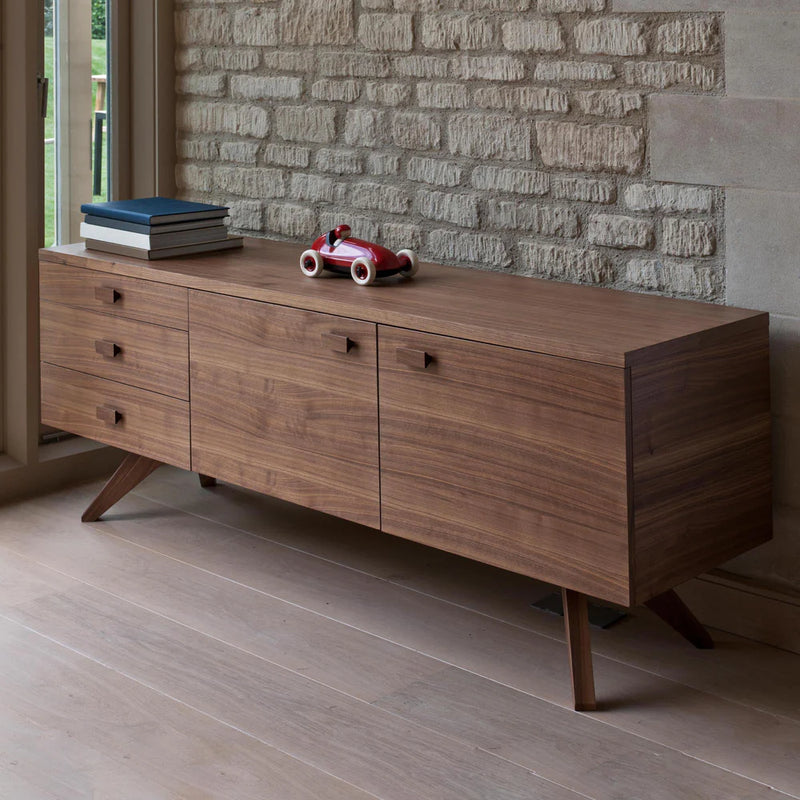
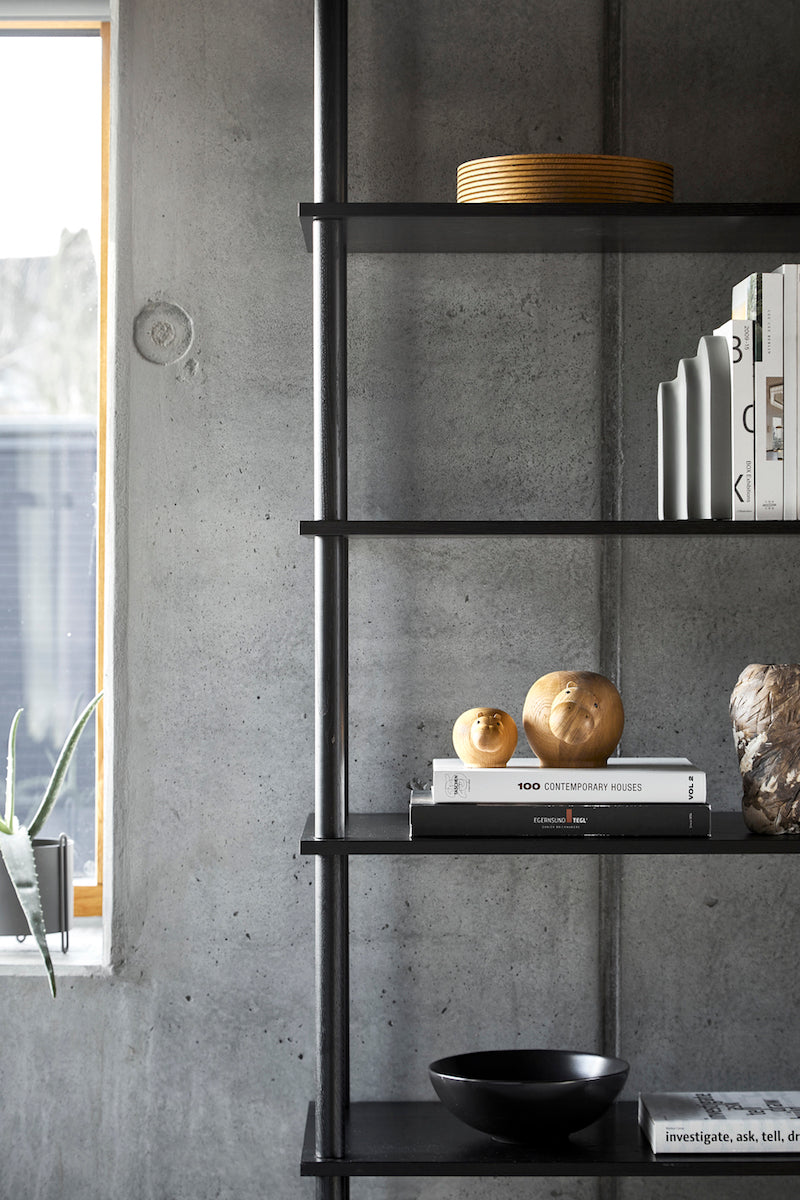
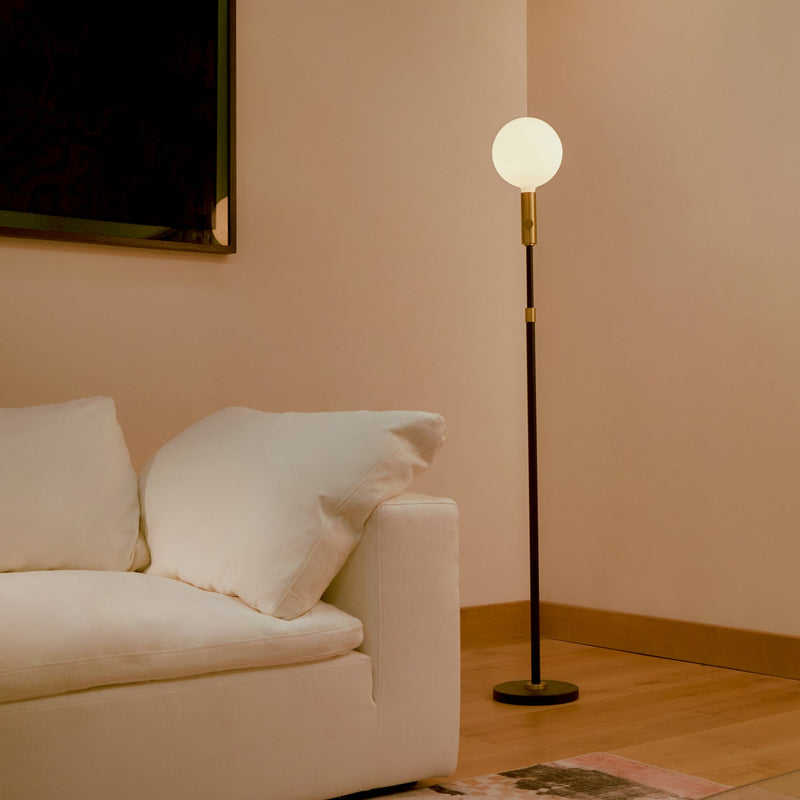

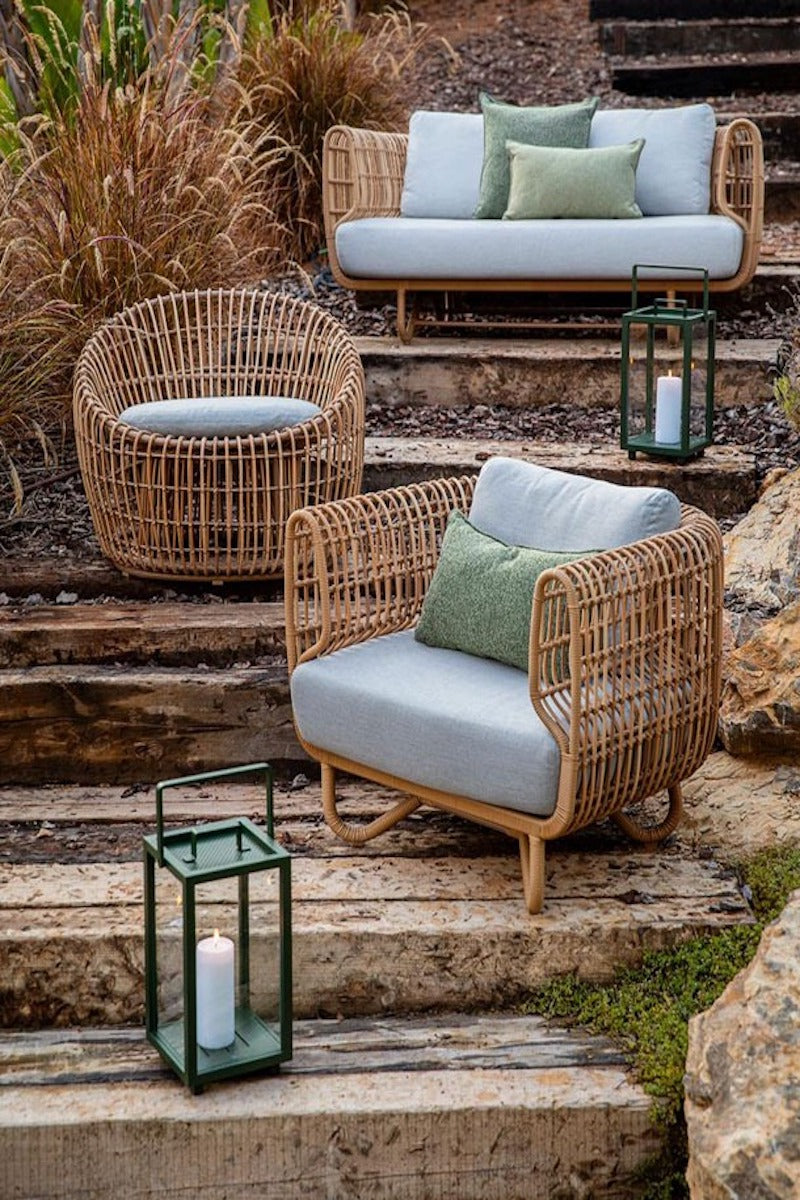
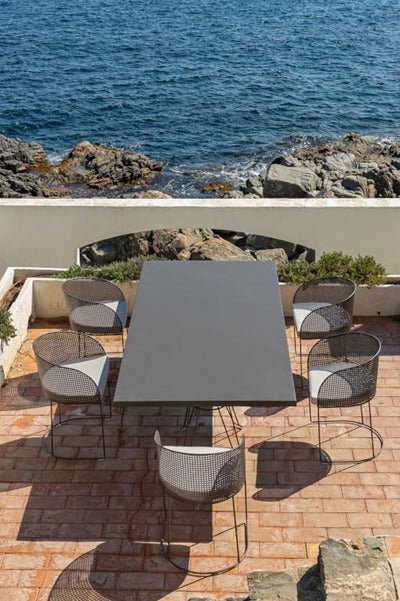
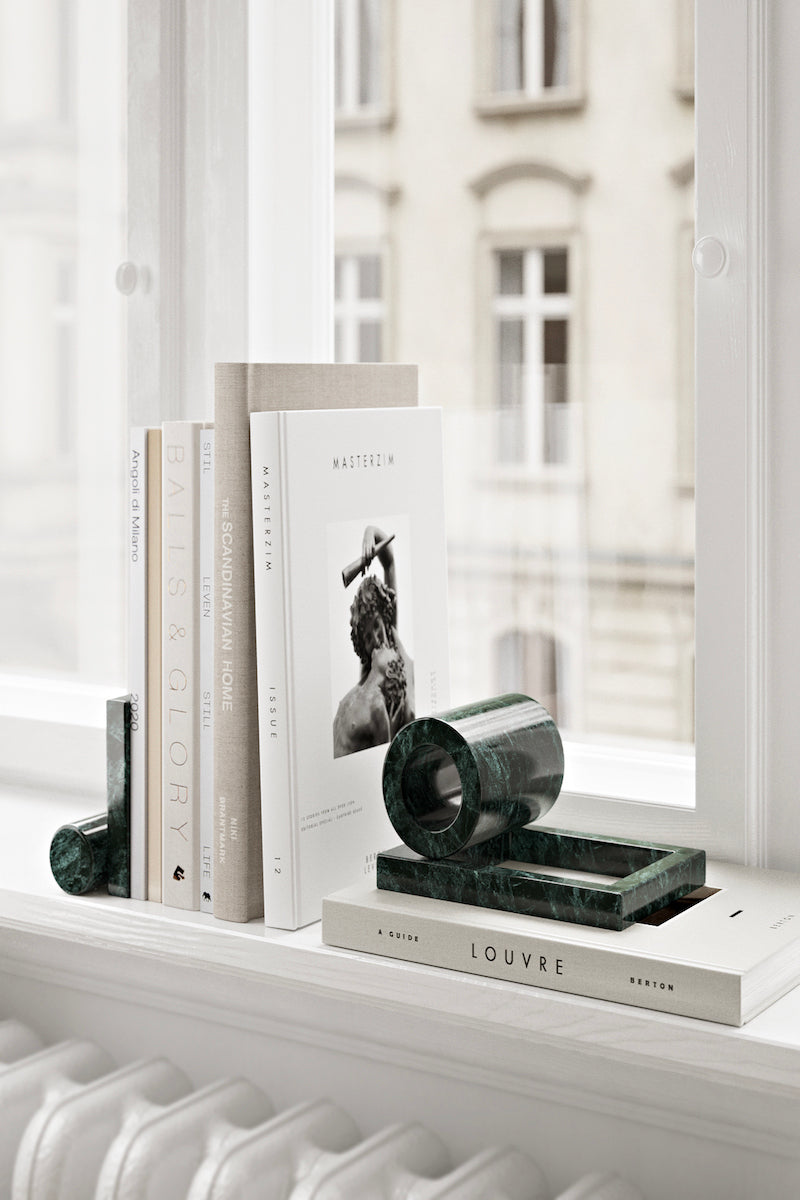
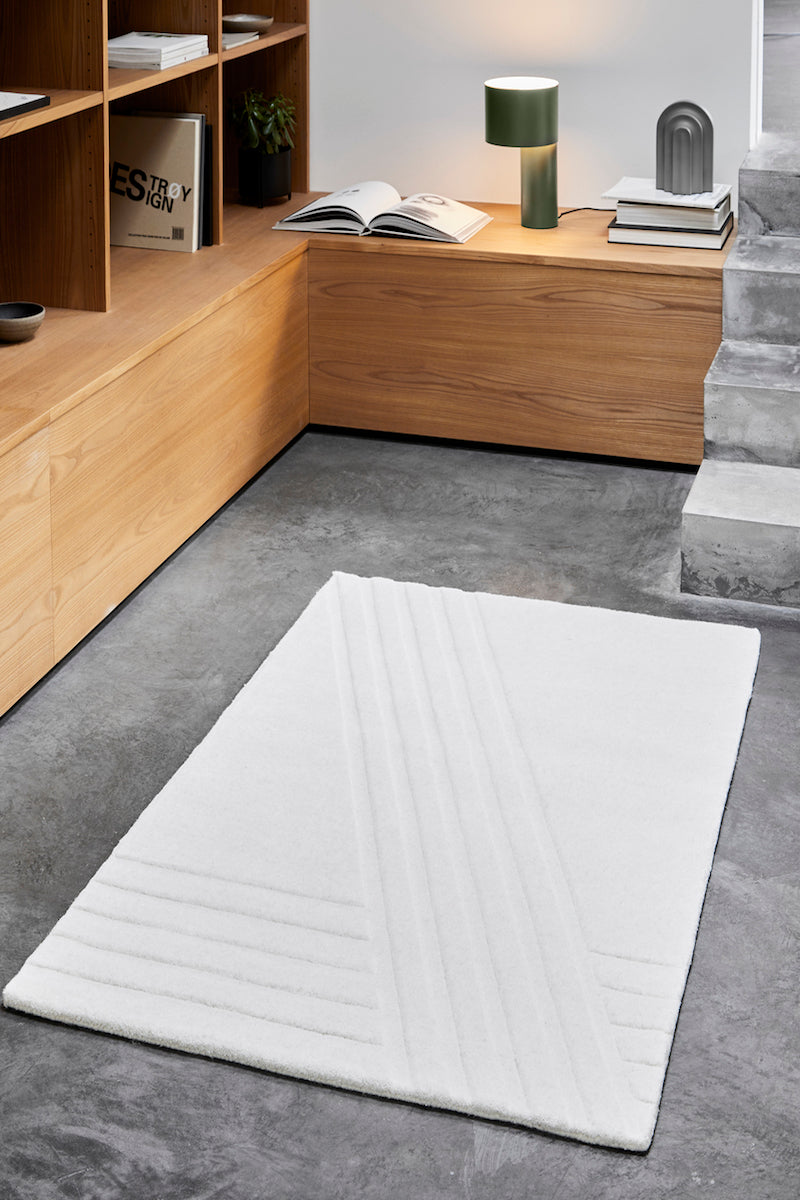
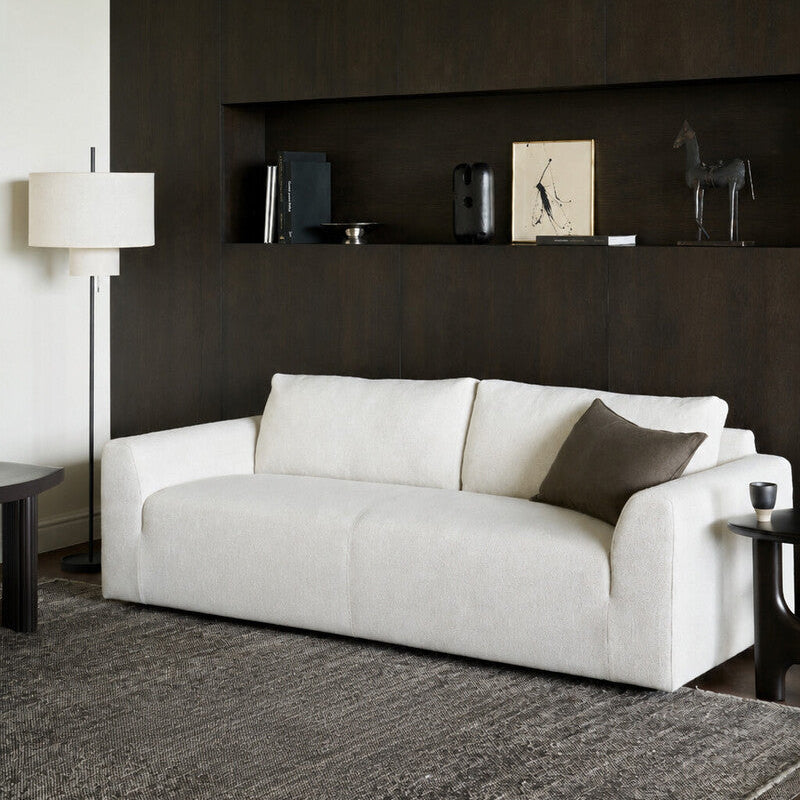
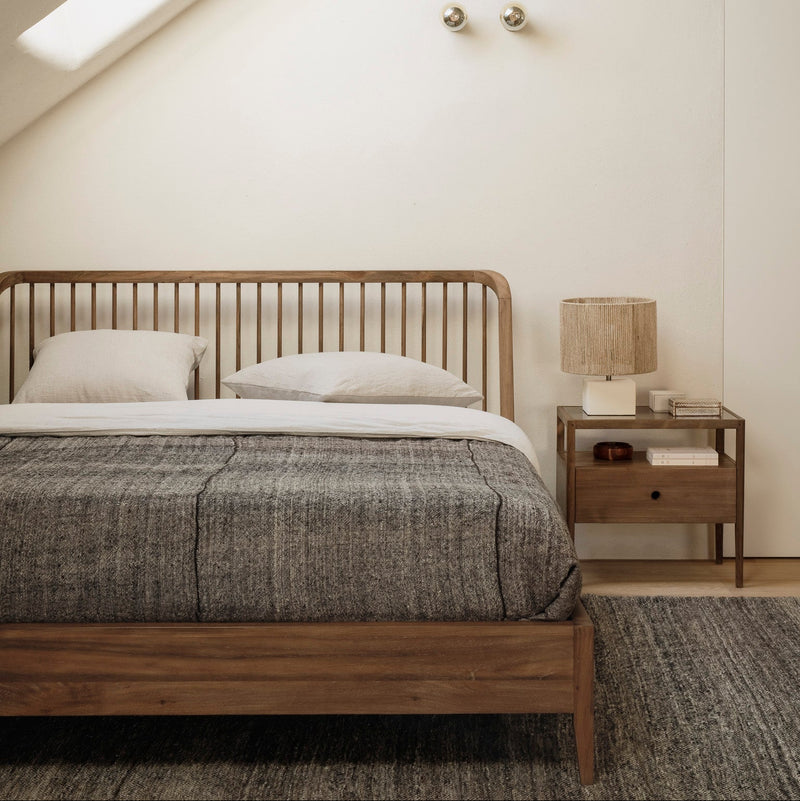
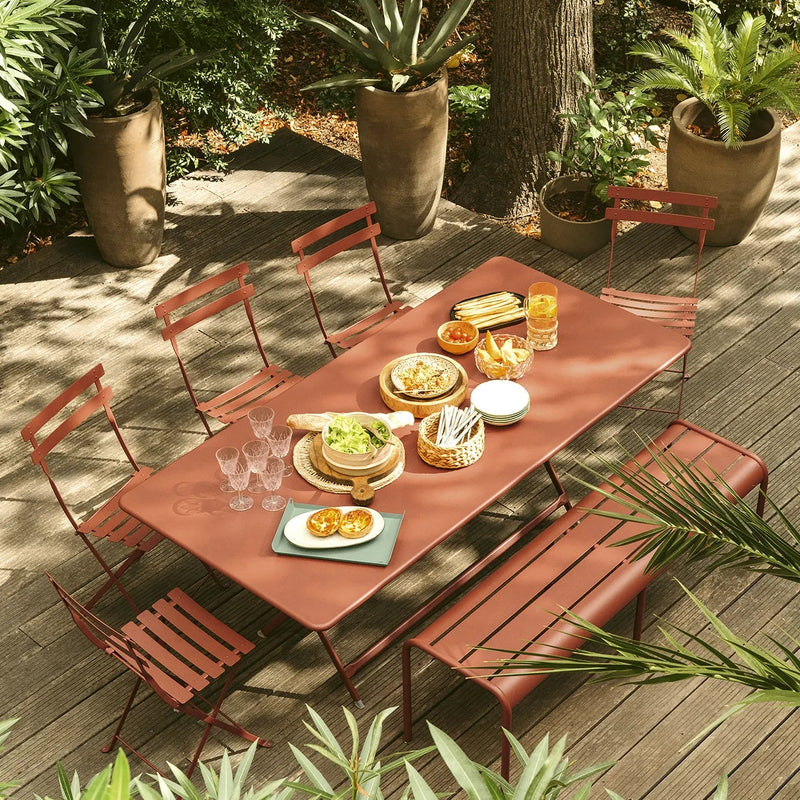
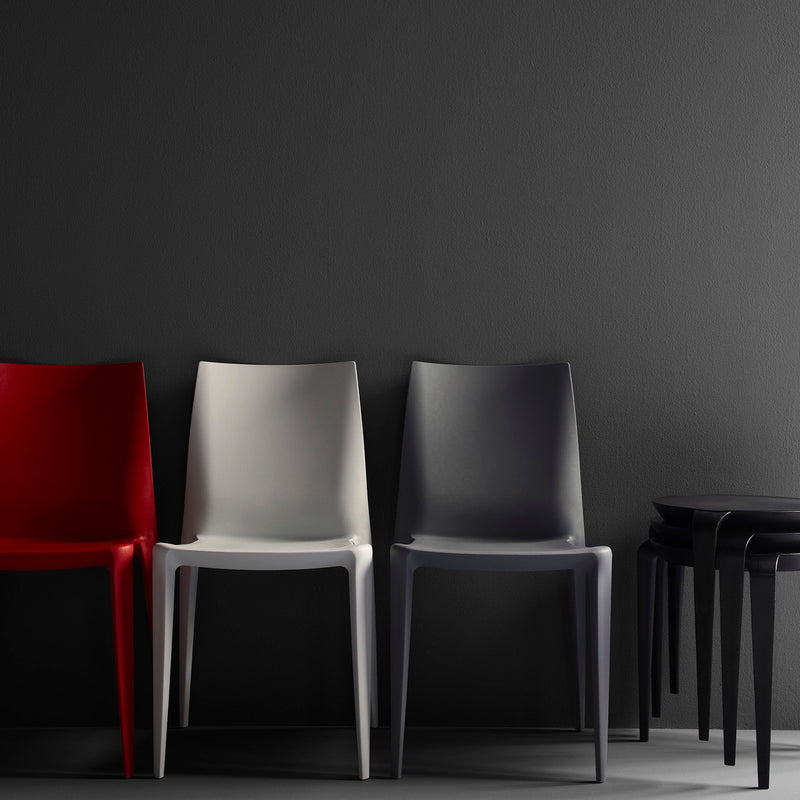
Tikamoon is a French solid-wood furniture specialist founded in Lille in 2008 and certified as a B Corporation in December 2025. The brand builds exclusively in solid oak, walnut, teak, mango, mindi and acacia, with no MDF or chipboard anywhere in the range. It is the newest addition to Comosum, and one of the few we have added on the strength of its documentation rather than its catalogue.
The Story Behind Tikamoon
Tikamoon started in Lille in 2008 as a small team selling solid wood direct, without the showroom-and-distributor layer that sets most furniture prices. That structure is still the whole model: the company designs its own pieces, works directly with partner workshops in Asia and Europe, and sells straight to the customer. Today it employs around 220 people and operates across France, Germany, India, Indonesia and Vietnam.
What makes the brand interesting is what it refused to do as it grew. Tikamoon does not run seasonal collections. It does not use MDF or chipboard. On its own Tikagreen page, the company frames the reasoning plainly: solid wood is easy to repair and therefore lasts longer, it emits less CO2 than panel board because it skips the processing stage, and it is stronger. The stated goal is that you buy less often and pass the piece on.
That is a common enough claim in this category. What is less common is the willingness to be graded on it. Tikamoon opened its Tikagreen CSR strategy in 2019, launched a sustainable development plan with the support of WWF and the FSC in 2020, and has published carbon audits and product life-cycle analyses since. The line the company uses on its own site — "we're not perfect, but we do our best to improve every day" — is closer to how we think about this than most brand copy we read.
Tikamoon opened its first physical shops in Paris and Lille in 2023 after fifteen years selling only online, and entered the US market in 2024.
How Tikamoon Is Built Sustainably
Materials
Solid wood, and only solid wood. The range at Comosum spans oiled oak, walnut, teak, mango, mindi, acacia, elm and mahogany, with a few pieces pairing wood with terrazzo or cane. There is no veneer over particleboard and no engineered panel in the construction — which matters for more than durability, since composite board is where added formaldehyde enters most furniture. If you want the longer version of that trade-off, we covered it in solid wood vs. veneer vs. engineered wood.
Manufacturing
Pieces are made in partner workshops rather than a single owned factory, joined with traditional woodworking techniques, and — unusually for direct-to-consumer furniture — delivered fully assembled. US orders ship from Tikamoon's own New Jersey warehouse with a two-year limited warranty and 30-day returns with no restocking fee. No flatpack, no hardware bag, no hour on the floor with an Allen key.
Certifications and Recognition
Tikamoon has held FSC Chain of Custody certification since 2018 under licence FSC-C143349, verified through the Forest Stewardship Council. It donates 1% of its turnover from FSC-certified products to 1% for the Planet.
Tikamoon has been a certified B Corp since December 2025. Its B Lab profile shows how that certification breaks down across Environment, Workers, Community, Governance and Customers, so you can read the detail for yourself.
It is also worth saying what the certifications do not cover. FSC certification, by the brand's own account, does not yet extend to the entire catalogue — so the honest instruction is to check the individual product page for sourcing rather than assume coverage across the range. We would rather point that out than let a headline label do the work.
Why Tikamoon Belongs at Comosum
We added Tikamoon because it fills a gap we had been aware of for a while: solid-wood case goods at prices that do not require a designer budget. Most of what we carry in oak and walnut sits well above $2,000. Tikamoon lands consoles from around $559 and mirrors from $189 without dropping to particleboard to get there, which is the compromise almost every brand at that price makes. Those mirrors sit alongside Ethnicraft, FDB Møbler and UMAGE designs on our mirrors page.
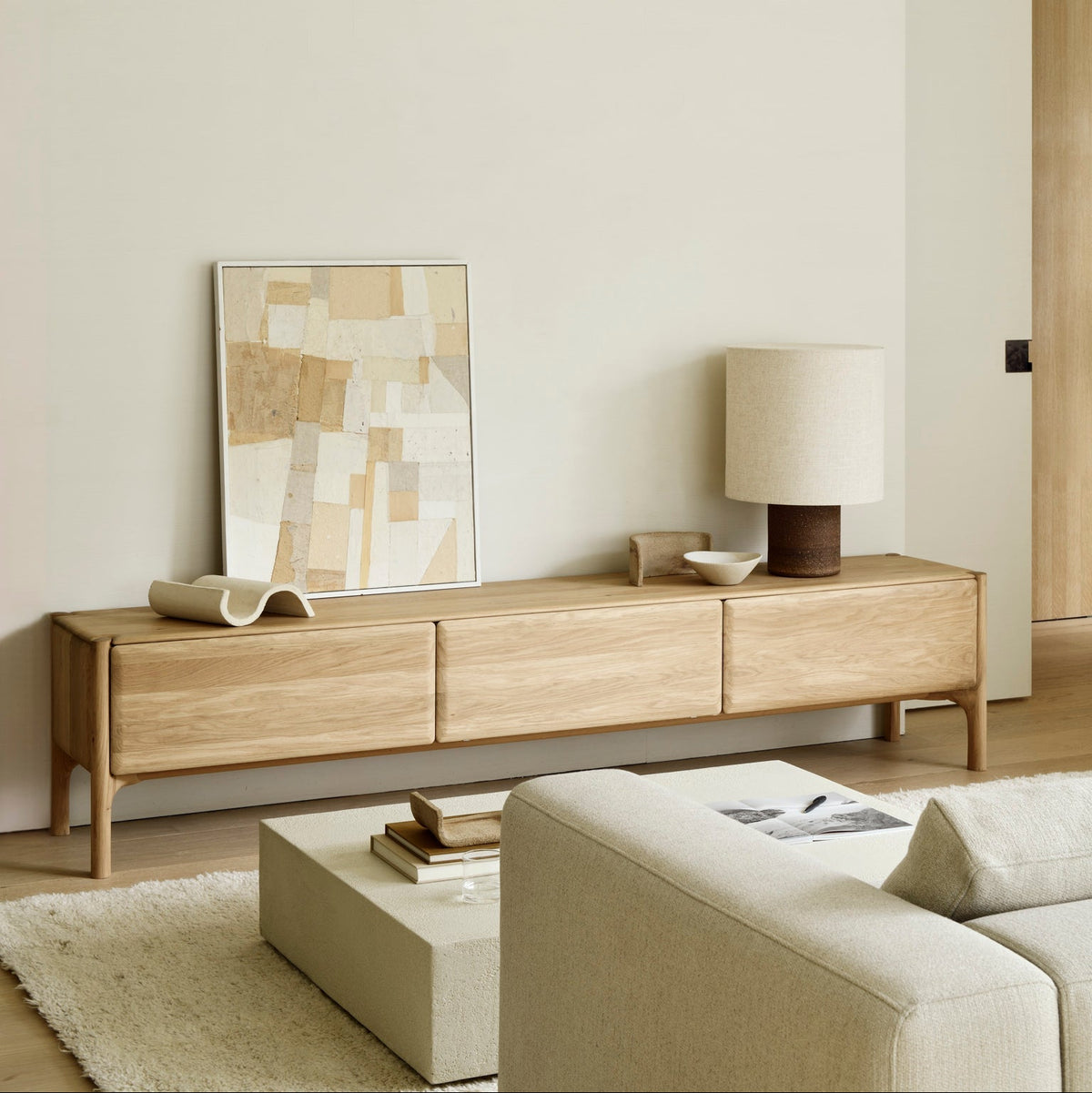
The assortment leans heavily toward storage and surfaces — sideboards and credenzas, TV stands, consoles, dining tables and desks. That suits us. Case goods are the pieces people keep longest and replace most reluctantly, and they are the category where the MDF question actually decides whether a piece survives one move or five.
We are also straightforward about where the brand sits relative to our other solid-wood specialists. Ethnicraft remains the reference point for joinery and finish at the top of the range. Tikamoon is the value argument underneath it — the same refusal to use panel board, at a price that makes solid wood a realistic first purchase rather than an upgrade. Tikamoon is a Certified B Corp, which puts it among the B Corp brands we carry.
Explore Tikamoon at Comosum
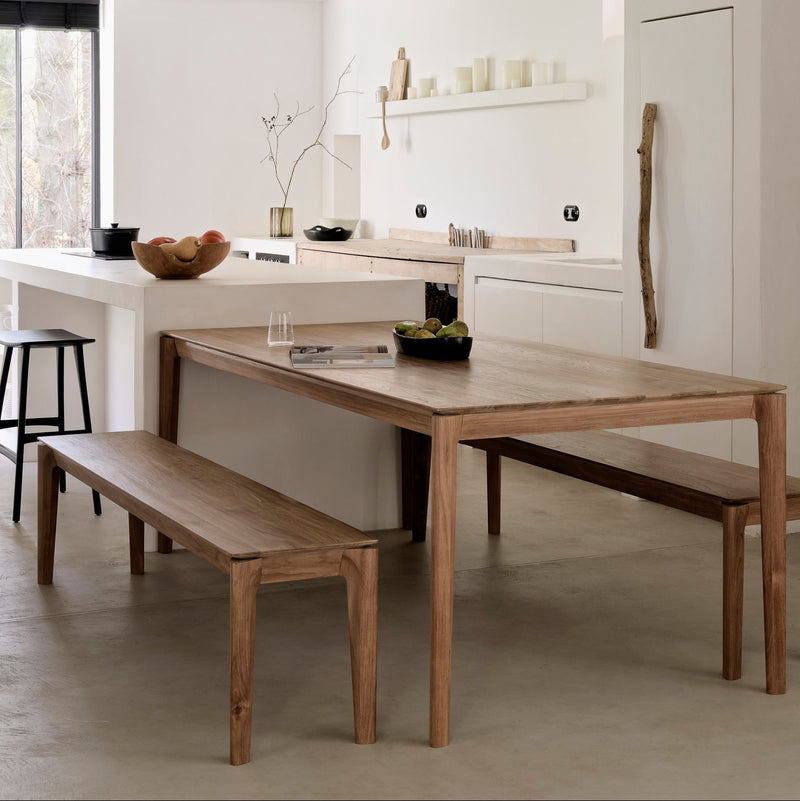
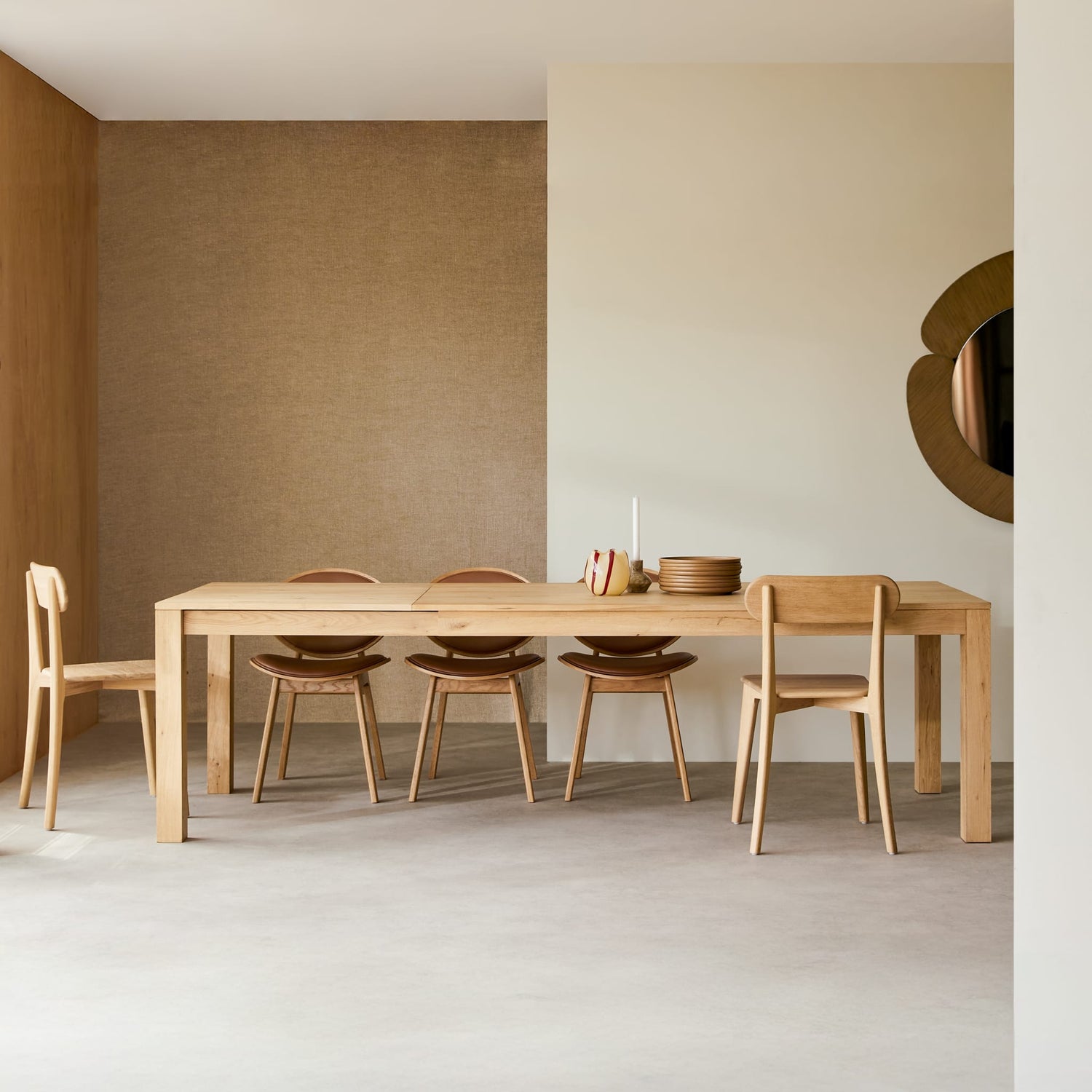
- Eden Extendable Dining Table in Solid Oak — Seats six closed and ten extended, using German Pöttker extension hardware on concealed runners so the leaf sits flush. Oiled solid oak, 102.4 inches extended. $2,899.
- Jeanne Sideboard in Solid Oak — A full-size oak sideboard for dining-room storage, in the same oiled finish that ages with light re-oiling rather than refinishing. $2,549.
- Metric TV Stand in Solid Walnut — Slim metal legs lift 68.9 inches of solid walnut six inches off the floor, with a central hinged door over two internal compartments. $1,599.
- Eden Desk in Solid Oak — The dining table's desk sibling in the same oiled oak, sized for a home office that doubles as a room people sit in. $1,449.
- Lila Mirror in Solid Acacia — Solid acacia rather than a wrapped frame, and the easiest way into the range at $189.
Browse the full Tikamoon collection and explore all of our sustainable furniture brands at Comosum →
For related reading, see our sideboards and credenzas buyer's guide and our explainer on what FSC certification actually means.
Frequently Asked Questions About Tikamoon
Where is Tikamoon furniture made?
Tikamoon designs its furniture in Lille, France, and produces it through partner workshops rather than a single owned factory. B Lab lists the company as operating in France, Germany, India, Indonesia and Vietnam. US orders ship from Tikamoon's own warehouse in New Jersey.
Is Tikamoon a sustainable brand?
Tikamoon has been a Certified B Corporation since December 2025, an audit of the whole company rather than of single products.
What materials does Tikamoon use?
Solid wood only — oak, walnut, teak, mango, mindi, acacia, elm and mahogany, with terrazzo or cane on select pieces. The company does not use MDF or chipboard anywhere in its range, and states that it stopped using panel board because solid wood is repairable, stronger, and lower-emission to produce.
Is Tikamoon furniture FSC-certified?
Tikamoon has held FSC Chain of Custody certification since 2018 under licence FSC-C143349, and donates 1% of its turnover from FSC-certified products to 1% for the Planet. By the brand's own account this certification does not yet cover the entire catalogue, so check the individual product page for sourcing detail rather than assuming it applies to every piece.
Does Tikamoon furniture arrive assembled?
Yes. Tikamoon ships fully assembled into your room of choice, which is unusual for direct-to-consumer furniture at this price. US orders carry a two-year limited warranty and 30-day returns with no restocking fee; the customer covers return shipping.


Leave a comment
This site is protected by hCaptcha and the hCaptcha Privacy Policy and Terms of Service apply.