

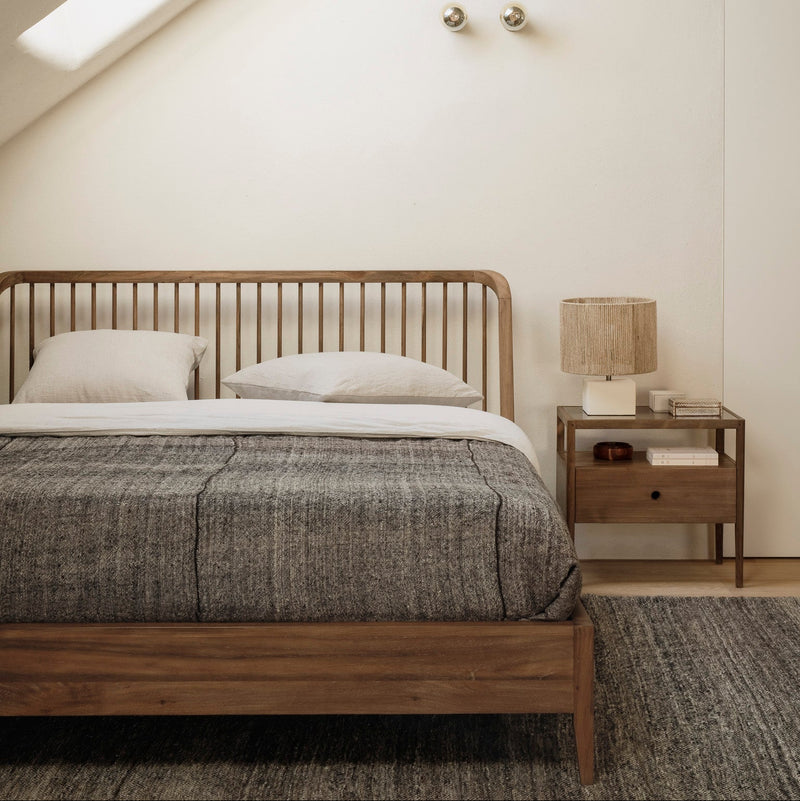
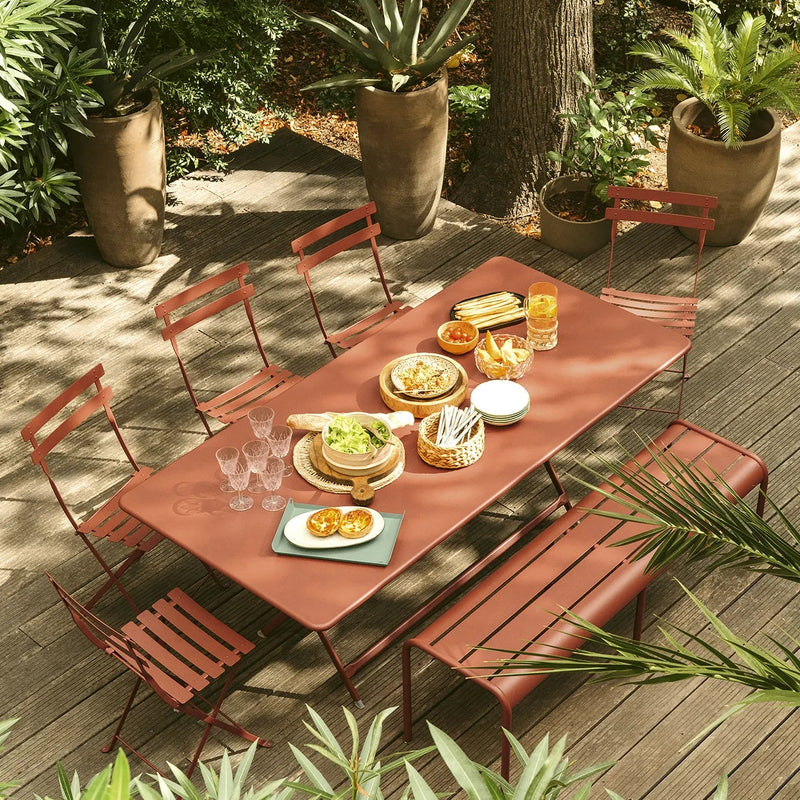
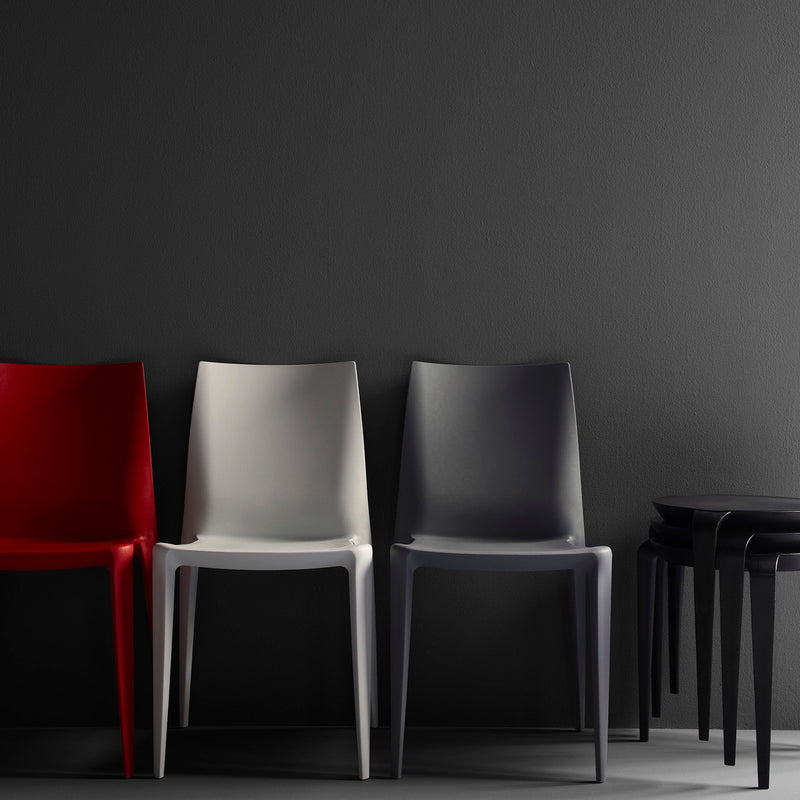
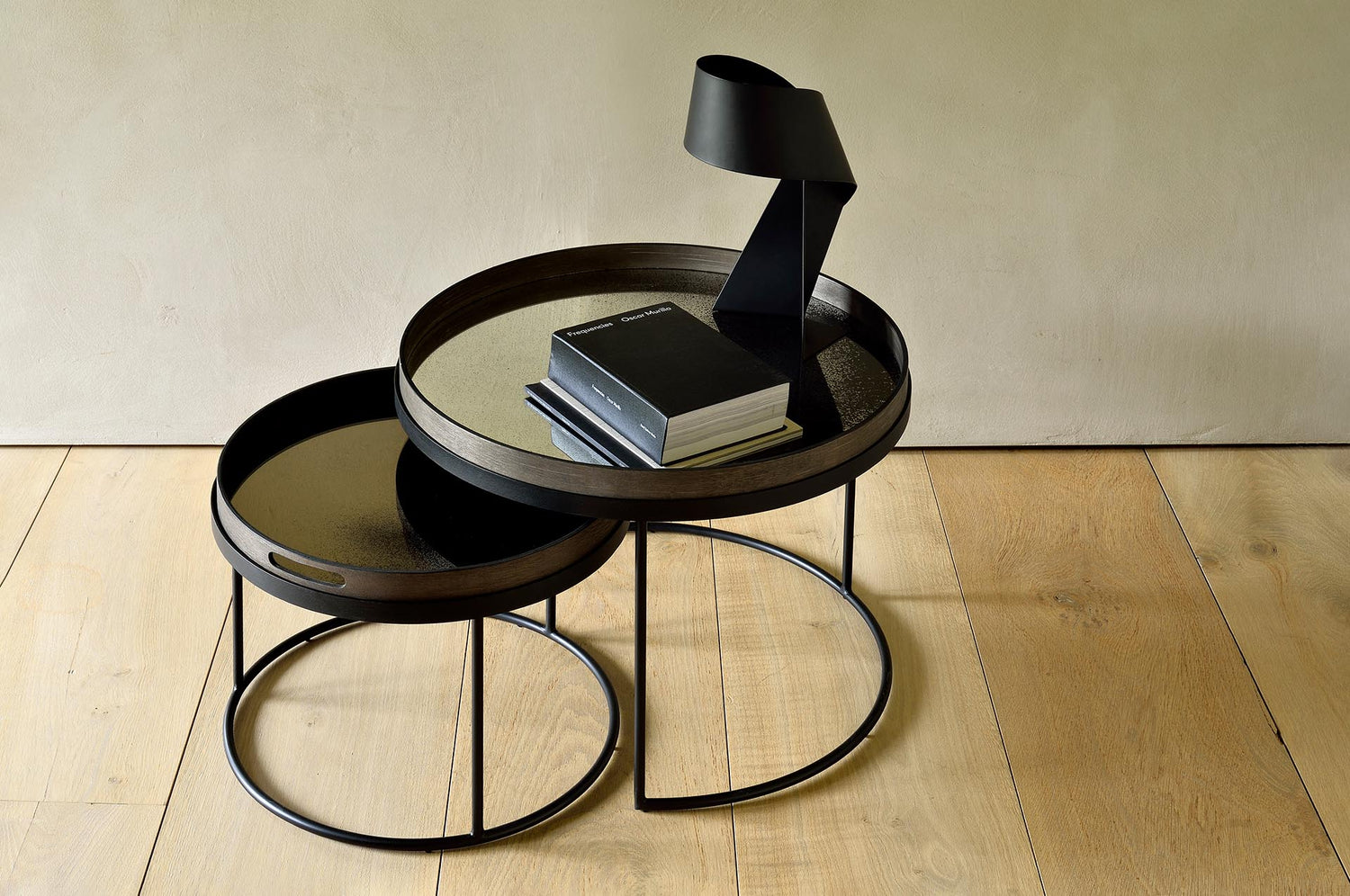
A sustainable living room is built from four long-lived layers: an upholstered sofa or sectional with an FSC-certified hardwood frame and removable, replaceable cushions; a solid-wood or recycled-composite coffee table; a lounge or accent chair that can be reupholstered rather than replaced; and lighting designed to be repaired, not retired. The living room is the highest-traffic room in most homes, so the value of long-lived materials compounds faster here than anywhere else. The brands we lean on most heavily are Ethnicraft, WOUD, Anglepoise, and Lladró.
Why the Living Room Is Where Sustainability Pays Off Fastest
A living room takes about a decade of normal use to settle into its shape. Sofa cushions compress, lounge chairs find their preferred occupant, and the coffee table accumulates a useful collection of rings, scratches, and small repairs that turn a piece of furniture into part of the household. Cheap furniture cannot survive this process — it falls apart before it gets to age into character.
The single most expensive thing about cheap living-room furniture is the replacement cadence. Industry data suggests the average upholstered sofa lifespan in the U.S. is 7–10 years; the average solid-wood coffee table sits at 15–25 years. A sustainable living room is the same set of pieces designed to live three to five times as long.
Ethnicraft builds solid-teak and solid-oak case goods. WOUD builds the Collar sofa series in solid hardwood frames with replaceable Kvadrat and Barnum upholstery. Anglepoise makes the same articulated desk lamp it has made since 1935, backed with a lifetime guarantee. And Lladró has been hand-crafting porcelain in Valencia, Spain since 1953. The four together form the spine of a living room built to last.
Shop this guide
In stock, shipping from US warehouses, each from a brand graded on our Sustainability Meter.


How to Build a Sustainable Living Room, Layer by Layer
The room breaks into four zones. Material chemistry, lifespan, and reparability matter in each.
Sofa or Sectional
The sofa is the centerpiece and typically the largest single furniture purchase in the room. The sustainability checklist for sofas is well-established: FSC-certified solid-hardwood frame; OEKO-TEX upholstery; replaceable cushion covers rather than fixed upholstery; no PFAS-based "performance" coatings.
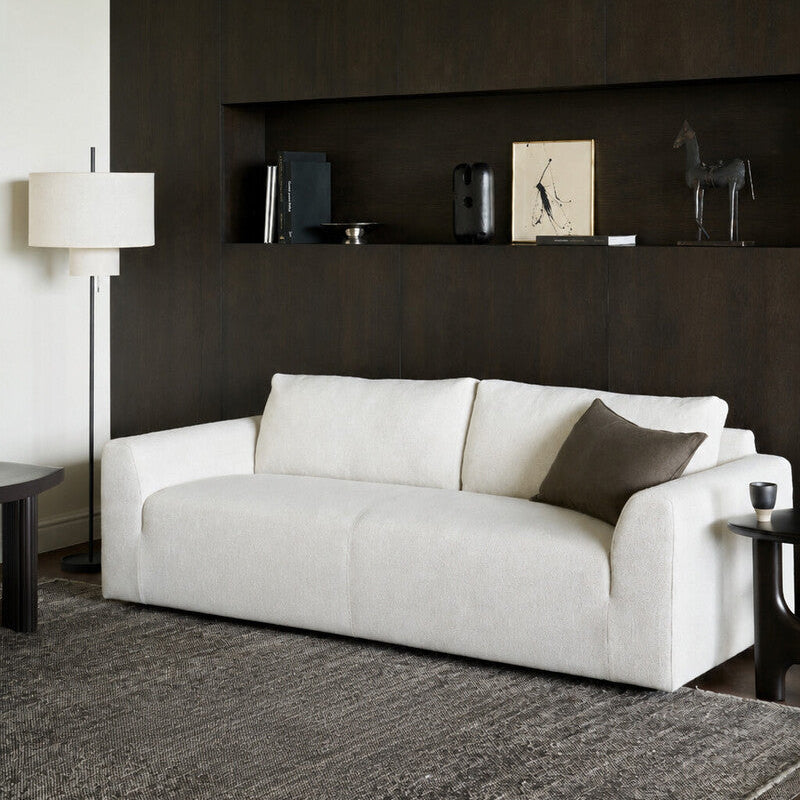
WOUD's Collar 2-Seater, 2.5-Seater, and 3-Seater sofas are built on FSC-certified hardwood frames with removable Barnum and Cyber-line upholstery covers. The sculptural Meike Harde silhouette has been in continuous production since 2017 — a sign of a design that has aged well. Cushion springs, frame, and upholstery can be serviced independently. For a deeper look at sofa construction, see our sustainable sofas buying guide.
Coffee Tables and Side Tables
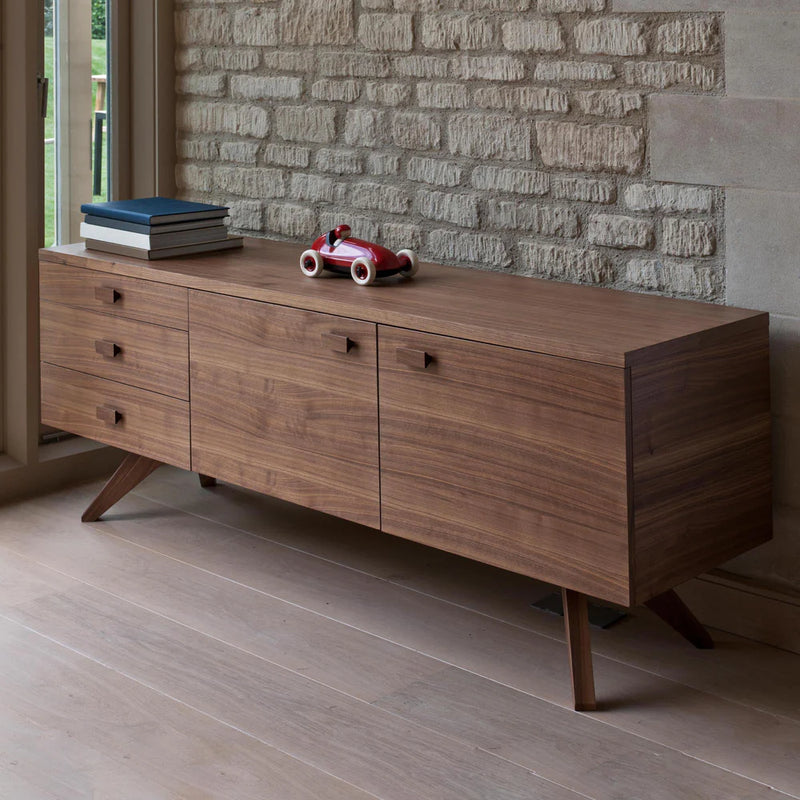
A coffee table is the most-touched piece of furniture in the room and the one most likely to develop character with age. Solid wood, stone, or recycled composite outlasts MDF or particleboard by orders of magnitude.
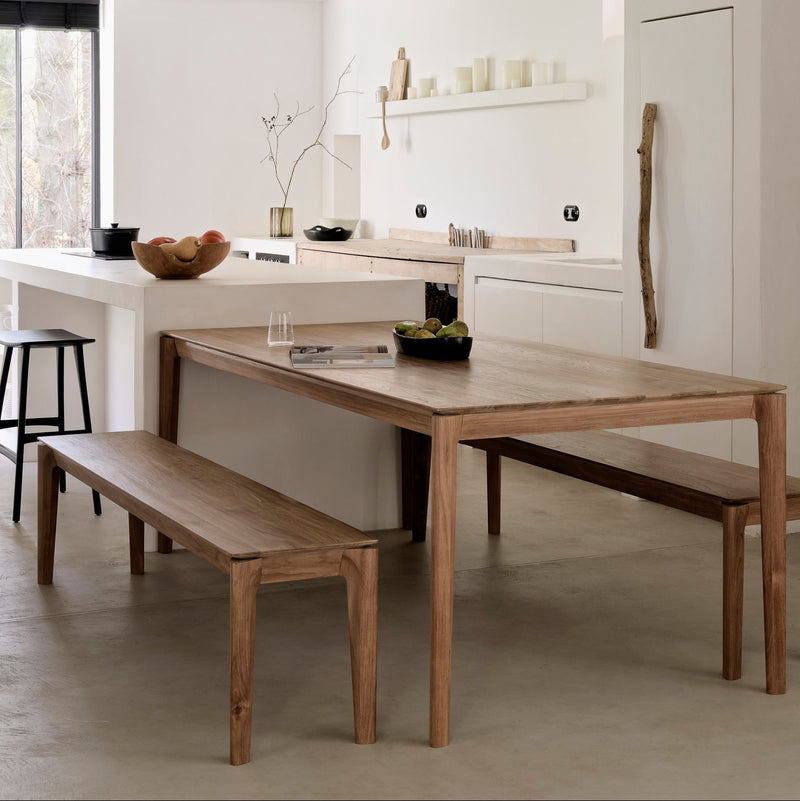
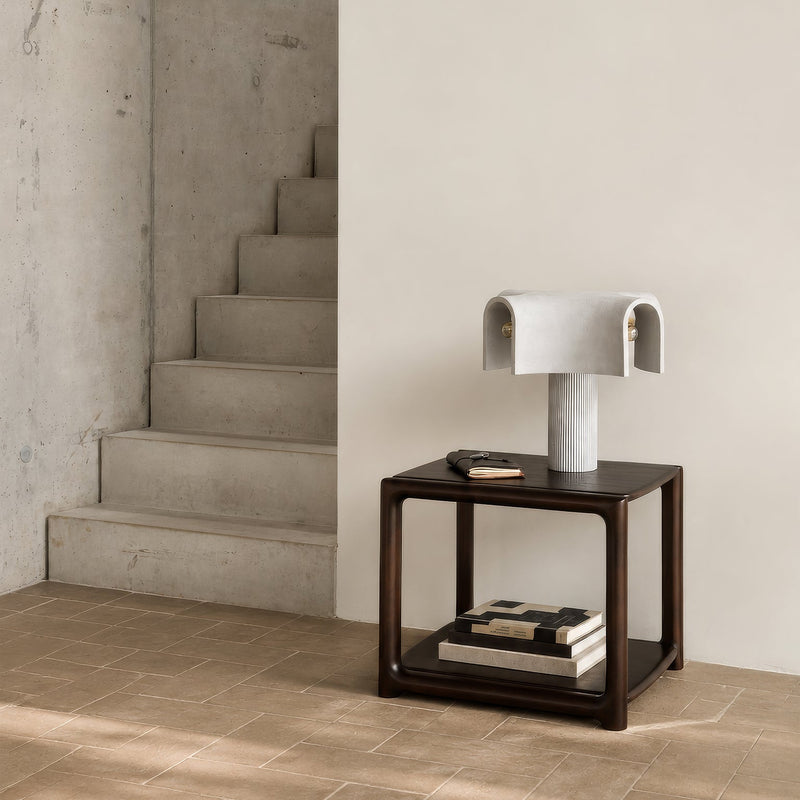
WOUD's Soround Coffee Table (in Black-Painted Ash or Concrete) and Arc Coffee Table (in White-Pigmented Oak, Walnut, or White-Pigmented Ash) are solid wood pieces in NUR Design's contemporary silhouettes. Ethnicraft's Mosaic, Brutalist, and Geometric side tables are solid teak, mahogany or oak in varnished finishes. All can be sanded back and refinished if the surface dulls or scratches. Tikamoon's solid oak, elm and acacia coffee tables, shipped fully assembled from New Jersey, are in our Tikamoon collection.
Lounge and Accent Chairs
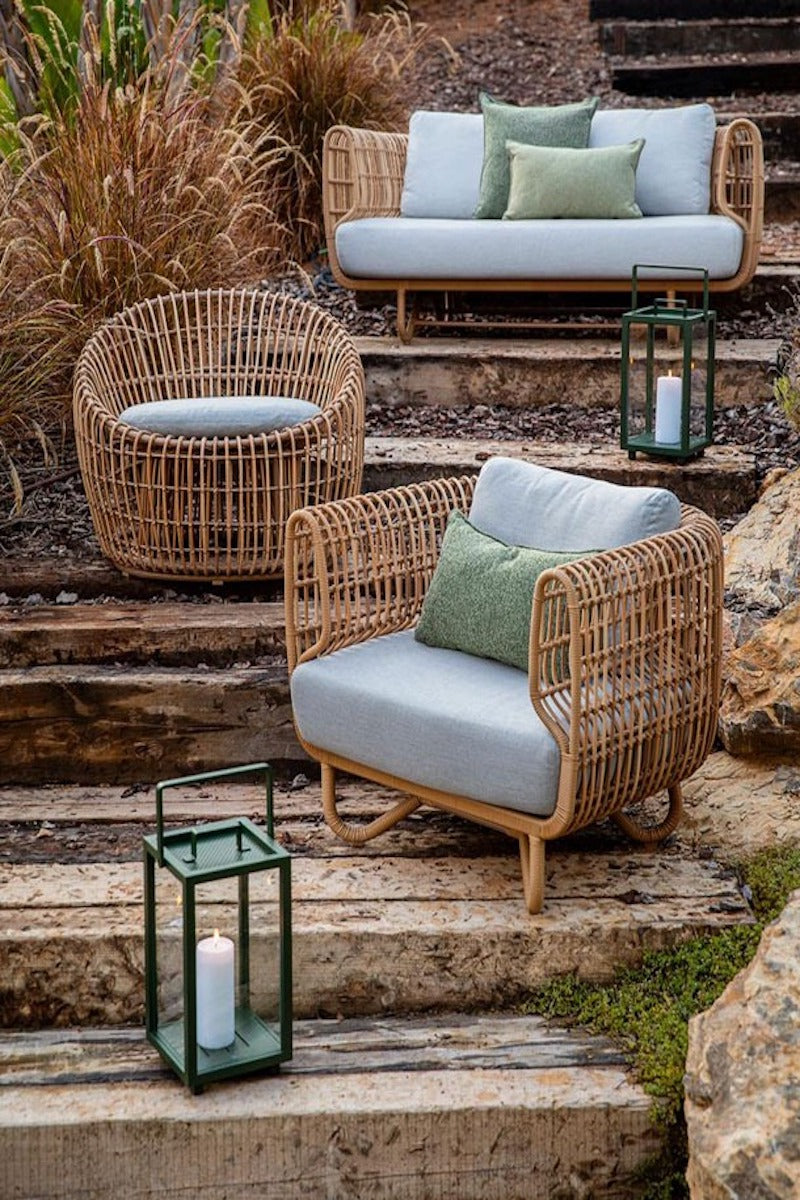
Lounge chairs are where many sustainable living rooms get their character — the chair is what lets a room signal taste without overpowering the larger upholstered pieces. WOUD's Meadow Lounge Chair (Finn Hvidberg, Danish), Ethnicraft's Eye Lounge Chair (Alain van Havre, oval back), and Mater's Ocean Lounge Chair (the 1955 Ditzel design in recycled ocean plastic) are three different aesthetic answers to the same sustainable construction. For deeper reading, see our sustainable lounge chairs guide.
Lighting
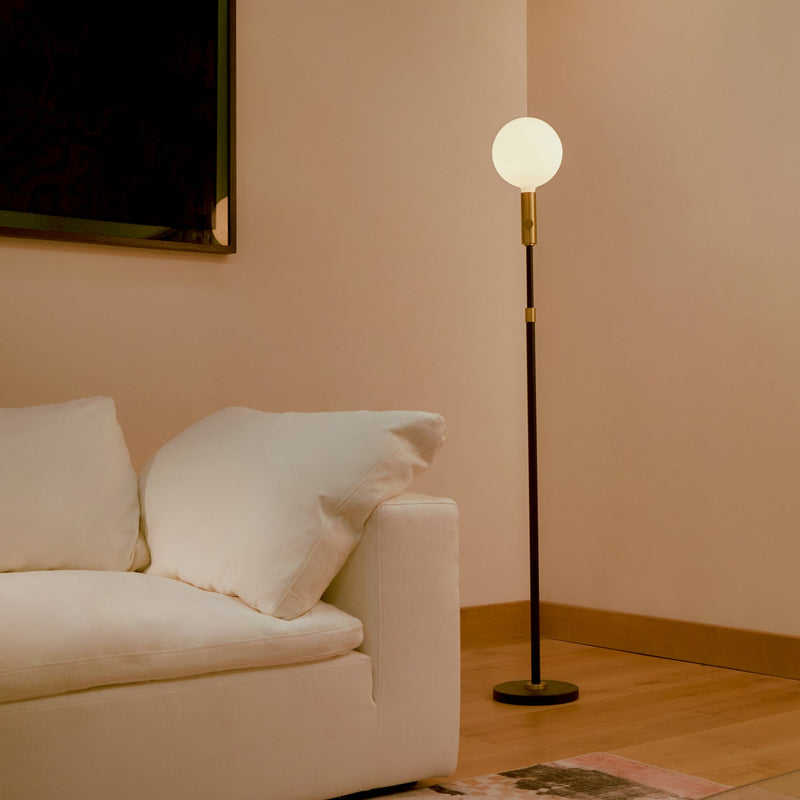
The living room benefits from layered lighting: a floor or table lamp for ambient warmth, a pendant or chandelier for general fill, and a task lamp for reading. Anglepoise covers task and floor lighting with the Original 1227 (1935), Type 75 (Sir Kenneth Grange), and Type 80 (Sir Kenneth Grange). Petite Friture's Vertigo Pendant (Constance Guisset, 2010) is one of the most-cited modern pendants in the Dwell editorial archive. Lladró's Firefly and Kokeshi lamps are hand-crafted porcelain. For pendants and table lamps built around replaceable, dimmable LED bulbs, Tala — a London B Corp — covers the ambient layer. See our sustainable lighting buying guide for the full set.
Why We Lean on This Set of Brands at Comosum
The brands we recommend most heavily for living-room furniture have three things in common: solid-wood or recycled-composite construction with FSC chain-of-custody where applicable; published manufacturing geography; and a design track record measured in decades rather than seasons. WOUD has been producing the Collar sofa since 2017 with no major silhouette change. Anglepoise has been producing the Original 1227 since 1935. Ethnicraft has been working in solid hardwood since 1995. Lladró has produced porcelain at a single Valencia atelier since 1953.
That consistency is what lets us promise a living-room set assembled today will still be in service in thirty years. Several of these brands publish third-party certifications such as FSC chain-of-custody, and all are part of our broader curation of sustainable furniture brands.
The bigger argument is that a sustainable living room is also the most comfortable living room. A solid-hardwood frame does not creak. A removable cushion cover gets cleaner. A serviceable lamp gets warmer with use rather than dimmer. Sustainability and comfort are the same investment from two angles.
Explore Sustainable Living-Room Furniture at Comosum
A starting set spanning the four layers:
Seating (sofas & sectionals, lounge chairs):
- WOUD Collar 3 Seater Sofa — Meike Harde's sculptural silhouette, FSC hardwood frame, Barnum and Cyber upholstery options.
- WOUD Meadow Lounge Chair — designed by Finn Hvidberg, Kvadrat upholstery on a steel frame.
- Ethnicraft Eye Lounge Chair — Alain van Havre, oval-backed solid oak.
Tables (coffee tables):
- WOUD Arc Coffee Table — solid wood in three finishes, NUR Design's smooth-curve silhouette.
- WOUD Soround Standard Coffee Table — solid Black-Painted Ash, available in three heights for stacking arrangements.
Lighting (lighting collection):
- Anglepoise Original 1227 Desk Lamp — George Carwardine's 1935 articulated design, with a lifetime guarantee on new lamps.
- Petite Friture Vertigo Pendant — Constance Guisset's Paris-designed centerpiece.
Browse our complete curated sustainable furniture brands page →
Frequently Asked Questions About Sustainable Living Room Furniture
How long should a sustainable sofa last?
A sofa built on an FSC-certified hardwood frame with replaceable cushion covers and OEKO-TEX upholstery should last 20–30 years with normal use, with the option to reupholster once or twice during that lifespan. Industry data on conventional sofas suggests 7–10 years average — the difference is mostly in the frame quality and the ability to service rather than replace.
Which is more sustainable, leather or fabric upholstery?
Both can be sustainable if certified. Vegetable-tanned leather (chrome-free, with a published tannery source) ages into the piece and can last 20+ years. OEKO-TEX–certified wool blends like Kvadrat's Hallingdal are similarly long-lived and easier to clean. Avoid PVC-coated or polyurethane "performance" fabrics, which are difficult to recycle and tend to crack within a decade.
Are removable cushion covers worth the upcharge?
Yes. Removable covers double or triple the practical lifespan of a sofa because they can be cleaned, swapped, or replaced independently of the frame and cushion cores. The math is straightforward: a $200 replacement cover at year 12 is far better than a $4,000 replacement sofa.
What is the most important thing for a sustainable coffee table?
Solid wood. A solid-oak, teak, or walnut coffee table can be sanded back and refinished as many times as you need it to be, which means a single piece can stay in service across multiple aesthetic phases of the household. MDF or particleboard coffee tables cannot be refinished and tend to chip on the corners within a few years.
Is Anglepoise lighting expensive to maintain?
No. Anglepoise's Original 1227 and Type 75 lines are designed with a constant-spring articulated arm that can be tightened, lubricated, and serviced indefinitely. Replacement LED engines, springs, and shade components are available from Anglepoise, and the brand gives every new lamp bought since 2020 a lifetime guarantee.
Where do most rugs come from, and how do I find a sustainable one?
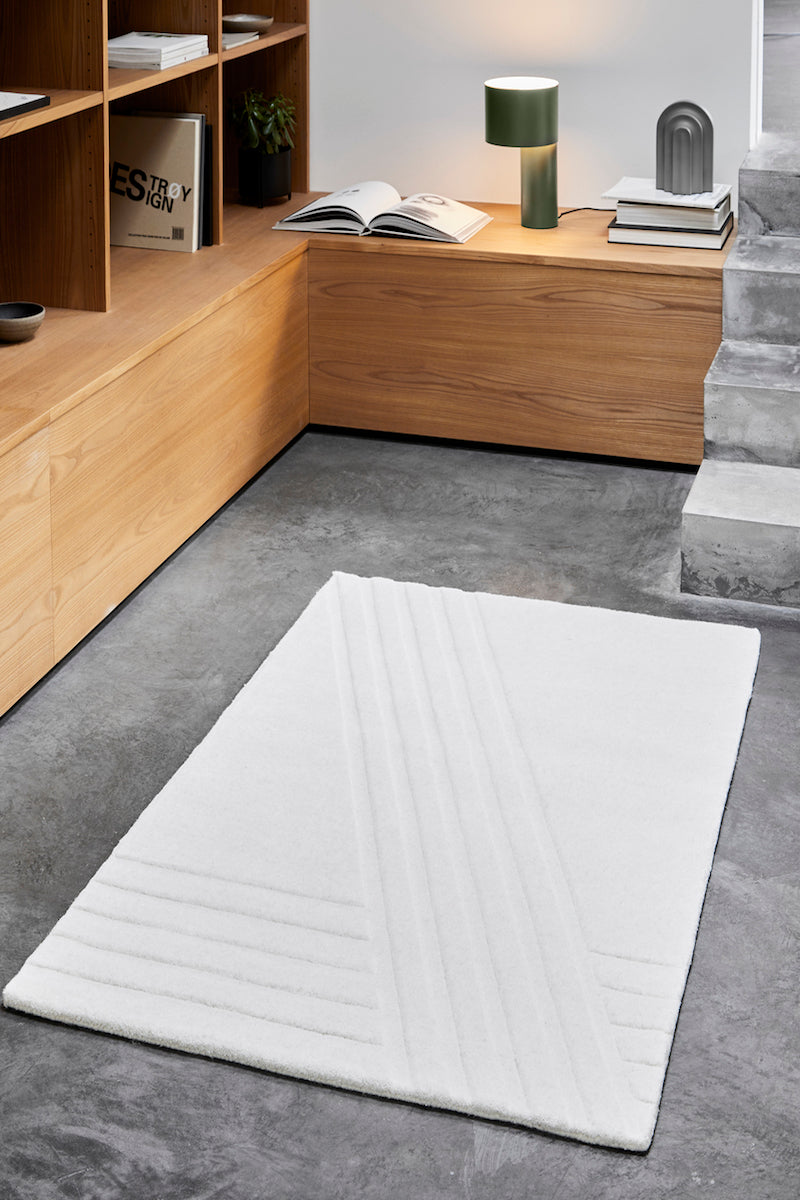
Most mass-market rugs are synthetic polypropylene from China and Turkey, which are difficult to recycle and contain stain-resistance chemistry. Sustainable alternatives include GoodWeave-certified wool, GOTS-certified organic cotton, and natural-fibre flat-weaves (jute, sisal, hemp). Look for a published mill location and the absence of "stain-guard" treatments.


Leave a comment
This site is protected by hCaptcha and the hCaptcha Privacy Policy and Terms of Service apply.