

European furniture tariffs in 2026 are governed by a single ceiling: under the EU–US framework that entered into force on 1 July 2026, US tariffs on most EU goods are capped at 15 percent, all-inclusive, with no stacking of additional duties on top. Wood furniture sits inside that ceiling. Steel and aluminium do not — yet. At Comosum, where most of what we carry is made in Europe, here is what that actually means for an order.
What Changed, and When
Two separate things happened, and conflating them is where most of the confusion comes from.
The first is sector-specific. On 29 September 2025 the President signed a proclamation under Section 232 of the Trade Expansion Act of 1962 covering timber, lumber and their derivative products, with duties effective 14 October 2025. Softwood timber and lumber were set at 10 percent ad valorem. Certain upholstered wooden furniture, kitchen cabinets and vanities were set at 25 percent. The proclamation was published in the Federal Register on 6 October 2025.
Those rates were scheduled to rise on 1 January 2026. They did not. On 31 December 2025 a further proclamation delayed the increase for an additional year, leaving the 25 percent rate on upholstered furniture, cabinets and vanities in place while negotiations continued.
The second is the bilateral framework. The EU and US reached agreement in July 2025 at Turnberry, published a Joint Statement in August 2025, and the framework entered into force on 1 July 2026 after approval by the European Parliament and the Council of the EU. Its central term is a 15 percent all-inclusive ceiling on most EU exports to the US.
How the 15 Percent Ceiling Actually Works
It Is a Ceiling, Not a Rate
This distinction matters more than anything else in the agreement. The European Commission describes 15 percent as a clear ceiling, which means no stacking. It is not an extra 15 percent added to what you were already paying. It is the maximum total, inclusive of the ordinary Most Favoured Nation (MFN) duty already listed in the US tariff schedule.
So if a product's MFN rate is zero, the ceiling means up to 15 percent. If a product already carries an MFN rate of 15 percent or above, the Commission states it is not subject to additional tariffs at all. Many wooden furniture lines have historically entered the US at low or zero MFN rates, which is why the ceiling is felt most in that category.
The Section 232 wood proclamation contains matching language: the tariff applied to EU and Japanese wood products, when added to the applicable Column 1 duty rate in the tariff schedule, shall not exceed 15 percent. In practice, that is why a Belgian oak table does not carry the full 25 percent that applies to the same category from other origins.
The Steel and Aluminium Carve-Out
Here is the honest complication, and the reason we are not telling you the whole catalogue sits at 15 percent.
Steel and aluminium remain outside the ceiling. The Commission states that US steel and aluminium derivative tariffs are currently as high as 50 percent, and the agreement sets an end-2026 deadline for the US to bring them into line with the 15 percent ceiling — failing which the EU can suspend its own concessions. The framework also carries a suspension mechanism and a sunset clause running to 2029.
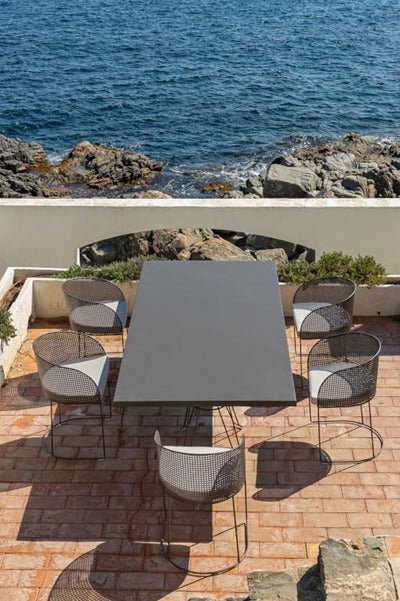
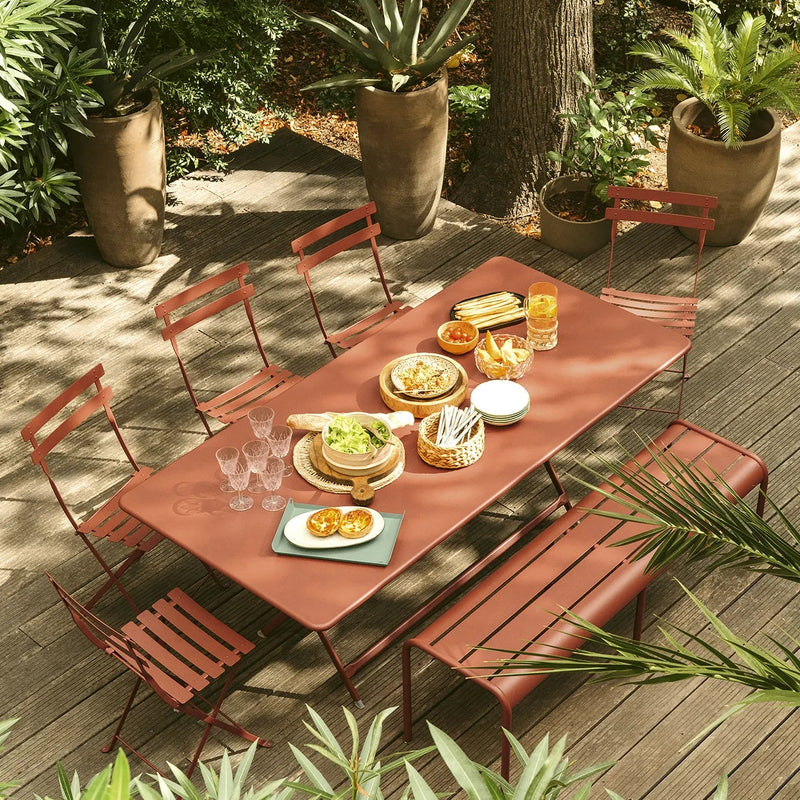
For a furniture buyer this is not abstract. A powder-coated steel chair from Fermob in France and a cast-aluminium table from Isimar in Spain are metal-content products. Their treatment under the derivative rules is a live question until that deadline passes. A solid oak table is not.
Who Pays, and When It Shows Up in a Price
A tariff is a duty paid by the importer of record when goods clear US customs — not a line item charged to you at checkout. Whether it reaches a retail price depends on when the stock was landed, what the importer absorbed, and how the brand sets its US price list. A piece that arrived in a container before a rate changed is unaffected by the change.
That lag is why "are furniture prices going up because of tariffs" rarely has a clean yes or no. It is also why we quote prices as they are, on the product page, rather than forecasting them. Our shipping and delivery terms set out what is included in an order, and our trade programme covers the same ground for designers ordering at volume.
Why We Still Buy From Europe
We could have responded to two years of trade volatility by shifting the range toward cheaper origins. We did not, and the reason is not sentimental.
The European brands we carry are where the third-party verification actually lives. FSC-certified oak with documented chain of custody, Nordic Swan Ecolabel on specific product lines, OEKO-TEX Standard 100 on upholstery, B Corp certification at company level. These are audited claims, not marketing positions, and they are concentrated in exactly the countries the tariff conversation is about. We wrote about the full roster in our guide to European sustainable furniture brands available in the US.
There is also a longevity argument that survives any tariff schedule. A 15 percent ceiling on a table you keep for thirty years is a smaller number, amortised, than a zero-tariff table you replace three times. That is the same maths we apply in solid wood versus veneer versus engineered wood, and it does not change because a rate does. You can see the full roster on our sustainable furniture brands page.
European Pieces to Shop at Comosum
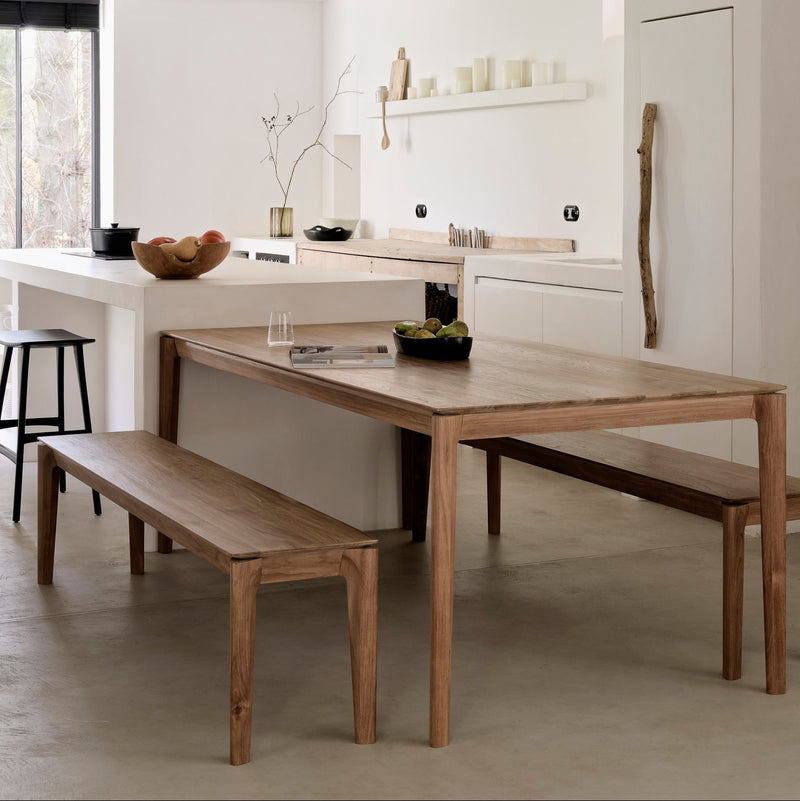
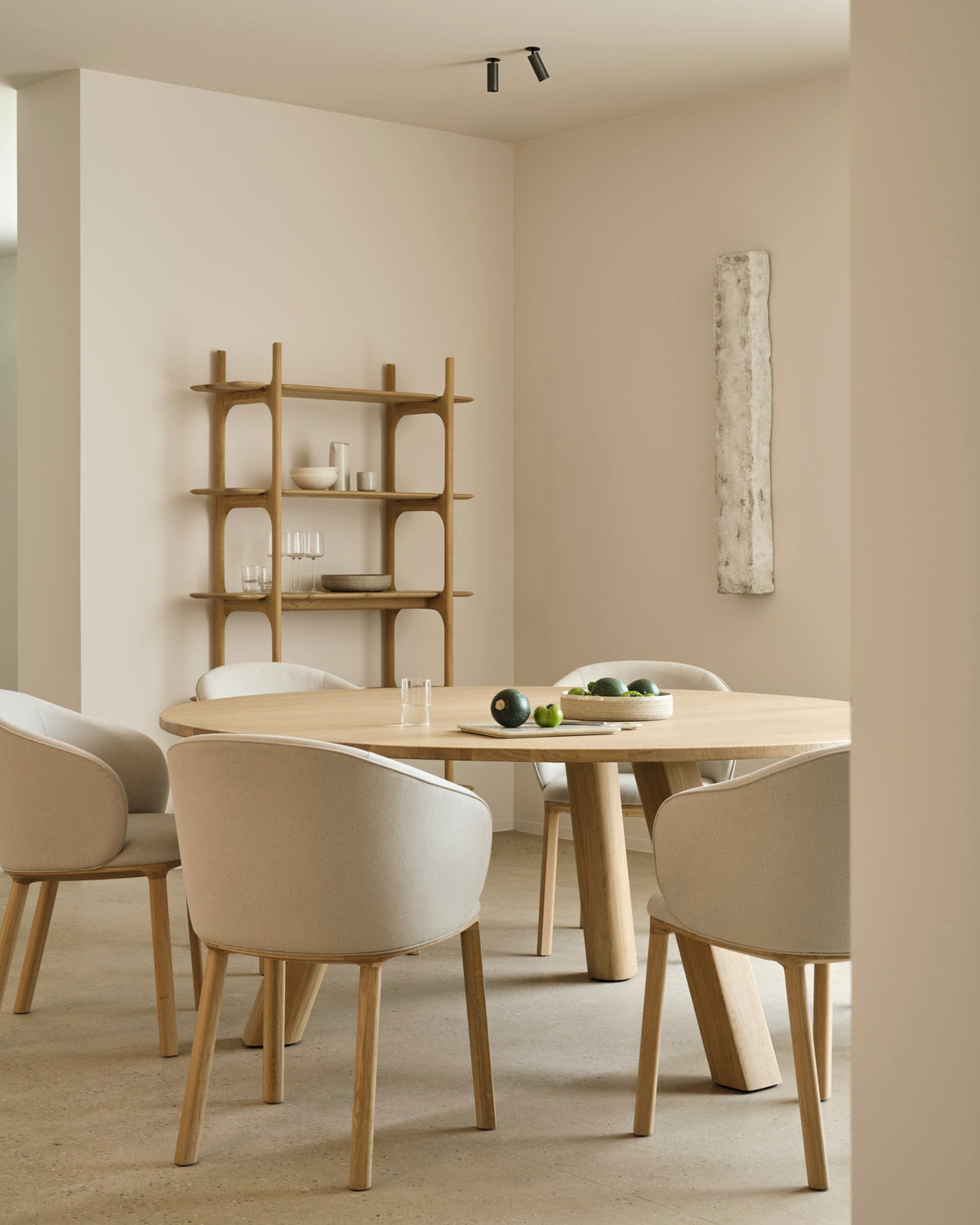
- Unda Dining Table — Ethnicraft's solid oak dining table, the category the wood proclamation directly addresses.
- C69E Ry Dining Table with Two Extension Leaves — Nissen & Gehl for FDB Møbler, solid nature-oiled oak from the Danish design studio founded in 1942.
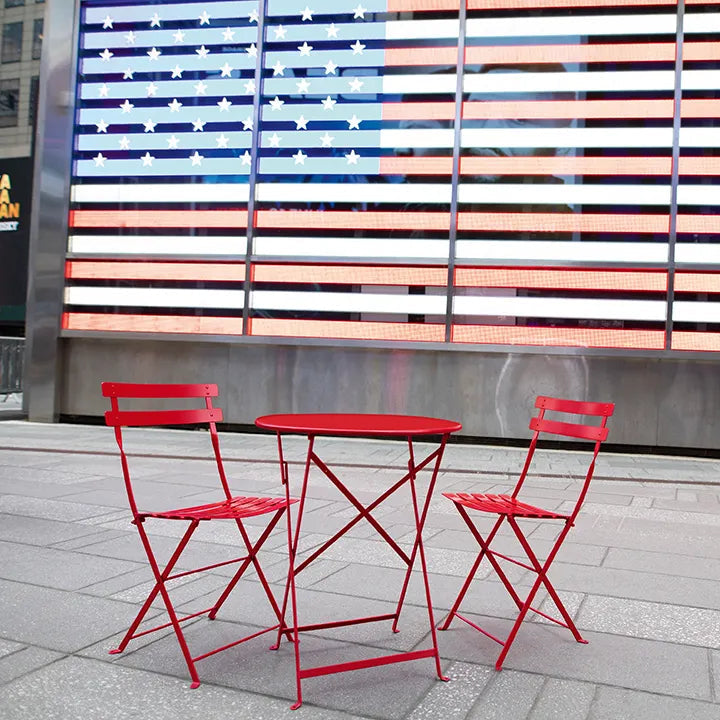
- Fermob Luxembourg Low Armchair — French powder-coated steel, and a clear example of a metal-content product sitting outside the wood rules.
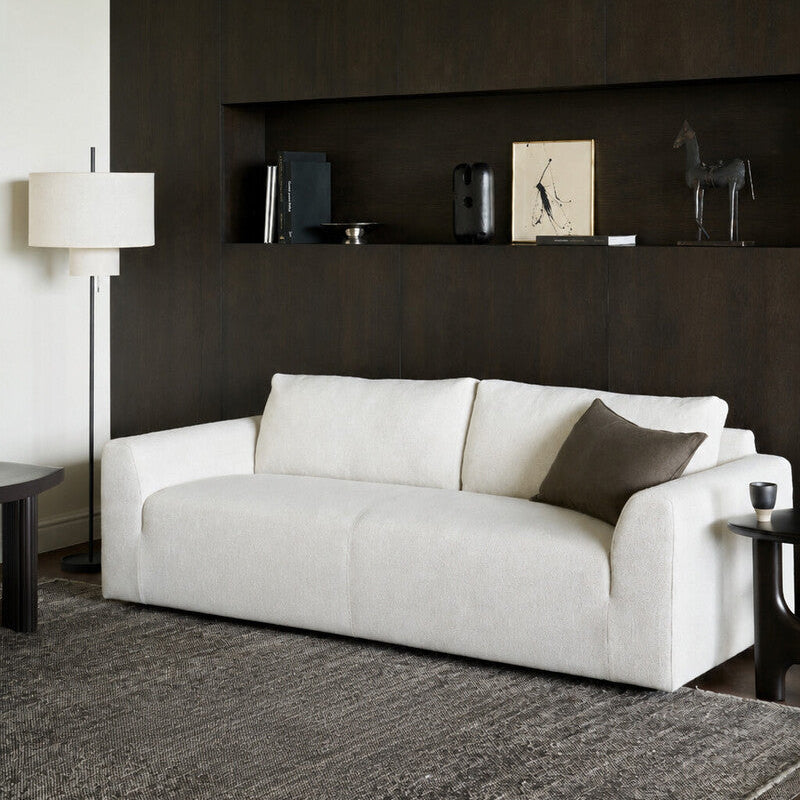
- Ease Sofa — Paul Delaisse for Ethnicraft, upholstered in Italy, with OEKO-TEX Standard 100 and PFAS-free Leche fabric.
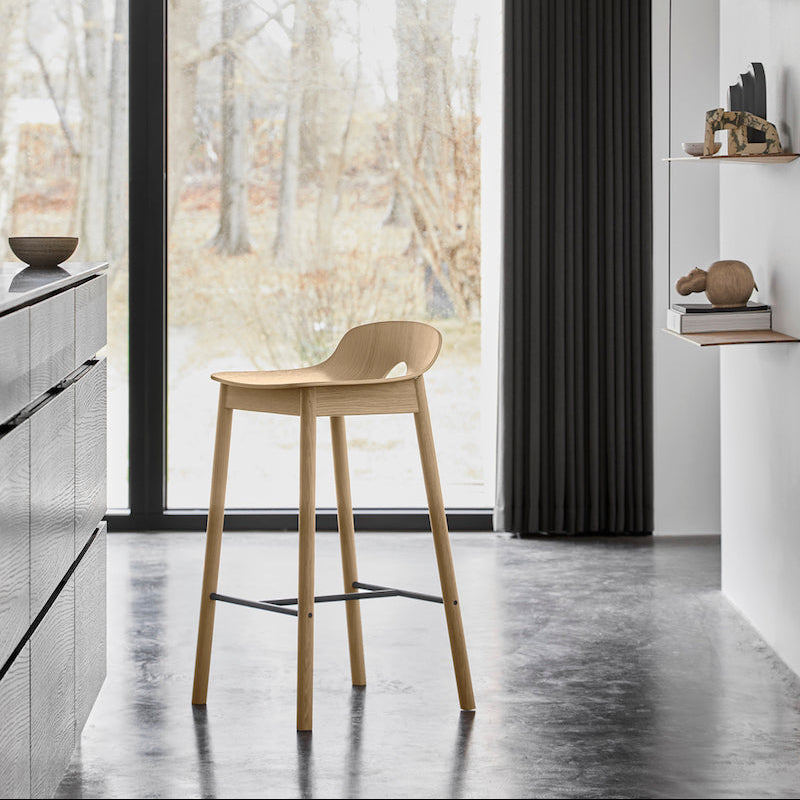
- Dulwich Bar Table — Matthew Hilton's solid oak bar table for London-based Case, made in Turkey — a reminder that European and EU are not the same customs territory.
Browse the full Dining Tables collection and the Ethnicraft range at Comosum →
Frequently Asked Questions About European Furniture Tariffs
What is the US tariff rate on European furniture in 2026?
Under the EU–US framework that entered into force on 1 July 2026, US tariffs on most EU goods are capped at a 15 percent all-inclusive ceiling with no stacking. For wood products, the Section 232 proclamation matches this: the tariff on EU-origin wood products, added to the applicable Column 1 duty rate, shall not exceed 15 percent. Rates change, so check the European Commission and Federal Register sources directly before relying on a figure.
Does the 15 percent get added on top of existing duties?
No. The European Commission describes it as a single, all-inclusive ceiling, which means no stacking of additional tariffs. Products already subject to a Most Favoured Nation rate of 15 percent or above are not subject to additional tariffs under the framework.
Are steel and aluminium furniture treated differently?
Yes. Steel and aluminium derivative tariffs sit outside the 15 percent ceiling and the Commission describes them as currently as high as 50 percent. The agreement sets an end-2026 deadline for the US to bring them into line, after which the EU may suspend its own concessions.
Do I pay the tariff at checkout?
No. A tariff is a customs duty paid by the importer of record when goods enter the United States, not a charge added to your order. Whether a duty affects a retail price depends on when the stock was landed and how the brand sets its US price list.
Is UK-made furniture covered by the EU agreement?
No. The United Kingdom left the EU customs territory and is not party to the EU–US framework, so British-made pieces are governed by separate arrangements. European in everyday use and EU in customs terms are not the same thing.
This article summarises publicly available trade policy as of September 2026 and links to the primary sources. It is not legal, customs or financial advice, and tariff rates change. For a specific shipment, consult a licensed customs broker.


Leave a comment
This site is protected by hCaptcha and the hCaptcha Privacy Policy and Terms of Service apply.