





Shopping for sustainable furniture sounds simple—until you actually try to do it. Suddenly every product claims to be eco, responsible, or green, yet very few explain what that actually means. Without shared standards, it’s easy for sustainability to become a marketing term rather than a measurable commitment.
At Comosum, we believe the most reliable way to shop sustainably is to look beyond surface claims and understand the certifications, material standards, and testing protocols behind a product. These benchmarks exist to protect people, forests, and resources—and when used correctly, they help customers make informed, confident choices that last.
Why Certifications Matter (and Greenwashing Exists)
Furniture is complex. It combines wood, metal, foam, textiles, finishes, adhesives, and global logistics. Sustainability isn’t about one material—it’s about how all of those components come together, how they’re sourced, and how long the product is designed to last.
Certifications matter because they introduce third-party accountability. They verify claims around:
-
Responsible forestry
-
Chemical safety
-
Indoor air quality
-
Durability and lifespan
-
Legal sourcing and traceability
Without them, you’re often relying on trust alone.
Responsible Wood & Material Sourcing: FSC, SVLK & Cradle to Cradle
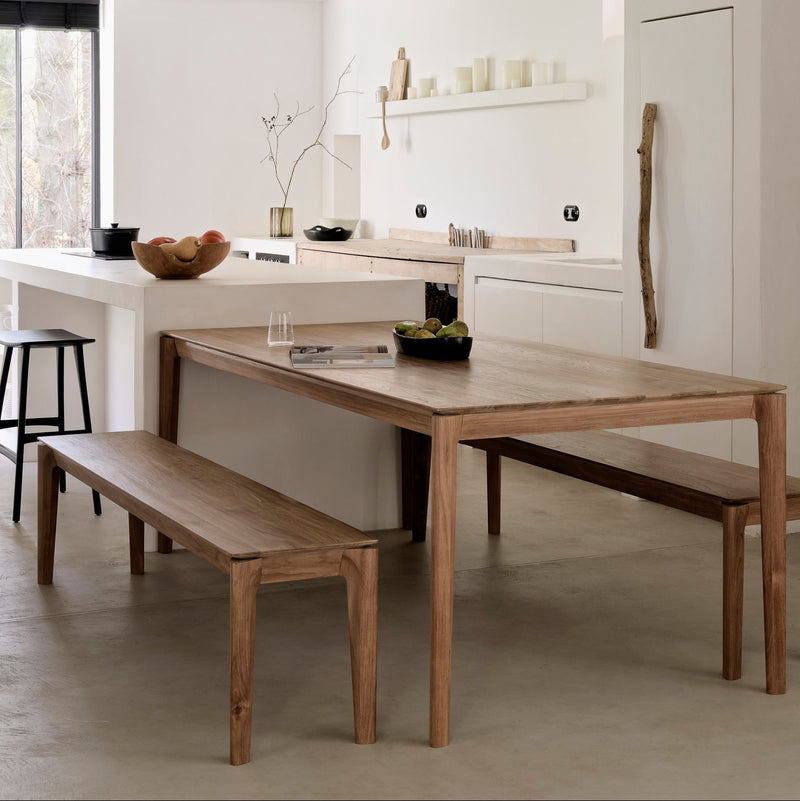
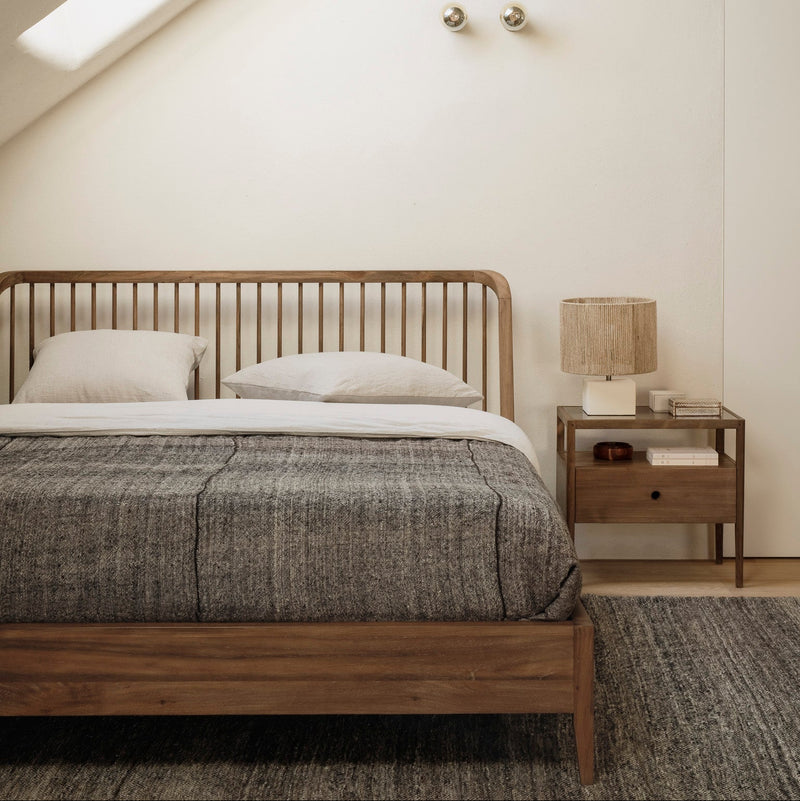
Many of the solid wood pieces we carry—such as desks and seating by Ethnicraft—use FSC-certified or SVLK-certified wood.
For solid wood furniture, certifications like FSC (Forest Stewardship Council) and SVLK are essential. FSC ensures wood comes from responsibly managed forests that protect biodiversity and workers’ rights, while SVLK verifies that teak and other hardwoods sourced from Indonesia are legally harvested and fully traceable.
Some manufacturers go a step further by adopting Cradle to Cradle® principles. Rather than focusing only on sourcing, Cradle to Cradle evaluates a product’s entire lifecycle—from raw materials to reuse, recyclability, and material health. Products designed within this framework aim to eliminate waste altogether, treating materials as nutrients that can safely return to biological or technical cycles.
Why it matters: sustainable furniture shouldn’t just come from responsible sources—it should also be designed with its full lifespan in mind.
Chemical Safety & Indoor Health: REACH, PFAS-Free & the Nordic Swan
A truly sustainable product must also be safe to live with.
Standards like REACH SVHC restrict substances of very high concern in finishes, foams, and coatings, while PFAS-freeclaims eliminate long-lasting “forever chemicals” that persist in the environment and human body.
In Scandinavia, the Nordic Swan Ecolabel sets one of the world’s most rigorous benchmarks for environmental responsibility. It evaluates products across raw materials, energy use, emissions, chemical content, and durability—ensuring that items meet strict criteria not just at one stage, but throughout production and use.
Why it matters: sustainability includes indoor air quality, chemical exposure, and long-term health—not just environmental impact at the factory.
Textiles & Soft Goods: OEKO-TEX®
For cushions, throws, and upholstered pieces, certifications like OEKO-TEX® play a critical role.
OEKO-TEX® certified fabrics are tested against hundreds of harmful substances, ensuring they’re safe for direct skin contact. You’ll find this standard on products like cushions, throws, and soft accessories where comfort and safety go hand in hand.
Why it matters: textiles sit closest to our bodies. Certification ensures they’re free from harmful dyes, finishes, and treatments.
Durability Is Sustainability: ANSI, BIFMA & EN Standards
One of the most overlooked aspects of sustainability is how long a product lasts.
Many of the furniture pieces we carry—desks, chairs, and seating—are tested to standards such as:
-
EN and ASTM durability tests
-
ISTA packaging tests (to ensure safe transport and reduced breakage)
Why it matters: the most sustainable product is often the one you don’t have to replace. Longevity reduces waste, shipping emissions, and resource extraction over time.
Company-Level Accountability: B Corp
While many certifications apply to individual products, B Corp certification evaluates companies as a whole. B Corp brands are assessed on environmental impact, labor practices, governance, transparency, and social responsibility—measuring how decisions affect workers, communities, and the planet.
Why it matters: a well-designed product means more when it comes from a company committed to responsible practices across its entire operation, not just one collection.
Beyond Materials: Design With Intent
Certifications are essential—but they work best when paired with thoughtful design.
We look for brands that:
-
Design for repair and longevity, not planned obsolescence
-
Use timeless forms instead of trend-driven silhouettes
-
Minimize mixed materials where possible
-
Manufacture with consistency and transparency
This is why we partner with brands like Ethnicraft, Case Furniture, Anglepoise, Resol, and KÄHLER—brands that see sustainability as a system, not a label.
How to Shop Smarter (A Simple Checklist)
When evaluating sustainable furniture, ask:
-
Is the wood certified or legally verified?
-
Are finishes and fabrics tested for chemical safety?
-
Has the product been durability tested?
-
Is the country of origin clearly stated?
-
Is the design meant to last beyond trends?
If the answers are vague, that’s often your answer.
Sustainability, Without the Guesswork
Sustainable shopping shouldn’t require a degree in environmental science. Our role at Comosum is to do the research, ask the hard questions, and curate products that meet real standards—so customers can shop with confidence.
Because sustainability isn’t about perfection.
It’s about intention, transparency, and choosing better—one well-made piece at a time.
Sustainable Furniture & Certifications FAQ
What makes furniture truly sustainable?
Sustainable furniture is made with responsibly sourced materials, safe finishes, and long-term durability in mind. It prioritizes certified wood, low-emission finishes, ethical manufacturing, and designs meant to last for decades—not seasons.
Are certifications important when buying sustainable furniture?
Yes. Certifications provide third-party verification that sustainability claims are real. They help confirm responsible sourcing, chemical safety, durability, and ethical production—reducing the risk of greenwashing.
What does FSC certification mean?
FSC (Forest Stewardship Council) certification ensures wood comes from responsibly managed forests that protect biodiversity, prevent illegal logging, and support fair labor practices.
What is SVLK certification?
SVLK is Indonesia’s timber legality system. It verifies that wood—such as teak or mahogany—is legally harvested, traceable, and compliant with environmental and labor regulations.
What is Cradle to Cradle certification?
Cradle to Cradle evaluates a product’s full lifecycle, including material health, recyclability, renewable energy use, water stewardship, and social responsibility. It focuses on designing products with no waste, where materials can be reused safely.
What does PFAS-free mean in furniture?
PFAS-free means a product does not contain “forever chemicals” that persist in the environment and human body. PFAS-free finishes and fabrics are safer for indoor air quality and long-term health.
What is REACH compliance?
REACH is a European regulation that restricts hazardous chemicals. REACH-compliant furniture avoids substances of very high concern in finishes, foams, adhesives, and coatings.
What is the Nordic Swan Ecolabel?
The Nordic Swan Ecolabel is one of the world’s strictest environmental certifications. It evaluates products across materials, energy use, emissions, chemical content, and durability—ensuring sustainability across the entire product lifecycle.
What does OEKO-TEX® certification mean?
OEKO-TEX® certified textiles are tested for harmful substances and are safe for direct skin contact. This is especially important for upholstery, cushions, throws, and bedding.
What is B Corp certification?
B Corp certification evaluates companies—not just products—based on environmental impact, labor practices, governance, transparency, and social responsibility. It indicates a company is committed to ethical decision-making across its entire operation.
Is durability part of sustainability?
Absolutely. Furniture that lasts longer reduces waste, shipping emissions, and resource extraction. Durability testing standards like ANSI/BIFMA, EN, and ASTM ensure products are built for long-term use.
How can I avoid greenwashing when shopping for furniture?
Look for clear certifications, specific material information, country of origin details, and testing standards. Be cautious of vague claims like “eco-friendly” without supporting proof.
Is sustainable furniture more expensive?
Sometimes—but not always. While upfront costs can be higher, well-made sustainable furniture often costs less over time because it lasts longer and doesn’t need to be replaced.
What should I look for first when buying sustainable furniture?
Start with certified materials, chemical safety, and durability. If those are in place, design longevity and responsible manufacturing usually follow.
Why does Comosum focus on certifications?
Certifications help us evaluate products consistently and transparently. They allow us to curate furniture that meets real sustainability standards—so customers can shop with confidence, not guesswork.



Leave a comment
This site is protected by hCaptcha and the hCaptcha Privacy Policy and Terms of Service apply.