
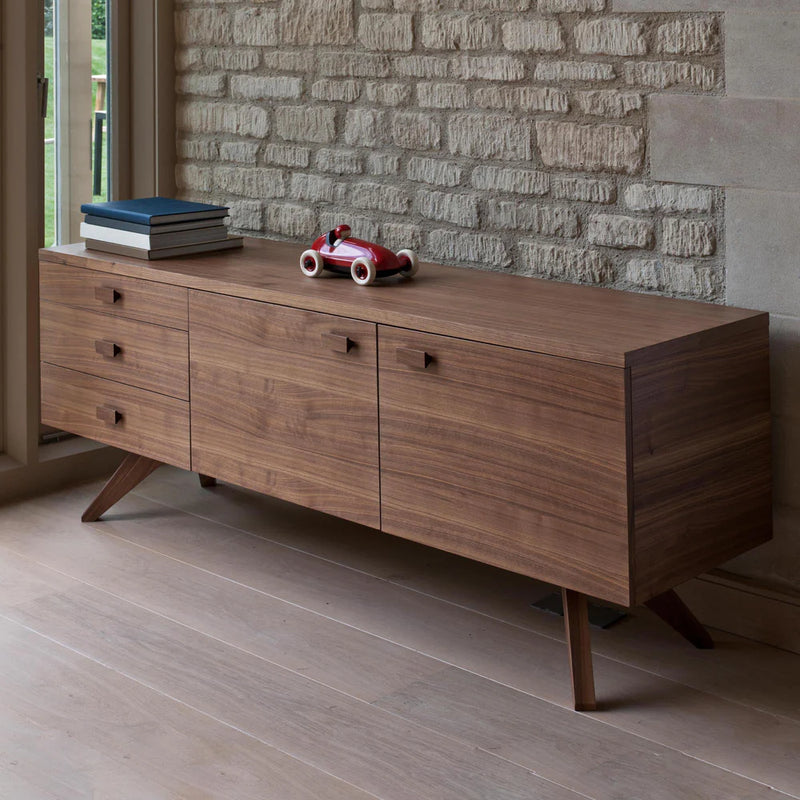

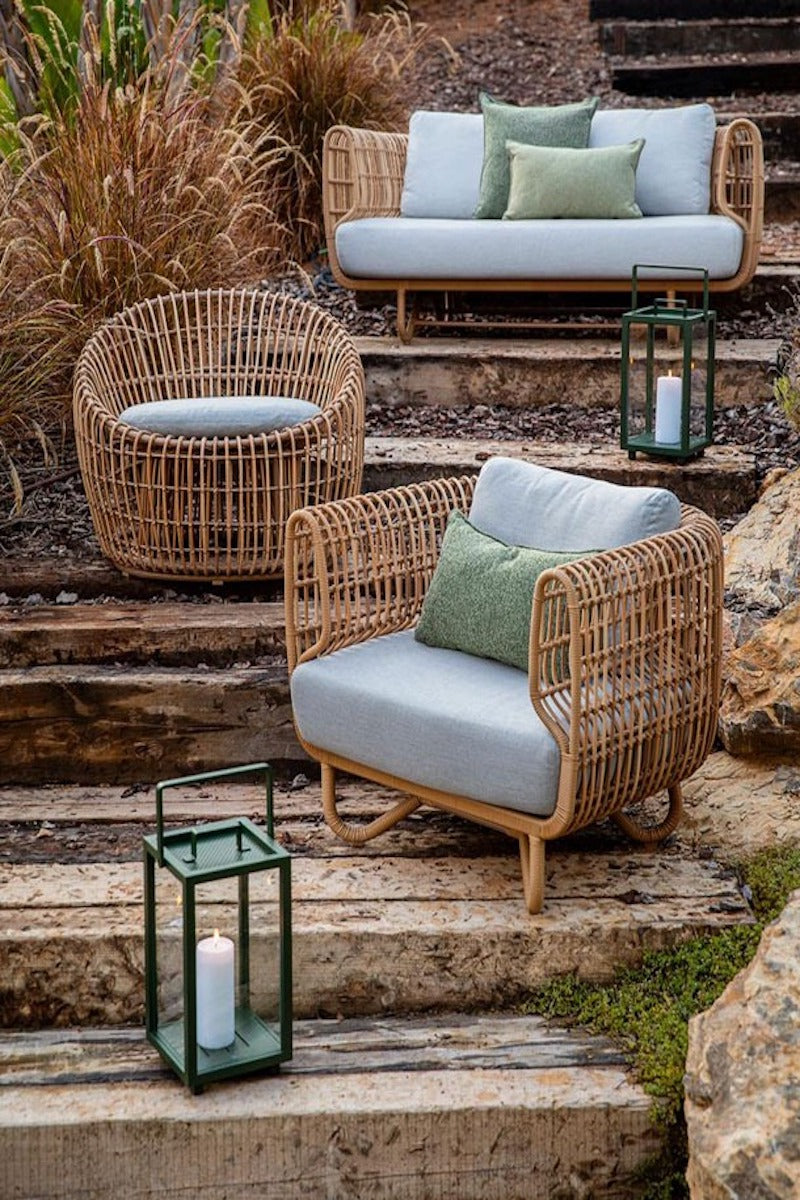
A sustainable coffee table is one built from responsibly sourced or recycled materials, finished without high-VOC chemistry, and proportioned to last decades rather than seasons. The strongest options in 2026 pair FSC-certified solid hardwoods (oak, walnut, mahogany, teak) or 100% recyclable powder-coated aluminum with low-impact finishes. At Comosum, every coffee table we carry comes from a brand with a documented sustainability program — from Mater's coffee-waste Matek composite to Fermob's solar-powered French factory. Every pick below is in our sustainable coffee tables collection.
What Makes a Coffee Table Sustainable?
A coffee table is one of the most-used pieces in a home. It hosts coffee cups, dinner trays, board games, propped-up feet, and the occasional toddler climbing expedition. That use cycle — daily contact, decades of wear — is the reason material choice matters more than for almost any other piece of furniture.
The Sustainable Furnishings Council, the industry's longest-running coalition on responsible production, frames the question around three pillars: where the raw material came from, what was added to it during manufacture, and how long the finished piece will stay out of a landfill. A coffee table built from FSC-certified European oak with a water-based finish can stay in service for 30 to 50 years and be refinished or repaired indefinitely. A particleboard table with a plastic-laminate top typically lasts three to seven years before structural failure.
The math is unsentimental: one solid-wood coffee table replaces five to ten disposable ones across a single household lifetime, with a fraction of the embodied carbon. The buying decision in front of you is less about finding "the green option" and more about choosing a piece you will not need to replace.
Shop this guide
In stock, shipping from US warehouses, each from a brand graded on our Sustainability Meter.


How Sustainable Coffee Tables Are Built
Materials
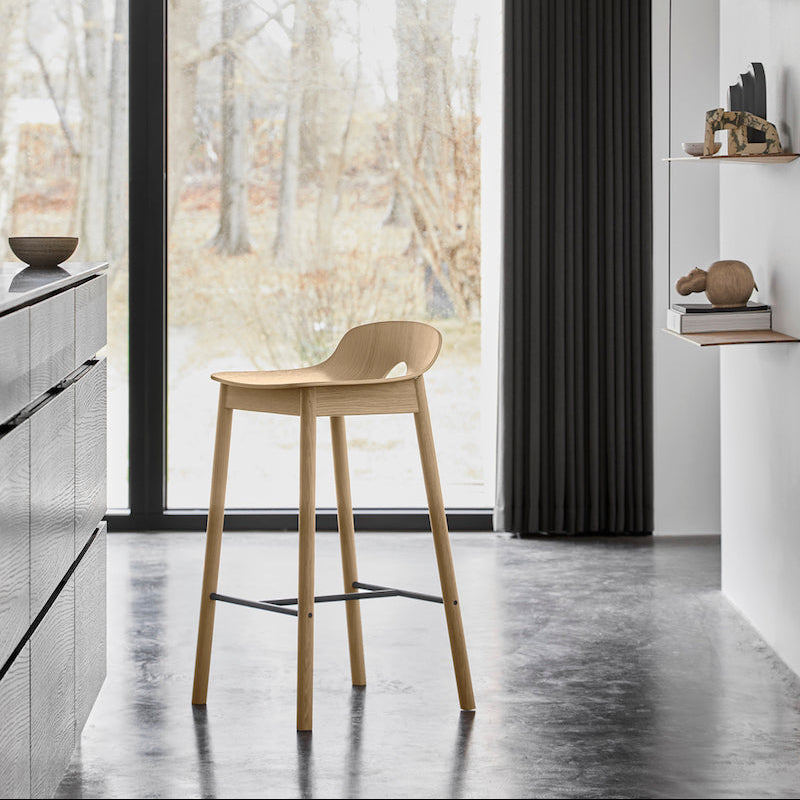
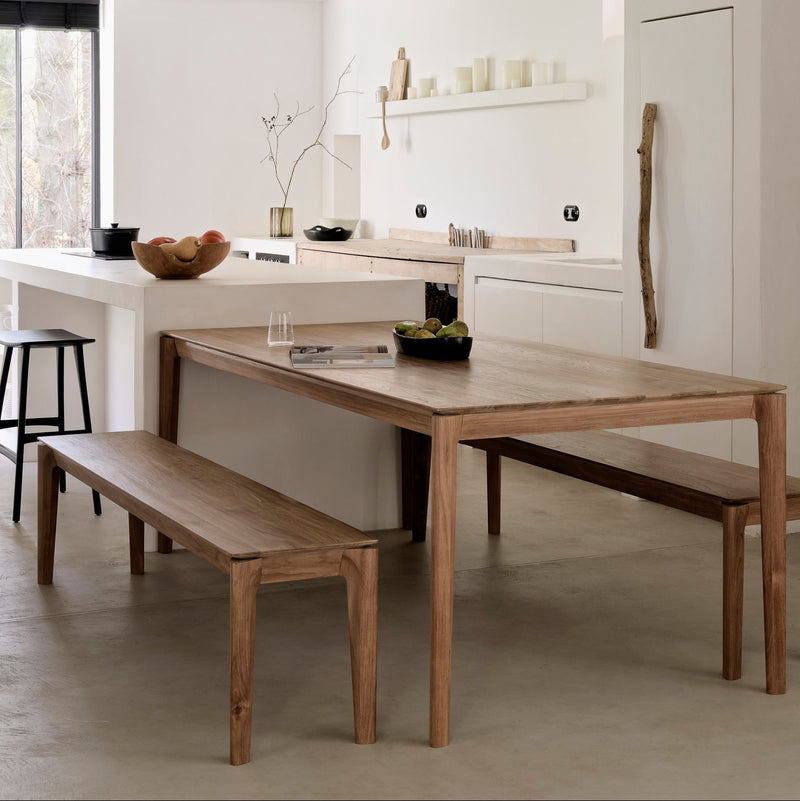
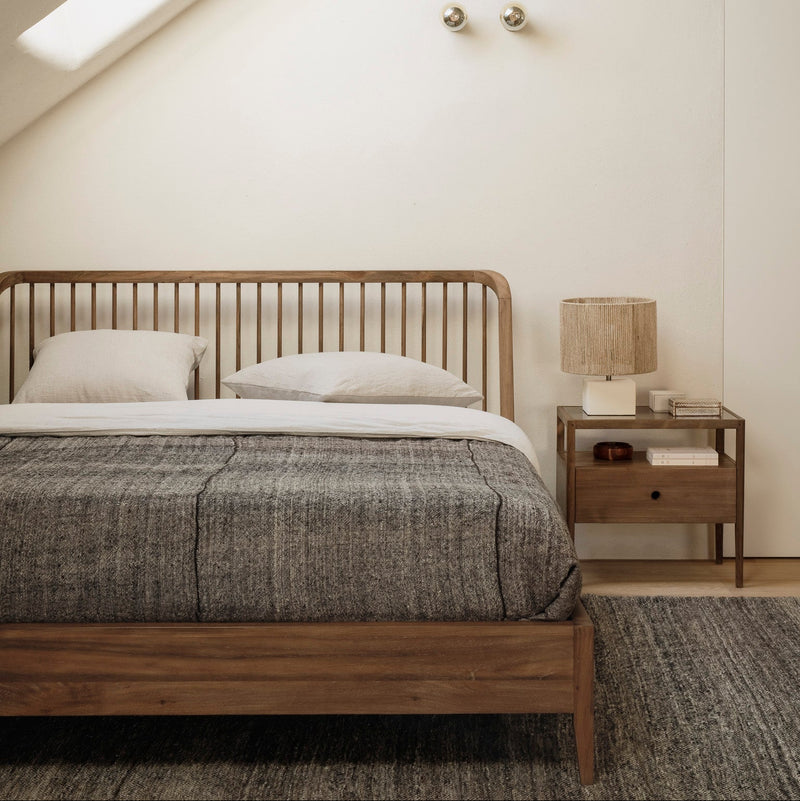
The most credible material story in coffee tables today is FSC-certified solid hardwood — oak, walnut, mahogany, and teak — sourced from forests audited annually for biodiversity, regrowth, and indigenous-community impact under the Forest Stewardship Council chain-of-custody standard. Ethnicraft's reclaimed teak collections take this a step further, reusing salvaged teak, so each piece carries its own marks and grain.
Bamboo is the other quiet hero. Greenington's Moso bamboo is harvested on a five- to seven-year cycle from groves that regenerate without replanting, sequestering an estimated four times more carbon per acre than equivalent hardwood plantations.
For outdoor tables, the credible options are powder-coated aluminum (100% recyclable, no rust) and FSC-certified solid teak. Recycled composites — like Mater's Matek, a surface material made from upcycled coffee waste and recycled plastic — are now a real category, not a novelty. Mater positions Matek as a closed-loop alternative to virgin composites, with each piece diverting agricultural and post-consumer waste from landfill while remaining recyclable at end of life.
Manufacturing
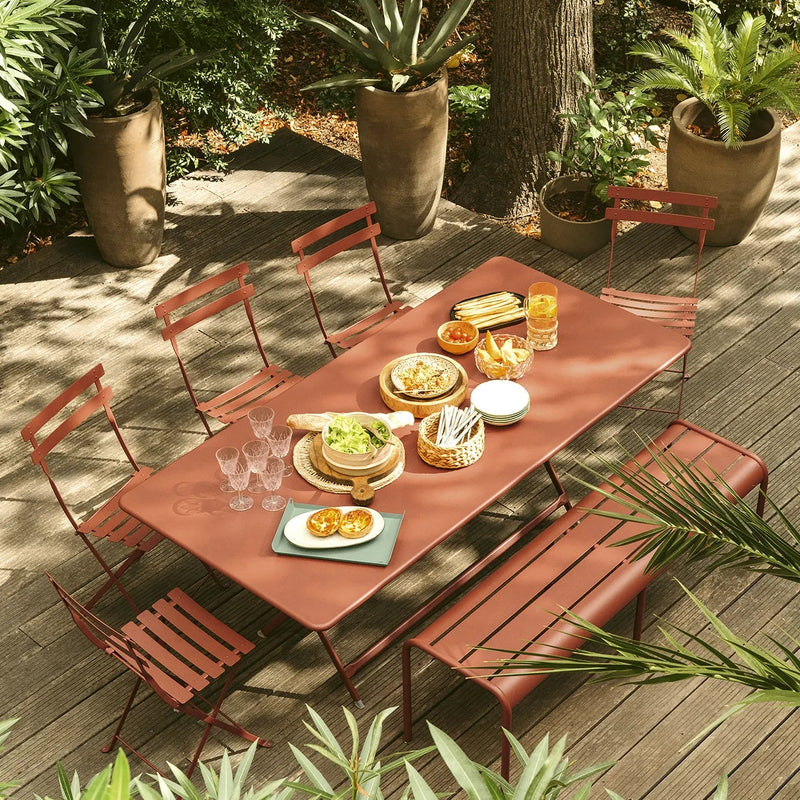
Where a table is made tells you almost as much as what it's made from. Fermob produces its powder-coated tables in Thoissey, France, where rooftop solar supplies 15–42% of site power and the paint line is, by Fermob's account, zero-emission. Ethnicraft, headquartered in Belgium, makes its furniture at its own production sites in Serbia, Indonesia, Vietnam and Malaysia. WOUD's manufacturers and suppliers sign its code of conduct before production starts.
Certifications & Recognition
Look for FSC chain-of-custody on the wood, GREENGUARD Gold for indoor finishes, and B Corp certification for the operation as a whole. Mater, for its part, publishes life-cycle assessments for most of its products and mainly uses FSC-certified wood.
Why Comosum Carries These Coffee Tables
We curate our coffee tables collection around three questions: Can this piece be in your living room in 2046? Did the brand publish enough about how it was made for the answer to be honest? And does the design hold up — not just stylistically, but ergonomically — in the way people actually use a coffee table?
That filter eliminates most of what's sold as "modern" coffee tables today. What remains is a tight assortment from brands like Ethnicraft, WOUD, Mater, Greenington, Case, Heller, and Fermob — each one carrying a documented material story we'd happily put in front of a journalist. The newest addition is Tikamoon, a French B Corp whose solid oak, elm and acacia coffee tables start at $539 and ship fully assembled from New Jersey.
Practically, the questions we hear most often from customers are about size (most living rooms want a table roughly two-thirds the length of the sofa, set six to eight inches lower than the seat cushions), shape (round and pebble forms work better in tight rooms and around small children), and finish maintenance. We answer each of those in the product pages and on our sustainability page. If you're planning a full room, our sustainable living room guide covers how a coffee table sits among the sofa, rug, and lighting decisions.
What to Shop at Comosum
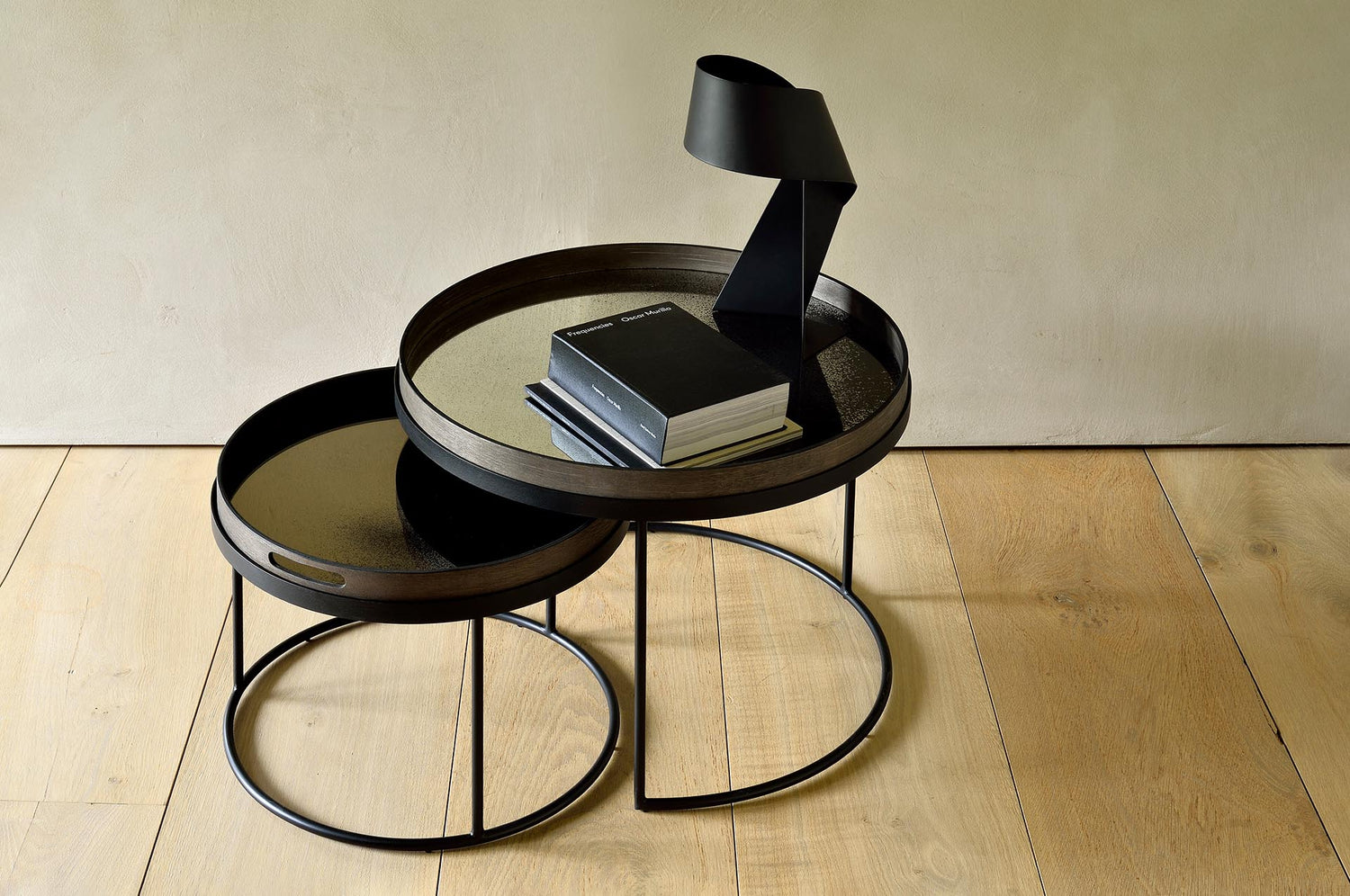
- Mater Bowl Table Recycled Edition — Designed by Ayush Kasliwal, the Bowl Table is built from Matek, Mater's proprietary composite made from upcycled coffee-bean husks and recycled plastic. A genuine closed-loop product: Matek is designed to be reground and remade into new furniture.
- Ethnicraft Boomerang Coffee Table — Solid oak or mahogany, or FSC-certified teak, designed by Alain van Havre. The organic, curved outline reads as sculpture; the joinery is built to be tightened and refinished indefinitely.
- WOUD Soround Large Coffee Table — Designed by NUR Design in Denmark. A circular silhouette in painted ash or Fenix laminate, available in three heights to nest or stand alone.
- Greenington Zephyr Coffee Table — 100% solid Moso bamboo, with a free-form sculptural top and asymmetrical base. The single most carbon-positive option in the collection.
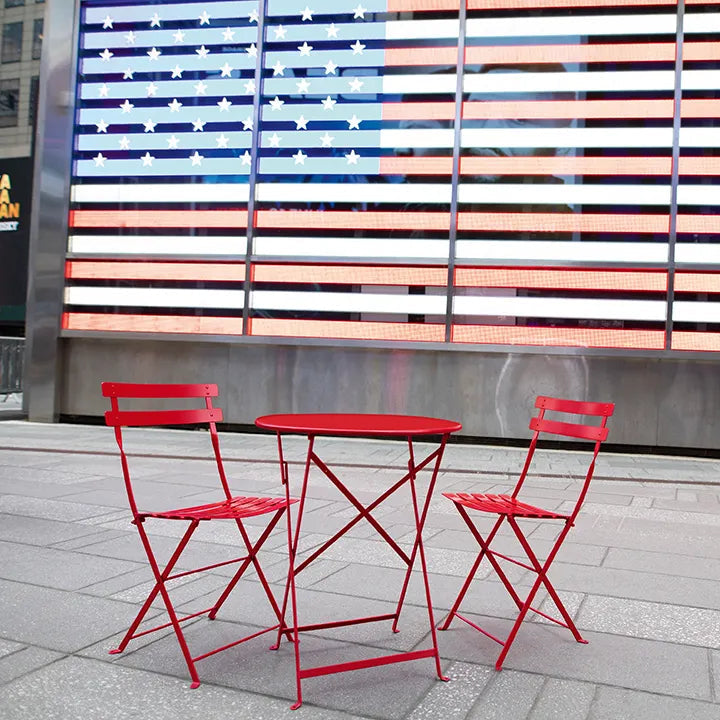
- Fermob Bebop Low Table 31.5" — Designed by Tristan Lohner. Powder-coated French aluminum, fully recyclable, weatherproof, and offered in Fermob's signature palette of saturated colors.
Browse the full coffee tables collection at Comosum →
For more on the brands behind these pieces, our sustainable furniture brands hub catalogs every label we carry, with each brand's Sustainability Meter grade.
Frequently Asked Questions About Sustainable Coffee Tables
What is the most sustainable material for a coffee table?
Reclaimed solid wood is the most sustainable option because no new tree is harvested. After that, FSC-certified European oak or walnut, then rapidly-renewable Moso bamboo, then 100% recyclable powder-coated aluminum for outdoor use. Avoid particleboard, MDF, and plastic-laminate tops — they cannot be refinished and rarely last more than seven years.
Are reclaimed wood coffee tables actually eco-friendly?
Yes, when they're traceable. Reclaimed teak from Ethnicraft, for example, is salvaged timber, and its reclaimed-teak Spindle pieces sit under Ethnicraft's FSC chain-of-custody certificate. The diversion from landfill plus the avoided harvest of new timber gives reclaimed wood the lowest embodied carbon of any solid-wood option.
How long should a quality coffee table last?
A solid-wood or solid-aluminum coffee table from a brand with a repair and refinishing program should last 30 to 50 years. Veneered or laminated pieces typically last five to ten. The single best longevity signal is whether the manufacturer sells replacement parts and finishes — Fermob, Ethnicraft, and Mater all do.
Is a bamboo coffee table durable?
Yes. Carbonized and laminated Moso bamboo — the kind Greenington uses — is harder than red oak by Janka rating and dimensionally stable in normal indoor humidity. It accepts the same water-based finishes as hardwood and can be sanded and refinished.
How do I care for a sustainable wood coffee table?
Wipe spills immediately, use coasters under cold or hot drinks, and re-oil any oil-finished surfaces (most Ethnicraft and Mater pieces) once or twice a year with the brand-recommended product. For powder-coated aluminum, a damp cloth and mild soap is enough. Avoid harsh solvents, which can damage finishes regardless of material.


Leave a comment
This site is protected by hCaptcha and the hCaptcha Privacy Policy and Terms of Service apply.