

Solid oak is one of the most durable hardwoods used in furniture, and caring for it well comes down to three habits: routine cleaning, periodic re-oiling, and prompt attention to spills. Oak's high tannin content makes it strong and rot-resistant, but those same tannins react with water and iron to leave dark marks if left unattended. With a soft cloth, the correct oil for the finish, and stable indoor humidity between roughly 35% and 55%, a well-made oak table can be passed down across generations rather than replaced. That longevity is exactly why we build so much of the Comosum catalog around FSC-certified solid oak.
Why Caring for Oak Furniture Matters
Oak has been the backbone of European furniture-making for centuries, prized for a tight, open grain that takes a finish beautifully and a density that shrugs off daily knocks. When you buy a solid oak dining table or coffee table, you are buying a piece engineered to last decades — but only if the surface is maintained. The finish, not the wood itself, is usually what wears out first.
There are two finishes you will encounter most often. Oiled oak is treated with penetrating oils or hardwax oils that soak into the timber, leaving a natural, matte, tactile surface. It feels like wood because the grain stays open. The trade-off is that an oiled surface needs periodic re-oiling to stay protected. Lacquered or varnished oak seals the surface under a thin protective film. It resists spills and stains better out of the box and needs less frequent attention, but a deep scratch is harder to spot-repair invisibly.
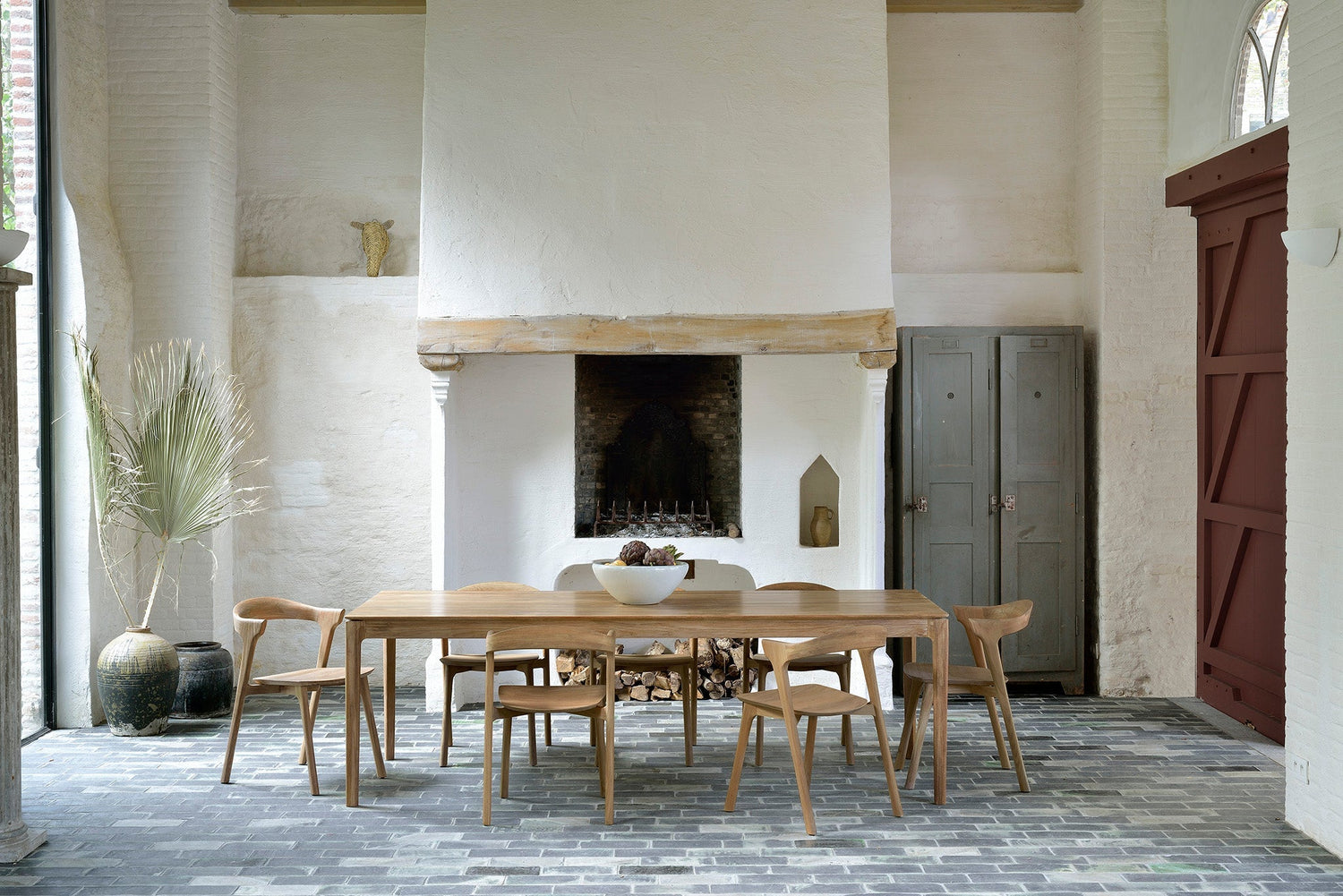
Knowing which finish you have determines everything about how you care for it. Brands like Ethnicraft offer the same design — the Bok dining table, for example — in both oiled and varnished versions, so check your order details or the underside of the piece before you start. When in doubt, dab a drop of water on an inconspicuous area: oiled oak slowly darkens and absorbs it; lacquered oak beads.
How to Clean, Oil, and Repair Solid Oak
Routine cleaning
For day-to-day care, less is more. Wipe the surface with a soft, dry or barely damp cloth, always following the direction of the grain. For sticky spots, use a cloth wrung out in lukewarm water with a tiny amount of pH-neutral soap, then dry immediately — standing water is oak's main enemy because of how its tannins react. Avoid all-purpose sprays, glass cleaners, ammonia, bleach, and silicone-based "furniture polishes," which can cloud or build up on the surface over time. Use coasters and trivets, and never set a hot pan or a sweating glass directly on the wood.
Re-oiling oiled oak
Oiled surfaces need to be refreshed periodically — for a dining table in regular use, roughly once or twice a year, and far less often for low-traffic pieces. Clean and fully dry the surface first, then apply a thin, even coat of a furniture-grade hardwax or maintenance oil. Widely used options include Osmo Polyx-Oil and Rubio Monocoat, and most furniture brands sell a matched care kit for their own pieces. Work the oil in along the grain with a lint-free cloth, let it penetrate, then buff off any excess so nothing stays tacky. Always check the manufacturer's guidance for your specific finish, and let oily cloths dry flat outdoors before disposal, as they can self-heat.
Removing marks and small repairs
White rings from heat or moisture sit in the finish, not the wood, and on oiled oak can often be eased out by gently rubbing along the grain with a little more oil. Dark or black marks are different — they are tannin reacting with iron or water that has reached the bare timber, and removing them usually means light sanding followed by re-oiling the area. Minor scratches and dents in oiled oak are forgiving: sand lightly with fine-grit paper along the grain, then re-oil. This repairability is oak's quiet advantage — and the reason it makes sense to invest in solid wood rather than veneer in the first place, a point we cover in our guide to solid wood vs. veneer vs. engineered wood.
Keep the air stable
Wood is hygroscopic — it expands and contracts as humidity changes. Keep oak out of direct sunlight, away from radiators and heating vents, and aim for indoor humidity in the 35–55% range to reduce the risk of splitting or warping over the years. In very dry winter months, a humidifier helps; in damp climates, good airflow does.
Why We Build Comosum Around Solid Oak
We curate heavily toward solid oak because it sits at the intersection of our three priorities: sustainability, original design, and craftsmanship that lasts. Oak from responsibly managed forests is a renewable, long-lived material, and we prioritise brands that source FSC (Forest Stewardship Council)-certified timber and use low-VOC, water-based finishes rather than heavy solvent lacquers.
Just as importantly, a solid oak piece is repairable. When the surface of a veneered or laminate table fails, the whole piece usually heads to landfill. When an oiled oak table looks tired, an afternoon of cleaning and re-oiling brings it back. That repairability is central to the case for buying better furniture once instead of replacing cheaper furniture repeatedly — the through-line behind the whole Comosum sustainability approach. You will find solid oak running through the work of the sustainable furniture brands we carry, from Belgium's Ethnicraft to Denmark's FDB Møbler and WOUD.
What to Shop at Comosum
A few solid oak pieces from our catalog that reward good care with decades of use:
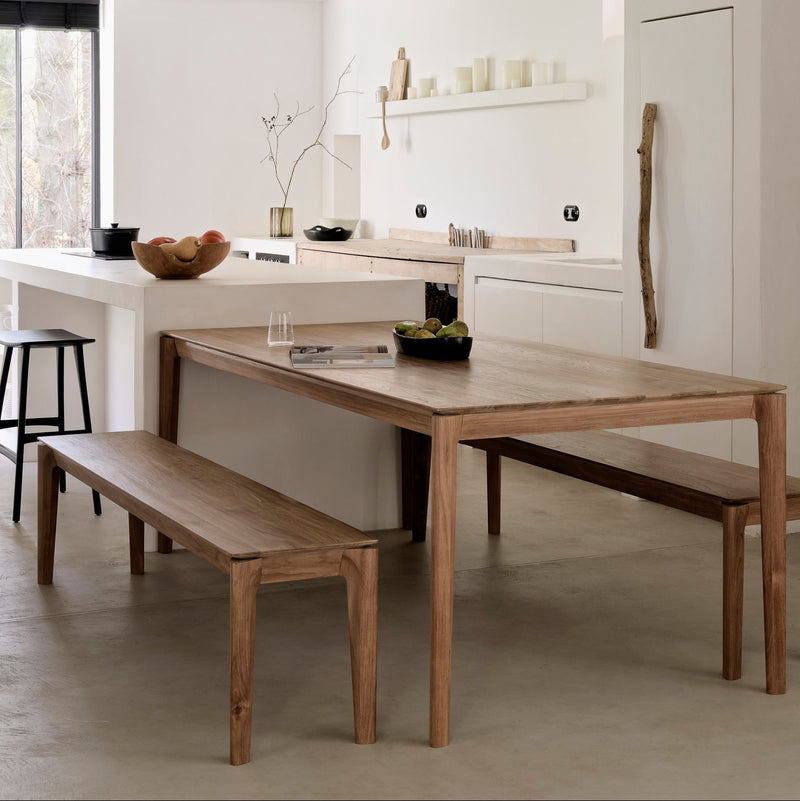
- Bok Dining Table — Alain van Havre's sculptural Ethnicraft design in solid oak, available in both oiled and varnished finishes so you can choose the level of maintenance that suits you.
- Boomerang Coffee Table — a curved, organic Ethnicraft centrepiece in solid oak that shows off the grain rather than hiding it.
- Accent Dining Table — designed by Space Copenhagen for Mater in solid FSC-certified oak with a lacquered finish, for those who want a lower-maintenance surface.
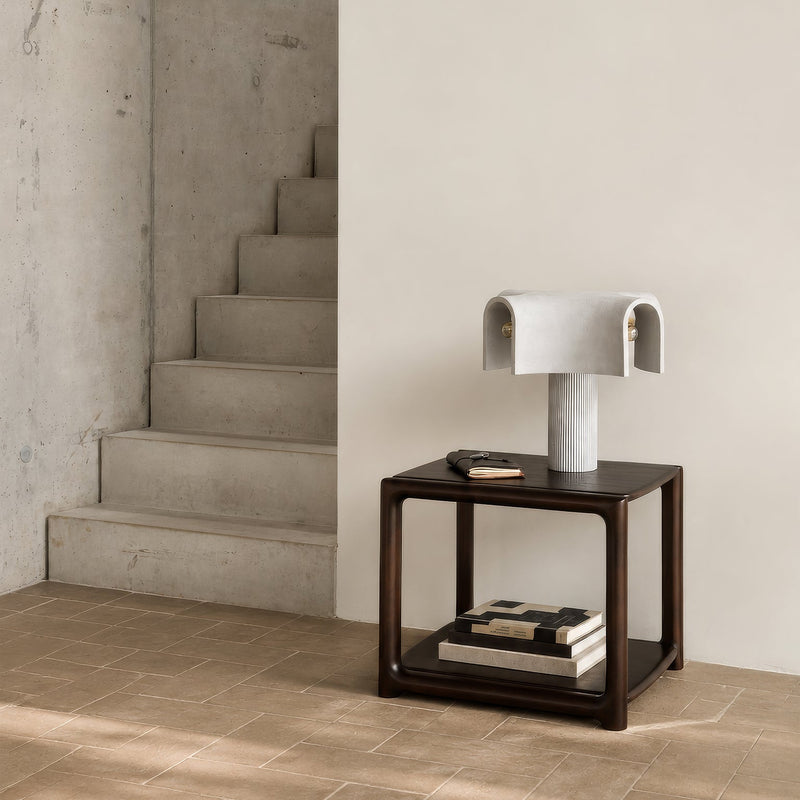
- Geometric Side Table — a compact, faceted Ethnicraft accent in solid oak that earns its keep beside a sofa or bed.
- Bok Bench — solid oak seating that pairs with the Bok table and ages gracefully with the same simple care.
Browse the full ranges of dining tables and coffee tables at Comosum — and if you are still choosing, our sustainable dining tables buying guide walks through solid wood, live-edge, and extendable options.
Frequently Asked Questions About Caring for Oak Furniture
How do I clean solid oak furniture day to day?
Wipe it with a soft, dry or barely damp cloth, following the grain, and dry any moisture straightaway. For sticky marks, use lukewarm water with a touch of pH-neutral soap, then dry immediately. Avoid ammonia, bleach, all-purpose sprays, and silicone polishes, which can damage or build up on the finish.
How often should I oil an oak table?
For an oiled-oak dining table in regular use, re-oil roughly once or twice a year; low-traffic pieces need it far less often. Lacquered or varnished oak does not need oiling at all — it is sealed under a protective film. Always follow the care guidance for your specific finish.
How do I get water marks or rings out of oak?
White rings usually sit in the finish and, on oiled oak, can often be rubbed out along the grain with a little maintenance oil. Dark or black marks mean tannin has reacted with water or iron on bare wood, and typically require light sanding and re-oiling of the spot.
Is solid oak furniture sustainable?
Oak from responsibly managed forests is renewable and exceptionally long-lasting, and a solid oak piece can be sanded and re-oiled rather than thrown away when it wears. We prioritise brands using FSC-certified oak and low-VOC finishes. You can read more about responsible sourcing from the Sustainable Furnishings Council.
Why does oak get dark marks more easily than other woods?
Oak is high in tannins, the natural compounds that make it strong and rot-resistant. Those tannins react with iron and water to form dark stains, so it is important to wipe up spills quickly and keep metal objects from sitting wet on a bare oak surface.



Leave a comment
This site is protected by hCaptcha and the hCaptcha Privacy Policy and Terms of Service apply.