
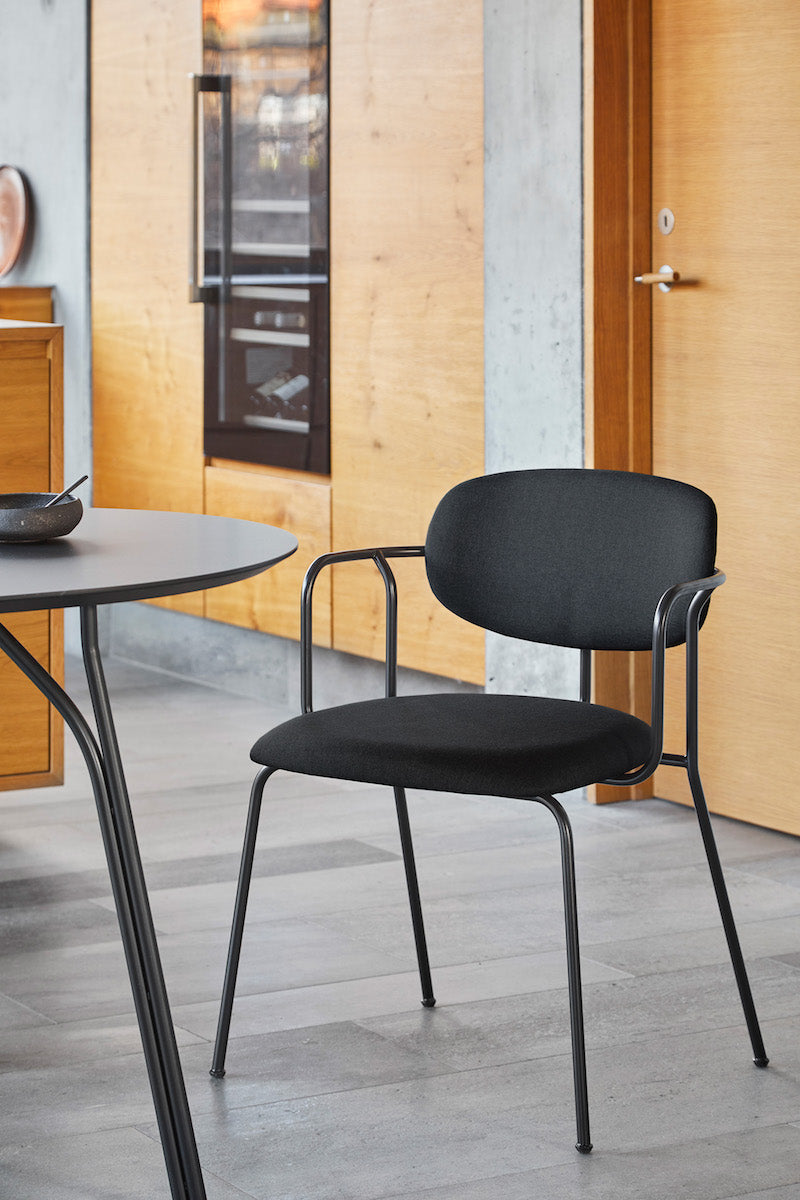
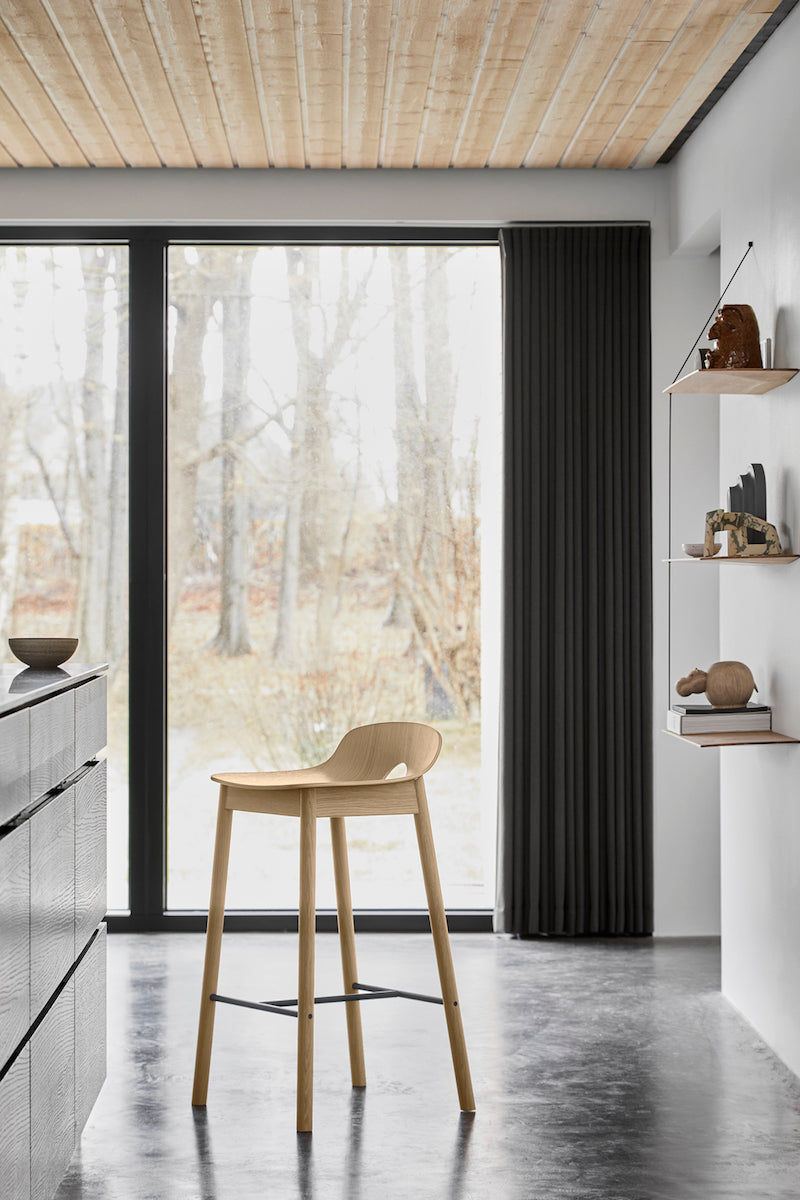
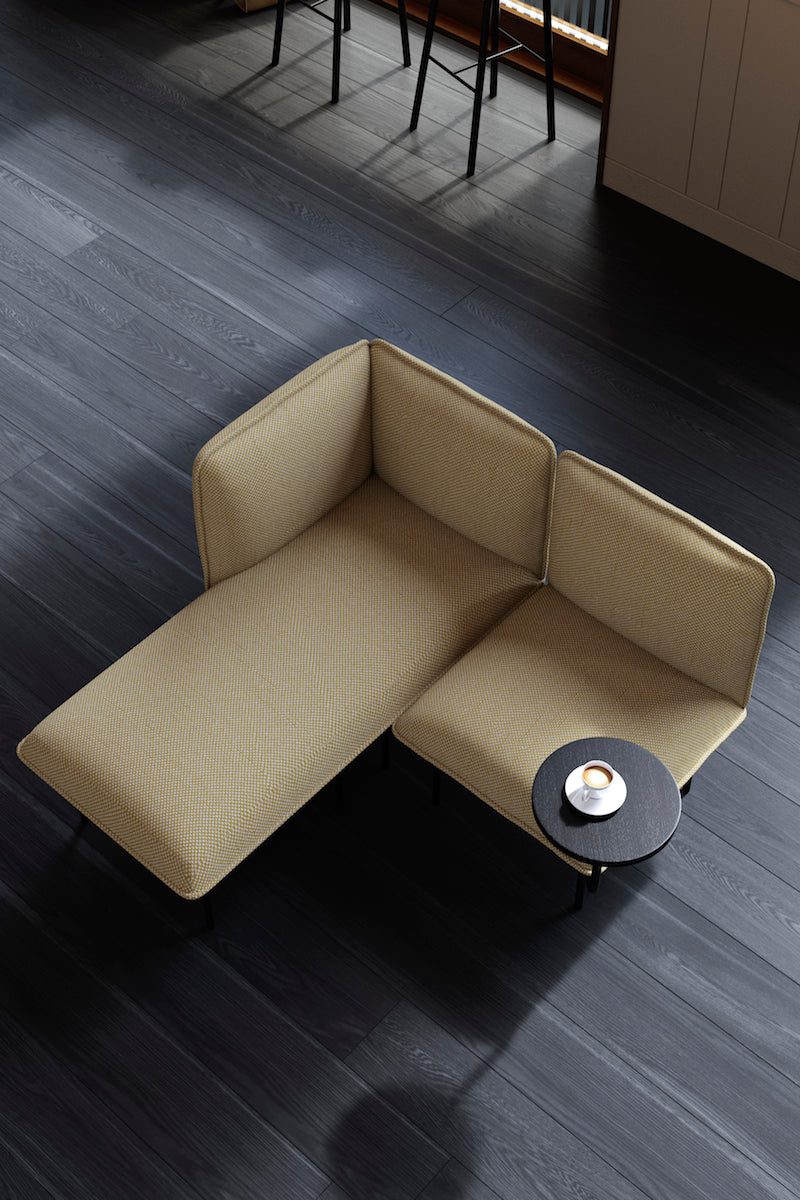
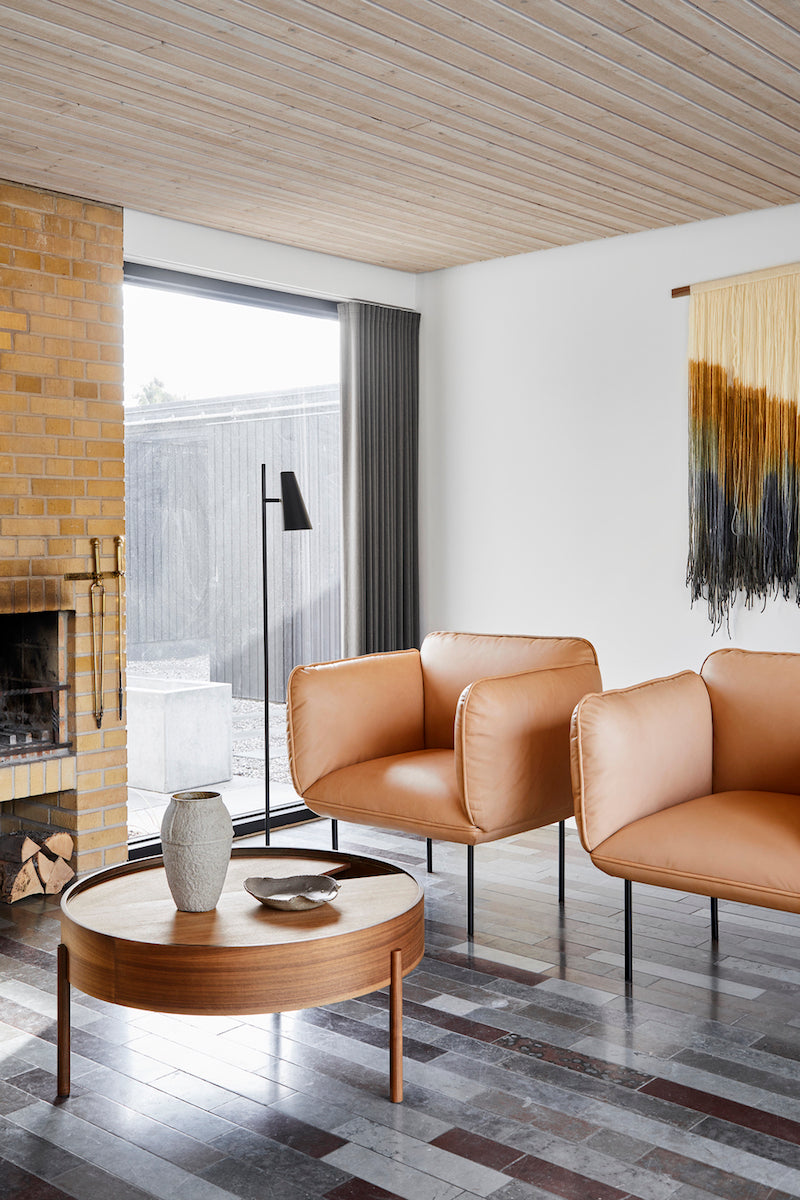
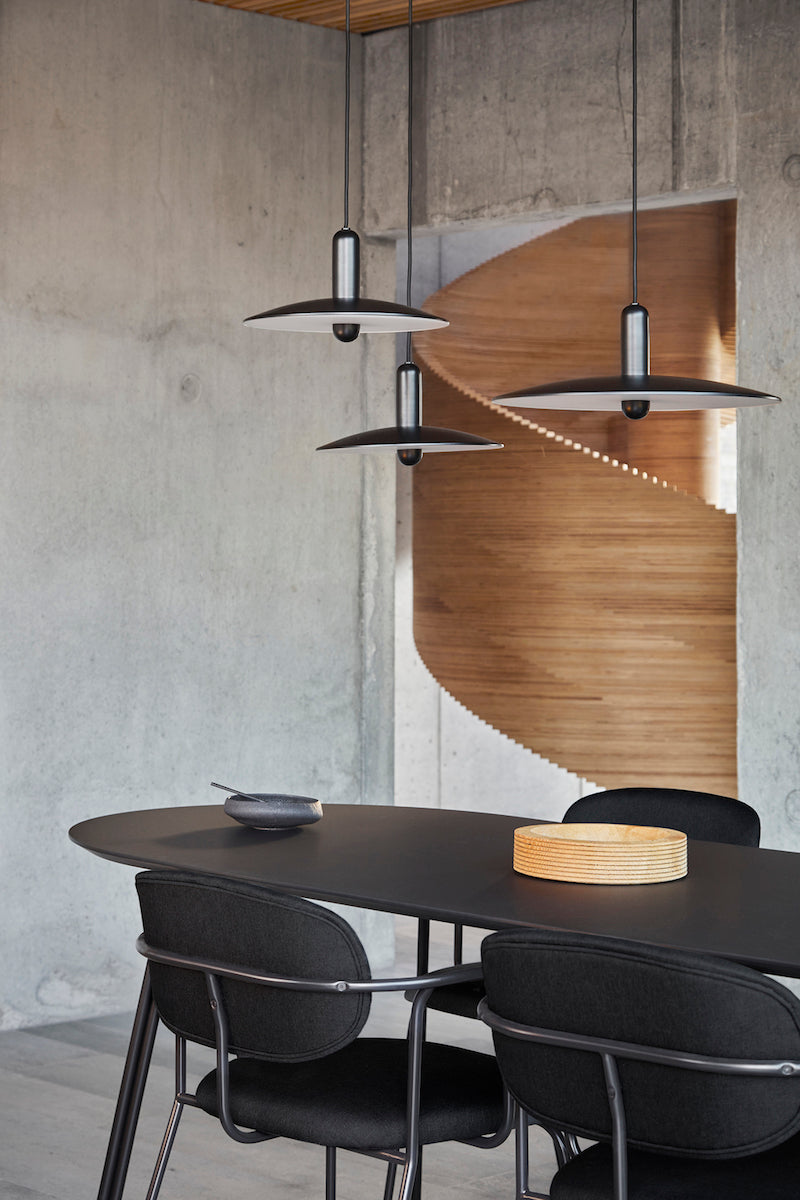
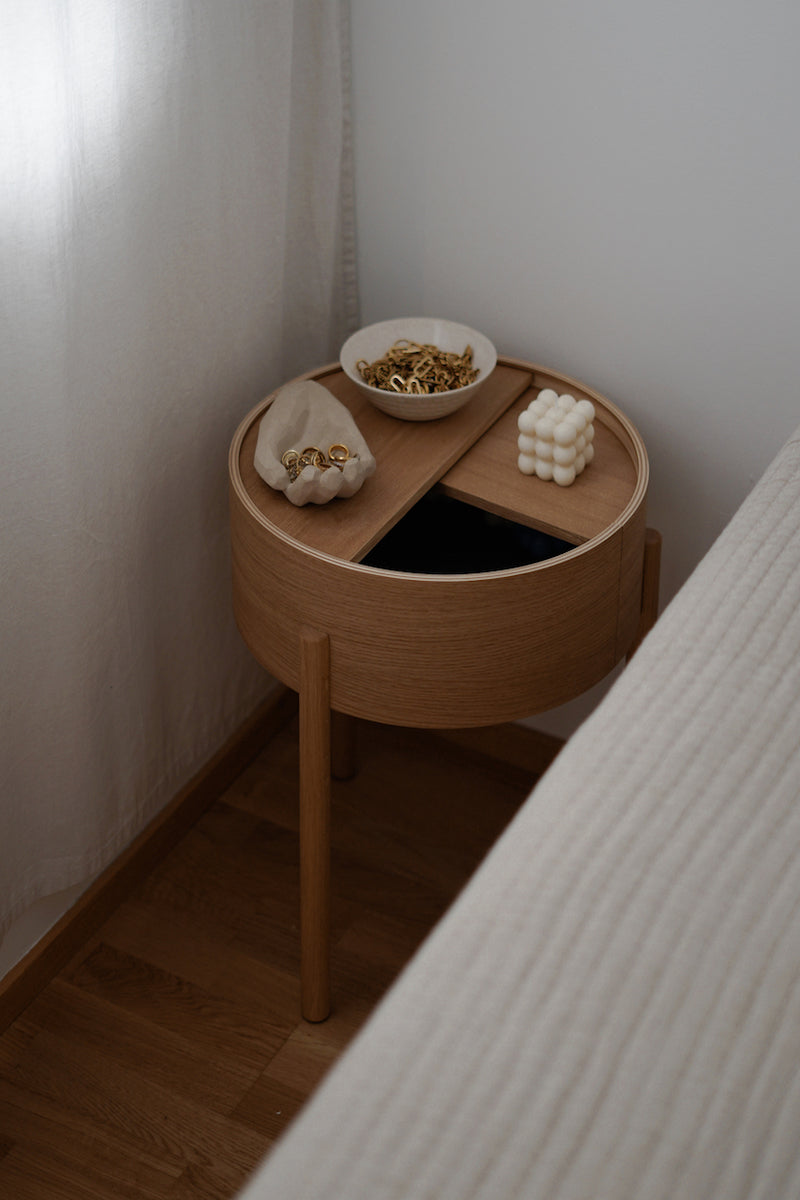
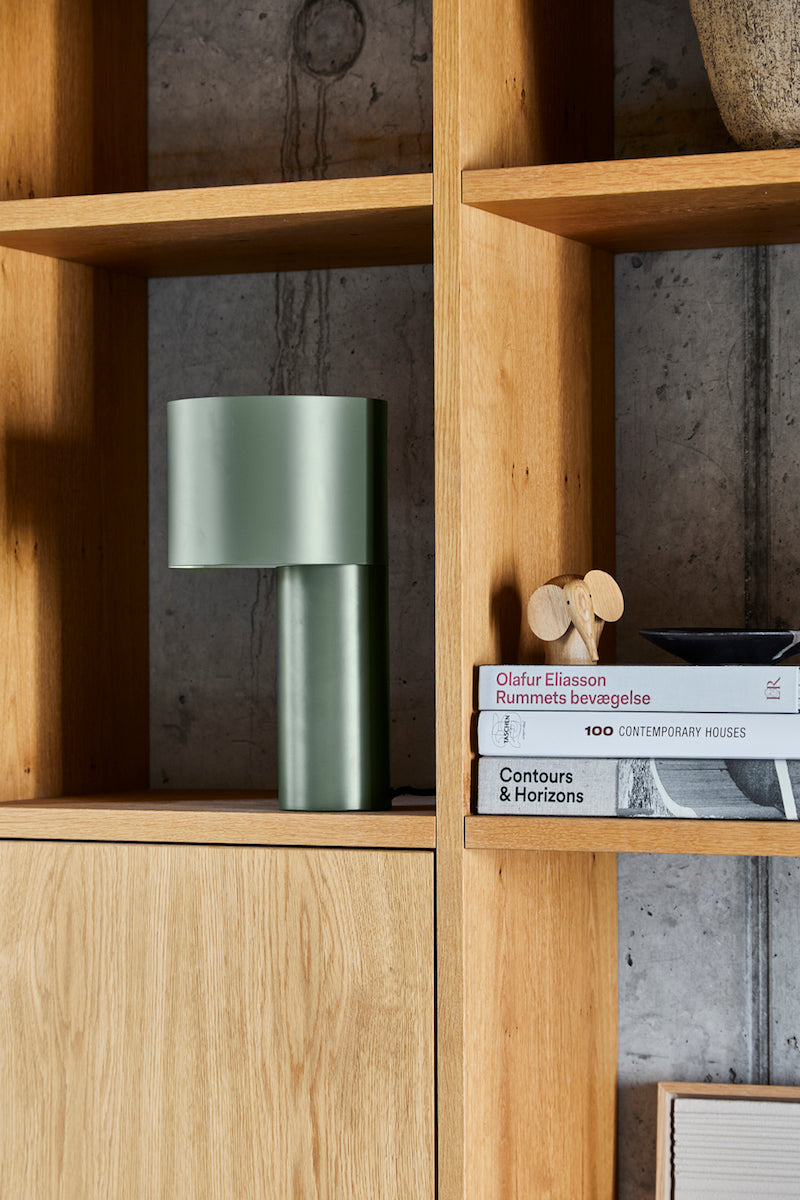
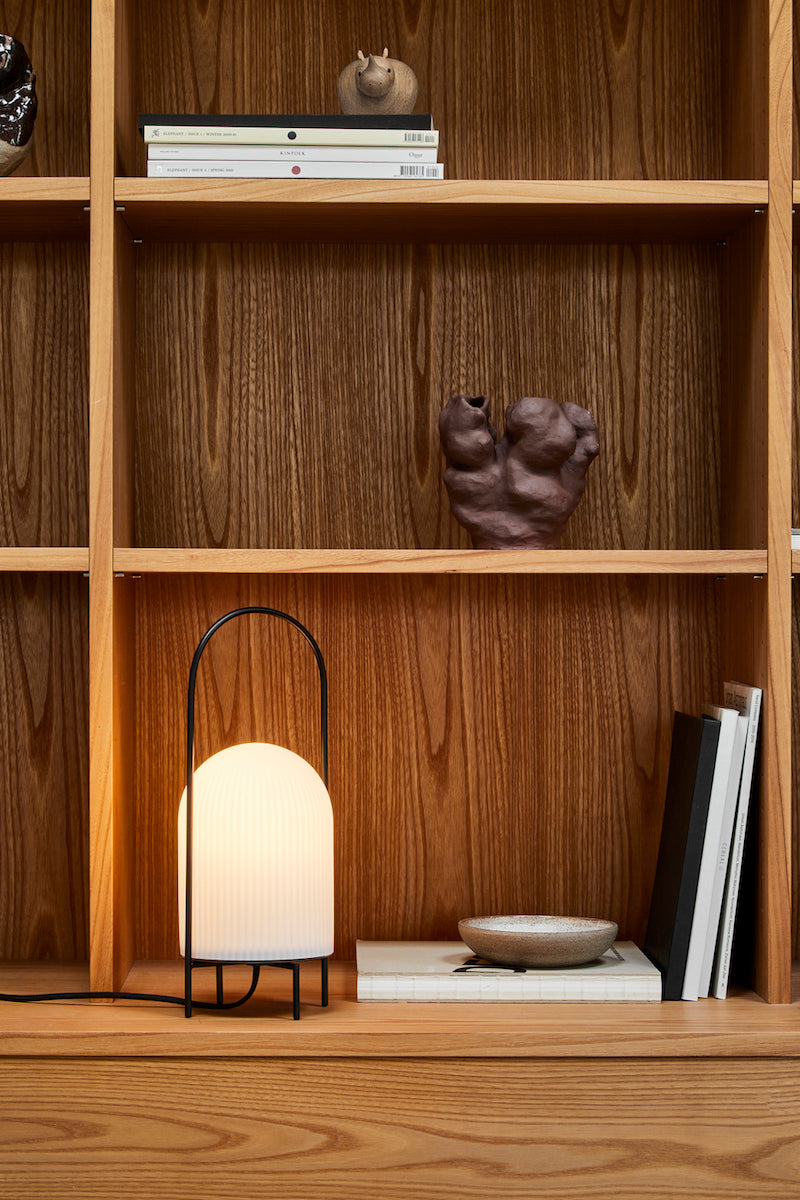
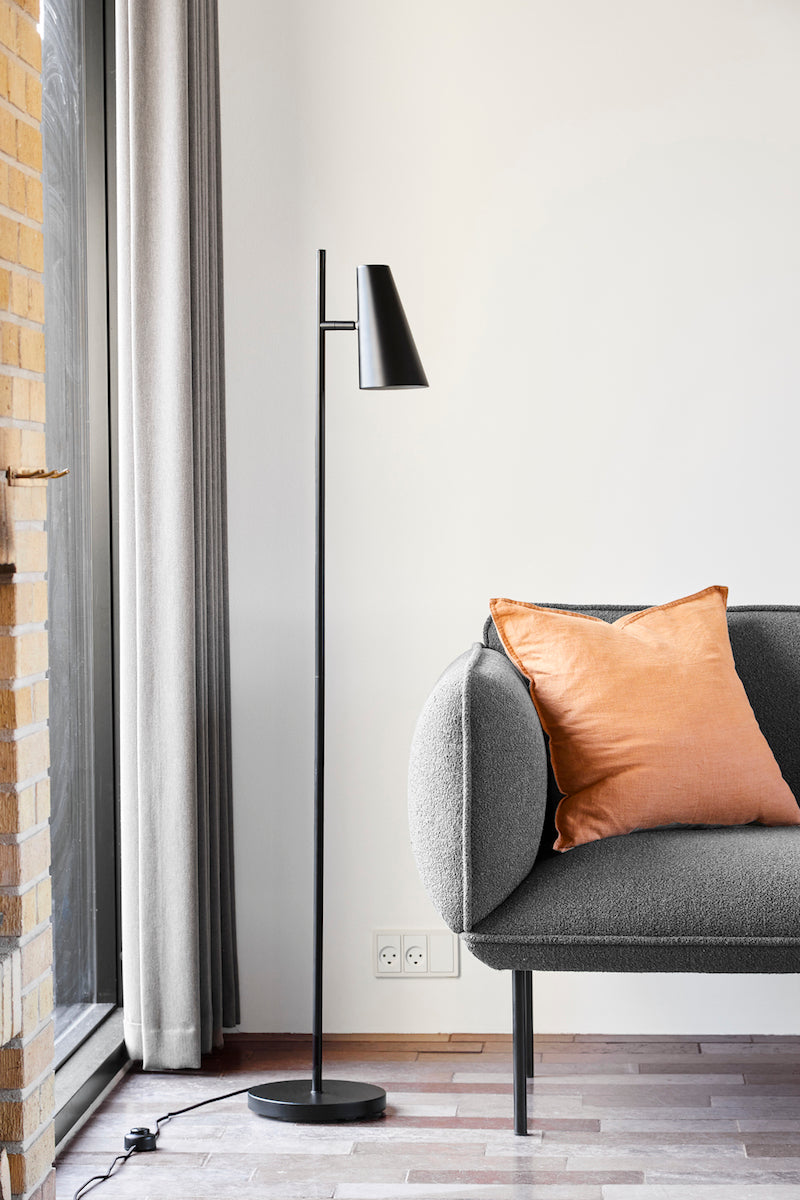
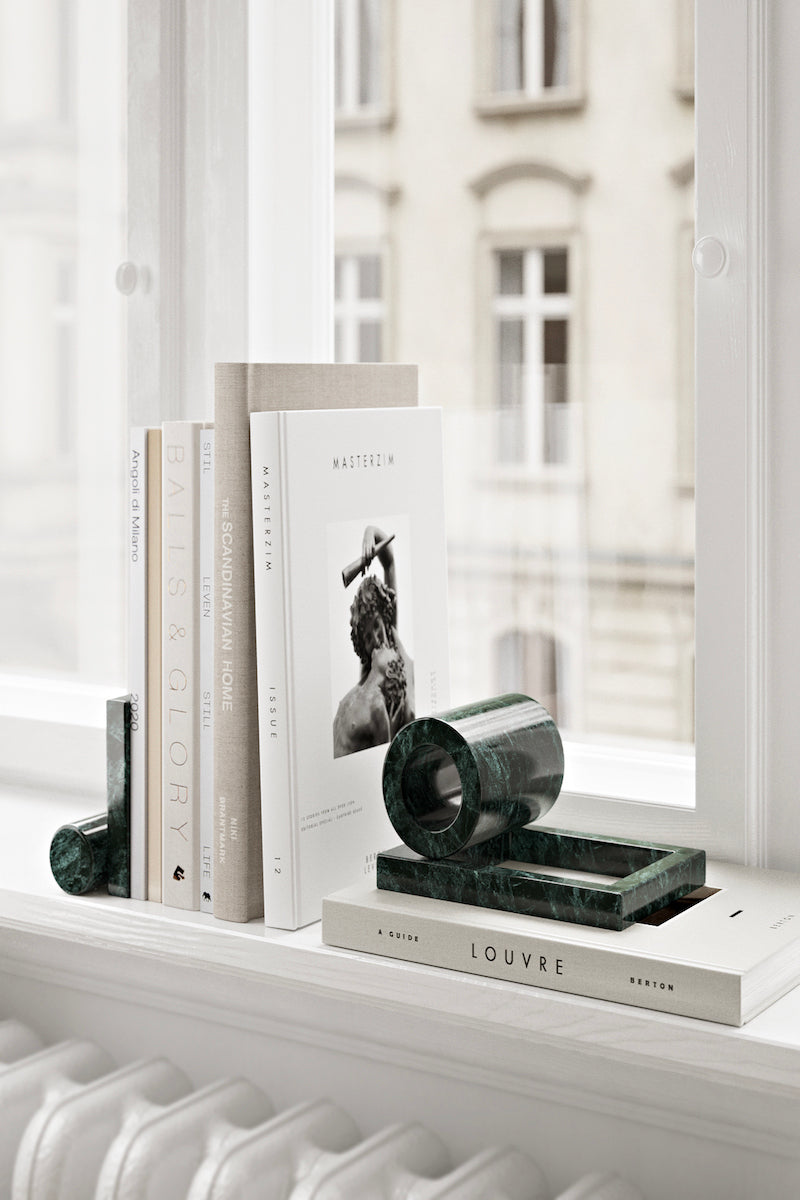
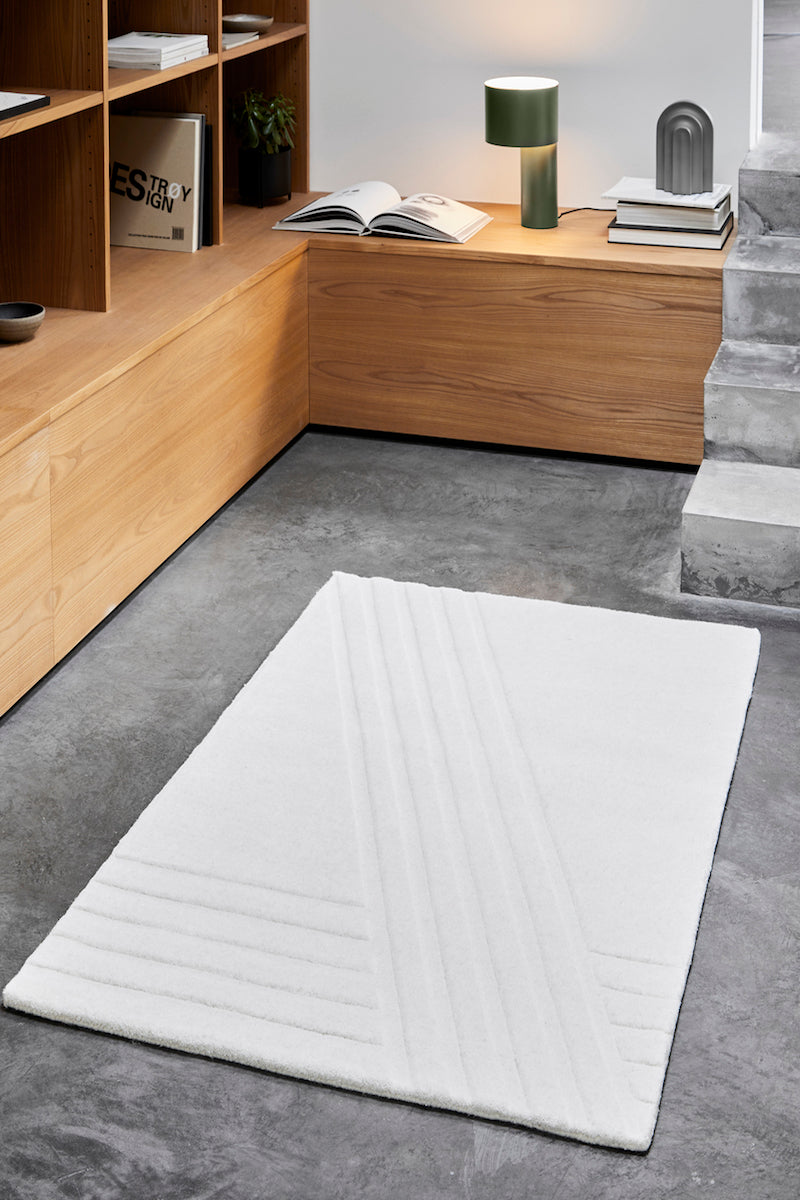
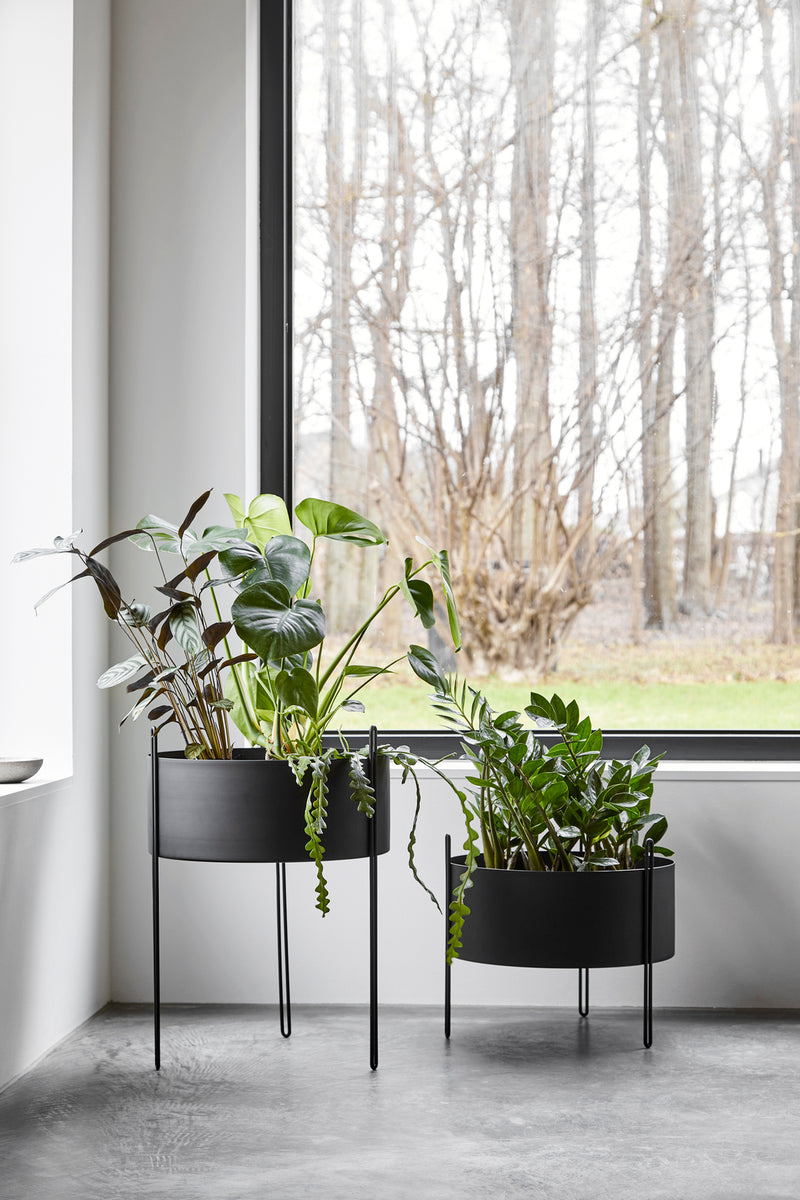
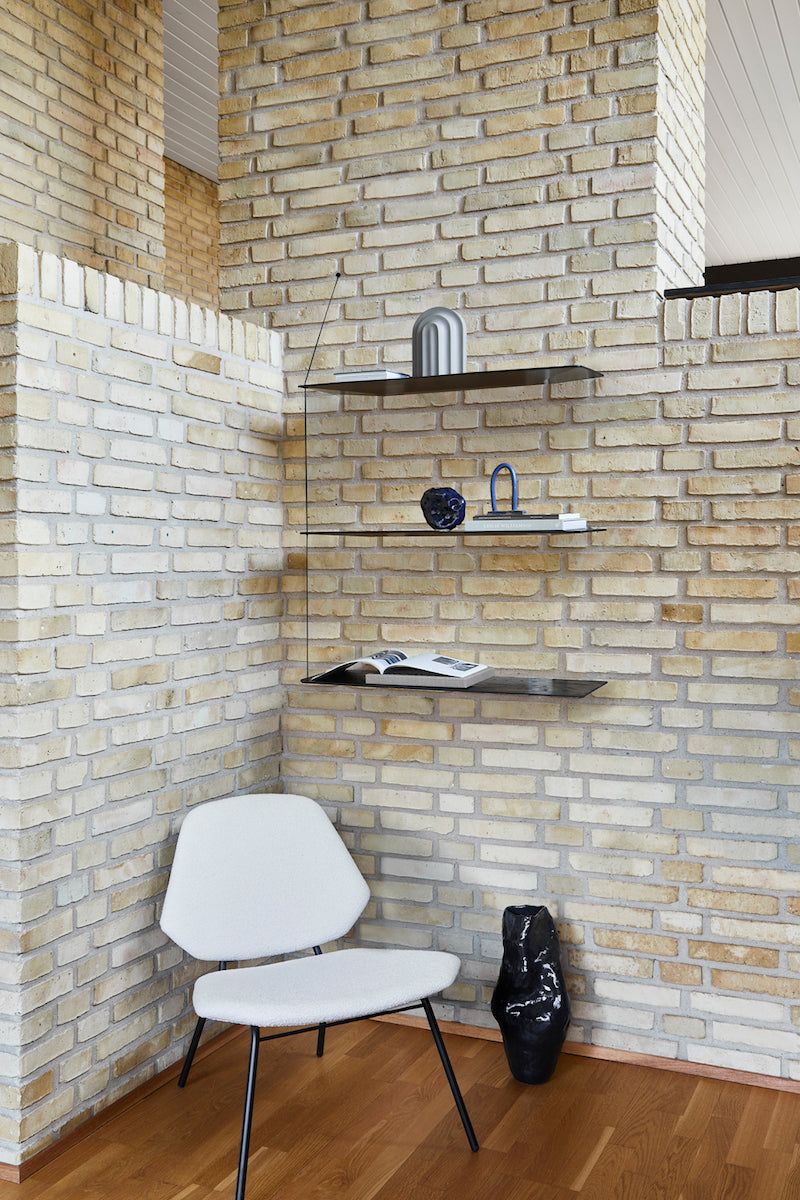
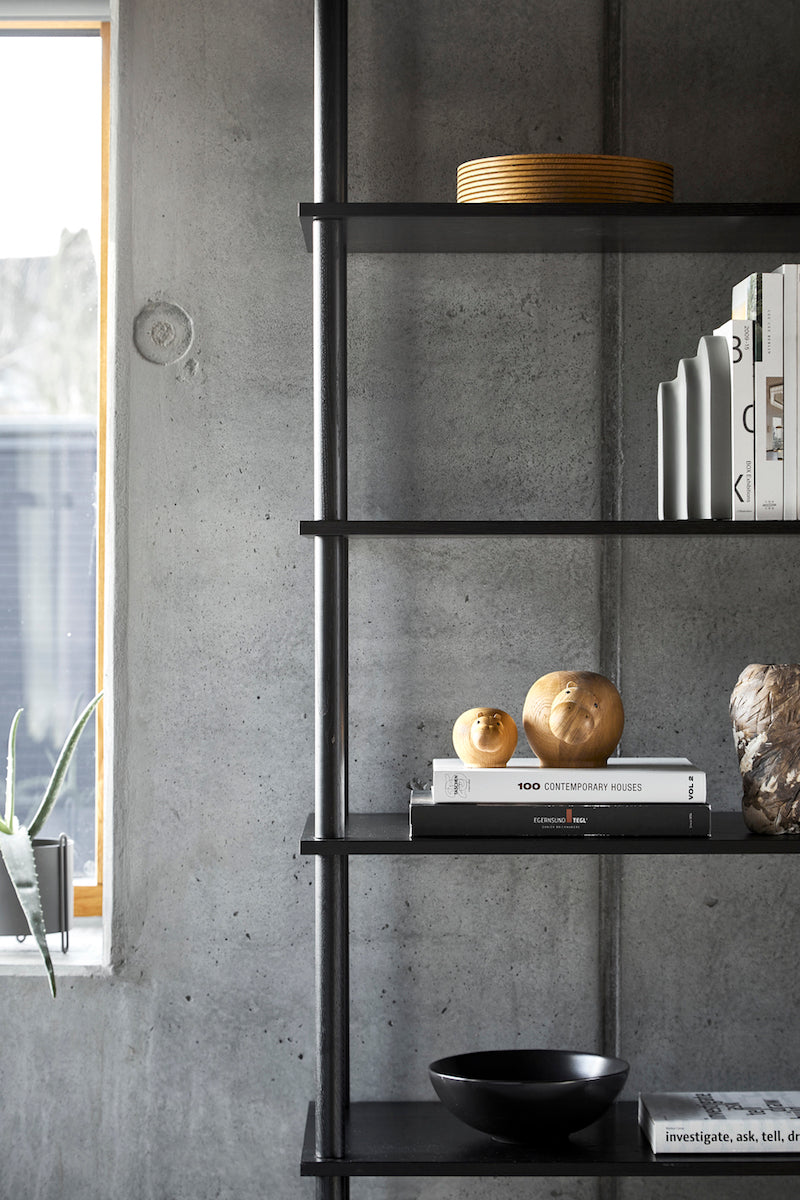
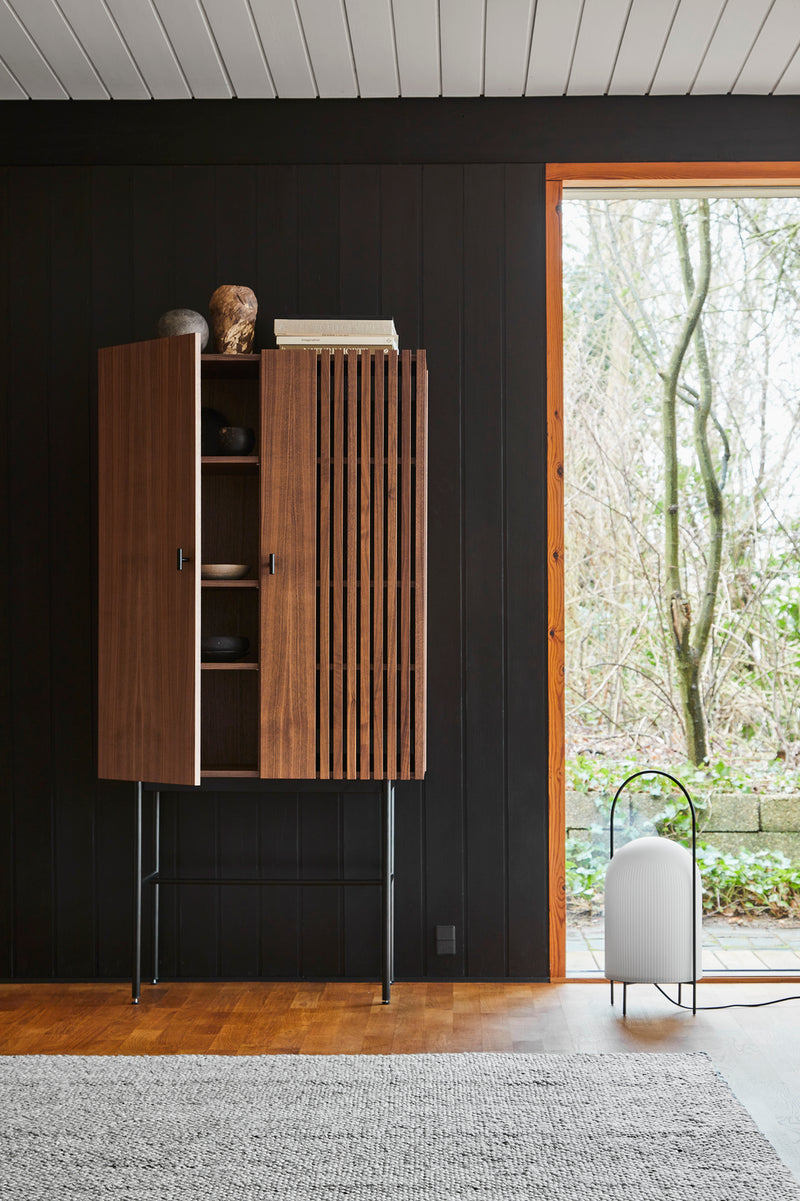
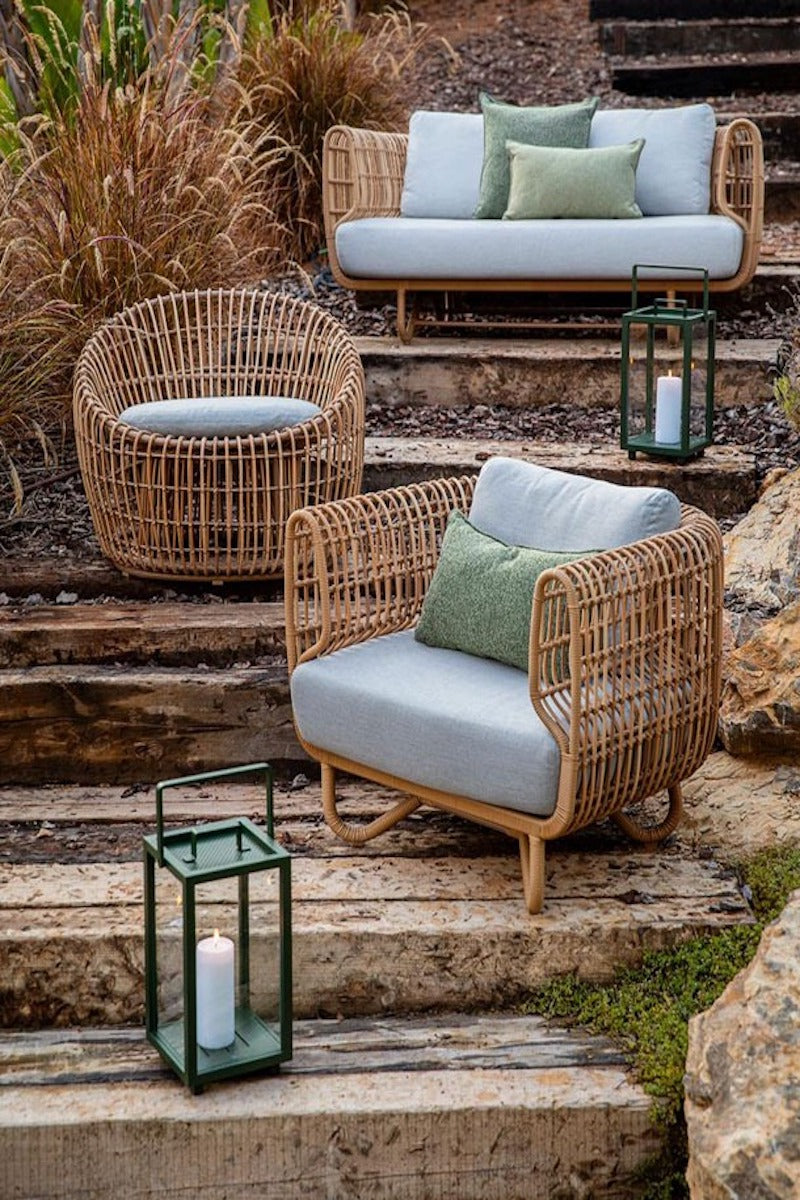
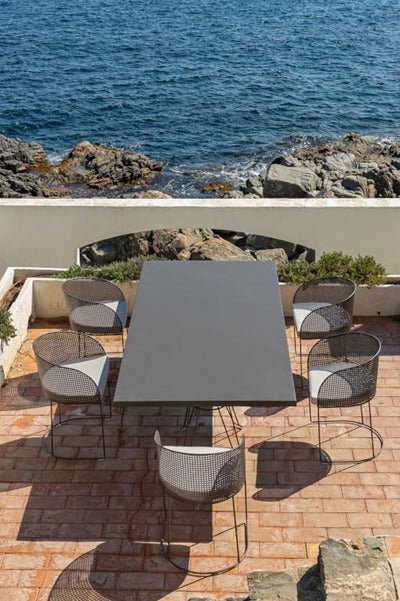
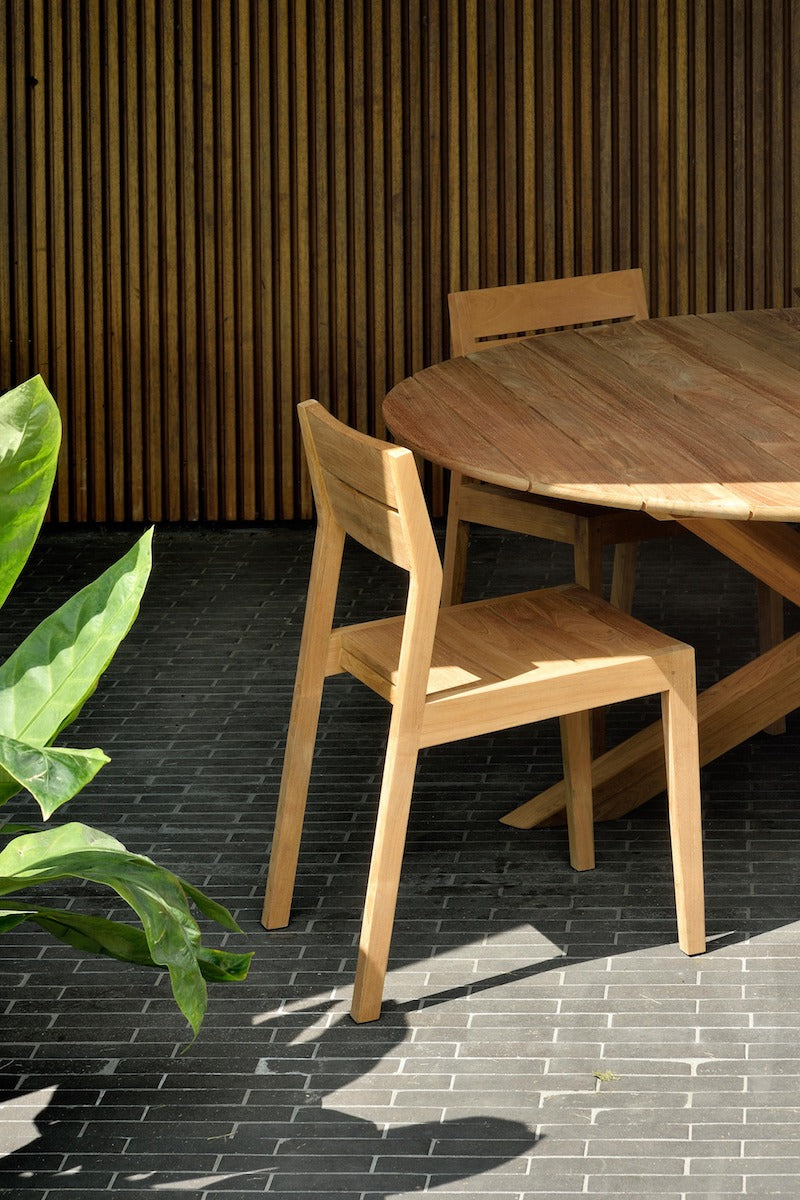
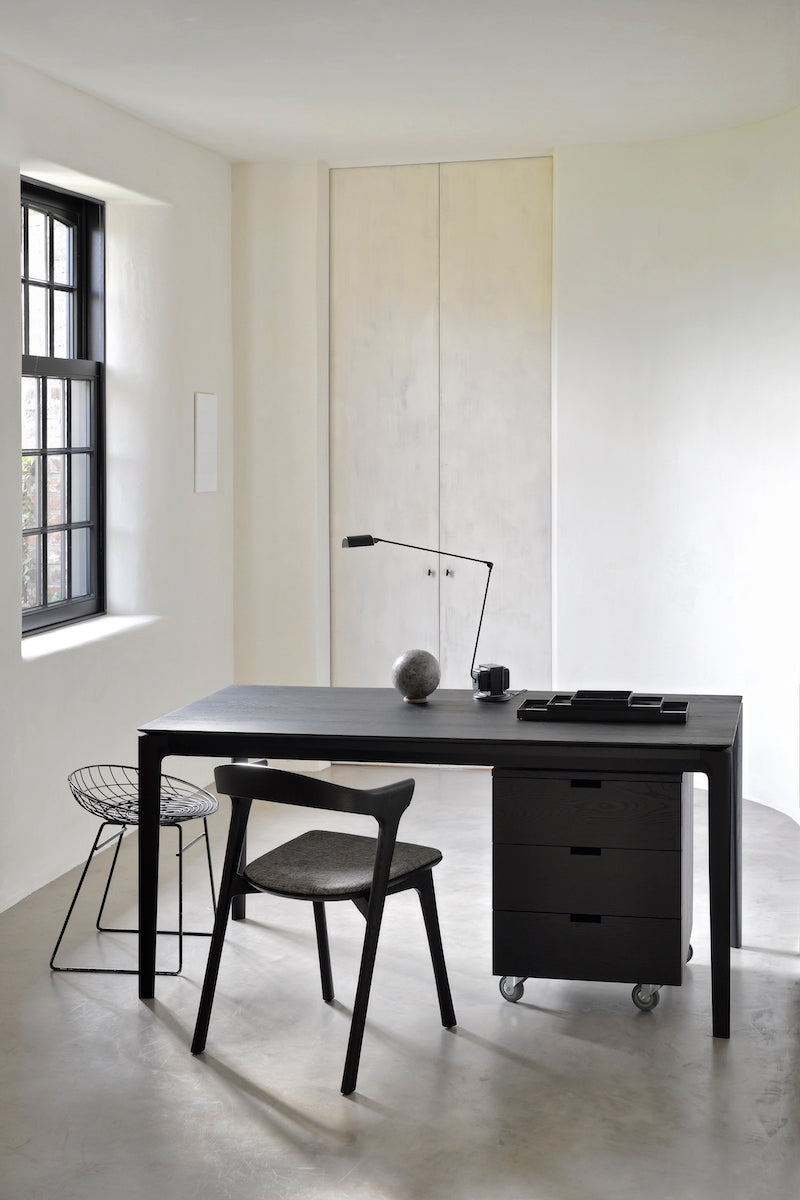
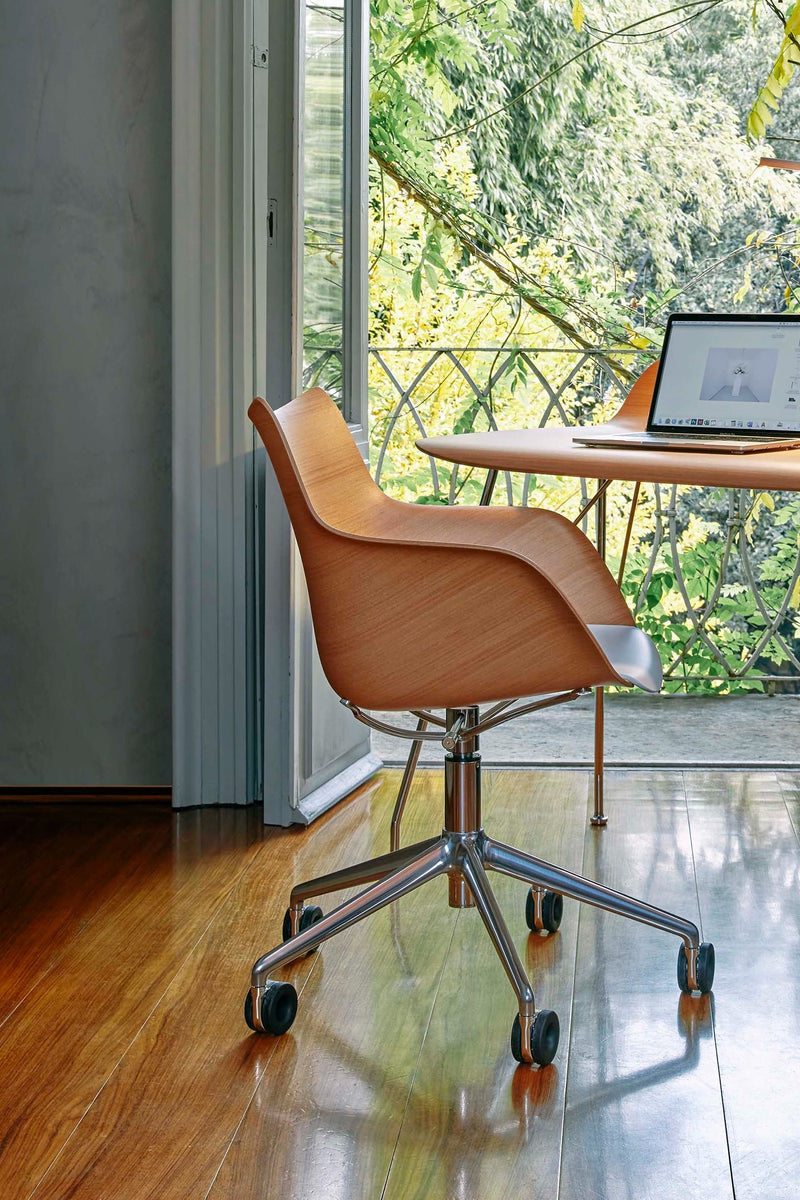
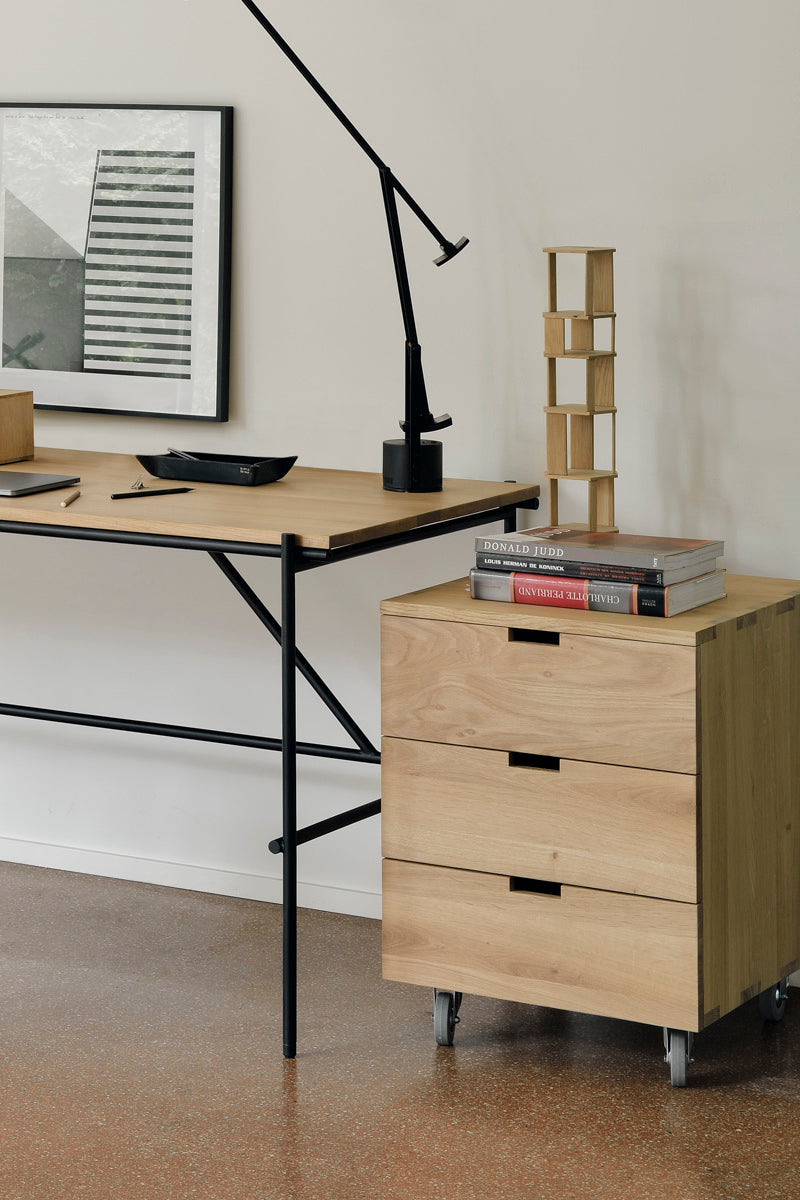
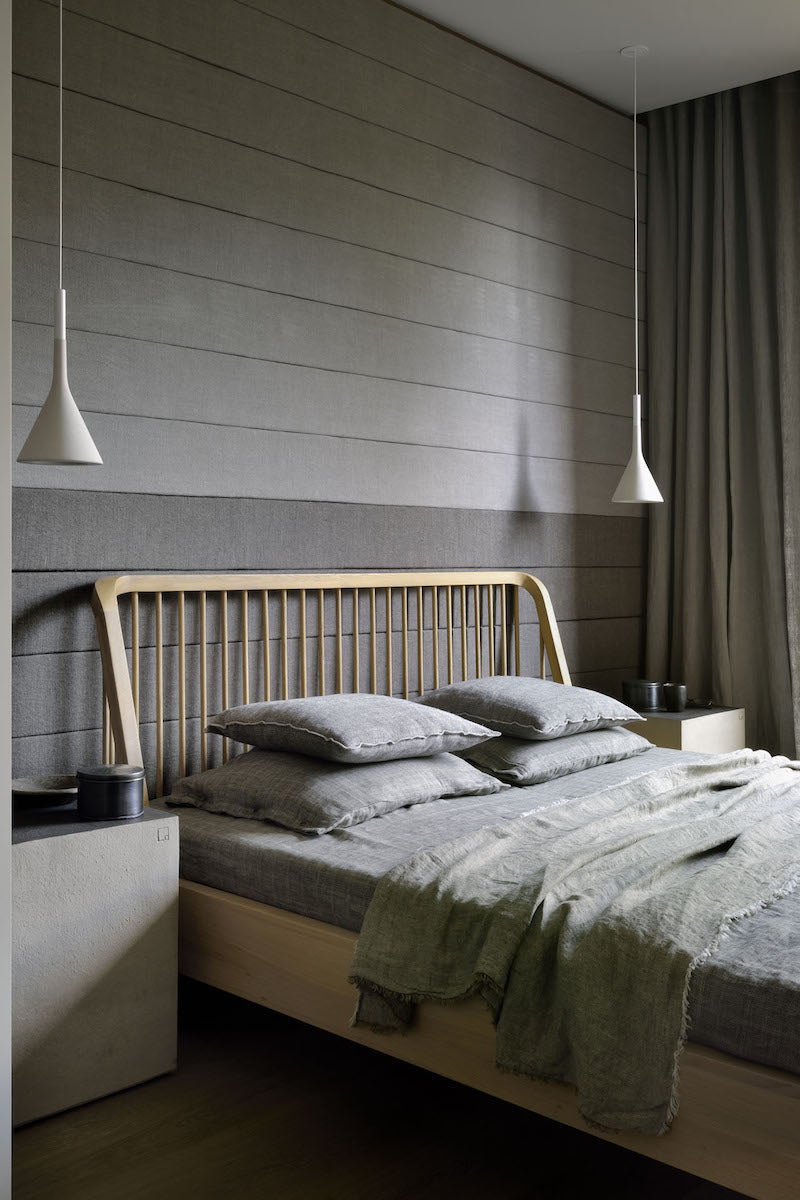
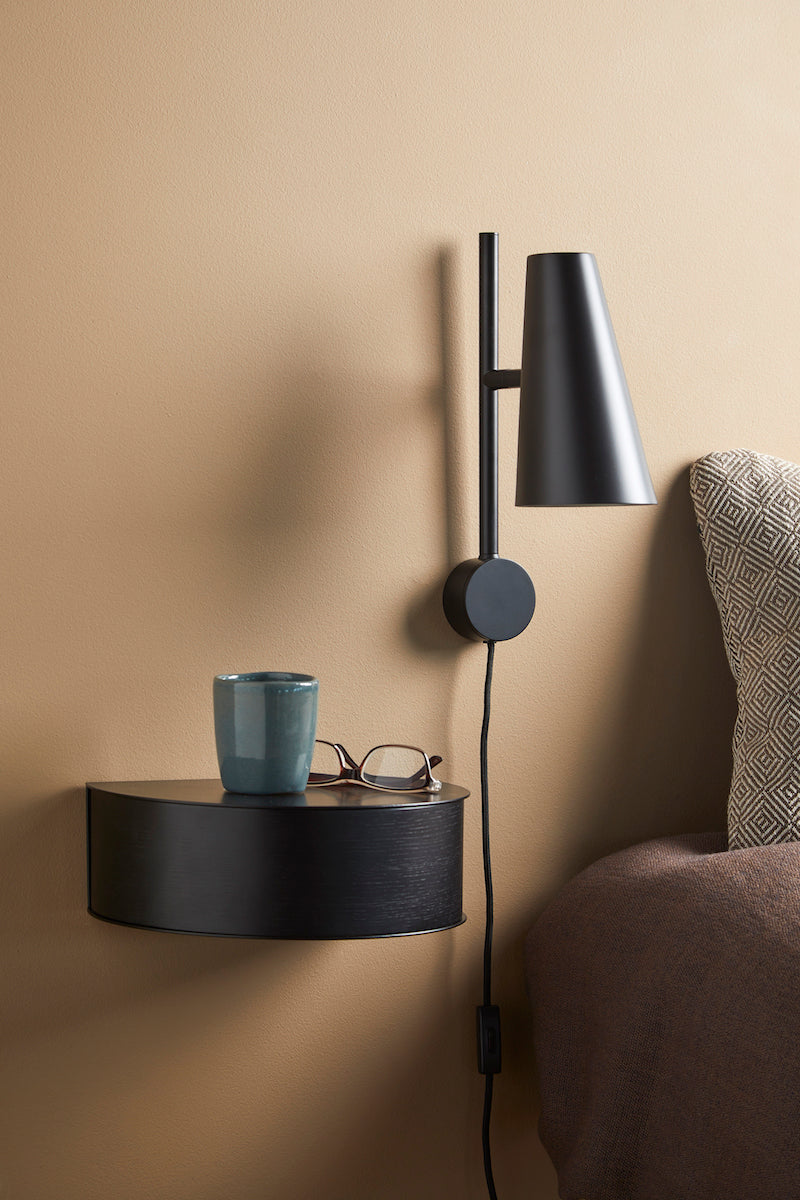
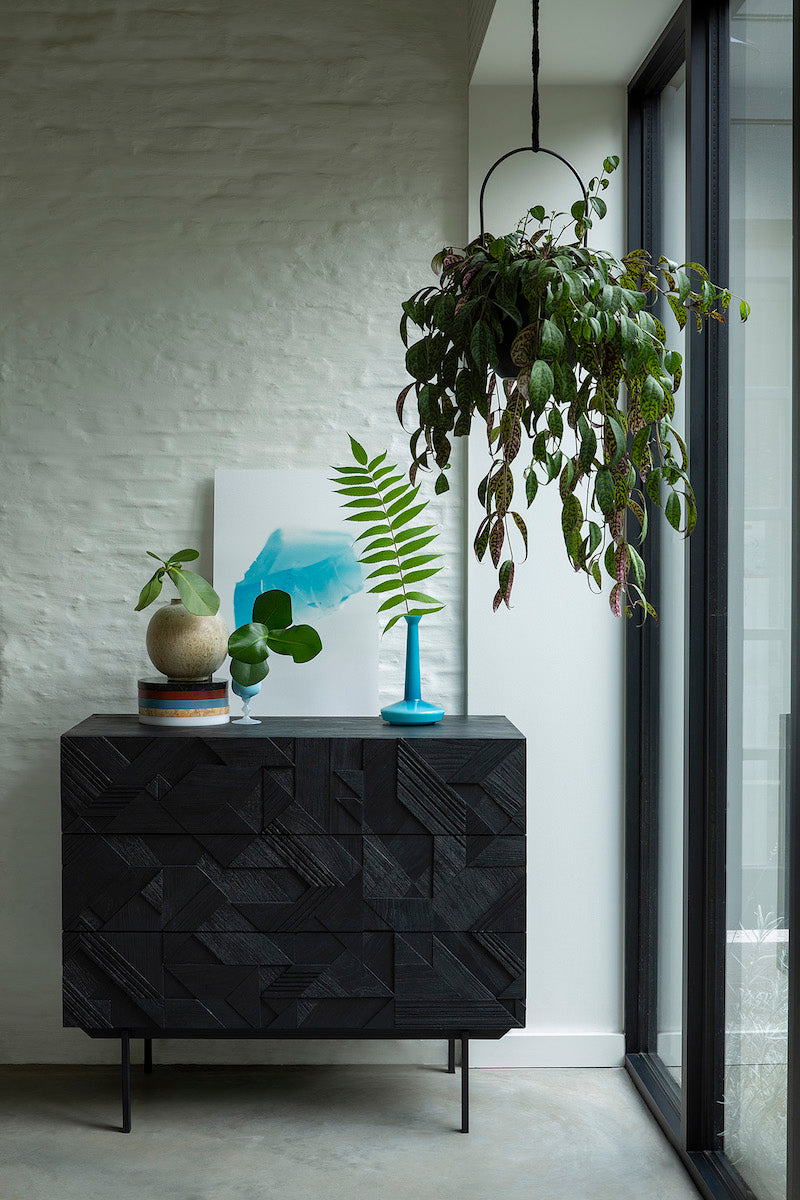
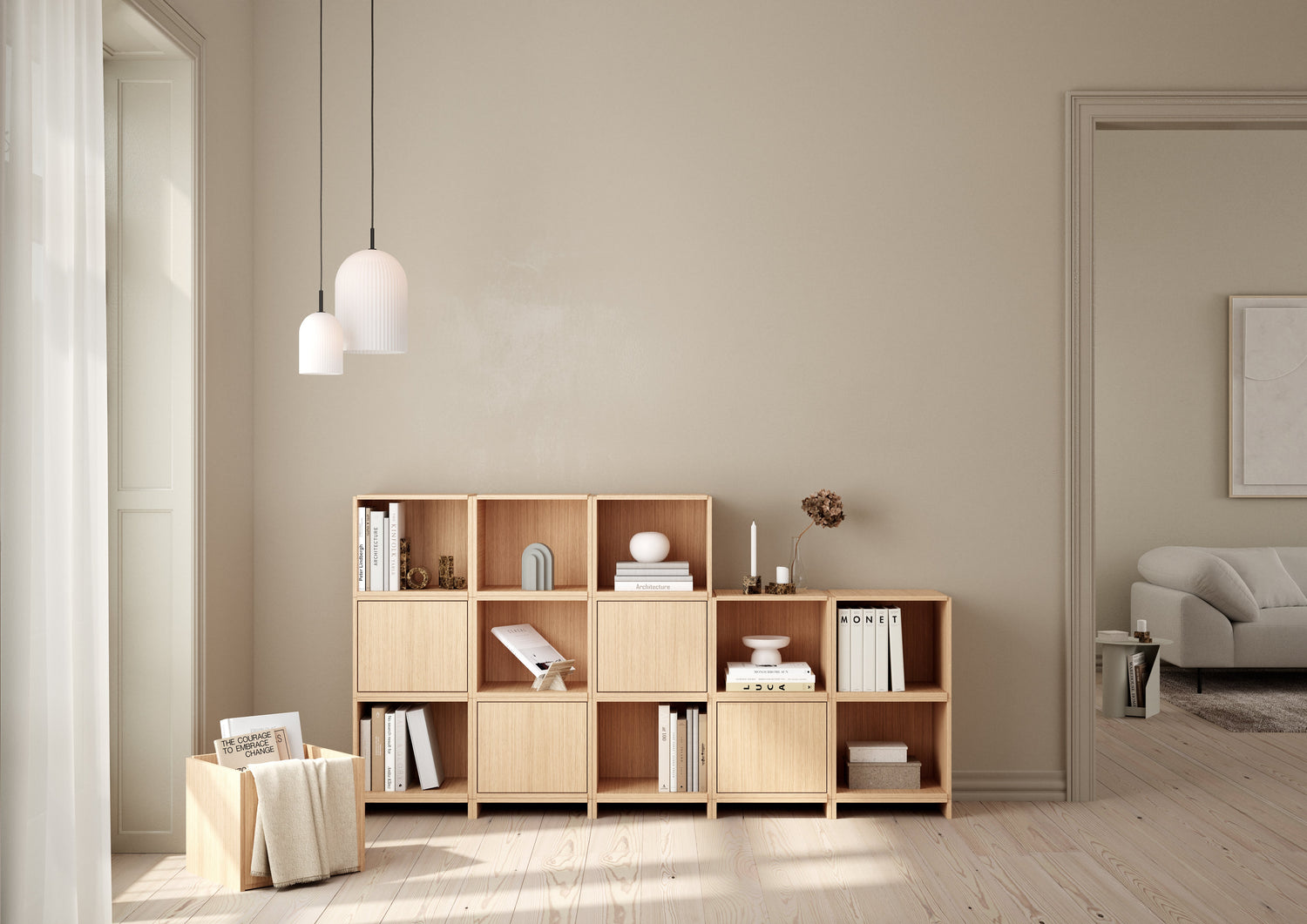
Japandi furniture is the fusion of Japanese wabi-sabi and Scandinavian hygge — two traditions that share a deep reverence for natural materials, quiet proportion, and craft built to last generations. The look pairs warm oak and Moso bamboo with restrained silhouettes, soft diffused lighting, and a palette of bone, charcoal, and muted green. At Comosum, we build it from FSC-certified and Nordic Swan-labeled brands whose factories design each piece to outlive its first owner.
What Japandi Style Really Is
"Japandi" is a recent label for a much older conversation. Japanese craft and Scandinavian Modernism began trading vocabulary in the mid-twentieth century, most visibly through Danish designers like Hans Wegner and Finn Juhl, whose chairs absorbed the joinery logic and reductive elegance of Japanese furniture-making. By the 2010s, design publications including Dezeen and Wallpaper had given the dialogue a name, and a generation of interior designers had run with it.
The shared philosophy is more interesting than the aesthetic. Wabi-sabi asks us to accept and even love imperfection — the knot in the oak, the patina on the brass handle, the way solid wood moves with the seasons. Hygge asks for warmth, intentionality, and the kind of comfort that comes from quality you can feel. Both traditions reject the disposable; both favor honest materials over surface finishes; both treat negative space as a design element rather than a void to fill.
The result, in a home, is a room that breathes. Fewer pieces, better made, in materials that age rather than degrade. A Japandi living room might hold a single oak coffee table, two woven-cord lounge chairs, a paper-shade pendant, and a hand-thrown ceramic vase — and feel complete. The aesthetic punishes filler and rewards restraint, which is exactly why it dovetails so neatly with how we think about furniture at Comosum.
How Japandi Furniture Is Built Sustainably
A Japandi room only works if the materials are real — veneered MDF stained to look like oak doesn't carry the weight, visually or environmentally. The brands that get it right share a few common practices.
Materials
The Japandi material palette is short: solid oak, beech, smoked oak, walnut, Moso bamboo, oiled or water-based finishes, woven paper cord, ceramic, linen, and washi-style paper for lighting. Most of the brands we carry source FSC-certified European oak or, in Greenington's case, fast-regrowing Moso bamboo (a grass that regenerates in three to five years versus 20–60 for hardwoods). FDB Møbler chairs carry the Nordic Swan Ecolabel, which limits formaldehyde, heavy metals, and VOC emissions across the entire production chain.
Manufacturing
Danish brand WOUD keeps production in northern Europe and the brand has detailed traceability for its oak, ash, and walnut series. Ethnicraft builds its solid-wood pieces in Belgium and Indonesia under chain-of-custody FSC programs, with water-based finishes that reduce indoor air pollution after delivery. Mater's Matek® composite — used in their newer collections — embeds reclaimed coffee-bean shells and wood fibers into a recyclable, food-safe material, a wabi-sabi gesture in chemistry.
Certifications & Recognition
The certifications that matter for Japandi furniture are FSC (Forest Stewardship Council) for wood traceability, the Nordic Swan Ecolabel for Scandinavian production, OEKO-TEX for any upholstery or linen, and GREENGUARD Gold for finishes and adhesives. When in doubt, the brand's sustainability page should name names — generic claims like "eco-friendly wood" without a certification body, a factory location, or a finish chemistry are a red flag. The Japandi brands we carry publish all three.
Why We Recommend Japandi for Modern Homes
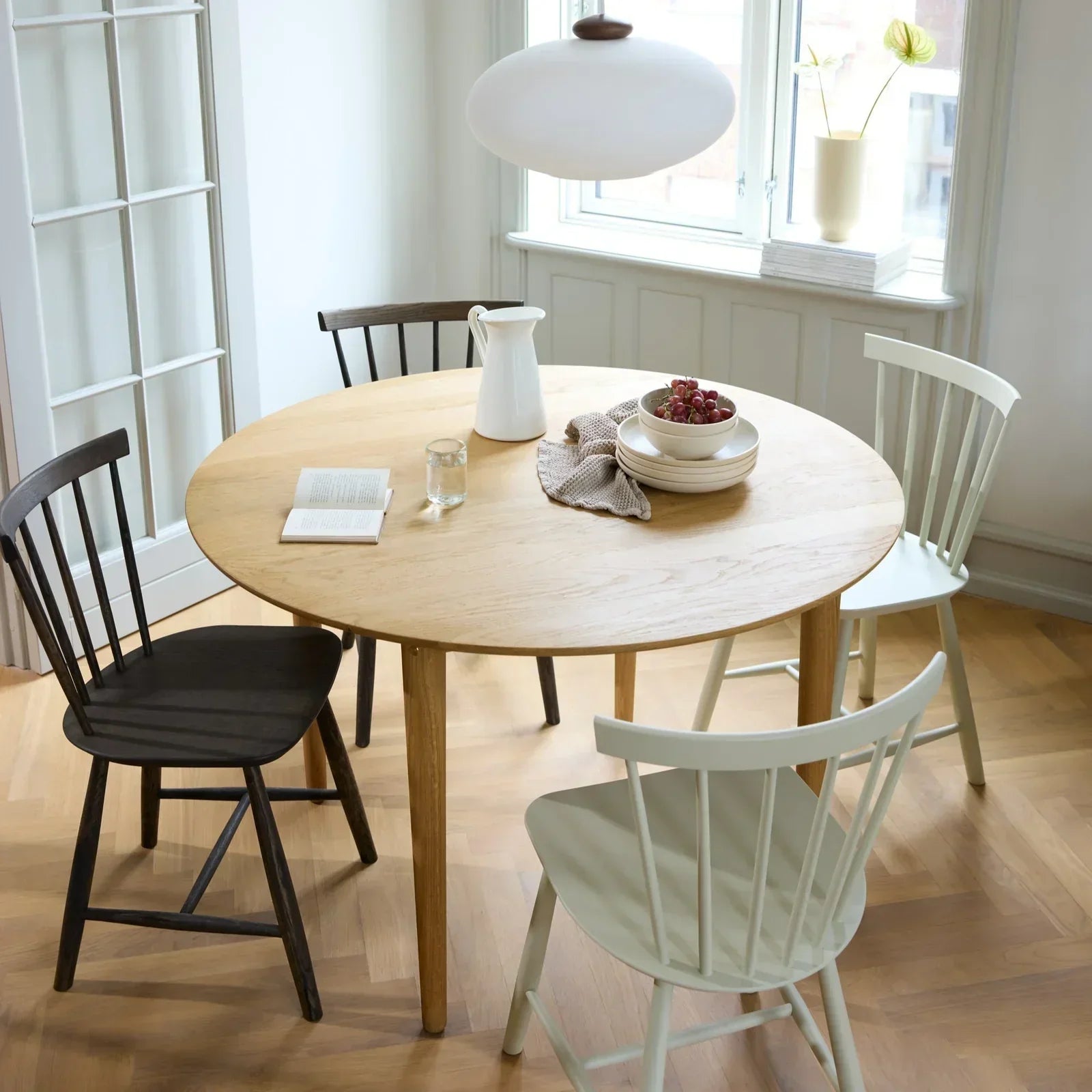
We've watched Japandi outlast a half-dozen other trend cycles, and we think we understand why: it's the rare aesthetic that gets better as you remove things rather than add them. A room with one beautiful oak dining table, a set of woven-cord chairs, and a single ceramic pendant lamp will photograph as well in 2030 as it does in 2026.
That fits our curation thesis. At Comosum, the brands we carry under the sustainable furniture brands banner aren't there for trend coverage — they're there because they ship products you can hand down. Japandi happens to be the look that most clearly expresses that promise. Pair a Greenington bamboo bed with FDB Møbler lounge chairs, anchor with an Ethnicraft solid-oak table, and add WOUD lighting overhead — the result is a room that reads as deliberate, not decorated. For a deeper look at building a non-toxic sleep space in the same idiom, see our sustainable bedroom guide.
What to Shop at Comosum
Five Japandi-aligned pieces we'd build a room around.
- FDB Møbler J46 Chair — Poul Volther's 1956 spoke-back dining chair, made in beech or oak under the Nordic Swan Ecolabel. A 70-year-old design still in production for a reason.
- WOUD Arc Coffee Table — A curved, sculptural table in white-pigmented or walnut oak. The kind of single-piece statement Japandi rooms are built around.
- WOUD Stedge Shelving — Wall-mounted oak shelving in smoked or natural finish, drawing on a tradition of restrained Scandinavian wall storage.
- Greenington Currant Platform Bed — Solid Moso bamboo with mid-century proportions; available in Amber or Caramelized for the warm-wood Japandi palette.
- WOUD Stone Pendant — A soft, beach-stone-shaped pendant that diffuses light the way a paper lantern does, in muted tones.
Browse the full seating collection at Comosum, or see our roundup of the best sustainable lounge & accent chairs for more Japandi-friendly silhouettes.
Frequently Asked Questions About Japandi Furniture
What is Japandi furniture? Japandi furniture is a style that fuses Japanese wabi-sabi principles — restraint, natural imperfection, craft — with Scandinavian Modernism's emphasis on warmth, function, and honest materials. The result is furniture built from solid wood, bamboo, woven cord, and ceramic, in low, clean silhouettes and a quiet palette of warm wood tones, off-whites, and deep blacks.
Where does Japandi style come from? Japandi grew out of a real exchange between Japanese craft traditions and mid-twentieth-century Danish Modernism, with designers like Hans Wegner and Finn Juhl drawing on Japanese joinery and proportion. The portmanteau "Japandi" itself entered the design press in the late 2010s, but the philosophical fusion has roots going back decades.
What materials define Japandi furniture? Japandi relies on solid wood (oak, beech, smoked oak, walnut), Moso bamboo, woven paper cord, ceramic, linen, and paper or opal-glass lighting. Finishes are typically oil, soap, or water-based lacquer — never high-gloss. FSC-certified sourcing matters because the look requires real materials that age well; veneers over MDF won't develop the patina Japandi rooms depend on.
Is Japandi furniture sustainable? The aesthetic is inherently sustainability-aligned — fewer pieces, longer lifespans, honest materials — but the execution depends on the brand. Look for FSC certification on wood, the Nordic Swan Ecolabel on Scandinavian-made pieces, OEKO-TEX on textiles, and brands with published sustainability pages naming specific factories, finishes, and certifications.
How do I get the Japandi look at home? Start with one or two anchor pieces in solid wood — an oak dining table, a bamboo platform bed, or a spoke-back chair. Keep the palette to two or three warm-neutral tones, leave generous negative space, and bring in soft, indirect lighting. The most common mistake is over-furnishing; Japandi works because of what isn't there.
What's the difference between Japandi and Scandinavian design? Scandinavian (or Nordic) design centers on hygge: warmth, comfort, and light-filled functionality, typically in pale woods and soft textiles. Japandi keeps that foundation but layers in Japanese wabi-sabi — darker accents, more textural contrast, an embrace of asymmetry and imperfection, and a quieter, slightly more austere overall feeling. Think of Japandi as Scandinavian design with more shadow and a deeper material vocabulary.


Leave a comment
This site is protected by hCaptcha and the hCaptcha Privacy Policy and Terms of Service apply.