
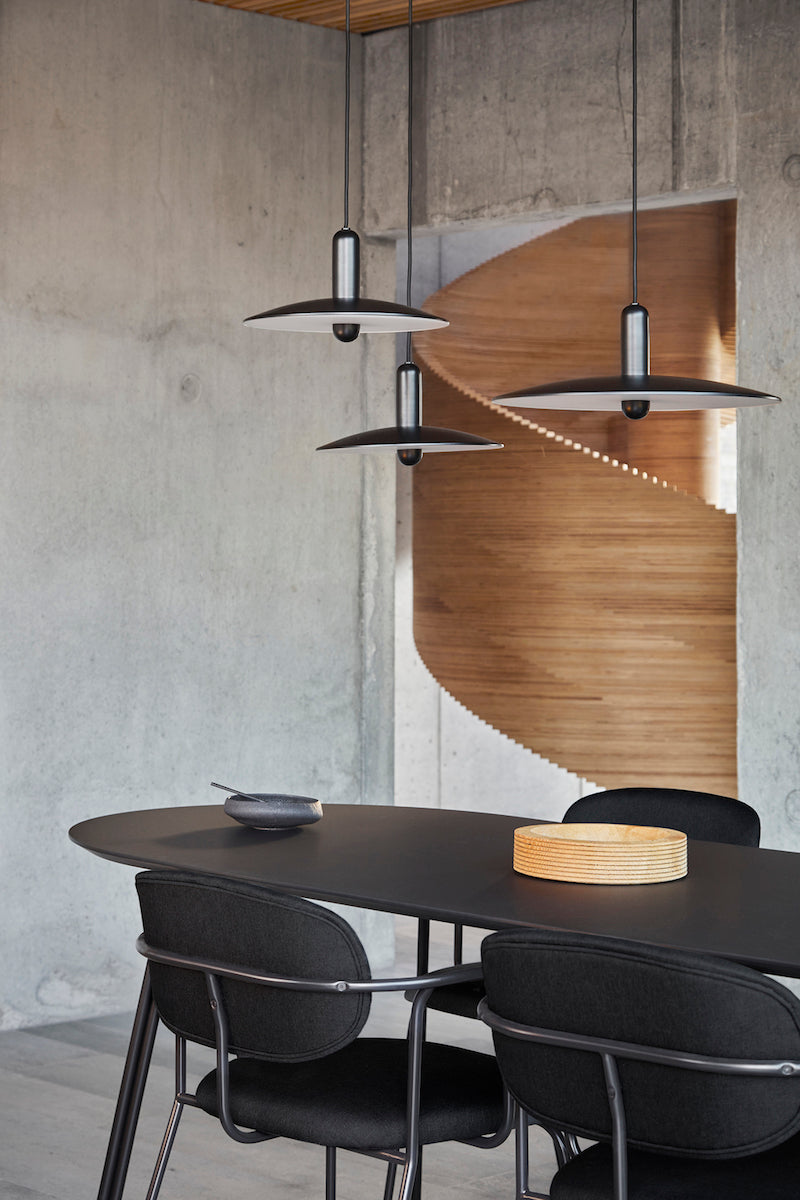
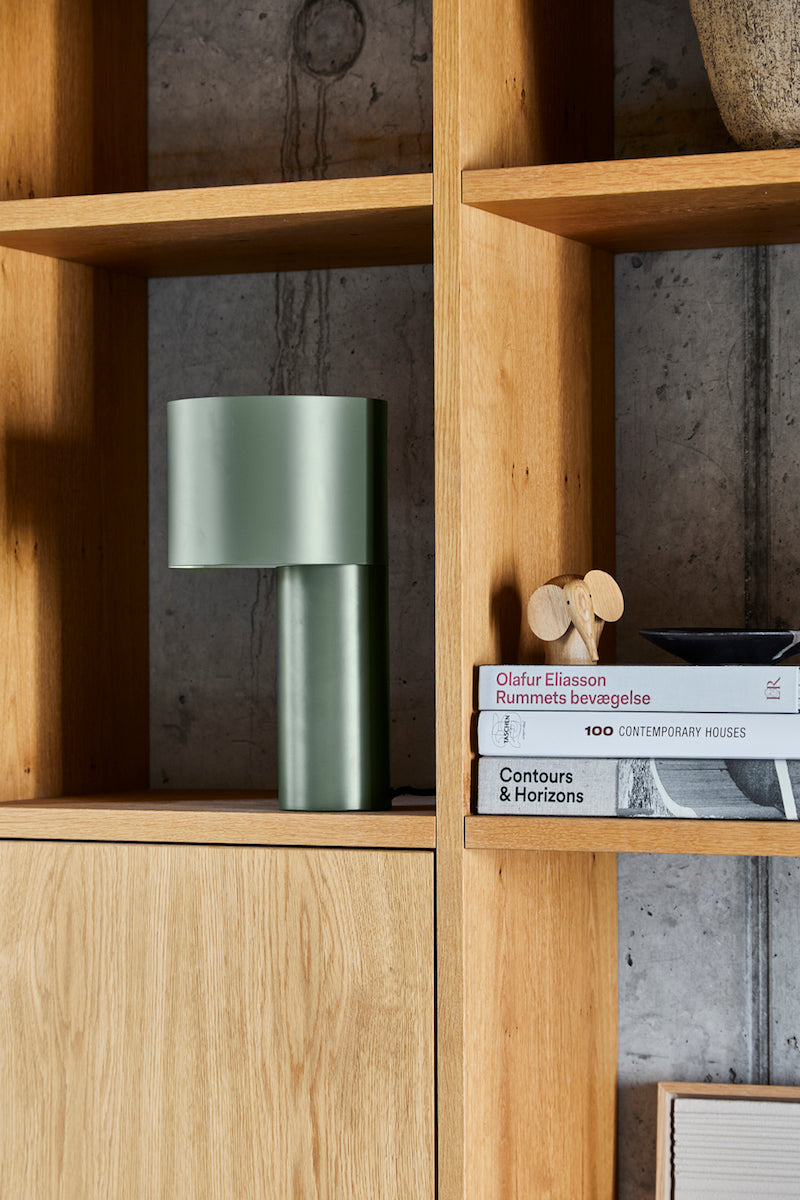
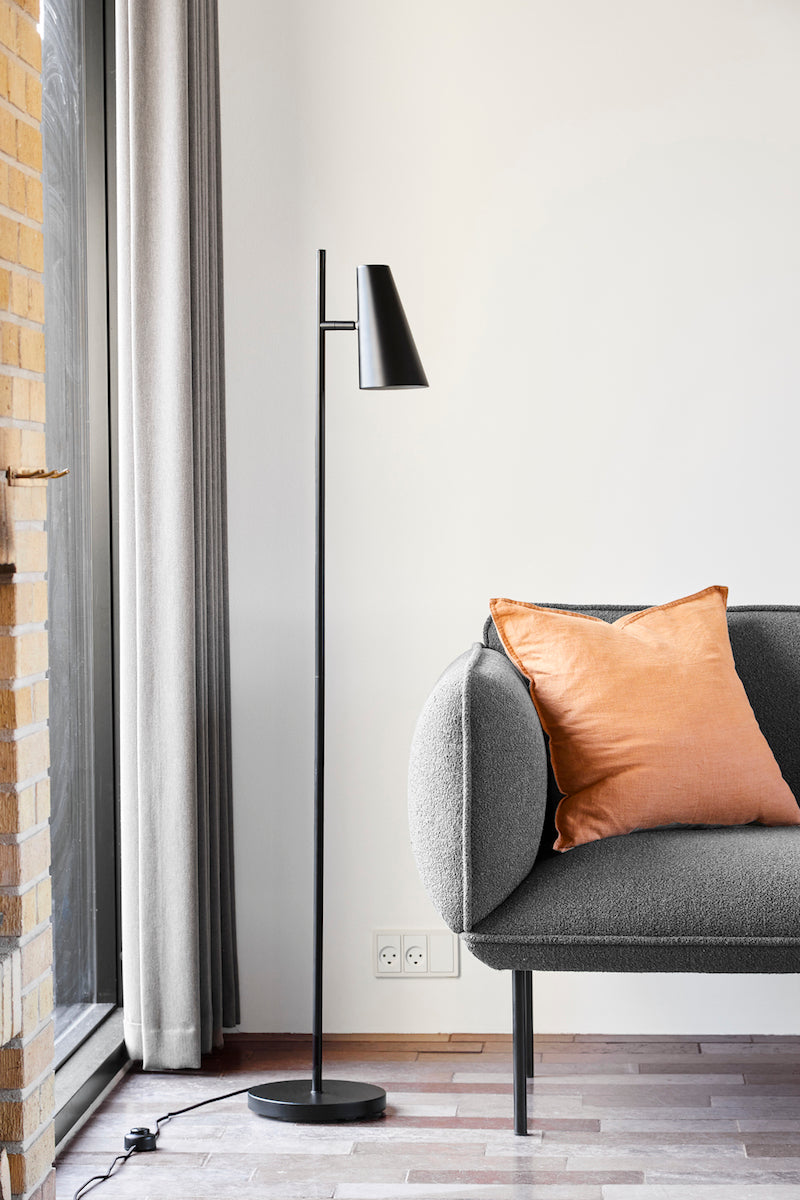
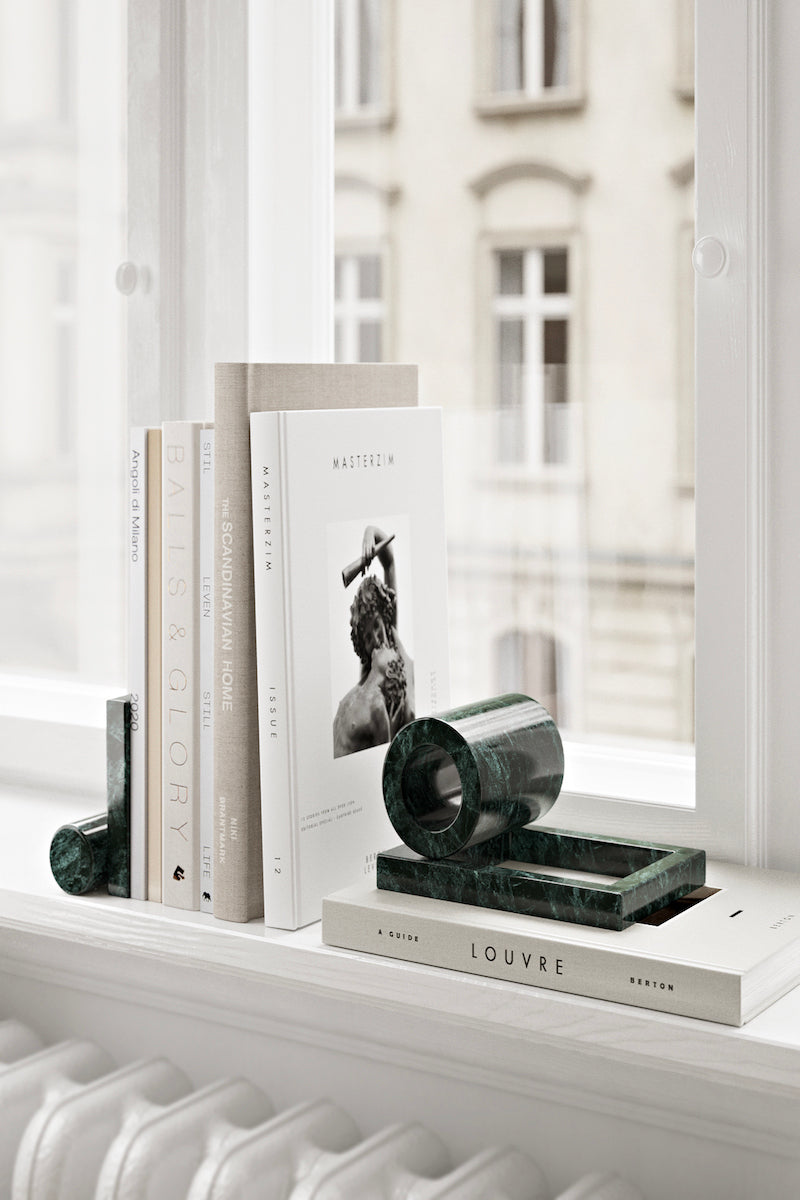
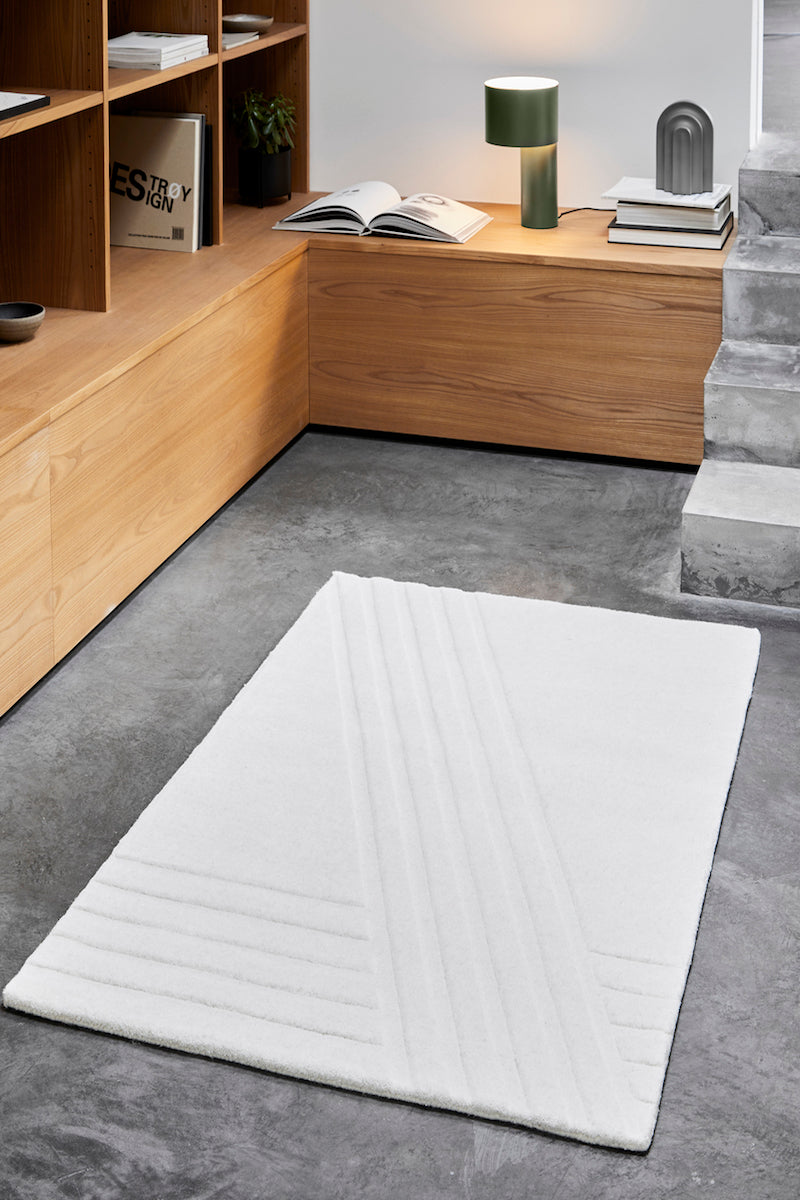
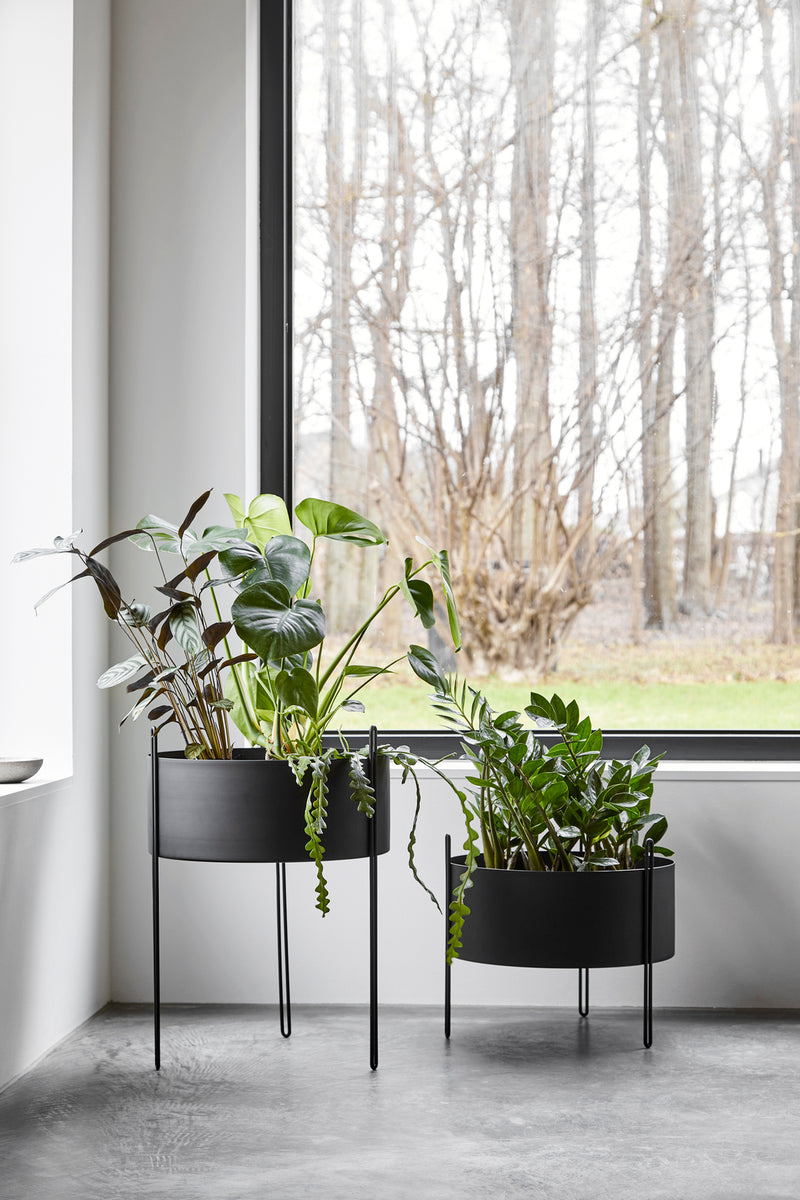
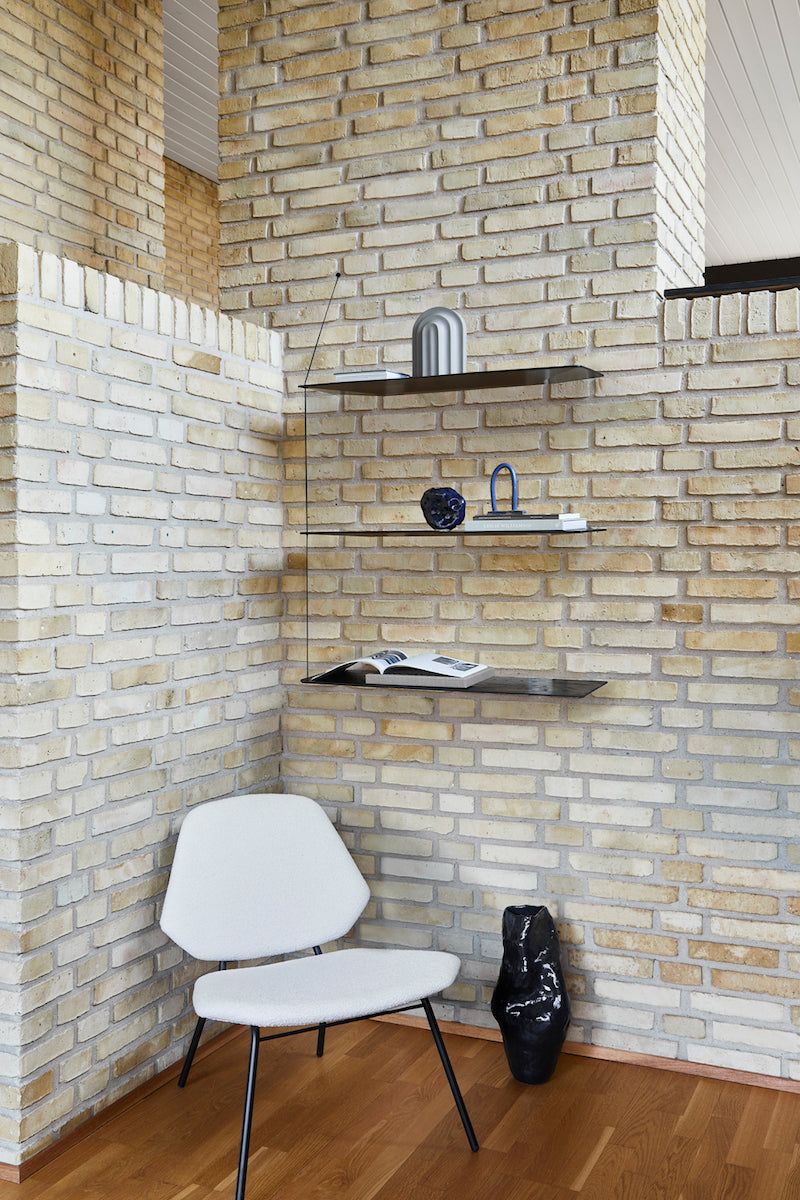
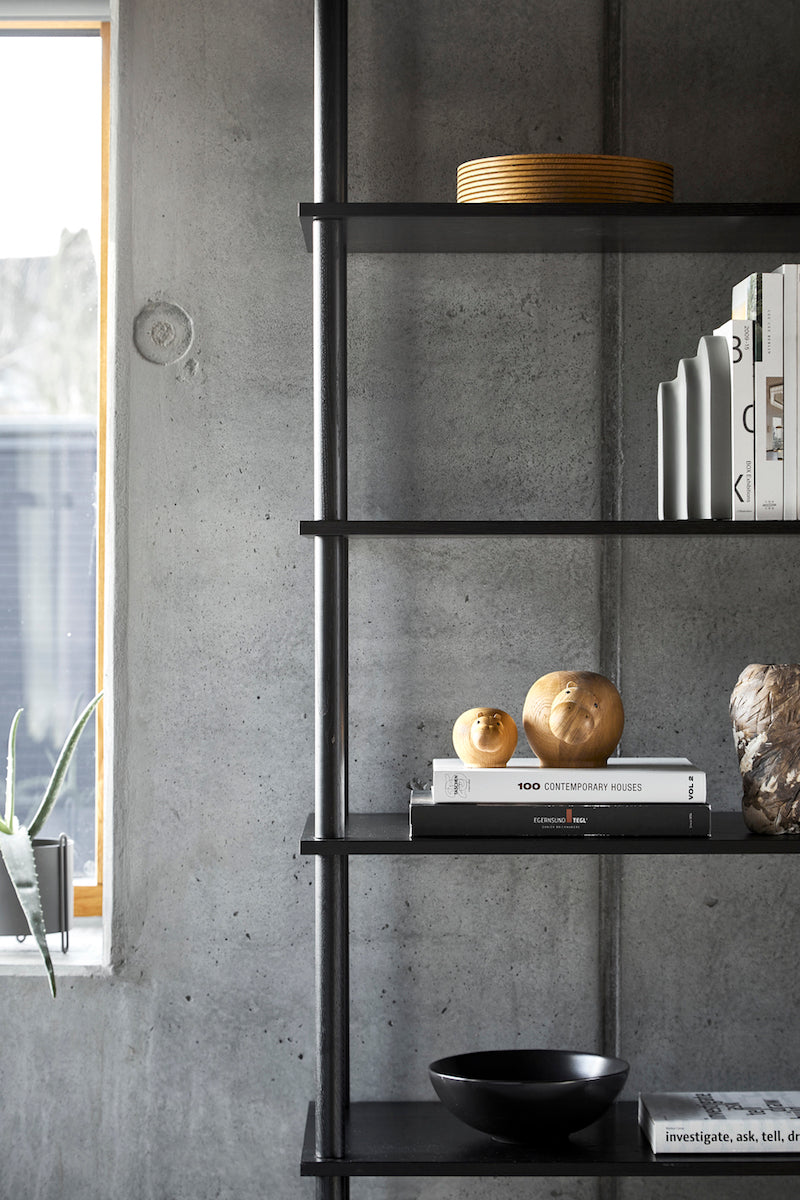
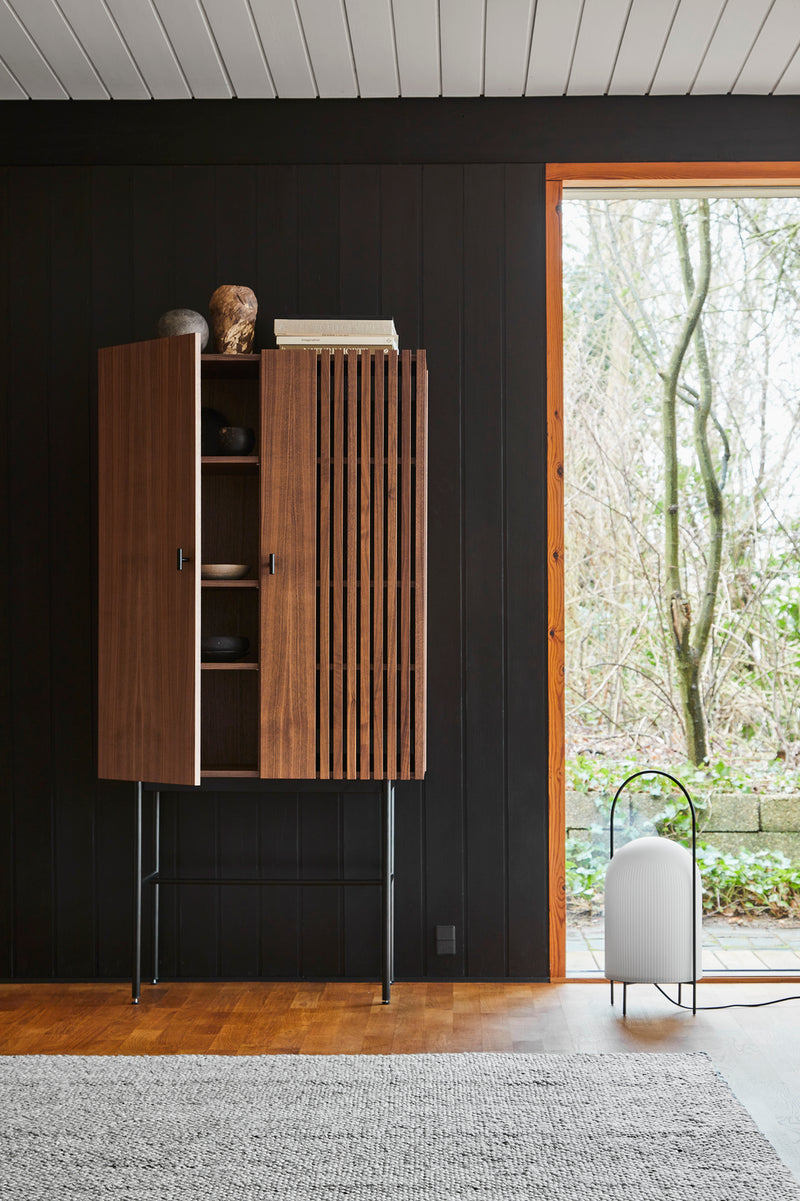
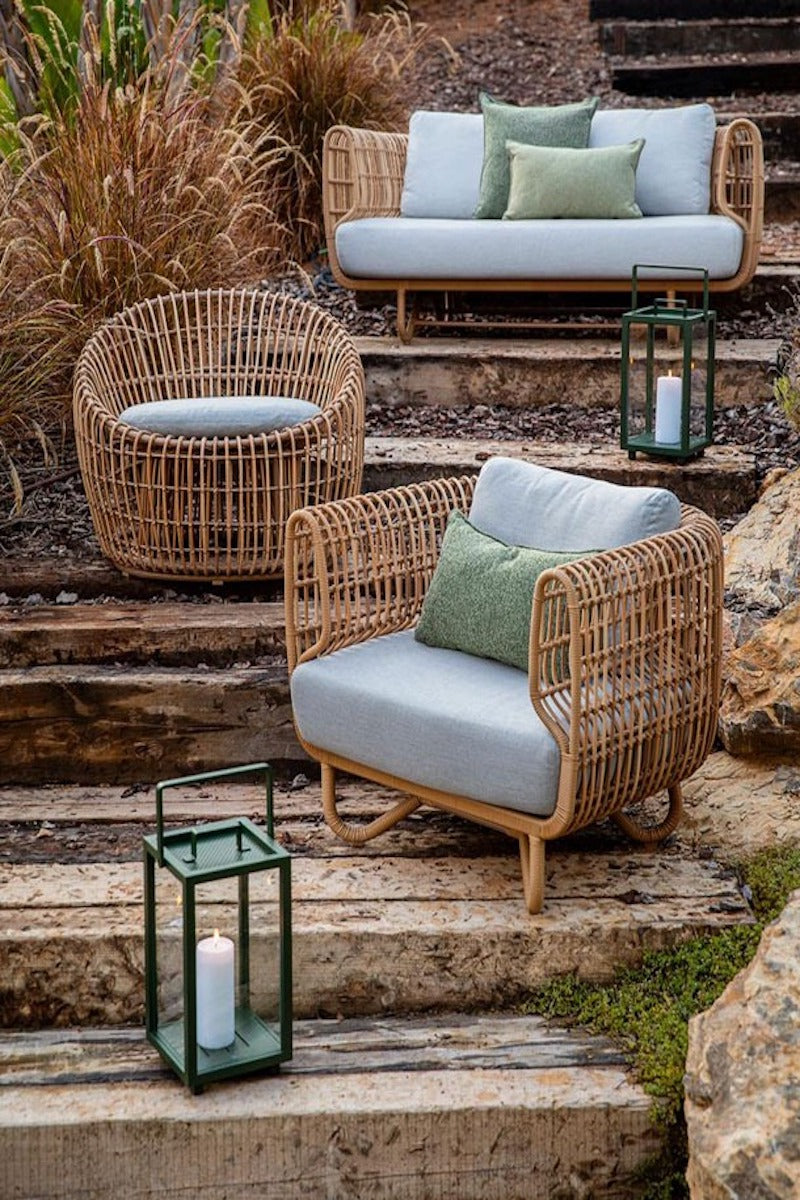
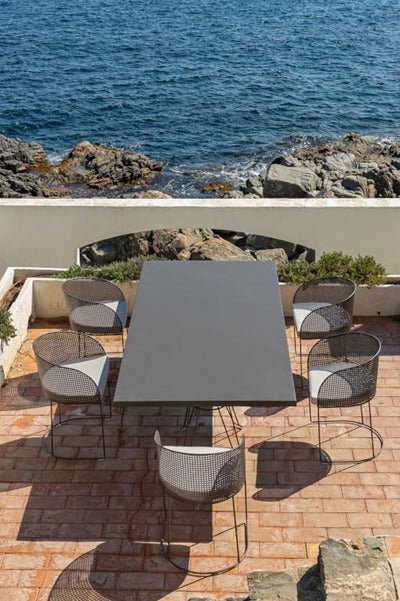
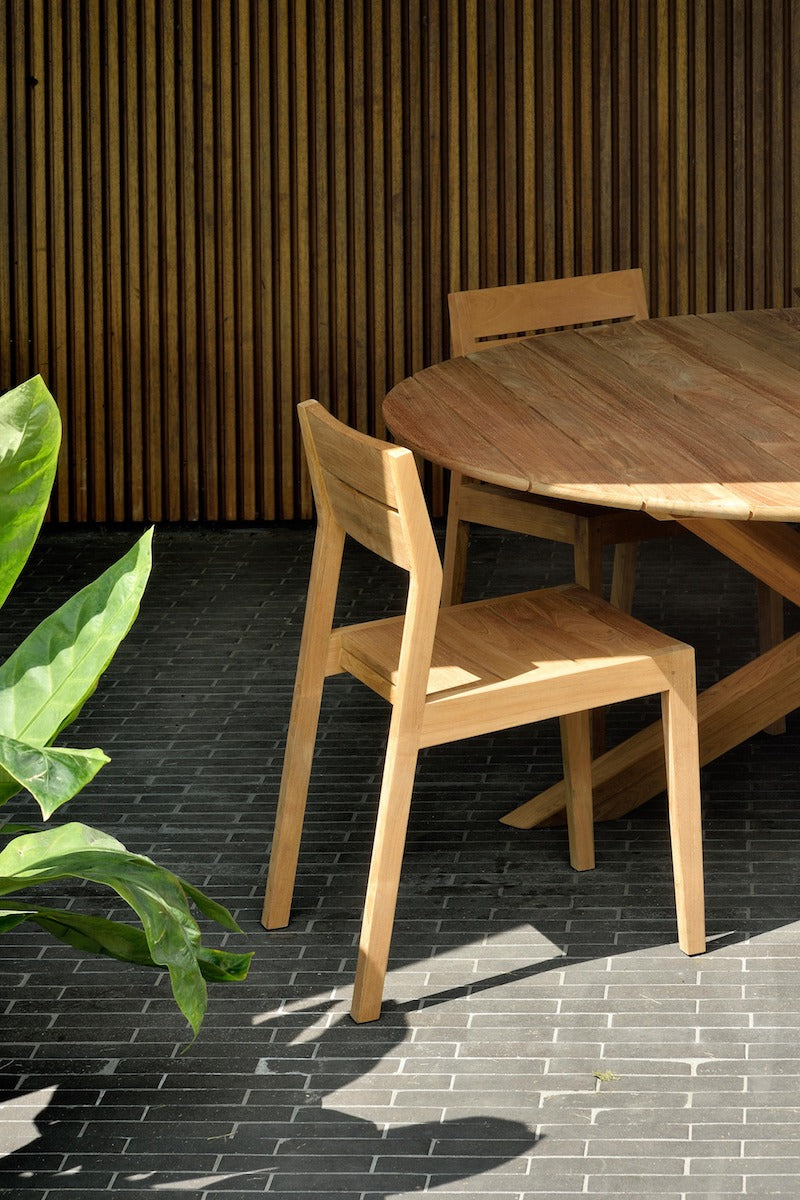
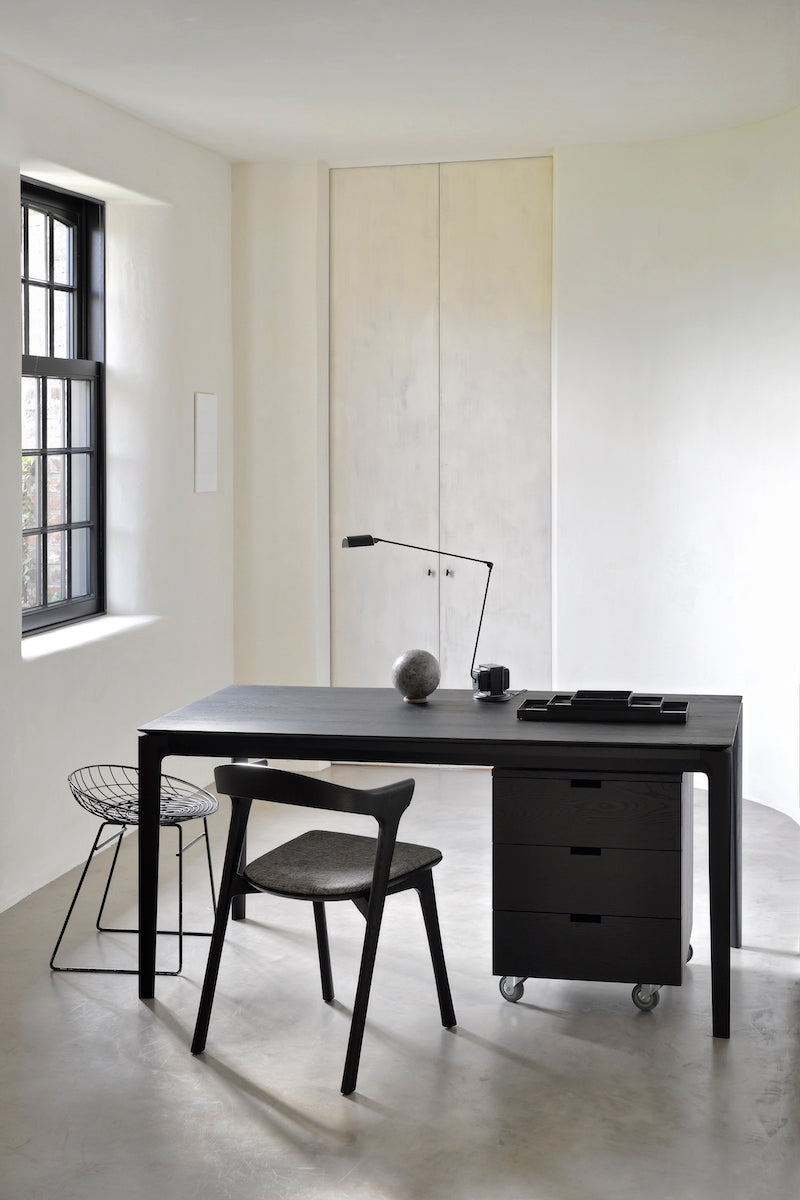
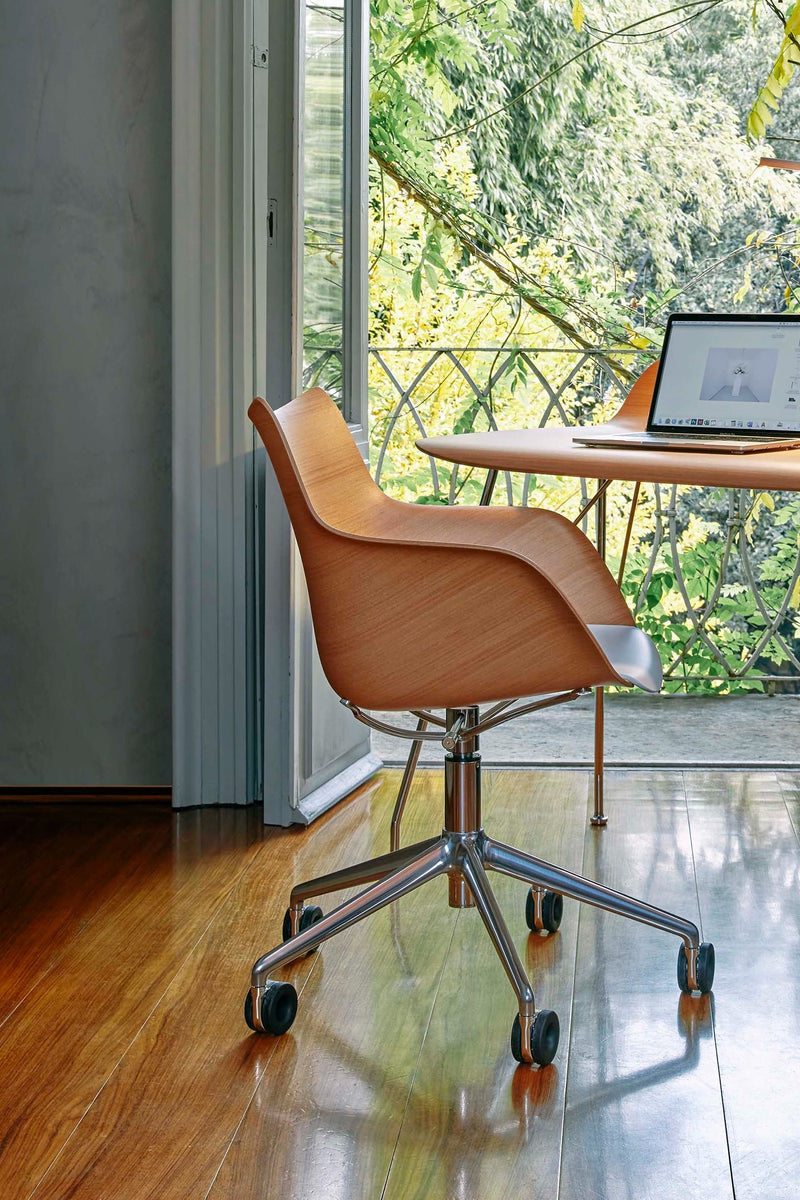
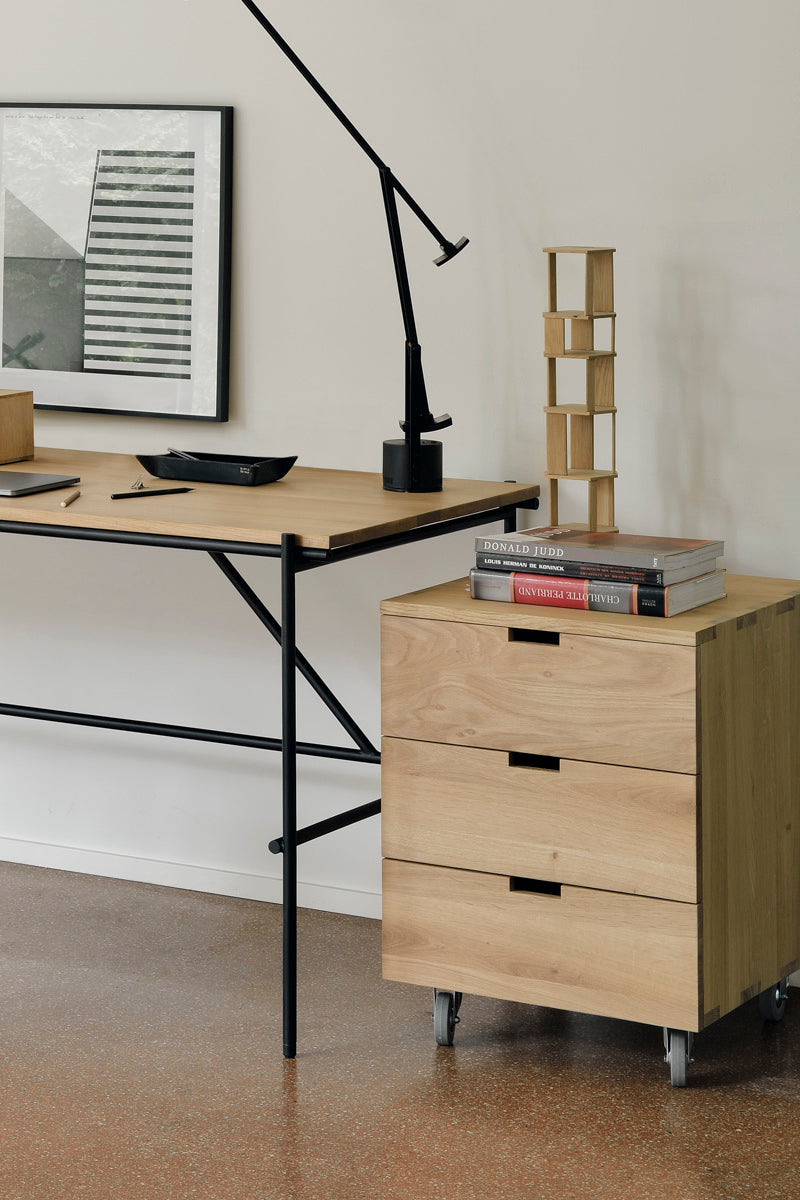
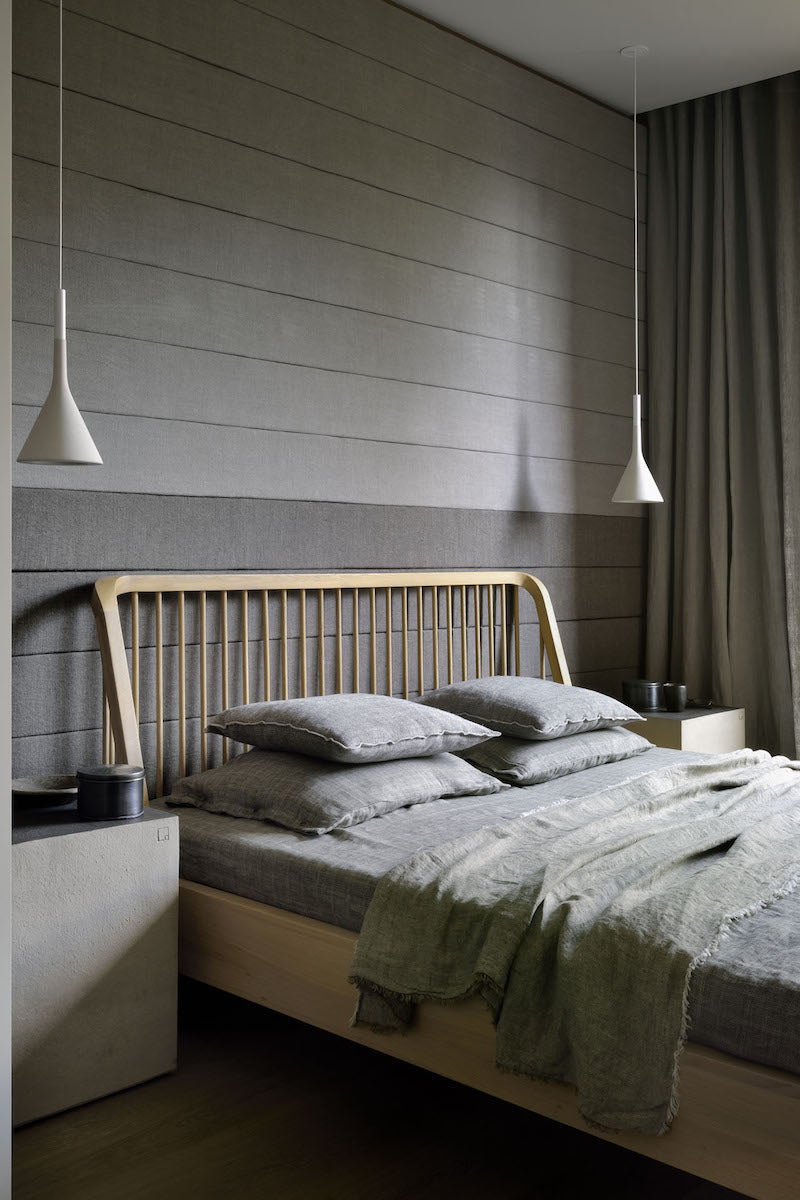
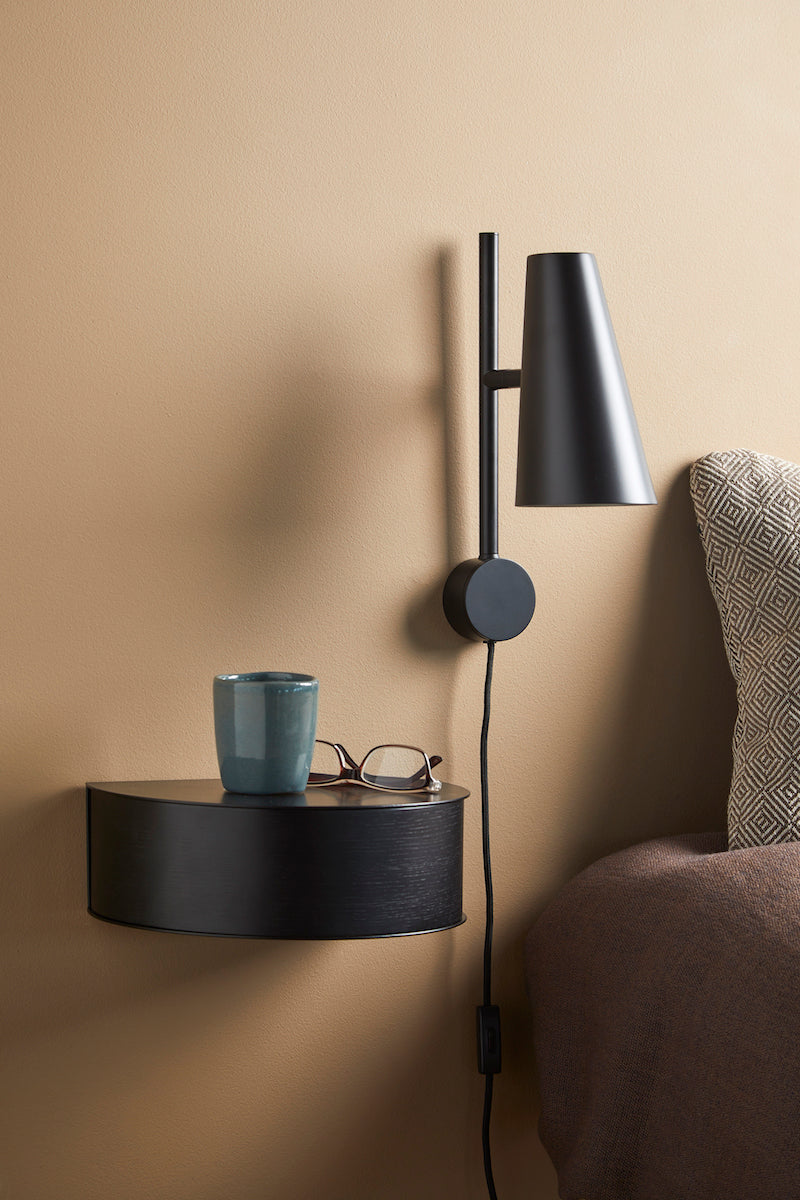
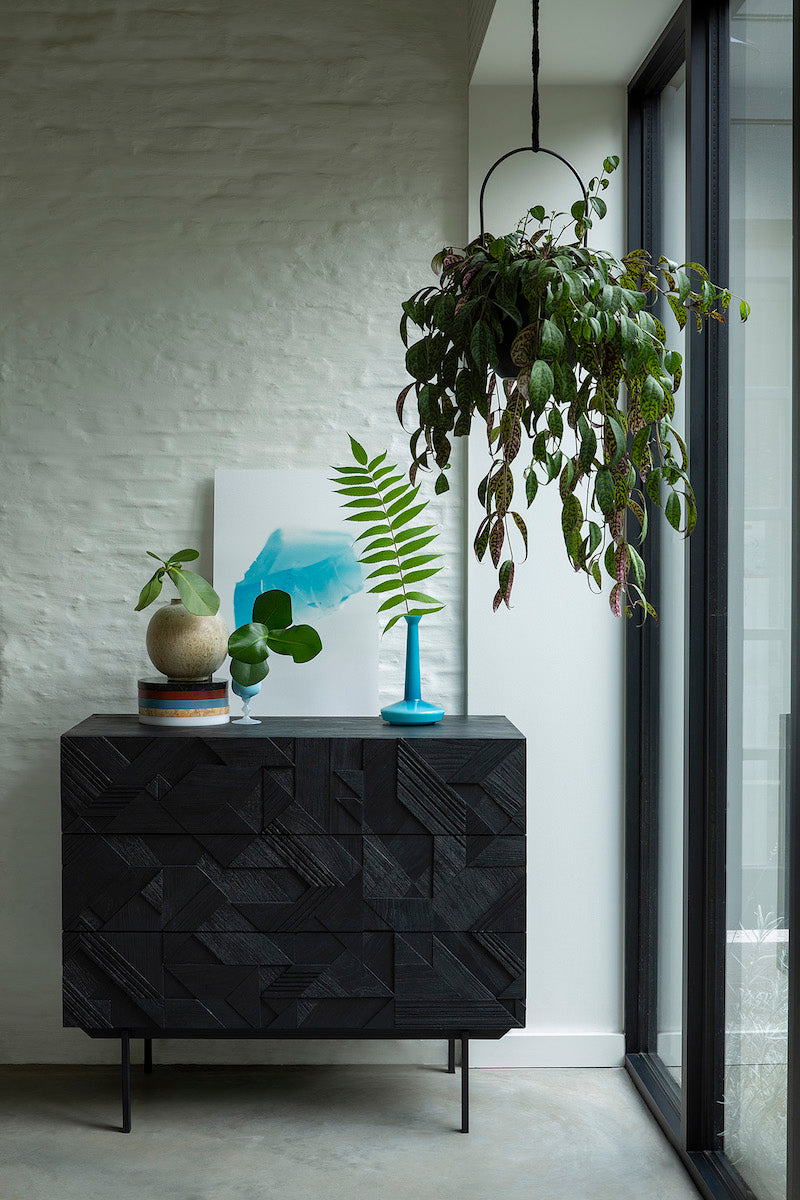
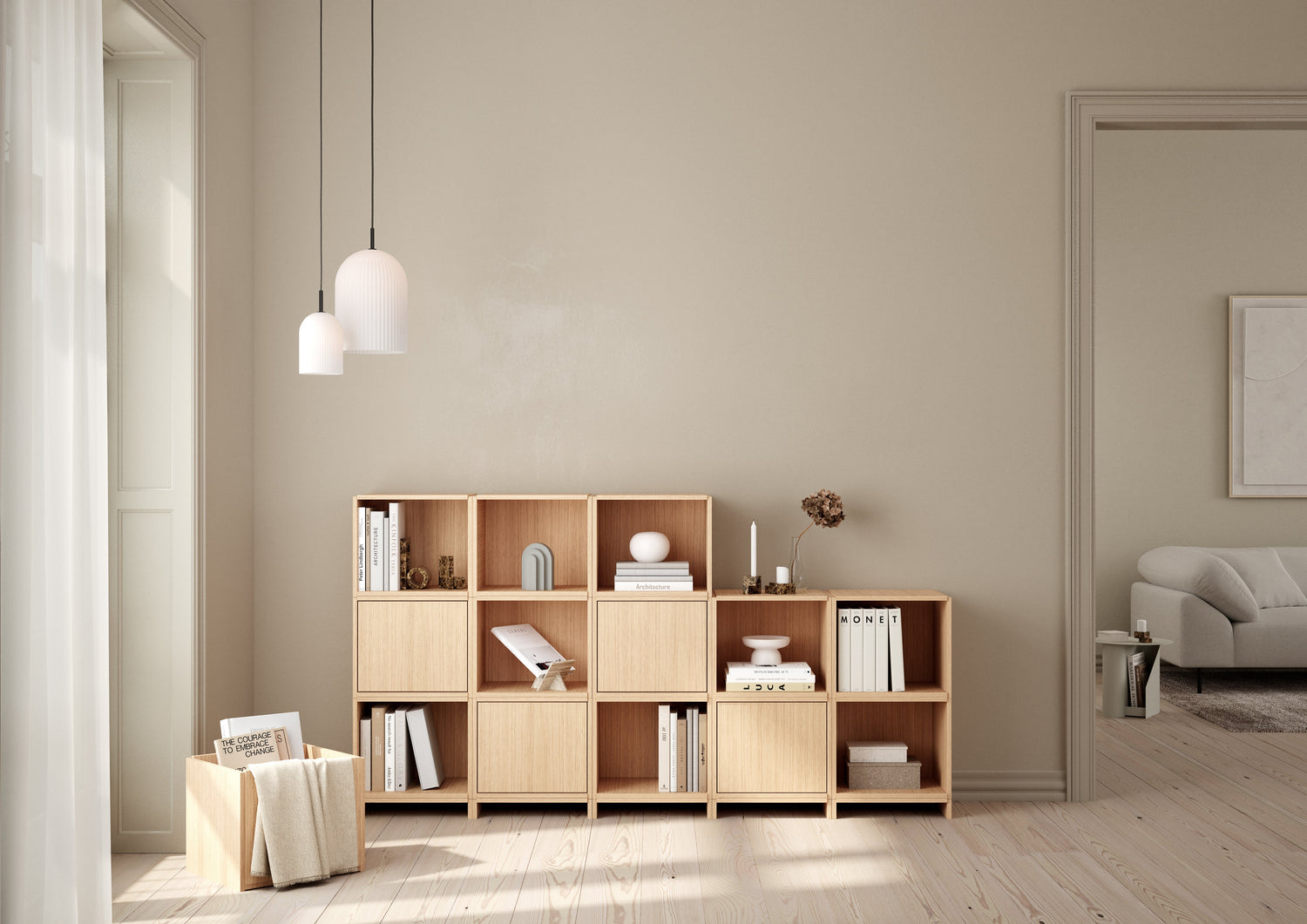
WOUD is a Copenhagen-based furniture and lighting house, founded in 2014 by brothers Mads and Hugo Krøjgaard, that pairs disciplined Scandinavian craft with a roster of named designers from across Europe — including Mia Lagerman, GamFratesi, Daniel Schofield, and Hee Welling. The brand emphasizes FSC-certified wood, audited European and Asian factories, and a product range engineered to outlast trend cycles. At Comosum, WOUD is one of our most-stocked Danish brands — a quiet, considered anchor of our sustainable furniture brands lineup.
The Story Behind WOUD
WOUD launched in 2014 in Copenhagen with a simple proposition: take the discipline of Danish design — clean lines, honest materials, restraint — and apply it across a full home range rather than a single category. The founders, brothers Mads and Hugo Krøjgaard, came to furniture from retail and distribution backgrounds, which shaped the brand's character. WOUD isn't a single-designer studio; it's a curated platform that commissions independent designers from across Northern Europe and lets the work speak for itself.
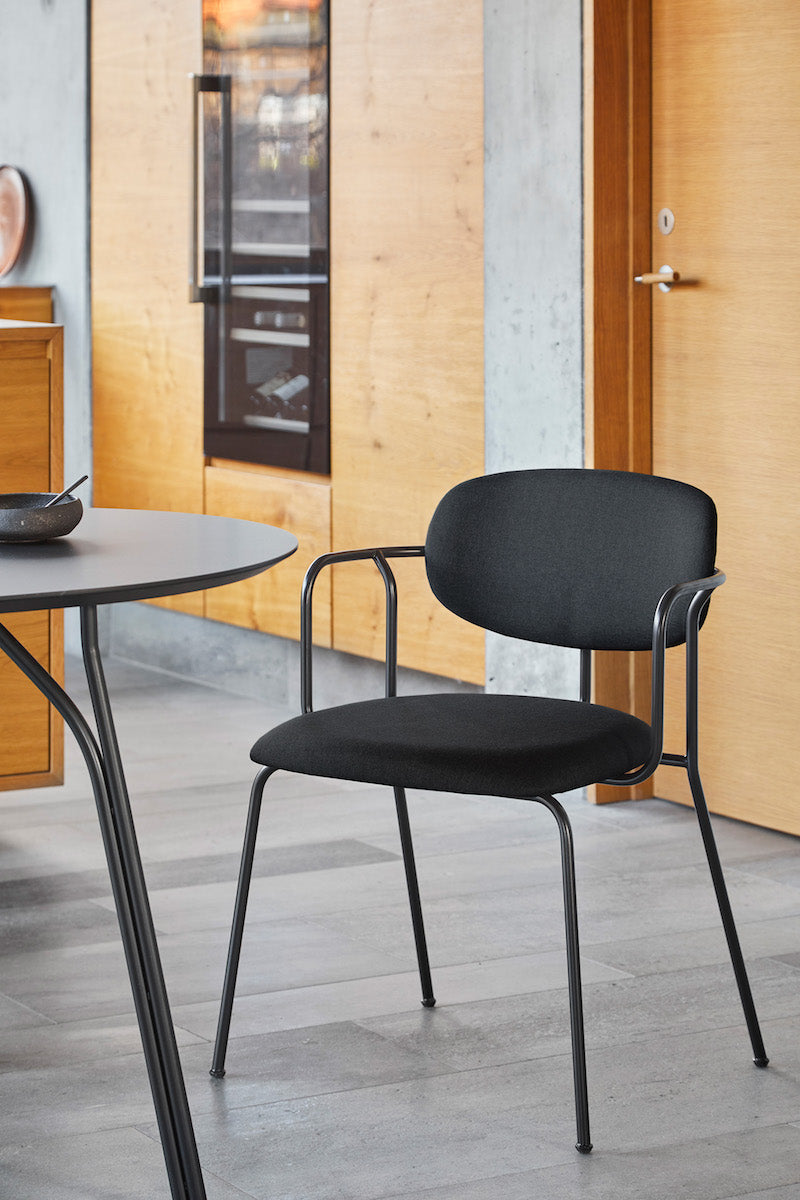
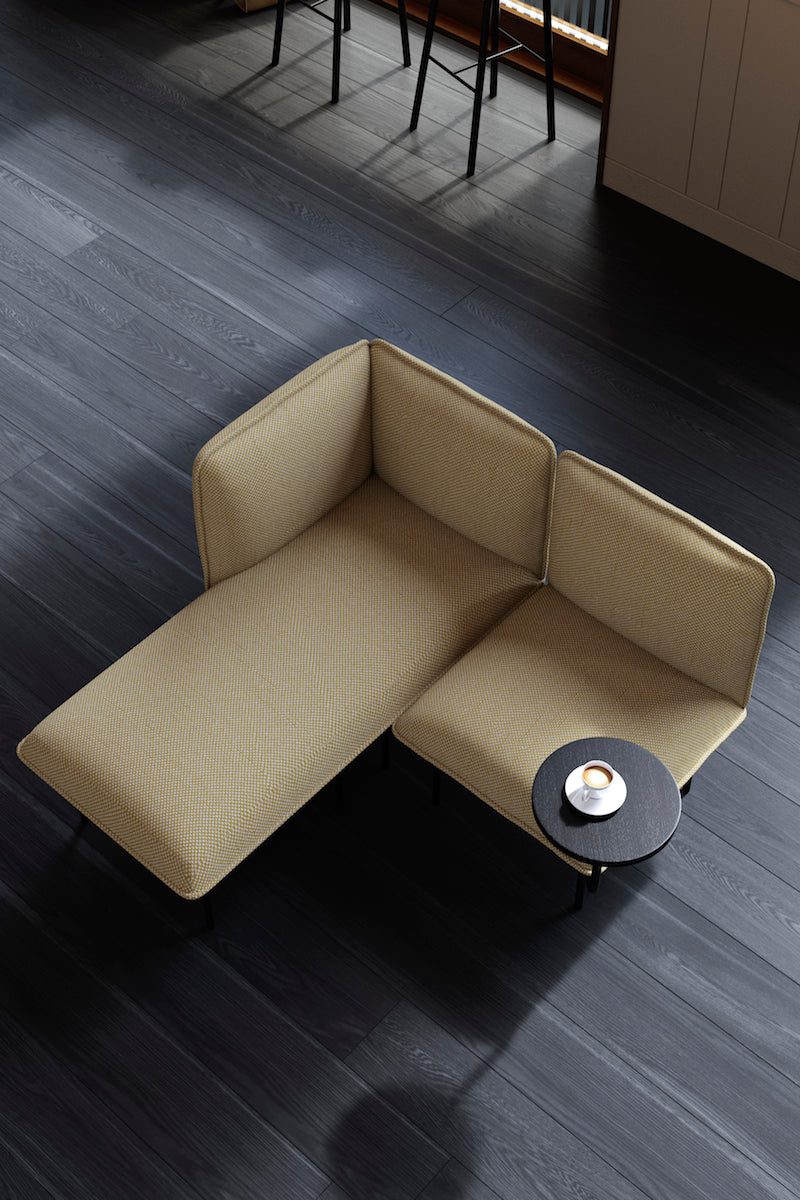
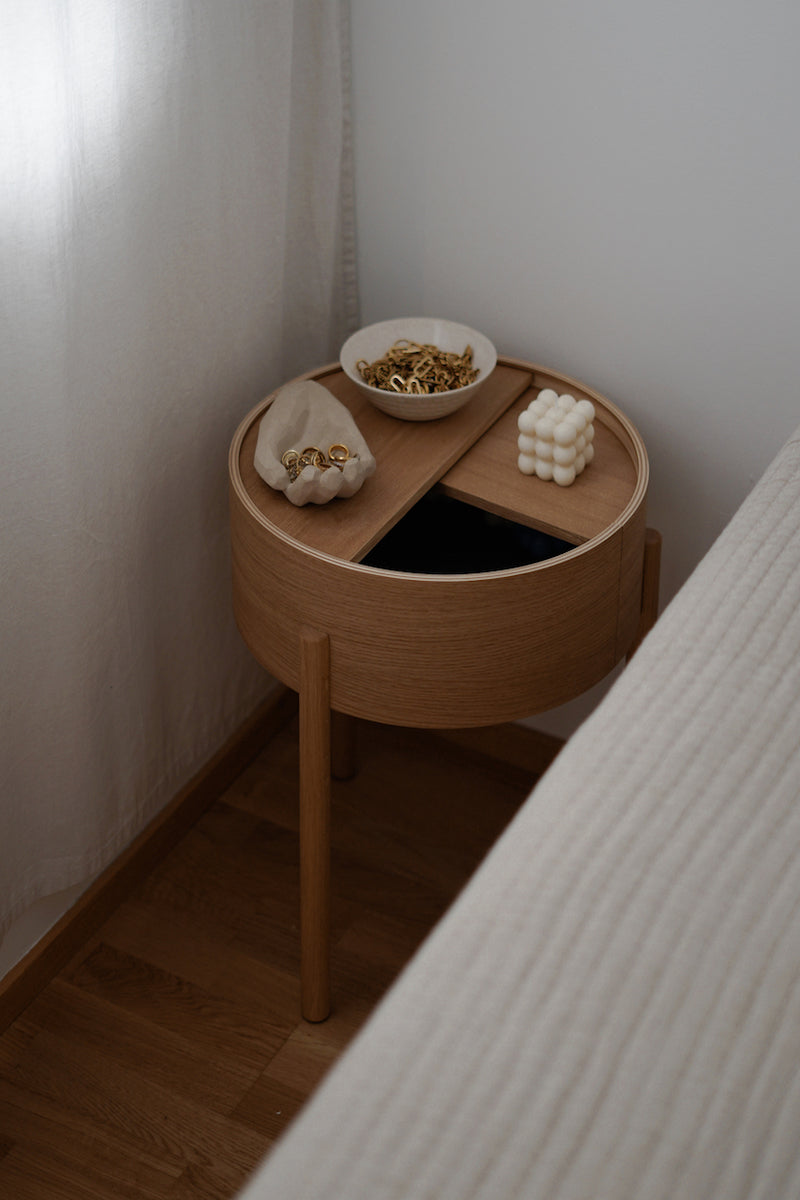
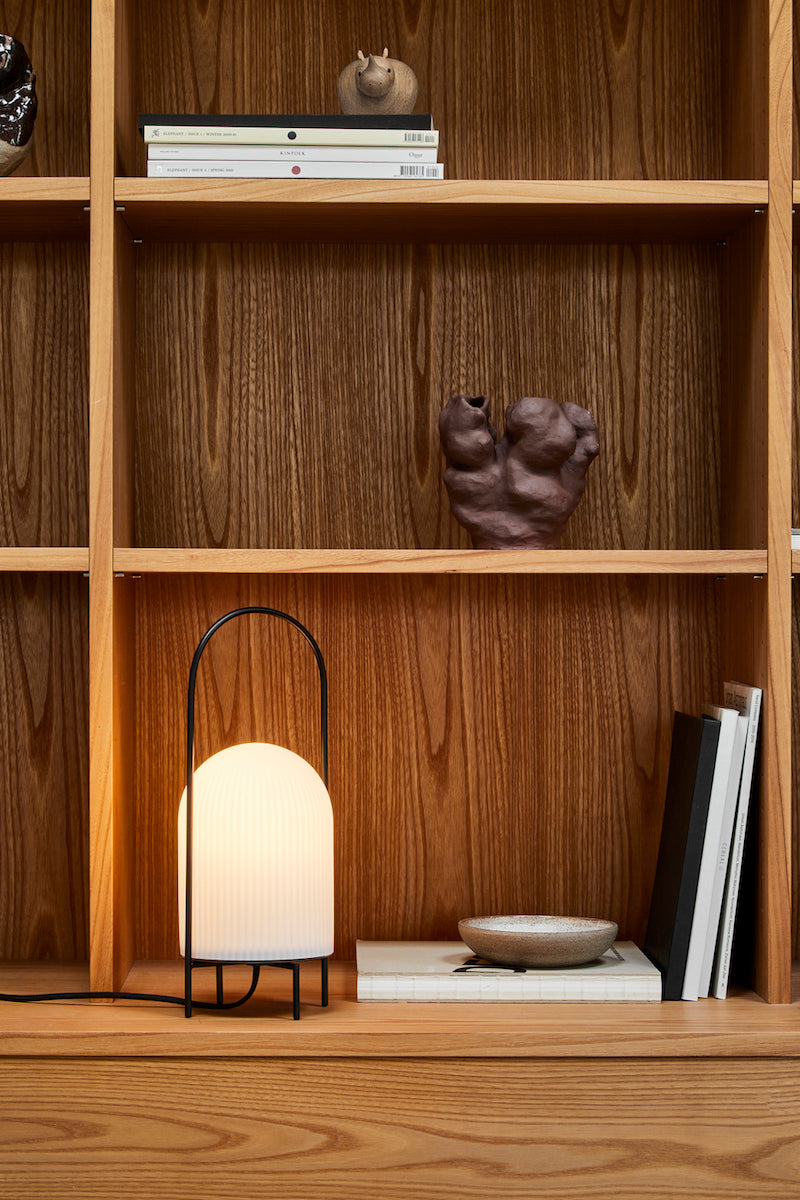
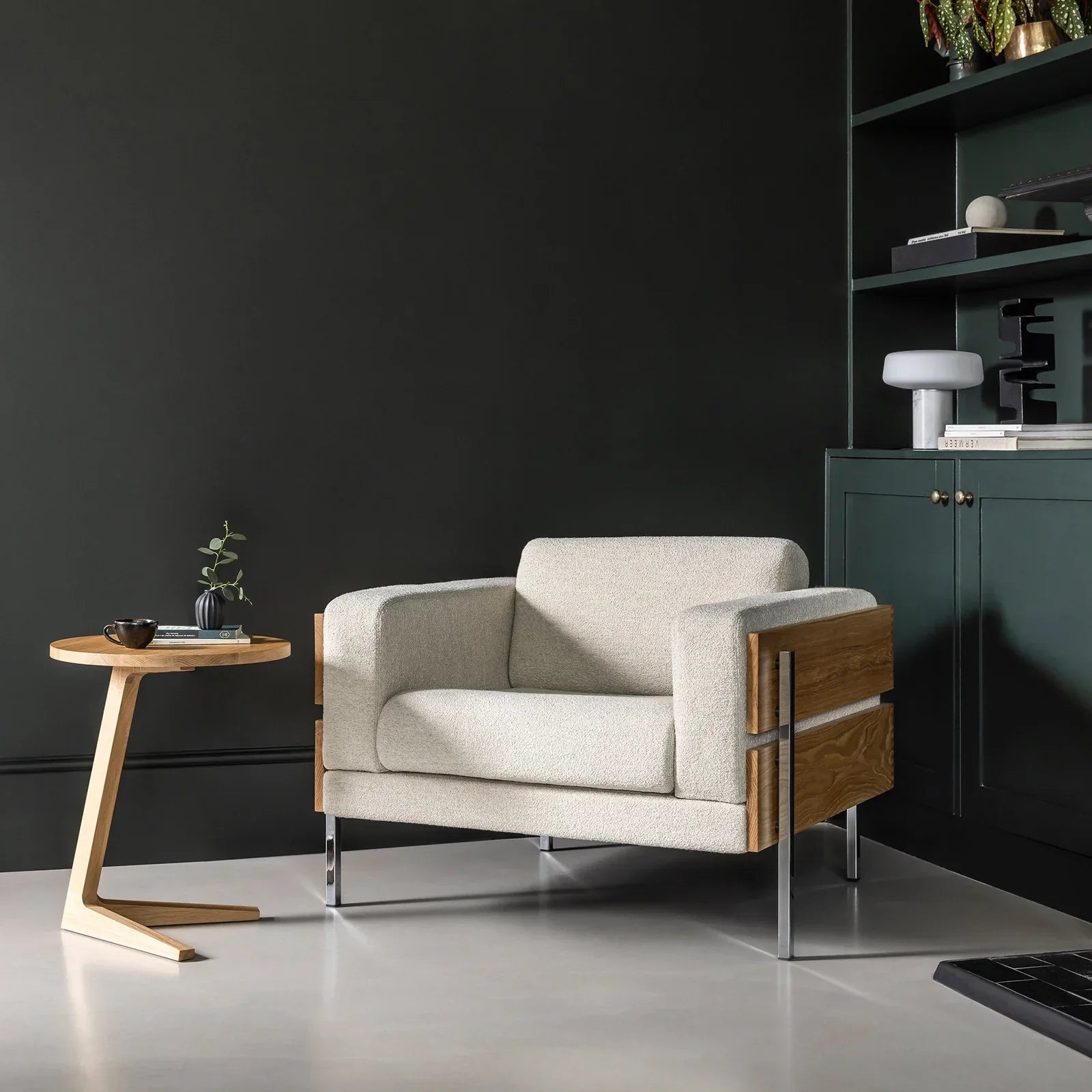
That choice has produced an unusually coherent catalog. The Frame Chair by Mia Lagerman became one of WOUD's signature pieces — a pared-back lounge silhouette in solid oak with a woven seat. The Collar sofa range introduced soft, ribbed cushioning that reads as both Scandinavian and contemporary. The Arc side table distilled Danish bentwood tradition into a single sculptural curve. Lighting collections — Cono, Ghost, Annular — extend the same vocabulary into pendants, floor lamps, and wall sconces.
WOUD is reviewed across the Scandinavian design press and stocked by independent design retailers across Europe, the UK, and North America. Editorial coverage in design titles such as Wallpaper tends to frame the brand the way its founders intended: not loud, not chasing a single hit product, but steadily building a catalog that holds its value. A decade in, the original Frame Chair and Collar sofa are still in production — a useful proxy for how WOUD treats its designs as long-term commitments rather than seasonal launches.
How WOUD Is Built Sustainably
WOUD's sustainability story is built around three commitments: certified materials, vetted manufacturing partners, and product longevity. The brand is candid that it doesn't manufacture in-house — and treats that as a reason for stricter oversight, not less.
Materials
The catalog leans on FSC (Forest Stewardship Council)-certified wood, particularly European oak and walnut, finished with water-based lacquers and oils rather than solvent-heavy coatings. Upholstery options include wool blends and natural rope across the seating range. WOUD publishes material sourcing notes on each product page, naming the wood species and finish type rather than hiding behind generic "sustainable materials" copy. The FSC standard, which you can read about at FSC US, audits chain-of-custody from forest to finished product on an annual basis.
Manufacturing
WOUD's production is split between European workshops and Asian factories audited against international labor and environmental standards. Flat-pack engineering is used where the design allows, reducing shipping volume per unit and cutting freight emissions per piece sold. Packaging has been progressively shifted toward recycled cardboard and plastic-free protection inserts.
Certifications & Recognition
FSC chain-of-custody certification covers a growing share of WOUD's wood-based catalog, with FSC labels appearing on solid-oak pieces across the Frame, Arc, Array, and Collar collections. Individual lighting products carry CE markings and the LED components meet European efficiency standards. WOUD publishes product-level material information on its own website, which Comosum mirrors on each WOUD PDP.
Why WOUD Belongs at Comosum
We carry WOUD because it threads the needle between three things we care about: original design (every piece is attributed to a named designer), responsible materials (FSC-certified wood, water-based finishes), and quality that justifies the price. Comosum's range spans WOUD's lounge chairs, coffee tables, bedroom furniture, and storage — the categories where WOUD's restraint pays off most over a decade of use.
The brand also fills a specific gap in our catalog. Where Ethnicraft defines the Belgian solid-wood standard and FDB Møbler anchors Danish heritage design, WOUD represents contemporary Copenhagen — younger designers, lighter forms, and a willingness to extend the Scandinavian vocabulary into pendants, sconces, and sculptural side tables. If you've read our Japandi furniture guide, WOUD is the brand most often quietly doing the heavy lifting in those rooms. It also tends to size well for apartment-scale homes: the Collar 2-seater, the Arc side table, and the Bricks modular storage system are all designed with smaller footprints in mind, which makes WOUD a reliable starting point for first-apartment shoppers building a long-term catalog.
Explore WOUD at Comosum
A handful of WOUD pieces we particularly recommend:
- Frame Chair by Mia Lagerman — a solid-oak lounge chair with a woven seat that has become a quiet WOUD signature.
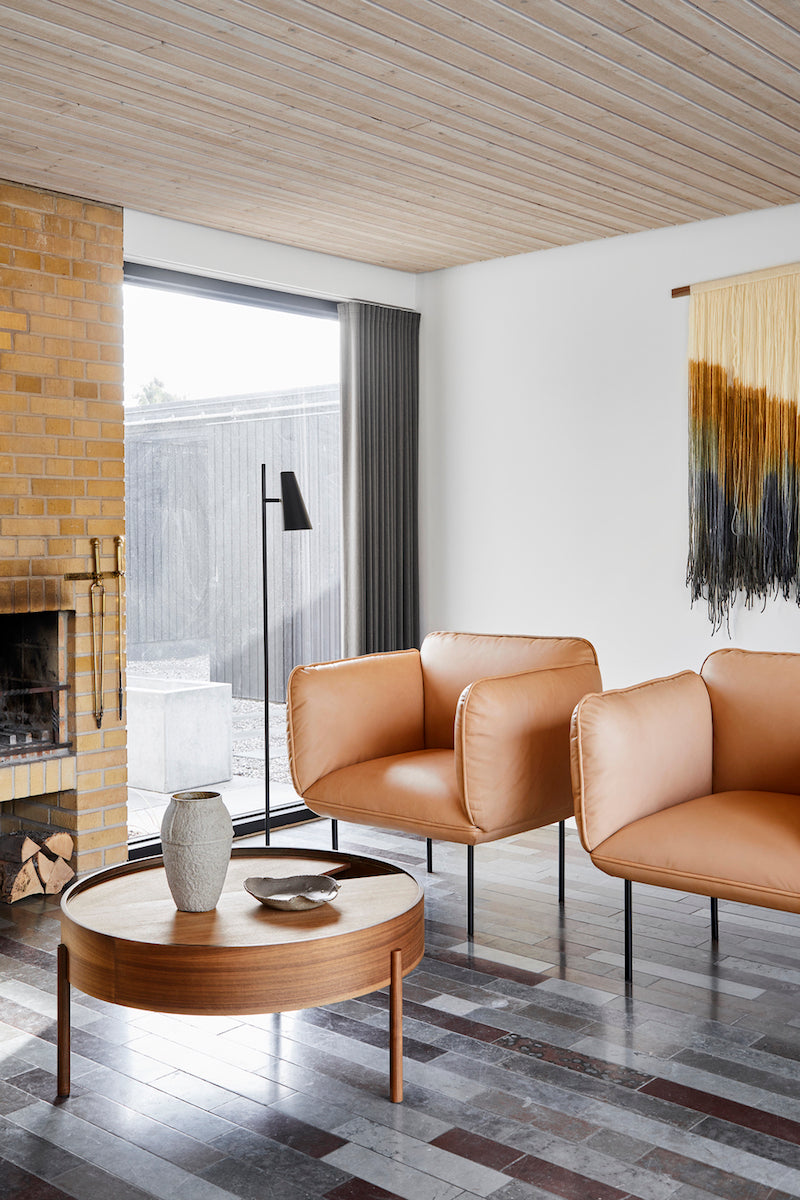
- Arc Side Table — a single bentwood arc in FSC oak; one of the lowest-footprint sculptural side tables in our coffee tables collection.
- Array Sideboard — a modular, oak-fronted credenza for living-room media or dining-room storage, with soft-close drawers.
- Collar 2-Seater Sofa — ribbed, upholstered cushioning on solid-wood legs; a compact silhouette designed for apartment-scale rooms.
- Cono Floor Lamp — a hand-shaped opaline glass shade with a turned wood base; representative of WOUD's lighting program.
Browse the full WOUD collection at Comosum →.
Frequently Asked Questions About WOUD
Where is WOUD furniture made?
WOUD is headquartered in Copenhagen, Denmark, and works with manufacturing partners in Europe and Asia. The brand publishes country-of-origin information at the product level on its own site, and Comosum lists materials and origin on each WOUD PDP.
Is WOUD sustainable?
WOUD uses FSC (Forest Stewardship Council)-certified wood across a growing share of its catalog, water-based finishes on its solid-wood pieces, and audited manufacturing partners. The brand is one of the contemporary Danish names we trust most on materials.
What materials does WOUD use?
The catalog centers on FSC-certified European oak and walnut, with wool, leather, and natural rope used in upholstery and seating. Lighting collections combine oak or walnut bases with hand-shaped opaline or smoked glass.
Who designs WOUD's products?
WOUD commissions independent designers across Northern Europe rather than working with a single in-house studio. Frequent collaborators include Mia Lagerman, Daniel Schofield, GamFratesi, and Hee Welling — names you'll see attributed on each product page.
How does WOUD compare to other Danish brands at Comosum?
WOUD sits between heritage Danish brands like FDB Møbler and material-led contemporary brands. It's the right pick if you want a contemporary Scandinavian language with sculptural lighting and storage in the same family — and the WOUD collection shows the full range we stock.


Leave a comment
This site is protected by hCaptcha and the hCaptcha Privacy Policy and Terms of Service apply.