
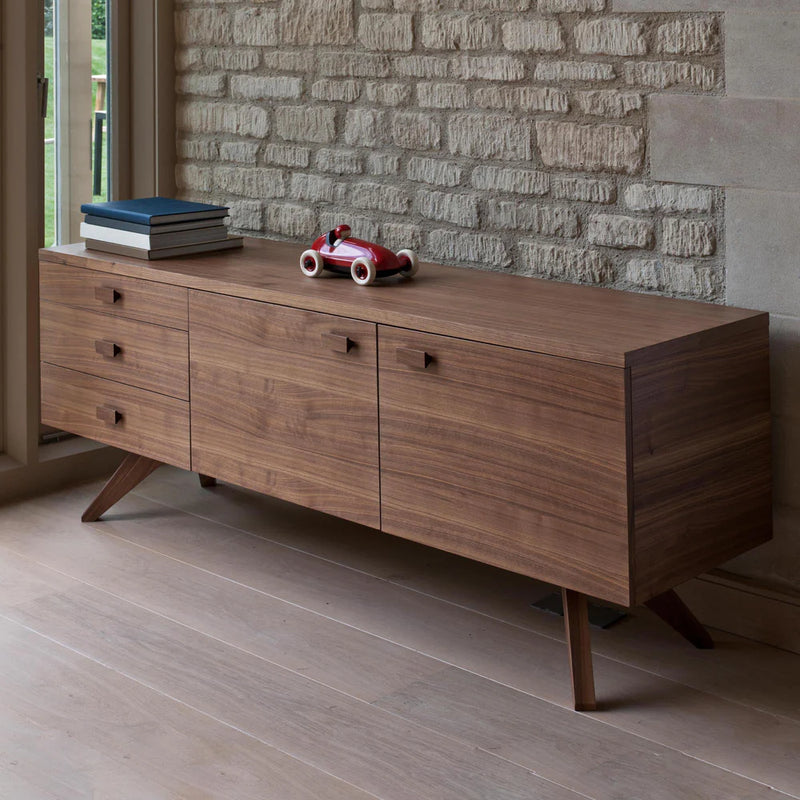
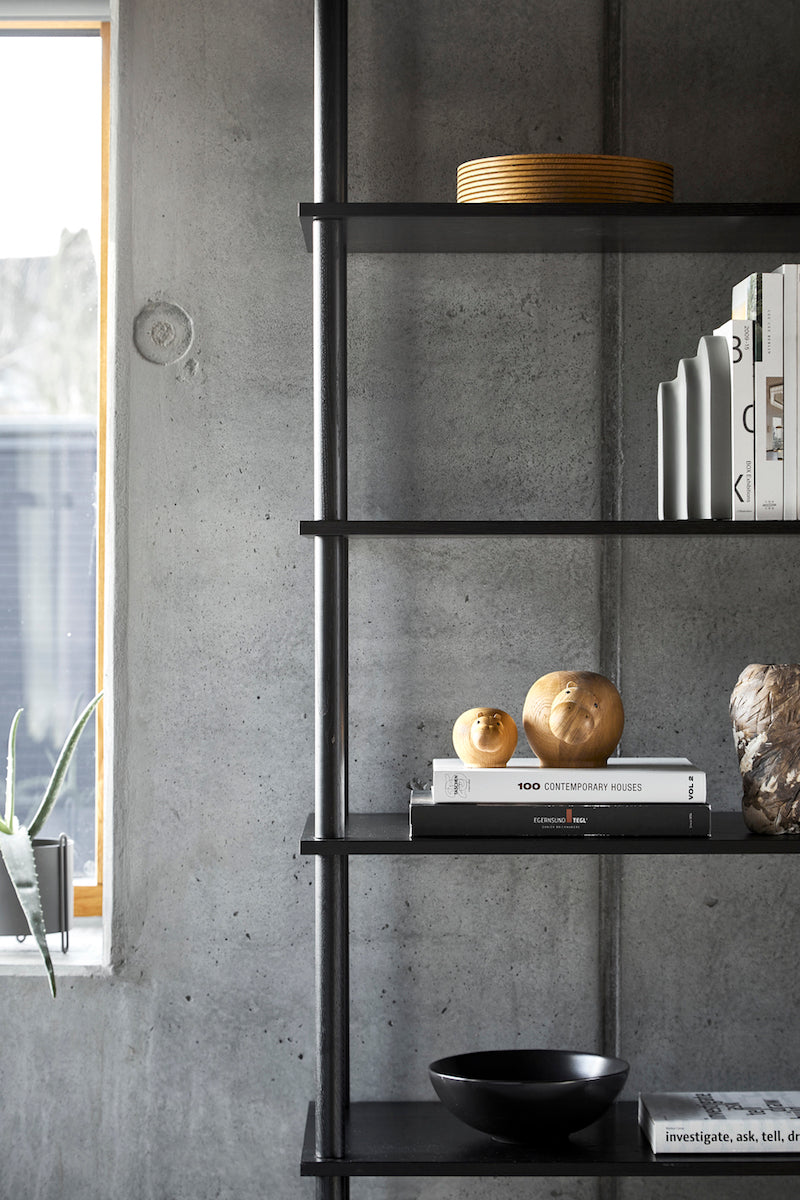
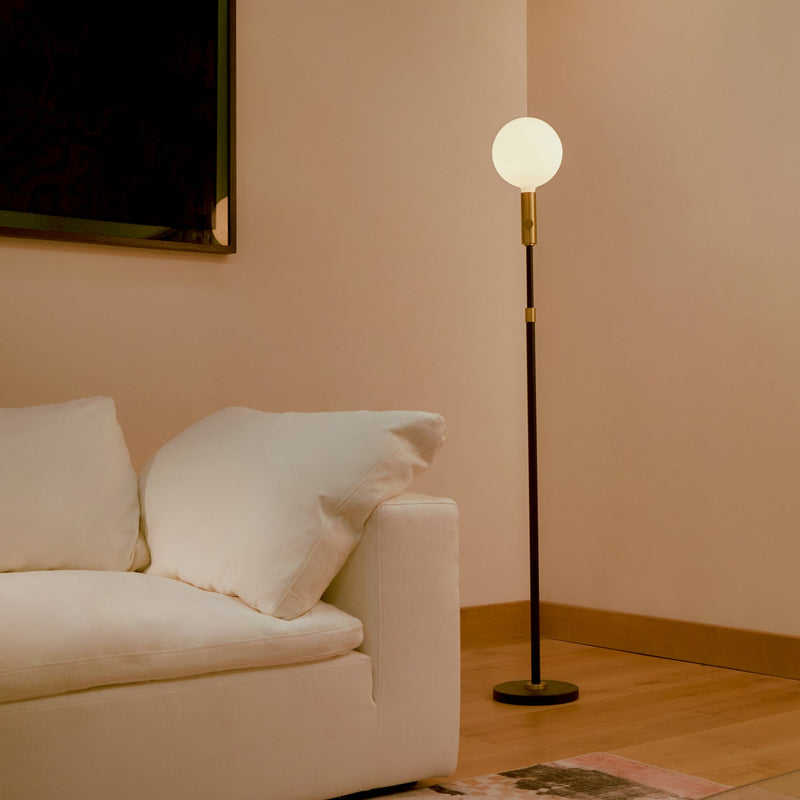

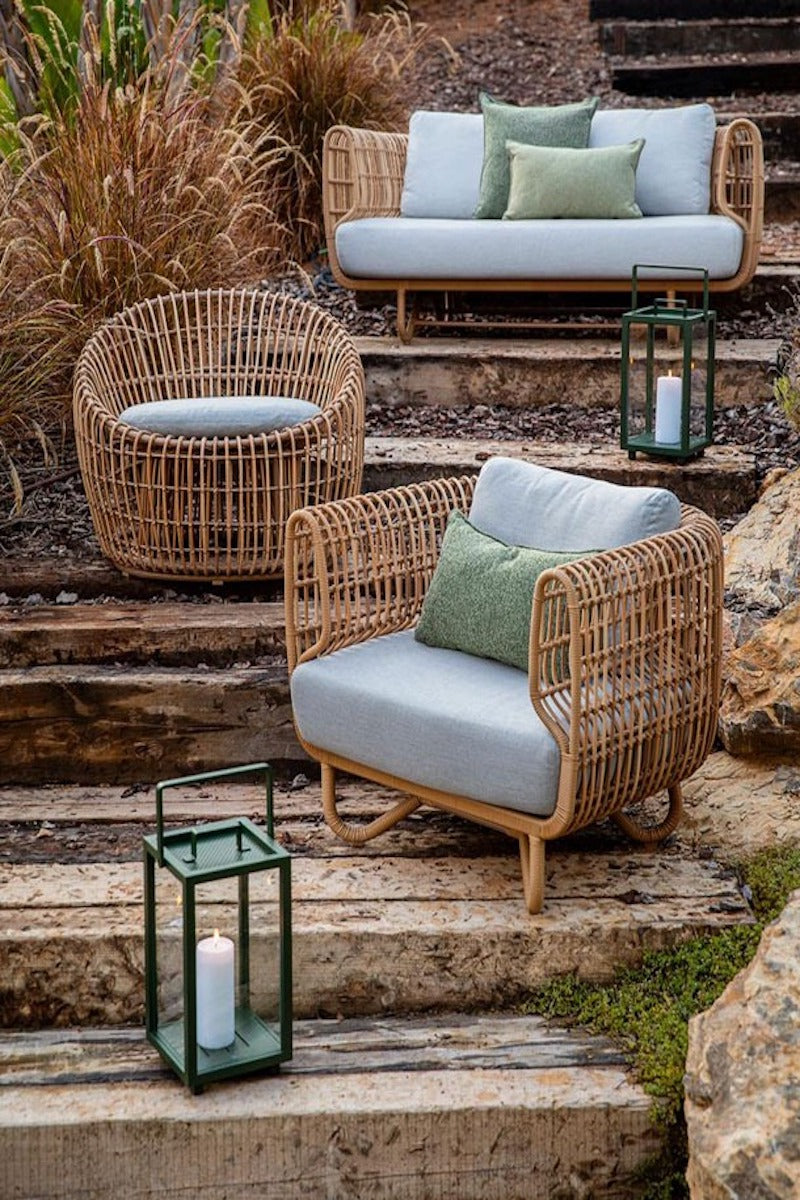
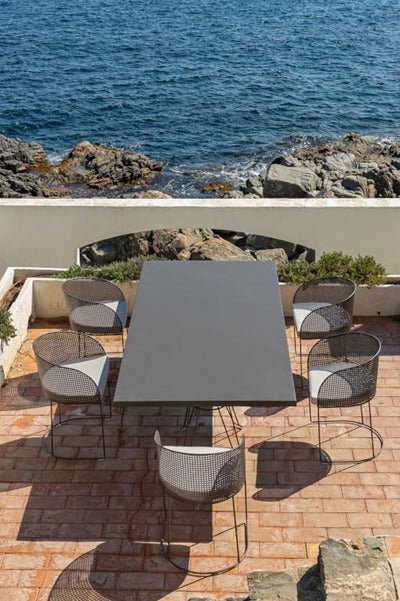
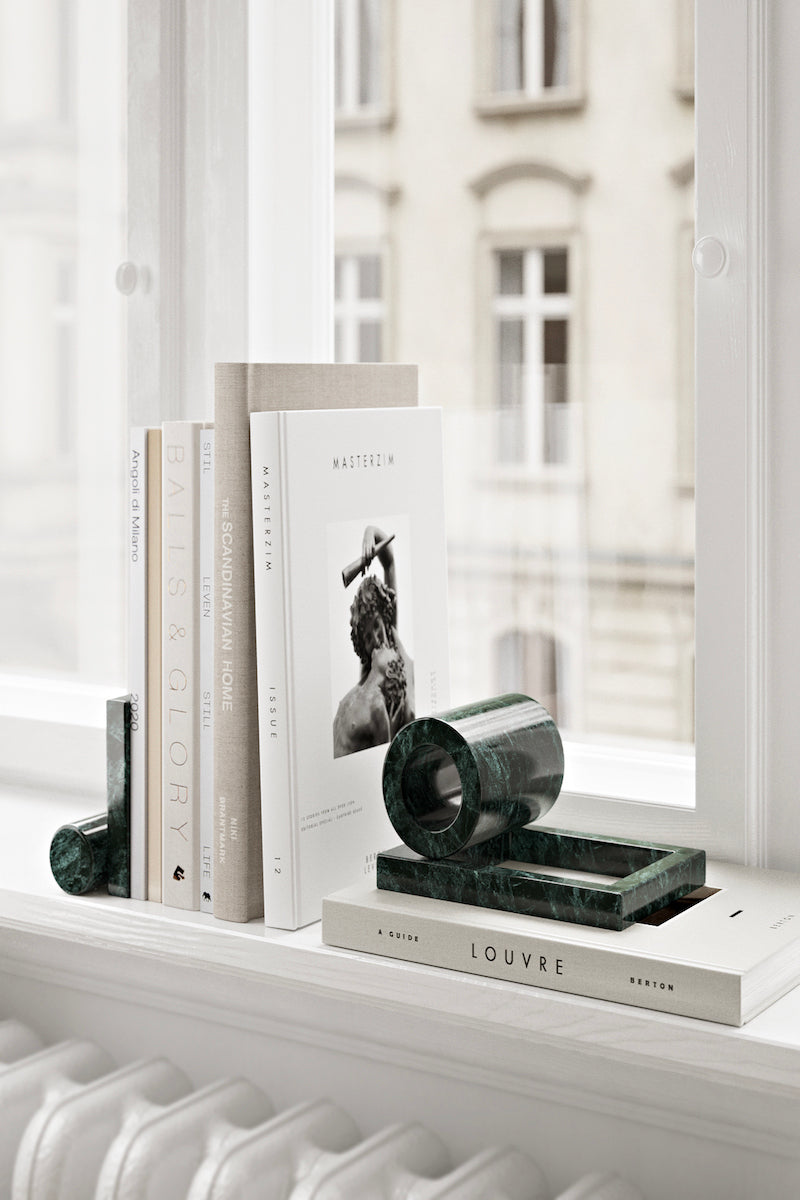
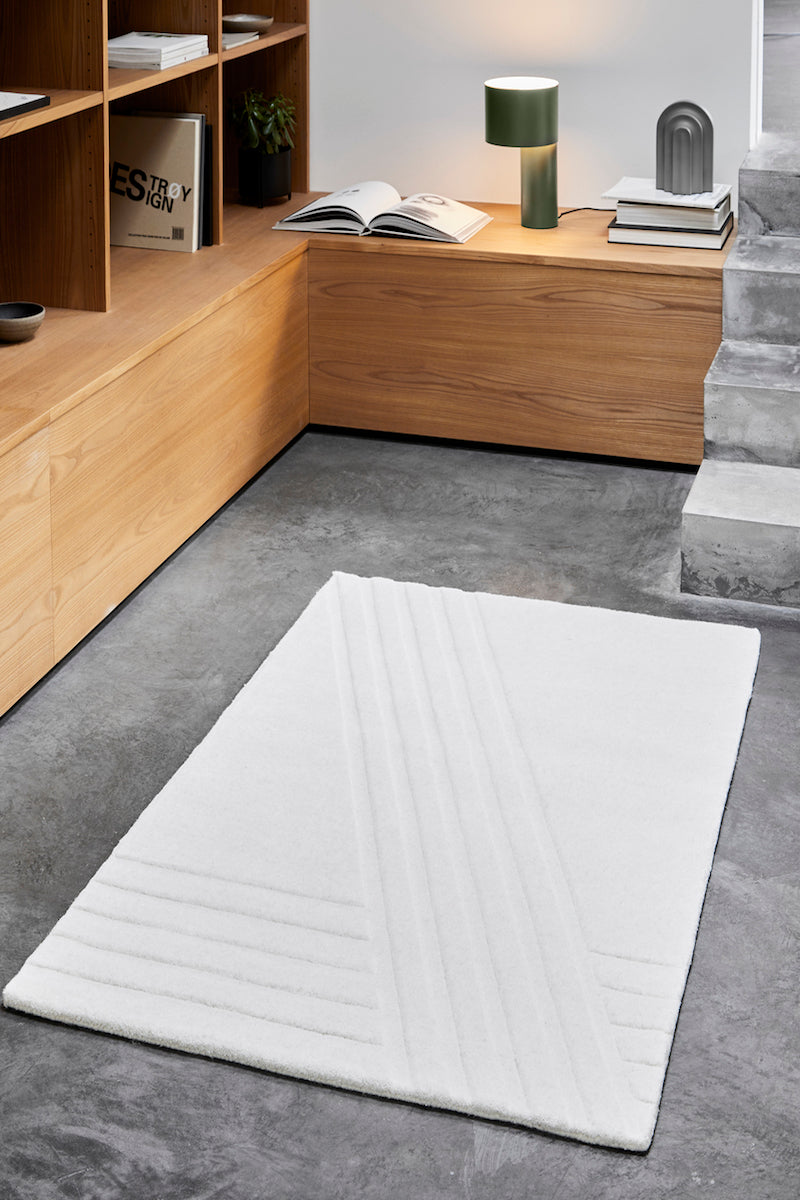
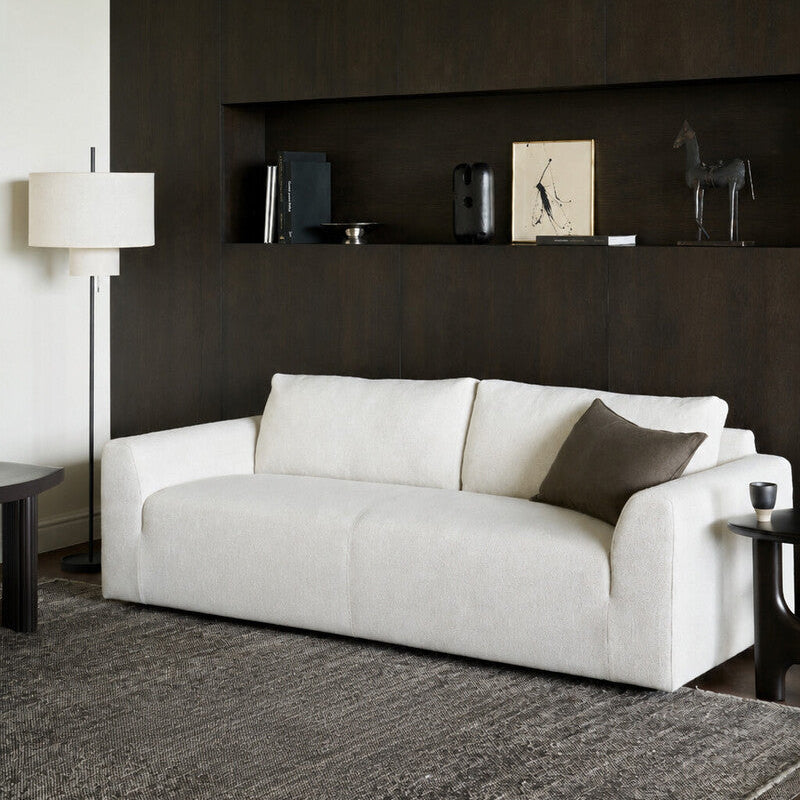
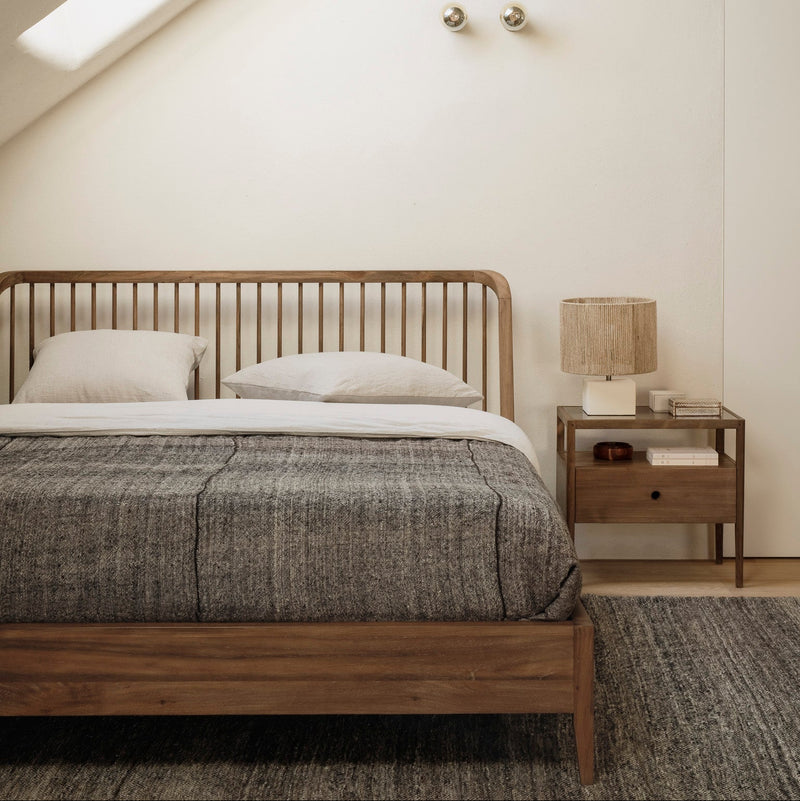
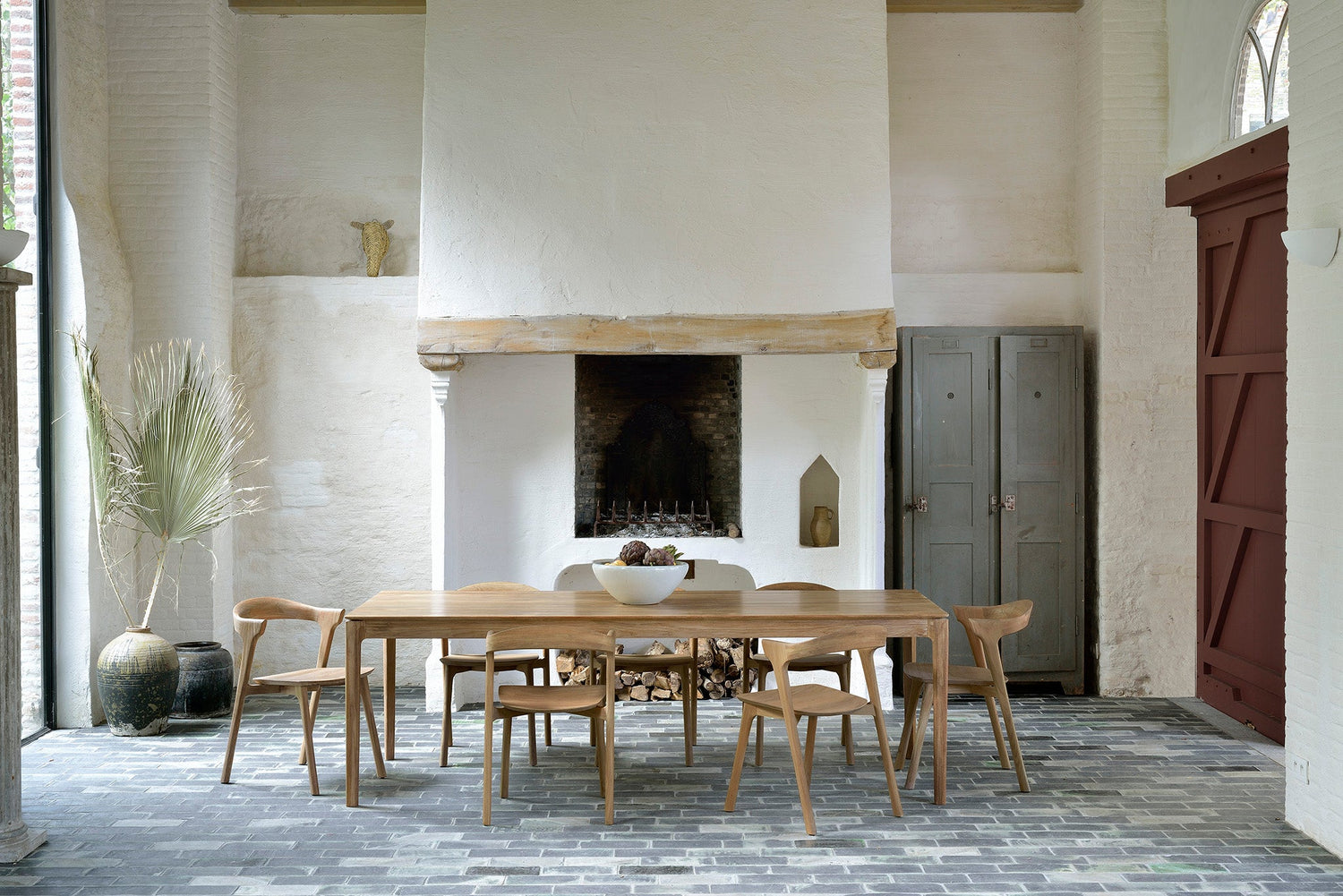
You can buy Ethnicraft in the US at Comosum: we sell the Belgian solid-wood furniture house online and deliver across the contiguous 48 states. Browse our Ethnicraft collection, or start with the Bok Dining Table (from $1,999), the Bok Dining Chair (from $989) and the Osso Stool (from $559). We carry Ethnicraft because it pairs solid oak and teak, FSC (Forest Stewardship Council) certified on select teak lines, with three decades of original design.
The Story Behind Ethnicraft
Ethnicraft began in 1995 when two Belgian friends, Philippe Delaisse and Benoît Loos, started importing solid-teak furniture from Java to Belgium. What started as a small trading operation evolved over the next three decades into one of Europe's most recognizable solid-wood furniture houses, now exporting to more than 60 countries from its headquarters in Boom, Belgium.
The turning point came in the early 2000s, when the founders brought in Alain van Havre as creative director. Van Havre, a Belgian designer with a furniture-making background, defined what is now Ethnicraft's signature: pieces that read as sculpture from across the room but resolve into honest, hand-finished joinery up close. His Bok collection — launched in 2015 and named after the Dutch word for "buck" — became the brand's flagship line. The Bok dining chair, with its sculpted backrest and tapered legs, is now in continuous production a decade later and has been featured in Dezeen and Wallpaper.
Ethnicraft's roster has since expanded to include Jacques Deneef (the Jack outdoor collection) and Studio Kaschkasch (Casale dining chair, 2022). The brand also reissues archival designs and commissions new work from emerging Belgian and Scandinavian studios. Production is split across audited facilities in Vietnam and Indonesia for teak, and Eastern Europe for oak — a deliberate geography that places each wood species close to where it is sustainably grown.
How Ethnicraft Is Built Sustainably
Materials
Ethnicraft's solid-wood collections use European oak (sourced, by Ethnicraft's account, from responsibly managed forests), plantation teak from Indonesia, and mahogany on selected lines. Select indoor teak lines are FSC (Forest Stewardship Council) certified, and Ethnicraft's teak and mahogany carry Indonesia's SVLK timber-legality certification. Upholstery on the Jack, N701, and Ellipse lines uses OEKO-TEX Standard 100-tested fabrics and leathers, and outdoor cushions use solution-dyed acrylic for UV resistance.
Manufacturing
Ethnicraft makes its furniture across nine facilities of its own: production sites in Serbia, Indonesia, Vietnam and Malaysia, and ateliers in Indonesia, Serbia, Belgium, Italy, Pakistan and Poland. Pieces are finished in oil or water-based varnish, depending on the line. Sawdust and offcuts from production are recovered and used as biomass for kilns or compressed into boards for secondary use. Flat-pack-where-possible shipping reduces freight volume on chairs, stools, and small tables.
Certifications & Recognition
Ethnicraft NV holds FSC chain-of-custody certificate FSC-C016233 (verifiable at search.fsc.org) and sells FSC-certified teak on select lines. The brand has been a regular presence at Milan Design Week and 3 Days of Design Copenhagen.
Why Ethnicraft Belongs at Comosum
Ethnicraft is, by SKU count, the largest brand in our catalog — and that is a deliberate decision rather than a default one. When we built Comosum, we wanted at least one anchor brand that could carry an entire room: dining, living, bedroom, and outdoor, all from a single design vocabulary, all on a verifiable certification stack. Ethnicraft was the only brand that delivered all three at scale.
We also carry Ethnicraft because it solves the most common compromise in sustainable furniture: the tradeoff between certification and design. Plenty of brands have FSC-certified inventory; far fewer have FSC-certified inventory with a thirty-year design lineage and an in-house creative director who has shaped a coherent collection. Van Havre's Bok line and the Jack outdoor collection were both written into our sustainable dining tables buying guide and our sustainable sofas guide because we keep coming back to them as reference points for what a long-life piece should look like.
For customers building a room over time, the Ethnicraft catalog also rewards patience. Dining tables, chairs, sideboards, and benches across the Bok and Casale lines are dimensioned to live together, and we routinely help customers assemble a room across two or three orders without color or proportion drift. The brand sits alongside the rest of our edit of sustainable furniture brands as the catalog's deepest single-brand bench.
Explore Ethnicraft at Comosum
A few Ethnicraft pieces we recommend as starting points:
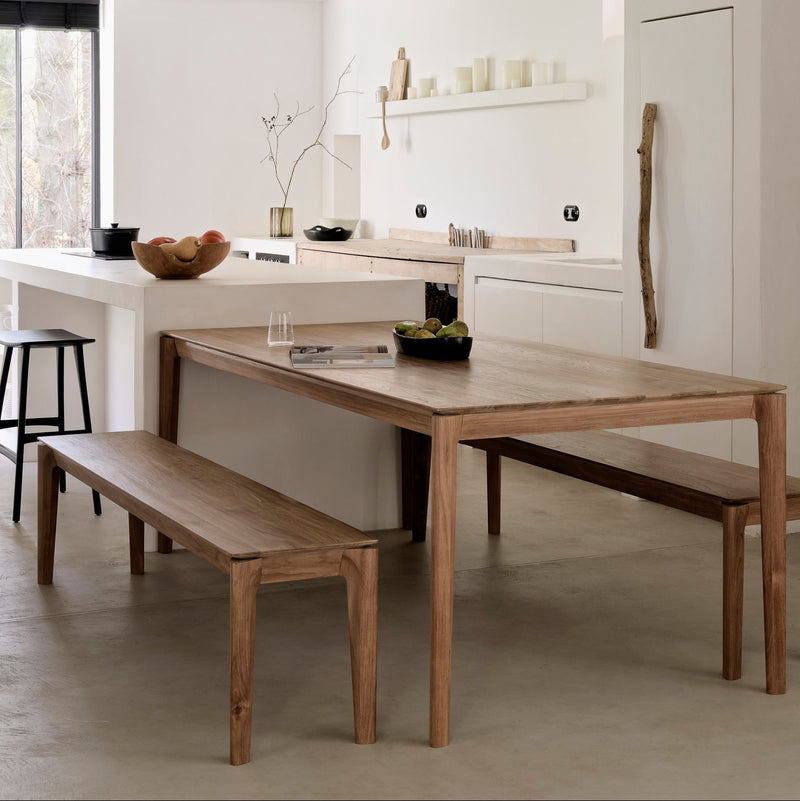
- Bok Dining Table — Alain van Havre's flagship dining table in solid oak or FSC-certified teak, with the brand's sculpted, tapered leg geometry. Available in oiled and varnished oak across multiple sizes.
- Bok Dining Chair — the companion chair to the Bok table; solid teak or oak with optional leather seat. A decade in continuous production.
- Jack Outdoor Lounge Chair — Jacques Deneef's outdoor lounge in solid teak with weather-resistant cushions in five solution-dyed colorways.
- Casale Dining Chair — Studio Kaschkasch's restrained 2022 design in solid oak; the lighter, more minimal companion to the Bok.
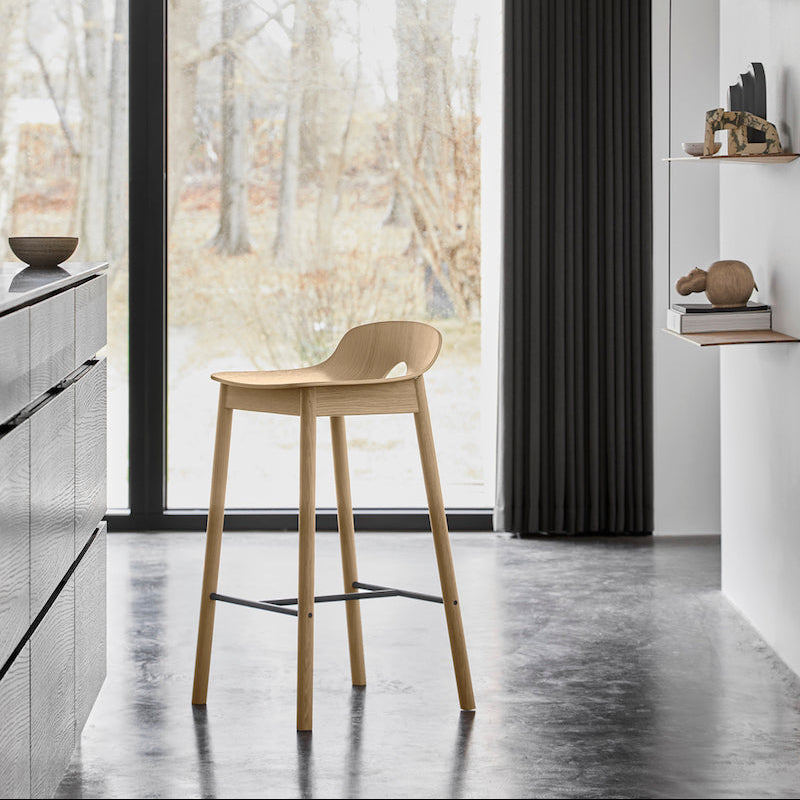
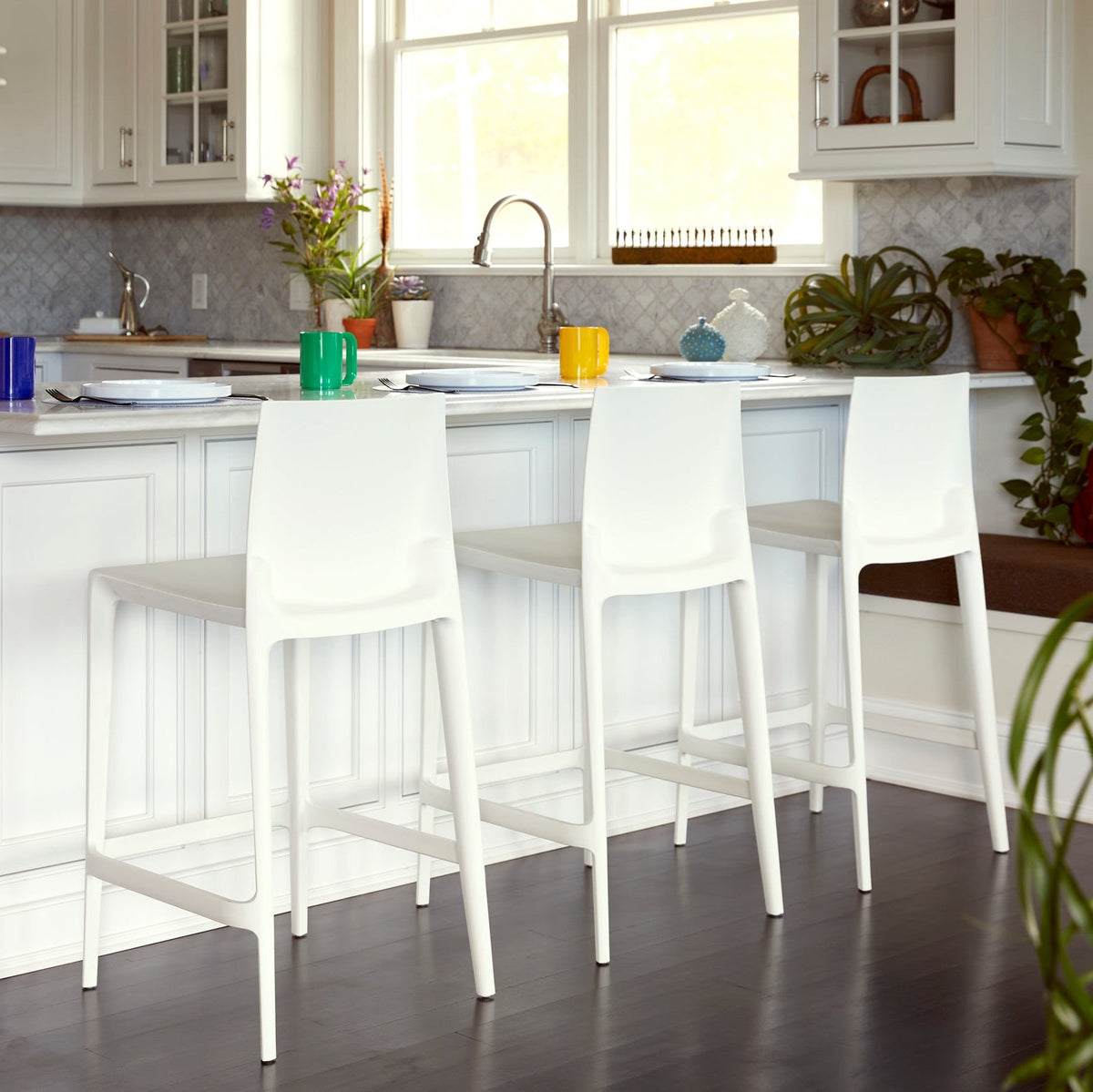
- Osso Counter Stool — an organic, bone-form stool in solid oak, available at dining, counter, and bar height.
Browse the full Ethnicraft collection at Comosum — over 300 pieces across dining tables, sofas, lounge chairs, coffee tables, and outdoor — or explore our wider edit of sustainable furniture brands.
Frequently Asked Questions About Ethnicraft
Where is Ethnicraft furniture made?
Ethnicraft is headquartered in Boom, Belgium, and makes its furniture across nine facilities: production sites in Serbia, Indonesia, Vietnam and Malaysia, and ateliers in Indonesia, Serbia, Belgium, Italy, Pakistan and Poland. Each collection's origin is documented on its product page.
Is Ethnicraft sustainable?
Yes — Ethnicraft holds an FSC chain-of-custody certificate and sells FSC-certified teak on select lines, finishes pieces in oil or water-based varnish, and uses OEKO-TEX Standard 100-tested upholstery. Its FSC certificate is independently verifiable in the FSC database.
What materials does Ethnicraft use?
Ethnicraft's catalog is built primarily on solid woods — European oak, plantation teak, and mahogany, with FSC-certified teak on select lines — with selected lines incorporating powder-coated steel, woven cord, and OEKO-TEX-tested upholstery fabrics and leathers. The brand does not use particleboard, MDF, or veneer cores in its core solid-wood collections.
Who designs Ethnicraft furniture?
Ethnicraft's in-house creative direction is led by Alain van Havre, who designed the Bok and Torsion collections. The brand also works with external designers including Jacques Deneef (Jack outdoor collection), Studio Kaschkasch (Casale dining chair), and Studio Etnik. Designer attribution is listed on each product page.
How do I care for Ethnicraft solid-wood furniture?
For oiled finishes, dust regularly with a soft dry cloth and reapply a furniture oil (a maintenance oil specified by Ethnicraft, or a comparable food-safe oil such as Osmo or Rubio Monocoat) once every 12–18 months for dining tables and surfaces in regular use. Varnished pieces need only damp-cloth cleaning. Keep solid-wood furniture in 35–55% relative humidity to prevent splitting, and avoid placing pieces directly above radiators or in extended direct sunlight.


Leave a comment
This site is protected by hCaptcha and the hCaptcha Privacy Policy and Terms of Service apply.