

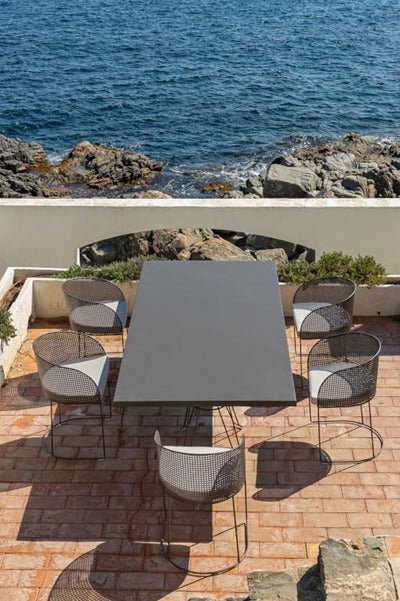
Pet-friendly sustainable furniture is furniture chosen for two kinds of longevity at once: materials tough enough to survive claws, fur, and the occasional muddy paw, and construction sound enough to stay out of a landfill for decades. In practice that means tight-weave performance fabrics, solid hardwood frames, and recyclable plastics — surfaces that wipe clean and resist damage rather than disposable pieces that get replaced after one determined cat. At Comosum, durability and sustainability are the same conversation: the furniture that lasts longest with animals is usually the furniture with the smallest lifetime footprint.
Why Pet-Friendly Furniture Is Really a Materials Question
Most "pet-proof" furniture advice focuses on color — pick something that hides fur — and stops there. That misses the real decision. A sofa survives a household with a Labrador or two cats because of how it is built and what it is made from, not because of its shade. Loose-weave linen snags on claws. Bonded "leather" peels within a year. Particleboard frames loosen at the joints the first time a dog uses the arm as a launch pad. None of these fail because they were used wrongly; they fail because they were never engineered to last.
That is also why the pet-friendly question and the sustainability question turn out to be the same one. The furniture that gives out fastest in an animal household is, almost without exception, fast furniture: thin upholstery over engineered-wood frames, glued rather than joined, designed to a price rather than a lifespan. Replacing a sofa every three years is expensive for you and wasteful by any measure. A piece built from a tight-weave performance textile on a solid oak frame asks more upfront and then quietly outlasts three or four of its cheaper rivals — which is exactly the math that makes it the lower-impact choice. Pets, it turns out, are an unusually honest stress test for whether a piece of furniture was built to last at all.
What Makes Furniture Both Pet-Proof and Sustainable
Materials
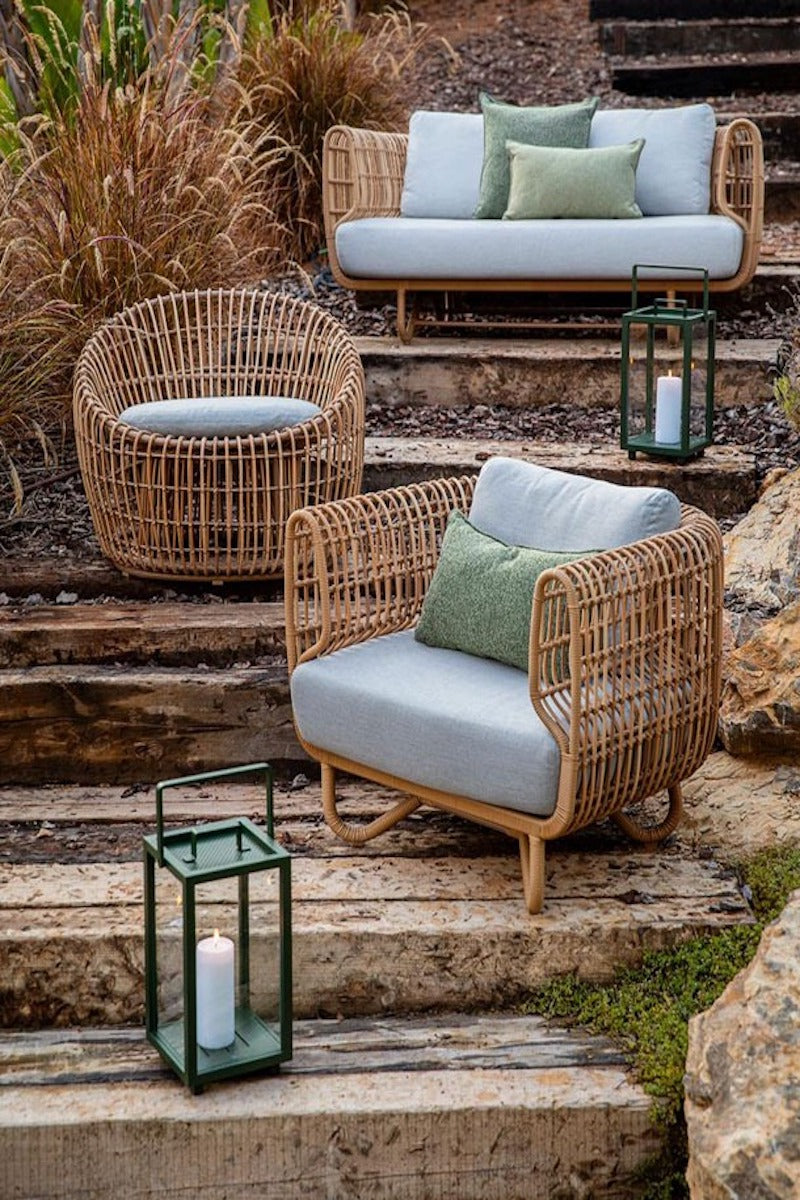
The single most useful number for upholstery is the Wyzenbeek double-rub count, the abrasion test that measures how many cycles a fabric withstands before wearing through. Heavy-duty upholstery typically rates around 30,000 double rubs or more — a sensible floor for any home with cats or dogs. Tight, flat weaves resist claws better than open or looped textures, which give a cat something to hook into. Performance weaves like Cane-line's all-weather fibre and solution-dyed outdoor fabrics are woven to shed water and wipe clean, which is why outdoor-grade textiles have quietly become a favorite for indoor pet households. Just check how stain resistance is achieved: some legacy treatments rely on PFAS "forever chemicals," so look for fabrics certified to a standard like OEKO-TEX Standard 100, which tests textiles for harmful substances across every component.
Construction
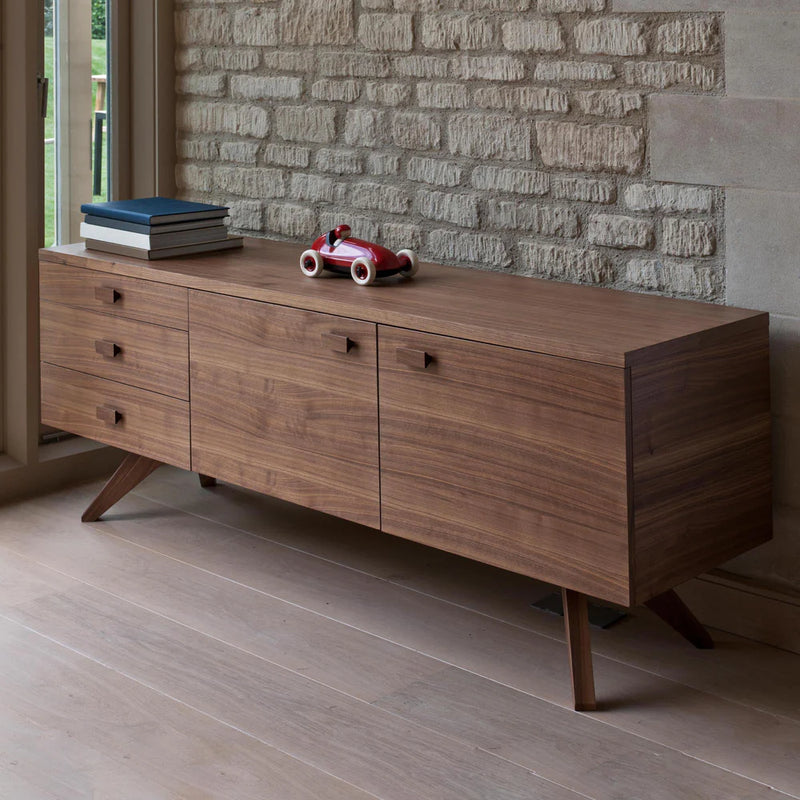
Scratch resistance comes down to surface hardness and finish. Solid oak — Comosum's most-stocked indoor hardwood — is dense enough to take everyday paw traffic and, crucially, can be sanded and re-oiled when it does mark, rather than thrown out. Recyclable molded plastics are the other end of the spectrum: a wipeable polypropylene chair shrugs off slobber, mud, and shedding entirely. For rugs, a low, dense pile or a flatweave traps far less fur than a deep shag and survives the vacuum-and-repeat cycle that pet ownership demands.
Certifications & longevity
Look for the same credentials that signal sustainability generally: FSC-certified wood, OEKO-TEX or GREENGUARD textiles, and removable, washable covers that extend a piece's usable life. Durability is a circularity strategy. The longer a sofa stays whole, repairable, and re-coverable, the less often it is replaced — the core principle behind groups like the Sustainable Furnishings Council.
Why We Curate with Pets in Mind
We don't keep a separate "pet" aisle, because the qualities that make furniture good for animals — tight weaves, solid frames, wipeable surfaces, replaceable parts — are the same qualities we look for across the whole catalog. When we choose a sofa or a lounge chair, we are already asking whether the cover comes off, whether the frame is joined hardwood, and whether the textile can take real life. A household with a dog and two cats is simply real life at higher intensity.
Our honest guidance: if you have animals, lean toward performance textiles and solid-wood or recyclable-plastic pieces rather than delicate boucle or thin veneers, and choose rugs with a low, tight pile. You can see the same logic running through our guide to building a sustainable living room and our advice for small apartments, where pets and tight spaces both reward furniture that does more with less. It is the curation philosophy behind every one of our sustainable furniture brands.
What to Shop at Comosum
A few pieces from our catalog that earn their place in a pet household:
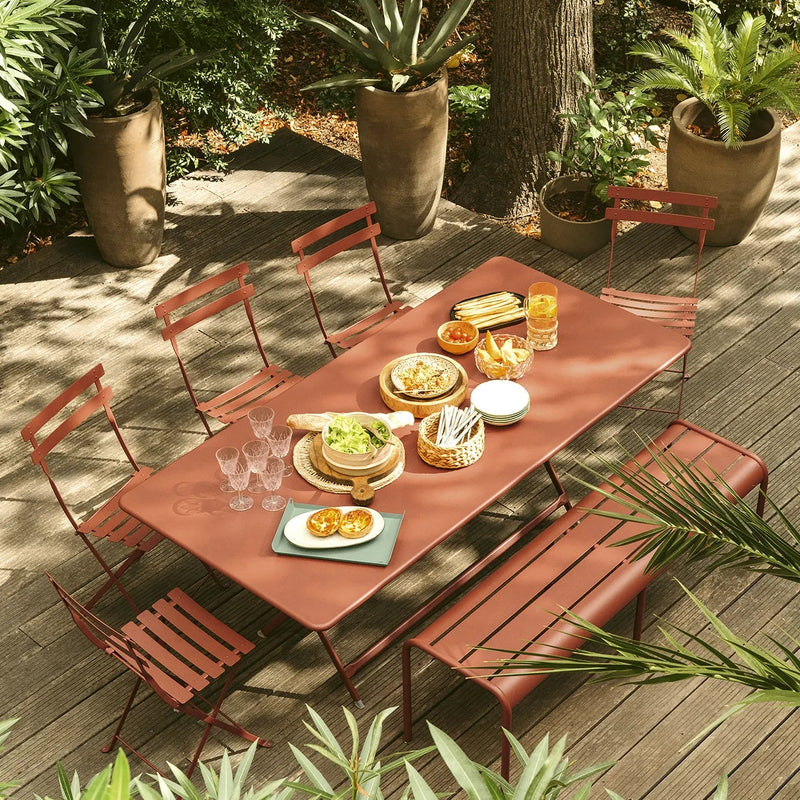
- Cane-Line Breeze 2-Seater Sofa — hand-woven Cane-line Weave on a powder-coated aluminium frame. The all-weather fibre wipes clean and resists fur, making this indoor-outdoor sofa a quiet star in homes with shedding pets.
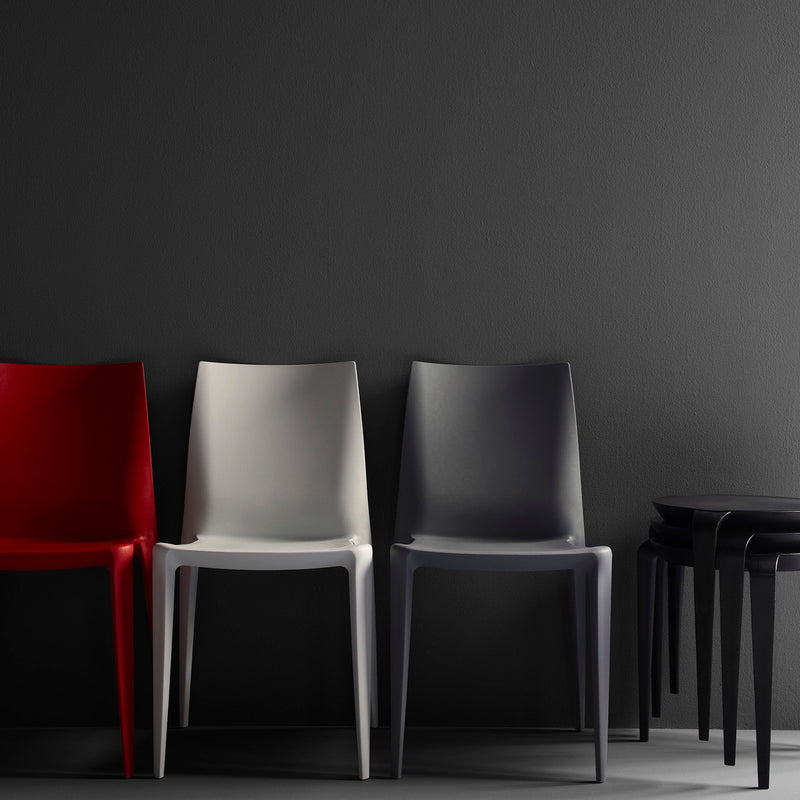
- Heller The Bellini Chair (Set of 2) — Mario Bellini's stackable molded chair in recyclable polypropylene. There is no upholstery to claw and no crevice to trap fur; a damp cloth resets it completely.
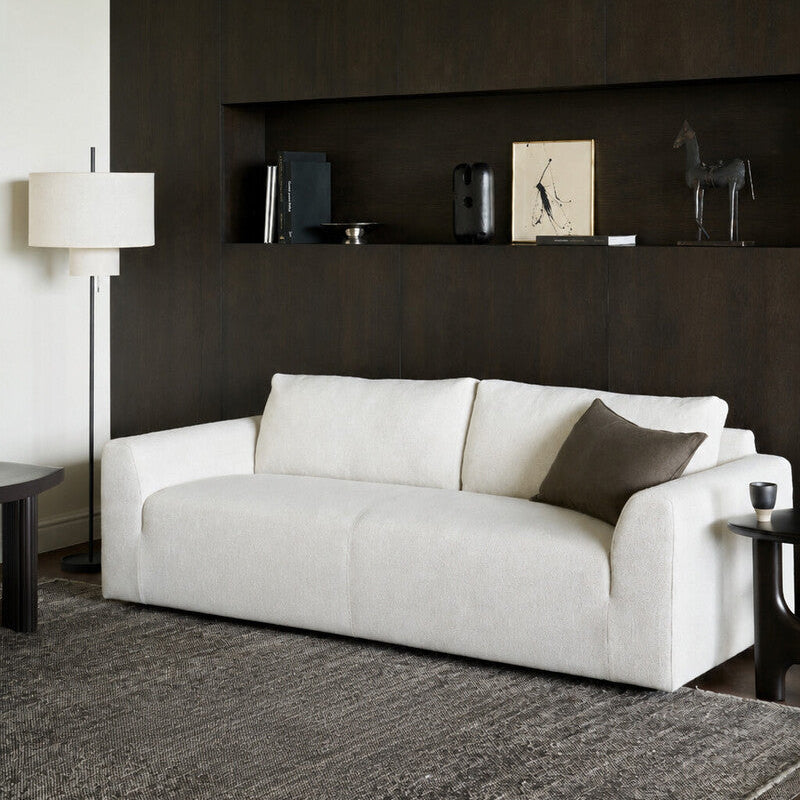
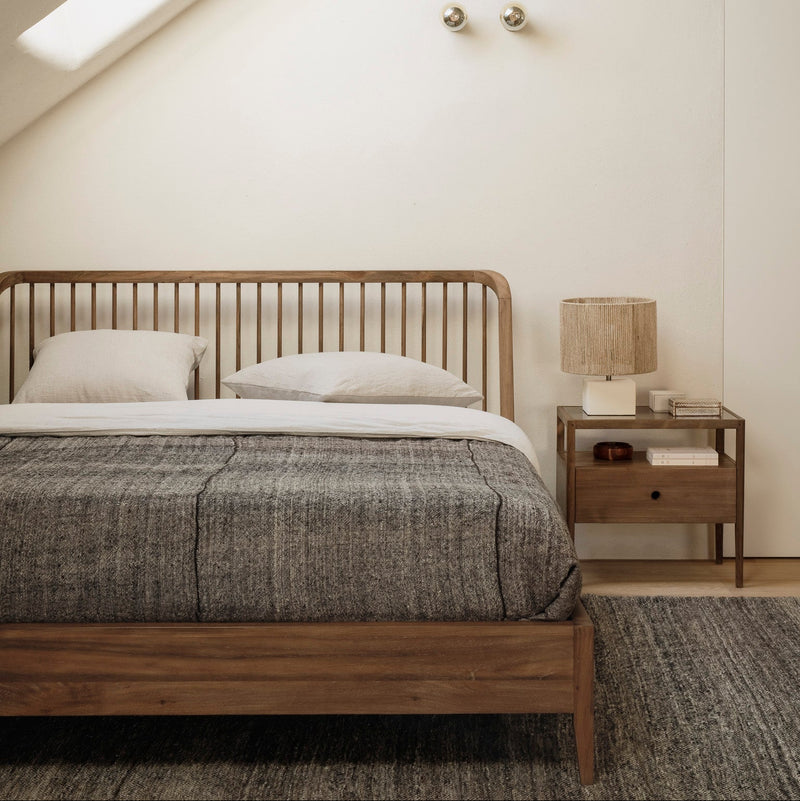
- Ethnicraft N701 Sofa — a solid-wood-framed sofa built for the long haul, the kind of joined-hardwood construction that takes years of daily use without loosening.
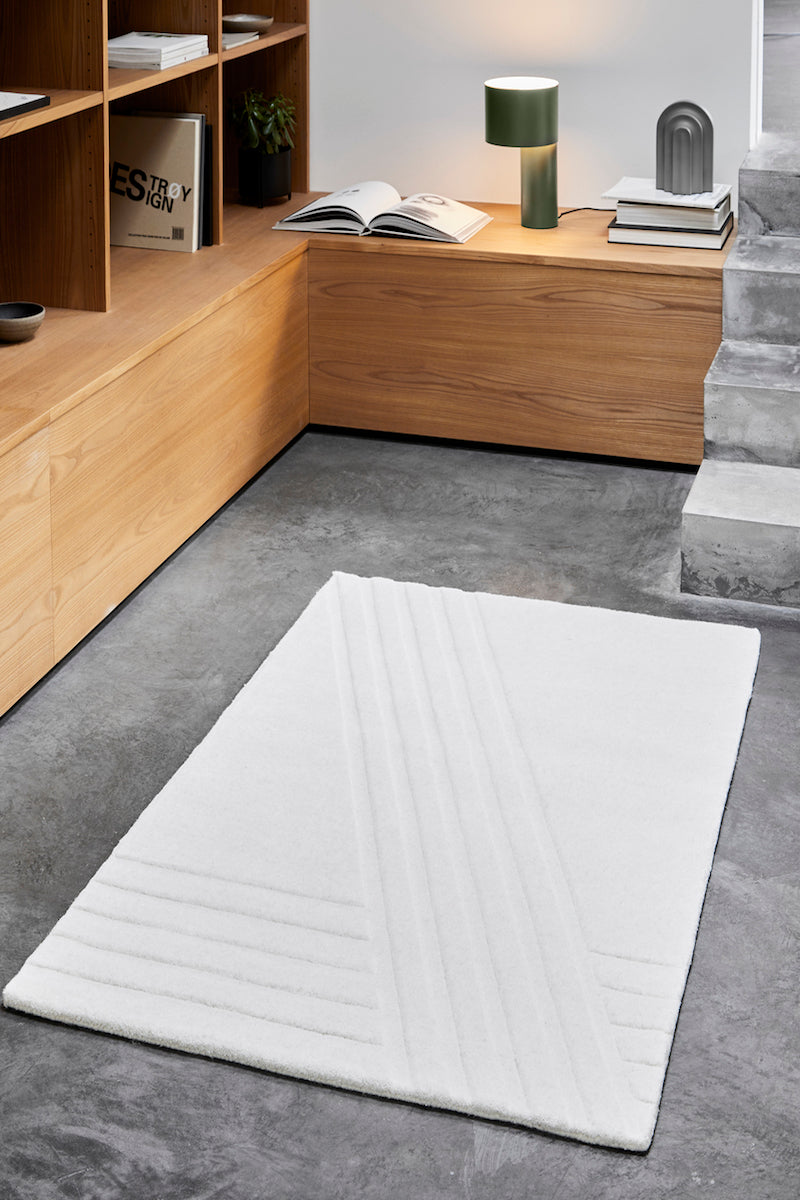
- WOUD Tact Rug — a low, looped wool pile in muted tones that hides fur and vacuums cleanly, from one of our most quietly sustainable Danish houses.
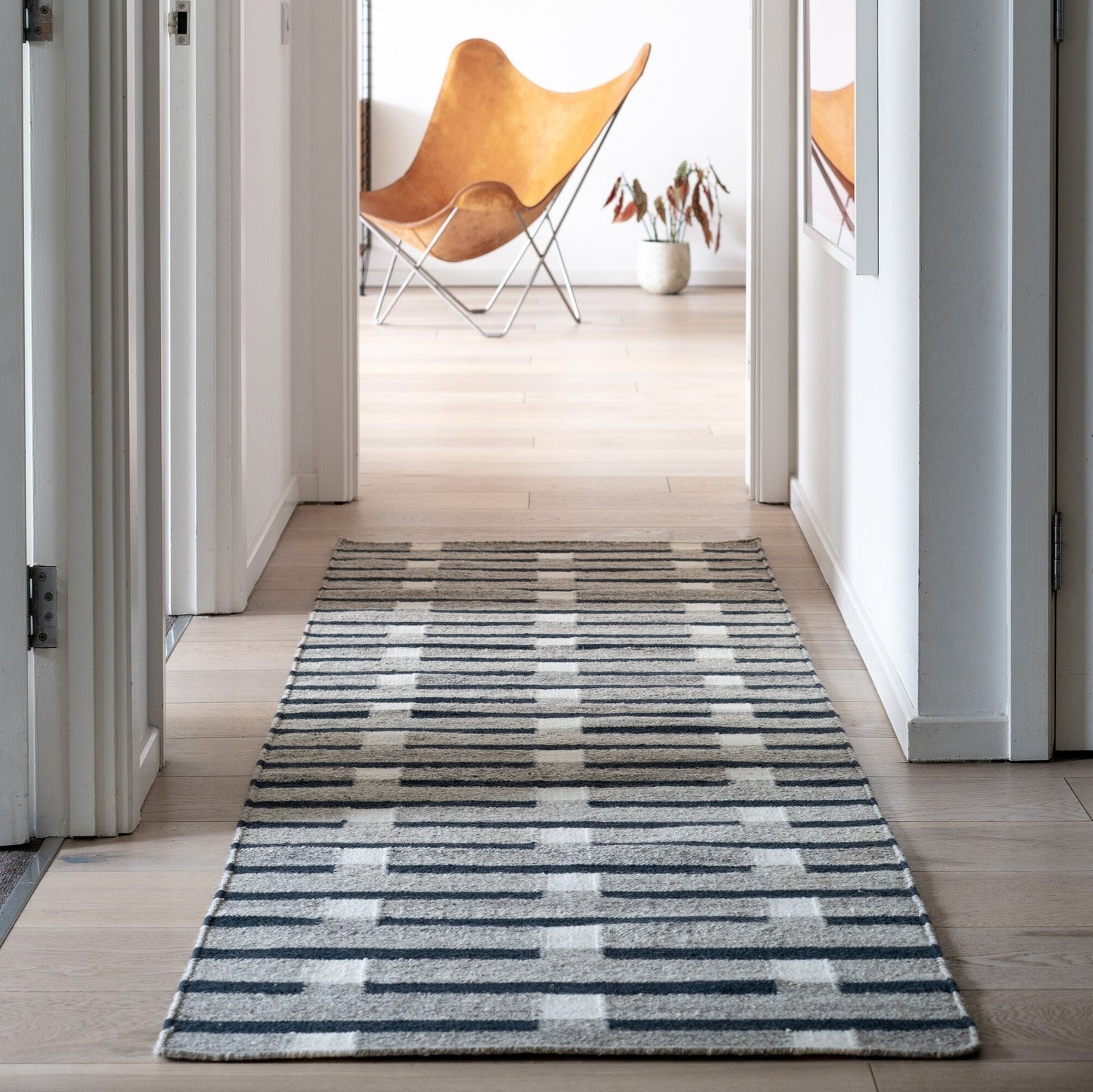
- Case Purlin Rug — a flatweave by London designer Eleanor Pritchard, with almost no pile for fur to bury into.
Browse the full seating collection and our sustainable sofas buyer's guide for more →
Frequently Asked Questions About Pet-Friendly Furniture
What is the most durable fabric for pet-friendly furniture?
Tight-weave performance textiles are the most durable choice. Look for a Wyzenbeek abrasion rating around 30,000 double rubs or higher, and favor flat, dense weaves over loose or looped textures that snag on claws. All-weather outdoor fabrics, like the woven fibre used on Cane-Line pieces, are wipeable and especially well suited to homes with cats and dogs.
Is pet-friendly furniture also sustainable?
Usually, yes. The qualities that make furniture survive animals — solid hardwood frames, tight performance weaves, recyclable plastics, and removable covers — are the same ones that keep a piece out of a landfill. Furniture built to last decades has a smaller lifetime footprint than disposable pieces replaced every few years, so durability and sustainability tend to point to the same products.
Are performance fabrics non-toxic?
They can be, but it depends on how stain resistance is achieved. Some older treatments use PFAS "forever chemicals," so look for textiles certified to OEKO-TEX Standard 100, which screens for harmful substances. Many modern solution-dyed and all-weather fabrics achieve their cleanability through the weave and fibre rather than chemical coatings.
How do I protect a sofa from cat scratching?
Choose a tight, flat-weave or performance textile rather than loose linen or boucle, since cats hook into open weaves. Solid-wood frames and molded recyclable-plastic seating remove the upholstery target entirely. Removable, washable covers also let you refresh a piece rather than replace it when wear does appear.
Which rug is best for homes with pets?
A low, dense pile or a flatweave is best, because it traps far less fur and stands up to repeated vacuuming. Deep shag rugs hold shedding and are harder to clean. Wool is naturally durable and resists soiling, which is why low-pile wool and flatweave rugs are reliable choices for pet households.


Leave a comment
This site is protected by hCaptcha and the hCaptcha Privacy Policy and Terms of Service apply.