
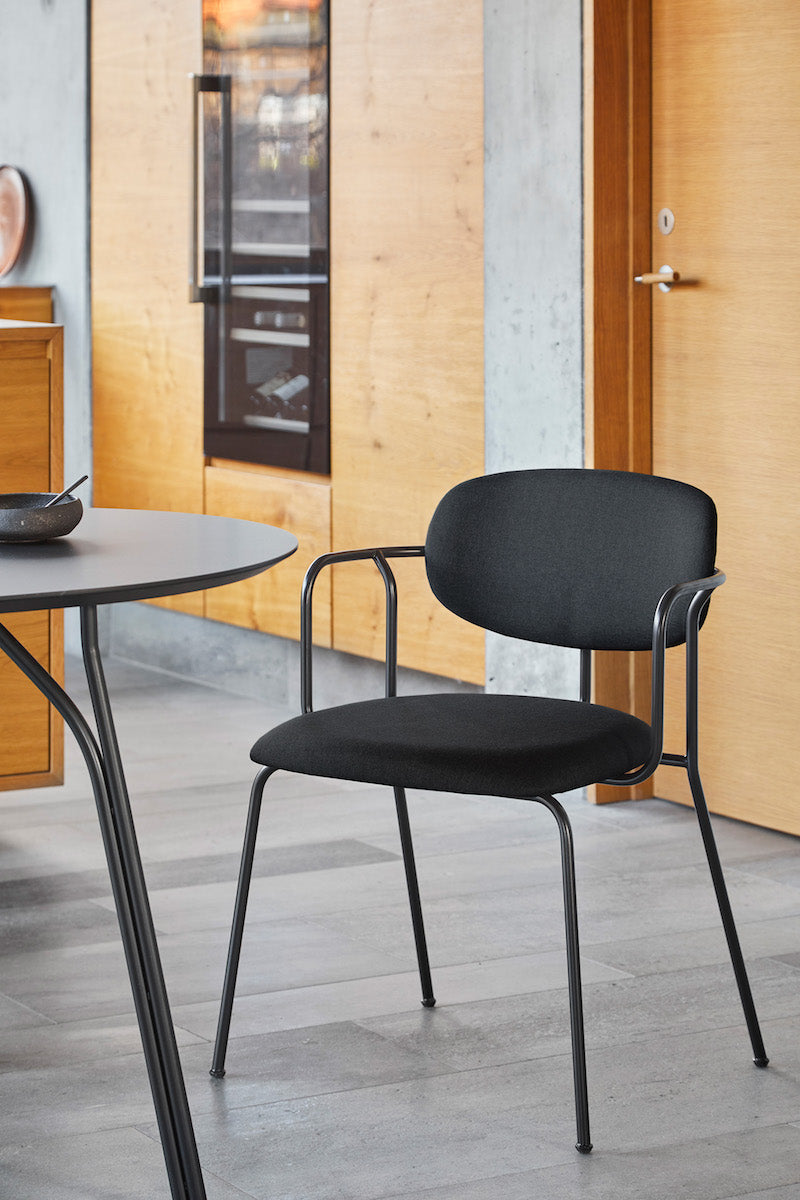
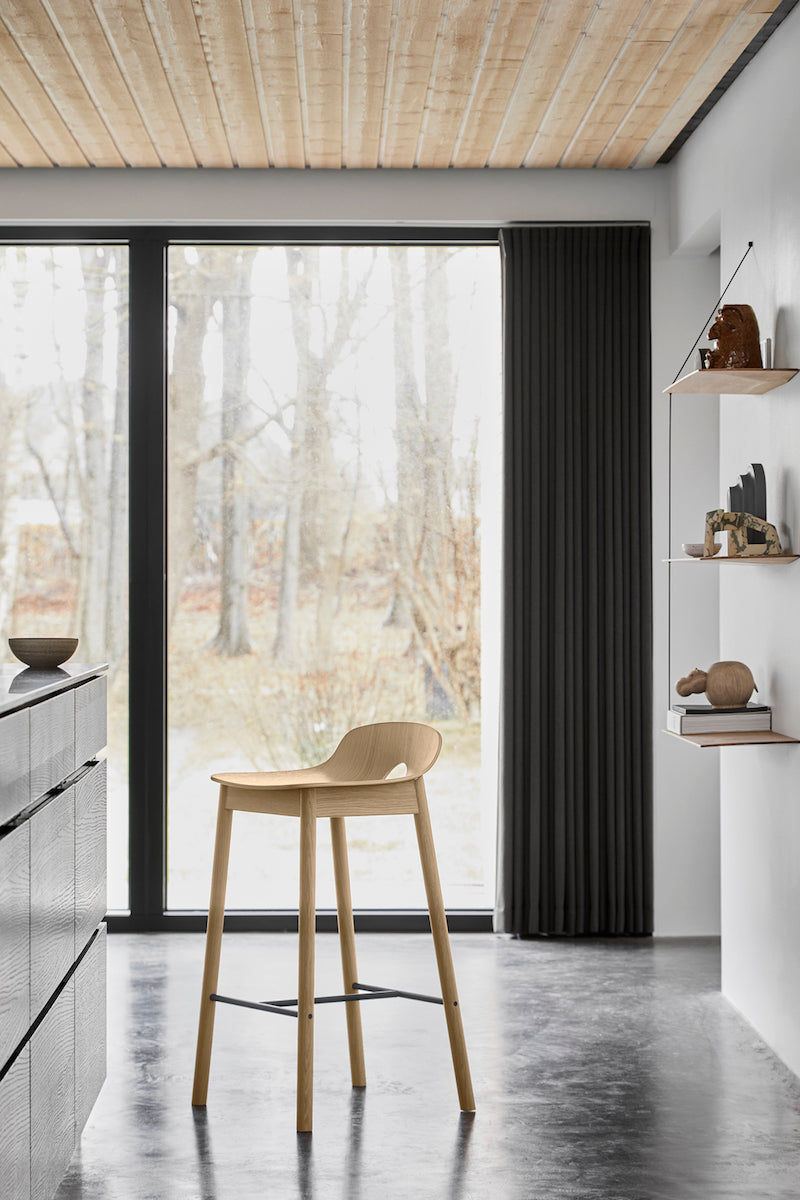
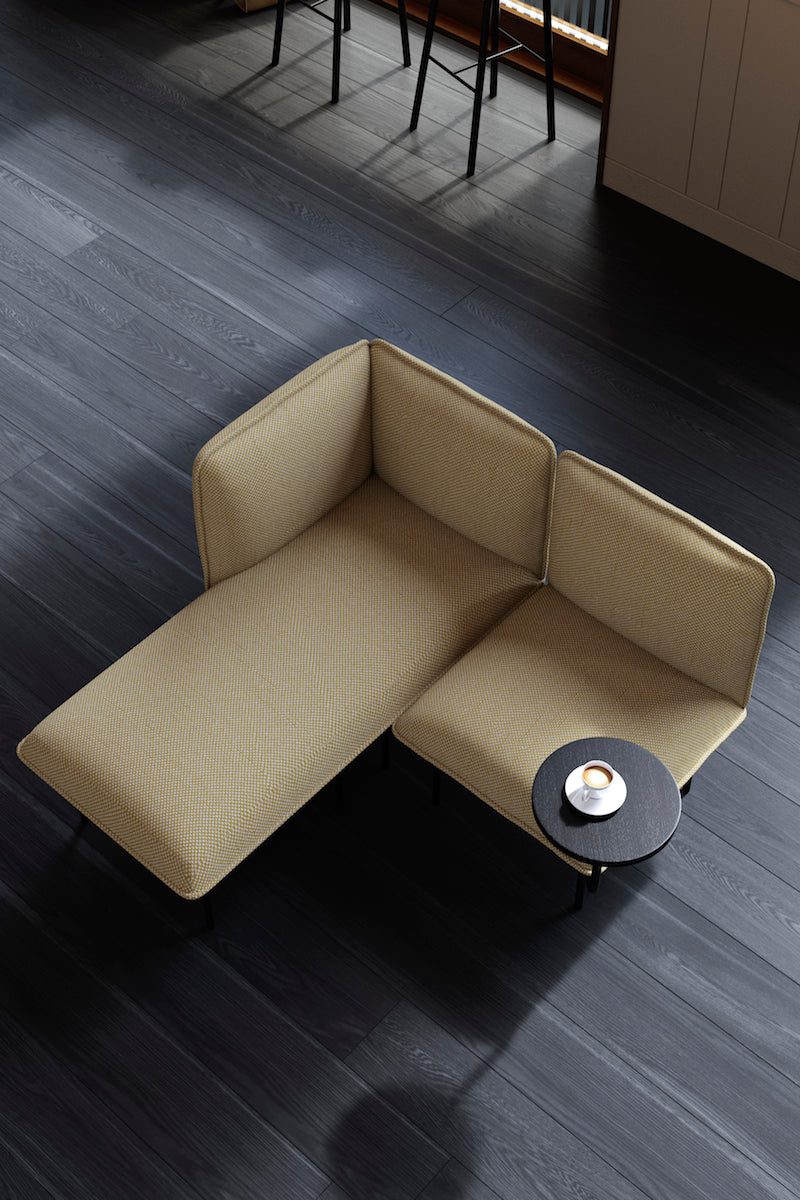
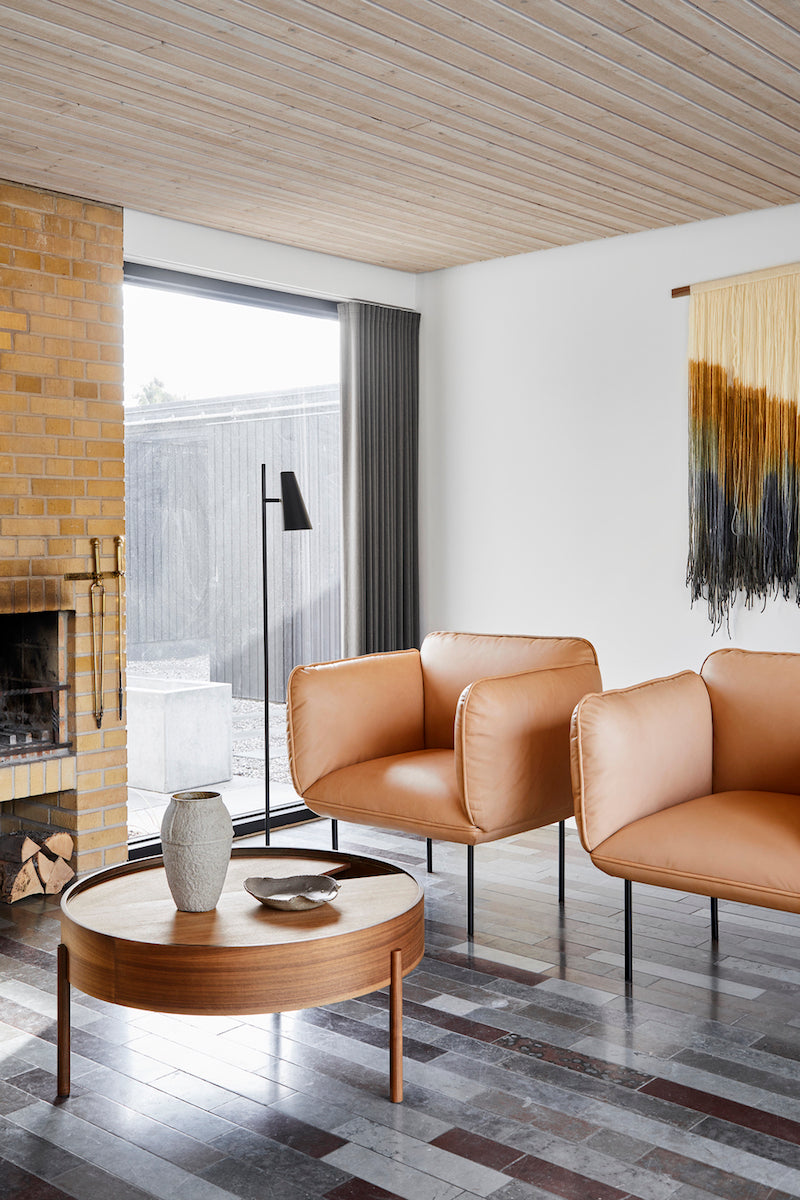
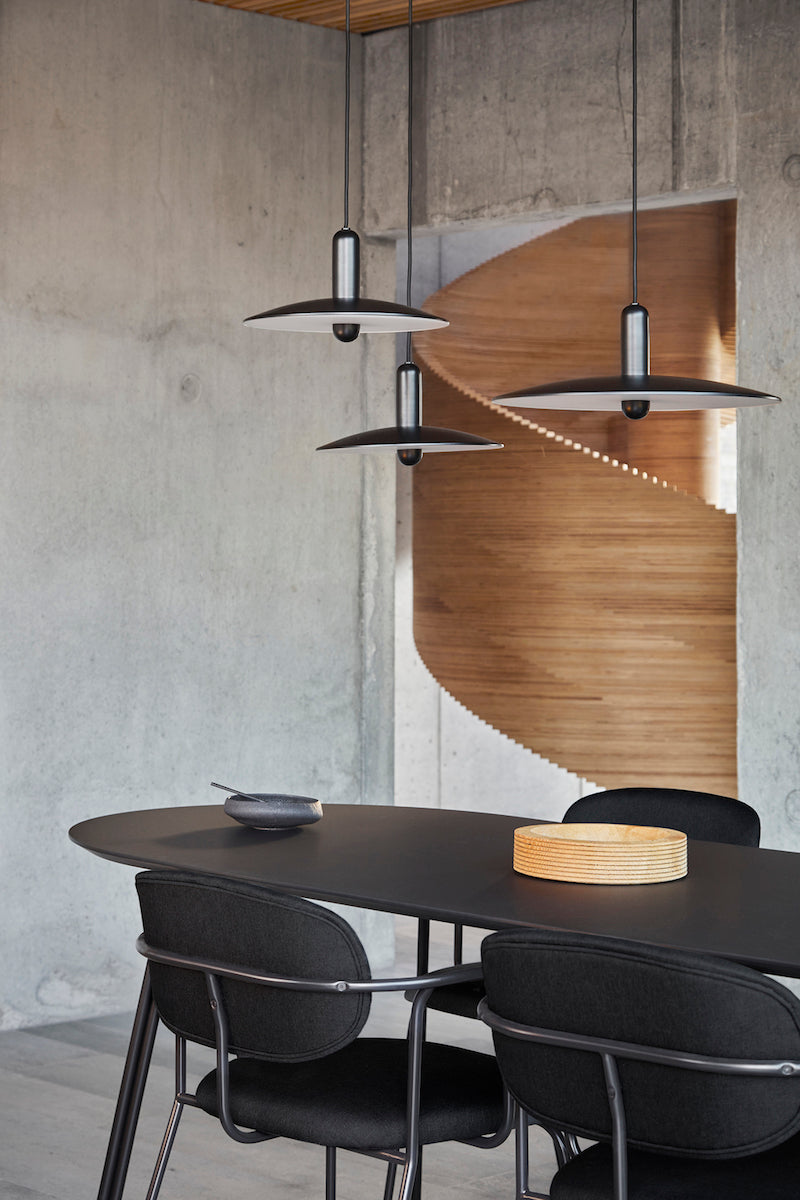
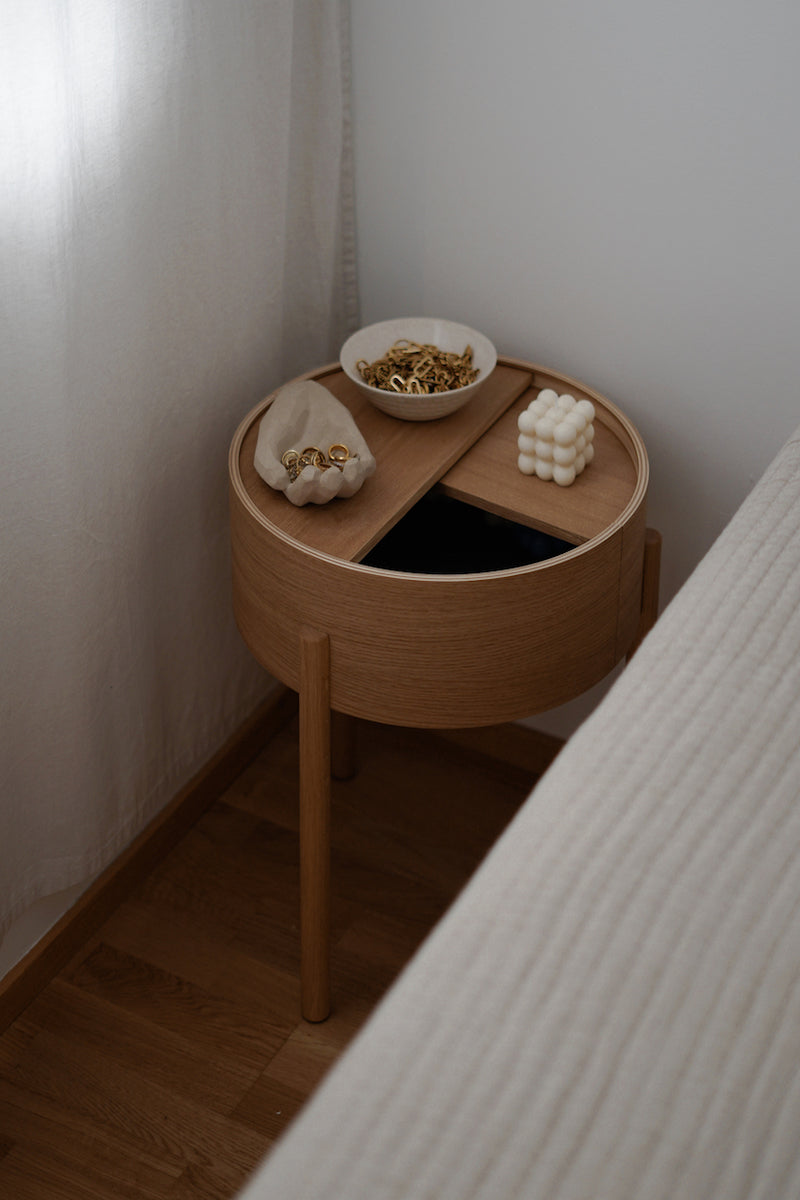
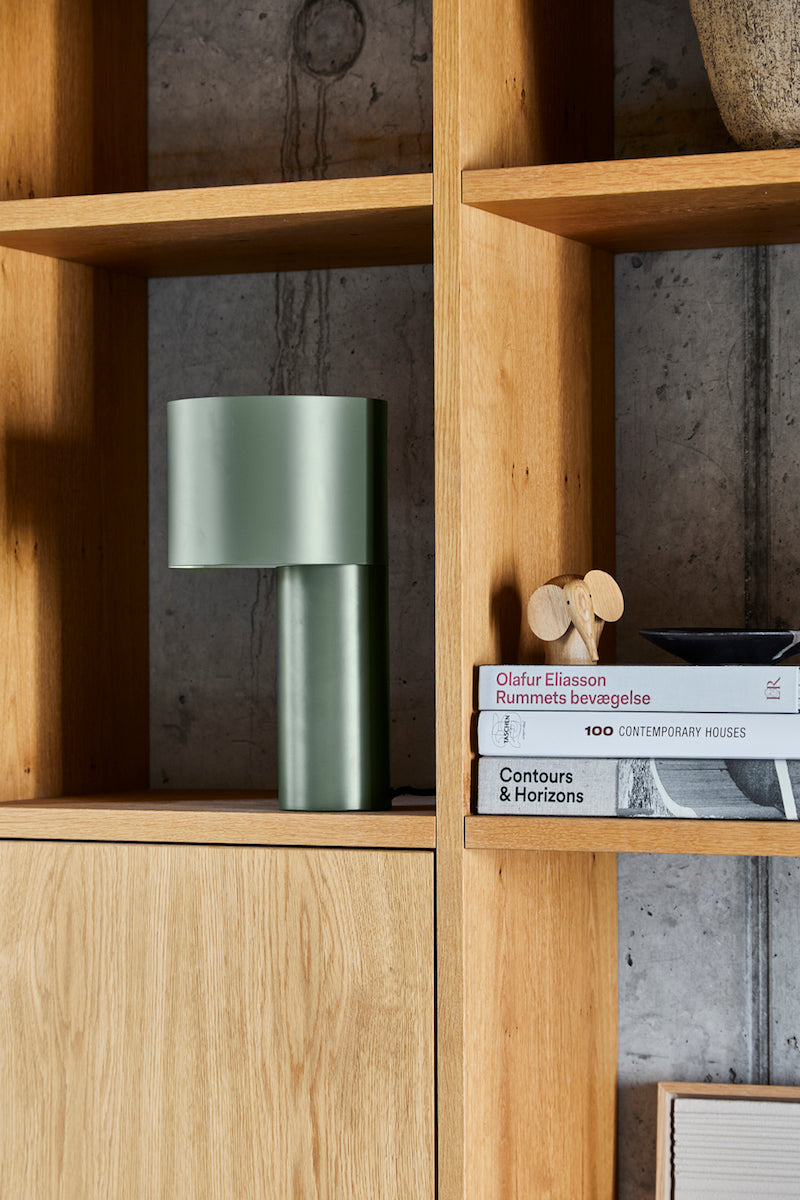
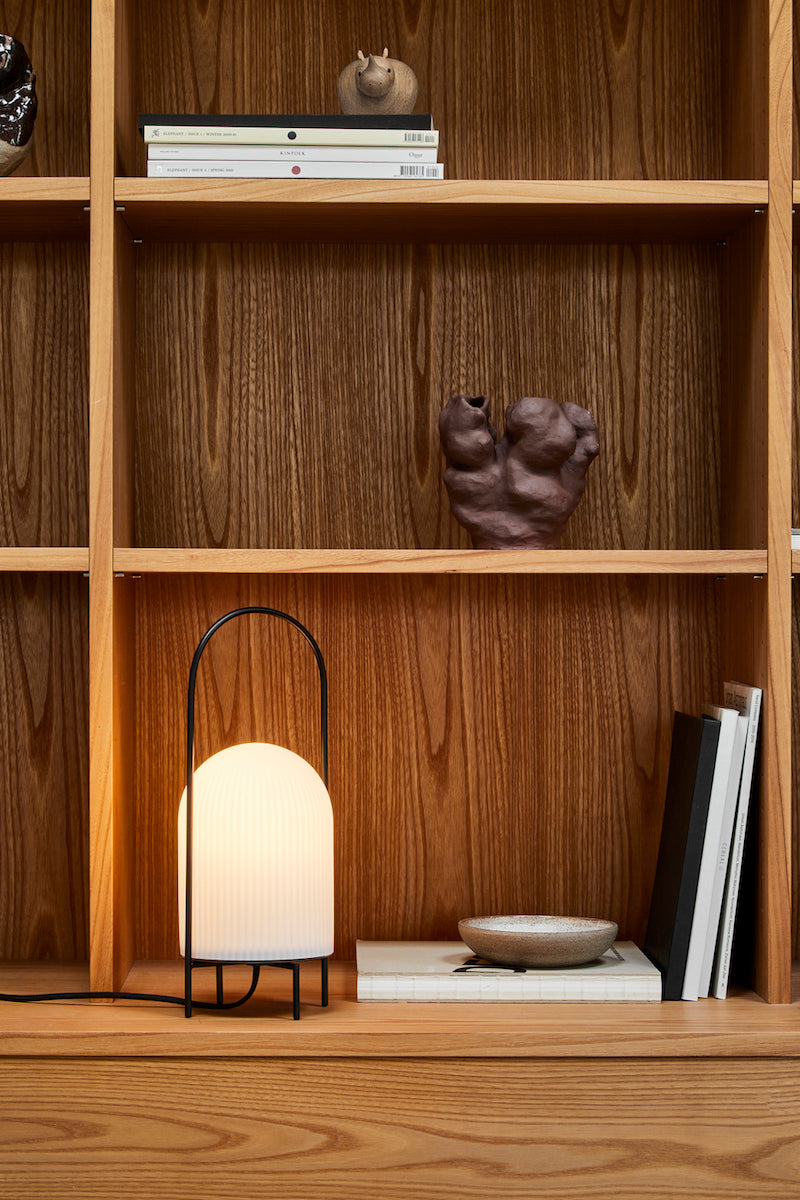
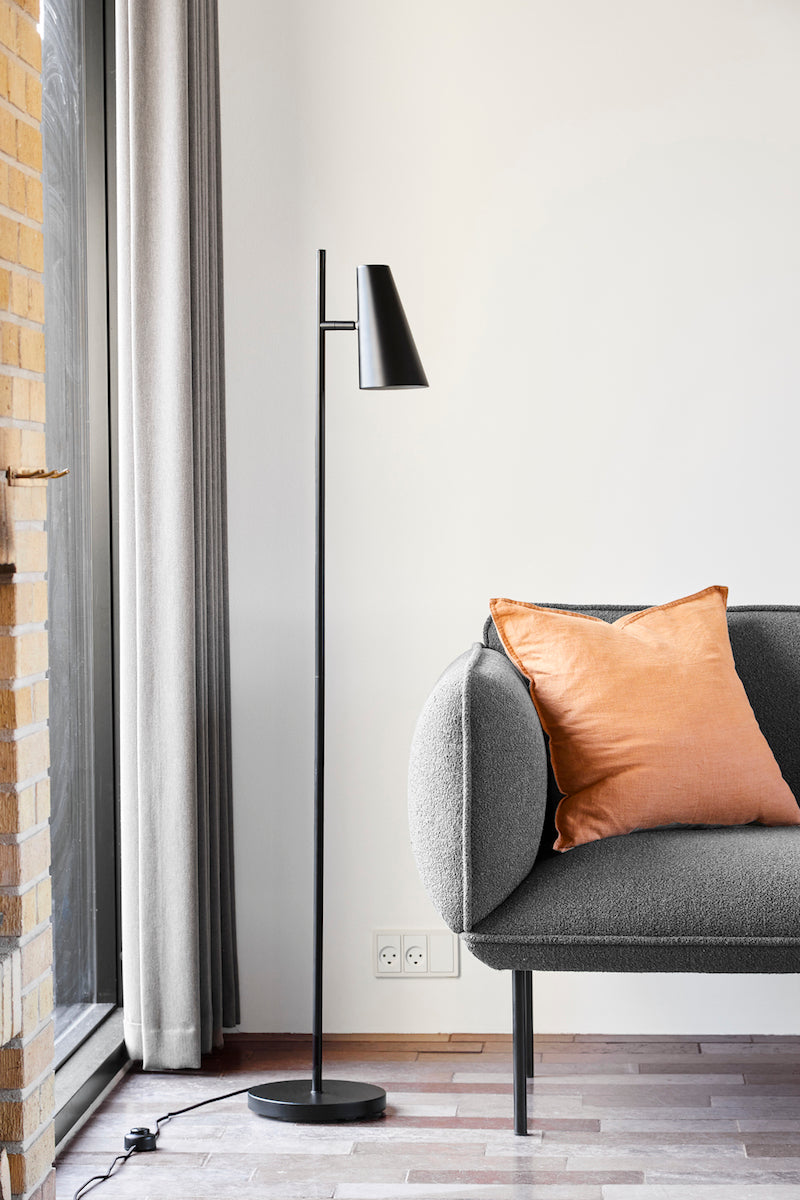
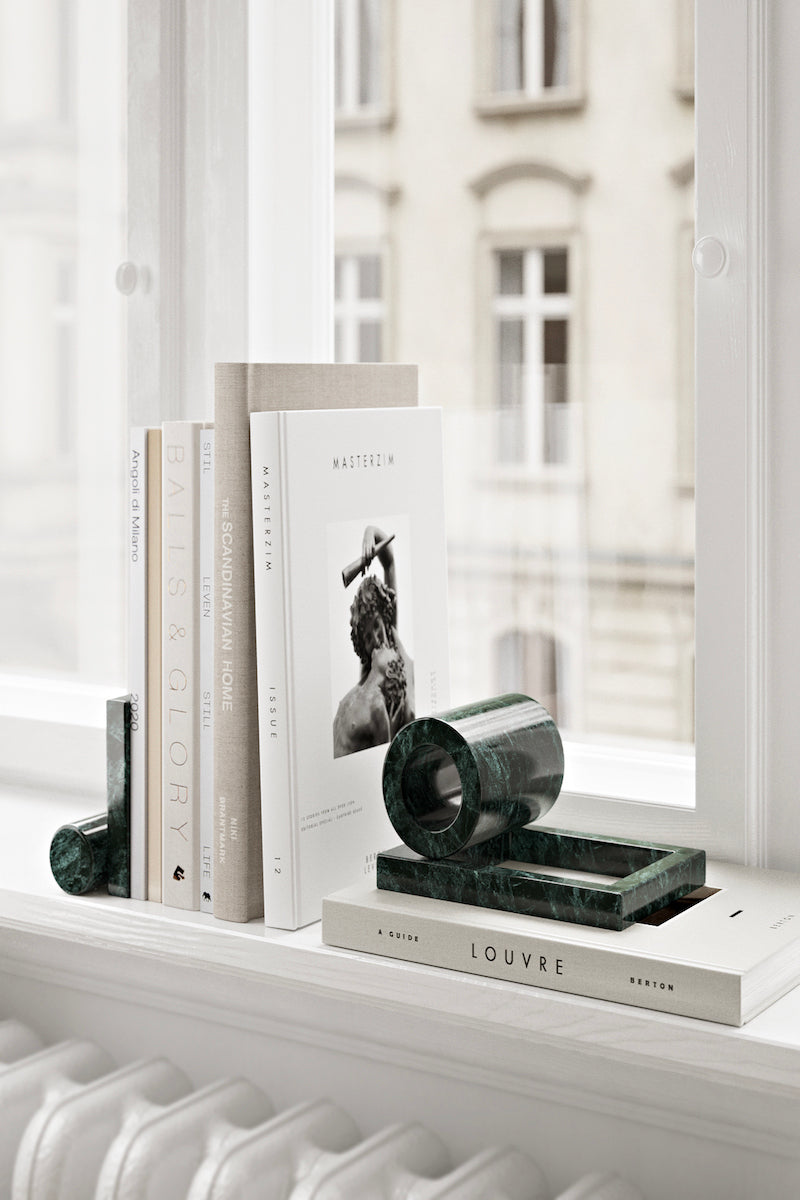
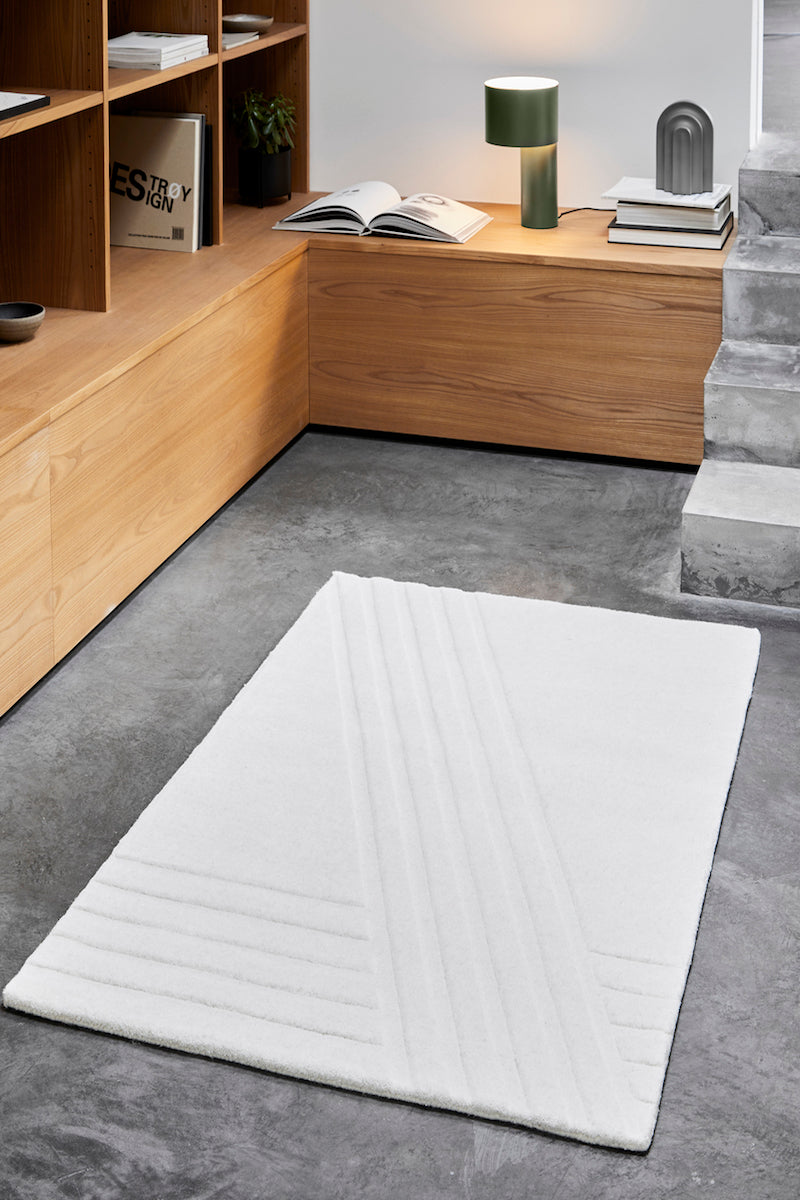
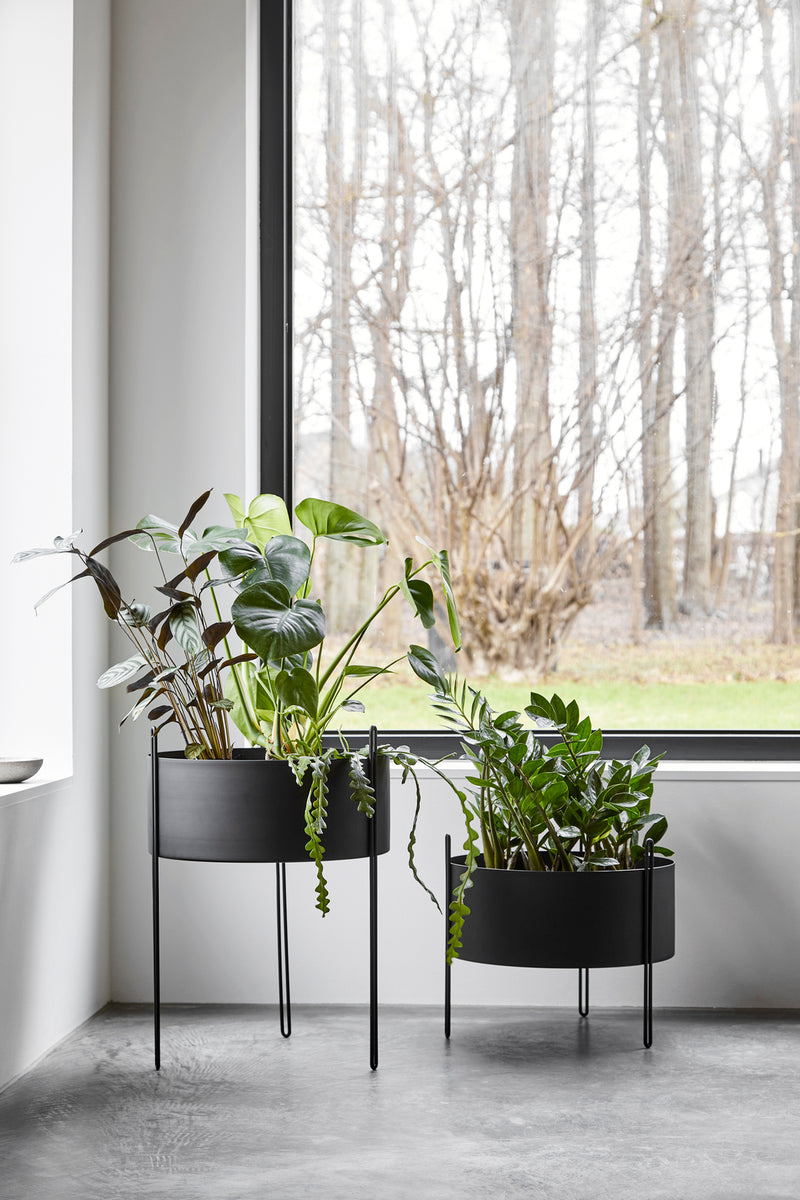
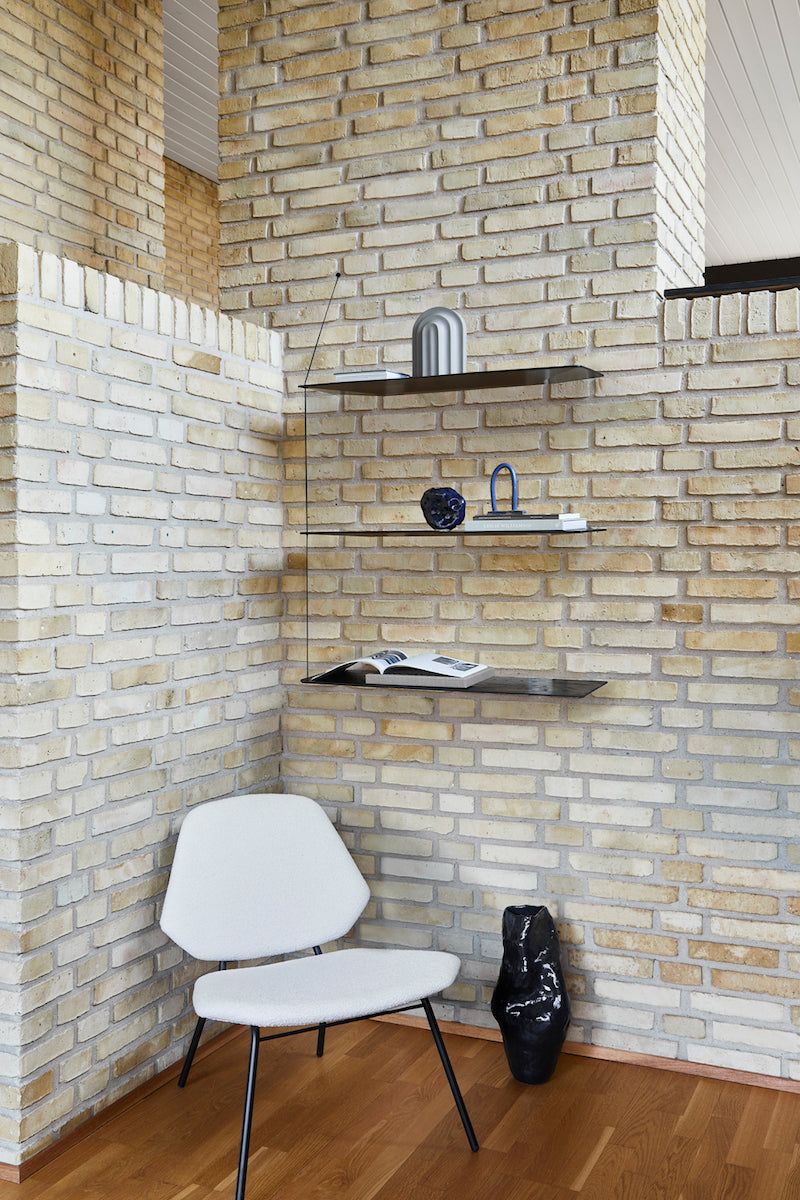
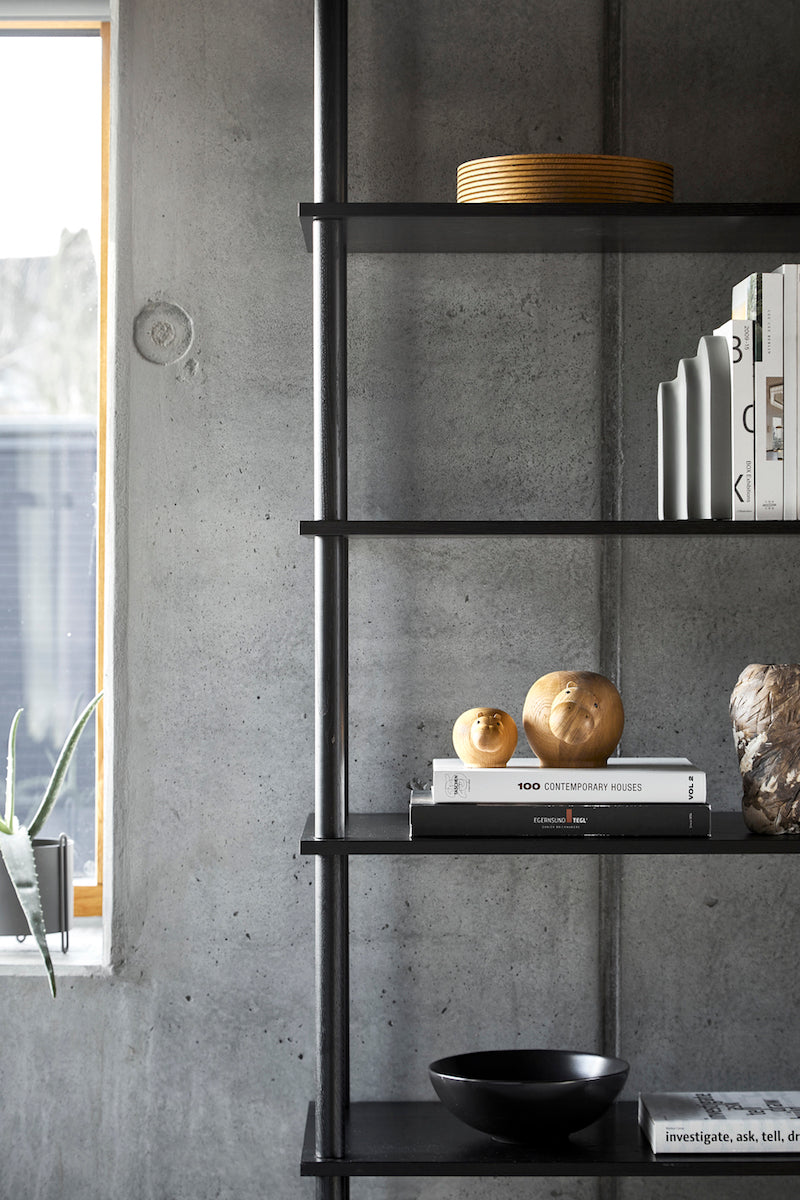
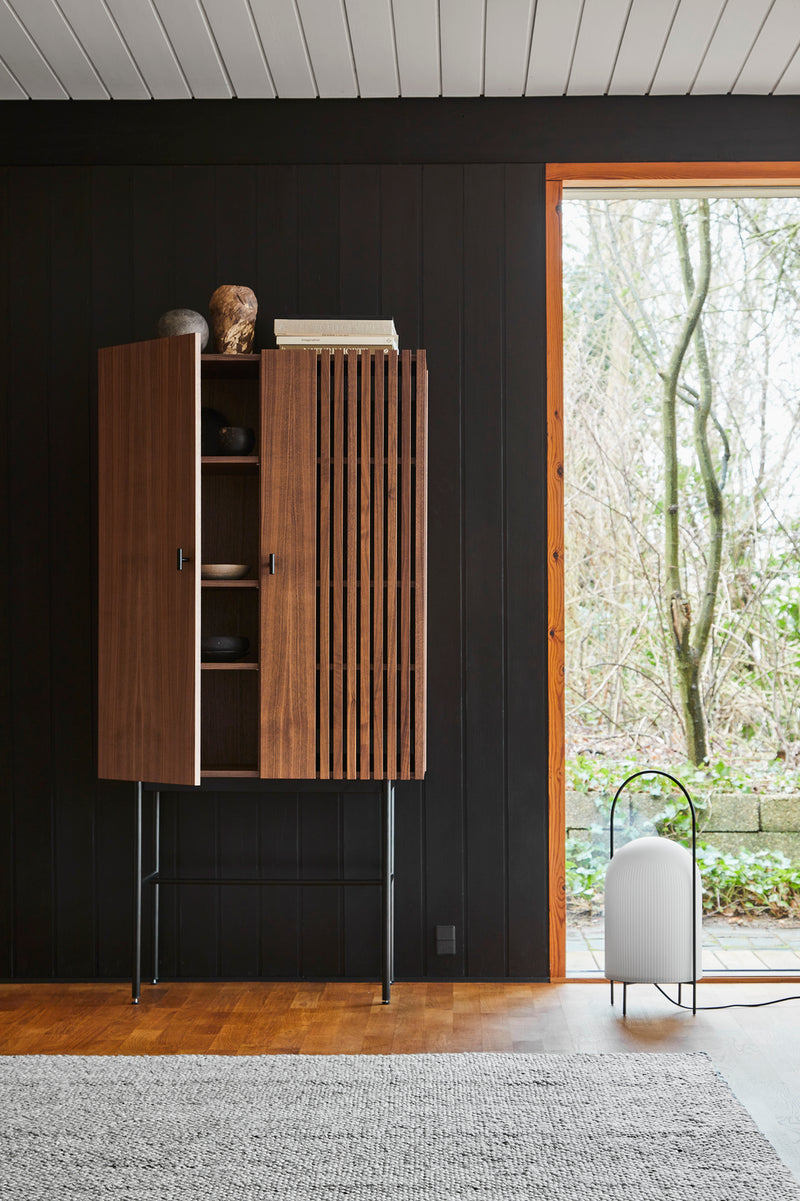
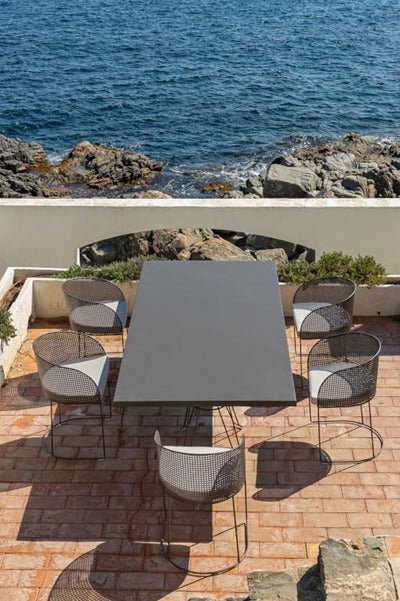
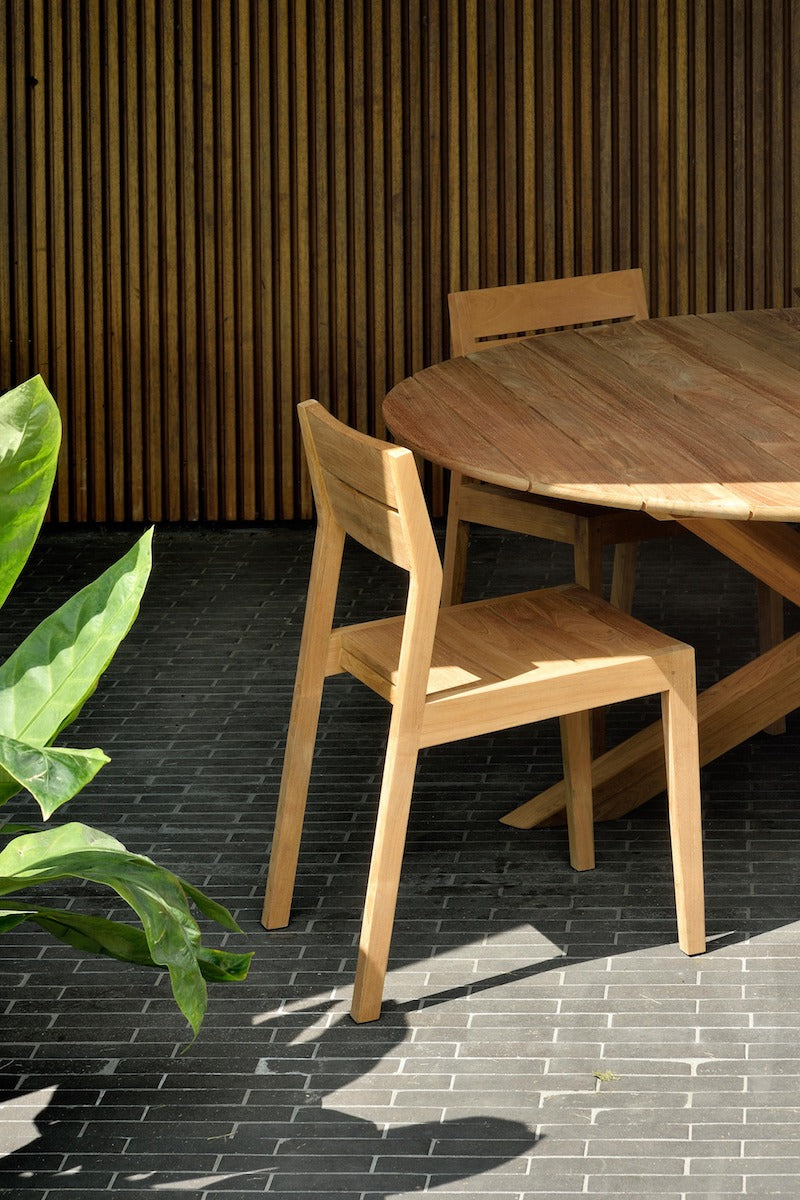
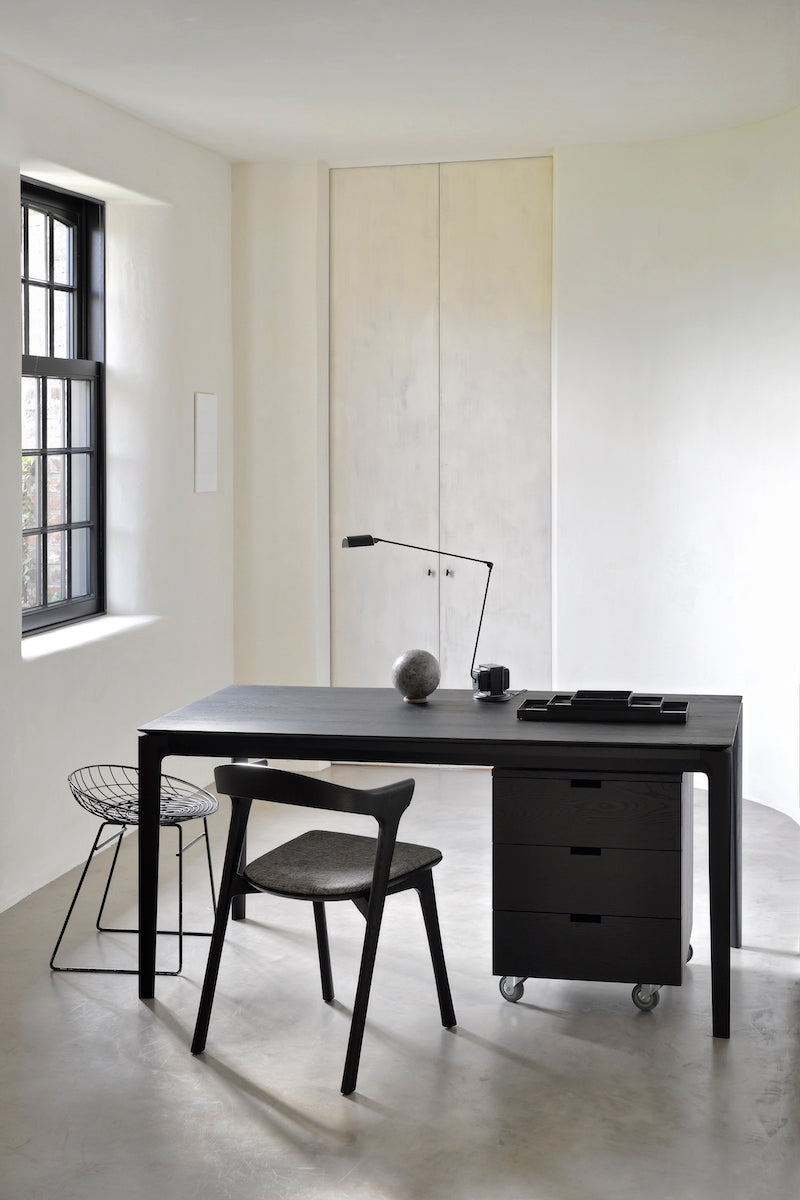
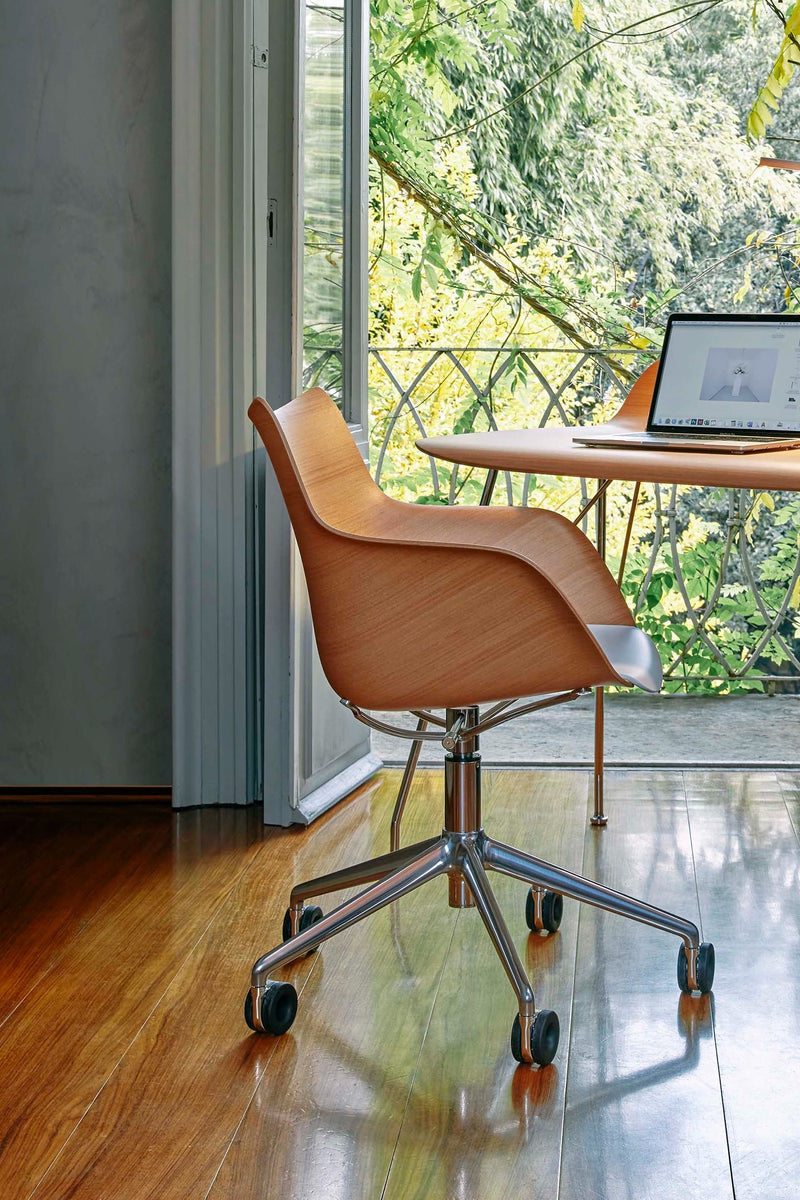
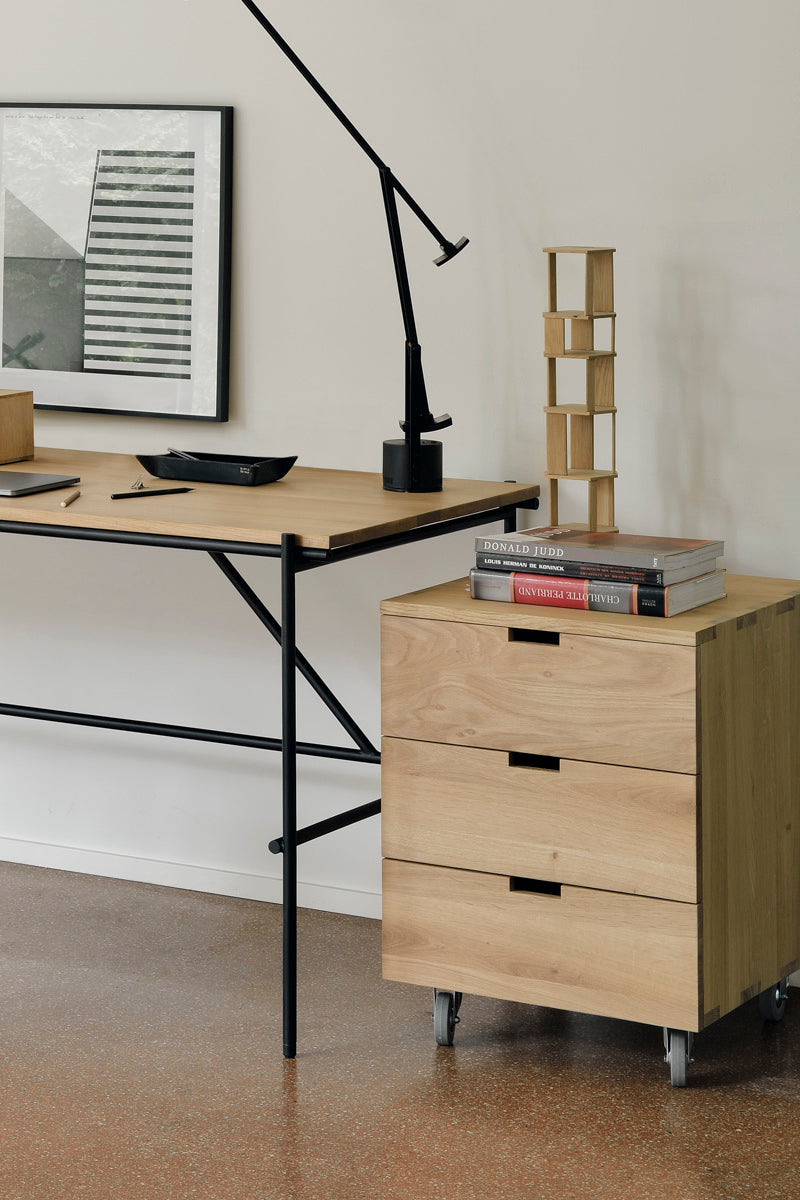
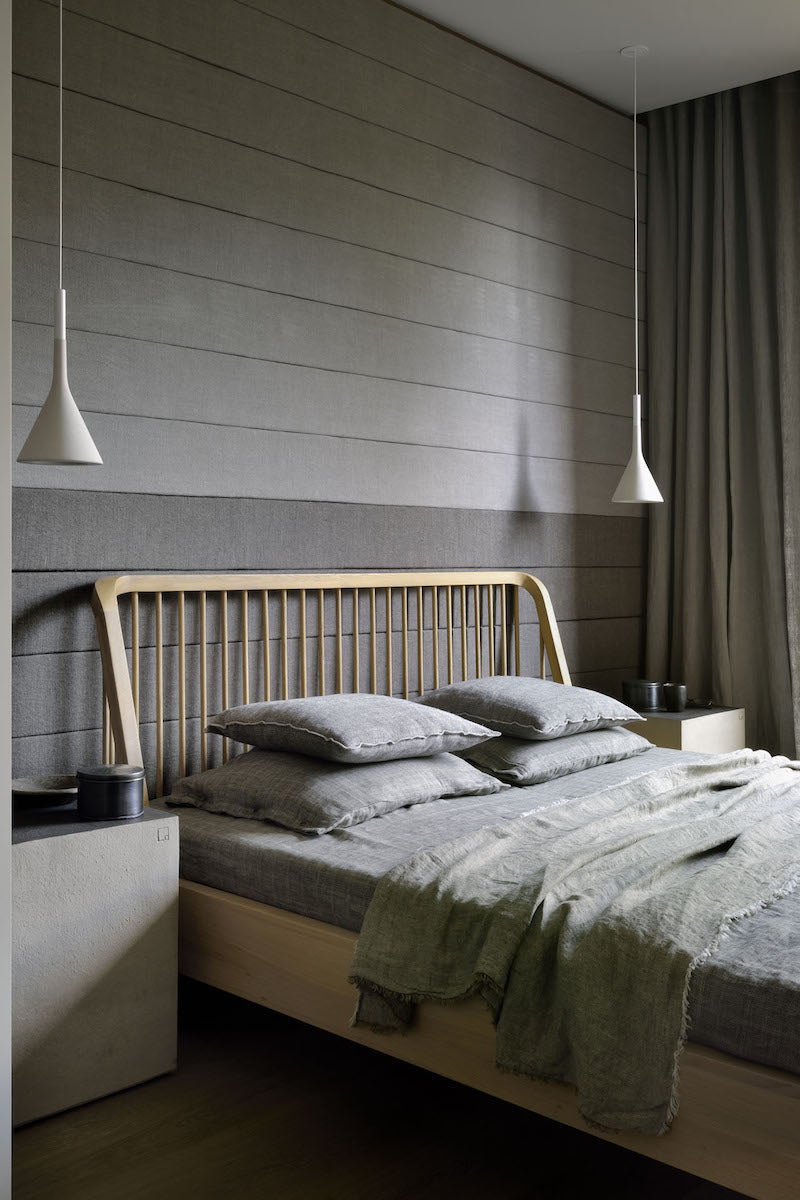
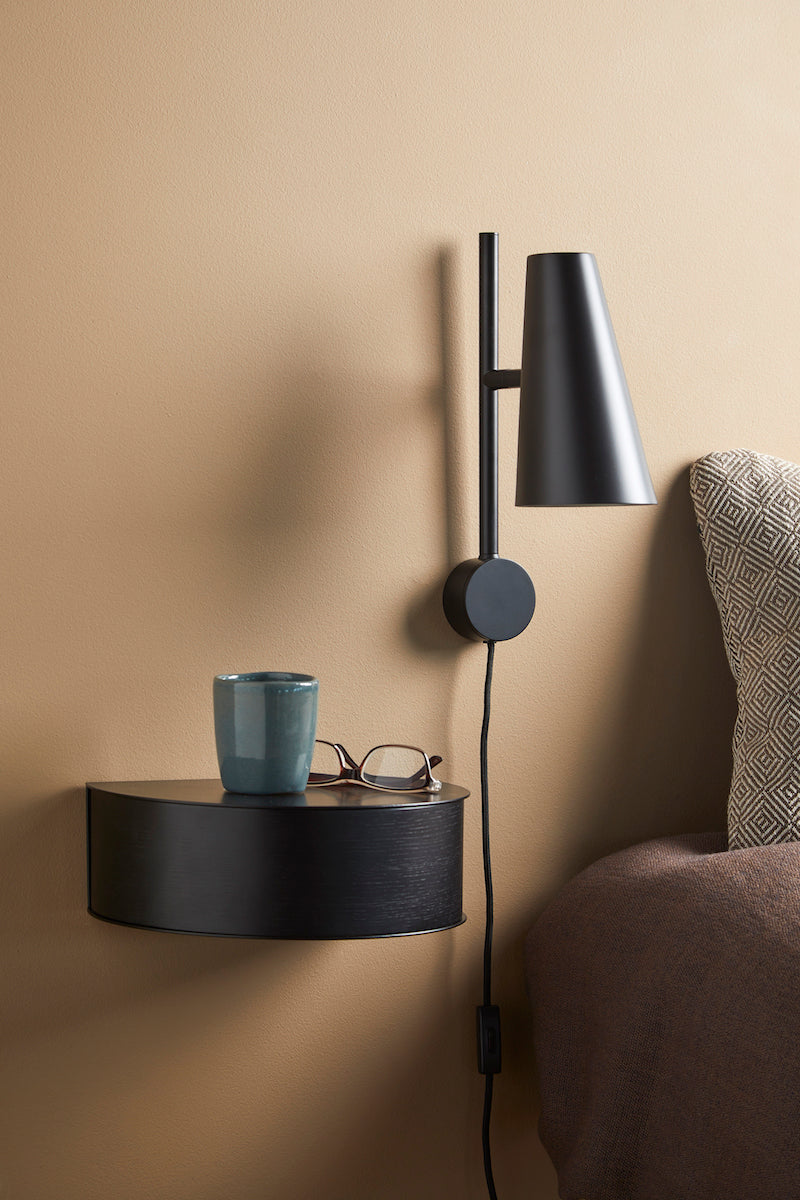
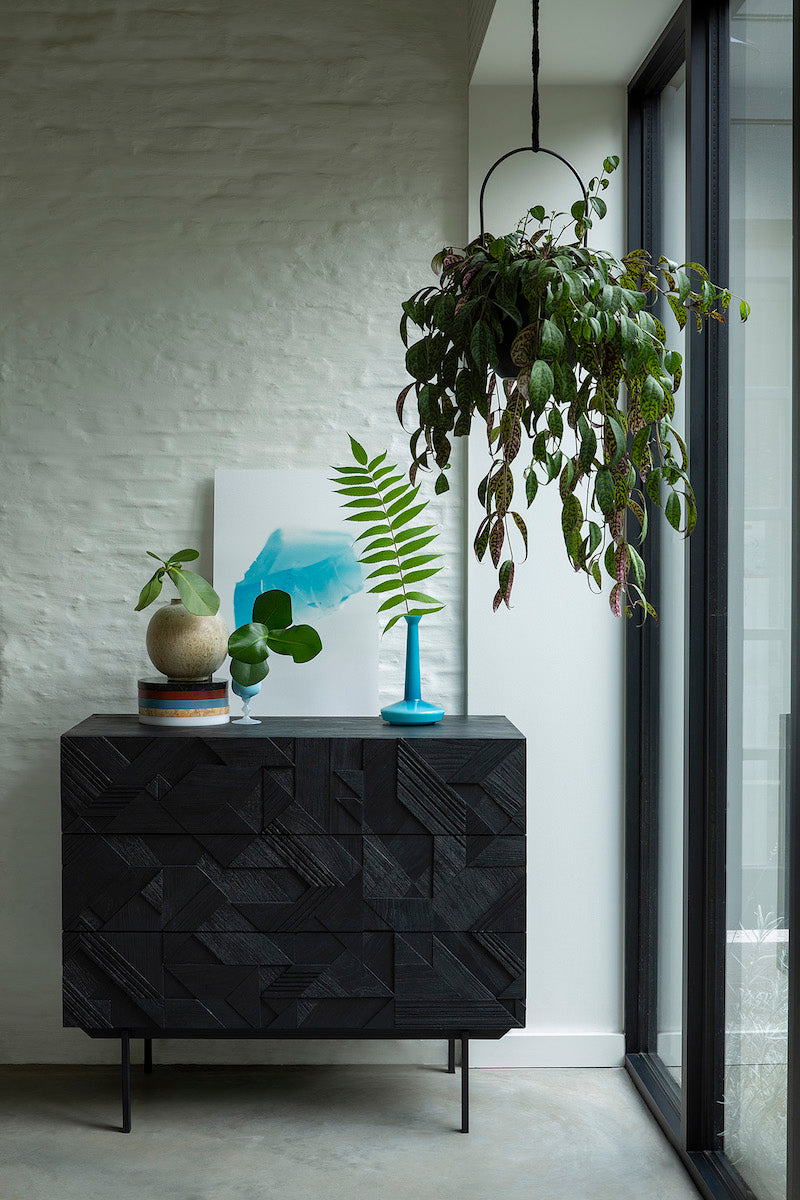
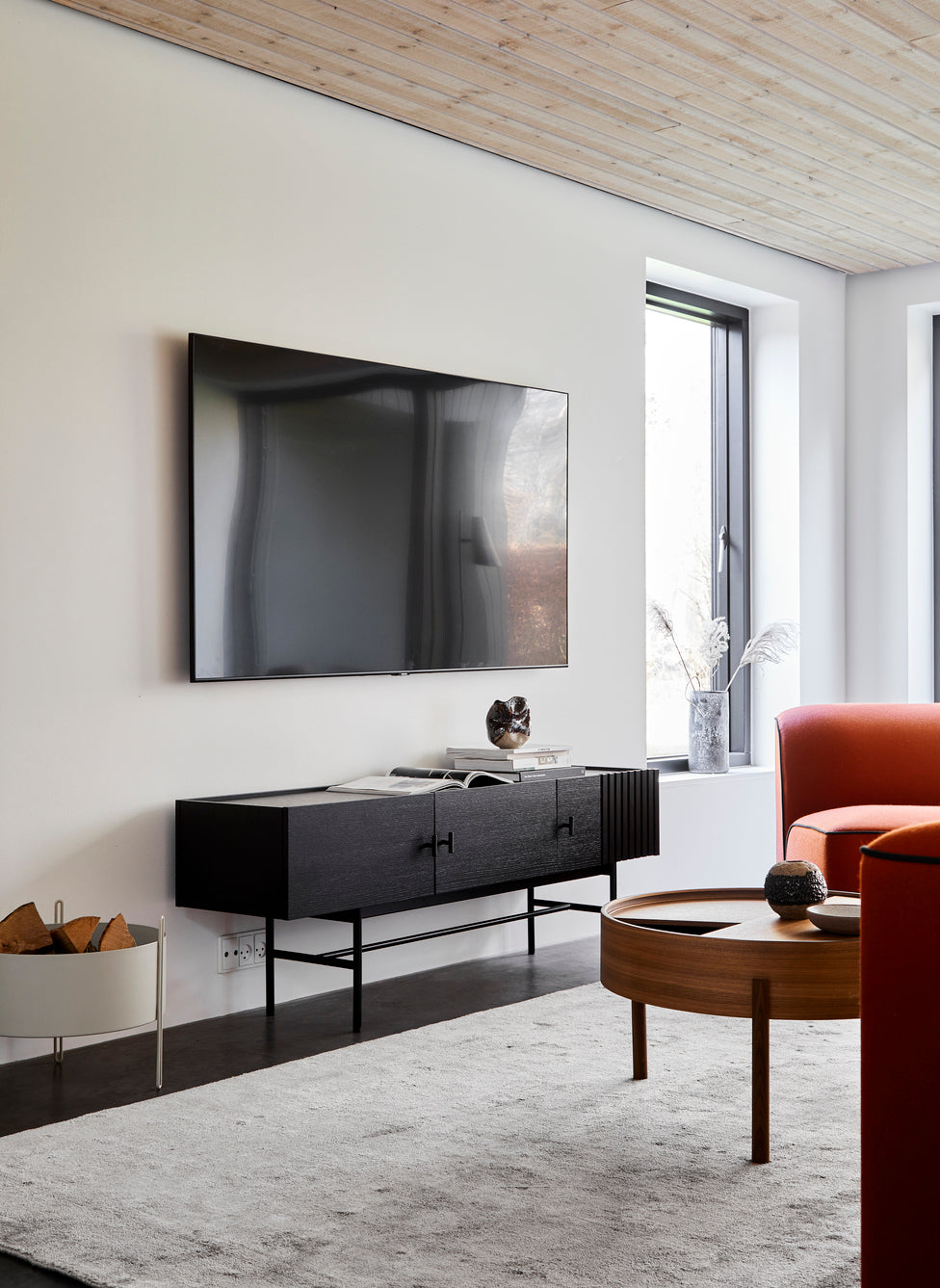
Warm minimalism is the defining furniture trend of 2026: a pared-back aesthetic built on earth tones — clay, terracotta, sage, walnut, and oxblood — paired with soft, warm whites rather than the cool grays that dominated the 2010s. Pantone named the serene warm white Cloud Dancer its Color of the Year for 2026, and the design fairs from Milan to Copenhagen leaned into honest, natural materials in warmer palettes. At Comosum, this is the look we've championed all along: solid wood, natural finishes, and color that comes from the material itself.
What Warm Minimalism Actually Is
Minimalism never went away, but its temperature changed. The minimalism of the 2010s was cool and hard-edged: gray sofas, white walls, chrome, and a slightly clinical restraint. Warm minimalism keeps the discipline — uncluttered rooms, clean lines, few but considered objects — and swaps the palette. Out go the cool grays and stark whites; in come oatmeal, clay, terracotta, walnut, oxblood, and the soft, creamy whites that read as calm rather than sterile.
The shift is partly a reaction. After years of cool neutrals, people want rooms that feel grounding and human, and color psychology tracks the mood: warm earth tones read as safe, natural, and quieting. Pantone's choice of Cloud Dancer — a gentle, warm-leaning white described as a symbol of calm and reflection — is the soft anchor of this palette, the neutral that lets walnut and terracotta sing. As Dwell noted in its coverage, the pick reads as a turn toward quiet and restraint.
It's also a reaction to how throwaway the cool-gray era turned out to be. Much of that look was delivered in painted MDF, bonded leather, and synthetic upholstery — pieces designed to photograph well and then wear out. Warm minimalism, by contrast, leans on materials that look better with age, which quietly shifts the whole proposition from decorating to investing. A walnut table or a wool-upholstered chair isn't styled to a single season; it's meant to be the backdrop to a decade of them. That is why the trend has landed hardest among buyers who already think about where their furniture comes from and how long it will last.
Why the Trend Is Built on Sustainable Materials
Here's what makes warm minimalism more than a color story: its palette is, by nature, the palette of natural materials. The trend doesn't ask for paint and plastic in fashionable colors — it asks for the colors that wood, leather, wool, and stone already are.
Color That Comes From the Material
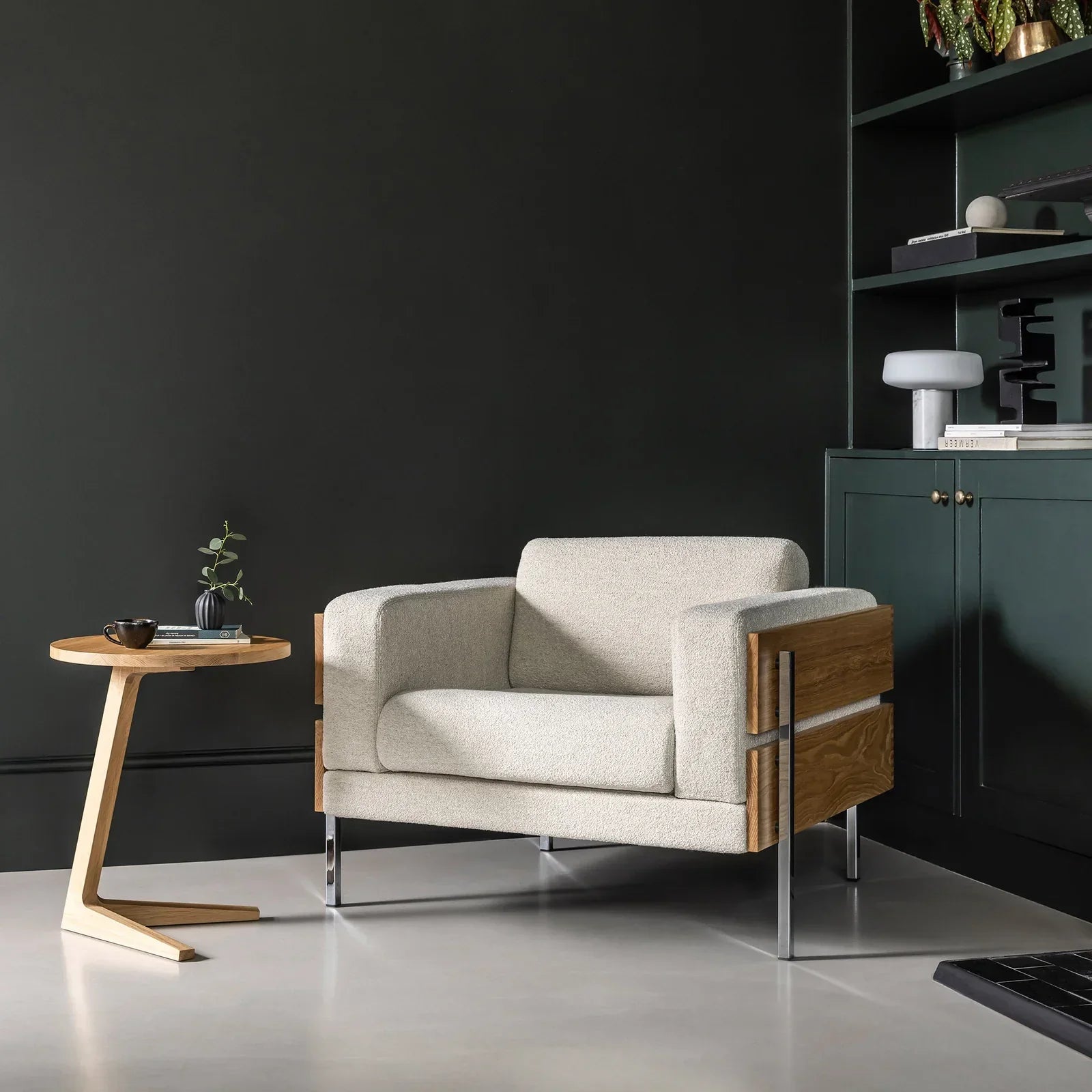
Walnut, oak, and teak supply the browns; oiled and waxed finishes deepen them without hiding the grain. Vegetable-tanned leather ages into warm cognac. Undyed wool and linen give the oatmeal neutrals. When color comes from the material rather than a coating, it lasts as long as the piece and ages gracefully instead of looking dated — which is the opposite of fast furniture finished in a trend color that chips.
The Designers Driving It
The look has been building across the major fairs — Salone del Mobile in Milan and 3 Days of Design in Copenhagen — where solid-wood and earth-toned collections have steadily displaced cool monochrome. Brands like Ethnicraft lead with solid FSC oak and teak in warm oiled finishes, and have introduced upholstery in burgundy and forest green; Mater works recycled and natural materials in earthy tones; and Danish house WOUD pairs the restraint of Scandinavian design with warm, tactile materials.
Longevity as the Real Trend
The deepest reason warm minimalism and sustainability align is longevity. A room of solid-wood, natural-fiber, honestly colored pieces is one you keep, not one you replace next season. The trend rewards buying less and buying better — which is exactly the sustainability case.
Why This Matters at Comosum
We've curated toward this aesthetic since before it had a name. Our catalog has always favored solid wood over veneered particleboard, oiled finishes over high-gloss coatings, and natural fibers over synthetics — the exact ingredients of warm minimalism. So while the trend is new in the headlines, for us it's simply what good, sustainable furniture has always looked like.
It also connects the threads of earlier pieces we've written: warm minimalism is the 2026 evolution of the Japandi look, shares the natural-materials logic of biophilic design, and carries forward the honesty of responsibly reissued mid-century modern. The common thread is material truth — and that's the whole point of how we curate. Browse all of our sustainable furniture brands to see it.
What to Shop at Comosum
Five pieces that capture the warm-minimalist palette, all in stock:
- Ethnicraft Bok Dining Table — Alain van Havre's sculptural solid-oak table, in a warm oiled finish that puts the grain front and center. From $1,889.
- Ethnicraft Casale Dining Chair — A restrained solid-oak chair by Studio Kaschkasch, all clarity and warm wood. From $529.
- Ethnicraft Osso Counter Stool — The Bouroullec brothers' organic oak stool, available with warm cognac leather. From $559.
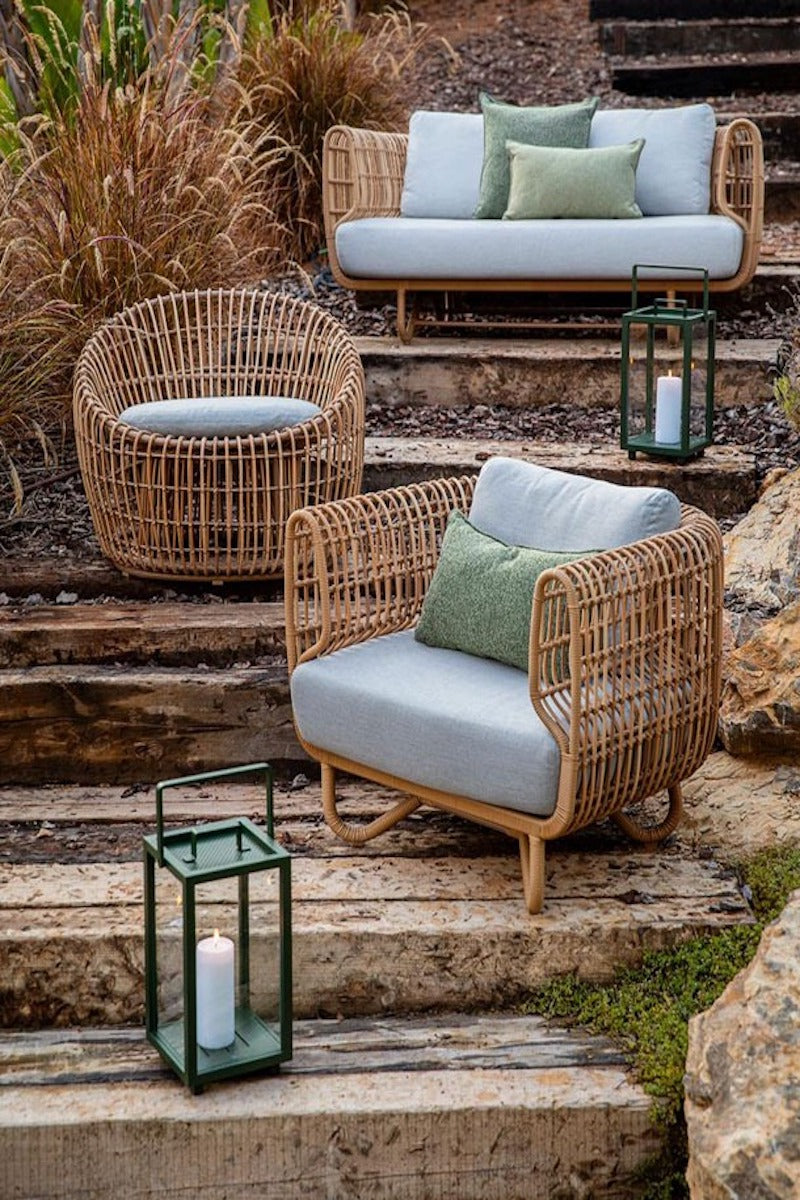
- Ethnicraft Jack Outdoor Sofa — Solid teak with cushions in earthy burgundy and forest green — the warm palette taken outdoors. From $3,059.
- WOUD Dot Pendant — A quietly minimalist Danish pendant by Rikke Frost that adds restraint without coldness. From $299.
Explore Ethnicraft, Mater, WOUD, and FDB Møbler at Comosum →
Frequently Asked Questions About 2026 Furniture Trends
What is the biggest furniture trend for 2026?
Warm minimalism — minimalist, uncluttered interiors built on warm earth tones like clay, terracotta, walnut, and oxblood, paired with soft warm whites instead of cool gray. It keeps the discipline of minimalism while making rooms feel grounding and human rather than clinical.
What is the Pantone Color of the Year for 2026?
Pantone named Cloud Dancer, a serene warm-leaning white, its Color of the Year for 2026 — the first time it has chosen a white. It functions as the calm neutral anchor of the warm-minimalist palette, letting natural materials like walnut and terracotta stand out.
Are earth tones replacing gray in interior design?
Largely yes. The cool grays that dominated the 2010s are giving way to warmer neutrals and earth tones — oatmeal, clay, sage, and walnut — that feel more natural and calming. Designers at the major 2025–2026 fairs leaned heavily into these warmer palettes.
How is warm minimalism connected to sustainability?
Its palette is the palette of natural materials: solid wood, leather, wool, and linen supply the browns, cognacs, and oatmeals without paint or plastic. Because the color comes from the material, these pieces age gracefully and stay relevant, which encourages buying durable furniture once rather than replacing trend-colored pieces.
How do I get the warm minimalist look sustainably?
Start with solid-wood furniture in oiled or waxed finishes, add natural-fiber textiles in warm neutrals, and limit yourself to a few well-made pieces rather than many disposable ones. Brands like Ethnicraft, Mater, and WOUD build the aesthetic into FSC-certified and recycled materials.
Warm minimalism isn't really new for us — it's what sustainable furniture has always looked like when the color comes from the material itself. See how the same idea plays out in our guide to Japandi style.


Leave a comment
This site is protected by hCaptcha and the hCaptcha Privacy Policy and Terms of Service apply.