
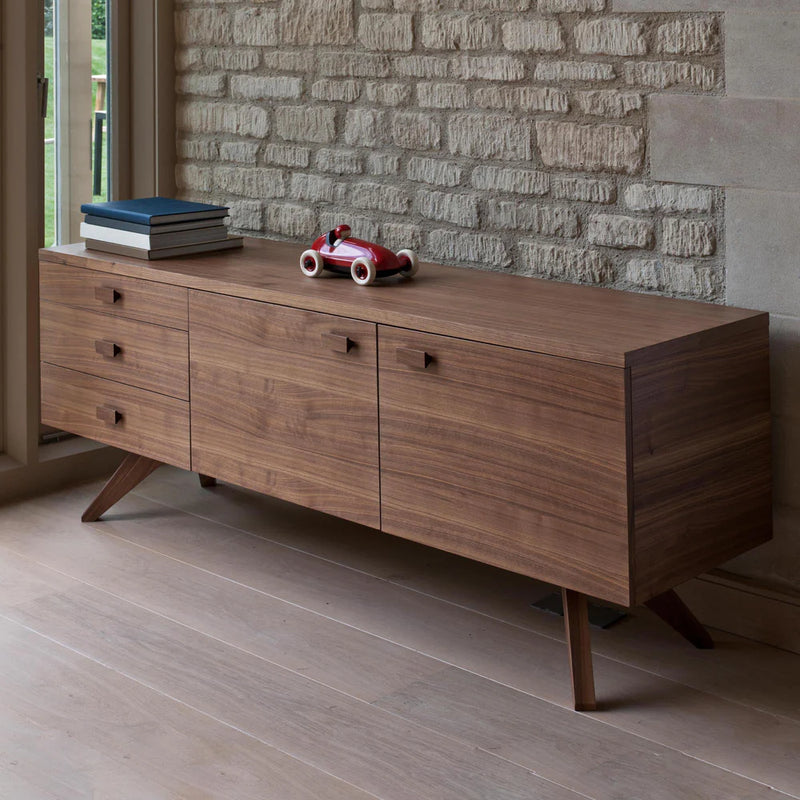
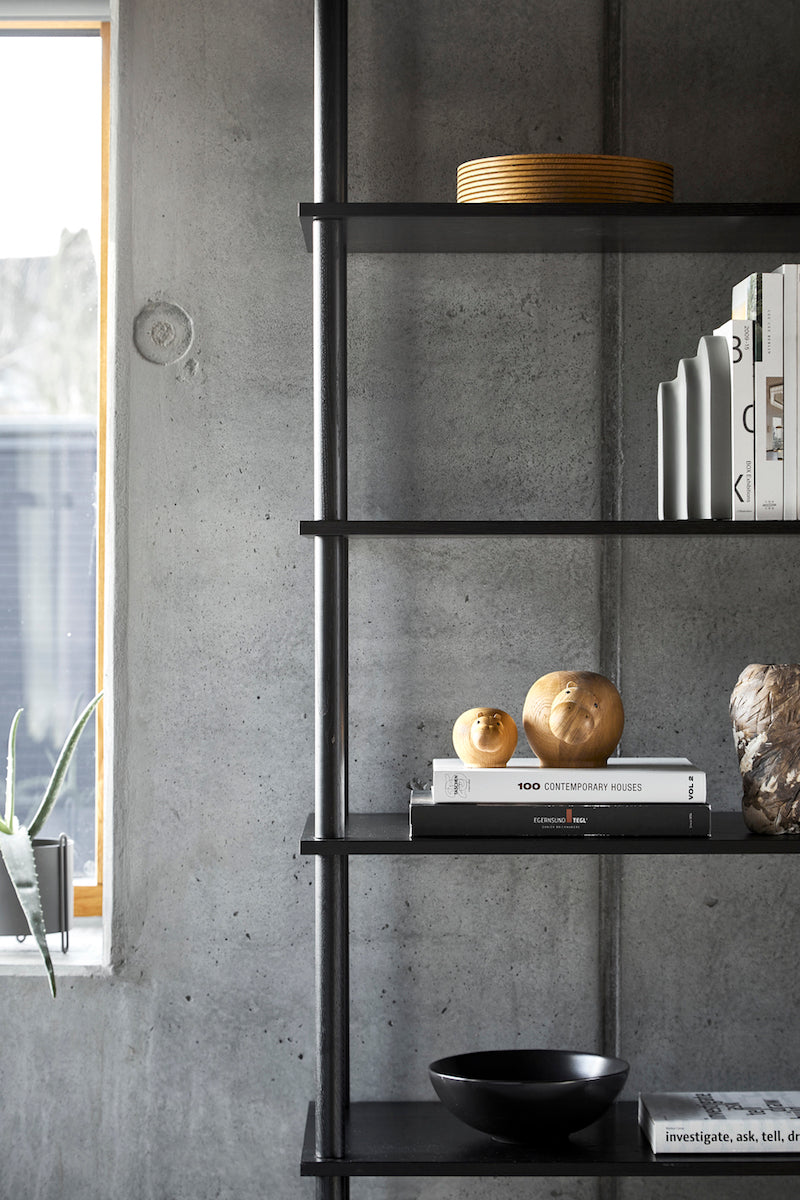
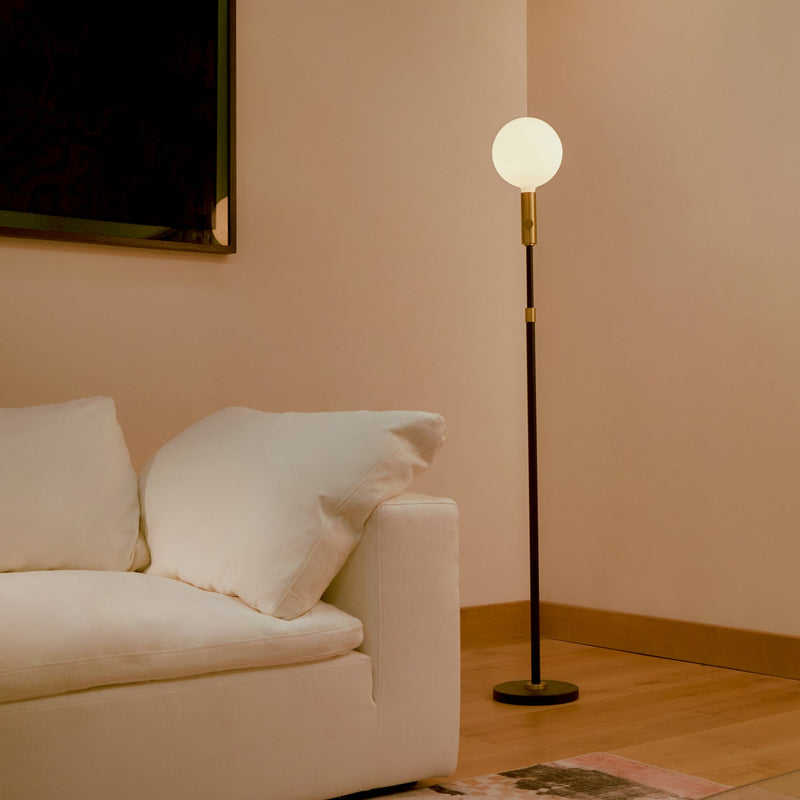

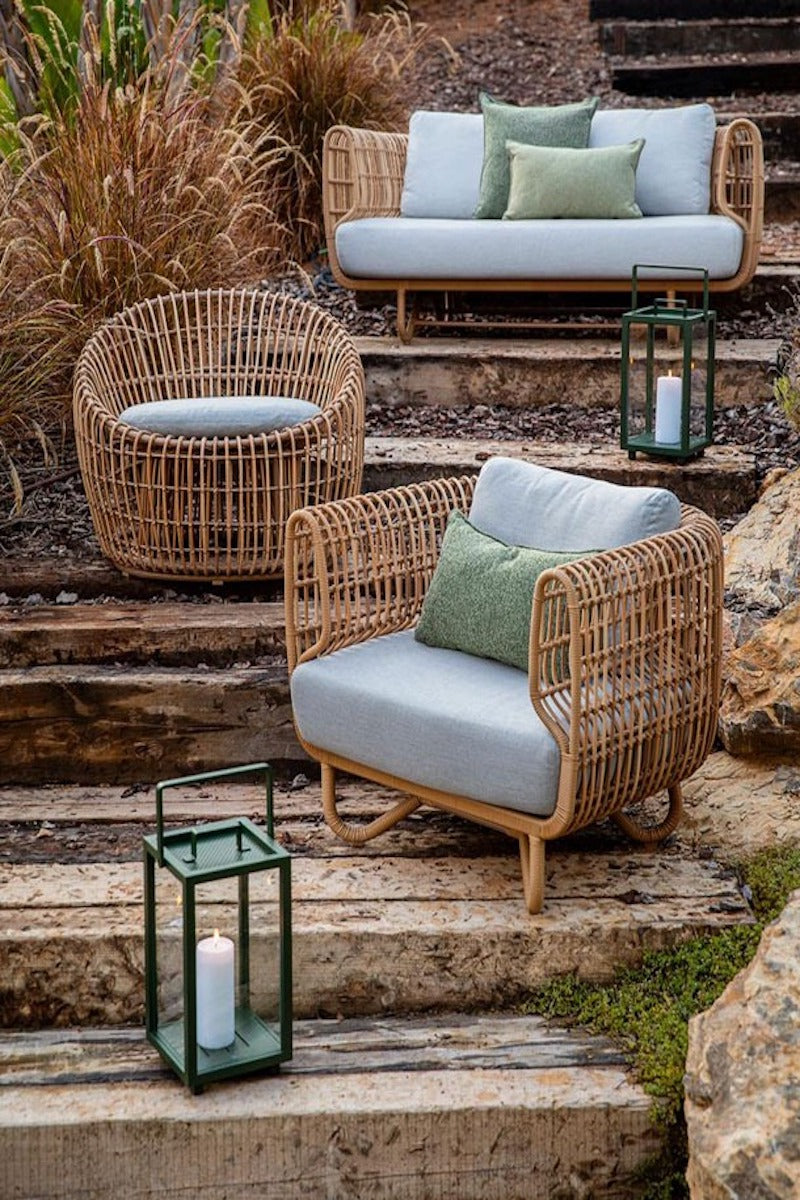
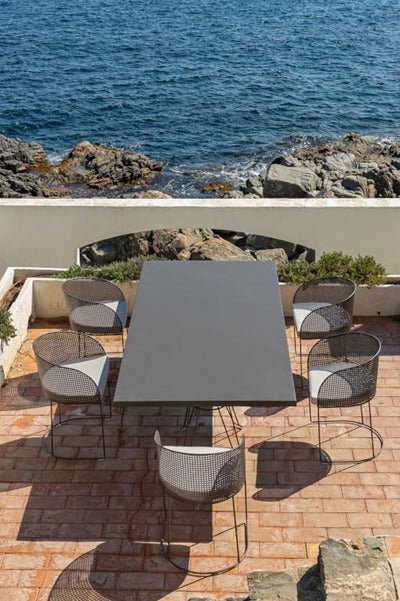
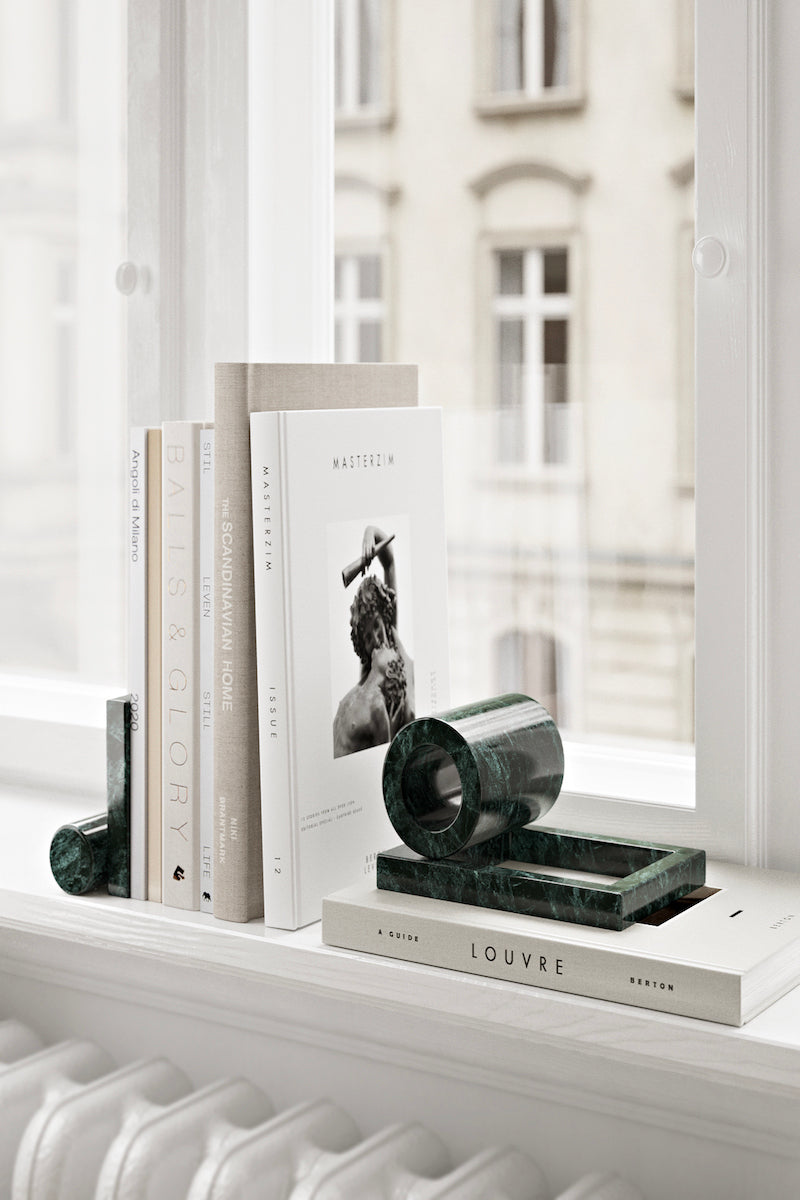
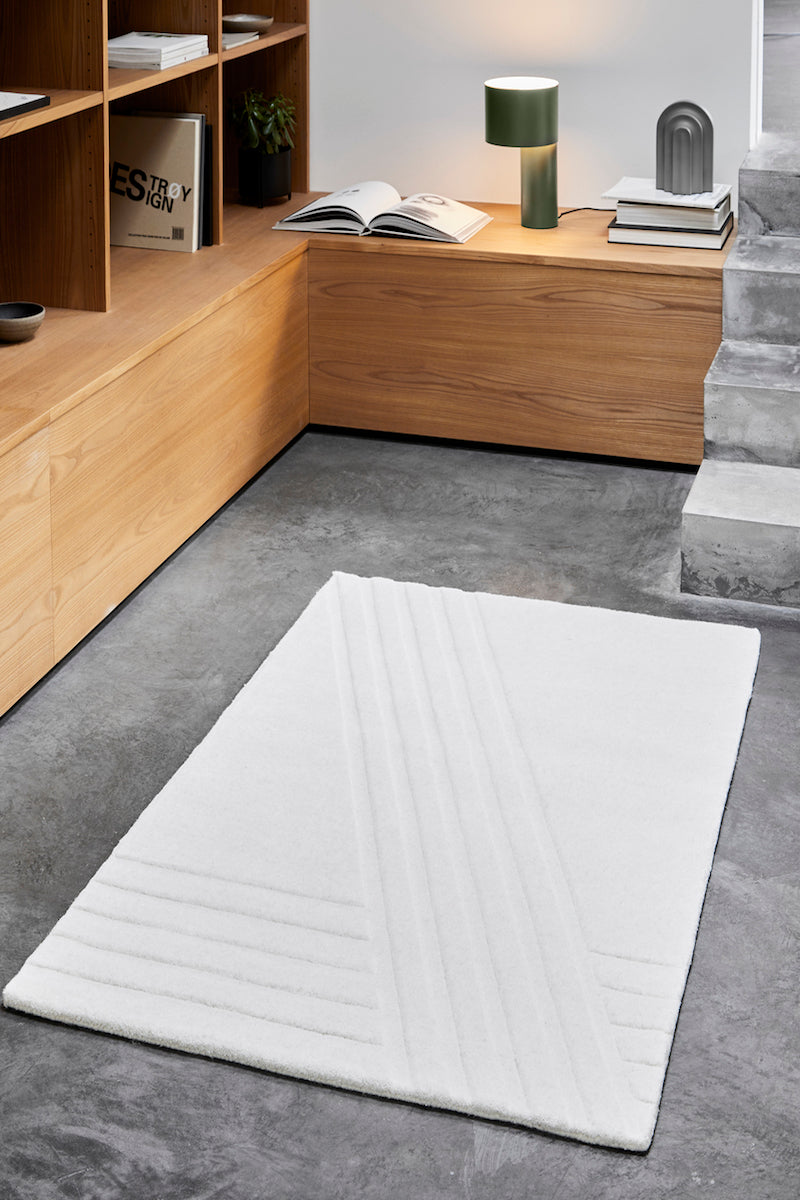
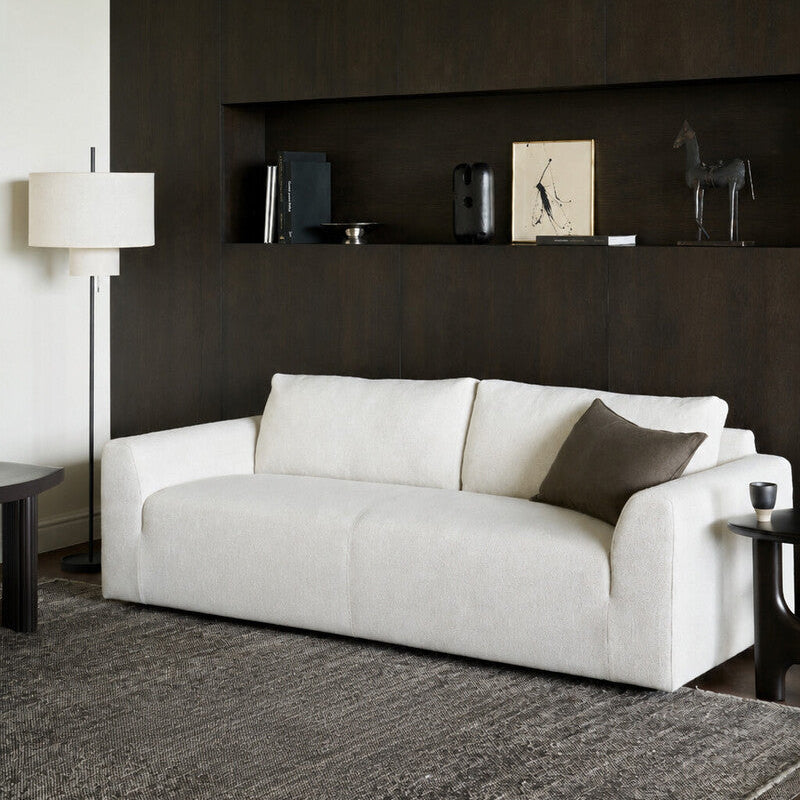
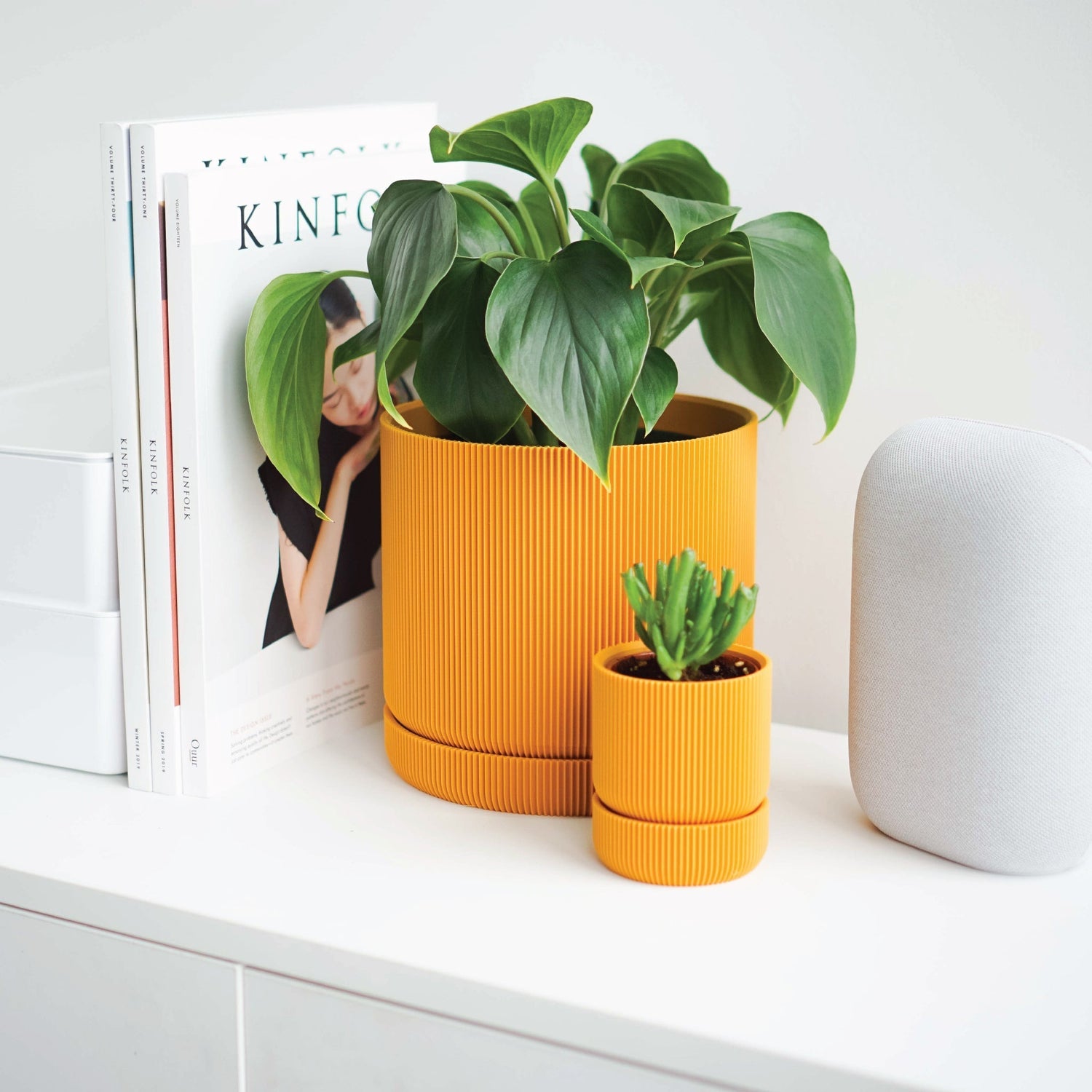
Biophilic design furniture reconnects the home to the natural world through raw wood grain, plant life, daylight, and warm task lighting. The framework was formalized in 2008 by Yale ecologist Stephen R. Kellert, who codified 14 patterns spanning natural materials, dynamic light, and visual connection to nature. At Comosum, brands like Ethnicraft solid oak, Greenington bamboo, FDB Møbler beech, and Anglepoise lamps translate that research into furniture you can live with. The easiest place to start is a plant: our sustainable planters collection covers indoor and outdoor pots.
Why Biophilic Design Matters at Home
The word biophilia — literally "love of life" — was popularized by biologist E.O. Wilson in his 1984 book of the same name. Stephen Kellert, his Yale colleague, took the idea from theory to practice, publishing the design framework in Biophilic Design: The Theory, Science and Practice of Bringing Buildings to Life (Wiley, 2008). Kellert's 14 patterns — later refined into the Living Building Challenge's biophilic design imperative — argue that humans evolved over hundreds of thousands of years in natural environments and continue to function best when our homes echo them.
For most of the twentieth century, residential design moved the other way: synthetic veneers, sealed windows, fluorescent overheads. The 2010s reversed that trend. Architects publishing in Dwell and the Living Building Challenge framework started writing about daylight access, visible grain, and indoor plant integration as measurable design choices rather than aesthetic preferences. The home version is simpler than the architectural one — but the levers are the same: real materials, real light, and real plants.
The Three Pillars of Biophilic Furniture
You don't need to rebuild your house to design biophilically. You need to make deliberate choices about what surfaces, what light, and what life enters the room.
Materials: Real Grain, Honest Finishes
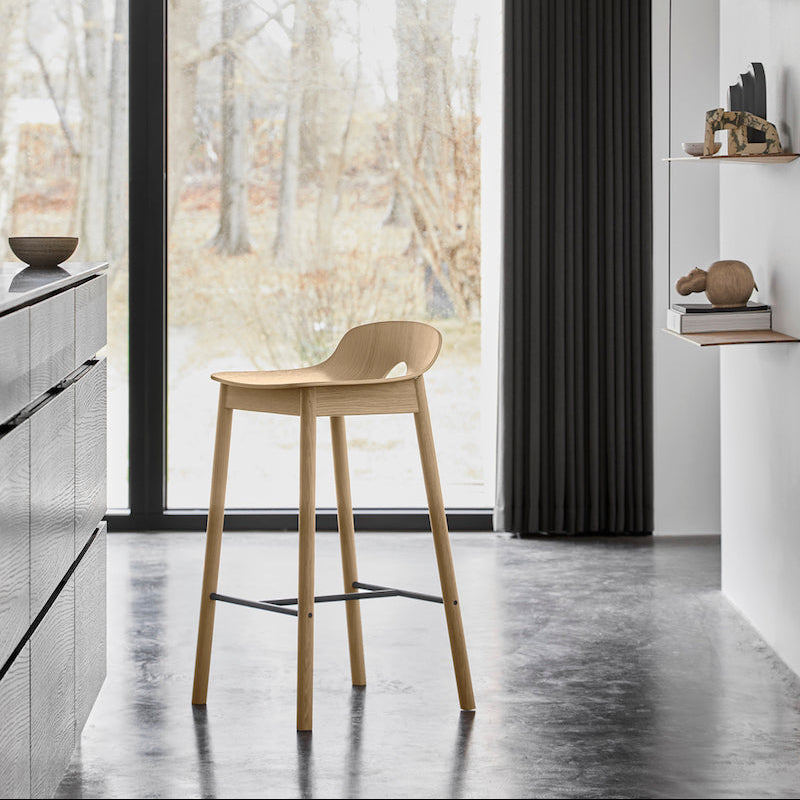
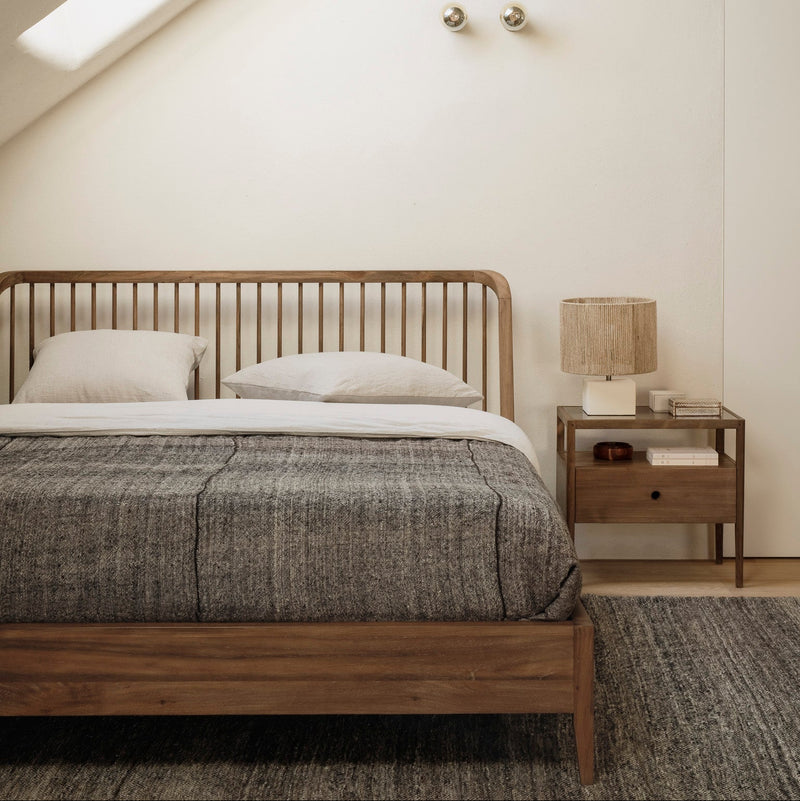
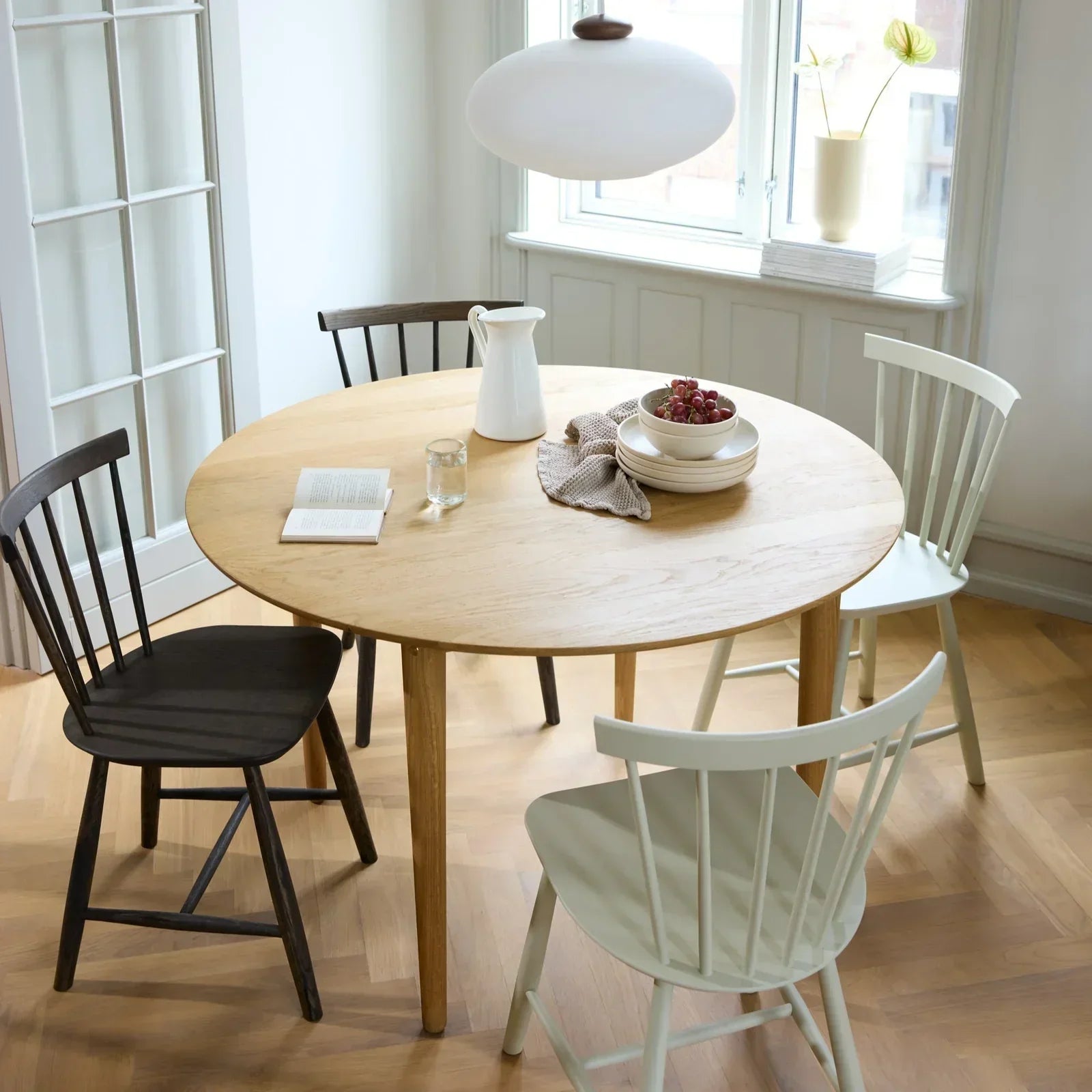
Biophilic design rules out the optical illusions: printed-paper wood grain, plastic laminates, melamine "oak." It calls for materials whose origin is legible at a glance. Ethnicraft's solid-oak dining tables, for example, are finished in oil or water-based varnish that keeps the grain in view. Greenington works exclusively in Moso bamboo — a fast-regenerating grass that reaches harvest in three to five years and is bonded with formaldehyde-free adhesives that meet GREENGUARD indoor air-quality thresholds. FDB Møbler, the Danish design studio founded in 1942, builds chairs in solid beech and oak under the Nordic Swan Ecolabel, one of Europe's strictest cradle-to-grave certifications.
Manufacturing: Where and How
Where furniture is made changes how biophilic the system is. Ethnicraft sources oak from responsibly managed forests, by its own account, and makes its furniture at its own production sites in Serbia, Indonesia, Vietnam and Malaysia, with ateliers in six countries including Belgium. Greenington has been working with Moso bamboo since 2004 and pioneered Pure®, a bamboo-bonding process that eliminates formaldehyde from the lamination stage. FDB Møbler has designed furniture since 1942 on the belief that good quality should be accessible to most people, and tests every piece at the Danish Technological Institute.
Certifications That Anchor the Claim
For biophilic design to mean anything beyond aesthetics, the materials need traceable credentials. The certifications we look for, in order: Forest Stewardship Council (FSC) chain-of-custody on hardwoods, Nordic Swan Ecolabel on Scandinavian pieces, GREENGUARD Gold for indoor air quality, and B Corp status for company-wide sustainability accounting. Anglepoise — the British lamp maker behind the Original 1227, designed by George Carwardine in 1935 — was certified B Corp in January 2024 and gives every new lamp bought since 2020 a lifetime guarantee, which is itself a biophilic argument: repair, not replace.
Why We Recommend Biophilic Furniture
We think biophilic design is the most useful organizing idea in sustainable furniture right now. It rejects two failure modes at once — the disposable IKEA-MDF treadmill on one side, and the eco-luxury surface treatment on the other. A biophilic room doesn't need to look "natural" in a costume sense; it needs to be built from materials whose carbon, sourcing, and end-of-life path can be defended.
In practice, this means three things in our showroom. First, we prioritize solid wood and bamboo over engineered substitutes — a Greenington bamboo bed will outlive a particle-board equivalent by decades. Second, we stock lighting designed to be repaired, not replaced — the Anglepoise Original 1227 has been in continuous production since 1935. Third, we choose Danish and Belgian brands whose factories operate inside the EU regulatory framework on formaldehyde, VOCs, and waste — a higher floor than the U.S. requires. Browse the full lineup on our sustainable furniture brands hub.
Explore Biophilic Pieces at Comosum
A starter kit for a biophilic room, drawn from brands we carry:
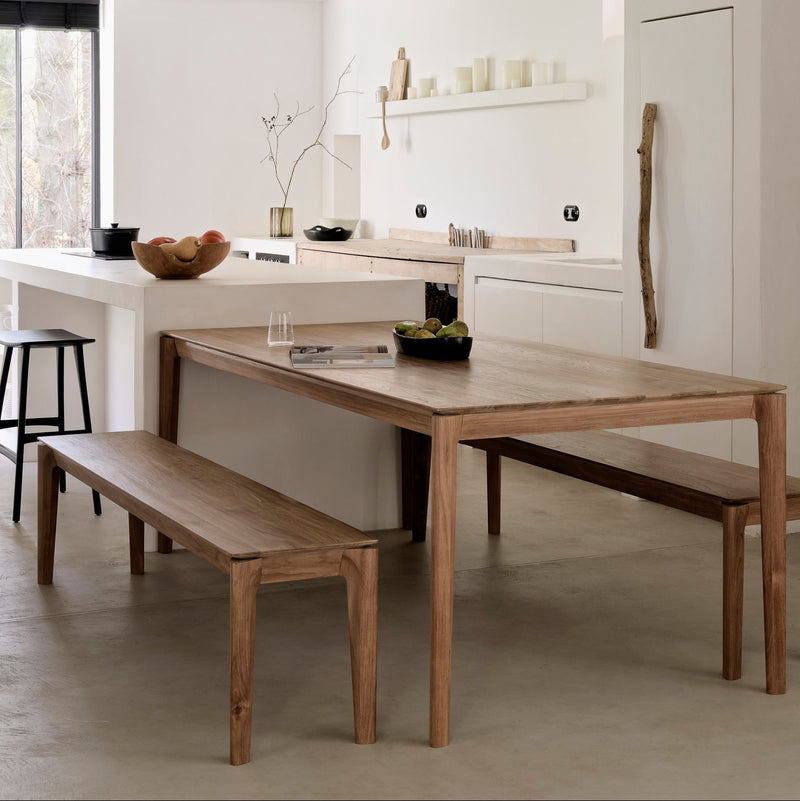
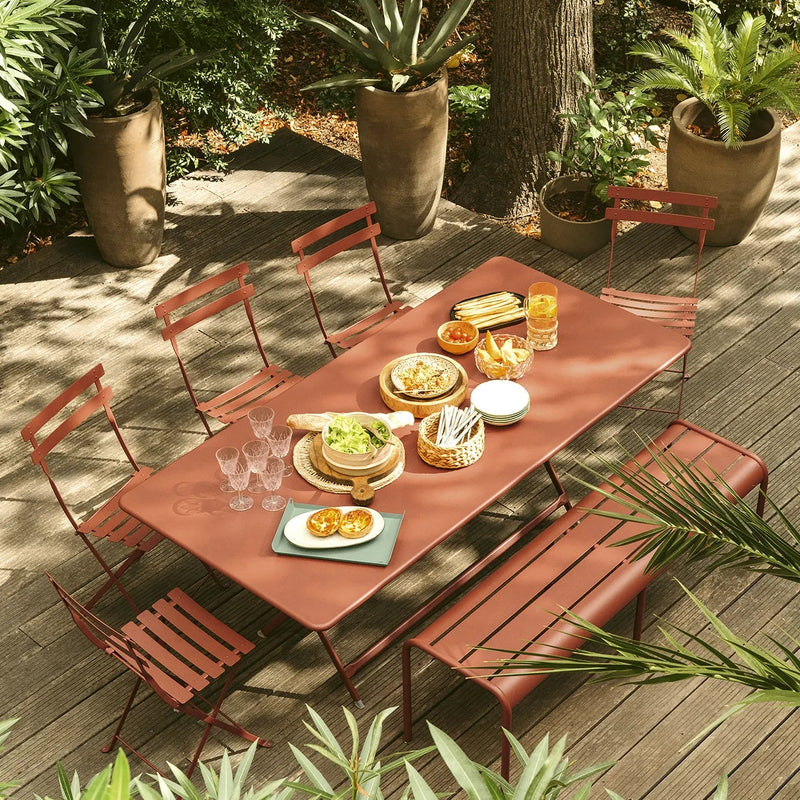
- Ethnicraft Bok Dining Table — designed by Alain van Havre, the Bok's tapered solid-oak frame and visible joinery are textbook biophilic geometry. Solid oak or FSC-certified teak, in an oiled or varnished finish.
- Greenington Currant Platform Bed — a Mid-Century-inspired Moso bamboo bed in Greenington's signature Pure® formaldehyde-free construction. GREENGUARD-relevant indoor air quality for the room you spend a third of your life in.
- Anglepoise Original 1227 Desk Lamp — George Carwardine's 1935 spring-balance design, backed by a lifetime guarantee. Dynamic, directional light — Kellert's "dynamic and diffuse light" pattern, made portable.
- FDB Møbler J46 Chair — Poul Volther's 1956 spoke-back chair, in beech or oak, manufactured under the Nordic Swan Ecolabel.
- Ethnicraft PI Wall Shelf — sculptural solid-wood shelving designed for books and plants in the same composition, available in mahogany or sycamore.
Browse the full Ethnicraft collection, Greenington, FDB Møbler, and lighting at Comosum, and read our companion guides to the sustainable bedroom and sustainable living room. Our sustainability page details the certifications we look for across every brand on the floor.
Frequently Asked Questions About Biophilic Design Furniture
What is biophilic design?
Biophilic design is an evidence-based approach that integrates nature into built environments through real materials, daylight, plants, and natural patterns. The framework was formalized by Yale ecologist Stephen R. Kellert in 2008 and is now embedded in the Living Building Challenge certification.
Which materials are best for a biophilic home?
FSC-certified solid hardwoods (oak, walnut, teak), Moso bamboo, natural stone, wool, linen, and untreated leather. The goal is materials whose origin is visible and whose finish does not mask the grain or texture. Avoid printed-paper laminates, PVC veneers, and high-formaldehyde particleboard.
Does biophilic design require a lot of plants?
No. Plants help, but the core levers are natural materials, daylight access, and views to the outdoors. Stephen Kellert's research found that visual access to wood grain produces measurable stress reduction even in rooms without live plants. A few well-placed pieces of solid-wood furniture and good task lighting deliver most of the benefit.
Is biophilic design only for new builds?
Renting or living in an older home does not exclude you. Swap one piece of veneered furniture for a solid-wood equivalent. Add a high-color-rendering task lamp like the Anglepoise Original 1227. Position seating near a window. The 14 patterns are additive — each one moves the needle.
Where can I buy biophilic-design furniture in the U.S.?
Comosum carries a curated set of brands that meet biophilic-design criteria: Ethnicraft (solid oak, FSC-certified teak), Greenington (Moso bamboo), FDB Møbler (Nordic Swan beech), Anglepoise (lifetime-guaranteed lighting), and others on our sustainable furniture brands hub. We grade each brand on our Sustainability Meter before stocking it.


Leave a comment
This site is protected by hCaptcha and the hCaptcha Privacy Policy and Terms of Service apply.