

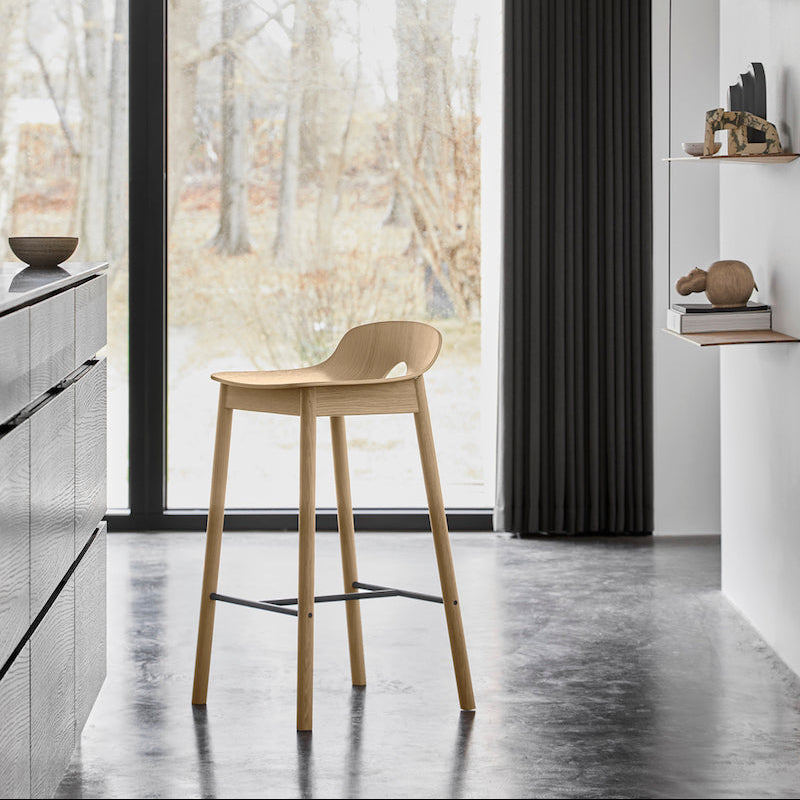
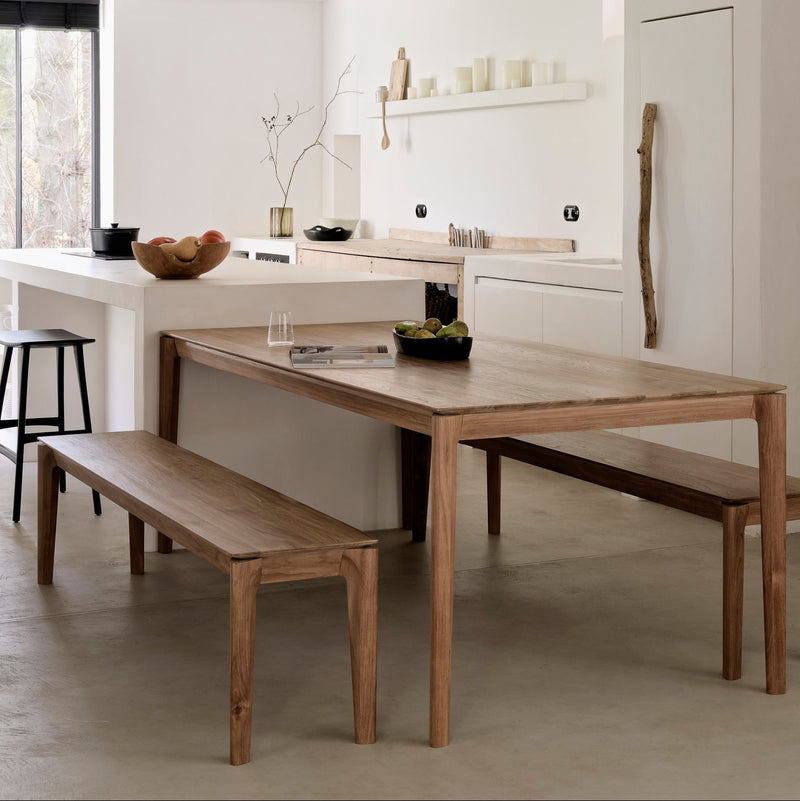
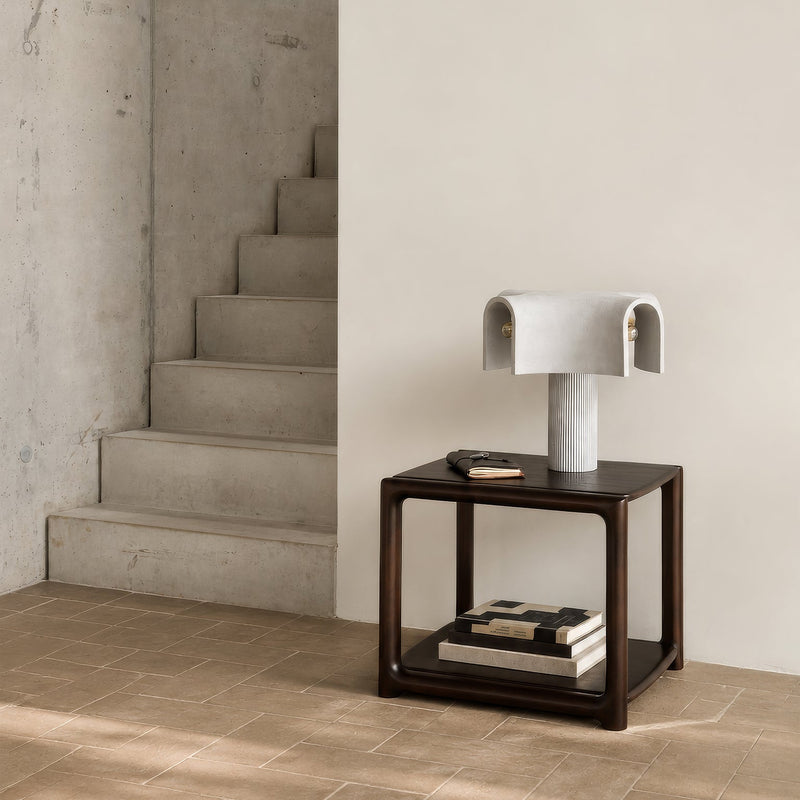
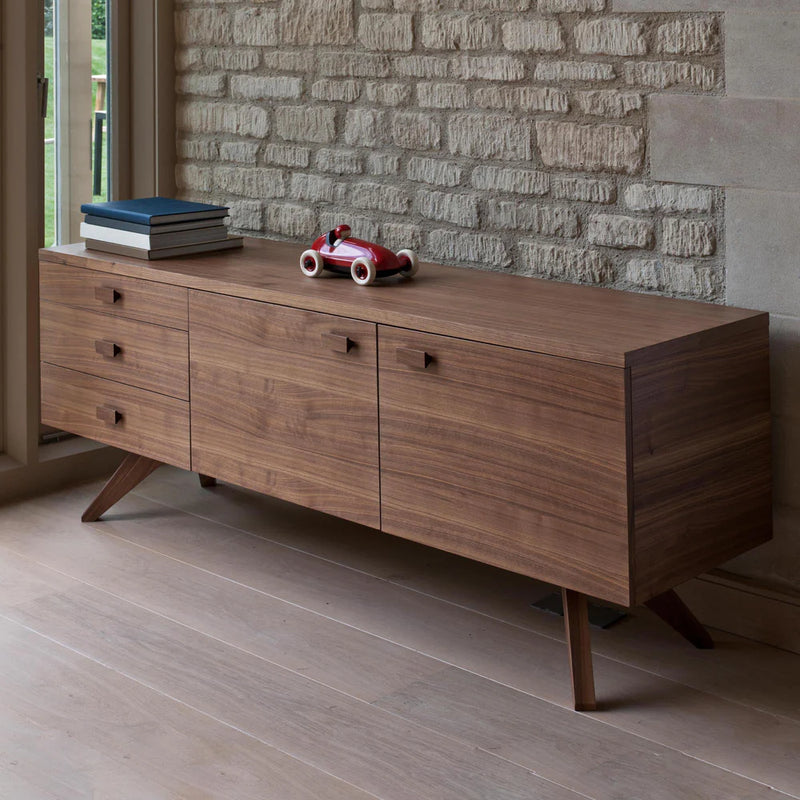



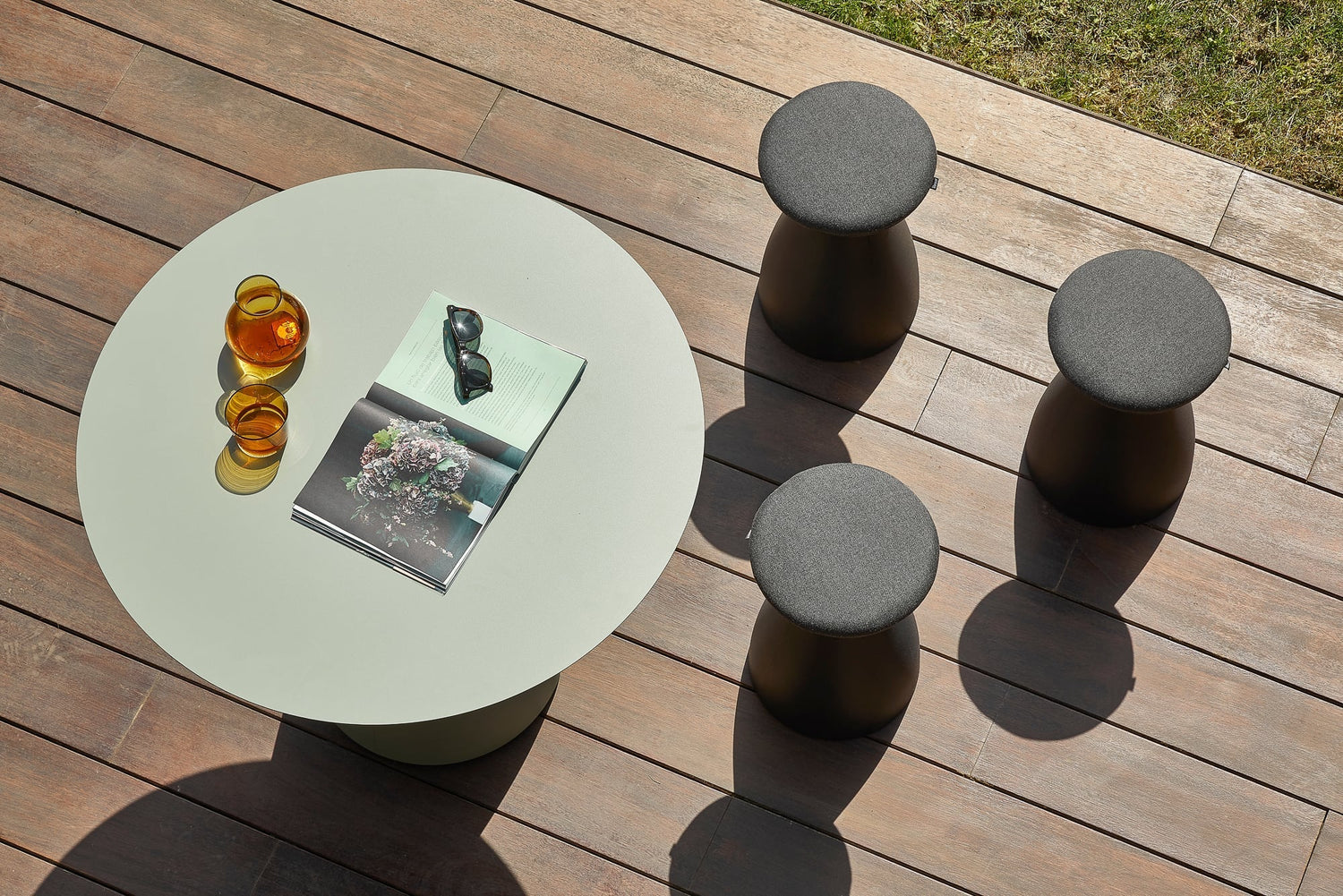
Teak outdoor furniture is prized for its dimensional stability and high natural oil content — properties that allow a Grade A teak chair or table to last 25 to 50 years outdoors, even in coastal climates, with only modest care. The wood's silica and tectoquinones repel water, fungi, and insects, which is why brands like Cane-Line and Ethnicraft build many of their outdoor collections from it. Knowing how to care for teak furniture — and when to leave it alone — is the difference between a piece that ages beautifully and one that ages poorly.
Why Teak Behaves Differently From Other Outdoor Woods
Teak (Tectona grandis) is a tropical hardwood native to South and Southeast Asia. What makes it the long-standing benchmark for outdoor furniture is its chemistry. Mature teak heartwood contains a high concentration of natural oils and a compound called tectoquinone, which together resist water absorption, rot, marine borers, and most fungal growth. That same oil content is what gives new teak its honey-gold color and slightly waxy surface.
Outdoors, two things happen over time. First, sunlight breaks down the surface oils and lignin in the top layer of fibers. Second, repeated wetting and drying lifts grain and dulls the surface. Crucially, neither process compromises the structural wood underneath. The wood is doing what teak does: shedding a sacrificial surface layer and exposing the silver-gray patina beneath. The denser, more resinous Grade A teak used by Danish makers like Cane-Line and Belgian brands like Ethnicraft is graded for the percentage of oil-rich heartwood it contains — which is also why those pieces command higher prices and outlast cheaper teak by decades.
How to Care for Teak Outdoor Furniture: A Practical Routine
The most useful thing to know about teak is that it almost never needs the heavy maintenance routine that, say, mahogany or pine requires. A light touch is the right touch.
Routine cleaning (once or twice a season)
Mix a few tablespoons of mild dish soap into a bucket of warm water. Wet the piece, scrub gently along the grain with a soft-bristle brush, rinse with clean water, and let it air-dry. Avoid pressure washers — the high PSI tears soft summer grain and leaves the surface fuzzy. For a piece that sees daily use, twice a season (early spring and late summer) is plenty.
Spot-treating mildew or stains
In humid or shaded settings, teak occasionally develops black mildew spots, especially in joinery crevices. A solution of one part white vinegar to four parts water, applied with a brush and rinsed off, handles most cases. For stubborn stains, a dedicated teak cleaner — typically a two-part oxalic-acid-based system — restores the original honey tone. Use it only when you actually want to reset the color; it strips the protective surface layer and starts the patina cycle over.
Sanding (rare, and only when needed)
If grain has raised noticeably or a stain has soaked in, a light sand with 220-grit paper along the grain smooths the surface. Most teak owners never need to do this in the life of a piece.
The Real Question: Patina, Teak Oil, or Sealer?
This is the question that comes up in every outdoor-furniture conversation, and the honest answer is that it depends on what you actually want the piece to look like.
Let it patina (the recommended path)
Untreated teak weathers to a uniform silver-gray within six to twelve months. The Sustainable Furnishings Council notes that allowing solid hardwoods to age naturally is the lowest-impact maintenance choice, since it eliminates the need for repeated finish coats and solvent-based products. The wood underneath is unchanged — same strength, same lifespan. Danish design culture has long treated the silver patina as the goal, not a defect. If you bought your teak set to live outside year-round in a place with rain and sun, this is what we recommend.
Use teak sealer if you want to hold the honey color
If you specifically want to preserve the warm golden tone, use a teak sealer (not teak oil). Modern water-based teak sealers create a thin protective film that slows UV breakdown and water absorption. They typically need reapplication every twelve to eighteen months and require a clean, completely dry surface to bond properly. Apply in spring, after the season's first deep clean.
Skip teak oil
Despite the name, teak oil is generally the wrong product for outdoor teak. It saturates the surface, darkens the wood unevenly, attracts mildew in humid climates, and needs reapplication every few months. It was developed for interior teak — pieces that don't see weather — and it persists in the market mostly because of brand inertia. If you want color, use a sealer. If you want low maintenance, use nothing.
Why Comosum Carries Teak Outdoor Furniture We Trust
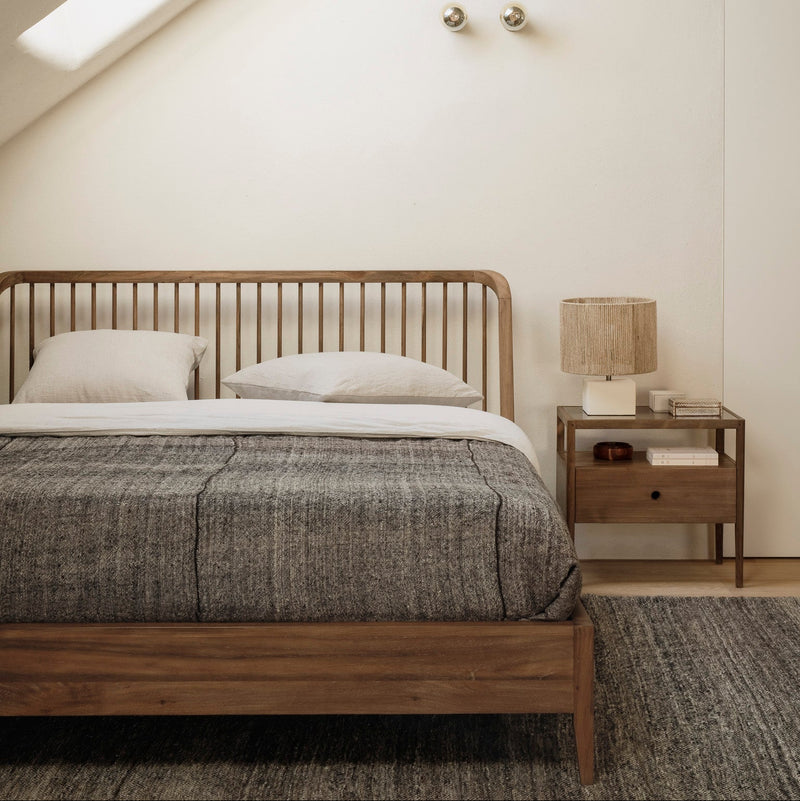
We curate teak furniture from makers who treat the material seriously — both in how the trees are sourced and in how the joinery is cut. Cane-Line's outdoor program uses Grade A teak with traditional mortise-and-tenon construction, while Ethnicraft uses SVLK-certified plantation teak outdoors and FSC Recycled reclaimed teak in its indoor Spindle collection.
This matters because the sustainability case for teak depends entirely on supply chain. Plantation teak grown under FSC certification, reclaimed teak with documented chain-of-custody, or teak verified legal under Indonesia's SVLK system (as Ethnicraft's and Cane-line's outdoor teak is) sits inside what we consider responsible outdoor furniture. Cheap teak with no documented source — which often comes from old-growth tropical forests or from regions with unclear sourcing — does not, and we recommend avoiding it regardless of where you shop. For a deeper look at the broader category, our teak vs. acacia vs. powder-coated aluminum comparison walks through how teak stacks up against the other dominant outdoor materials.
Teak Furniture to Explore at Comosum
A short list of teak pieces from the outdoor furniture collection that earn the care routine above:
- Flip Folding Table - Large — Cane-Line's Grade A teak folding table by Strand+Hvass, designed for terraces that need to flex between dinner and storage.
- Flip Lounge Chair — A Grade A teak lounger with the same mortise-and-tenon detailing, built to be left outside.
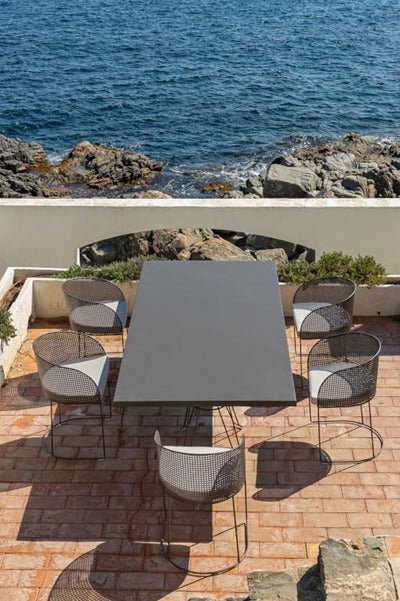
- Core Dining Table — A modern Grade A teak top on a powder-coated aluminum base by Foersom & Hiort-Lorenzen, available in three sizes.
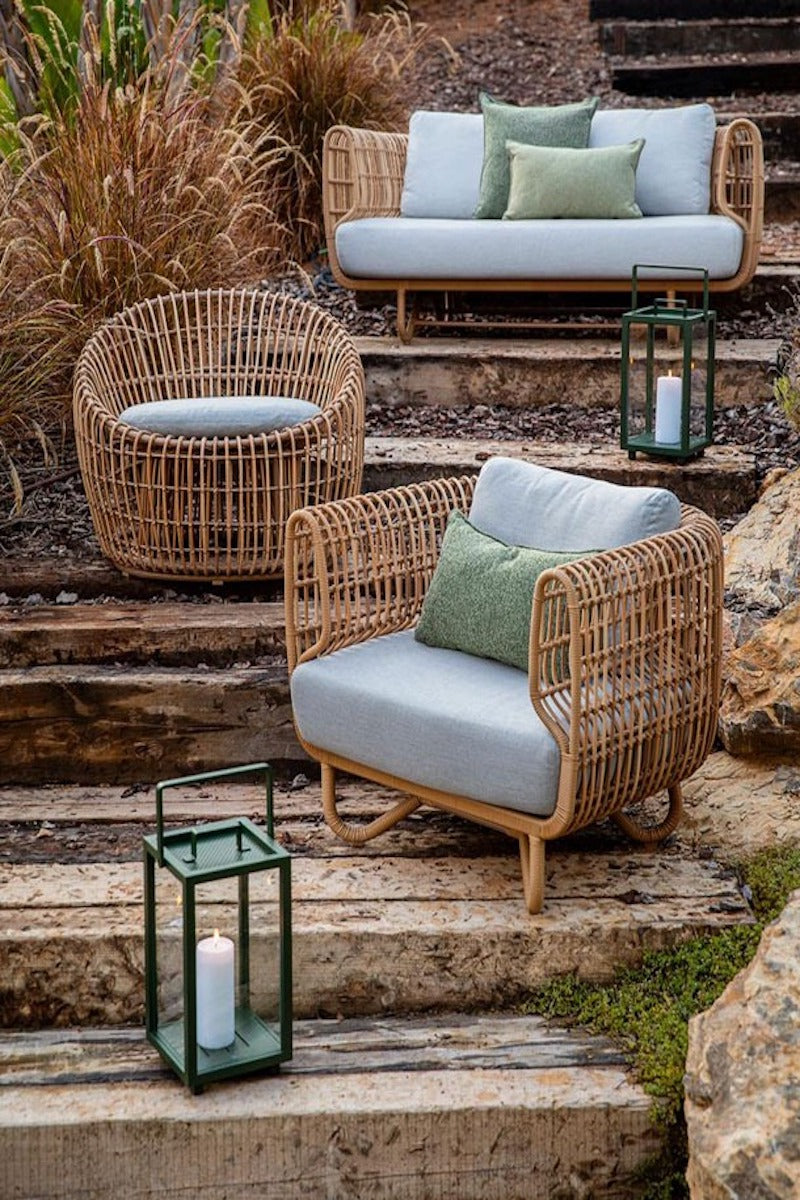
- Jack Outdoor 3 Seat Sofa — Ethnicraft's teak-framed sofa by Jacques Deneef, paired with all-weather cushions in five colorways.
- Jack Outdoor Lounge Chair — A natural-teak companion lounge chair, available with off-white, mocha, or natural cushions.
Browse the full outdoor furniture collection at Comosum, or see how our makers fit into the broader landscape of sustainable furniture brands.
Frequently Asked Questions About Teak Furniture Care
How often should I clean teak outdoor furniture?
Once or twice a season is enough for most teak pieces — typically a soap-and-water wash in early spring and another in late summer. Avoid pressure washing, which damages the surface fibers. Spot-clean mildew with a diluted vinegar solution as needed.
Should I oil my teak outdoor furniture?
No. Teak oil is mostly intended for interior teak. On outdoor pieces it darkens unevenly, attracts mildew, and needs constant reapplication. If you want to preserve the honey color, use a water-based teak sealer once a year. If you want a silver patina, use nothing at all.
Is the silver-gray patina on teak a sign of damage?
No. The silver-gray color comes from sunlight breaking down the surface lignin and oils on the top fibers of the wood. The structural wood beneath is unaffected, and Grade A teak still has a 25- to 50-year outdoor lifespan with the patina in place.
Where does the teak in Comosum's outdoor furniture come from?
Cane-Line uses Grade A teak across its outdoor program, sourced through plantation supply chains in Indonesia. Ethnicraft uses SVLK-certified plantation teak outdoors, with FSC-certified teak on select indoor lines. Both publish their sourcing information in their sustainability disclosures.
Do I need to bring teak furniture inside for the winter?
In most climates, no. Teak's natural oils protect it through freeze-thaw cycles, and many owners leave their teak furniture outside year-round. In coastal or extreme-snow regions, a breathable furniture cover (never a sealed plastic tarp) can help reduce surface checking, but the wood itself is built for outdoor life.




Leave a comment
This site is protected by hCaptcha and the hCaptcha Privacy Policy and Terms of Service apply.