
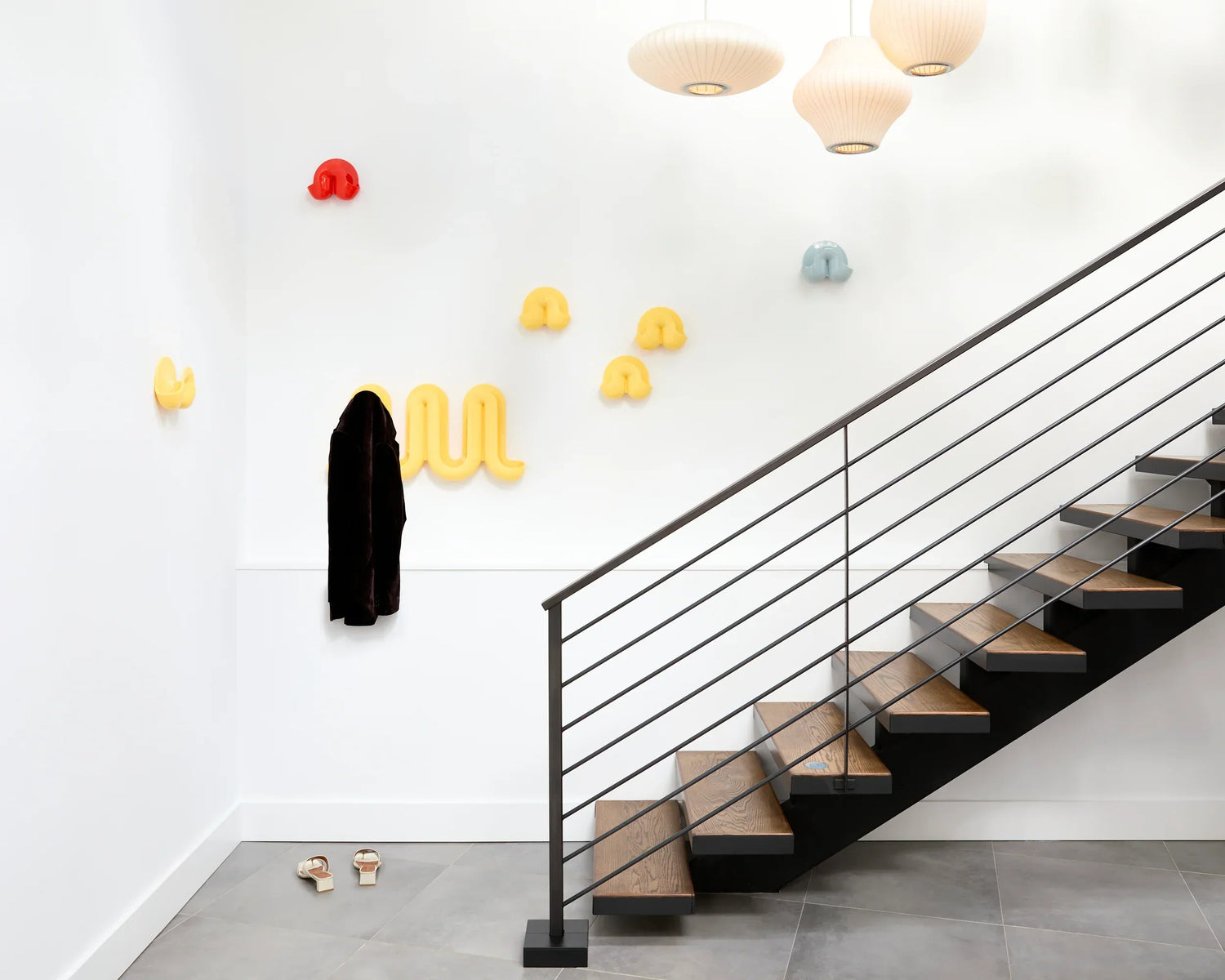
A furniture take-back program is a manufacturer-run system that accepts a product back at the end of its useful life — for refurbishment, resale, or recycling into new pieces — so it never reaches a landfill. The most rigorous examples sit inside formal circular-economy frameworks like Cradle to Cradle Certified, and a small group of makers, including Heller (100% recycled plastic, closed-loop) and Anglepoise (lifetime guarantee, repairable), build their products around it from the start.
Why "Closing the Loop" Matters for Furniture
The furniture industry has historically operated on what designers call a linear model: extract raw materials, build the piece, sell it, and let the customer figure out what happens when it falls apart. The result is hard to ignore. According to the U.S. Environmental Protection Agency, more than 12 million tons of furniture enter U.S. landfills each year, with very low recovery rates. Most of that material is technically recyclable — wood, steel, foam, plastic — but the way it's bonded together in cheap furniture (mixed adhesives, composite panels, stapled upholstery) makes it economically impractical to separate.
A "closed-loop" or circular model rearranges the math. The manufacturer designs the product to be disassembled, takes it back at the end of its life, and either refurbishes it for resale or breaks it down into raw material that re-enters the next production run. The European Union codified part of this thinking into law with its Right to Repair directive, which requires manufacturers to make spare parts and repair information available for a defined number of years. The Sustainable Furnishings Council has been pushing parallel voluntary commitments across the U.S. market since the mid-2000s. The brands that took this seriously early — Heller's polymer take-back, Anglepoise's lifetime service, Ethnicraft's solid-wood-only philosophy — now look prescient.
How Closed-Loop Furniture Is Actually Built
The take-back promise only works if the product was engineered for it from the beginning. That changes three things about how the furniture is made.
Materials
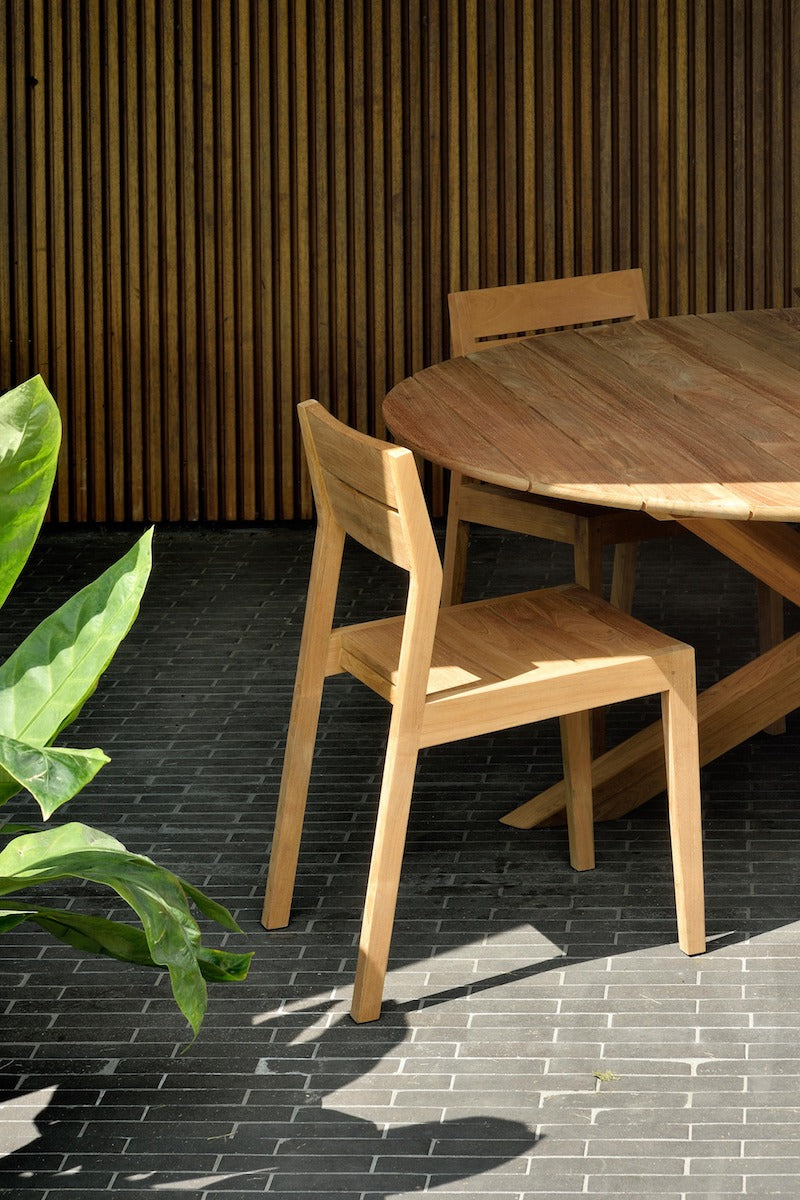
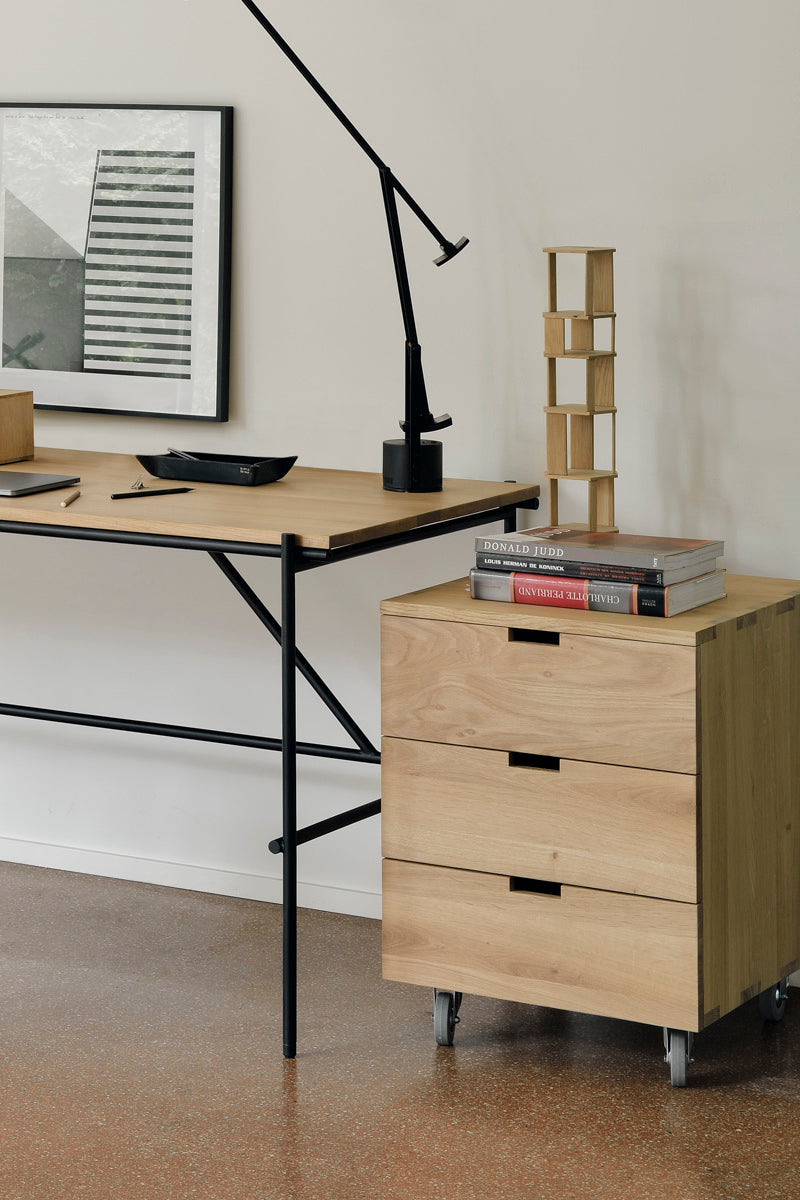
Closed-loop pieces are built from a small number of clearly identifiable, separable materials. Heller's plastic chairs use a single polymer — 100% recycled post-consumer or post-industrial plastic in current production — that can be ground and re-extruded into new chairs at the end of the previous chair's life. Anglepoise lamps use a handful of metal alloys, a glass shade, and standardized electrical components, all of which can be unscrewed and replaced individually. Ethnicraft builds almost exclusively in solid FSC-certified wood with no MDF or particleboard, so a tabletop can be refinished or a chair leg replaced rather than the whole piece scrapped.
Manufacturing
Joinery decides whether a piece can be repaired. Mortise-and-tenon, dovetail, and bolt-fastened assemblies can be taken apart and put back together. Glue-and-staple assemblies generally cannot. Brands committed to take-back also tend to centralize production in one or two locations — Heller's manufacturing remains in the U.S., Anglepoise designs in Hampshire and manufactures parts in regional facilities, Ethnicraft's primary workshop is in Belgium — which makes returns and refurbishment logistics workable.
Certifications & Recognition
The clearest third-party signal is Cradle to Cradle Certified, a standard developed by chemist Michael Braungart and architect William McDonough that grades products on material health, material reutilization, renewable energy, water stewardship, and social fairness. Anglepoise also publishes an independent sustainability framework backed by its B Corp certification, with full detail on its sustainability page. For the broader furniture industry, the Sustainable Furnishings Council's Wood Furniture Scorecard tracks how major brands manage end-of-life and sourcing commitments year over year.
Why Closed-Loop Brands Belong at Comosum
We curate furniture that's built to last decades and serviced by the maker, because that's the most practical version of sustainability we can offer. A piece you repair instead of replace stays out of the waste stream automatically — no certification badge required. That's why the brands on our shelves tend to share a particular profile: they publish their materials transparently, they keep spare parts available, and they will, in most cases, repair a product you bought from them ten years ago.
The clearest examples in our catalog are Heller's recycled-plastic seating program, which is engineered to be ground down and remade; the Anglepoise range, where lamps from the 1930s onward are still serviced under the brand's lifetime guarantee; and Ethnicraft's solid-oak case goods, which can be sanded and refinished as many times as the owner wants. None of these brands market themselves as "circular" loudly. They just build for that outcome and let the product prove it. For the broader picture of how we evaluate brands on this dimension, our sustainability page lays out the criteria.
Closed-Loop Brands and Pieces to Explore at Comosum
A few places to start if you're shopping with end-of-life in mind:
- Heller — closed-loop recycled-plastic furniture, with seating and tables designed by Massimo Vignelli, Mario Bellini, and Frank Gehry. Pieces are designed to be taken back, ground, and remanufactured into new product runs.
- Anglepoise — B Corp lighting from Hampshire, England, with a lifetime guarantee on the Original 1227 (a 1935 George Carwardine design still in production) and most current models. Parts available individually.
- Ethnicraft — FSC-certified solid hardwood case goods and seating from Belgium, built with traditional joinery that supports refinishing and component replacement decades into ownership.
For the full editorial view on which manufacturers we trust on the longevity-and-repair question, see our sustainable furniture brands hub, or read our mid-century modern reissues guide, which goes deeper on Heller's closed-loop program and Anglepoise's Original 1227.
Frequently Asked Questions About Furniture Take-Back Programs
What is a furniture take-back program?
A furniture take-back program is a manufacturer-run service that accepts a piece of furniture back at the end of its useful life. The piece is then refurbished and resold, broken down into raw material for new products, or — only as a last resort — sent to a recycler. The goal is to keep the materials in circulation rather than letting them reach a landfill.
Which furniture brands have take-back or closed-loop programs?
Heller operates a closed-loop program for its recycled-plastic furniture, Anglepoise offers a lifetime guarantee with parts service on most current and many heritage models, and a growing number of European brands offer formal repair or buy-back schemes in line with the EU's Right to Repair directive. Coverage varies by region, so it's worth checking with the brand directly before purchase.
How does the EU Right to Repair affect furniture?
The EU's Right to Repair initiative requires manufacturers selling into the European market to make spare parts, repair manuals, and software updates available for a defined period after sale. For furniture specifically, that translates into longer parts availability and clearer end-of-life pathways from brands operating across the EU — a standard that increasingly carries over to those brands' U.S. operations as well.
Is repaired or refurbished furniture worth buying?
Often, yes. A refurbished piece from a maker with strong joinery and durable materials — solid wood, steel, recyclable polymers — can have a longer remaining lifespan than a new piece of cheap, glue-and-staple furniture. The economics work because the labor-intensive parts of furniture (joinery, frames, hardware) hold their value while the cosmetic parts (cushions, finishes) are the cheapest to renew.
How do I tell if a piece of furniture is built for repair?
Look for solid materials over composites, mechanical fasteners over glue, and a maker that publishes parts diagrams or repair guides. Brands with lifetime or extended guarantees usually back them up with parts service, which is the most reliable signal. The Sustainable Furnishings Council and Cradle to Cradle programs both publish brand-level information on which manufacturers meet these standards.


Leave a comment
This site is protected by hCaptcha and the hCaptcha Privacy Policy and Terms of Service apply.