
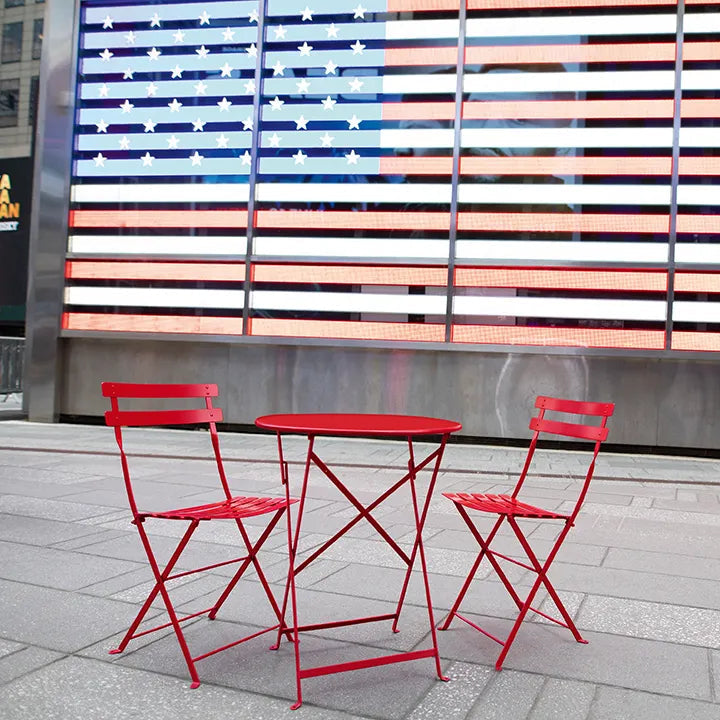
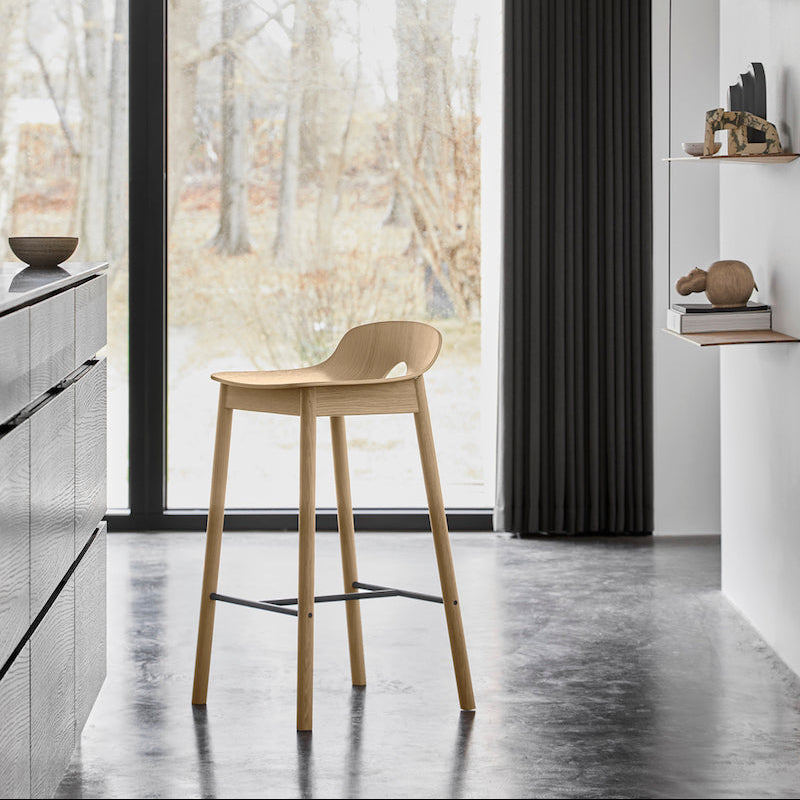
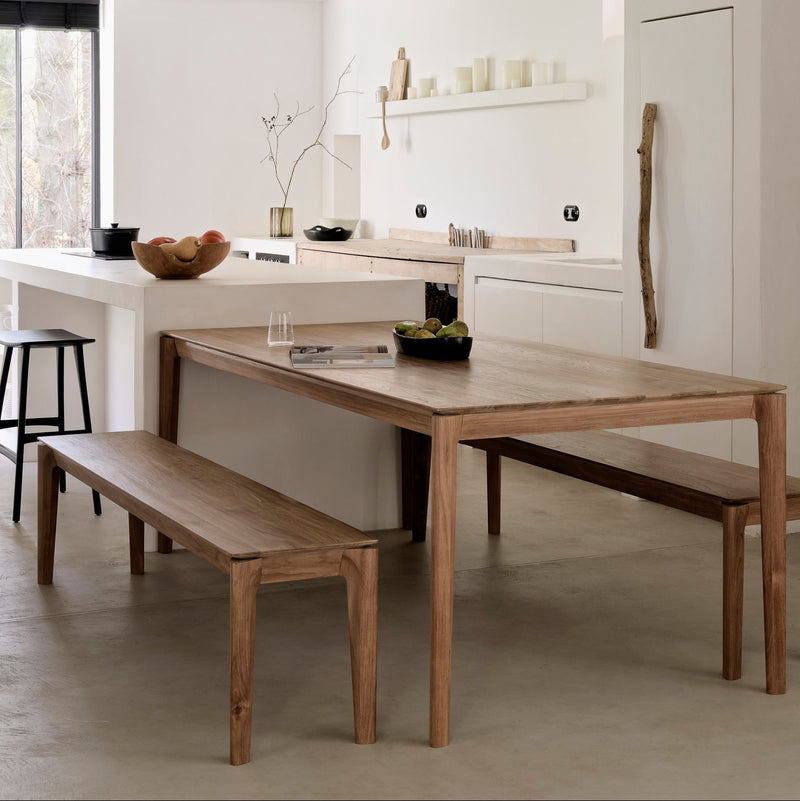
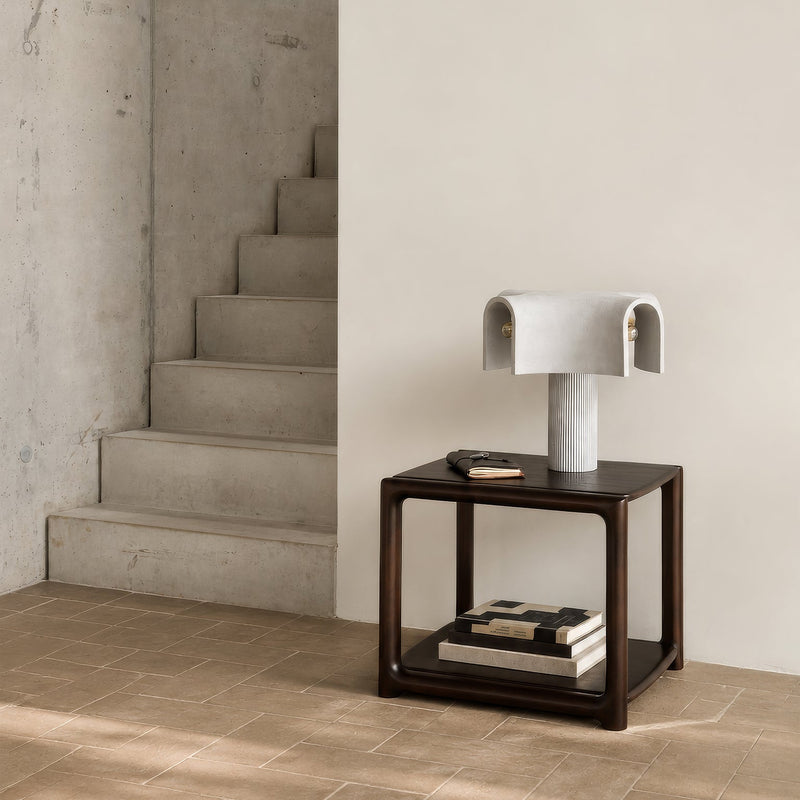
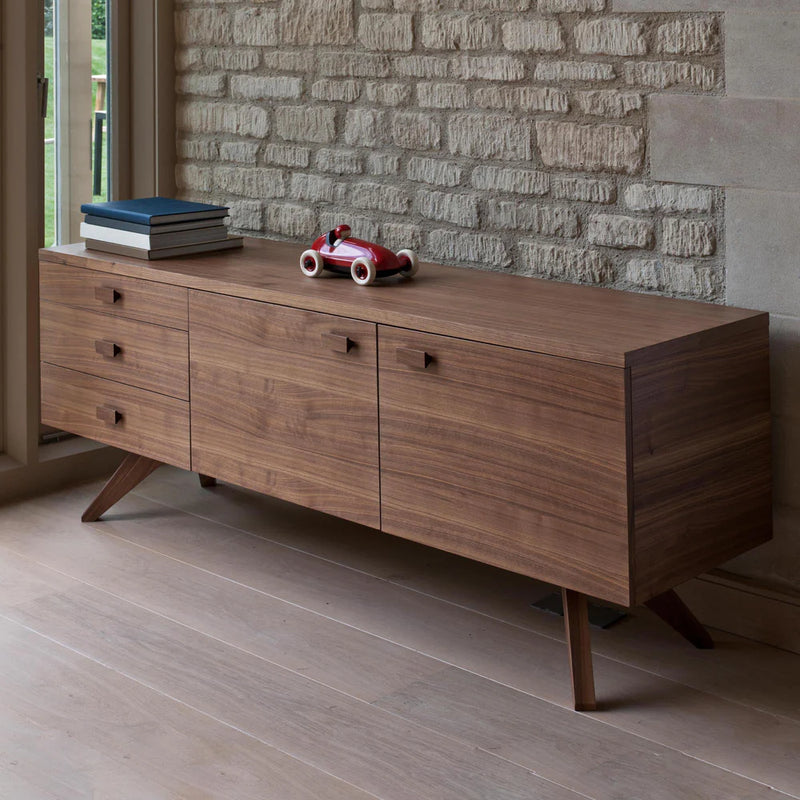
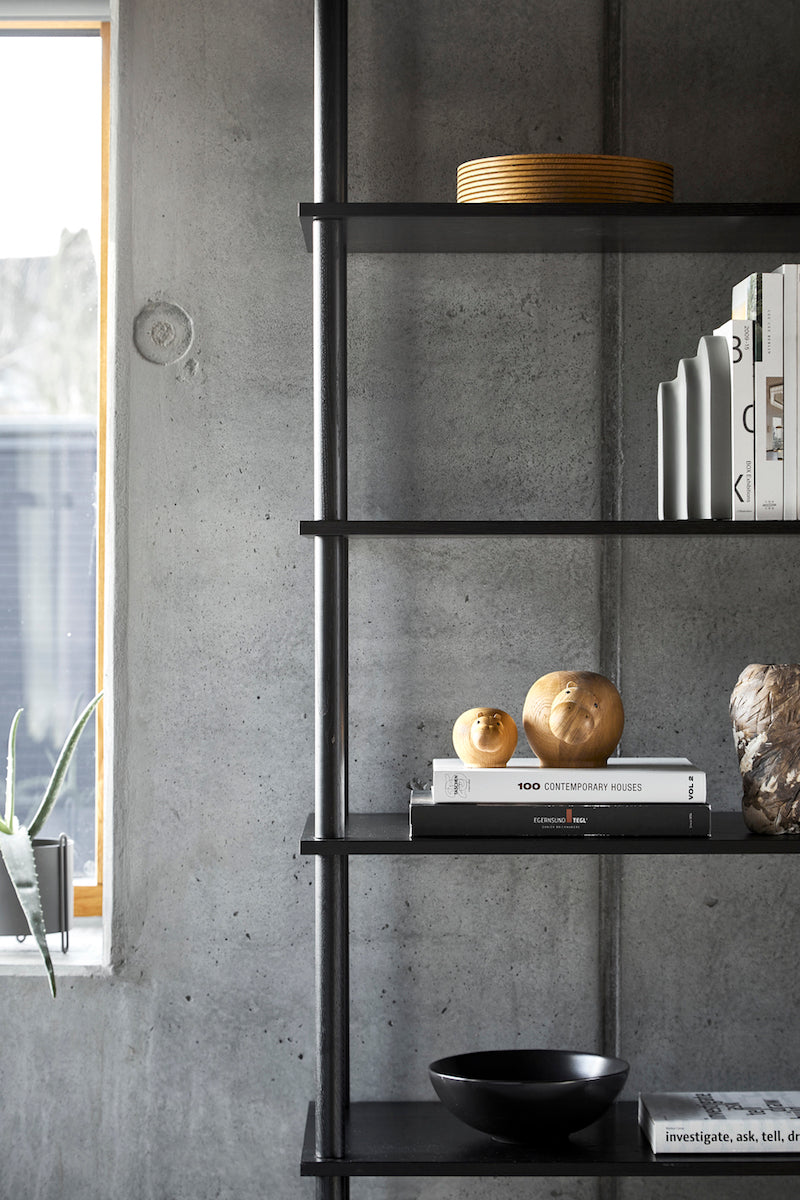
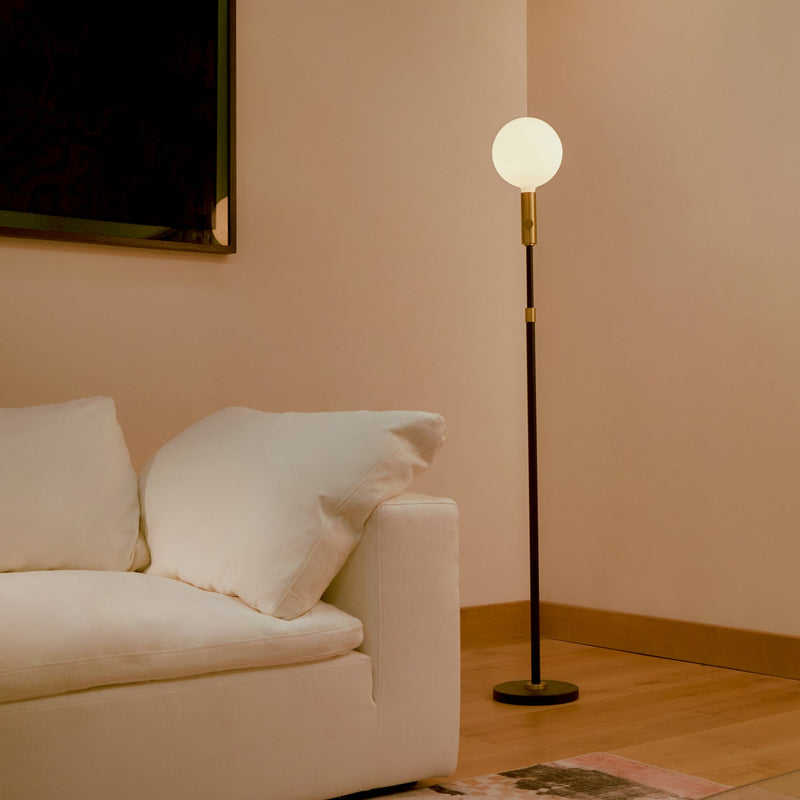

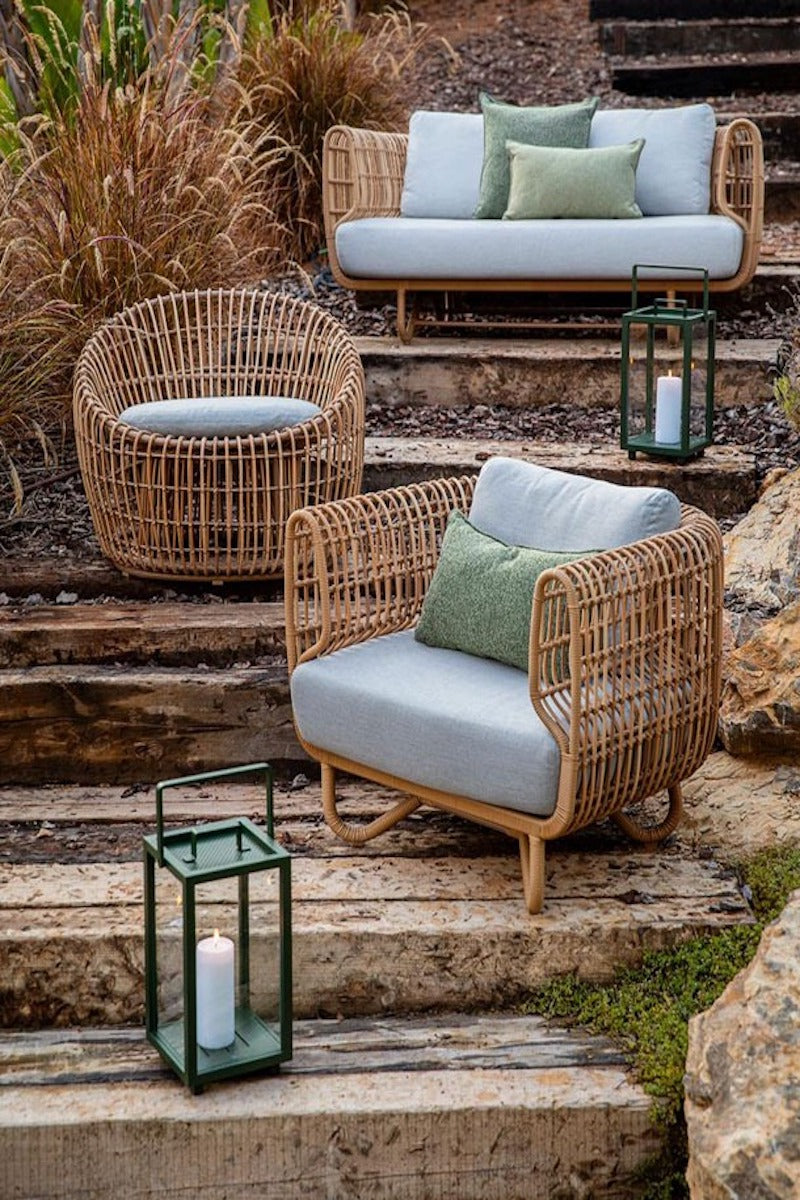

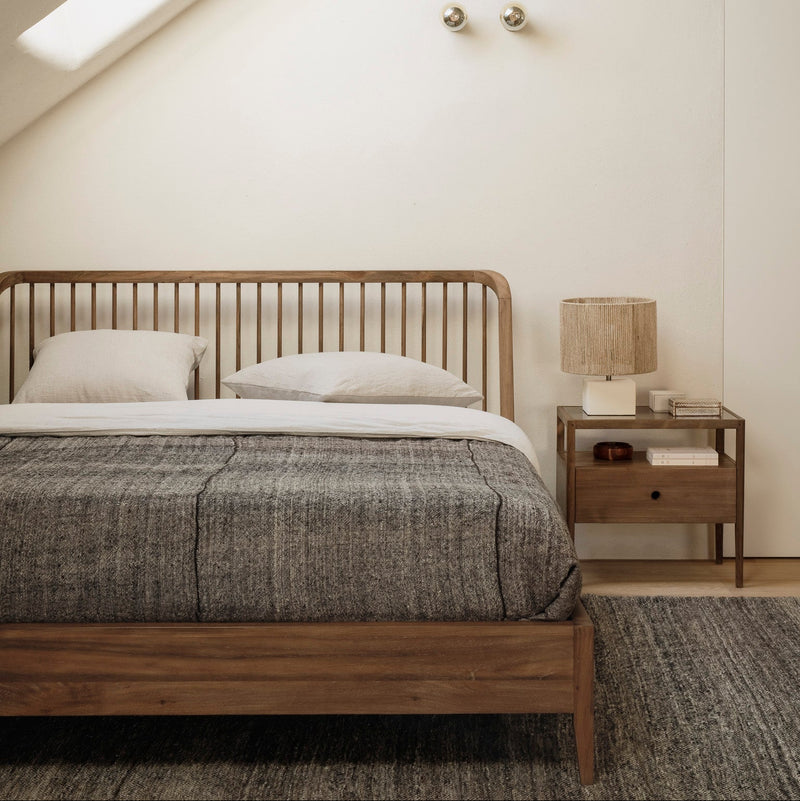
A sustainable side table is a small occasional table - an end table beside a sofa, a perch by a bed, or a nesting pair - built from responsibly sourced or recyclable material instead of laminated particleboard. The most durable versions use FSC-certified solid oak, fast-growing Moso bamboo, or recyclable molded polyethylene, finished so they shrug off a sweating glass. At Comosum, every end and side table we carry comes from a brand with a materials story you can actually check.
Side tables that double as stools or step stools are in our small-space furniture collection.
Why the Right Side Table Matters
A side table is the piece most people buy fastest and replace most often. It is small, it is inexpensive to get wrong, and the flat-pack version is everywhere - which is exactly why it ends up in landfill so quickly. A particleboard end table is cheap because its core is wood dust and resin under a printed plastic skin. The first time a glass sweats onto it or a corner takes a knock, the surface swells or chips, and there is nothing underneath to sand back or refinish.
Solid, single-material tables invert that math. A solid oak end table costs more upfront but can be lived with for decades - re-oiled when it dries out, sanded when scratched, handed down rather than hauled away. Because a side table does real daily work (it holds a lamp, a drink, a book, a phone), the material and the finish are not cosmetic details; they decide whether the piece survives ordinary use. It is the same logic we walk through in our sustainable living room guide and our coffee table buyer's guide: buy the honest version once - a principle design magazines like Dezeen keep returning to as longevity becomes central to good design.
What Makes an End or Side Table Sustainable?
Three things separate a genuinely sustainable side table from a greenwashed one: the material, how it is built, and whether anyone independent has checked the claims.
Materials
The strongest option is solid wood with a credible chain of custody. Look for FSC (Forest Stewardship Council) certification - the independent standard that traces oak, teak, or mango from an audited forest to the finished table. Belgian maker Ethnicraft, founded in 1995, works in solid oak and teak from named origins, with FSC-certified teak on select lines. Greenington uses solid Moso bamboo - technically a grass that regrows in a few years rather than the decades a hardwood needs. The third path is recyclable molded plastic: Heller's polyethylene pieces can be recycled at end of life. What to avoid is MDF or particleboard, which can off-gas formaldehyde and cannot be repaired.
Construction
How a table is joined matters as much as the wood. Favor solid-wood joinery and water-based, low-VOC finishes over solvent-heavy lacquers; a sealed top resists the white ring a cold glass leaves behind. Single-material designs - a folded-steel base, a one-piece molded top - have fewer glued layers to delaminate and are far easier to recycle. London’s Case builds the Overhang on a solid oak or walnut frame, and Danish house WOUD sells spare parts.
Certifications & Recognition
Beyond FSC, watch for B Corp status, which audits the whole company rather than a single product. If you want a plain-English key to the labels, our FSC explainer and certification glossary lay them out. These labels are the difference between a claim you can verify and one you take on faith - the whole basis for how we grade sustainable furniture brands.
How to Choose a Side Table: Height, Top, and Footprint
Three practical measurements decide whether a side table actually works in your room.
Height. A side table should sit within an inch or two of the arm of your sofa or the top of your mattress, so a drink or a book is easy to reach without looking down into the table. Most sofa arms land around 24-26 inches; most beds a little lower. Measure before you buy.
Top. Match the surface to the job. If the table will hold a sweating glass or a heavy table lamp, you want a sealed solid-wood or molded top rather than a raw or veneered one - and a base stable enough that a tug on the lamp cord won't tip it. A small pedestal reads lighter in a room; four legs give more stability under weight.
Footprint. In a tight room, a nesting pair earns its keep: two tables tuck into the space of one and pull apart when guests arrive. A fixed single table is simpler and often sturdier. Browse the full End & Side Tables collection to compare footprints, or size up to our coffee tables if you need a larger centerpiece.
Sustainable End and Side Tables We Recommend
Five pieces from the Comosum catalog that get the material and the proportions right:
- Greenington Thyme Side Table - solid Moso bamboo with a warm, close grain; a fast-renewing alternative to hardwood at $329.
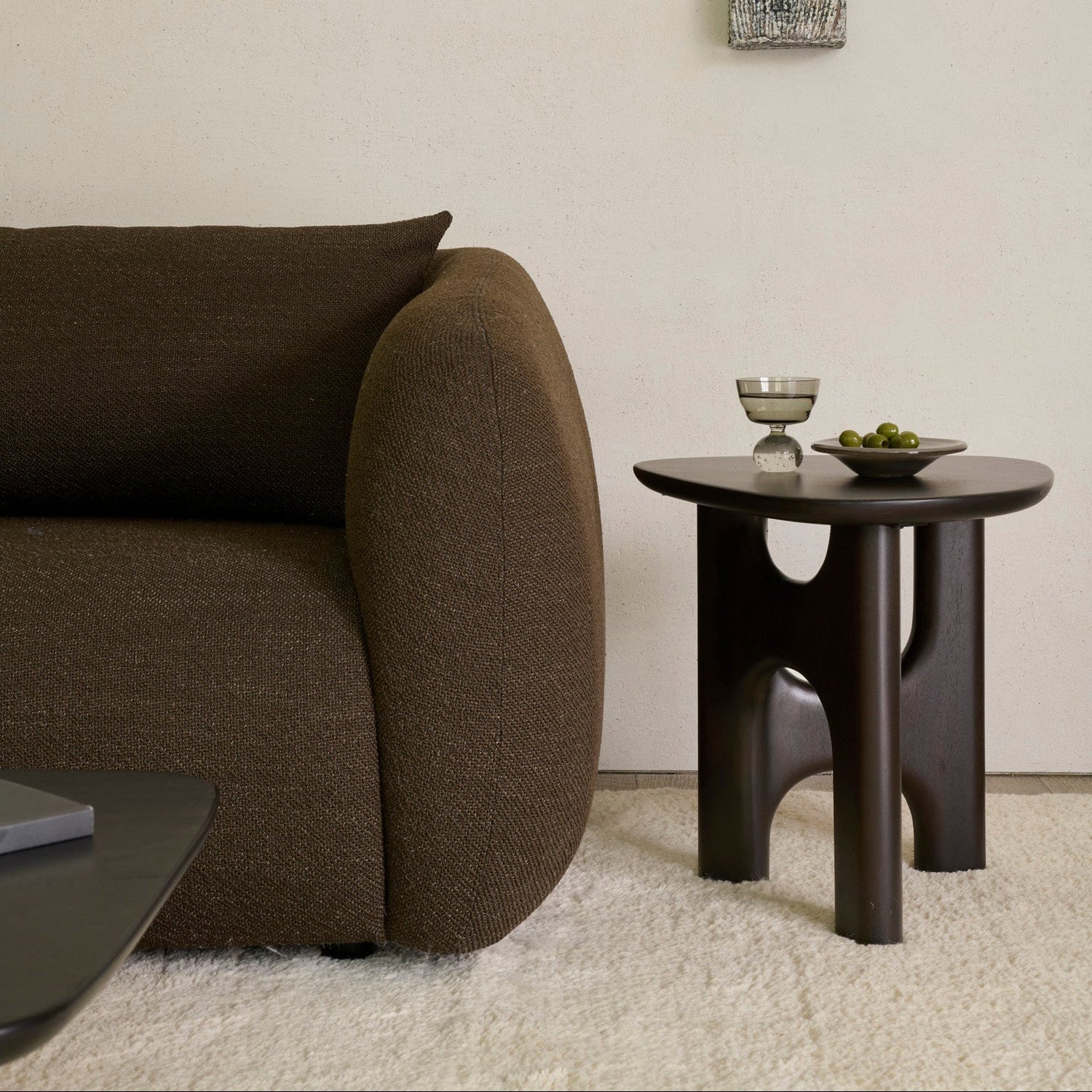
- Ethnicraft Flow Side Table - a pebble-shaped top in rose brown mahogany from the Belgian maker founded in 1995.
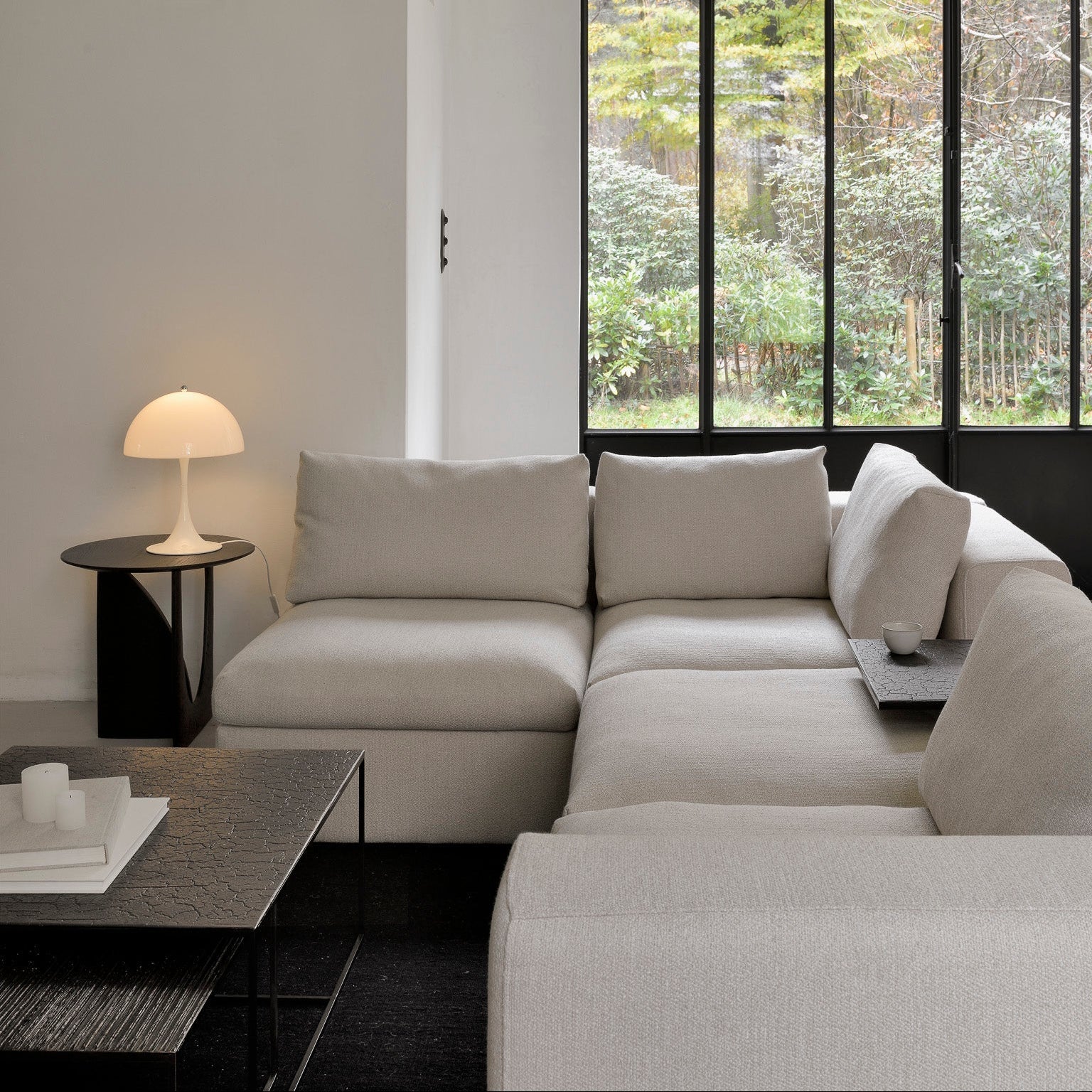
- Case Overhang Rectangular Side Table - an engineered, arm-height design from London’s Case; the top overhangs so it reaches over a sofa cushion.
- Case Altura Step Stool / Side Table - a dual-purpose oak piece that works as an end table and a step stool, doing two jobs instead of one.
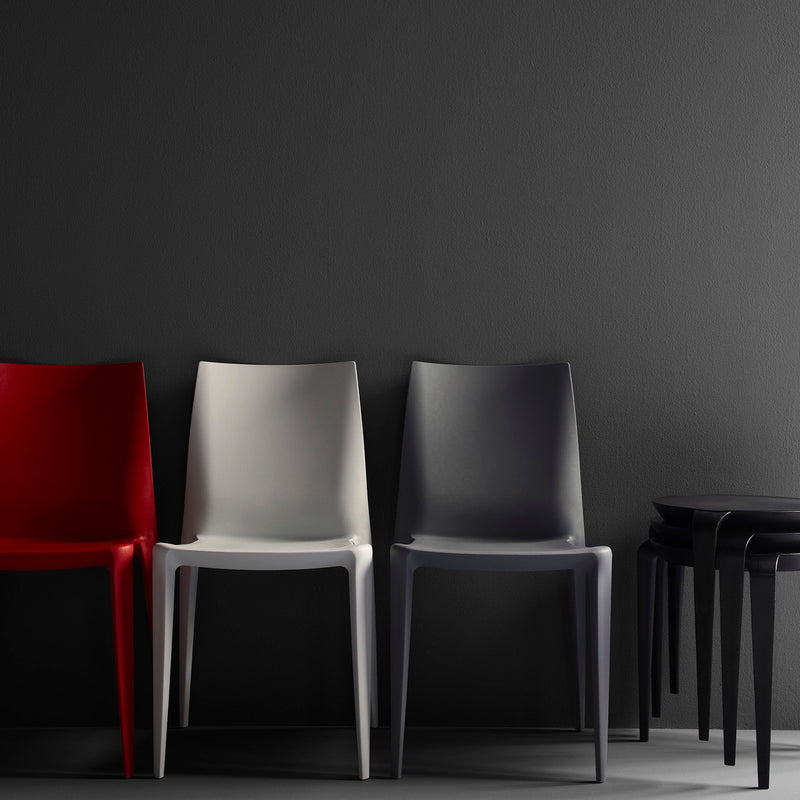
- Heller Tavollini - a molded fiberglass-reinforced polypropylene occasional table: weatherproof, wipe-clean, and recyclable, at $299 for a set of two.
Browse the full End & Side Tables collection at Comosum ->
Frequently Asked Questions About Sustainable Side Tables
What is a sustainable side table?
A sustainable side table is a small occasional table made from responsibly sourced or recyclable material - most often FSC-certified solid wood, Moso bamboo, or recyclable molded plastic - and built to be repaired or recycled rather than thrown away. It avoids the particleboard-and-laminate construction that fails within a few years and cannot be refinished.
What is the difference between an end table and a side table?
The terms are used interchangeably for a small table placed beside seating or a bed. An end table usually sits at the end of a sofa, while a side table is the broader term for any occasional table at arm height. Both do the same job: holding a lamp, a drink, or a book within easy reach.
What material is best for a side table top?
For everyday use with drinks and lamps, a sealed solid-wood top (such as FSC-certified oak) or a molded single-material top holds up best because it resists water rings and can be cleaned or refinished. Bamboo is a strong, fast-renewing alternative, and recyclable polyethylene is ideal where a wipe-clean, weatherproof surface matters.
How tall should a side table be next to a sofa?
Aim for a side table that sits within an inch or two of your sofa arm - for most sofas that is roughly 24 to 26 inches high. A table close to arm height keeps a drink or book easy to reach and looks balanced beside the seat.
Are recycled-plastic side tables actually sustainable?
They can be, when the plastic is a single, recyclable material rather than a mixed composite. Heller's polyethylene tables, for example, are molded from one material and are recyclable at end of life. The key is durability plus recyclability, not the material name on its own.


Leave a comment
This site is protected by hCaptcha and the hCaptcha Privacy Policy and Terms of Service apply.