

Heller is an American design house founded in New York in 1971, when Alan Heller began producing the stackable Vignelli dinnerware that proved plastic could be beautiful enough for the Museum of Modern Art. More than fifty years on, Heller furniture is made in the USA from 100% recyclable material that is microplastics-free, and every piece is backed by a closed-loop take-back program that keeps it out of landfill for its full lifecycle. That blend of original design and genuine circularity is exactly why we carry Heller at Comosum.
The Story Behind Heller
Heller began with a set of plates. In 1971, founder Alan Heller put the stackable, brilliantly colored dinnerware designed by Massimo and Lella Vignelli into production — Hellerware — and the collection earned a place in the permanent collection of the Museum of Modern Art. It was an early, convincing argument that plastic did not have to be disposable or cheap-looking. It could be precise, durable, and worth keeping.
That conviction shaped the next five decades. Alan Heller invited a remarkable roster of architects and designers to work in molded plastic, and the catalog reads like a syllabus of twentieth-century design. Mario Bellini contributed the sculptural, stackable Bellini Chair. Frank Gehry brought his playful, twisting forms — the Left Twist Cube (2004) and the Gehry Bench among them. Lella and Massimo Vignelli kept refining their clear, geometric language right up to the Vignelli Rocker, the last chair the couple designed together. Philippe Starck, Sergio Asti, and a newer generation including Hlynur Atlason and JUMBO have all added to the line.
The result is a brand whose pieces sit in the permanent collections of MoMA, the Centre Pompidou in Paris, and the Philadelphia Museum of Art — yet remain furniture you can actually buy and live with. Heller has never treated affordability and design seriousness as opposites.
How Heller Is Built Sustainably
Heller's sustainability case is unusual because it is built into the material itself, not bolted on as a marketing layer.
Materials
Most Heller furniture is now produced using the company's Worry Free Plastics technology, which makes each piece 100% regenerative, microplastics-free, and 100% recyclable. As of April 1, 2025, most Heller products incorporate an enzyme embedded within the plastic that accelerates the rate of biodegradation should the material ever reach a landfill — with, by the company's account, no change to the appearance, texture, or performance of the finished piece. Older designs like the Honeycomb Modular Shelving (originally drawn by Bill Curry in 1970) are reissued in 100% recycled plastic.
Manufacturing
Heller furniture is made in the USA. Single-material molded construction matters here: because a Bellini Chair or a Gehry Bench is essentially one type of plastic rather than a glued composite of foam, fabric, and frame, it can be ground down and remolded at end of life rather than landfilled. That manufacturing choice is what makes the recyclability claim real rather than aspirational.
Certifications & Recognition
Heller leans on demonstrable circularity rather than a long wall of third-party labels. Its strongest credential is the closed-loop take-back program: Heller will take its products back for the lifecycle of the product and recycle them through a closed circle, so nothing is designed to end as waste. That approach mirrors the principles behind Cradle to Cradle certification — material health and product circularity — and the brand's five decades in major design-museum collections speak to the longevity half of sustainability that no label can grant. You can read the brand's own account on the Heller sustainability page.
Why Heller Belongs at Comosum
We curate for three things: sustainability, original design, and craftsmanship that lasts. Heller is one of the few brands we carry where all three are inseparable. The design provenance is real — these are the actual Bellini, Gehry, and Vignelli pieces, not lookalikes — and the sustainability story closes a loop most furniture never does.
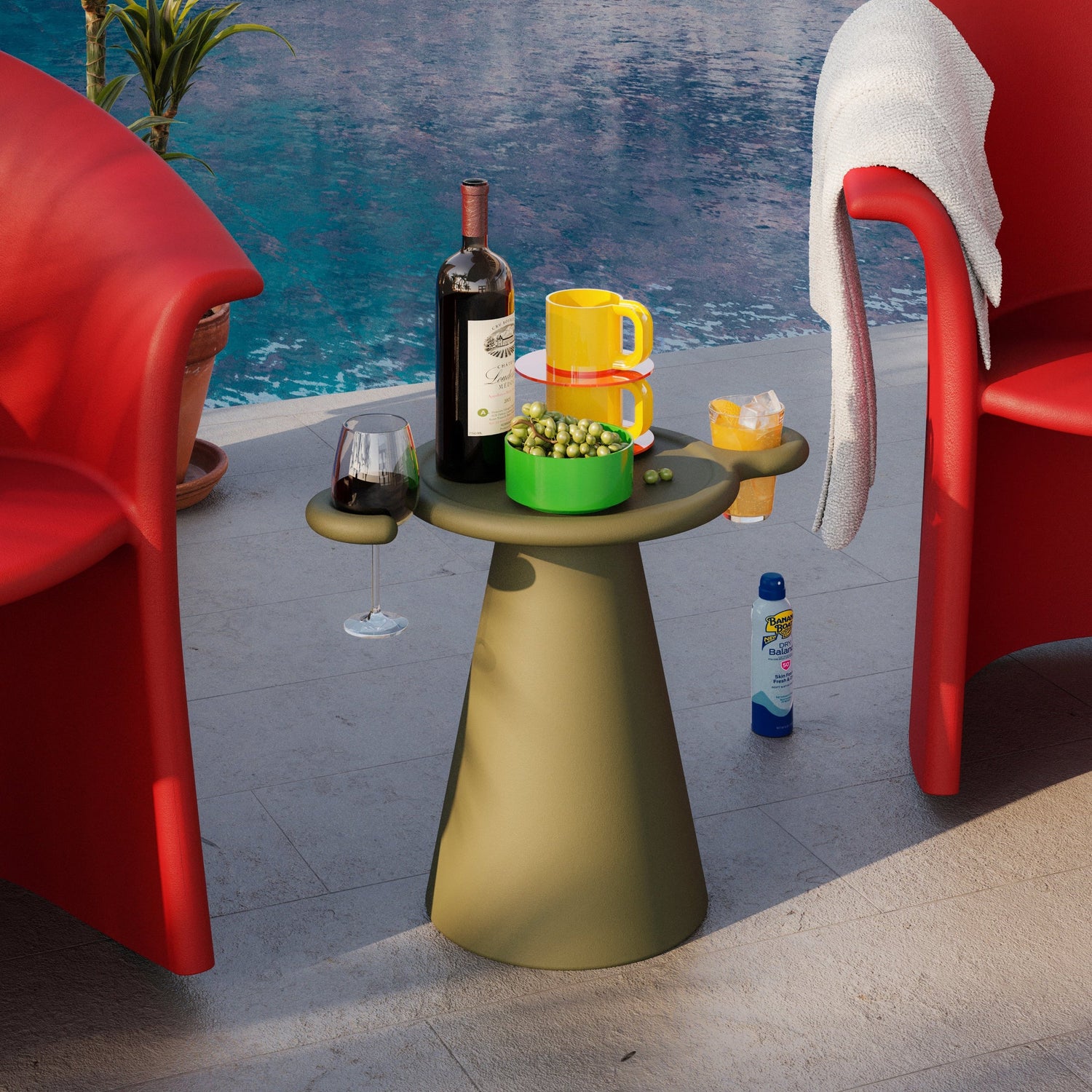
Heller also fills a specific gap in our catalog. Plastic, done responsibly, is wipe-clean, weatherproof, and genuinely indoor-outdoor, which makes it some of the most practical seating we stock for families, patios, and small spaces. A single-material chair you can hose down, leave in the rain, and eventually send back to be remade is a different proposition from upholstered furniture that wears out and gets thrown away.
It is also a natural extension of two themes we've written about before: the case for closing the loop through take-back, repair, and resale, and the B Corp and certification-led brands that put their environmental claims on the record. Heller approaches the same destination from the material side.
Explore Heller at Comosum
A few of our favorite Heller pieces, all currently in stock:
- The Bellini Chair — Mario Bellini's stackable, sculptural classic, sold as a set of two and equally at home indoors or out.
- Vignelli Cube — designed by Lella and Massimo Vignelli in 2005, a multifunctional stool, side table, and accent piece in one clean form.
- Gehry Easy Chair — Frank Gehry's indoor-outdoor lounge chair that looks different from every angle.
- Heller Float — the only product designed by founder Alan Heller himself, a minimalist table introduced in 2014.
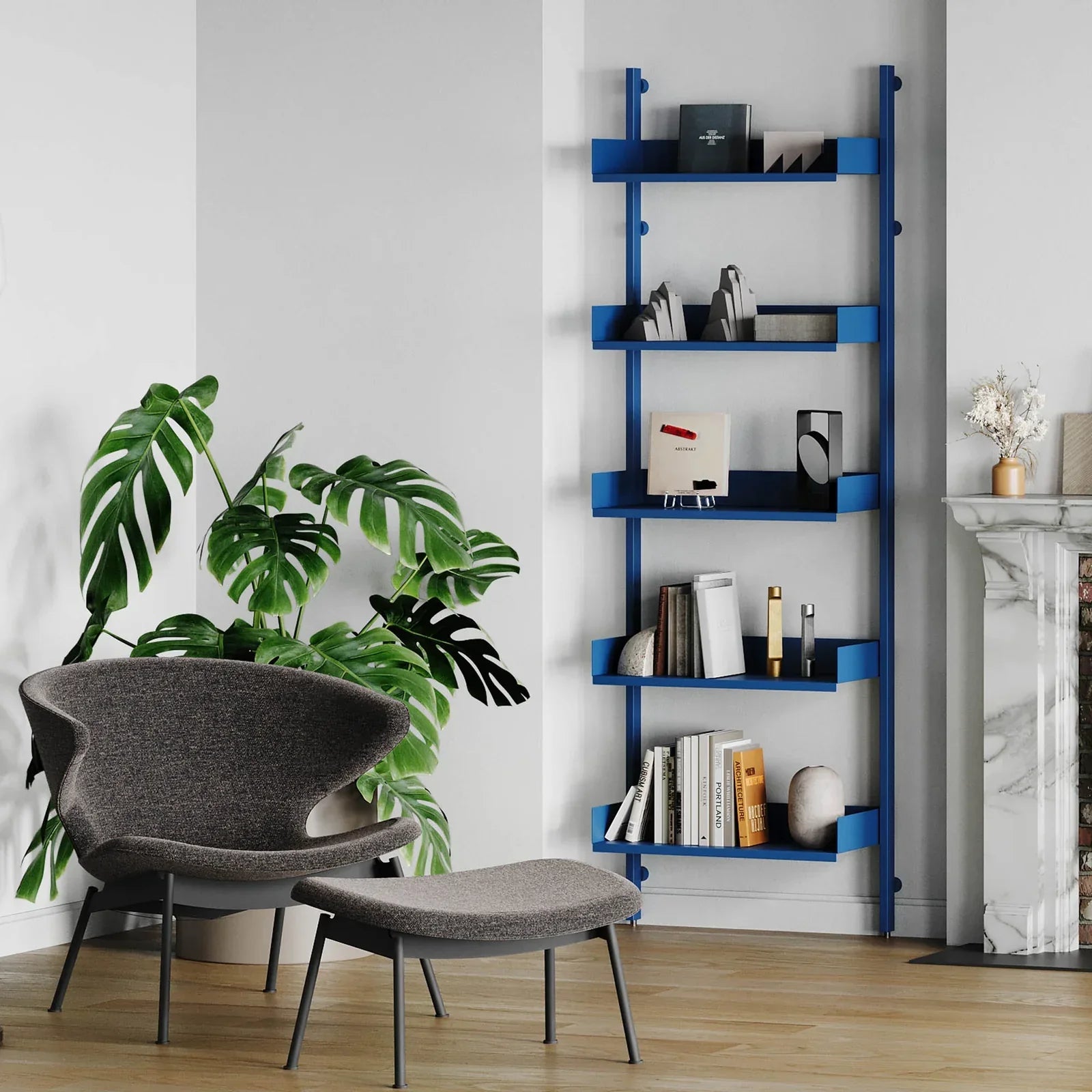
- Honeycomb Modular Shelving — Bill Curry's 1970 design reissued in 100% recycled, regenerative plastic.
You'll find more of Heller's lounge chairs, stools, and dining chairs across the catalog, alongside the rest of our sustainable furniture brands.
Browse the full Heller collection at Comosum →
Frequently Asked Questions About Heller
Where is Heller furniture made?
Heller was founded in New York in 1971 and manufactures its furniture in the USA. Producing domestically with single-material molded plastic keeps the supply chain short and makes the pieces straightforward to recycle at end of life.
Is Heller furniture sustainable?
Yes. Most Heller furniture is now made using Worry Free Plastics technology that is 100% regenerative, microplastics-free, and 100% recyclable, and since April 1, 2025 most products contain an enzyme that helps the material biodegrade faster if it ever reaches a landfill. Heller also runs a closed-loop take-back program, accepting products back for their full lifecycle to be recycled rather than discarded.
What materials does Heller use?
Heller works almost entirely in molded plastic, now produced as a recyclable, regenerative, microplastics-free material. Because each piece is essentially one material rather than a bonded composite, it can be ground down and remolded instead of sent to landfill.
Which designers have worked with Heller?
Heller's catalog includes work by Massimo and Lella Vignelli, Mario Bellini, Frank Gehry, Philippe Starck, and Sergio Asti, plus contemporary designers such as Hlynur Atlason and JUMBO. Several Heller pieces are held in the permanent collections of MoMA, the Centre Pompidou, and the Philadelphia Museum of Art.
Is Heller furniture good for outdoor use?
Yes. Heller's molded-plastic pieces are weather-resistant and wipe-clean, which makes them well suited to patios, gardens, and high-traffic family spaces. Many designs, including the Gehry and Bellini lines, are made to move freely between indoors and out.
Heller joins a wave of American and European design houses reissuing iconic designs responsibly — proof that the most sustainable furniture is often the kind you never want to throw away.


Leave a comment
This site is protected by hCaptcha and the hCaptcha Privacy Policy and Terms of Service apply.