
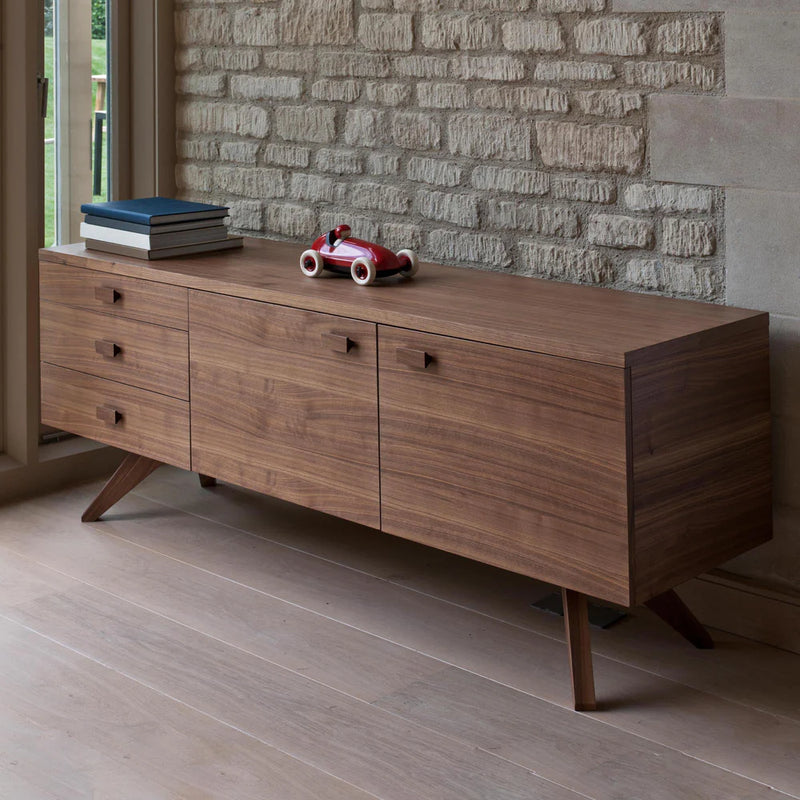
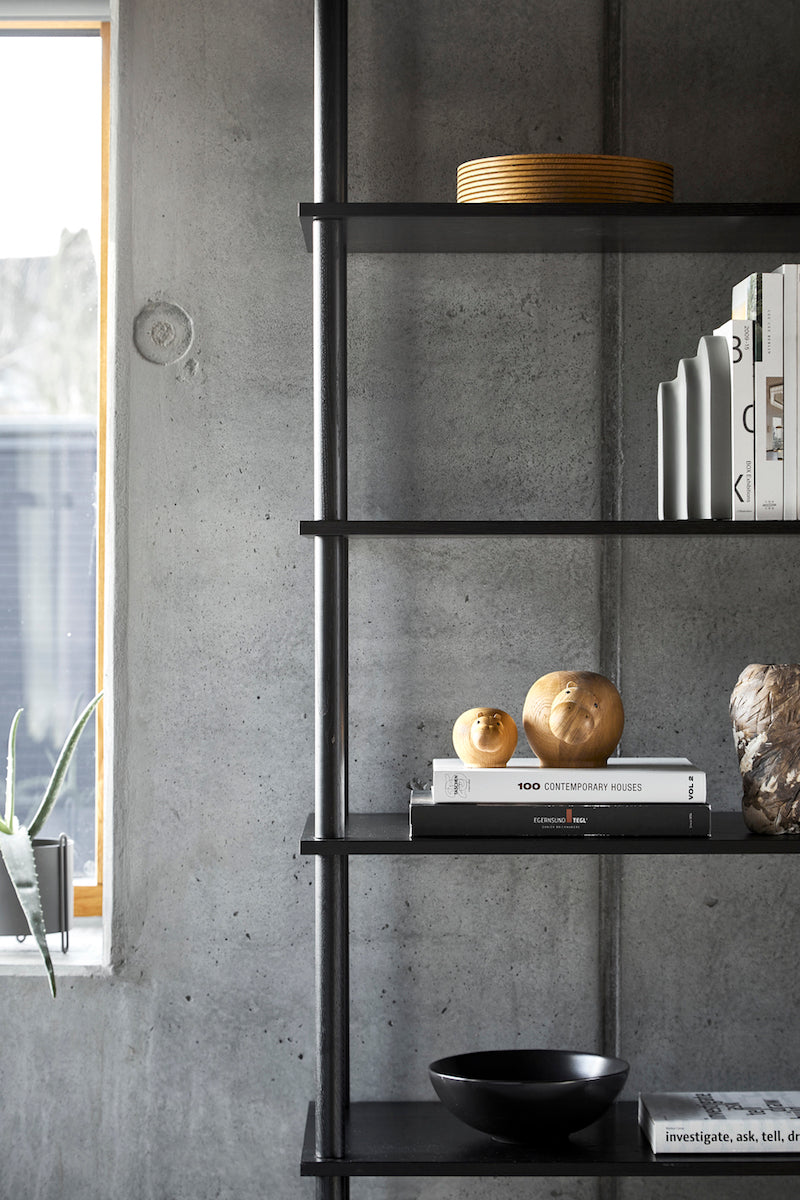
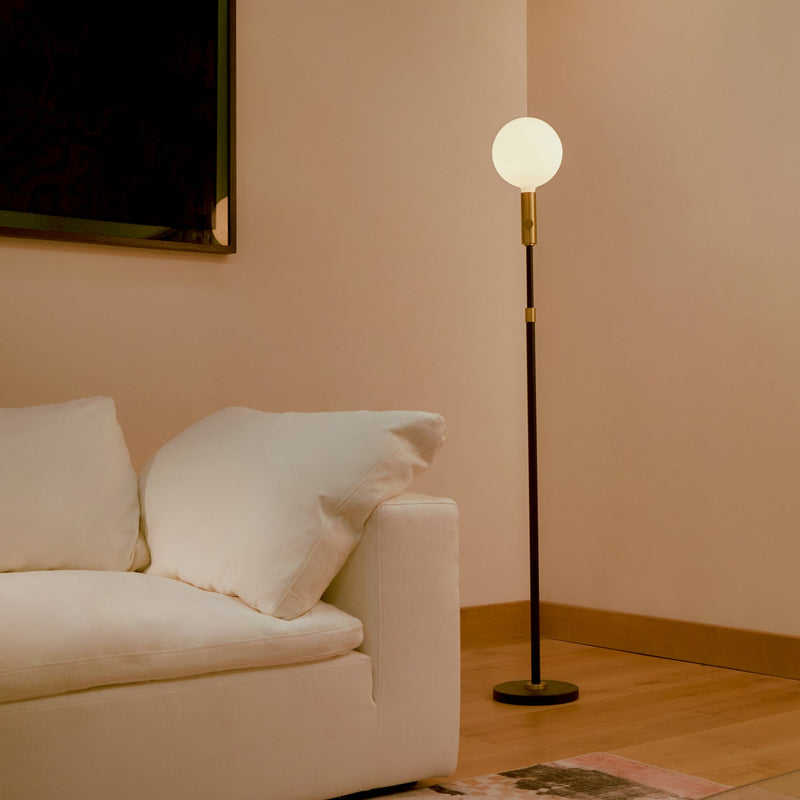

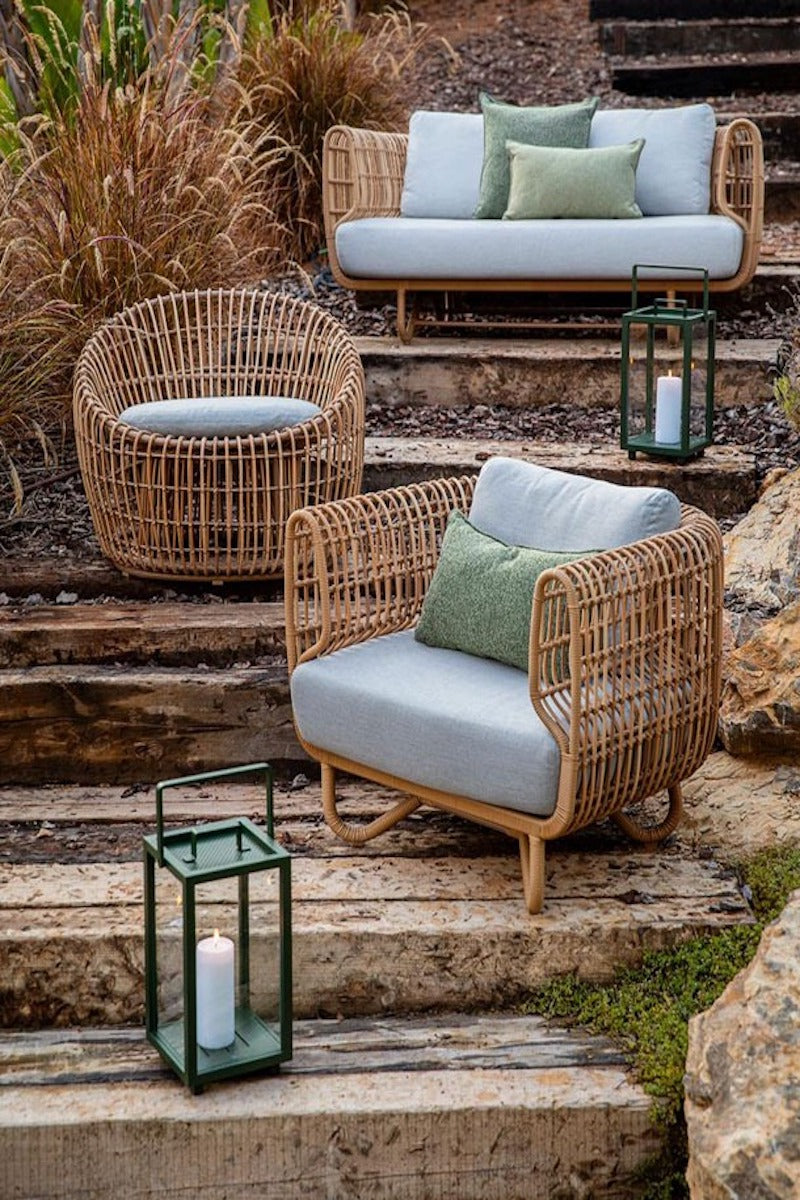
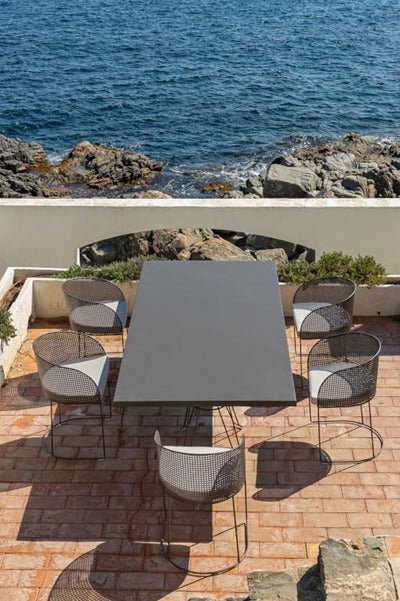
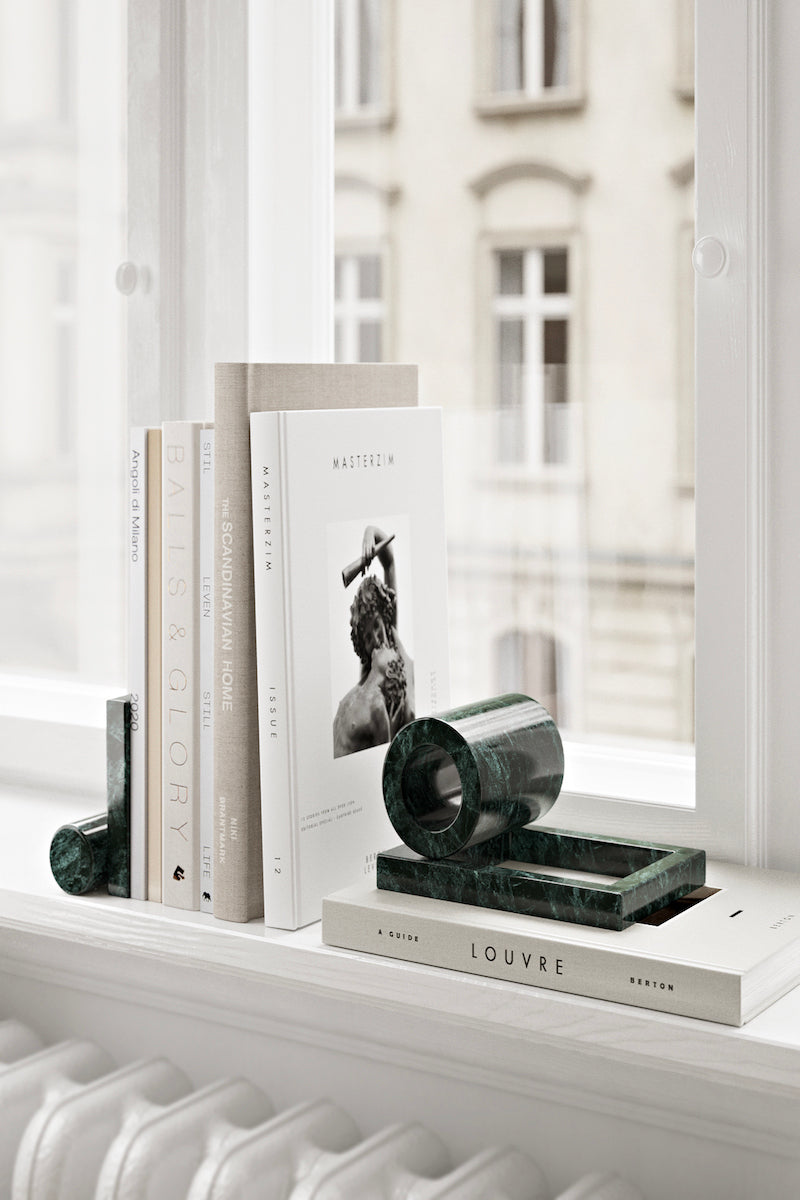
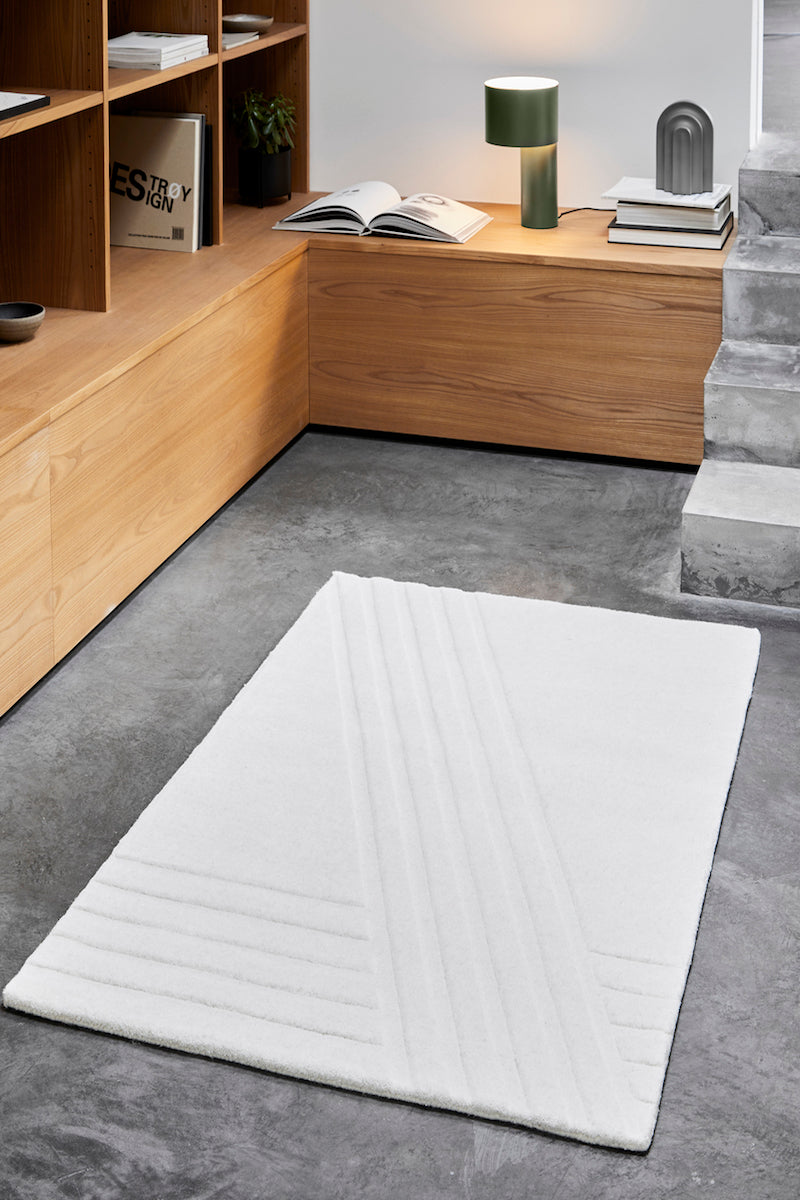
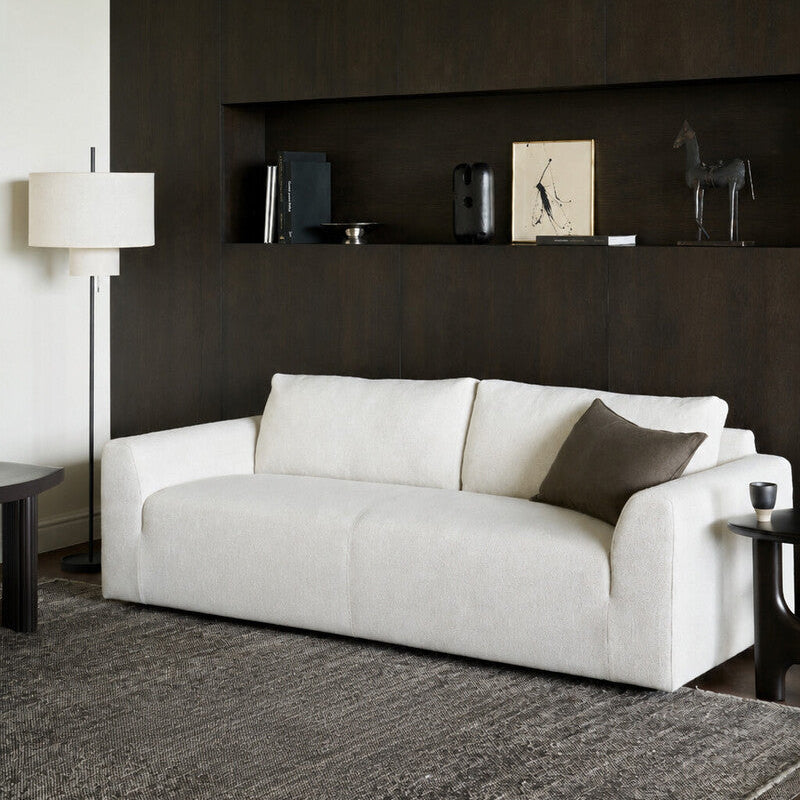
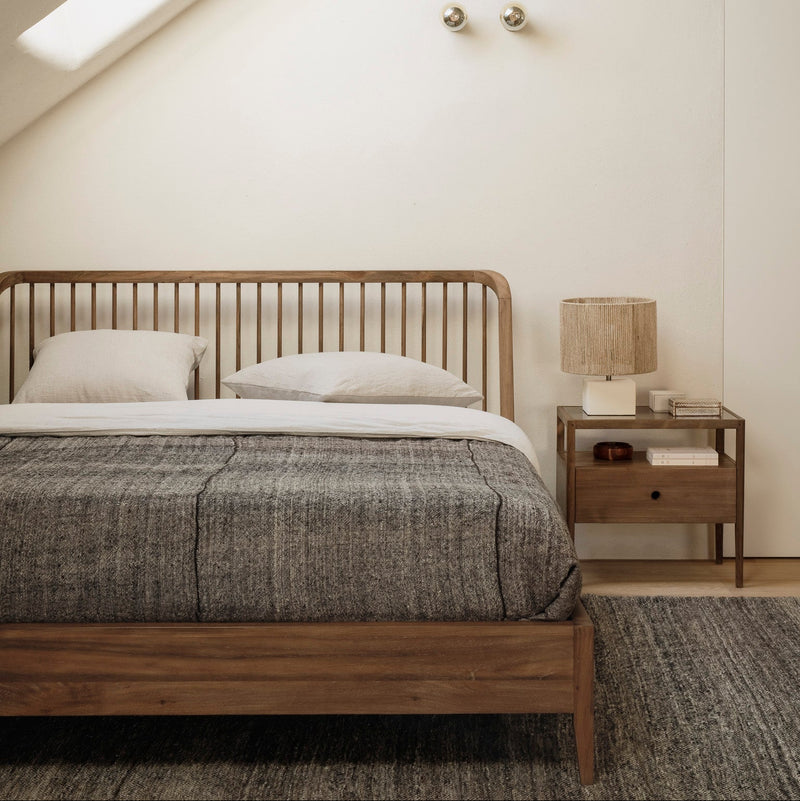
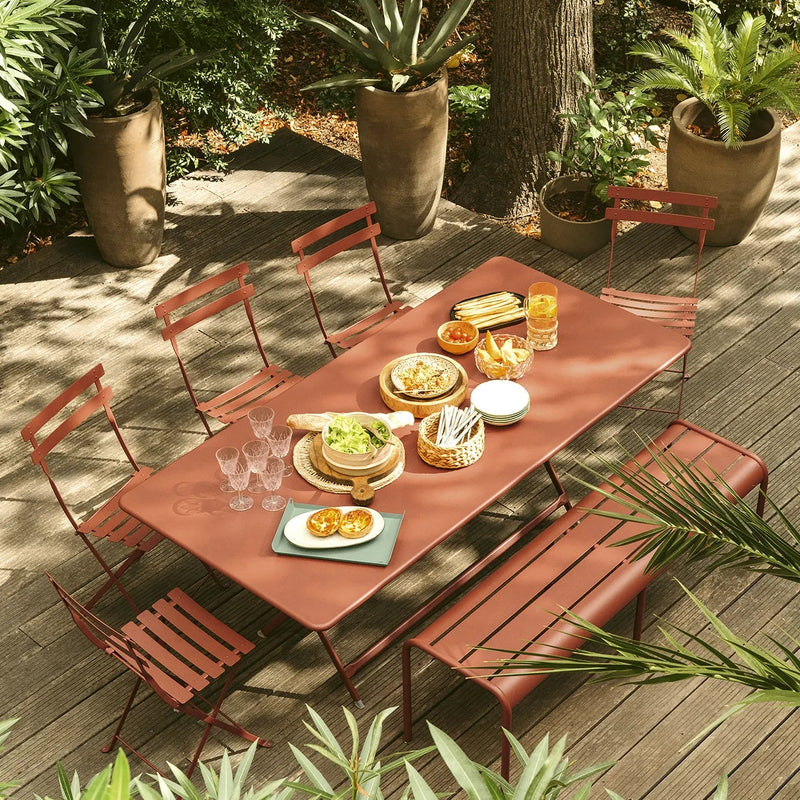
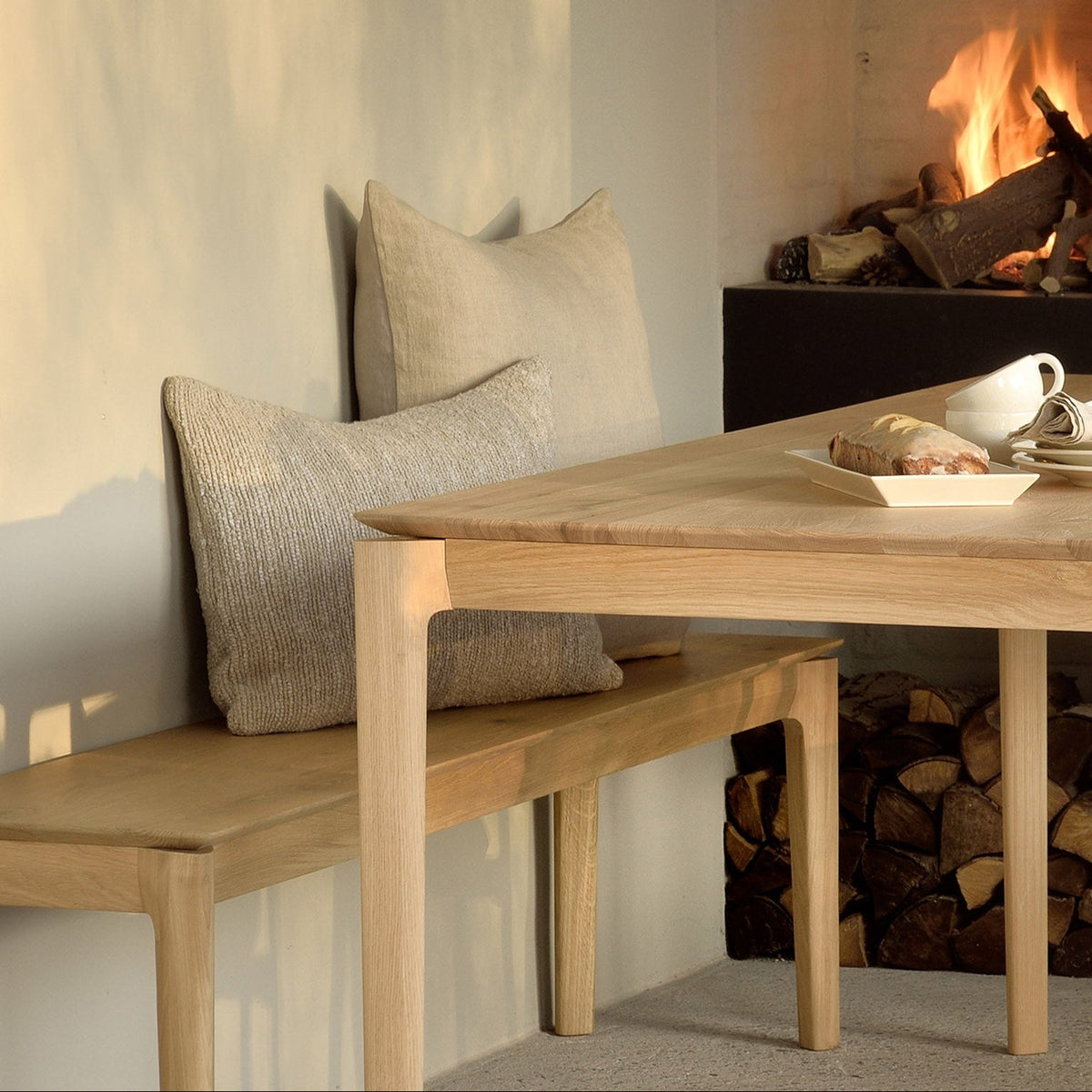
Greenington and Ethnicraft are the two brands we point to most often when someone asks about bamboo vs oak furniture for a dining table. Greenington, founded in 2004, makes 100% solid Moso bamboo furniture from culms that reach maturity in under five years and mills panels it rates about 20% harder than red oak. Ethnicraft, founded in Antwerp in 1995, builds solid oak and FSC-certified teak in its own workshops. Both belong at Comosum because they solve the same problem, a table that lasts, with different materials and different trade-offs.
Why This Decision Matters
A dining table is the piece of furniture most households keep longest, so the material question is really a question about the next twenty years. Bamboo and oak both qualify as solid, repairable, and refinishable, which already puts them ahead of the particleboard tables that dominate the market. The differences that matter are how the material is grown, how it is processed into a tabletop, how it feels underhand, and how it ages.
Greenington's answer is engineered from a grass. Moso bamboo is harvested by hand from forests in China, and the brand states that each culm is individually selected so the root system stays intact and regrows the following year, with no clear-cutting. Strips of culm are steamed to caramelise the sugars, then laminated into solid stock and panels, according to the brand's manufacturing page.
Ethnicraft's answer is the tree itself. Co-founders Benoit Loos and Philippe Delaisse started by importing a single container of Indonesian furniture to Antwerp in 1995, then set up their own manufacturing site in Indonesia within a year, as told on the company's story page. Thirty years on, the company works with four manufacturing sites and six craft ateliers, and its main designer, Alain van Havre, has shaped the Bok, PI, and Torsion collections we carry. Oak arrives as solid boards with a hardwax oil finish; nothing is laminated to look like something else.
So the real comparison is not "grass vs tree." It is a fast-renewing, engineered panel from a Washington State-based brand against slow-grown, solid-board oak from a Belgian company that has spent three decades learning one material.
Bamboo and Oak, Material by Material
We keep a fuller explainer in our bamboo vs hardwood sustainability guide; this section focuses on what changes when you are choosing between these two specific brands.
Materials
Greenington uses only mature Moso bamboo, milled into two grades. Its classic bamboo is rated by the brand at roughly 20% harder than red oak, and its strand-woven "exotic" bamboo at about 100% harder, per the Why Bamboo page. For context, the Wood Database lists red oak at 1,220 lbf on the Janka hardness scale and white oak at 1,350 lbf. Ethnicraft's oak is solid timber finished in hardwax oil, and its select indoor teak lines are FSC (Forest Stewardship Council) certified. On its oak, Ethnicraft says the wood is "sourced from responsibly and carefully managed forests," which is a self-declaration rather than a third-party label, so we treat it as such.
Manufacturing
Greenington states that 100% of each bamboo culm is used, with sawdust burned to generate steam for the dry kiln and press, and that its products are made in ISO-certified factories. Bamboo panels are bonded with adhesive under heat and pressure, which is what makes the strand-woven grade so dense; it is also the honest caveat, since a laminated panel is only as good as its glue and finish. Ethnicraft's oak dining tables are built in its workshops in Serbia and Vietnam, and its teak pieces in its Indonesian atelier, where the brand says it works "with respect for the material of wood, considered as a precious resource," as described on its designers and ateliers page.
Certifications & Recognition
Select Ethnicraft teak lines carry FSC certification; its oak does not carry a published third-party forestry label, and its sustainability commitment describes a 25-year plan built around circular design and refurbishment. Greenington's public claims centre on harvest method and zero-waste production rather than a forestry certification, because FSC applies to bamboo differently than to timber. We score both on our Sustainability Meter using what each has actually documented, not what their marketing implies.
Which One Is Right for Your Table?
We carry both because they win in different rooms. Greenington wins on renewal speed and on price per square foot of solid material: a 72-inch Marseilles table in 100% solid bamboo sits around $2,200 at the time of writing. It also wins in dry climates where the caramelised finish and dense panel stay stable, provided you hold indoor humidity between 40 and 55 percent. Its beds and desks are where bamboo's stiffness shows best.
Ethnicraft wins on repairability and ageing. A hardwax-oiled oak top can be sanded, re-oiled, and handed on; the finish is part of the wood rather than a coating over a laminate, and our solid oak care guide covers the routine. It also wins on design range, from the Bok's airy frame to the Torsion's sculpted base, and on the option of FSC-certified teak. The trade-off is price, which is why we usually send first-apartment buyers to Greenington and long-term homeowners to Ethnicraft.
If you are torn, the tiebreaker is touch. Bamboo feels harder and cooler; oak feels warmer and shows more grain. Both brands are listed among the sustainable furniture brands we stand behind, and both appear across our dining tables and beds collections.
Our Recommendations at Comosum
Greenington
- Greenington Marseilles Dining Table — 100% solid Moso bamboo in a hand-applied Black Walnut finish, 60 or 72 inches, no visible hardware.
- Greenington Currant Platform Bed — one of the brand's core bedroom collections, where bamboo's stiffness allows a slim frame.
- Greenington Zephyr Coffee Table — a rounded bamboo top that shows the grain the caramelising process brings out.
Ethnicraft
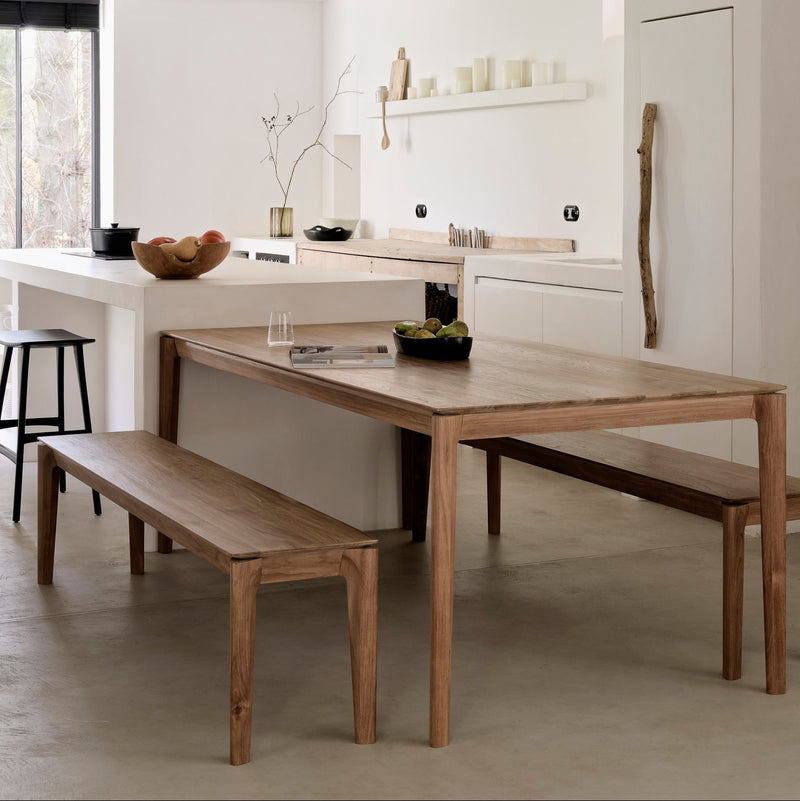
- Ethnicraft Bok Dining Table — Alain van Havre's best-known table in solid oak or FSC-certified teak, seven sizes from 55 to 94.5 inches.
- Ethnicraft Bok Extendable Dining Table — the round Bok with a leaf, for households that host in waves.
- Ethnicraft Torsion Round Dining Table — a sculpted oak base under a round top, the most architectural piece we stock from the range.
- Ethnicraft Air Bed — solid oak with a hardwax oil finish, the bedroom counterpart to the Bok table.
Browse the full Greenington collection at Comosum →
To compare Ethnicraft's oak tables with oak designs from FDB Møbler, UMAGE and Tikamoon, see our oak dining tables.
Browse the full Ethnicraft collection at Comosum →
For the longer story on each maker, read why we carry Greenington and why we carry Ethnicraft.
Frequently Asked Questions About Greenington vs Ethnicraft
Where are Greenington and Ethnicraft furniture made?
Greenington furniture is made from Moso bamboo harvested in China and manufactured in ISO-certified factories there, for a company founded in 2004 and based in Tukwila, Washington. Ethnicraft is headquartered in Boom, Belgium, and builds its oak dining tables in workshops in Serbia and Vietnam and its teak pieces in its own Indonesian atelier.
Is bamboo furniture as strong as oak?
Greenington rates its classic laminated bamboo at about 20% harder than red oak and its strand-woven exotic bamboo at roughly twice as hard. The Wood Database lists red oak at 1,220 lbf and white oak at 1,350 lbf on the Janka scale. In practice both materials are more than hard enough for a dining table; the differences you will notice are feel and how the surface ages.
Which is more sustainable, Greenington bamboo or Ethnicraft oak?
Greenington's strength is renewal speed and waste: Moso bamboo matures in under five years, the culm regrows from the root, and the brand uses 100% of the material including sawdust for kiln fuel. Ethnicraft's strength is longevity and repair: solid oak with a hardwax oil finish can be sanded and re-oiled for decades, and select teak lines are FSC-certified. Only Ethnicraft's teak carries a third-party forestry label.
How do I care for a bamboo or oak dining table?
For both, wipe spills promptly with a soft damp cloth and skip wax, polish, and chemical cleaners. Greenington recommends holding indoor humidity between 40 and 55 percent and keeping the table out of direct sun. Ethnicraft's hardwax-oiled oak can be lightly sanded and re-oiled when it wears; our guide on caring for solid oak furniture covers the steps.
Can I mix Greenington and Ethnicraft pieces in one room?
Yes. Greenington's caramelised and Black Walnut finishes sit comfortably beside Ethnicraft's natural and brown-tinted oak because both show real grain rather than a printed veneer. The safest pairing is a Greenington bed or desk with an Ethnicraft dining table, so each material carries the room it suits best.


Leave a comment
This site is protected by hCaptcha and the hCaptcha Privacy Policy and Terms of Service apply.