
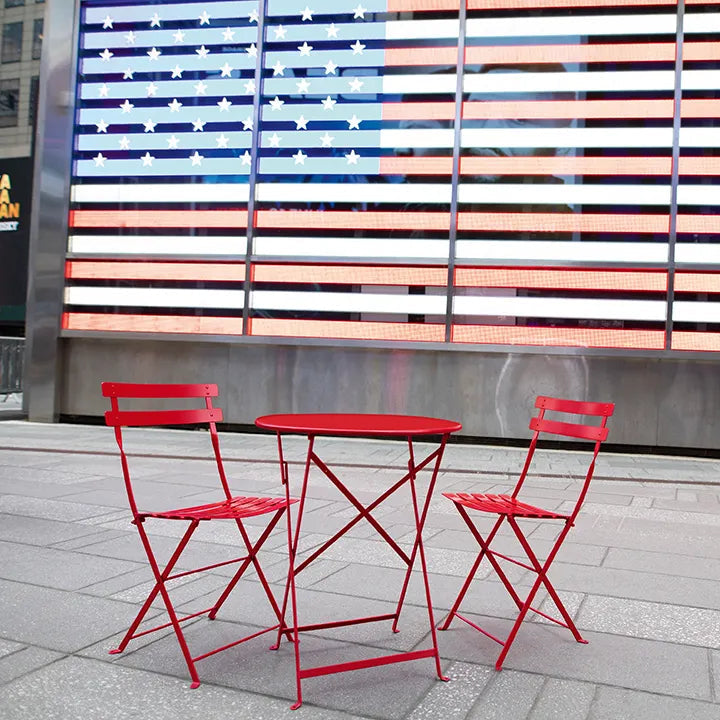

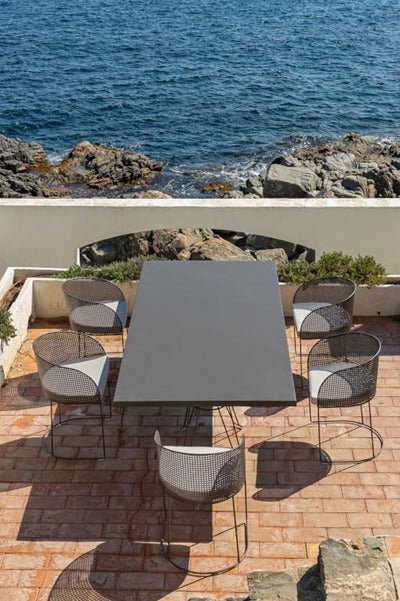
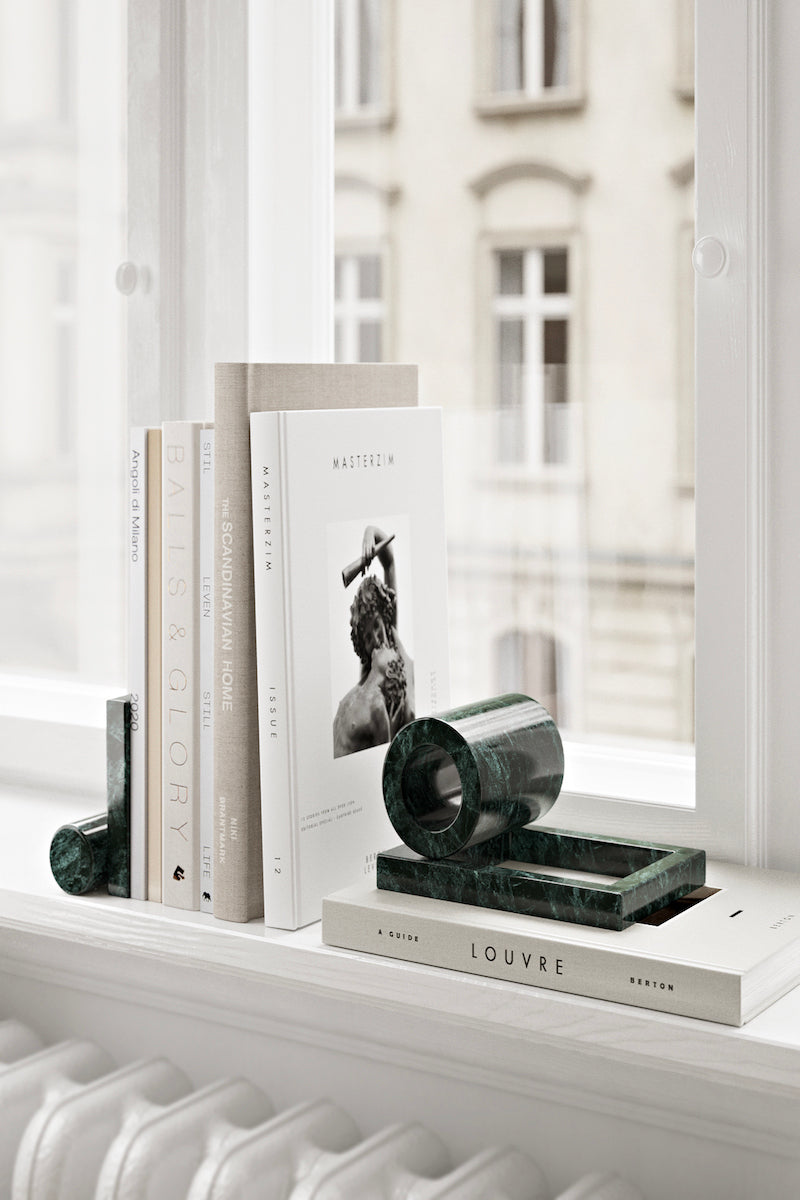
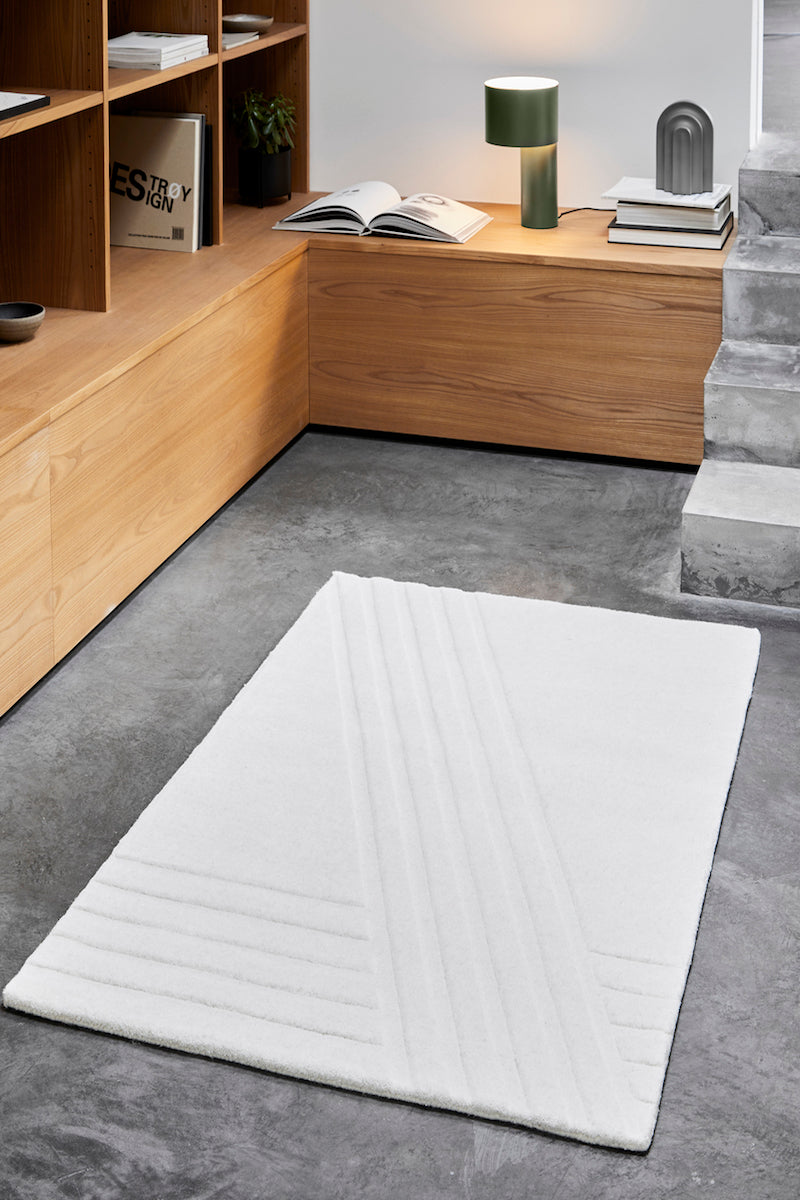
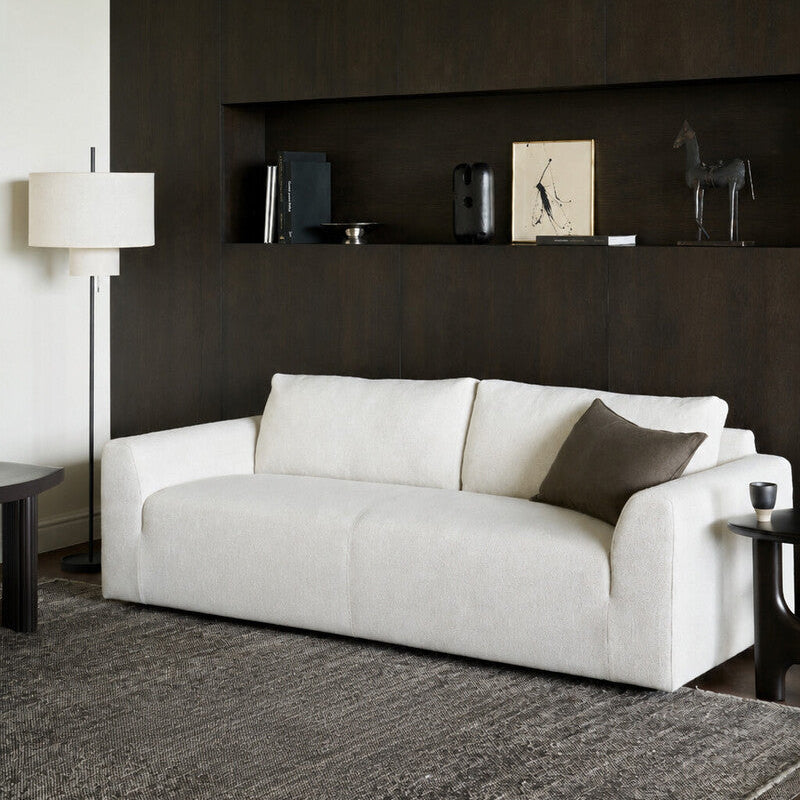
Affordable sustainable furniture is not a contradiction. At Comosum, hundreds of design-led pieces sell for under $500 — from $25 Kähler ceramics, made in Denmark since 1839, to a $320 pair of Fermob Bistro chairs, a folding steel café design first produced in France in 1889. What separates these from fast furniture isn't the price. It's whether a piece is built from honest materials, can be repaired, and is made to outlast a single apartment. Here's how to shop that gap.
Why “Sustainable Means Expensive” Is a Myth
There's a stubborn assumption that shopping sustainably means spending four figures on a dining chair. It's easy to see where it comes from: the sustainable furniture that gets written about tends to be the heirloom, hand-joined, solid-walnut end of the market. But price and sustainability are not the same axis. A piece can be expensive and disposable, or affordable and built to last.
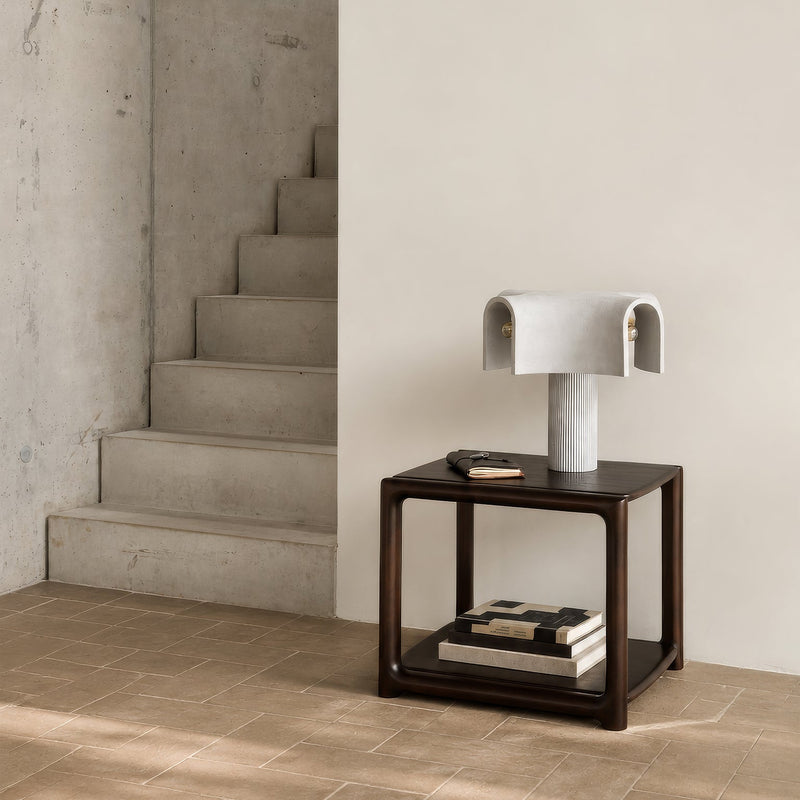
The clearer way to think about cost is per year of use, not per receipt. A $439 solid-oak side table you keep for twenty years works out to about $22 a year. A $90 particleboard version replaced every three years costs more than $30 a year — and sends six or seven of itself to landfill over the same period. The cheap option is usually the expensive one.
That's the hidden math behind fast furniture: low sticker prices subsidised by short lifespans, flat-pack particleboard that can't be repaired, and finishes that off-gas. We unpack it in our guide to the hidden cost of fast furniture. The good news is that the alternative doesn't require a splurge — it requires knowing what to look for.
What Separates Real Value From Fast Furniture
Cheap eco friendly furniture that lasts comes down to three things you can check before you buy: materials, construction, and third-party proof.
Materials
The single biggest tell is what a piece is actually made of. Solid wood, powder-coated steel, recycled polyethylene, and natural fibres age well and can be refinished or recycled. Bonded particleboard, MDF with a printed vinyl “wood” layer, and polyurethane foam degrade — and often carry the adhesives and coatings that make budget non toxic furniture hard to find. Look for named materials: FSC-certified oak, recycled-content steel, water-based finishes. Vague “engineered wood” usually means glue and sawdust.
Construction & Repairability
A well-made piece is designed to come apart the way it went together. Screw-and-dowel joinery you can tighten, legs that detach for moving, covers that unzip and wash, springs and shades you can replace — these are the features that let furniture survive a decade of real life. Fast furniture is typically glued or stapled shut, so a single failure means the whole thing goes out. When a brand keeps spare parts available and supports repair, that's a sustainability credential in itself — the logic behind buying repairable furniture with spare parts.
Certifications & Standards
Third-party certifications are how you separate genuine credentials from marketing. FSC verifies responsible forestry; B Corp independently assesses a company's whole social and environmental record; ISO 14001 audits a factory's environmental management. These are checked by outside bodies, not self-declared. The Sustainable Furnishings Council is a useful starting point for understanding what to trust. Every brand we carry is screened against credentials like these before it reaches our sustainable furniture brands roster.
How We Curate Under $500 at Comosum
We built our Sustainable Furniture Under $500 collection to answer a single objection we hear constantly: that shopping responsibly is a luxury. It isn't. The pieces in that edit clear the same bar as everything else we carry — verified materials, real repairability, third-party certification — they simply cost less, usually because they're accessories, seating, or smaller-format pieces rather than case goods.
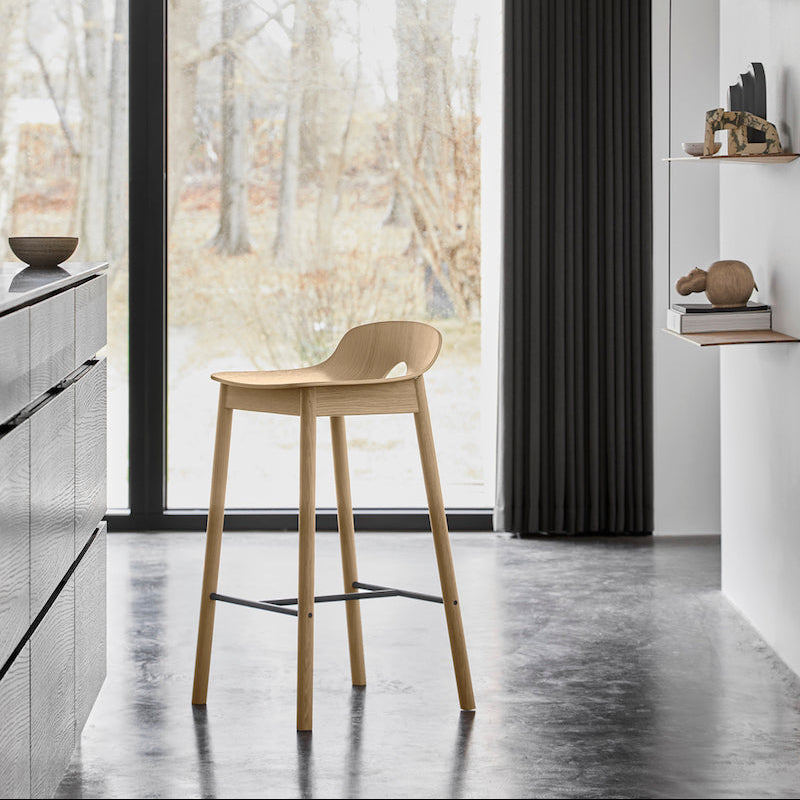
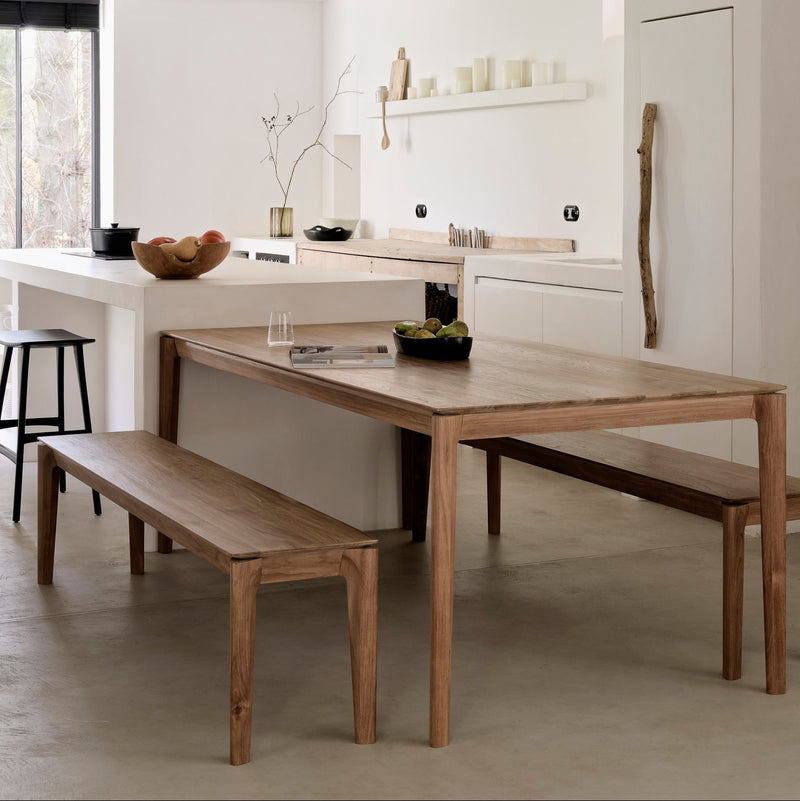
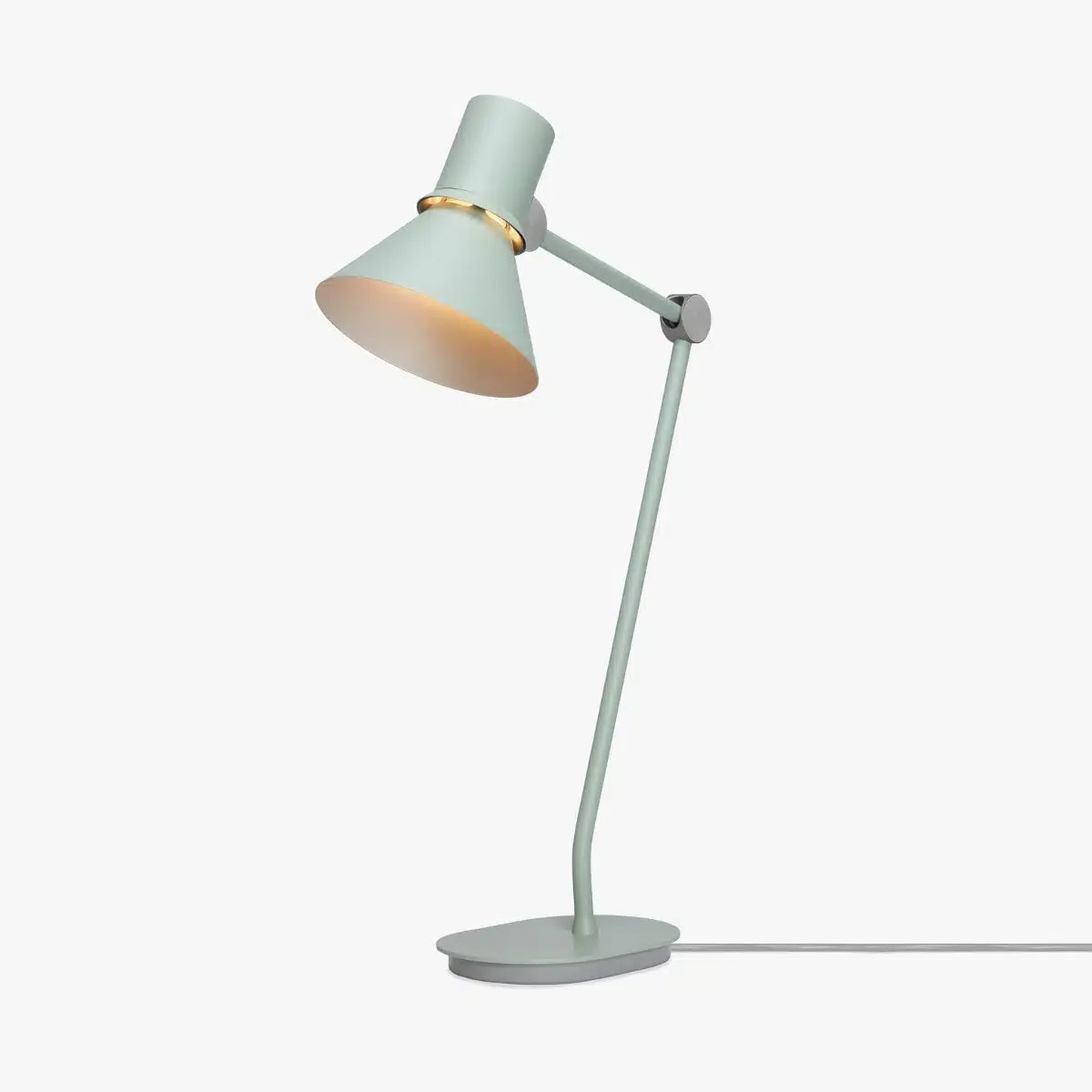
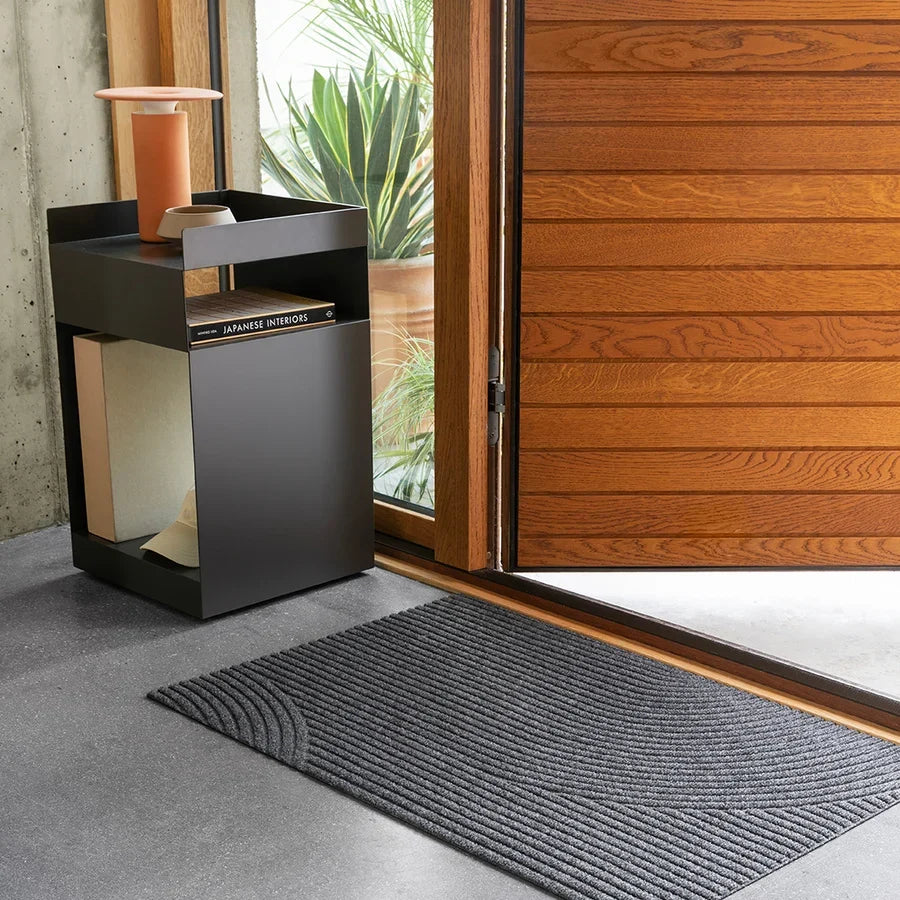
It's also where the range is deepest. You'll find recycled-fibre rugs and doormats, portable lamps you can carry room to room, stools and benches, and end and side tables that hold up to daily use. If you're replacing pieces from a big-box retailer, our Comosum vs. West Elm comparison shows how the value math works out over time. Affordable sustainable furniture, in our view, should be the entry point — not the exception.
Real Picks Under $500
Five pieces that show how far $500 goes when it's spent well — laddered from a $25 cup to a solid-oak table, each verified in stock as of this writing:
- Kähler Hammershøi tableware (from $25) — hand-finished stoneware from a Danish ceramic house founded in Næstved in 1839, now part of a certified B Corp group. A $25 espresso cup is the most affordable way to own a piece of Scandinavian design history.
- Heller Swell Wall Catchall ($100) — a sculptural entryway catchall in recyclable polyethylene, designed by RISD graduate Anna Dawson and made in the USA. It mounts by the door to catch keys, mail, and sunglasses.
- Tiptoe PLI Steel Wall Shelf (from $110) — a single sheet of folded recycled steel from Tiptoe, the Paris-based B Corp, produced in Lithuania. No brackets, no visible hardware, and a wall of powder-coat colours.
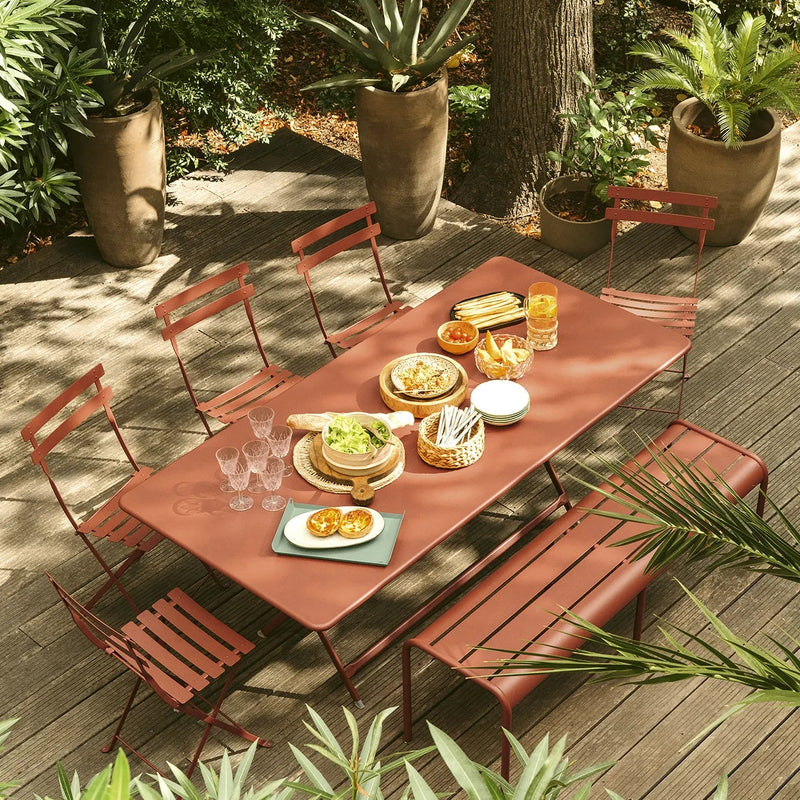
- Fermob Bistro Metal Chairs ($320 for two) — the folding steel café chair Fermob first drew in 1889, still made in France under an ISO 14001-certified process. It folds flat for storage and comes in more than twenty colours.
- Ethnicraft Tripod Side Table (from $439) — proof that solid hardwood furniture exists under $500. Turned from solid oak, or from FSC-certified teak, by the Belgian maker Ethnicraft, it's the twenty-year piece in this list.
Browse the full Under $500 edit at Comosum, from $25 accessories up to the solid-wood ceiling.
Frequently Asked Questions About Affordable Sustainable Furniture
Is sustainable furniture affordable?
Yes. While heirloom solid-wood pieces can run into the thousands, sustainable accessories, seating, and smaller tables are widely available under $500 — Comosum's under-$500 collection alone holds hundreds of verified options, starting at $25. The key is judging cost per year of use rather than sticker price, since a durable piece kept for a decade is usually cheaper than repeatedly replacing fast furniture.
What should I look for in budget furniture under $500?
Check three things: named materials (solid wood, recycled steel or polyethylene, natural fibres rather than particleboard or foam), repairable construction (parts that detach, tighten, or wash), and third-party certification such as FSC or B Corp. If a piece has all three, a lower price reflects its size or category — not a compromise on how long it will last.
What is fast furniture, and why is it a problem?
Fast furniture is low-cost, trend-driven furniture built for a short life — typically flat-pack particleboard that can't be repaired and is thrown out within a few years. The environmental cost is the churn: cheap pieces get replaced again and again, sending millions of tons of furniture to landfill and consuming new materials each cycle.
How do I know if affordable furniture is non-toxic?
Budget non toxic furniture is easiest to verify through finishes and certifications. Look for water-based or natural-oil finishes and solid materials rather than composite boards bonded with formaldehyde-based glues. Certifications like GREENGUARD Gold and OEKO-TEX indicate low chemical emissions, and solid wood with a named finish is a safer default than laminated particleboard.
What sustainable pieces can I actually buy for under $100?
Quite a lot. Kähler ceramics start at $25, recycled-fibre doormats and small rugs sit in the $60–$100 range, and the Heller Swell Wall Catchall is $100. Accessories and small storage are the most accessible entry point into sustainable design, which is why we treat them as the first rung, not an afterthought.


Leave a comment
This site is protected by hCaptcha and the hCaptcha Privacy Policy and Terms of Service apply.