
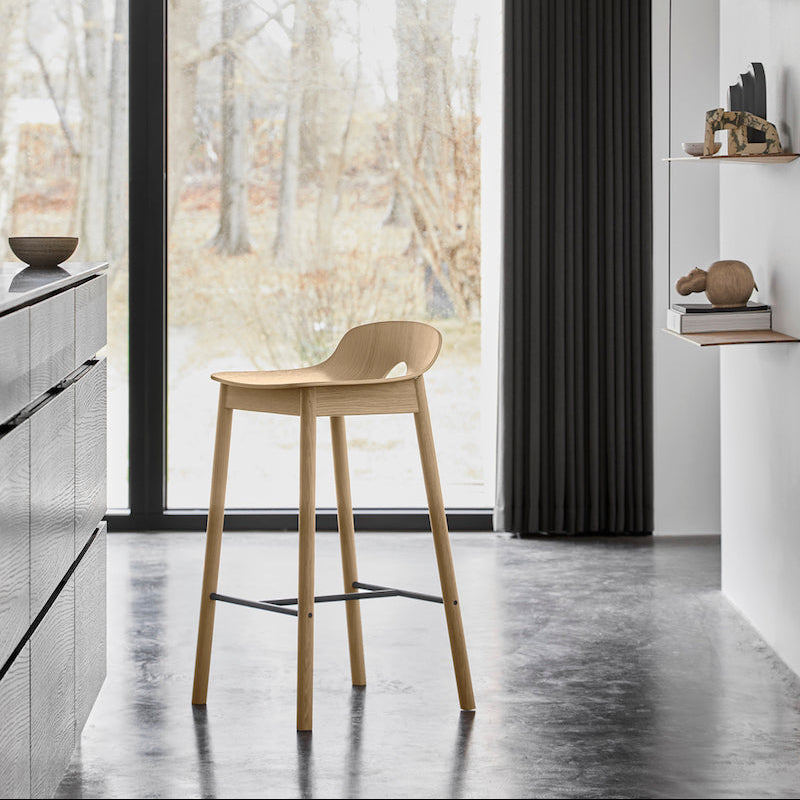
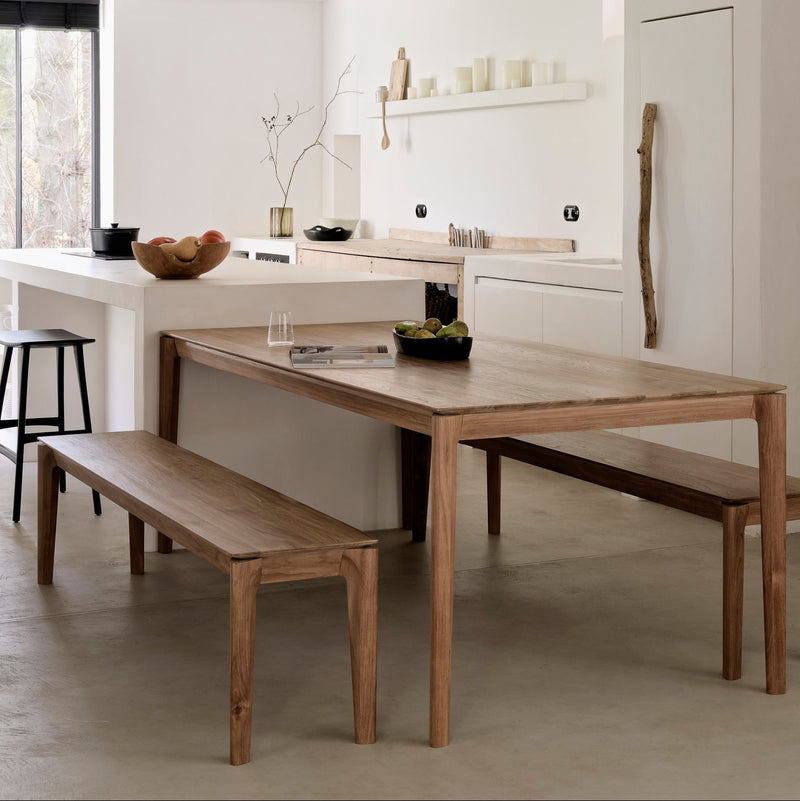


When most people think “sustainable furniture,” they picture solid oak dining tables and FSC-certified walnut chairs. That’s still important. But some of the most interesting progress in modern, sustainable furniture design is happening beyond wood entirely – in 3D-printed bioplastics, regenerative plastics, mushroom mycelium, and waste-based composites that behave like stone.
At Comosum, we’re already working with makers who are quietly reinventing what a “material” even is. Below is a look at a few of the innovations I’m most excited about – and why they matter if you care about design, sustainability, and how your home actually feels to live in.
Why Materials Are The New Sustainability Story
We’ve all seen vague claims about “eco-friendly plastic” or “green materials.” The real story is more specific:
– Where did this material come from?
– How long will it last in your home?
– What happens when it finally reaches the end of its life?
The next wave of sustainable furniture materials tries to answer all three, not just the first. That means:
– Moving away from fossil fuels toward plant-based or waste-based feedstocks.
– Designing for decades of use, not a couple of seasons.
– Building in real circularity: recyclability, compostability, or regeneration without microplastics.
Let’s walk through four families of materials that are actually doing this today – all of which are represented in Comosum’s assortment either now or in our pipeline.
3D-Printed Planters And Home Goods In Plant-Based Bioplastics
3D printing has moved far beyond tech toys. It’s become a powerful way to make design-led, small-batch home goods with far less waste than traditional molding.
Take the 3D-printed planters and vessels we carry from Conifer Homewares. They’re printed in Canada using plant-based materials derived from fermented organic matter like sugarcane, corn starch, and tree fiber, instead of fossil-fuel plastics. Any misprints or leftover filament are melted back down and reused, creating a closed-loop, zero-waste manufacturing process.
A few reasons this matters:
– Plant-based feedstock
Bioplastics made from corn, sugarcane and other renewable resources reduce reliance on virgin petroleum. Many similar 3D printing filaments blend bioplastic with recycled wood or other natural fibers, creating a tactile, matte finish that feels warmer than glossy plastic.
– Precision with almost no offcuts
Traditional production often means cutting away excess material. With 3D printing, you’re depositing material only where you need it. That allows complex geometries, clever drainage details, and made-to-order production – all with far fewer scraps, and those scraps are recycled on-site.
– Lightweight, durable, repairable
These planters are light enough to move around a New York apartment, but rigid enough for daily use. And if one cracks or you outgrow it, the material can be recycled into the next print run rather than going straight to landfill.
From a design standpoint, 3D-printed bioplastic lets our makers riff on architectural forms – fluted profiles, faceted silhouettes, deep ribs – that would be cost-prohibitive with ceramic or concrete. From a sustainability standpoint, it’s a way to bring circular thinking all the way down to the planter on your windowsill.
Regenerative Plastic Furniture: Heller x Worry Free Plastics
If you’ve ever written off “plastic furniture” as inherently unsustainable, Heller’s latest work is worth a second look.
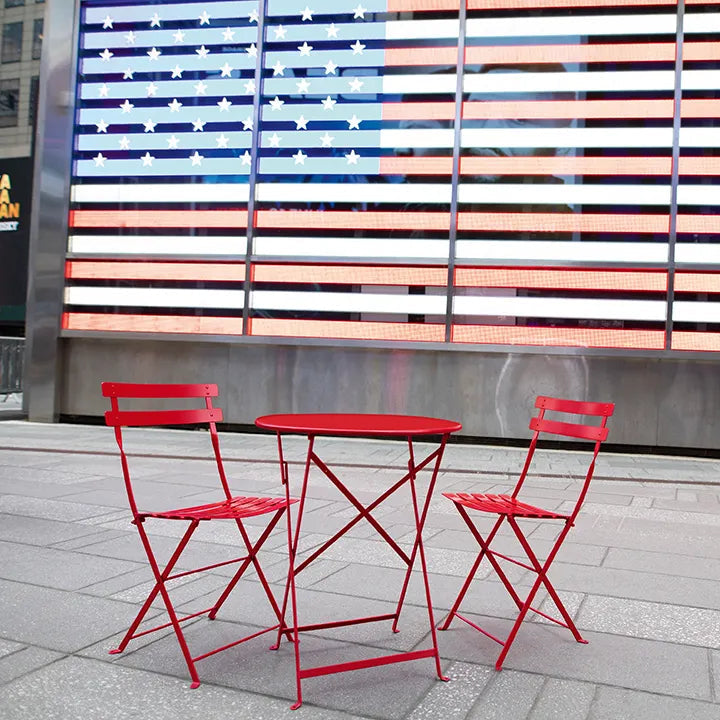
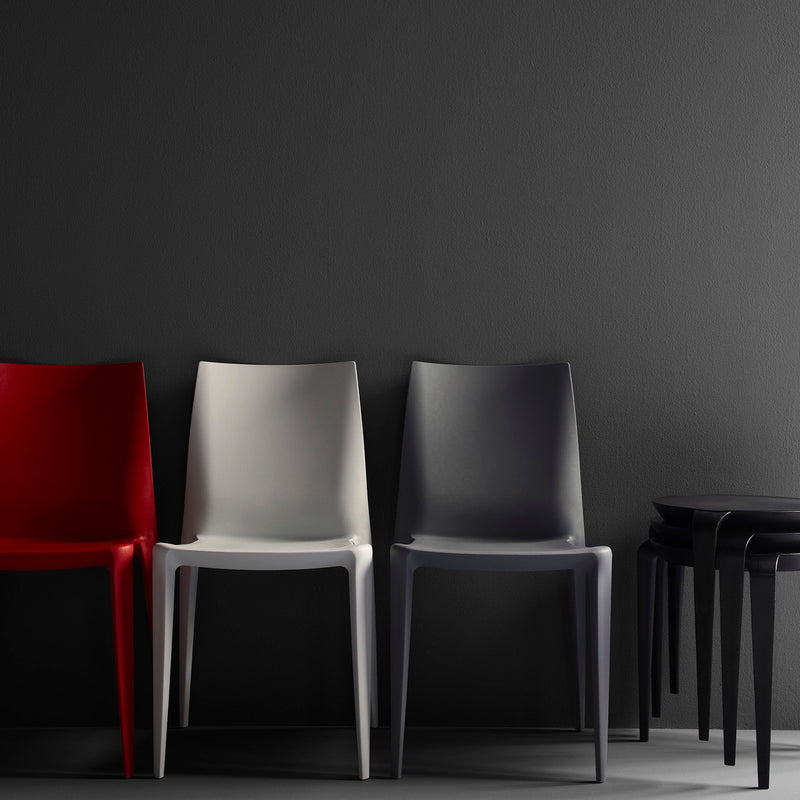
In partnership with Worry Free Plastics, Heller is now producing modern indoor–outdoor furniture from a proprietary polyethylene blend that’s both 100% recyclable and 100% regenerative.
Here’s the short version of how it works:
– During manufacturing, an organic enzyme from Worry Free Plastics is embedded into Heller’s polymer.
– In normal use – on your patio, in your dining room, in full sun or snow – that enzyme stays completely dormant. The furniture performs like classic Heller: durable, UV-stable, weatherproof.
– Only if a piece ends up in an anaerobic end-of-life environment (essentially a landfill) does the enzyme switch on. Microorganisms are then able to fully consume the polymer in under about five years, leaving behind nutrient-rich soil instead of persistent microplastics.
Critically, the furniture is still 100% recyclable through Heller’s own programs; regeneration is the safety net, not the first choice.
From a sustainability perspective, this approach tackles the hardest part of plastic: the end of its life. From a design perspective, it means we can keep working with iconic molded forms – Vignelli cubes, sculptural outdoor pieces – without accepting that they’ll sit in a landfill for centuries.
If you live in a place like California or New York where balconies and backyards see serious use, durable plastic furniture is still one of the most practical options. Heller’s regenerative material means you don’t have to choose between performance and conscience.
Grown, Not Manufactured: MushLume’s Mycelium Lighting
Now let’s go in a completely different direction: lighting grown from mushrooms.
MushLume is a Brooklyn-based studio making lampshades from mycelium – the root system of mushrooms – combined with agricultural waste like hemp fiber.
The process is closer to farming than manufacturing:
– Hemp and other plant fibers are placed in a mold, then inoculated with mycelium.
– Over a few days, the mycelium grows through the fibers, binding them into a solid, lightweight structure.
– Once the form is fully “grown,” it’s dried and heated, which stops growth and stabilizes the material into a durable lampshade. The result is compostable, non-toxic, and made entirely from renewable inputs.
Functionally, mycelium has some great properties for lighting: it’s naturally fire-resistant, diffuses light softly, and has a warm, organic texture you just can’t fake with plastic. Some MushLume pendants are described as “carbon-sequestering” because they lock plant-based carbon into the shade for the life of the fixture.
Design-wise, these pieces sit at the sweet spot between brutalist and biophilic – they feel like they grew in place, but they’re also clean and minimal enough for a contemporary apartment. When you hang a mycelium pendant over your dining table, you’re literally lighting your home with a material that started as farm waste and fungi.
Turning Waste Into A New “Stone”: Mater’s Matek
If you’ve seen Mater’s Matek collection in person, it almost reads as terrazzo or stone at first glance. The backstory is more interesting.
Matek is a circular composite that blends fiber-based wastes – think coffee shell waste from roasting or sawdust from wood production – with plastic waste, including industrial plastic and post-consumer e-waste.
Those materials are granulated, mixed, and press-molded into a dense, durable material that can be shaped into stools, tables, lighting, and sheets for architectural applications.
A few things I like about Matek from a sustainability and design perspective:
– It captures messy waste streams
Coffee shells, sawdust, mixed plastic from e-waste – these are exactly the kinds of byproducts that usually end up as low-value filler or landfill. Matek locks them into long-lived objects instead.
– It behaves like a “real” material
Matek is water-repellent and tough enough for everyday use. Mater treats it as a peer to wood, stone, or traditional plastic – not a novelty material that needs coddling.
– It looks elevated, not recycled
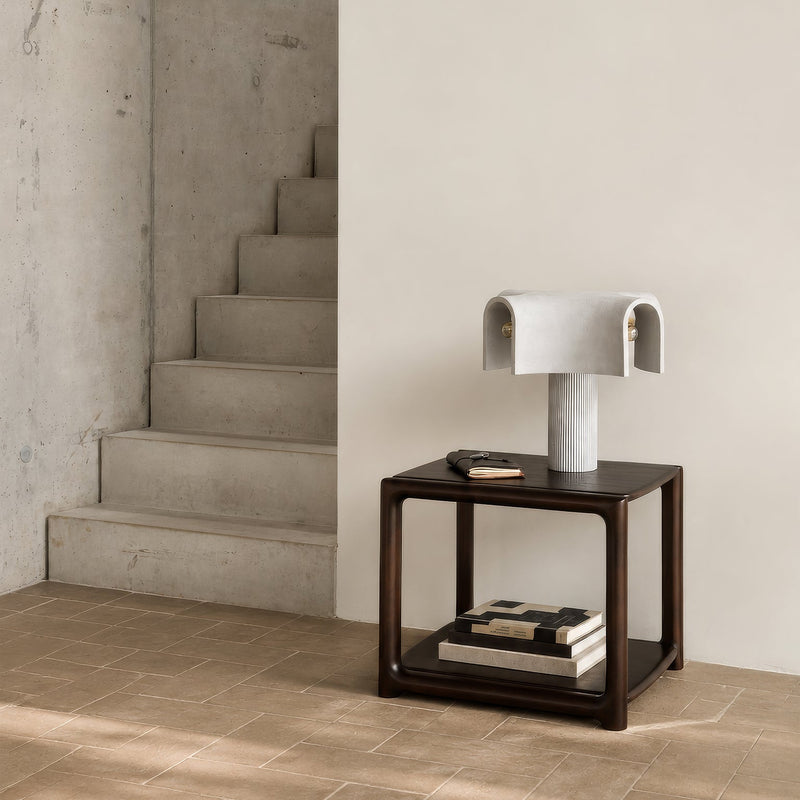
Because the waste fibers and plastics are visible, the surface has a speckled, terrazzo-like character. That makes pieces like the Mater Cube and tables feel sculptural rather than “eco” in the gimmicky sense.
For customers, the story is straightforward: you’re buying a side table or lamp that’s literally made from coffee waste and old electronics, reimagined as something you’ll keep in your home for years.
And Yes, Cork Still Matters
Not every innovation is high-tech. Cork remains one of the most quietly impressive sustainable materials we have.
Cork comes from the bark of the cork oak tree. The bark is harvested by hand every nine or so years without cutting down the tree; it simply regrows, which makes cork a genuinely renewable, regenerative resource.
Cork is naturally lightweight, water-resistant, sound-absorbing, and warm underfoot. In furniture and home goods, it’s an easy way to add texture while avoiding synthetic foams or plastics. When we bring cork into the assortment, it’s because it hits that sweet spot of “low impact, high function.”
What This Means For How You Shop
If you care about sustainable furniture, the question is shifting from “Is this solid wood?” to something broader:
– What is this material made from – plants, waste, fossil fuels, or a mix?
– How was it produced – is there unnecessary waste or is it made to order?
– What’s the plan for end-of-life – can it be recycled, composted, or regenerated?
3D-printed planters in plant-based bioplastic, Heller’s regenerative polyethylene, MushLume’s mycelium lighting, and Mater’s Matek composites are all different answers to the same challenge: how do we keep enjoying good design without treating materials as disposable?
My goal with Comosum is to make those answers tangible. When you browse the site and see 3D-printed planters made from fermented sugarcane and tree fiber, mushroom-grown lampshades, or waste-based side tables that feel like stone, you’re not just buying a look. You’re voting for a different material future for the home.
And we’re only at the beginning.



Leave a comment
This site is protected by hCaptcha and the hCaptcha Privacy Policy and Terms of Service apply.