
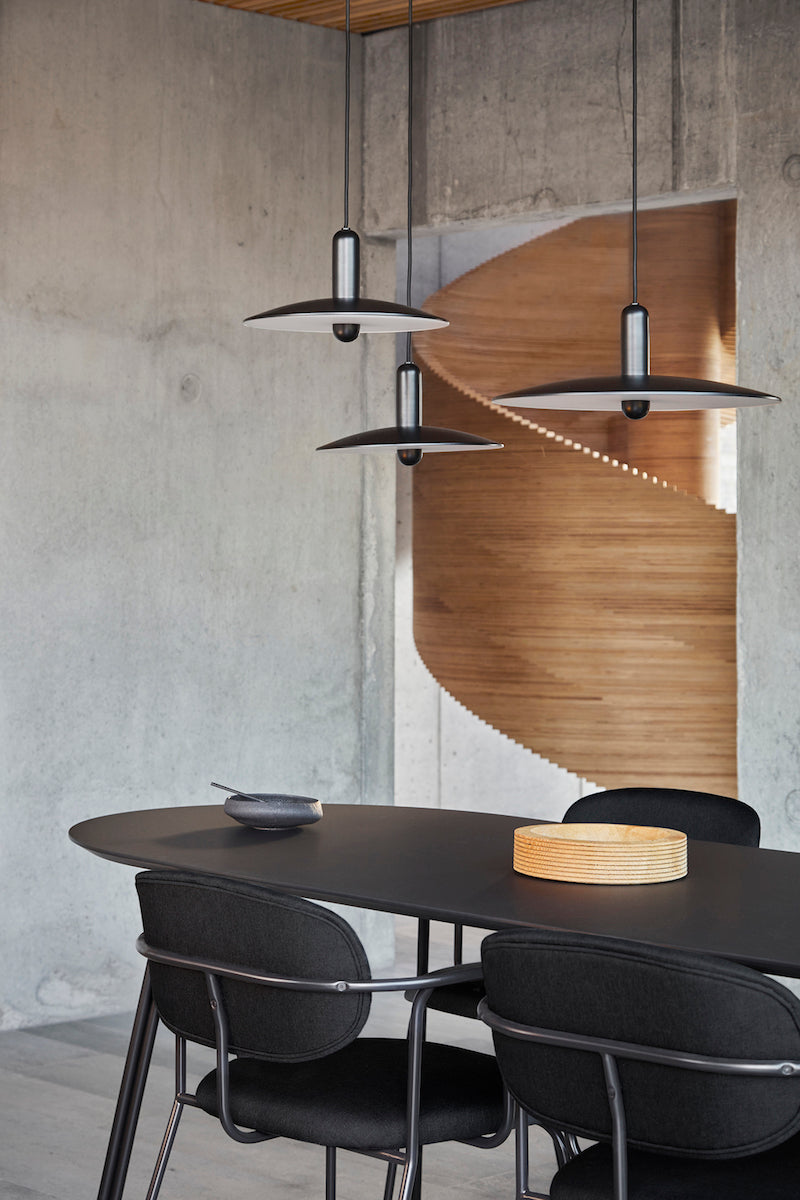
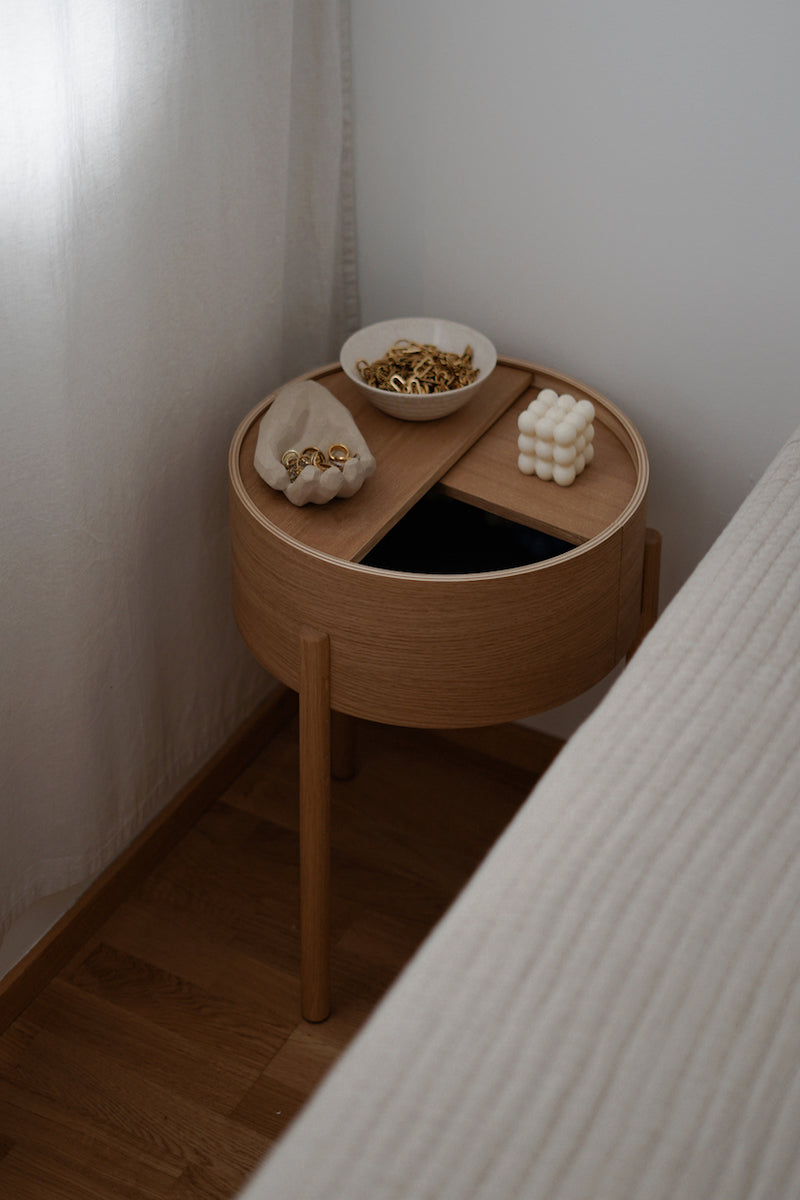
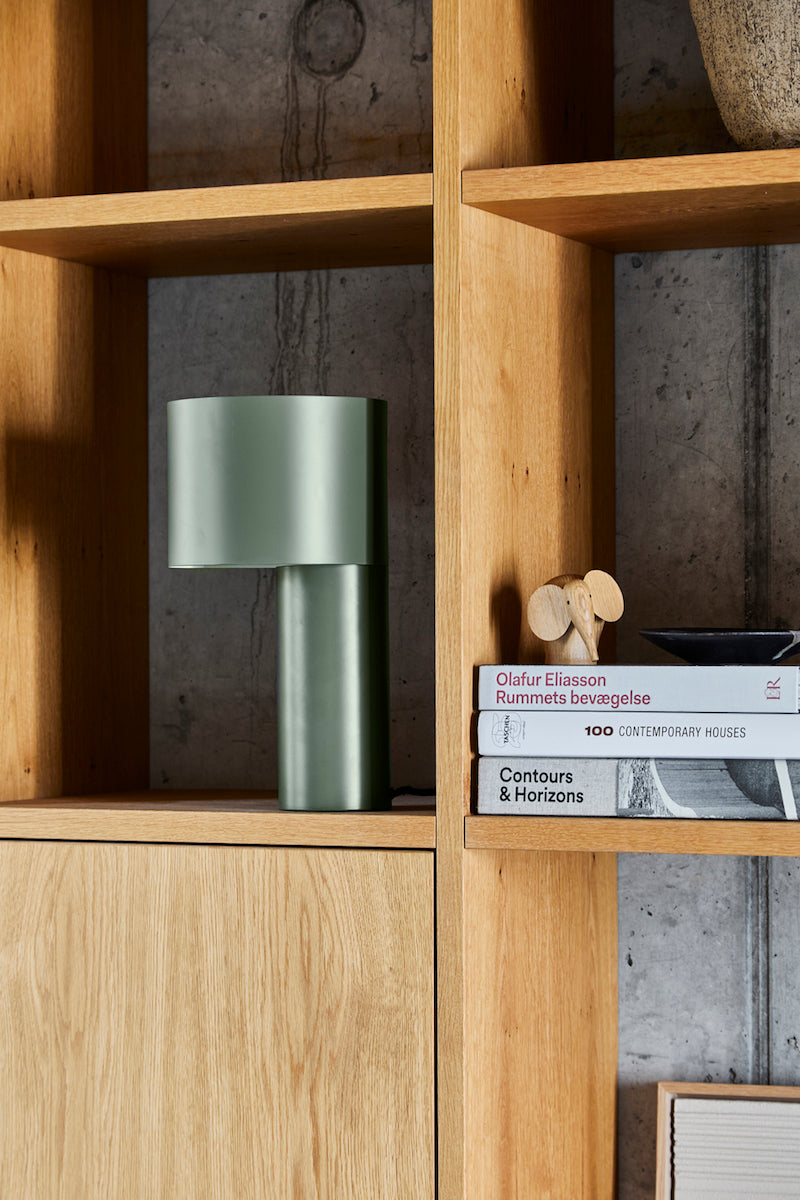
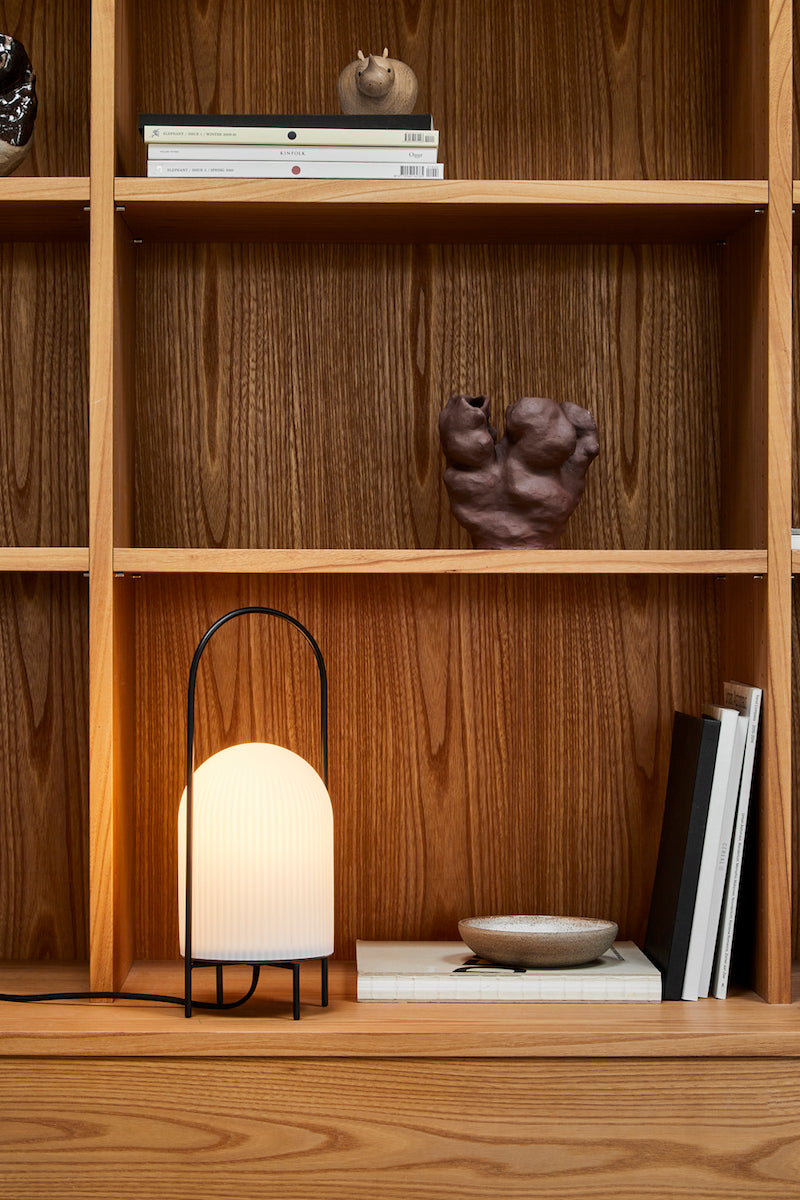
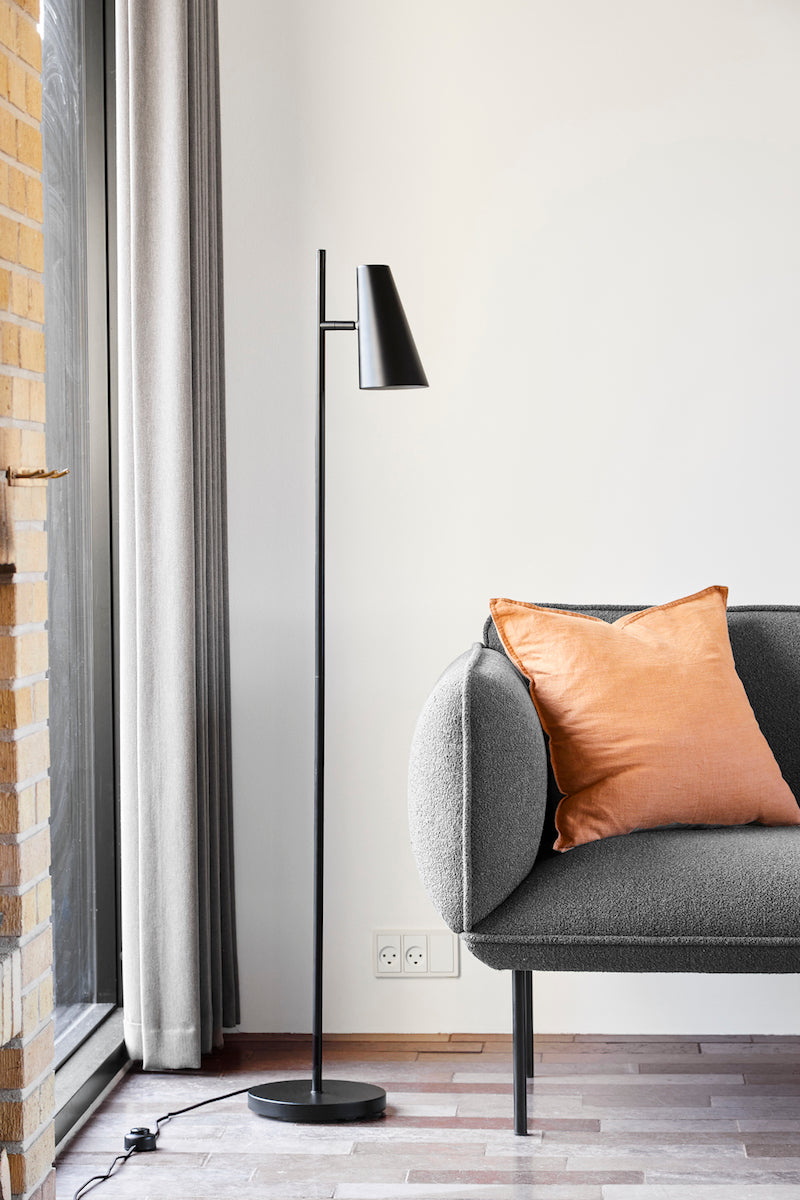

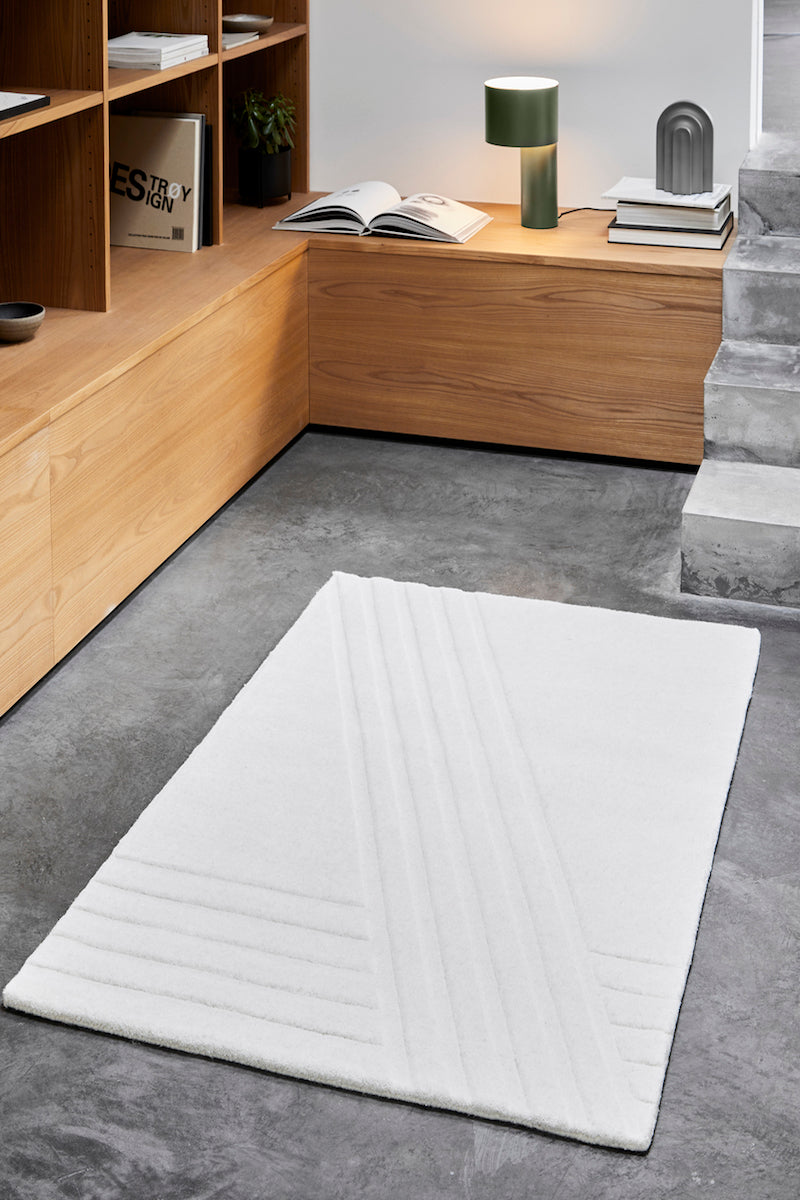
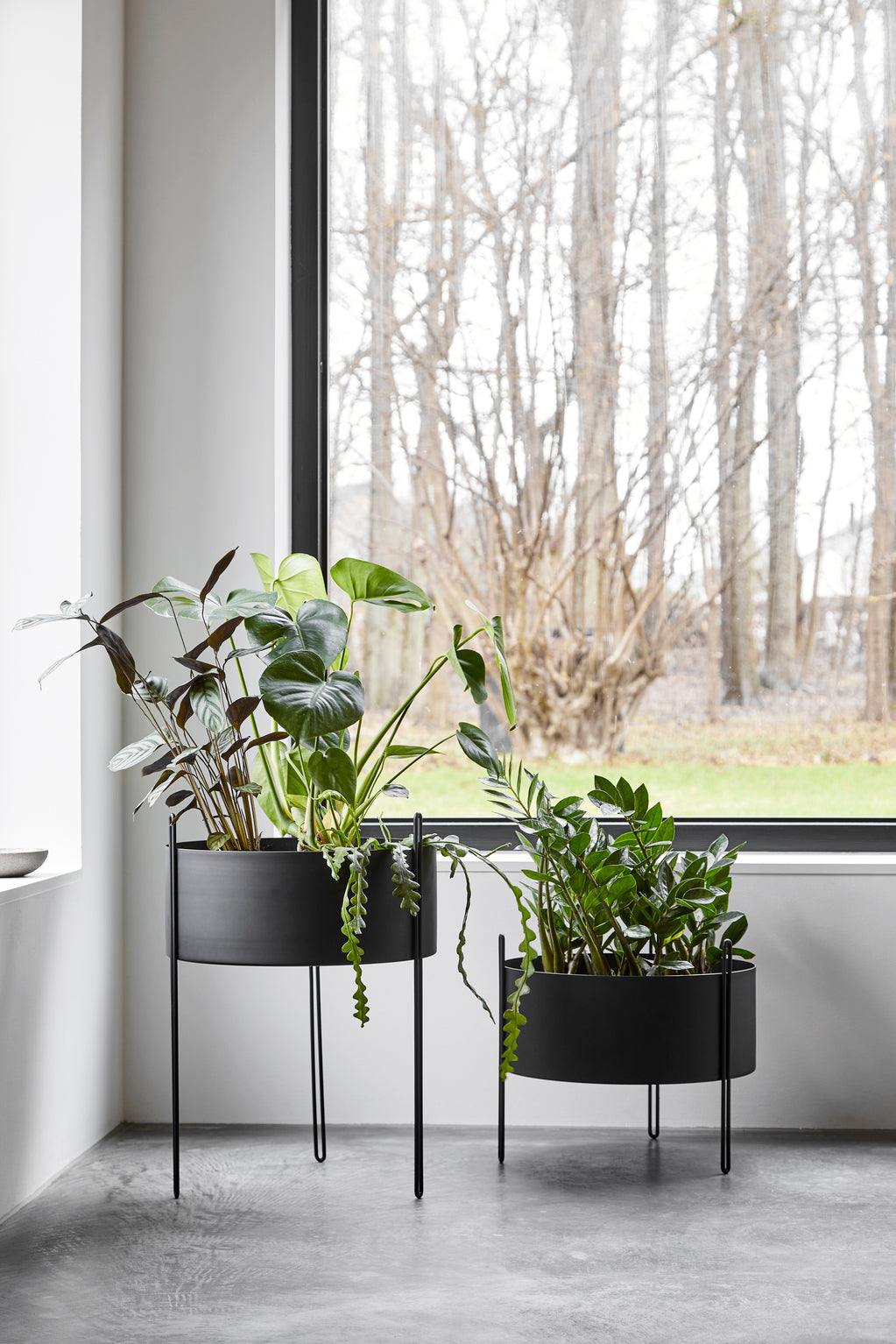
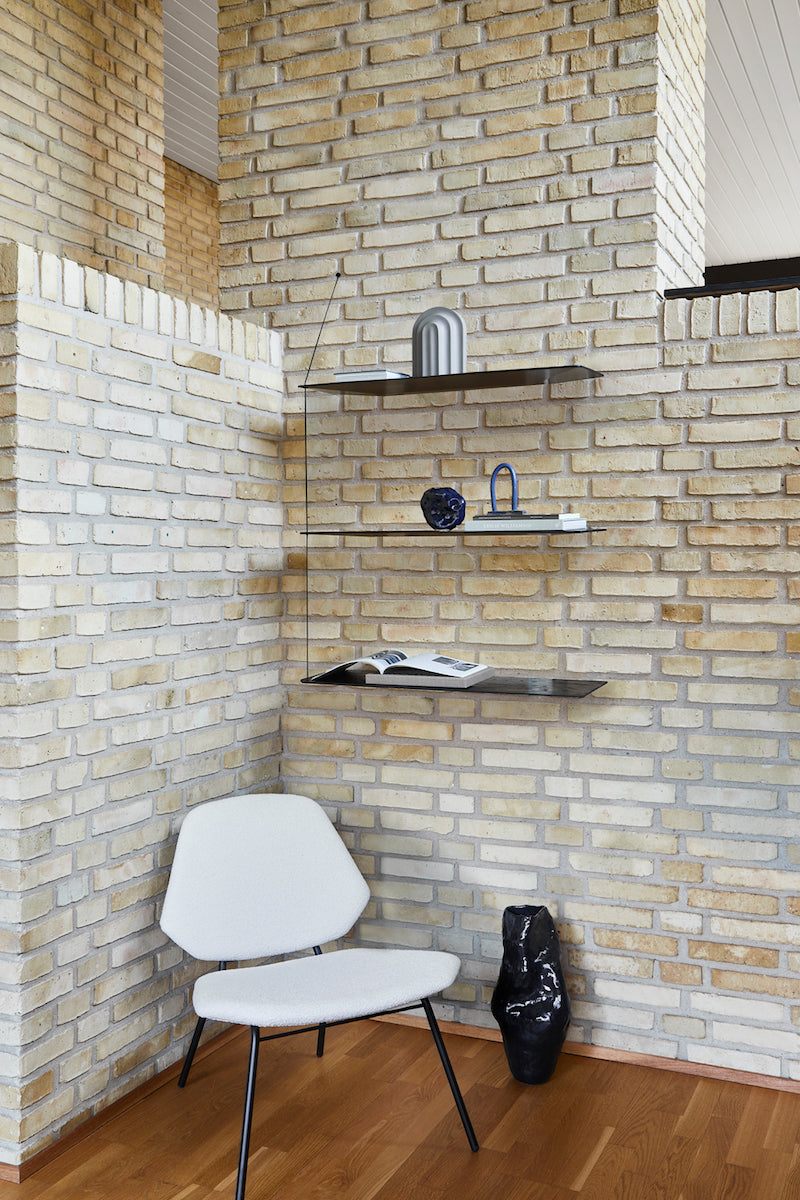
Non-toxic furniture is furniture made without harmful chemicals like formaldehyde, flame retardants, and volatile organic compounds (VOCs) — materials that can off-gas into your home and affect indoor air quality for years after purchase. When you spend up to 90% of your time indoors, what your furniture is made from matters. Comosum curates non-toxic, sustainably made furniture from brands that prioritise both your health and the health of the planet.
This guide explains why non-toxic furniture matters, what certifications to look for, and how to choose the healthiest pieces for every room in your home.
Why Non-Toxic Furniture Matters for Your Home
Conventional furniture can be a significant source of indoor air pollution. Understanding the specific risks helps you make more informed choices.
Formaldehyde in composite wood — Particle board, MDF (medium-density fibreboard), and plywood are typically bonded with urea-formaldehyde resins. Formaldehyde is classified as a known human carcinogen by the World Health Organization and can off-gas from furniture for years. It is one of the most common indoor air pollutants in modern homes.
Volatile organic compounds (VOCs) — Solvent-based finishes, lacquers, and adhesives release VOCs including benzene, toluene, and xylene. VOCs contribute to "sick building syndrome," causing headaches, nausea, and irritation — particularly in poorly ventilated spaces.
Flame retardants (PBDEs) — Polybrominated diphenyl ethers were used widely in upholstered furniture foam until recently. They accumulate in body tissue, have been linked to thyroid disruption and developmental problems in children, and are still present in older furniture across millions of homes.
Heavy metals in finishes — Some coloured lacquers and paints contain lead, cadmium, or chromium, particularly in lower-cost imported furniture. These are toxic, particularly for children who touch surfaces and then put their hands near their mouths.
The good news: third-party certification programs now test for all of these substances, making it straightforward to identify genuinely non-toxic furniture.
Certifications That Guarantee Low-Toxicity Furniture
The most reliable way to identify non-toxic furniture is through independent certification. Here are the standards that matter most:
GREENGUARD Gold Certification — Developed by UL (Underwriters Laboratories), GREENGUARD Gold is the most comprehensive certification for low-chemical emissions in furniture. Products must meet over 360 chemical emissions criteria and are tested in climate chambers that simulate real-world exposure. GREENGUARD Gold is the standard specifically recommended for schools and healthcare environments — the strictest category available.
FSC Certification (Forest Stewardship Council) — FSC certification ensures wood comes from responsibly managed forests, but it also signals that a brand is engaged in supply chain transparency — which typically correlates with responsible manufacturing practices overall. FSC-certified solid wood from brands like Ethnicraft is naturally free from the formaldehyde binders used in composite wood products.
OEKO-TEX Standard 100 — The leading certification for textiles. OEKO-TEX tests fabrics, fibres, and even accessories (threads, buttons) for over 100 harmful substances including pesticides, heavy metals, allergenic dyes, and formaldehyde. If a sofa, chair, or bed has upholstery with OEKO-TEX certification, it has been independently verified as safe for skin contact.
GOTS (Global Organic Textile Standard) — The gold standard for organic textiles. GOTS certification covers both the environmental performance of production and the social criteria of the supply chain. Products must contain at least 70% certified organic fibres. For upholstered furniture with fabric components, GOTS is the highest credential available.
Nordic Swan Ecolabel — A comprehensive Scandinavian certification that covers the entire product lifecycle. Nordic Swan-certified furniture (such as FDB Møbler dining chairs) must meet strict requirements on chemical content, energy use in production, and recyclability — one of the most thorough standards in the world.
Cradle to Cradle Certification — Evaluates products on material health specifically, meaning every material in the product is assessed for toxicity. A product with Cradle to Cradle Material Health certification has been screened for chemicals of concern throughout its entire composition.
Low-VOC or Zero-VOC finishes — Water-based lacquers and natural oils contain significantly fewer VOCs than solvent-based alternatives. Brands like Ethnicraft use natural oil finishes on their FSC-certified solid wood — food-safe, low-VOC, and free from formaldehyde entirely.
Non-Toxic Furniture by Room
Not every room carries equal risk. Here's where to prioritise non-toxic choices and what to look for in each space.
The Bedroom — Your Highest-Priority Room
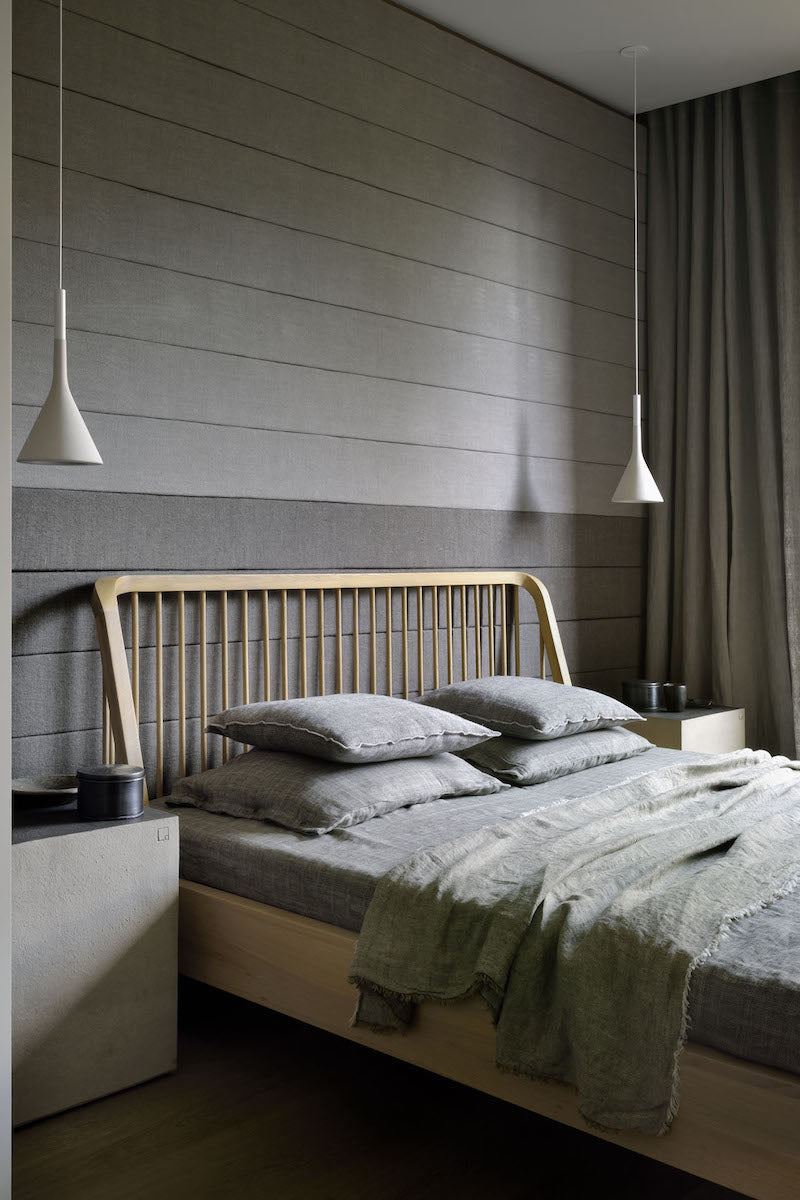
You spend approximately 8 hours per night in your bedroom — more time than in any other room. VOCs and off-gassing materials have the most impact here because the space is often enclosed and poorly ventilated during sleep. For non-toxic bedroom furniture, prioritise solid wood bed frames with natural oil or water-based lacquer finishes. Ethnicraft's FSC-certified solid oak bed frames use natural Rubio Monocoat oil finish — food-safe, formaldehyde-free, and SVHC (Substances of Very High Concern) compliant. Avoid particle board or MDF bed frames, which are among the most common sources of formaldehyde in the home. Explore non-toxic bedroom furniture at Comosum.
The Dining Room — Where Food Safety Matters
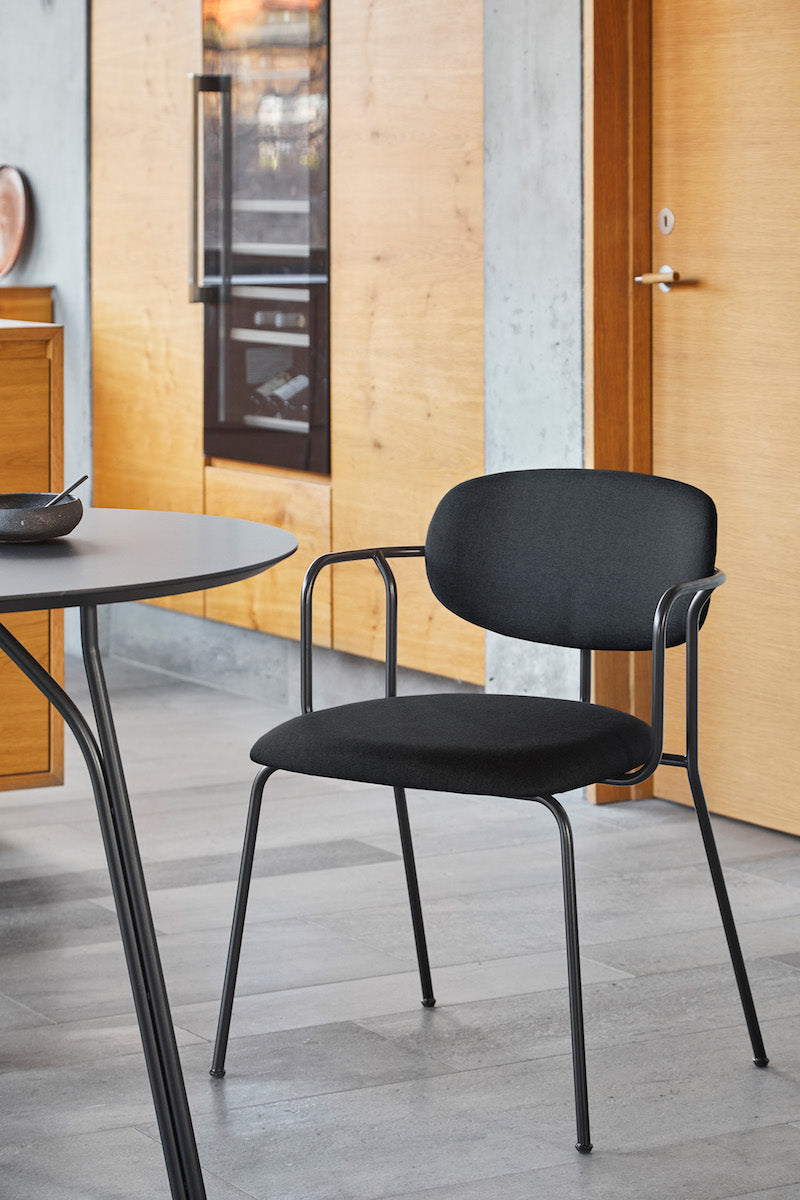
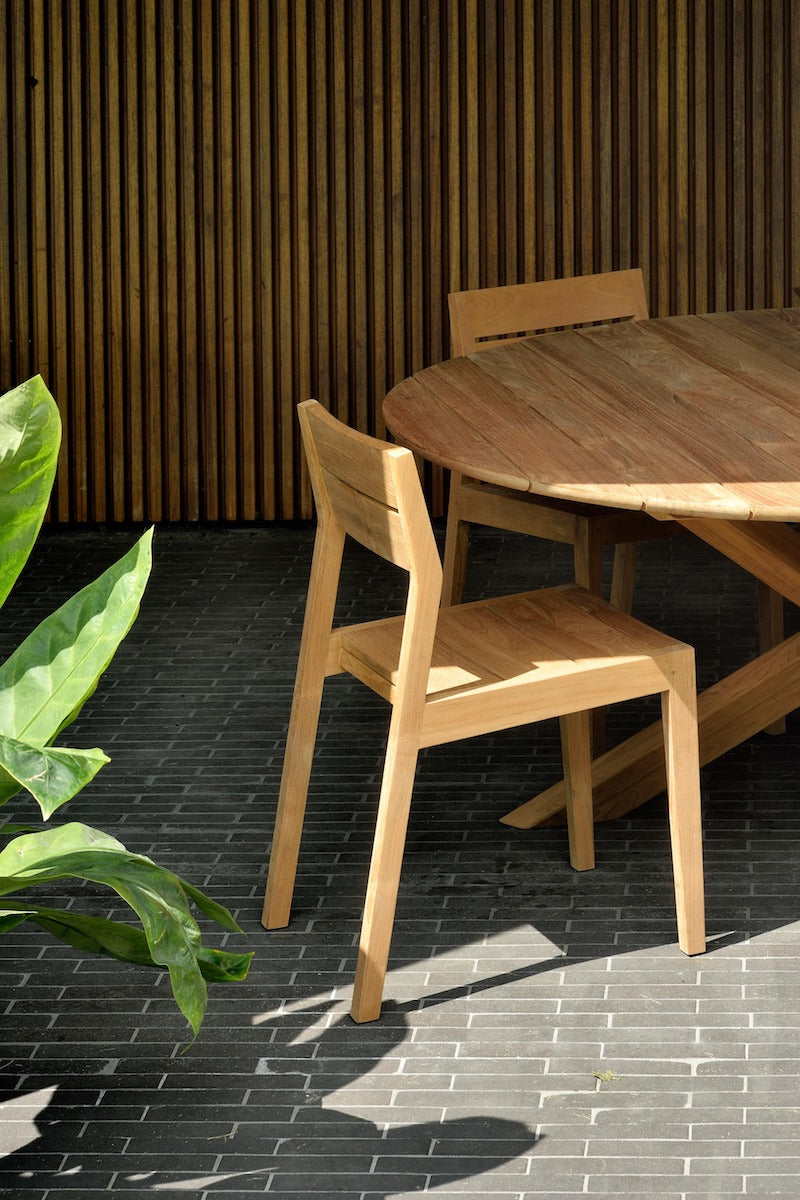
Dining tables and chairs deserve particular attention because food is prepared and consumed near their surfaces, and children are in direct contact with them daily. A non-toxic dining table should use solid wood construction (no particle board core) with a food-safe finish — natural oil, beeswax, or a water-based lacquer that has cured fully. Ethnicraft's solid teak and oak dining tables are finished with natural hard wax oils that are explicitly food-safe. Avoid pressed wood dining tables with laminate surfaces, which typically contain formaldehyde binders beneath the decorative layer. Shop non-toxic dining tables at Comosum.
The Home Office — Where You Spend Your Working Day
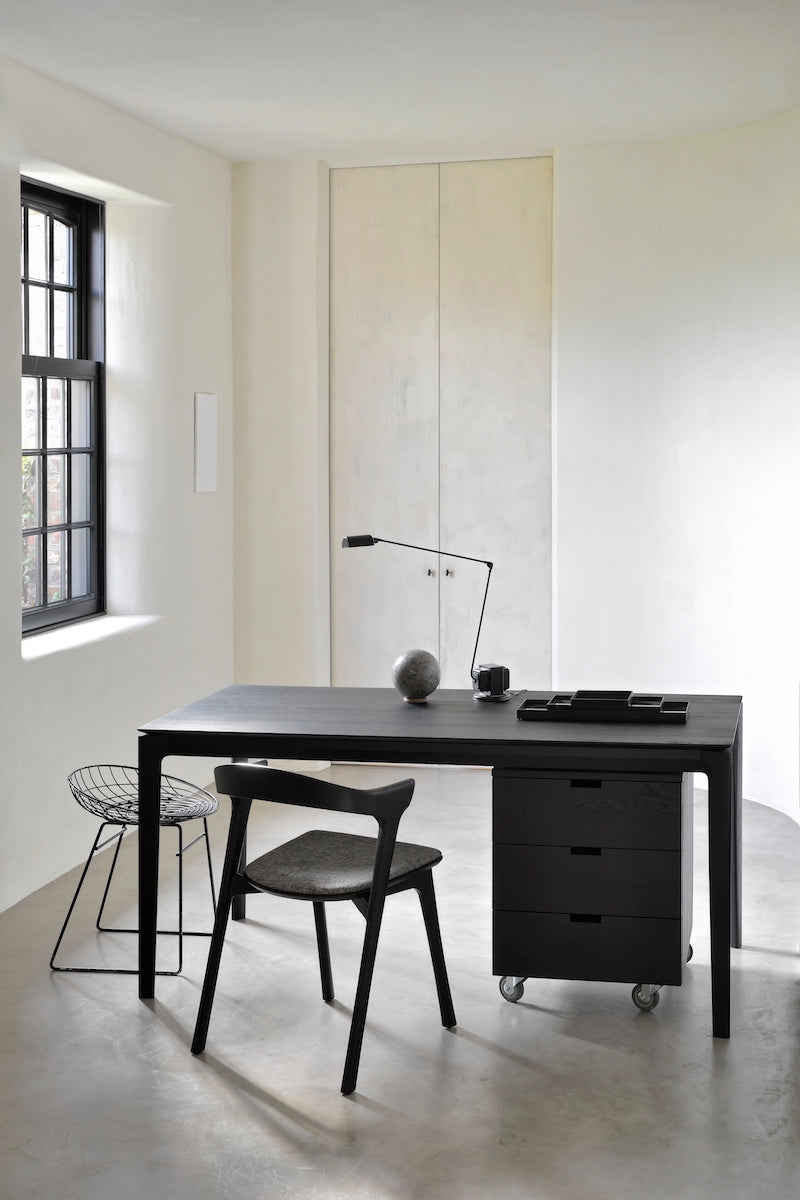
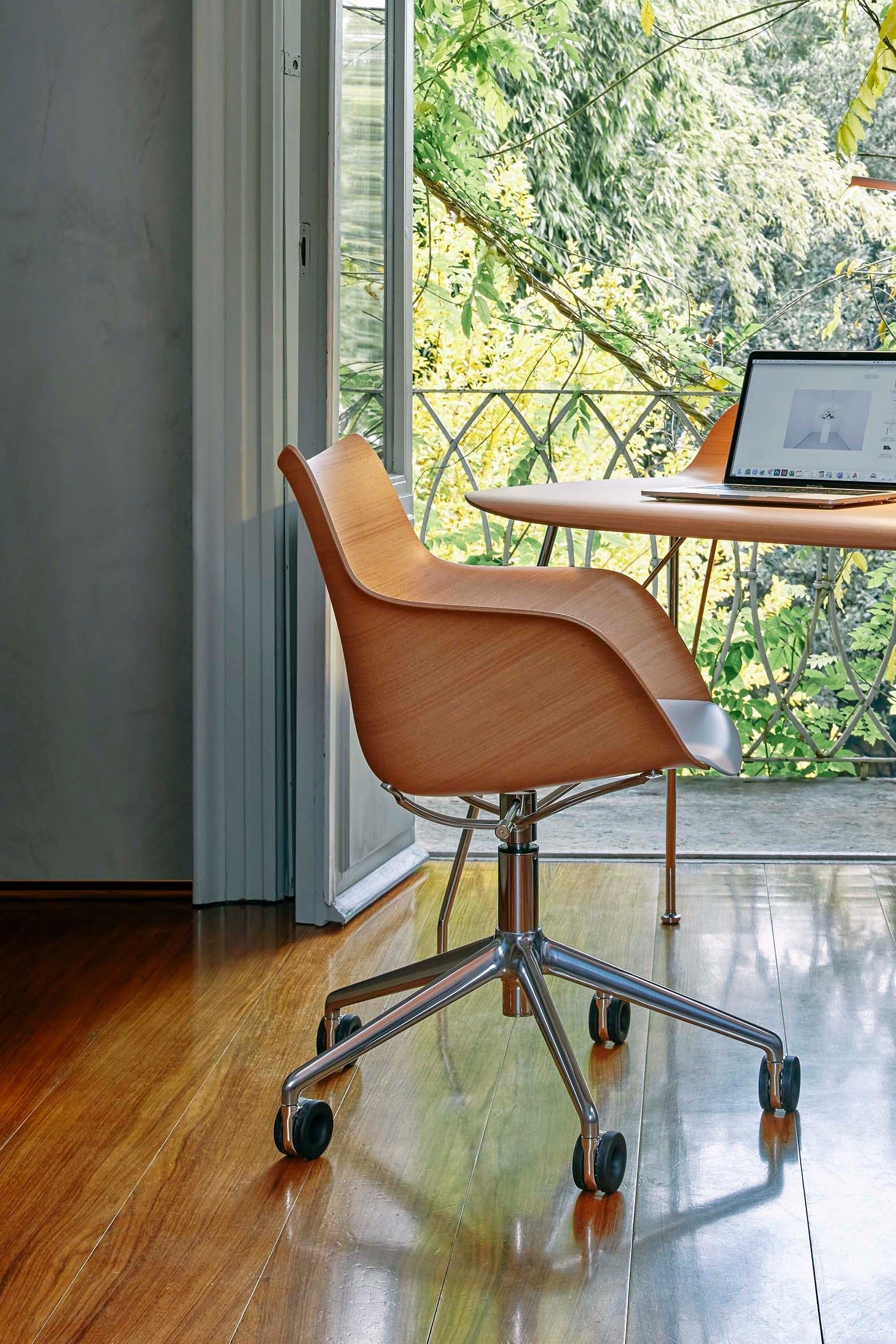
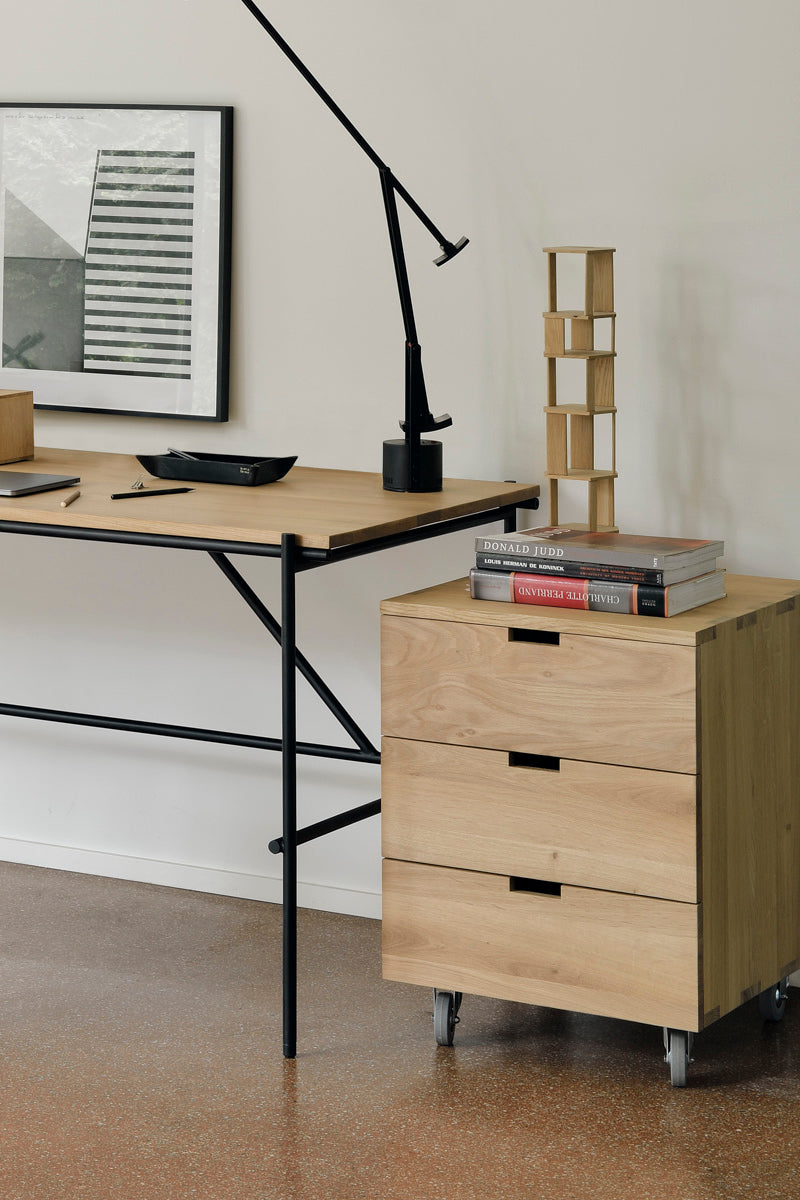
For those working from home, an office can become the second-highest exposure space in the home. Non-toxic home office furniture means avoiding MDF desks with synthetic surface laminates and choosing instead solid wood or powder-coated metal construction. For office chairs, look for GREENGUARD certification, which specifically addresses the chemical emissions of seating where you spend extended periods. Varier's ergonomic FSC-certified office chairs are built from responsibly sourced wood and wool — naturally low in chemical emissions and designed for decades of use.
The Living Room — Sofas and Upholstery
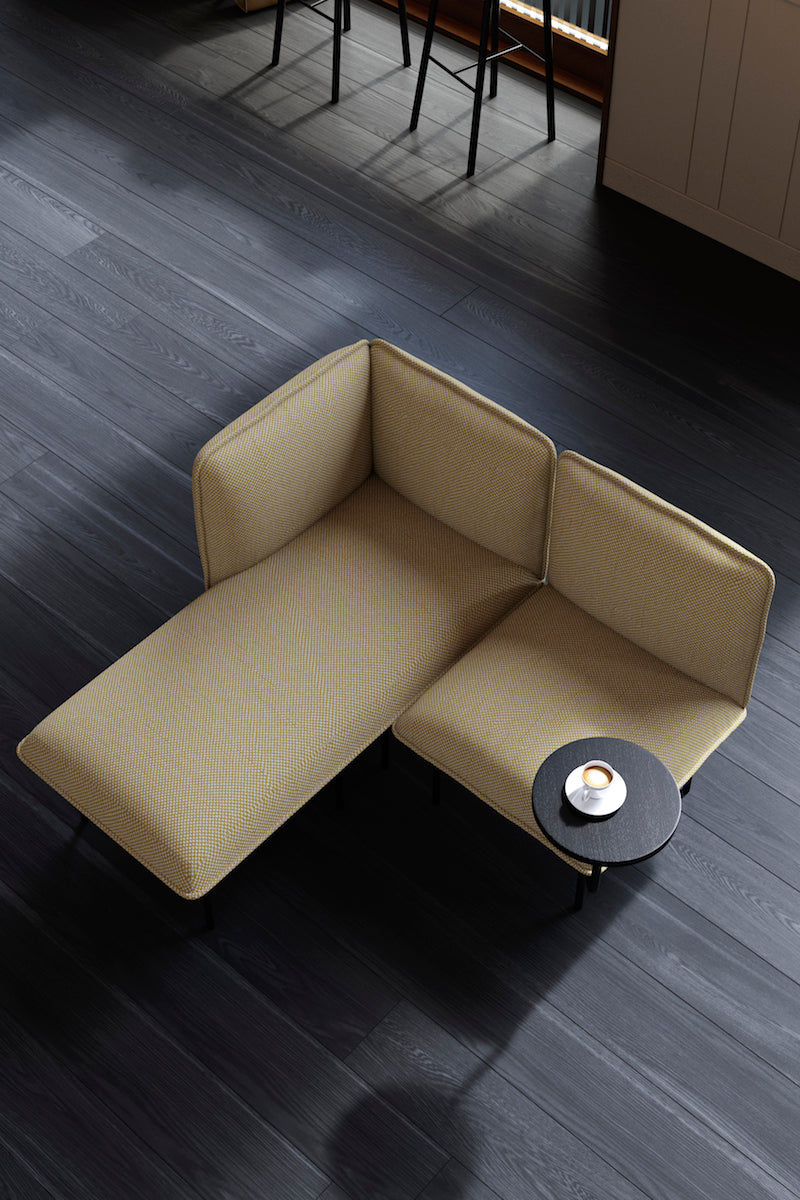
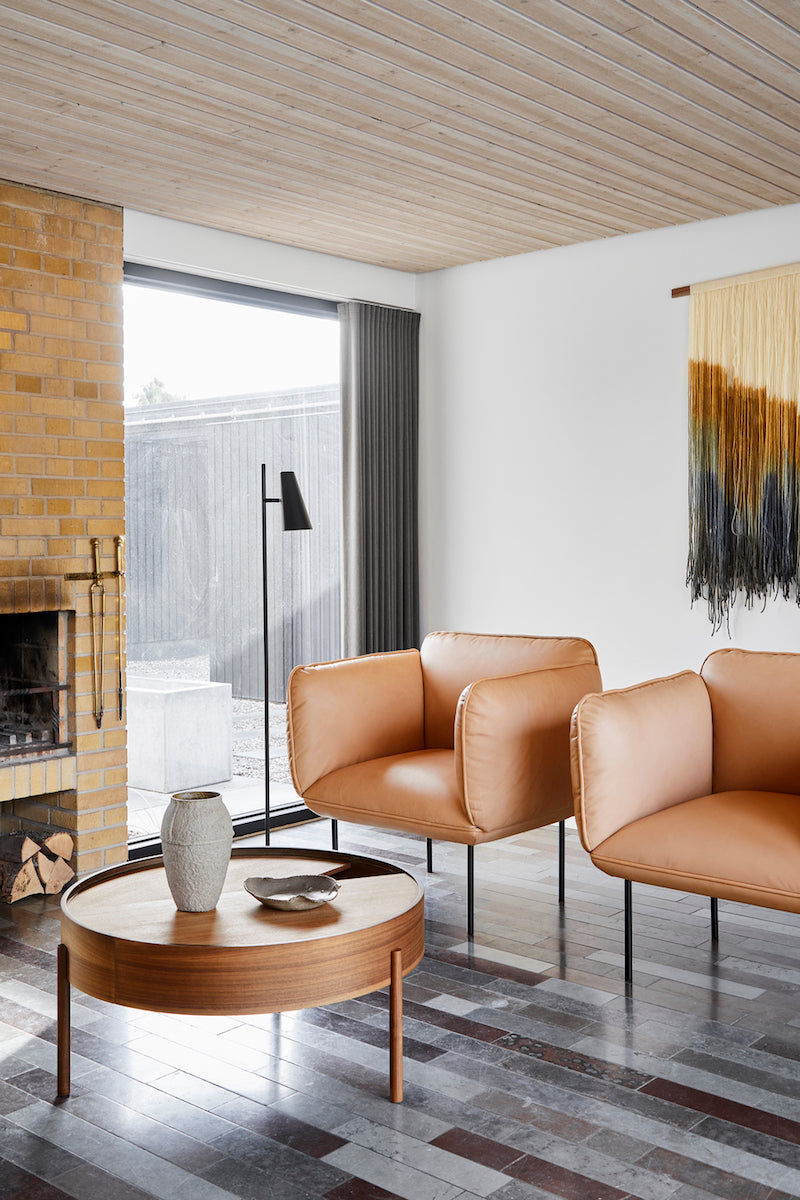
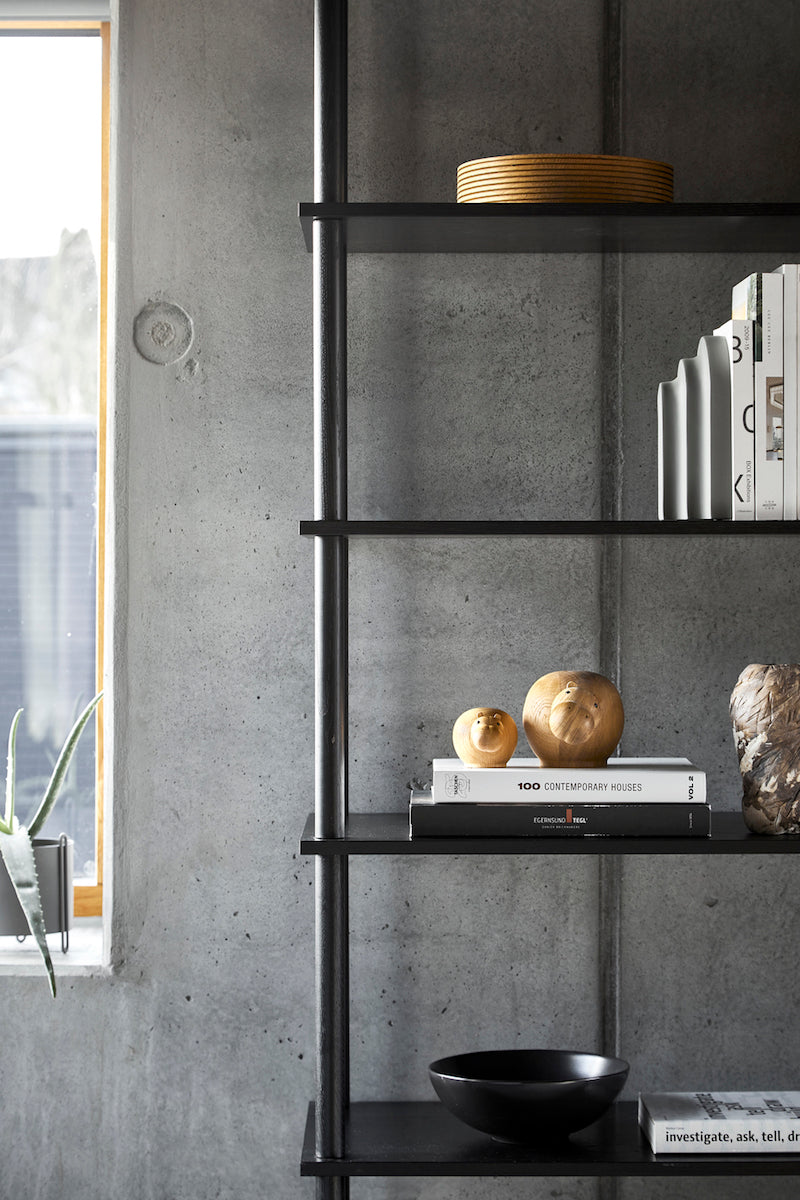
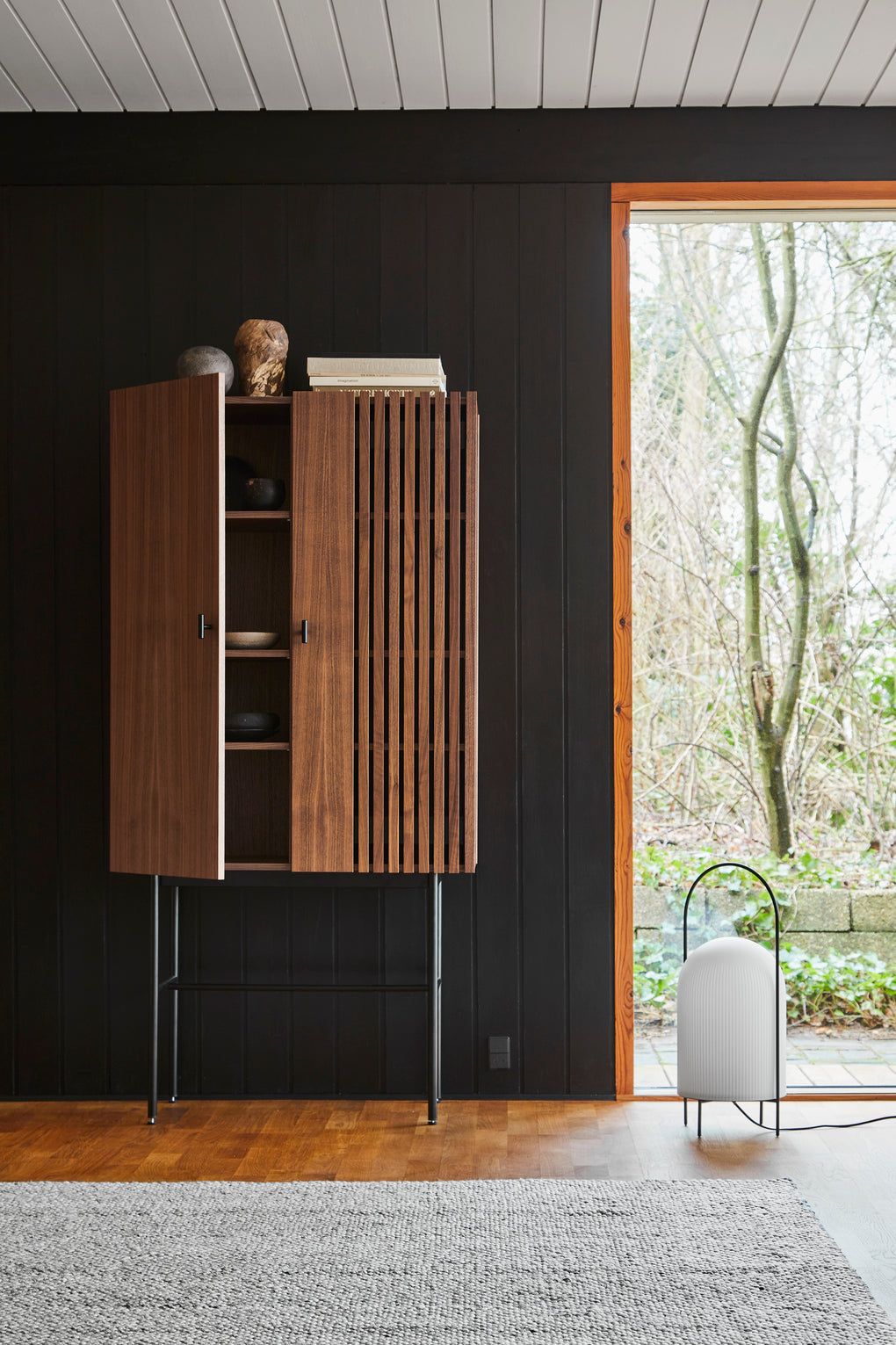
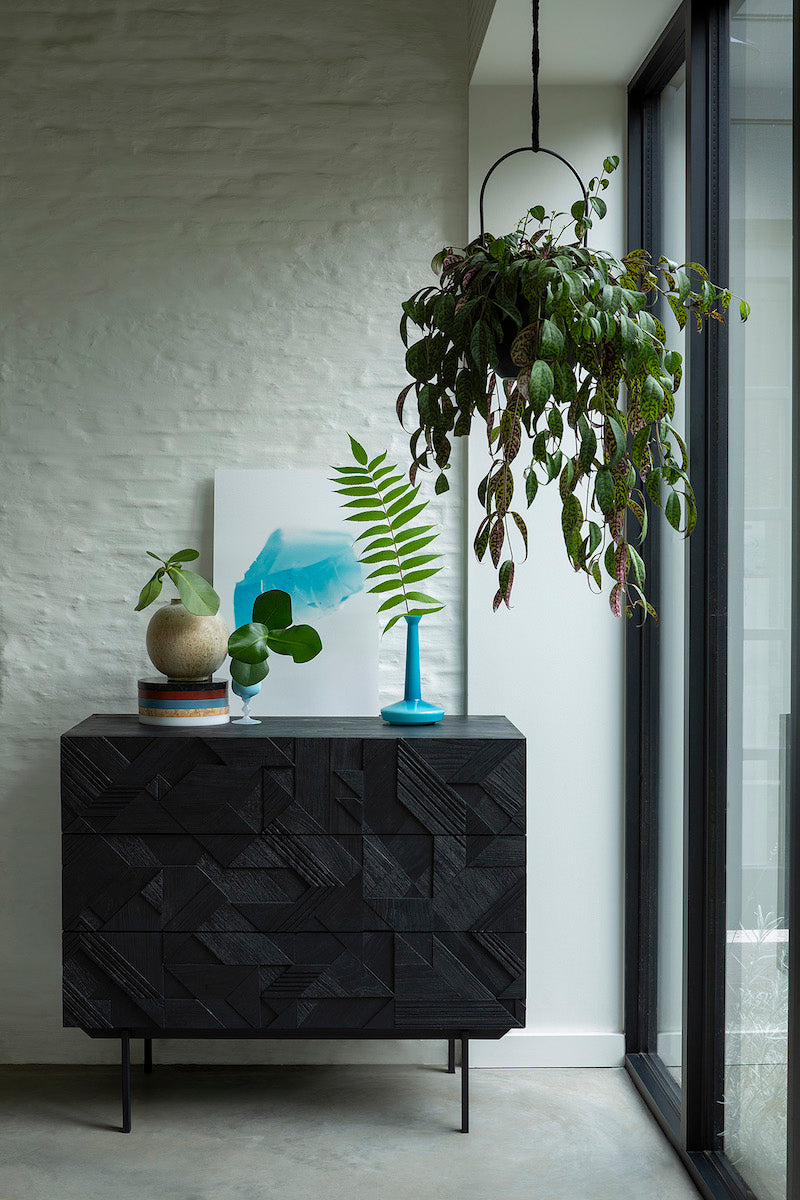
The living room sofa is typically the largest source of flame retardant exposure in a home. When purchasing a new sofa, look for frames in solid wood or FSC-certified engineered wood, and ask specifically about foam composition (natural latex is the safest option) and fabric certifications (OEKO-TEX or GOTS). For solid living room furniture — coffee tables, shelving, sideboards — solid wood with water-based or natural finishes is always the lowest-toxicity option. Explore low-VOC storage and shelving at Comosum.
Outdoor Furniture — Weather Resistance Without Toxic Coatings
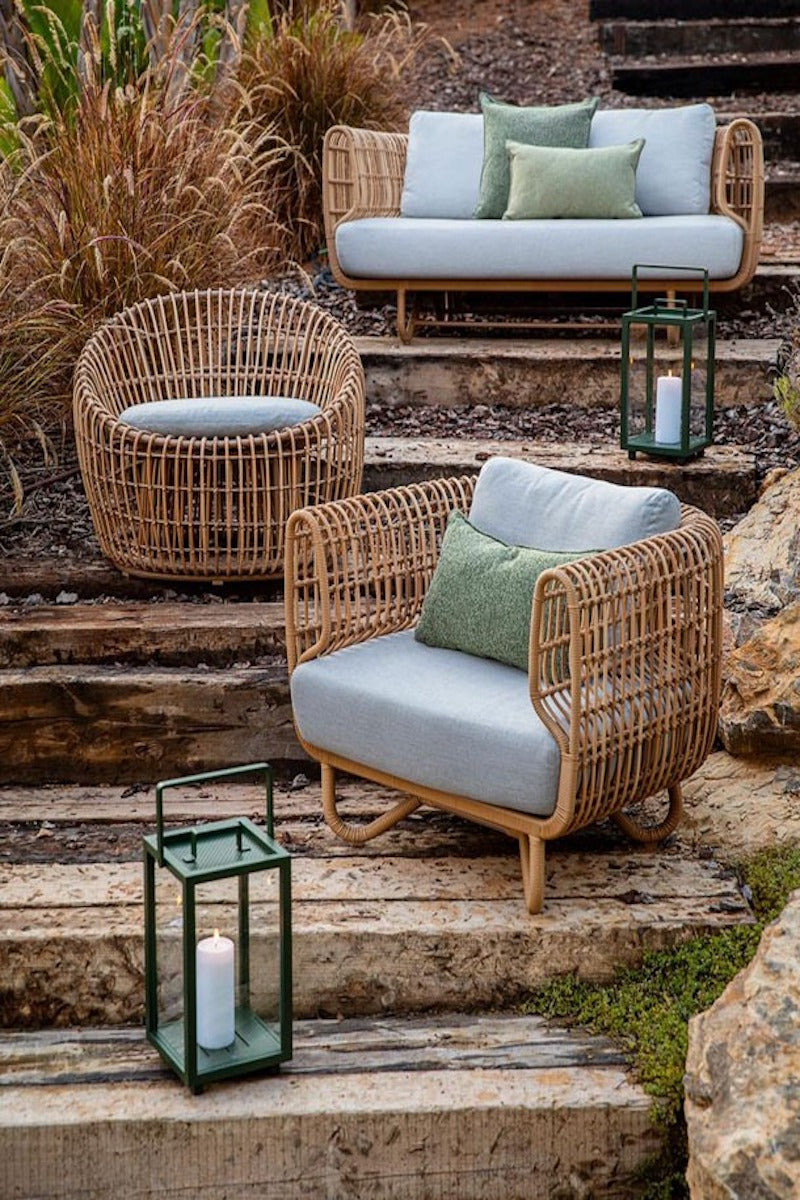
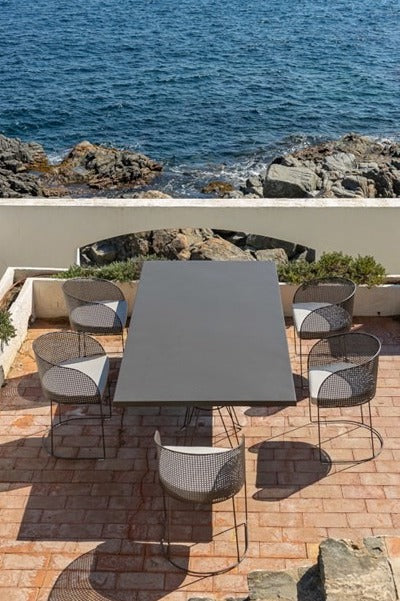
Outdoor furniture often uses aggressive chemical treatments to achieve weather resistance — pressure-treated wood with CCA (chromated copper arsenate), PVC plastics, or solvent-heavy marine-grade finishes. Sustainable alternatives achieve the same durability without the toxicity. Cane-Line's FSC-certified teak outdoor furniture uses the wood's natural oils for weather resistance, requiring no chemical treatment. Isimar's 100% recycled aluminium furniture is inherently weather-resistant with a powder-coat finish that is far lower in VOCs than liquid lacquers. Browse non-toxic outdoor furniture at Comosum.
Safe Materials vs. Materials to Avoid
Understanding which materials are genuinely safe makes it easier to evaluate any piece of furniture, regardless of marketing claims.
Safe materials for non-toxic furniture: FSC-certified solid hardwood (oak, walnut, teak, ash, beech) with natural oil or water-based lacquer finishes; solid bamboo with water-based finishes; powder-coated recycled aluminium and steel; natural latex (not synthetic); organic cotton (GOTS certified); linen and wool (OEKO-TEX certified); tempered glass; natural stone.
Materials to approach with caution: Particle board and MDF — both typically contain urea-formaldehyde binders (look for CARB2 certification as a minimum if unavoidable); PVC and vinyl upholstery — can contain phthalate plasticisers; foam — conventional polyurethane foam may contain flame retardant chemicals (natural latex is preferable); solvent-based finishes — oil-based paints and lacquers are significantly higher in VOCs than water-based alternatives.
Frequently Asked Questions: Non-Toxic Furniture
What is the healthiest furniture material?
The healthiest furniture material is FSC-certified solid hardwood with a natural oil or water-based lacquer finish. Solid wood contains no formaldehyde binders (unlike particle board or MDF), and natural oil finishes are food-safe and free from harmful VOCs. Solid bamboo with water-based finishes is an equally healthy alternative with the added benefit of superior renewability.
How do I know if furniture is non-toxic?
Look for GREENGUARD Gold certification for chemical emissions testing, OEKO-TEX Standard 100 for fabric components, and FSC certification as an indicator of solid wood construction (which avoids formaldehyde binders). Ask specifically about finish type — water-based and natural oil finishes are significantly safer than solvent-based alternatives. If a brand cannot provide specific certification details, treat marketing claims like "natural" or "eco-friendly" with scepticism.
Is IKEA furniture non-toxic?
IKEA has made meaningful progress on formaldehyde and chemical regulations, and their products comply with regulatory limits in the markets where they're sold. However, IKEA furniture is predominantly made from particle board and MDF — materials that inherently contain formaldehyde binders, even when within legal limits. If minimising chemical exposure is your priority, solid wood furniture with natural finishes from specialist brands offers a substantially lower-toxicity alternative.
What does low VOC furniture mean?
Low VOC furniture uses finishes, adhesives, and materials that emit minimal volatile organic compounds — gases that off-gas from furniture into your indoor air. VOCs from conventional finishes include benzene, formaldehyde, toluene, and xylene, which can cause headaches, eye irritation, and respiratory problems at sufficient concentrations. Low-VOC furniture typically uses water-based lacquers or natural oil finishes instead of solvent-based alternatives, and avoids adhesives containing high-VOC solvents.
Where can I buy non-toxic furniture online?
Comosum curates non-toxic furniture from brands with verifiable credentials — including Ethnicraft (natural oil finishes, FSC-certified solid wood), FDB Møbler (Nordic Swan Ecolabel), Varier (FSC-certified ergonomic furniture), and Cane-Line (FSC teak and recycled materials). Browse the full non-toxic furniture collection at comosum.co.
Create a Healthier Home with Non-Toxic Furniture
Choosing non-toxic furniture is one of the most impactful decisions you can make for your indoor air quality. Start with the bedroom — where you spend the most time — and work outward from there. Look for third-party certifications rather than marketing claims, prioritise solid wood over composite materials, and choose water-based or natural oil finishes wherever possible.
At Comosum, every brand we carry has been selected with both environmental sustainability and material health in mind. Explore our full range of sustainable, non-toxic furniture and build a home that's better for you and the planet.
Comosum is a proud member of Be Original Americas, a coalition committed to authentic design and ethical production.

Leave a comment
This site is protected by hCaptcha and the hCaptcha Privacy Policy and Terms of Service apply.