



Creating a safe, beautiful, and comfortable home goes beyond design preferences—it also means paying attention to what your furniture is made of. With growing awareness over indoor air quality and materials used in household products, many people are choosing non-toxic furniture as part of a healthier lifestyle. But what does "non-toxic" mean, and why is it important?
Here is everything you need to know to make safer, more ecologically conscious choices in furniture- materials, safety certifications, shopping tips, and how sustainable options like sustainable chairs, an eco-friendly dining table, and sustainable outdoor furniture can benefit both your home and the environment.
What is non-toxic furniture?
Non-toxic furniture is furniture that is manufactured without toxic substances like VOC (volunteer organic compounds), flame retardants, formaldehyde, and synthetic adhesives whose emission into the air of your house gradually causes toxicity. It is associated with respiratory complications, allergies, headaches, and environmental damage in the long run.
The following are priorities of this kind of furniture:
- Safe, natural materials
- Responsible manufacturing
- Zero or low-emission finishes
- Environmental forestry and social responsibility
With the increased awareness of people on how much time they spend indoors, the demand for clean indoor environments, and thus non-toxic furnishings, has risen drastically.
Why Choosing Non-Toxic Furniture Matters
Adhesives and synthetic foams, paints, and surface coatings of most of the traditional furniture emit harmful chemicals to the atmosphere. These chemicals may continuously off-gas in your house, and this can impact the quality of air after the acquisition of the furniture.
The advantages of non-toxic furniture are
- Improved indoor air quality
- There is less exposure to toxic substances
- Sustainable and ethical manufacturing
- More durable items out of natural resources
- Lower carbon footprint
Making an investment in ethically sourced furniture is healthier for your family, as well as helping to ethically and responsibly operate in the supply chain.
Common Toxins Found in Conventional Furniture
It is also important to learn what to prevent. Harmful chemicals found in traditional, low cost furniture include:
Formaldehyde
Available in plywood, MDF, and low-grade wood adhesives
Flame Retardants
Usually found in sofas, mattresses, cushions, and upholstered chairs
VOCs (Volatile Organic Compounds)
So discharged paints, sealants, glues, finishes, and foam
Phthalates
It is frequently used in plastic parts or vinyl upholstery
PFAS Chemicals
Related to the stain-proof and water-resistant finishes
A purchase of non-toxic furniture implies decreasing or avoiding these chemicals in your home.
Materials That Make Furniture Non-Toxic and Sustainable
When shopping for healthier options, pay attention to the materials used. The safest choices are natural, durable, and renewable.
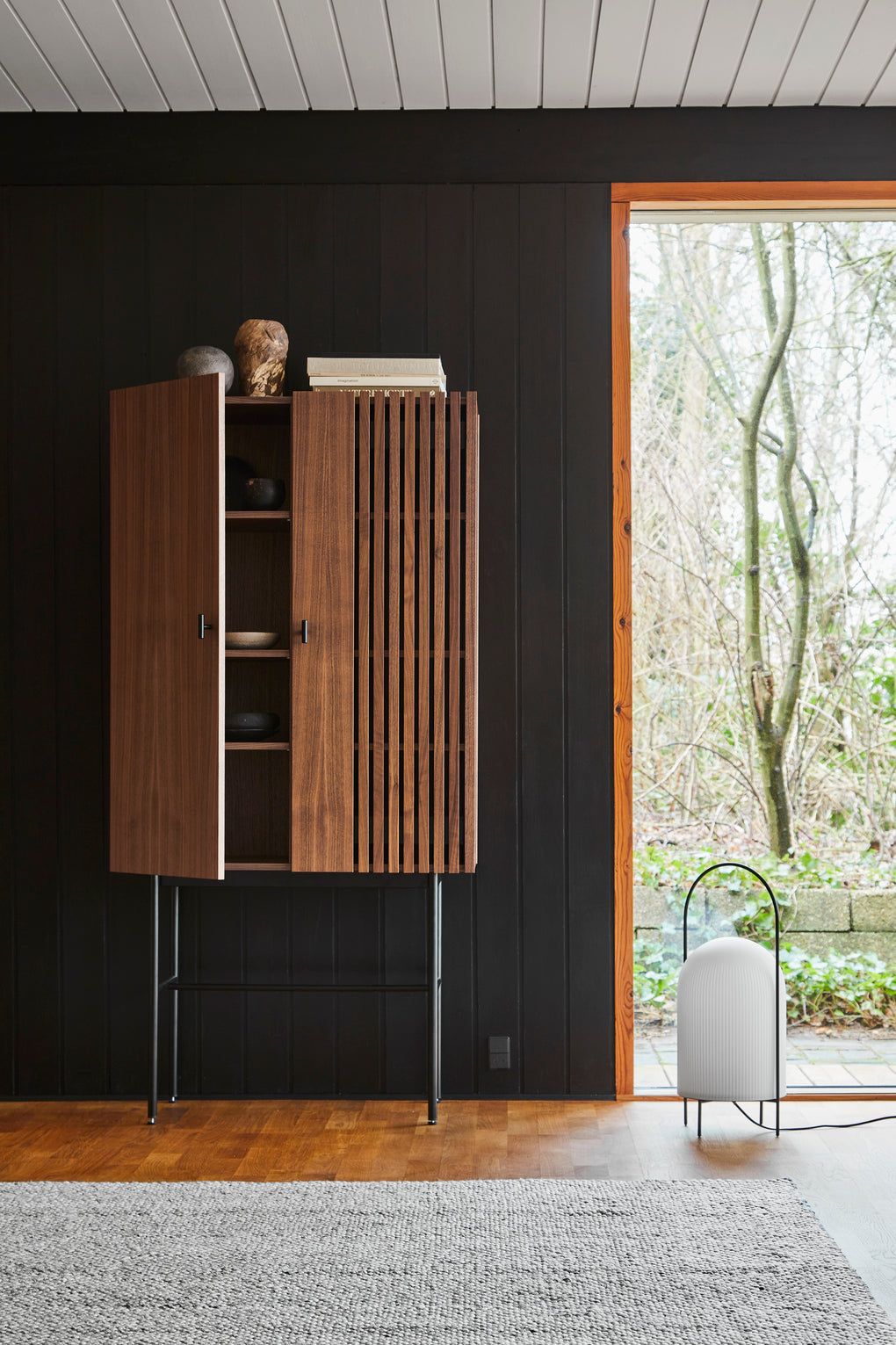
Solid Wood
Furniture that is produced using certified lumber, especially furniture with the label ethically sourced furniture, is durable, strong, and, of course, containing fewer toxins.
Look for:
- FSC-certified wood
- Raw or naturally raw wood
- Low-VOC or zero-VOC finishes
Another piece of furniture that stands the test of time is solid wood furniture, which is a good investment.
Bamboo
Bamboo is also fast and consumes fewer resources and hence is one of the best materials to use in the creation of sustainable furniture. It is strong, elegant and accessible- it can be used in floors, furniture, and so on.
Fabrics and Natural Upholstery
Choose materials such as
- Organic cotton
- Linen
- Hemp
- Wool
- Natural latex
Don’t use synthetic, chemically treated, or stain-resistant cloth.
Non-Toxic Cushioning
Natural latex, wool batting, and cotton fill are much safer than polyurethane foam, which is a VOC off-gaser, as a rule.
Metal and Glass
Metal and glass are non-porous and non-toxic, which makes them good as solutions to modern non-toxic furniture designs.
How to Identify Ethically Sourced and Sustainable Furniture
It is essential to know what to believe since most furniture stores are associated with or boast of being sustainable. Genuine, ethically sourced furniture meets strict standards for labor, environmental impact, and materials.
Look for certifications such as
- FSC (Forest Stewardship Council)
- GOTS (Global Organic Textile Standard)
- OEKO-TEX
- GreenGuard or GreenGuard Gold
- Fair Trade Certified
- Cradle to Cradle
The certifications ensure the furniture is safe and made responsibly and in an eco-friendly manner.
Choosing Sustainable Furniture for Every Room in Your Home
Living Room
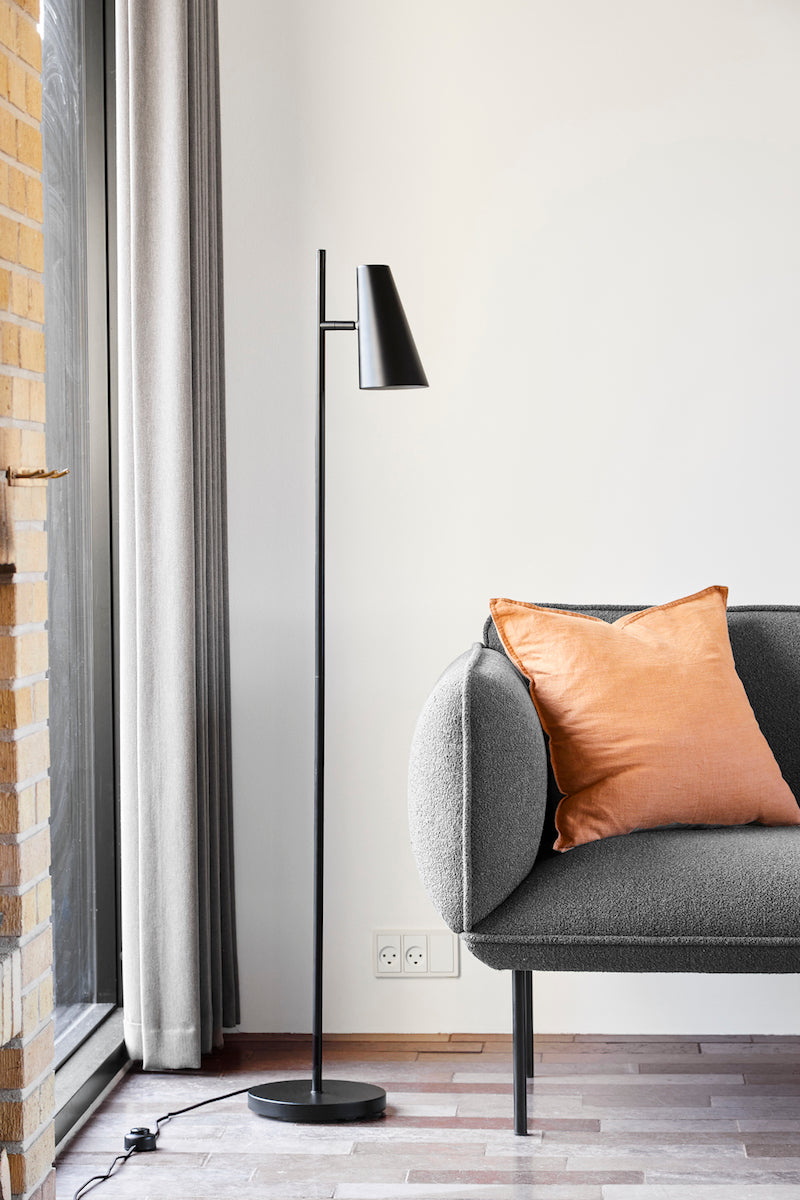
Usually, the living room will contain sofas, seats, coffee tables, and media and storage units. Prioritize:
- Solid wood frames
- Natural fabrics
- Low- or no-VOC finishes
- Eco-conscious cushioning
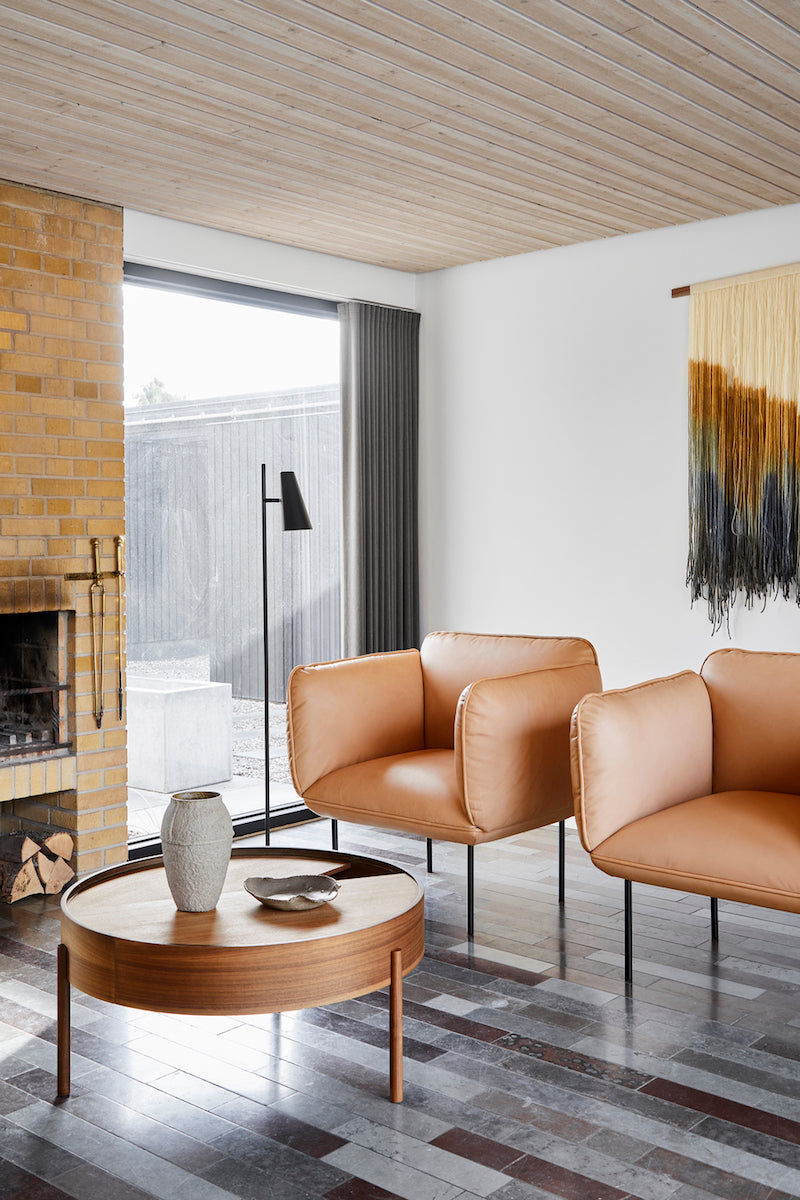
A set of sustainable chairs or a coffee table made from reclaimed wood adds style and environmental benefit.
Dining Room
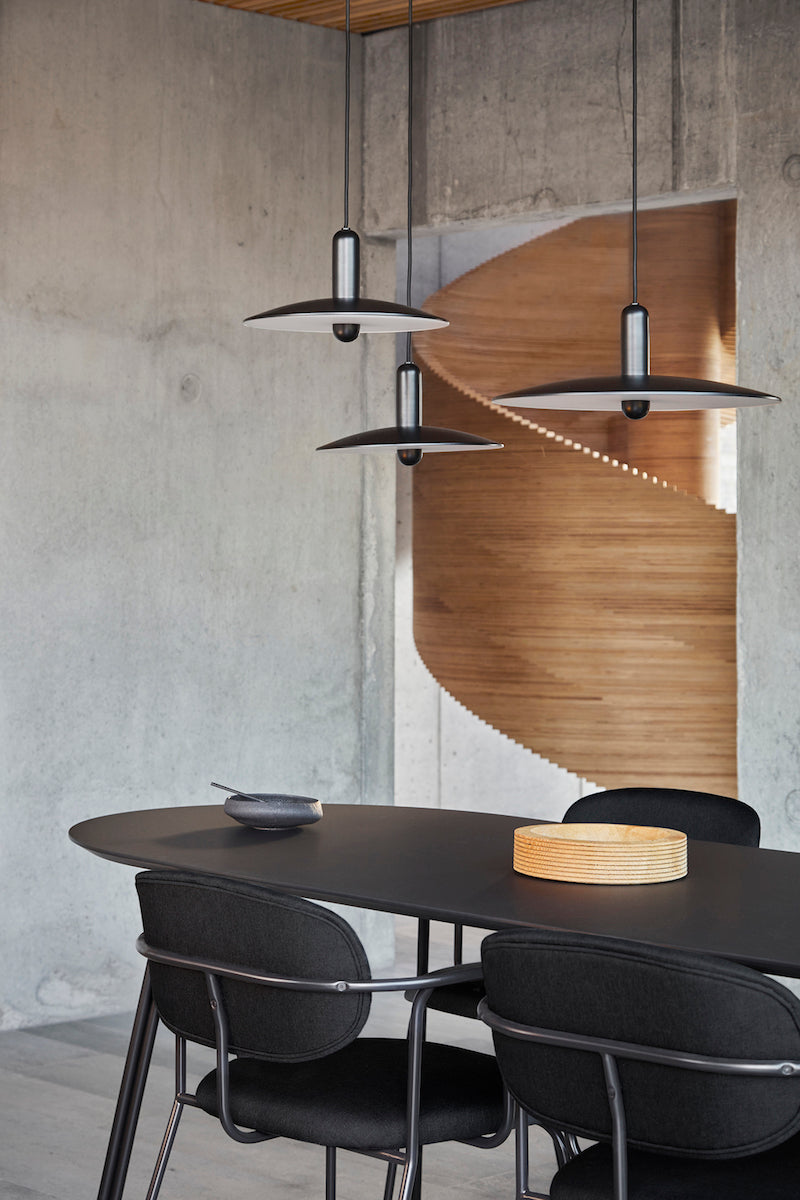
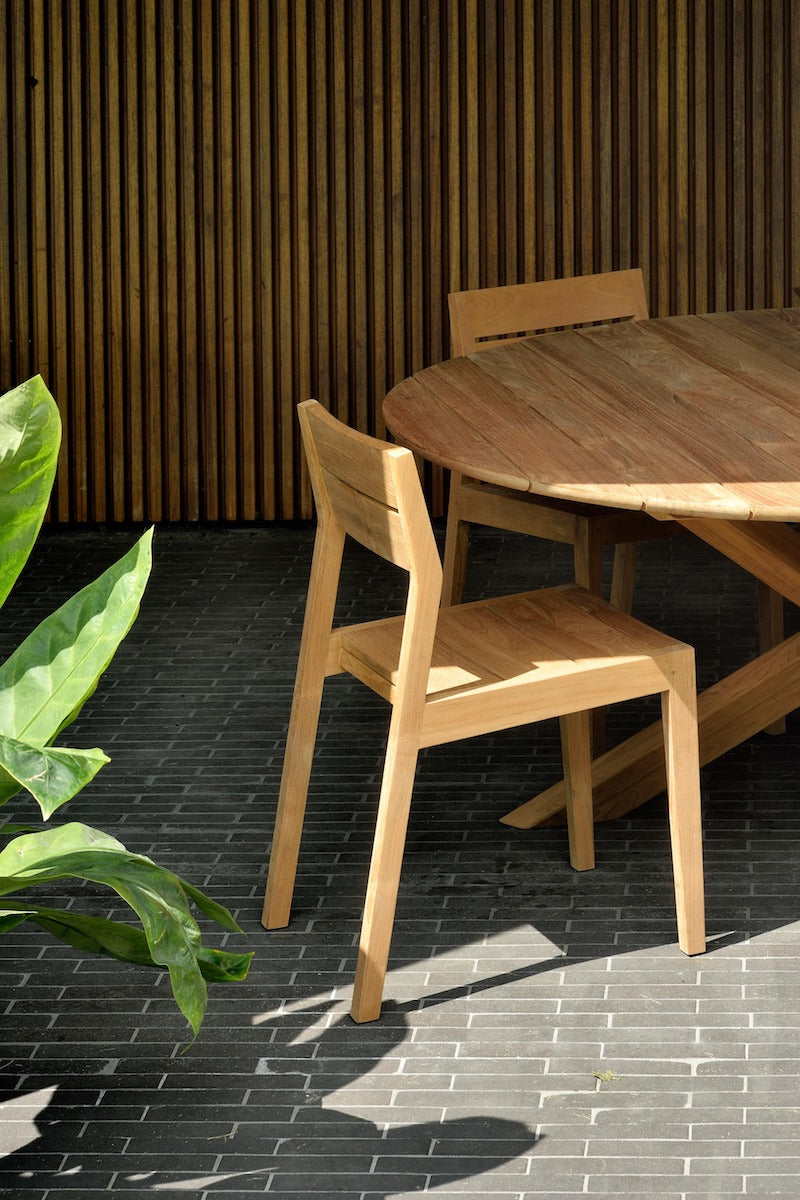
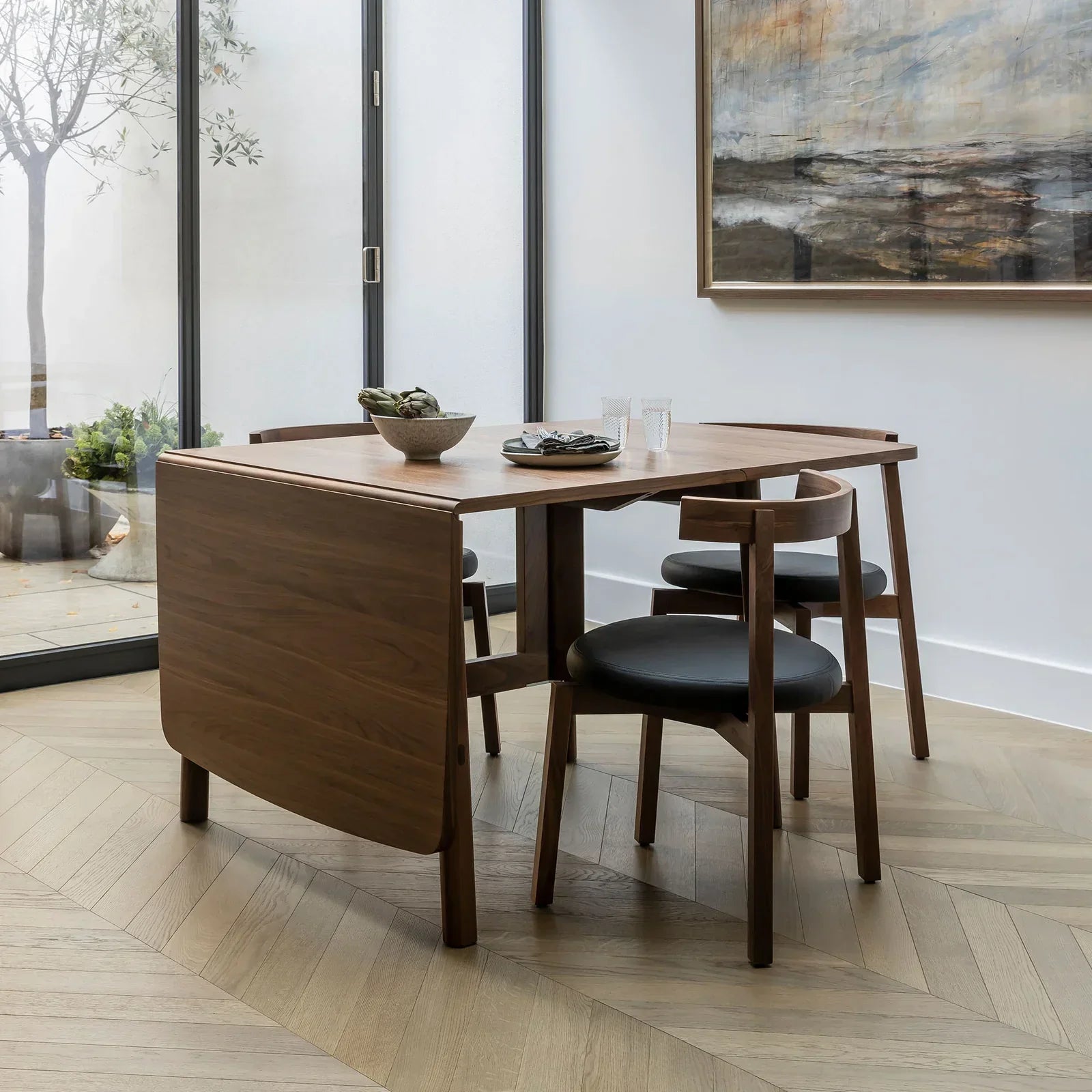
The family table is where you eat your meals, and thus having a clean, durable, and eco friendly dining table is an investment towards a healthy and long life.
Choose:
- Wood, which is sourced in a sustainable manner
- Low-emission finishes
- Rustic designs made out of reclaimed wood.
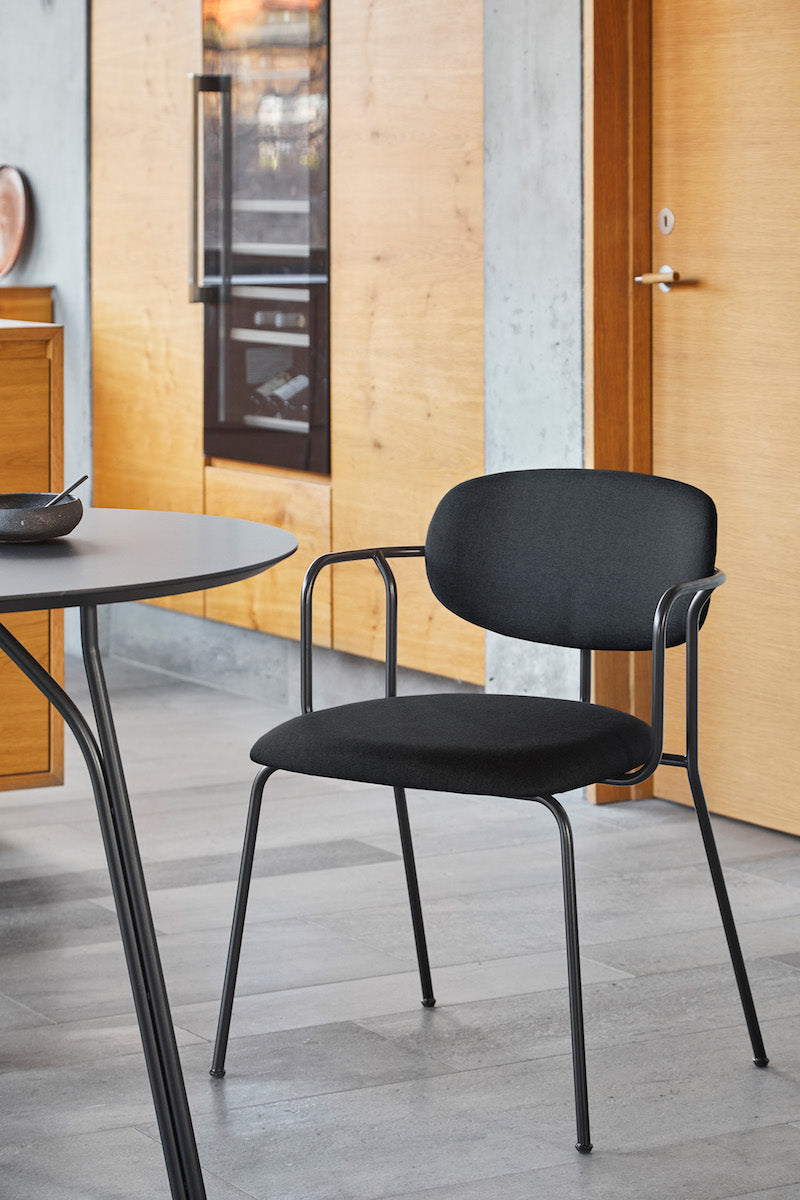
Your table should match with safe, non-toxic furniture, such as sustainably upholstered dining chairs to make your dining space complete.
Bedroom
One-third of your life is spent in the bedroom, and, therefore, it is essential to make non-toxic choices.
Look for:
- Solid wood bed frames
- Natural latex mattresses
- Organic bedding
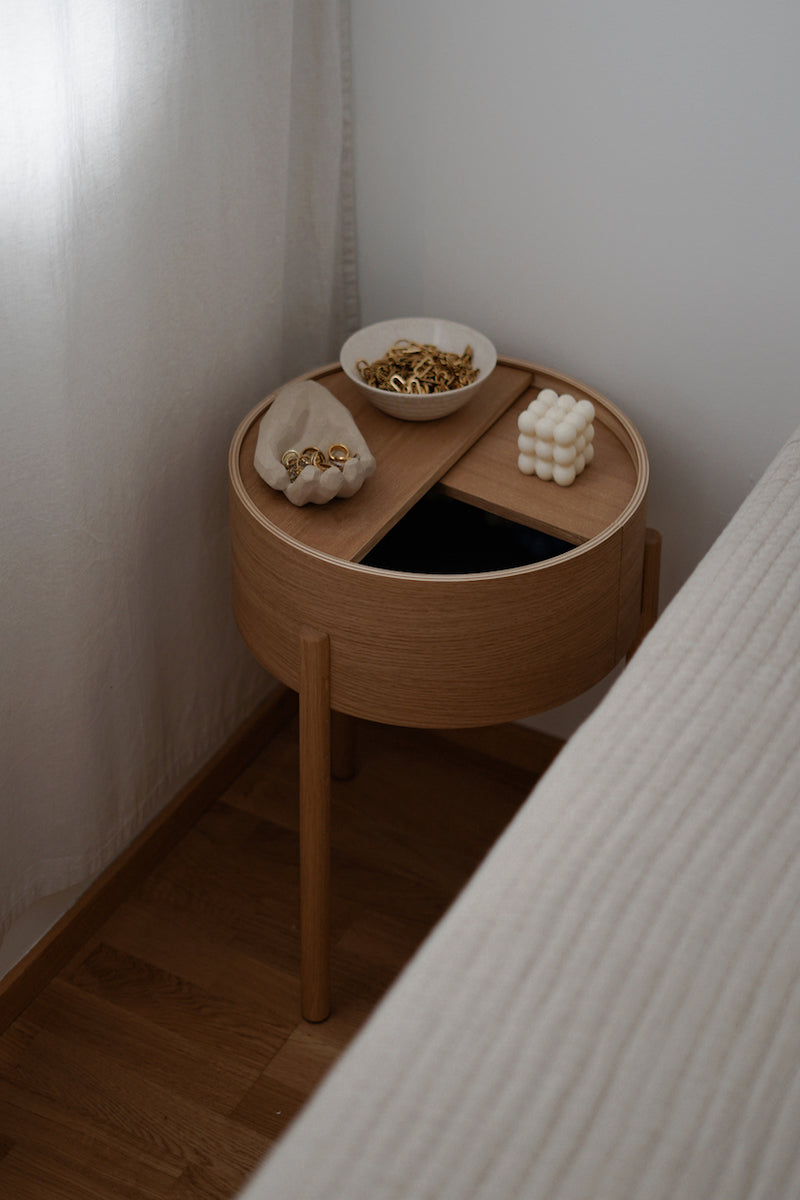
- Chemical-free dressers and nightstands
- Low-VOC finishes and untreated wood create a cleaner sleeping environment.
How Sustainable Outdoor Furniture Fits In
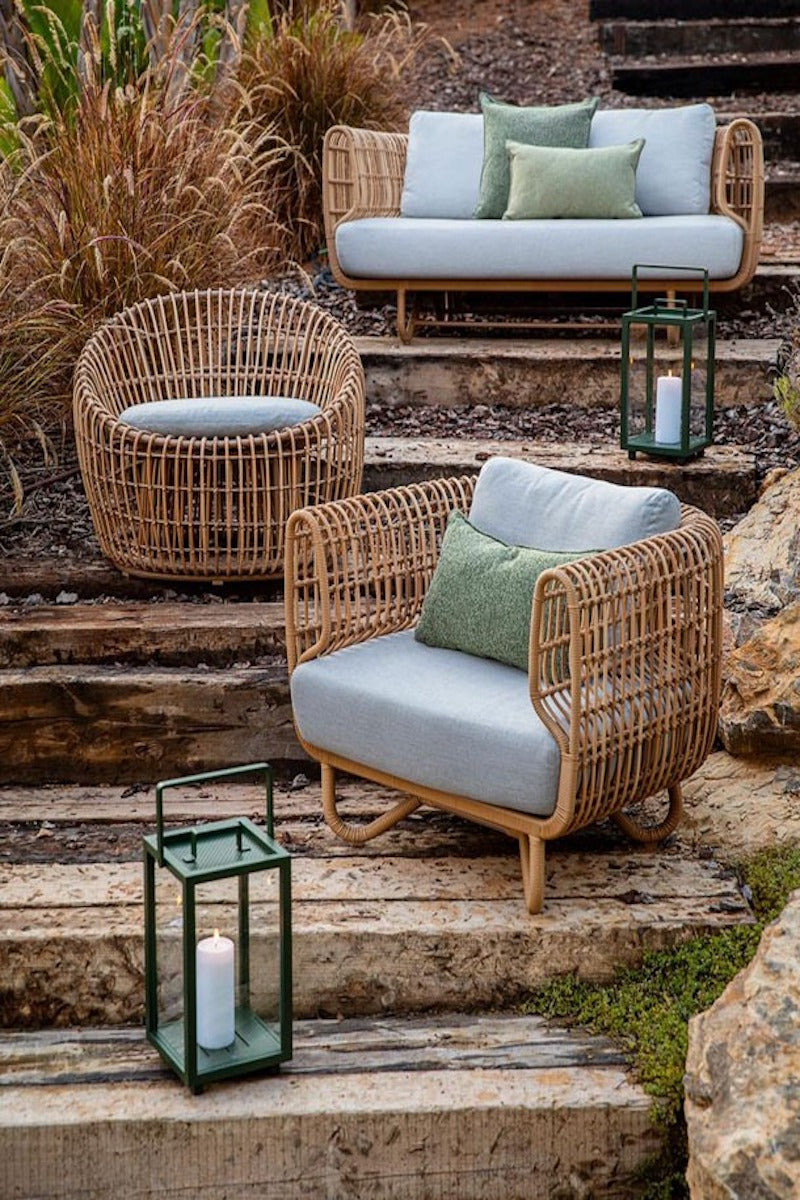
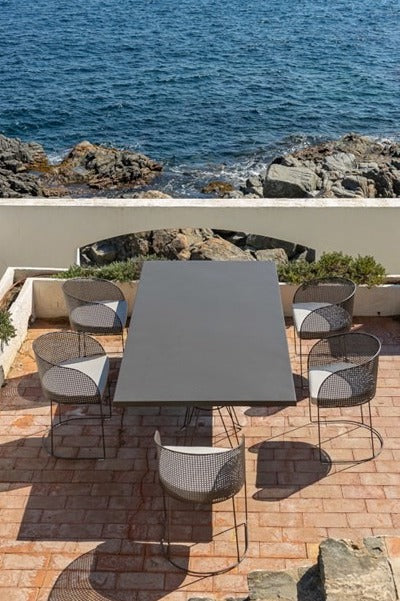
The same can be said about the outdoor spaces particularly given that most of the traditional outdoor furnishings contain plastic, PVC, and even toxic finishes.
Outdoor furniture that is sustainable is normally constructed of:
- Responsibly managed forests teak or cedar
- Recycled plastic lumber
- Powder-coated metal
- Bamboo
- Stone or concrete
They are eco-friendly, tough and resistant to weather
Outdoor items that are sustainable also reduce wastage, cut the number of chemicals flowing into the environment and last longer to be used.
How to Shop for Non-Toxic Furniture: Practical Tips
Read Material Labels Carefully
The one should not use ambiguous words such as green, eco or natural unless it is backed by a certification.
Ask Questions
Retailers must be open concerning:
- Wood sources
- Adhesives used
- Fabric treatments
- Foam composition
- VOC of paints/finishes
Avoid Composite Wood
Formaldehyde-based glues are frequently found in MDF, particleboard and plywood. In case you have to use composite wood, seek CARB-2 or EPA models.
Select Natural Finishing Furniture
Toxins can be produced by oil-based finishes, lacquers and stains. Opt for:
- Zero-VOC paints
- Plant-based oils
- Water-based stains
Look for Long-Lasting Construction
Sustainable furniture of high-quality is constructed to last. Heavy joinery, robust frames and natural materials can be used to last longer than cheaper chemically treated works.
Why Sustainable and Non-Toxic Furniture Is Worth the Investment
While non-toxic and ethically sourced furniture can sometimes cost more upfront, the long-term value is undeniable.
You gain:
- Cleaner indoor air
- Reduced allergies and sensitivities
- Durable pieces that last decades
- A lower environmental footprint
- Safer materials for children, pets, and adults
And because sustainable pieces resist wear and chemical breakdown, you save money over time by replacing furniture less frequently.
Wrapping Up
Choosing non-toxic furniture is one of the most effective ways to create a healthy and environmentally responsible home. By prioritizing natural materials, responsible sourcing, low-emission finishes, and certified manufacturing, you support a cleaner planet and a safer living environment.
Whether you are upgrading to sustainable chairs, selecting an eco friendly dining table, or transforming your backyard with sustainable outdoor furniture, every purchase contributes to a healthier lifestyle and a more ethical world. And with rising consumer demand, high-quality ethically sourced furniture is now more accessible than ever.
At Comosum, sustainability is at the core of everything we create. Our sustainable furniture collection is carefully designed to be non-toxic, durable, and visually striking—perfect for homeowners who care about both style and well-being. Contact us today to learn more about our sustainable furniture.


Leave a comment
This site is protected by hCaptcha and the hCaptcha Privacy Policy and Terms of Service apply.