




What Is Non-Toxic Furniture? A Practical Guide for Healthier, Sustainable Homes
Furniture shapes how we live — not just aesthetically, but physically and environmentally. Non-toxic furniture refers to pieces made with materials that minimize harmful chemical exposure (like VOCs, PFAS, and formaldehyde) and support healthier indoor air quality. Sustainable furniture goes a step further by thinking about the full environmental footprint — from material sourcing to manufacturing, use, and end-of-life impact. Together, non-toxic and sustainable design form the foundation of a truly conscious home.
Why Toxic Materials in Furniture Matter
Many conventional pieces — especially low-cost, fast furniture — use engineered wood cores, synthetic adhesives, and chemical finishes that continue to off-gas harmful compounds after delivery. These emissions can negatively influence indoor air quality and comfort levels.
Common concerns include VOCs, formaldehyde, PFAS, and certain flame retardants — all of which may be present in materials and finishes.
What “Non-Toxic” and “Sustainable” Truly Mean
These principles naturally overlap:
Non-Toxic focuses on health — minimizing chemical emissions and prioritizing safer materials.
Sustainable means considering the environmental life cycle, from responsibly sourced materials to ethical manufacturing and long-term durability.
Together, they reduce chemical exposure and environmental impact.
What to Look For When Choosing Non-Toxic, Sustainable Furniture
Materials That Support Both Health and Environment:
Solid wood (especially FSC or PEFC certified), natural fibers, and low-VOC finishes all support healthier air and responsible sourcing.
Third-Party Certifications:
Look for marks like FSC, GREENGUARD Gold, and GOTS to verify low emissions and responsible materials.
Durability and Longevity:
Furniture that lasts reduces waste and landfill pressure, a cornerstone of sustainable design.
Comosum’s Approach
At Comosum, we apply our Sustainability Meter to screen vendors on material transparency, manufacturing integrity, and durability. Examples include:
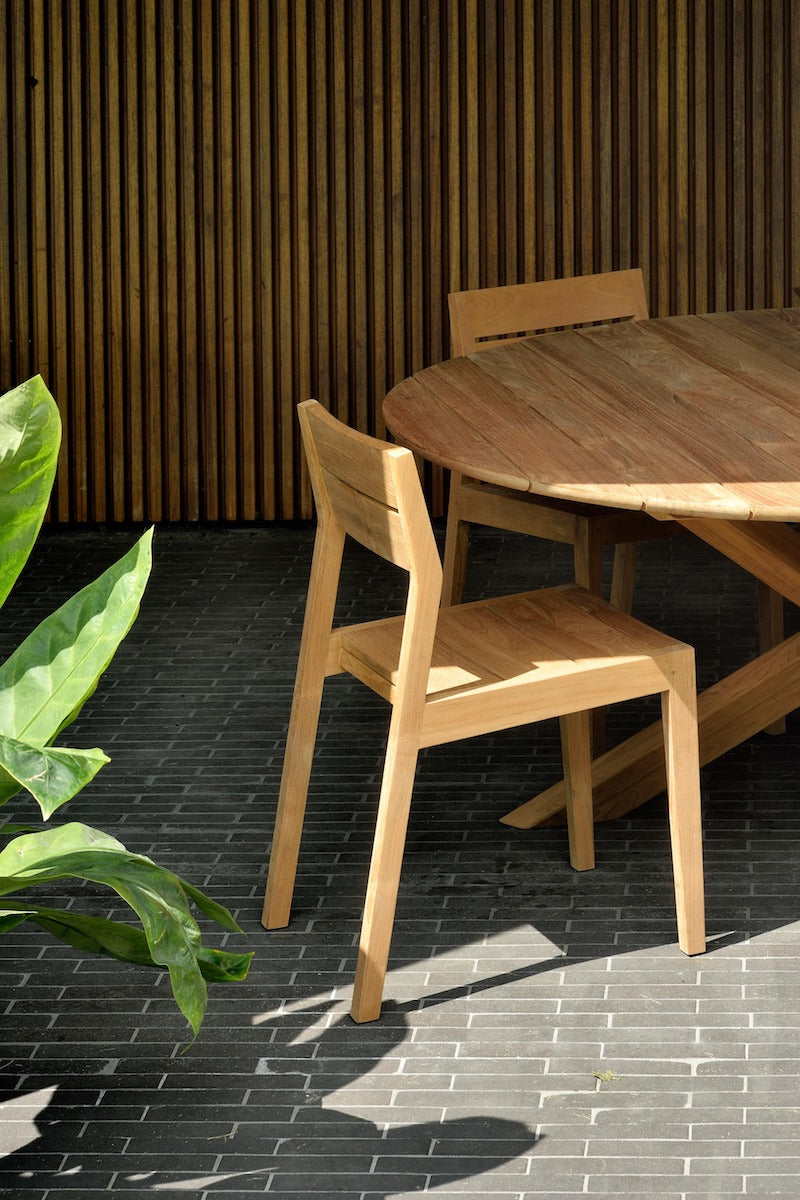
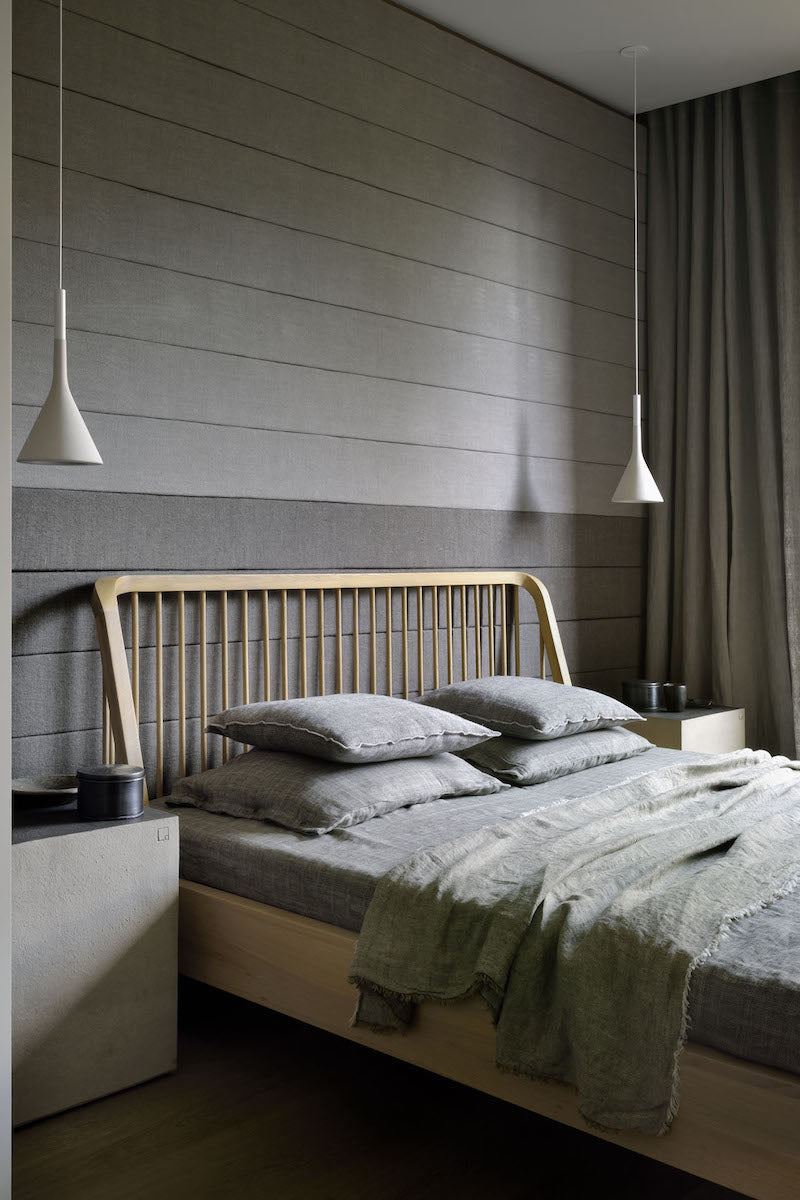
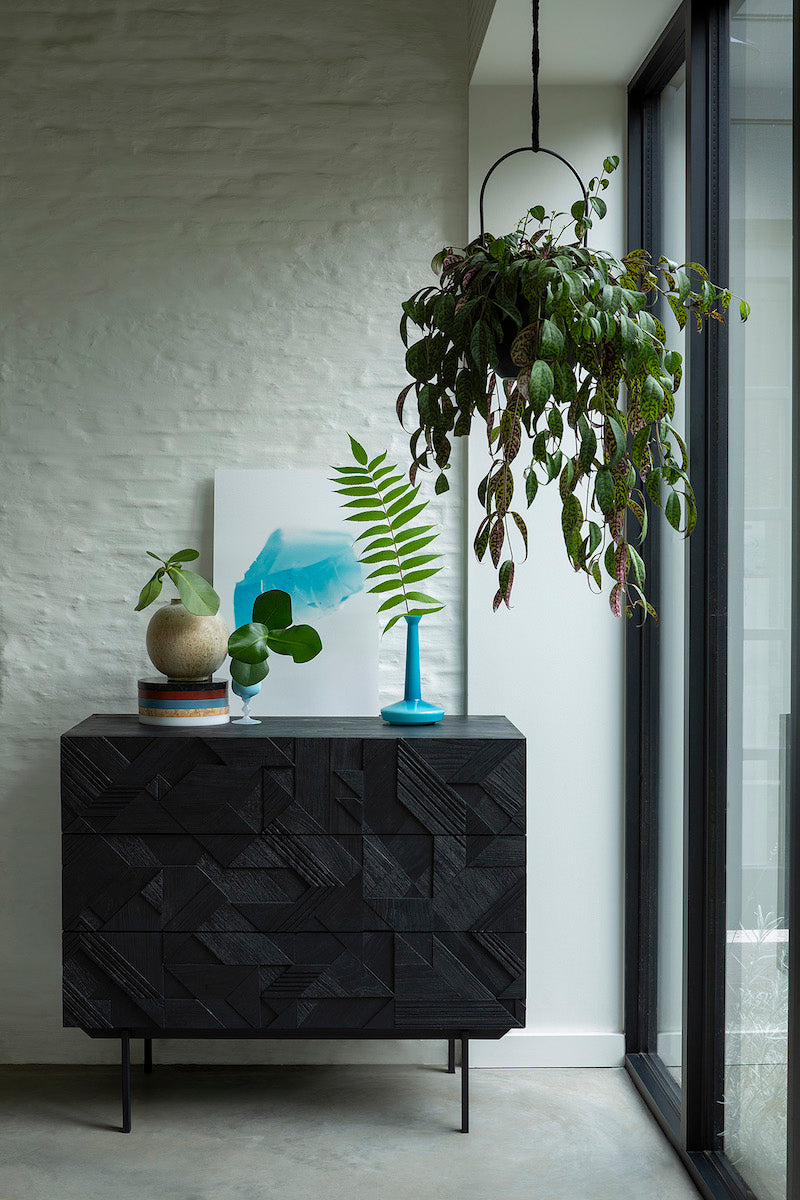
- Ethnicraft — responsibly sourced solid wood with low-VOC finishes.
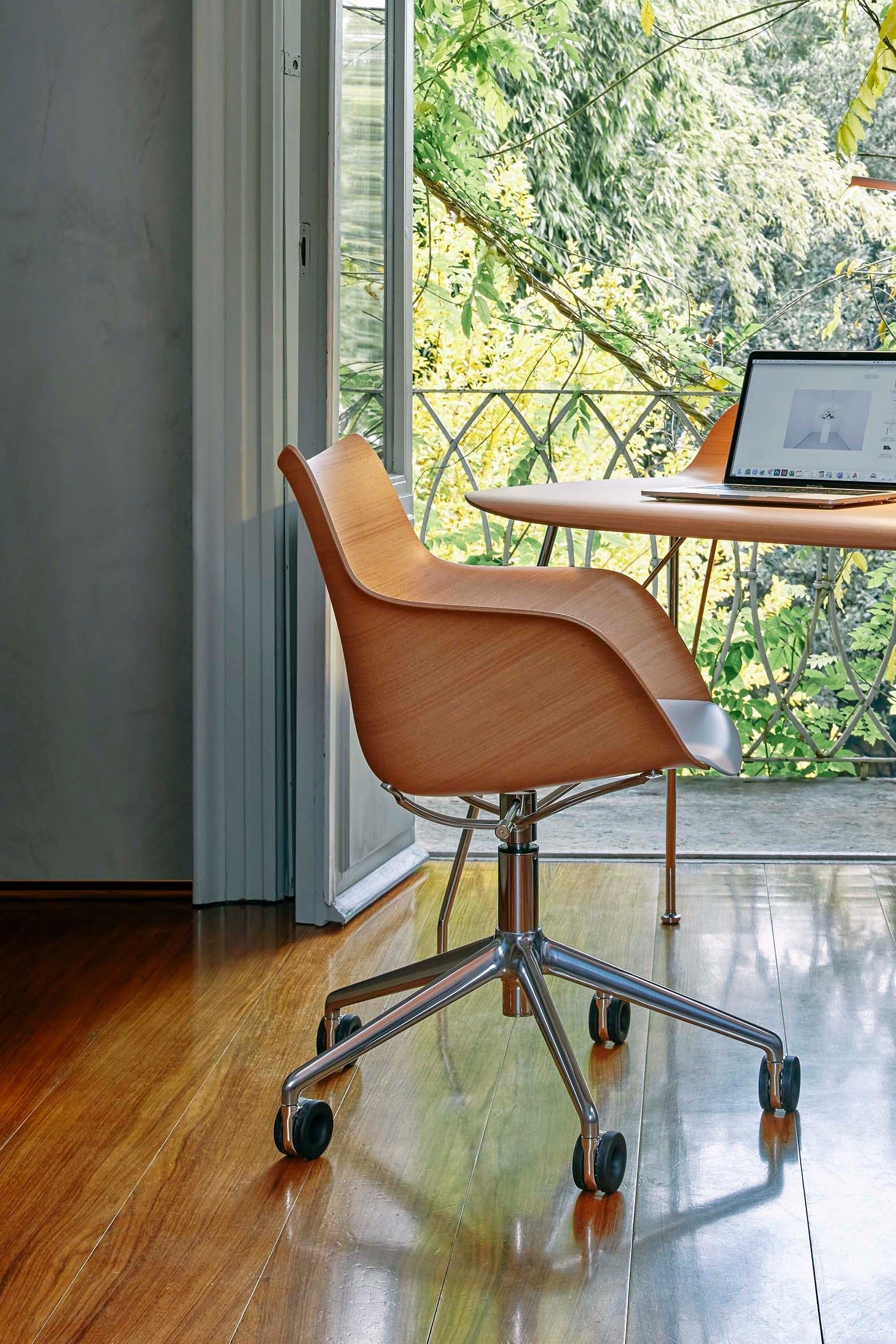
- Varier — quality design and materials with fewer chemical inputs.
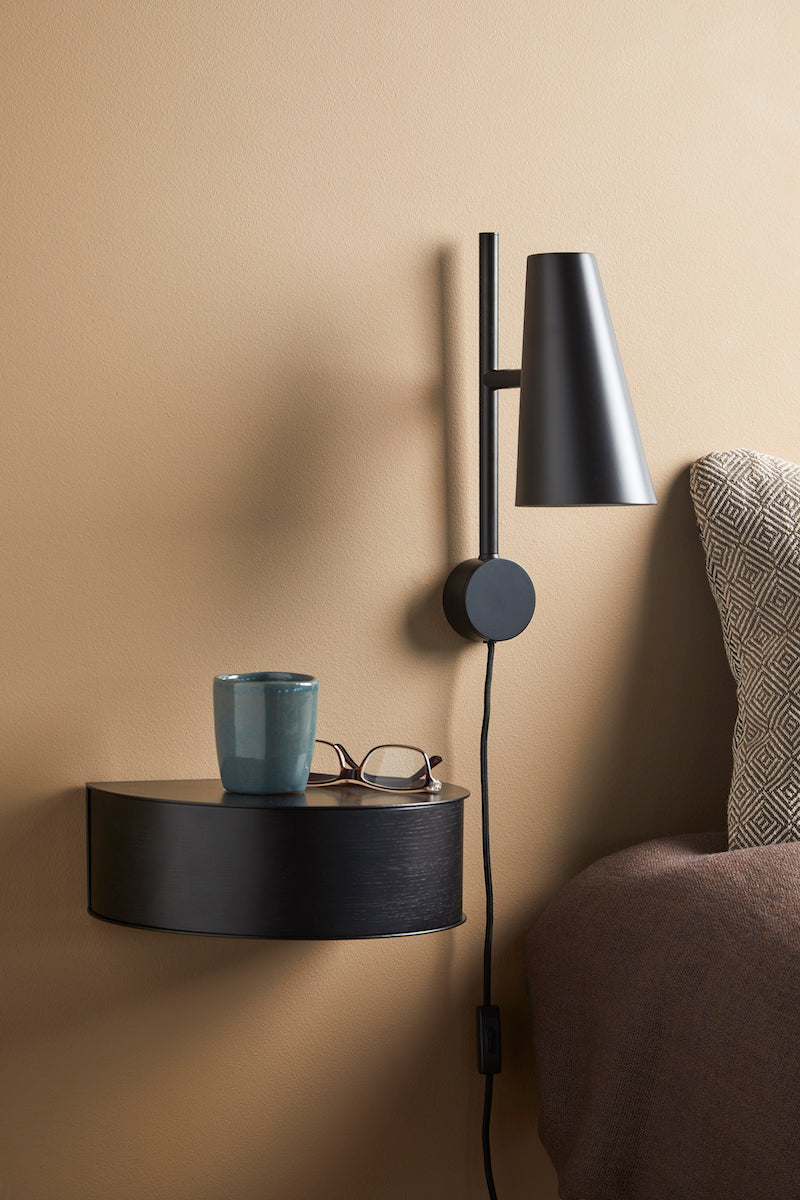
- Tala — thoughtful, carbon-neutral lighting design.
FAQ — Non-Toxic, Sustainable Furniture & Health
What’s the difference between non-toxic and sustainable furniture?
Non-toxic focuses on minimizing harmful chemical exposure, while sustainable considers environmental life cycle and resource impact. Together they support healthier homes and ecosystems.
Are certifications like FSC and GREENGUARD worth it?
Yes — they provide third-party verification of responsible sourcing and lower emissions.
Is non-toxic furniture always more expensive?
Often upfront cost is higher due to better materials and manufacturing practices, but long-term durability and health benefits often justify the investment.
The Bottom Line
Choosing non-toxic and sustainable furniture helps protect your health, supports environmental responsibility, and encourages thoughtful consumption. By focusing on materials, transparency, and longevity — rather than buzzwords — you can build a home that is both beautiful and healthy.


Leave a comment
This site is protected by hCaptcha and the hCaptcha Privacy Policy and Terms of Service apply.