
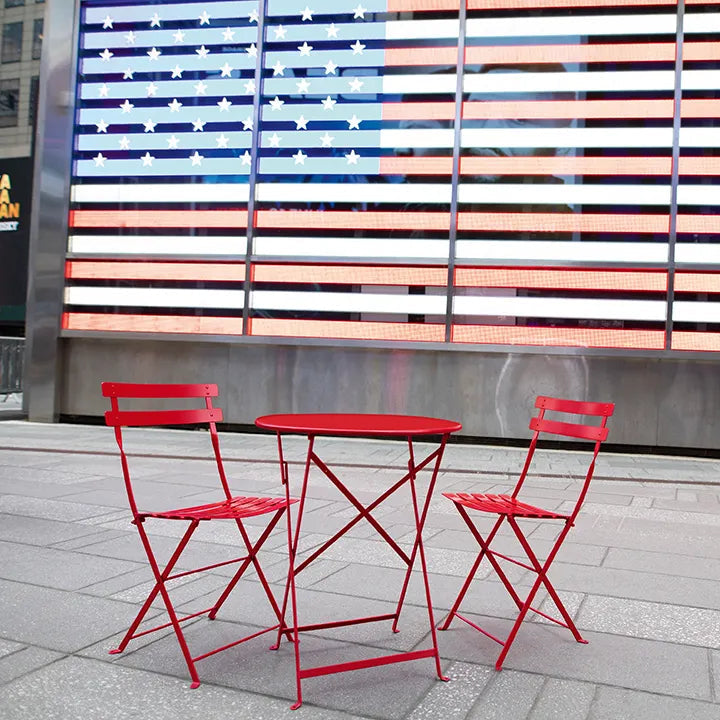
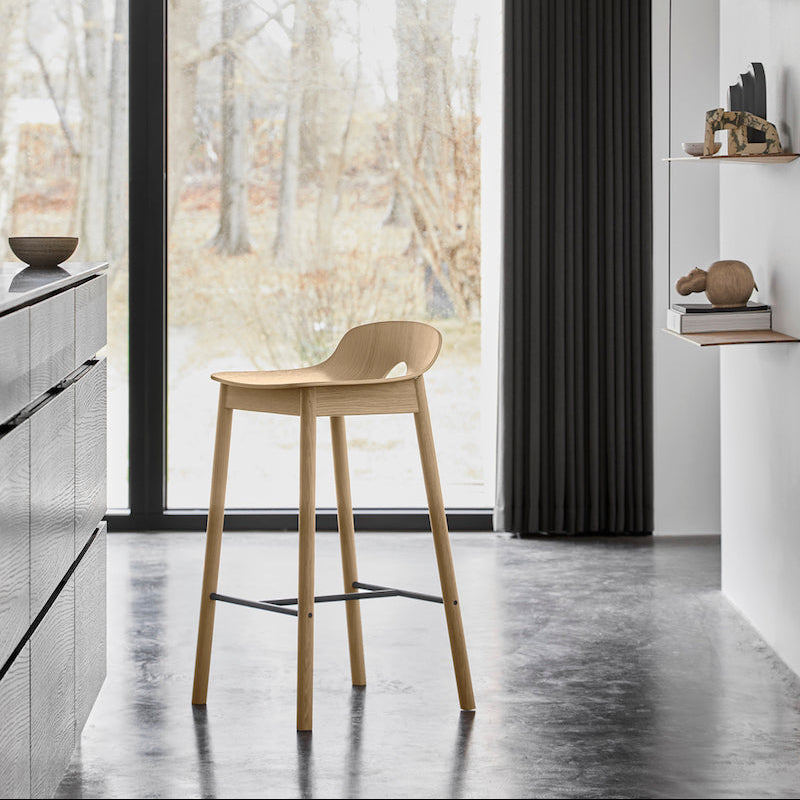
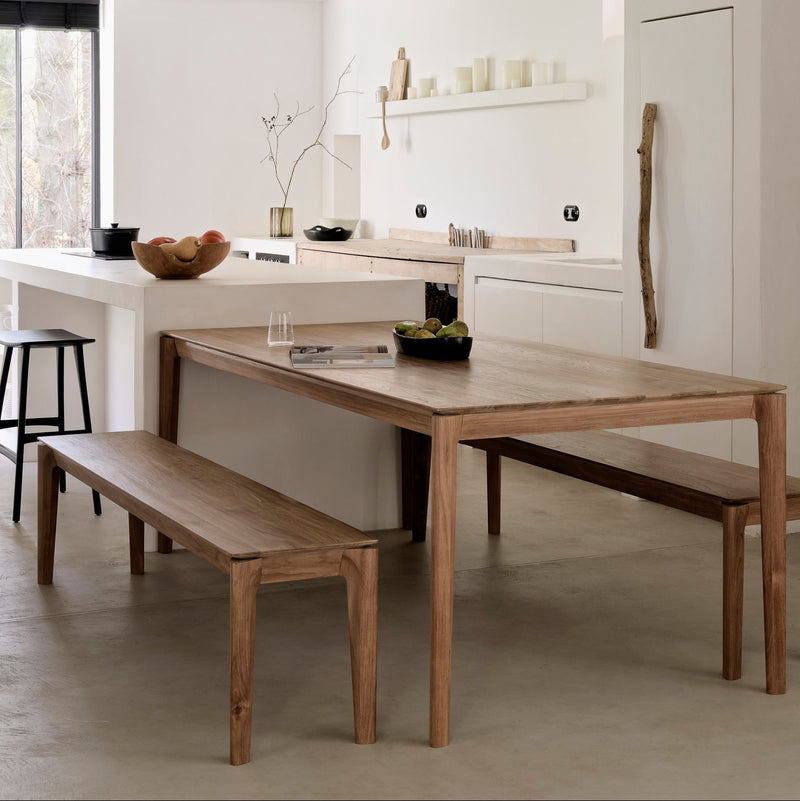
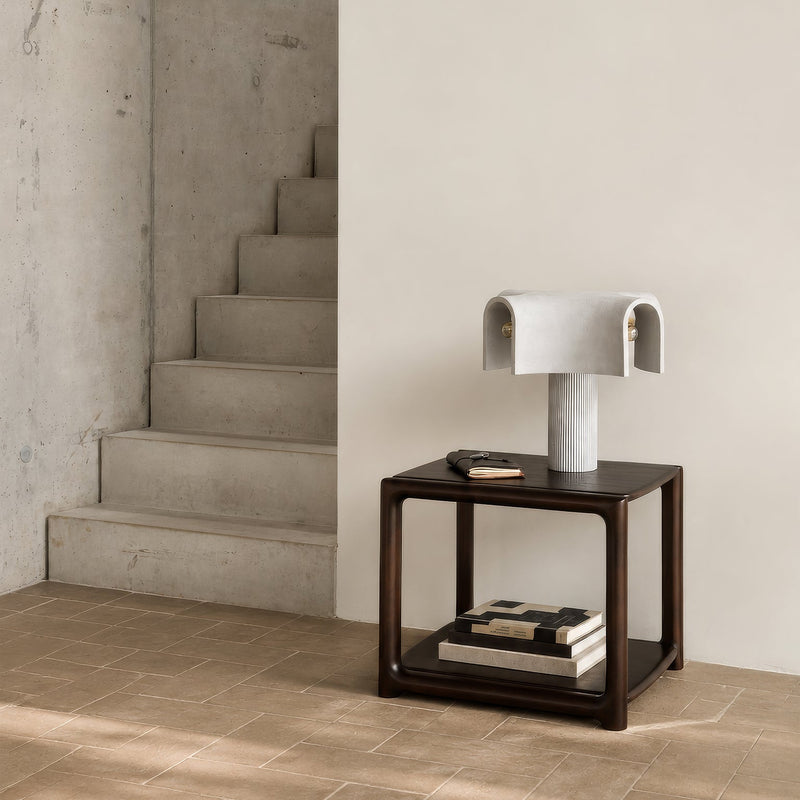
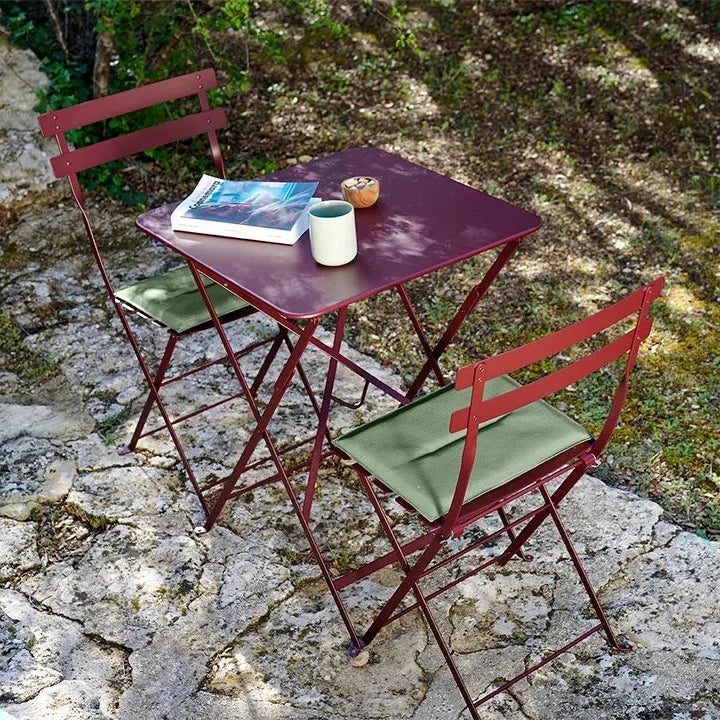
Fermob, Isimar, and Resol each build outdoor chairs for the same job — surviving sun, rain, and years of use on a patio — using three different materials and three different philosophies. Fermob works galvanized steel in Thoissey, France, with a 25-color powder-coat palette it has refined since 1989. Isimar builds its chairs in galvanized steel and aluminium, both 100% recycled and recyclable by its account, in Navarra, Spain, and reports carbon-negative operations at its factory. Resol molds post-consumer recycled polypropylene into chairs designed to outlast the plastic patio furniture they're meant to replace.
Three Approaches to the Same Problem
An outdoor chair has one real enemy: weather cycling. Rain, UV, salt air, and freeze-thaw all attack a chair differently depending on what it's made of, and the three brands Comosum carries answer that problem in genuinely different ways rather than just offering different colors on the same idea.
Fermob's answer is galvanized steel finished with powder coat — a material that has furnished French cafés for over a century and holds its shape under weight better than aluminum, at the cost of being heavier to move. Isimar's answer is aluminum and recycled steel, lighter and naturally corrosion-resistant, manufactured at a factory it says runs on more solar power than it consumes. Resol's answer skips metal altogether: injection-molded recycled polypropylene, the same material family as marine hardware, chosen because it never rusts, never needs repainting, and comes from a Spanish company that has worked with recycled post-industrial and post-consumer polypropylene for years.
None of the three is objectively "more sustainable" in isolation — the honest comparison depends on what you value: repairability and heritage (Fermob), solar-powered manufacturing (Isimar), or diverting plastic waste from landfill into furniture that will outlast a decade of hard use (Resol).
Fermob: French Steel and the Bistro Legacy
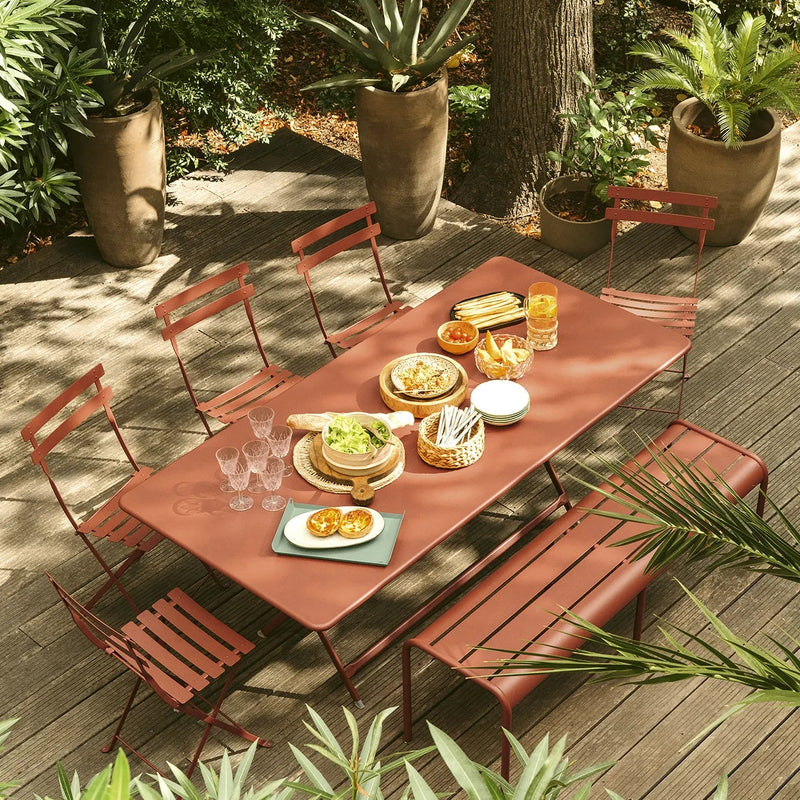
Fermob's story starts as a small ironworking shop in Thoissey, in the Beaujolais hills north of Lyon, founded in the late 1800s. Bernard Reybier bought the then ten-person workshop in 1989 and rebuilt it into the outdoor furniture house that popularized the café Bistro chair worldwide. The Fermob Bistro Metal Chair is still built in Thoissey today, at a facility that processes roughly 20 tons of raw material a day — about 90% steel, 10% aluminum — and at full capacity turns out close to 220,000 Bistro chairs annually.
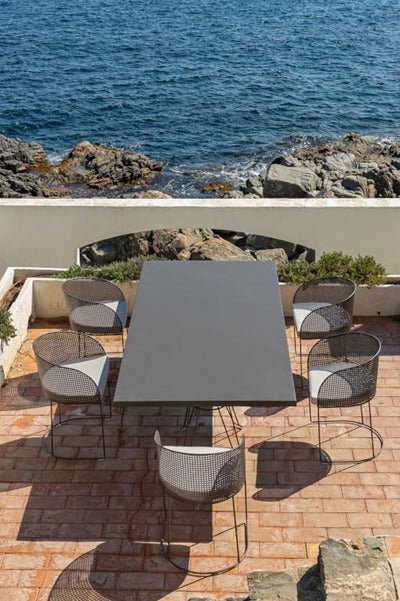
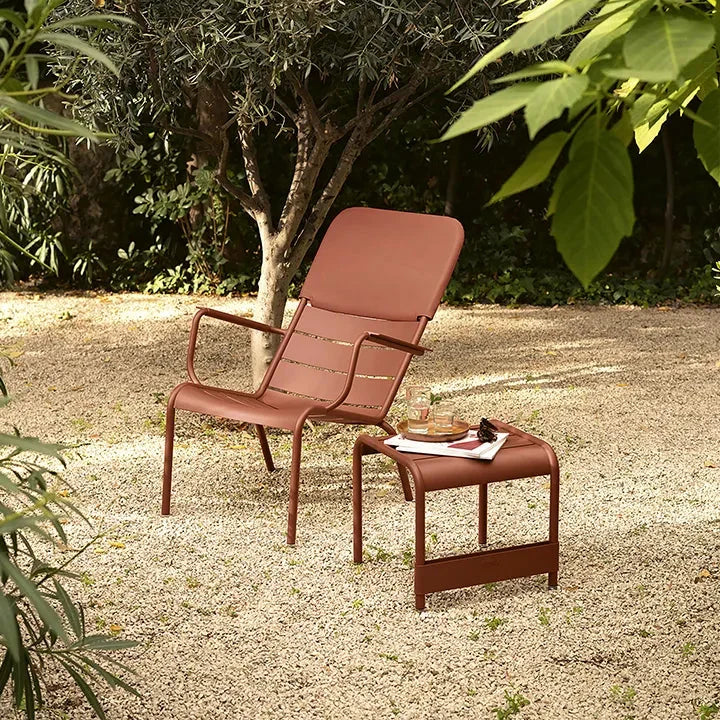
The process is old-school metalworking done at scale: galvanized steel arrives as coil or sheet, gets cut, punched, bent, and welded using five different welding techniques, then finished in Fermob's own 25-color powder-coat palette. Fermob builds its own tooling in-house rather than outsourcing it, which the company treats as core intellectual property. That control shows up in the chairs themselves — the Fermob Luxembourg Armchair uses the same galvanized-steel-plus-powder-coat approach in a heavier lounge profile, and both lines are designed to be repainted rather than replaced when the finish eventually wears.
Isimar: Recycled Steel and Aluminum from Navarra
Isimar has worked metal in Pamplona, in Spain's Navarra region, since 1964. Where Fermob leans on steel, Isimar's collections — including the Isimar Barceloneta Side Chair — mix aluminum with galvanized steel tube and rod, materials the company describes as "100% recycled and recyclable." Isimar states that its factory is powered entirely by photovoltaic solar and generates roughly five times more renewable energy than it consumes, and the company reports achieving carbon-negative emissions at the operational level. Isimar names no independent auditor for that claim, so we report it as Isimar's own statement rather than a verified figure.
Isimar also sources the large majority of its suppliers close to home — the company says roughly 80% are within 60 miles of the Pamplona facility — which cuts transport emissions before a chair ever reaches a French or American port. The tradeoff against Fermob's approach is scale: Isimar's collections are smaller and more design-object in feel, with pieces like the Barceloneta and Bolonia lines built around Mediterranean café and terrace seating rather than mass-market café chairs.
Resol: Recycled Polypropylene Built for Real Use
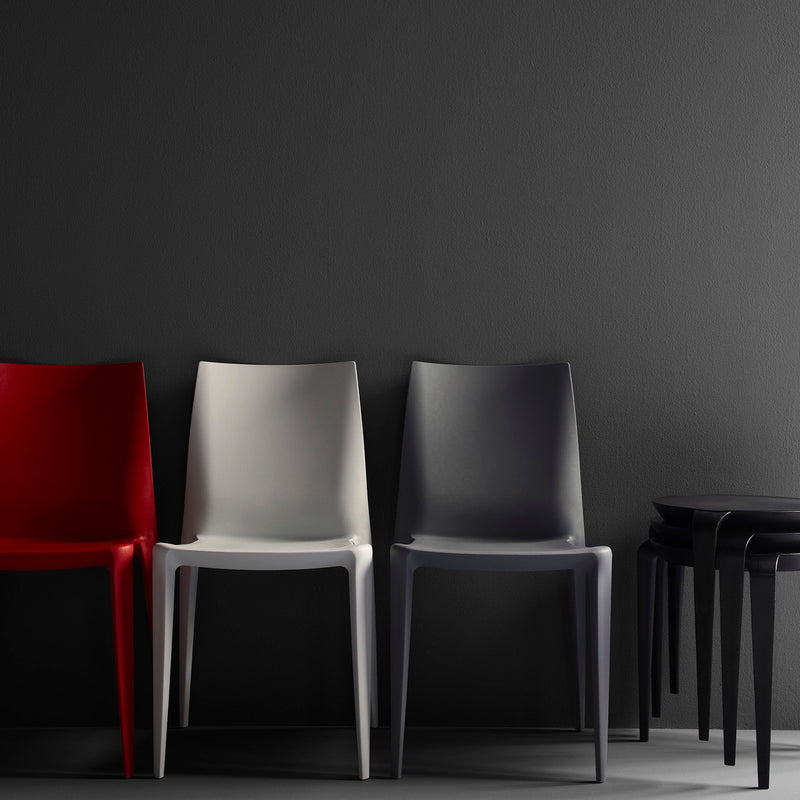
Resol, based in Spain, has worked with recycled polypropylene, both post-industrial and post-consumer, for years; its Toledo Aire collection is 100% recycled polypropylene. The company points to a real waste problem behind the material choice: it says more than 120,000 tons of used glass fiber are landfilled in Europe every year, material Resol instead reclaims and molds into structural furniture components. The Resol Toledo Chair, sold at Comosum as a set of four, is built from this process — injection-molded, UV- and moisture-resistant, and immune to the rust and flaking that eventually catches up with any painted metal chair left outside year-round.
Resol has committed that by 2027 all its injected products will contain at least 30% recycled material; beyond that and the Toledo Aire figure, what the company documents clearly is the input (recycled post-industrial and post-consumer polypropylene) and the intended outcome (furniture that resists wear, UV, and moisture well enough to stay in service for years rather than becoming next season's landfill plastic itself).
Which Should You Buy?
If you want a chair you can repaint in ten years instead of replacing, and you don't mind the extra weight, Fermob's galvanized steel is built for exactly that — it's the choice with the longest repair runway, and the one most likely to still be in service, with a fresh coat, twenty years from now. If solar-powered manufacturing matters more to you than heritage, Isimar's aluminum collections make that case directly, and they're noticeably lighter to move around a deck or patio each season, which matters if you're the one dragging chairs in and out of storage. If your priority is keeping plastic waste out of landfill while getting a chair that shrugs off humidity, salt air, or a pool deck without ever needing a repaint, Resol's recycled polypropylene is the lowest-maintenance of the three.
Climate is worth weighing too: steel and aluminum both handle freeze-thaw cycles fine as long as they're kept dry and stored or covered through winter, while Resol's polypropylene has no metal to corrode at all, which makes it a strong pick for coastal or high-humidity climates specifically — a pool deck in Florida or a porch a block from the ocean will wear a painted steel finish faster than it wears molded plastic.
Budget shifts the calculus too. Fermob's Bistro chair is the least expensive single seat of the three by a wide margin, which is part of why it became the default café chair across Europe in the first place — it's easy to buy four or six at once without a large outlay. Isimar sits in the middle, priced for a smaller, more design-forward collection rather than mass production. Resol's Toledo chair is sold as a set of four, which changes the math: it's a higher upfront cost but a lower per-chair price once you're set on outfitting a full table, and the zero-maintenance finish means there's no repainting cost to factor in five years down the line the way there is with painted metal.
Shop Fermob, Isimar, and Resol at Comosum
All three brands are in stock and ready to ship from Comosum's outdoor collection.
- Fermob Bistro Metal Chair — the original café chair, galvanized steel with Fermob's signature powder coat, from $160.
- Fermob Luxembourg Armchair — a heavier steel lounge profile built on the same Thoissey manufacturing line, from $630.
- Isimar Barceloneta Side Chair — aluminum and galvanized steel from Isimar's solar-powered Navarra factory, from $324.
- Resol Toledo Chair (Set of 4) — recycled-polypropylene seating from Resol, from $1,000 for the set.
Browse the full outdoor chair collection at Comosum →
Frequently Asked Questions About Fermob, Isimar, and Resol Outdoor Chairs
Where are Fermob, Isimar, and Resol furniture made?
Fermob manufactures at its Thoissey, France factory, about an hour north of Lyon. Isimar manufactures in Pamplona, in Spain's Navarra region. Resol is based in Spain and molds its furniture from polypropylene, using recycled material in its production.
Which of the three brands is the most sustainable?
Each makes a different claim: Fermob emphasizes repairable, repaintable galvanized steel built to last decades. Isimar reports carbon-negative factory emissions powered by solar and uses 100% recycled and recyclable metal. Resol focuses on recycled polypropylene, with its Toledo Aire collection 100% recycled. There isn't a single "most sustainable" answer — it depends on whether you weight longevity, low-carbon manufacturing, or waste diversion most heavily.
Is a steel, aluminum, or recycled-plastic outdoor chair better for a coastal or humid climate?
Resol's recycled polypropylene has no metal to corrode, which makes it the lowest-maintenance option in salt air or high humidity. Isimar's aluminum resists rust naturally and is lighter to move. Fermob's galvanized steel with powder coat holds up well too, but like any painted metal it benefits from an occasional rinse and touch-up in coastal conditions.
Can these outdoor chairs be repainted or repaired if the finish wears?
Fermob's powder-coated steel chairs are designed to be refinished rather than replaced, which is part of why the Bistro chair has stayed in continuous production since the 1980s. Isimar's aluminum and recycled-steel pieces can also be repainted. Resol's polypropylene chairs don't have a paint finish to wear in the first place — the color is molded through the material.
How much do Fermob, Isimar, and Resol outdoor chairs cost?
At Comosum, Fermob's Bistro Metal Chair starts at $160, Isimar's Barceloneta Side Chair starts at $324, and Resol's Toledo Chair is sold as a set of four starting at $1,000. Prices scale up through lounge and armchair profiles in each line.


Leave a comment
This site is protected by hCaptcha and the hCaptcha Privacy Policy and Terms of Service apply.