

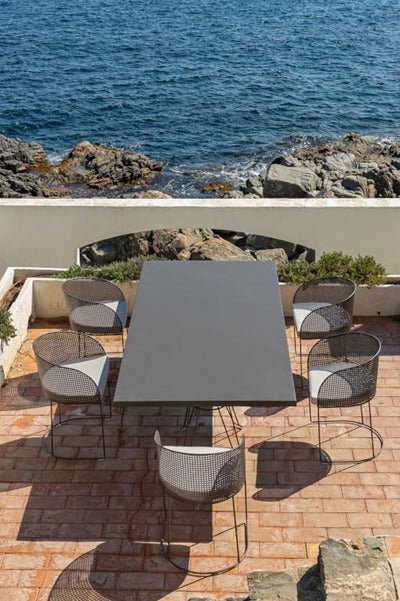

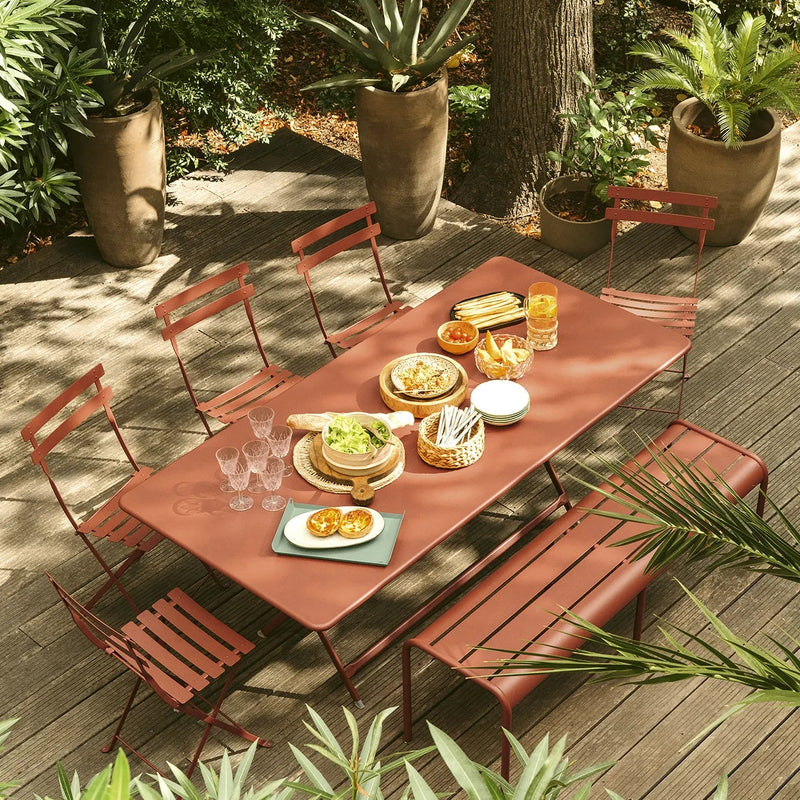
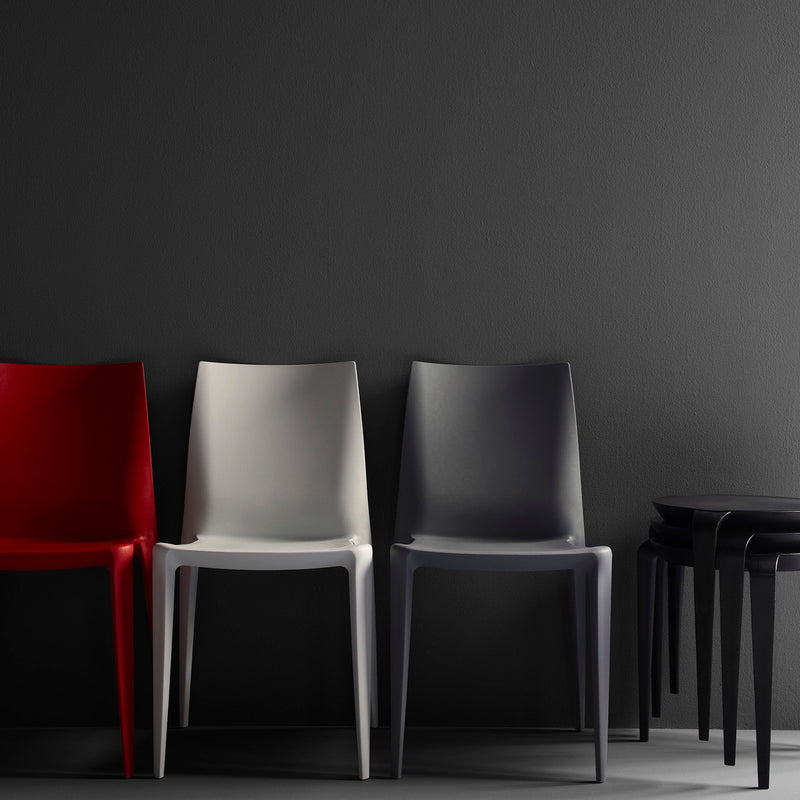
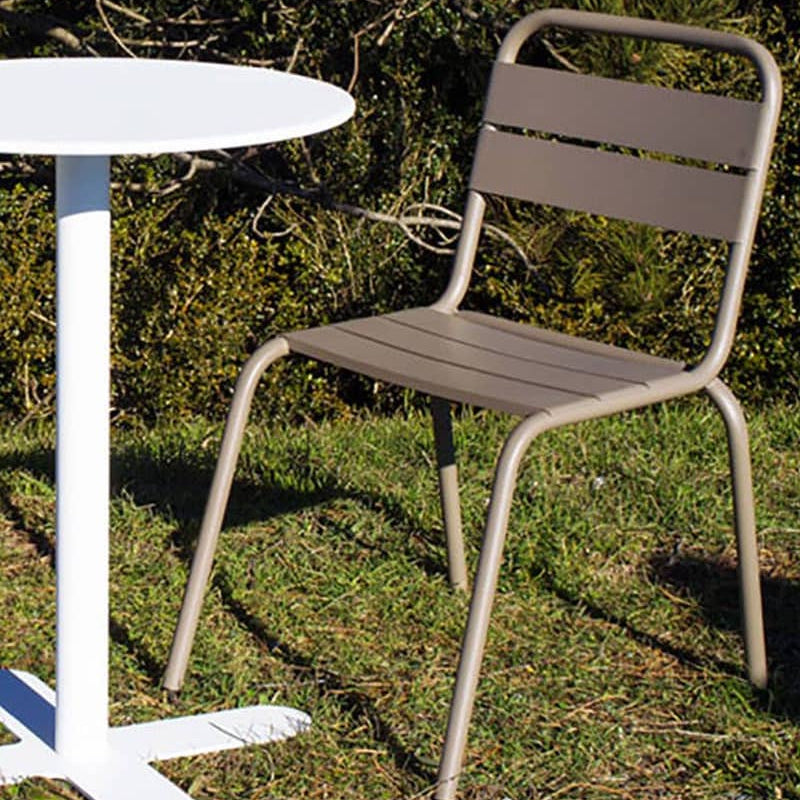
iSiMAR, a metal-furniture manufacturer that has worked out of Pamplona, Navarra, in northern Spain, since 1964, tells customers on its own website that it has "achieved CO2 negative emissions." That is a specific, load-bearing claim, and Comosum, which stocks iSiMAR's outdoor chairs and tables, checked what stands behind it: a solar array producing five times the factory's own consumption, a 100% recycled-and-recyclable materials policy, and no named third-party auditor.
What "Carbon Negative" Actually Requires
Under the Greenhouse Gas Protocol, the accounting framework most corporate climate claims are built on, a company's footprint is split into three scopes: Scope 1 covers direct emissions from sources it owns or controls, such as a factory's furnaces or delivery trucks; Scope 2 covers indirect emissions from the electricity, heat, or steam it purchases; and Scope 3 covers everything else in its value chain, from the mining of raw aluminum to the shipping container that carries a finished chair to a US port. A credible "carbon negative" claim is a statement about all three scopes combined, verified by an outside auditor, showing the company removes more carbon than the full cycle emits.
That standard is a high bar, and it is worth stating plainly: most manufacturers, including large ones with sustainability departments, have not completed a third-party-verified Scope 3 inventory. A brand can do genuinely good things (solar power, recycled inputs, less packaging waste) without having done the accounting exercise that "carbon negative" technically requires. The two claims are not the same, and the difference is exactly what this audit sets out to check.
What Isimar's Claim Actually Says
iSiMAR's own about-us page groups its environmental commitments under an initiative it calls #BeRespectful. Reading the specific language matters more than the headline.
Materials
iSiMAR states its products are made "with materials that are 100% recycled and recyclable" and describes a "plastic-free product and packaging policy." The company does not publish a breakdown of recycled content by product line or alloy grade. Comosum's Sustainability Meter methodology counts a specific published figure as proof, so Isimar's 100% recycled steel and aluminium earns it a 5 on Material; a breakdown would still tell buyers more, since "100% recycled" can describe anything from post-consumer scrap aluminum to internally recycled manufacturing offcuts.
Manufacturing
The concrete, checkable number in iSiMAR's disclosure is the energy claim: "Our factory is powered by 100% PV solar energy. We produce 5 times more renewable energy than our consumption." This is a Scope 2 statement — it addresses the electricity iSiMAR buys and generates at its Pamplona site — and it is specific enough to be meaningful. It is not, on its own, a full-factory carbon inventory, and it says nothing about Scope 1 (the furnace and welding energy directly on site) or Scope 3 (the raw aluminum's mining and smelting, or the ocean freight that brings finished chairs to Comosum's US customers).
Certifications & Recognition
iSiMAR does not name a third-party certifier, auditor, or standard (no B Corp, no ISO 14064 carbon verification, no named registry) against the CO2-negative statement itself. The solar and recycling claims read as self-declared operational facts rather than externally audited figures. That does not make them false; it means the "negative emissions" framing outruns what the company has published to support it.
Why Comosum Surfaces Claims Like This
We built a public Sustainability Meter methodology specifically because supplier sustainability pages are written by marketing teams, not auditors, and treating every claim as equally solid does a disservice to customers trying to make an informed choice. Our approach, laid out in more detail in how we grade sustainable furniture, counts certificates, verified assessments, specific published figures and juried awards as proof, and caps a brand statement without any of those at 4. iSiMAR's solar figure is exactly the kind of claim we'd like to see backed by a facility certification or a published energy audit; until then, we report what the company says and what it doesn't say, rather than repeating "carbon negative" as settled fact. For background on the vocabulary involved, our certification glossary covers the difference between a verified certification and a self-declared commitment.
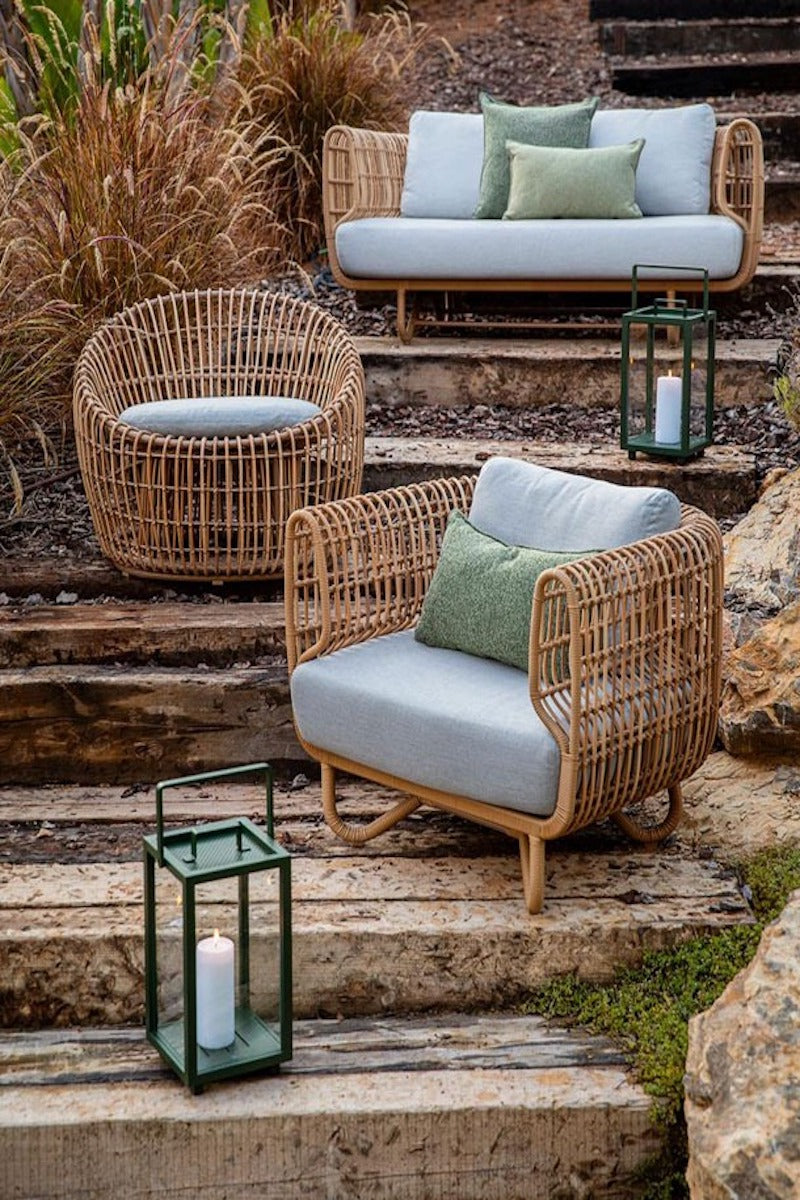
None of this changes what we think of iSiMAR's furniture: welded galvanized steel and recycled aluminum pieces built in the same Navarra factory for six decades, designed to survive salt air and full sun rather than a single season. We carry iSiMAR for that durability and Spanish manufacturing, not because we've independently verified a carbon-negative footprint — and we think customers deserve to know the difference.
Explore Isimar at Comosum
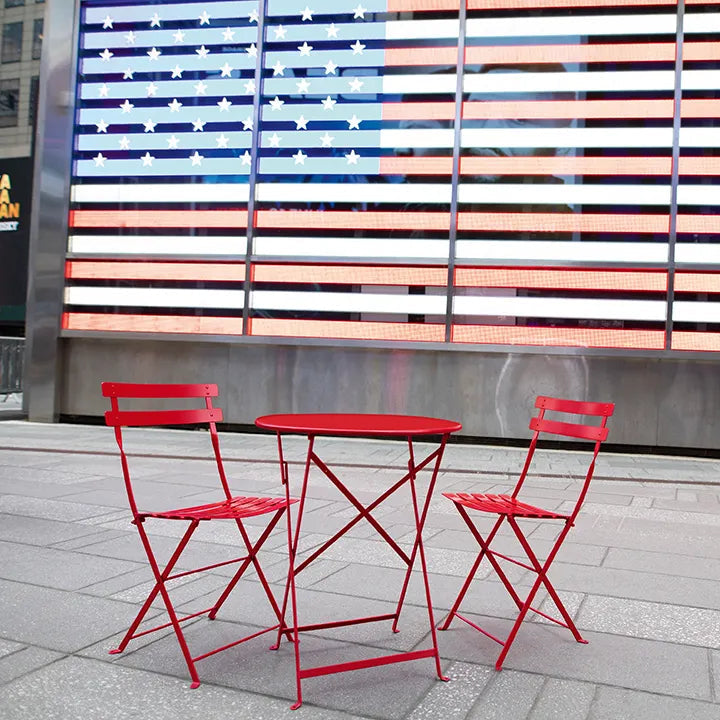
- Barceloneta Side Chair — a contract-grade Mediterranean chair built from 100% recycled aluminum, designed by iSiMAR's iSi Design Group for salt-air durability.
- Anglet Side Chair — a stacking café chair in welded, 100% recycled steel tubing, made at the Navarra factory iSiMAR has operated since 1964.
- Bolonia Lounge Chair — bent galvanized-steel wire in a lower, wider profile, seat height dropped to 16.5 inches for all-afternoon lounging.
- Cadiz Arm Chair — roughly ten pounds of recycled aluminum shaped into the classic bistro silhouette, designed by Chaput & Guijarro for iSiMAR.
Browse the full Isimar collection at Comosum →
Frequently Asked Questions About Isimar's Carbon Negative Claim
Is Isimar's "carbon negative" claim third-party verified?
No independent auditor or certification body is named on iSiMAR's website in connection with the CO2-negative statement. The claim is self-declared, though the underlying solar-energy figure (5 times the factory's consumption produced on site) is specific enough to be checkable if iSiMAR publishes supporting documentation.
What does "carbon negative" actually mean under the GHG Protocol?
It means a company removes more greenhouse gas than it emits across all three accounting scopes — direct operations (Scope 1), purchased energy (Scope 2), and its full value chain (Scope 3) — verified by an external auditor. A single-scope claim, such as a solar-powered factory, addresses only part of that picture.
What does Isimar do that is verifiable?
The company's Pamplona, Spain factory runs on on-site photovoltaic solar power at a stated 5x-of-consumption output, and its furniture is built from recycled aluminum and galvanized steel. Those are concrete manufacturing facts, distinct from the broader carbon-negative claim built on top of them.
Where is Isimar furniture made?
Isimar has manufactured metal furniture in Pamplona, in the Navarra region of northern Spain, since 1964.
How does Comosum decide which sustainability claims to feature?
Comosum's Sustainability Meter methodology counts proof — a certificate or registry entry, a verified EPD or life-cycle assessment, a specific published figure, or a juried award — toward a score of 5, caps a brand statement without one at 4, and gives adjectives and carbon offsets nothing. Isimar is carried at Comosum for its recycled-material construction and six-decade Spanish manufacturing history, not on the strength of the carbon-negative claim alone.


Leave a comment
This site is protected by hCaptcha and the hCaptcha Privacy Policy and Terms of Service apply.