
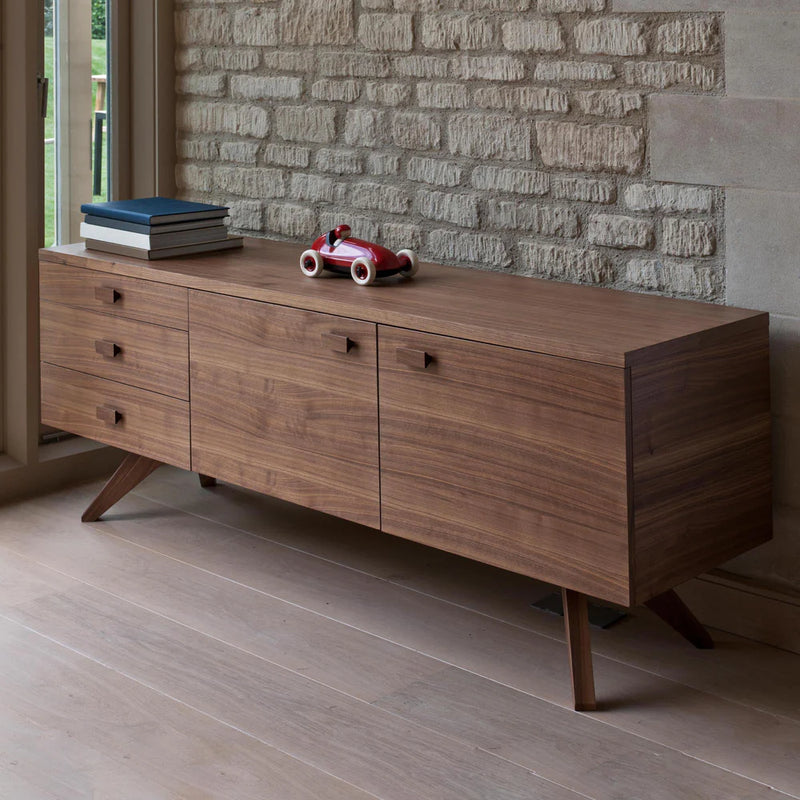
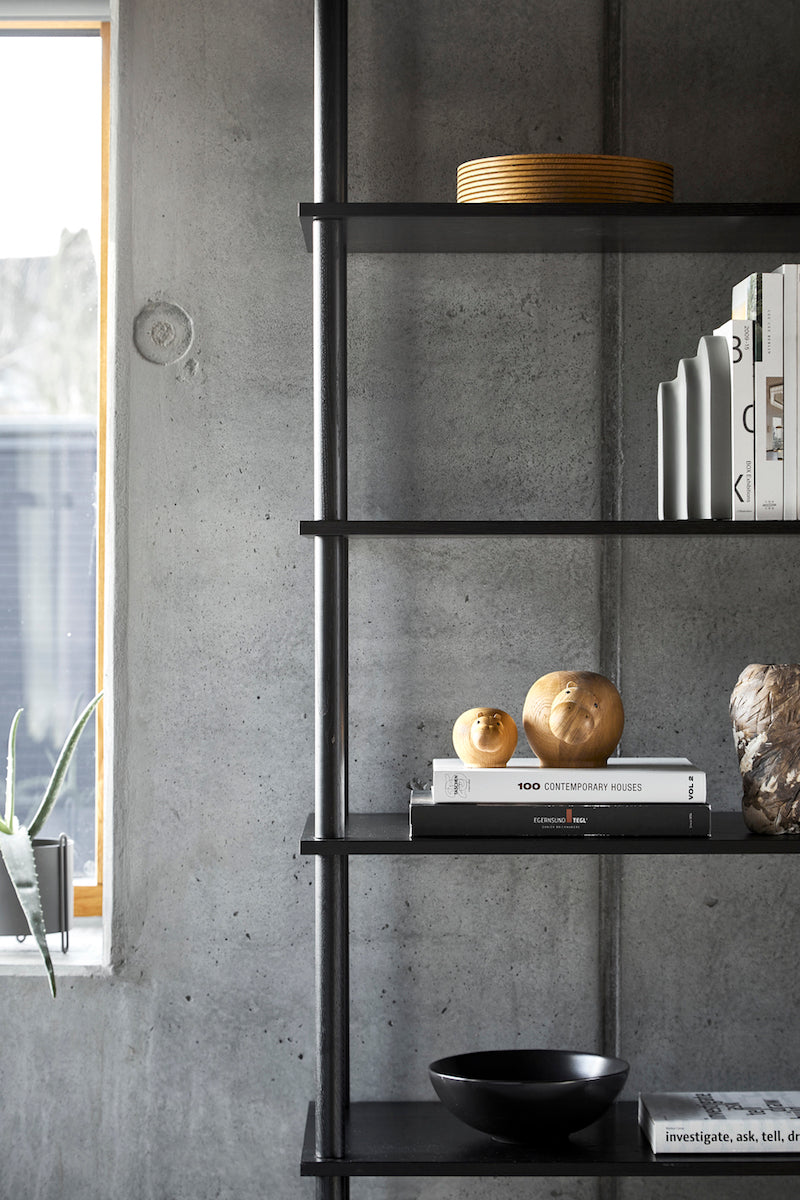
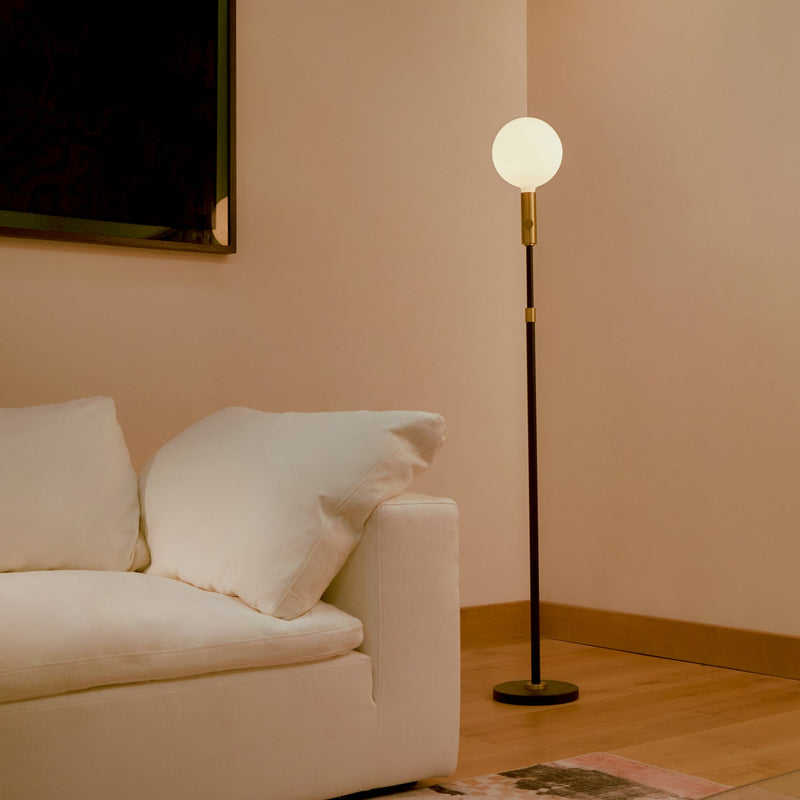
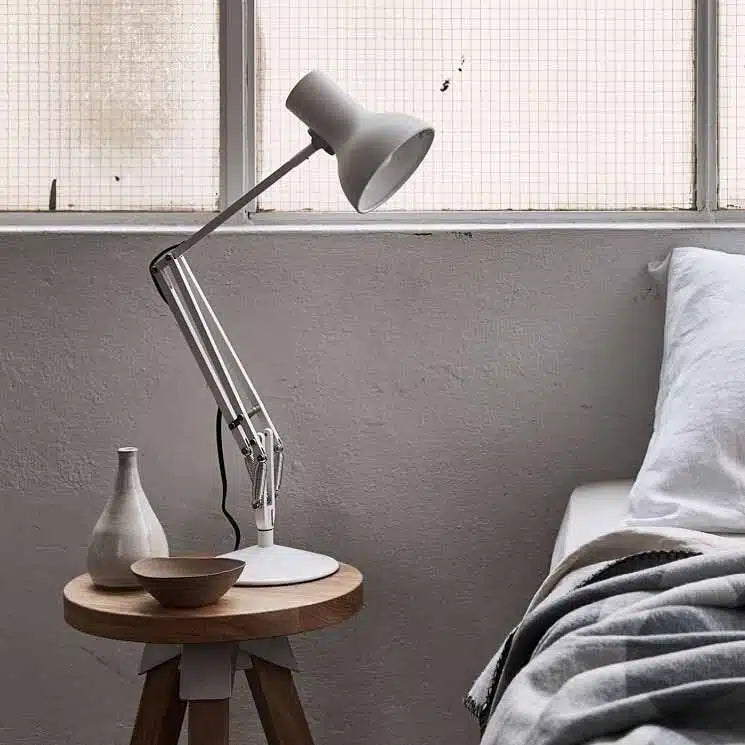
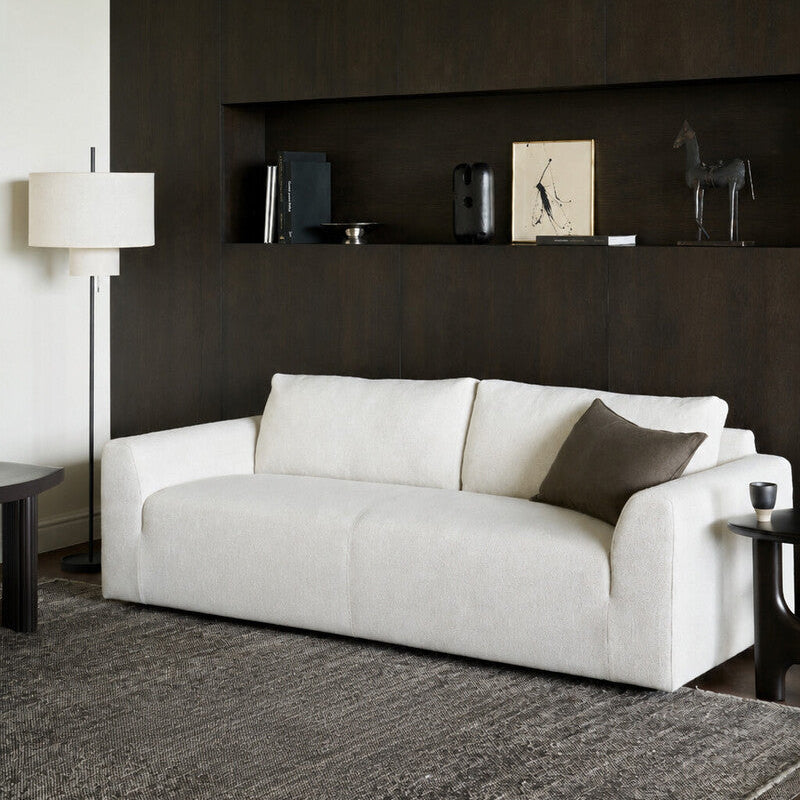
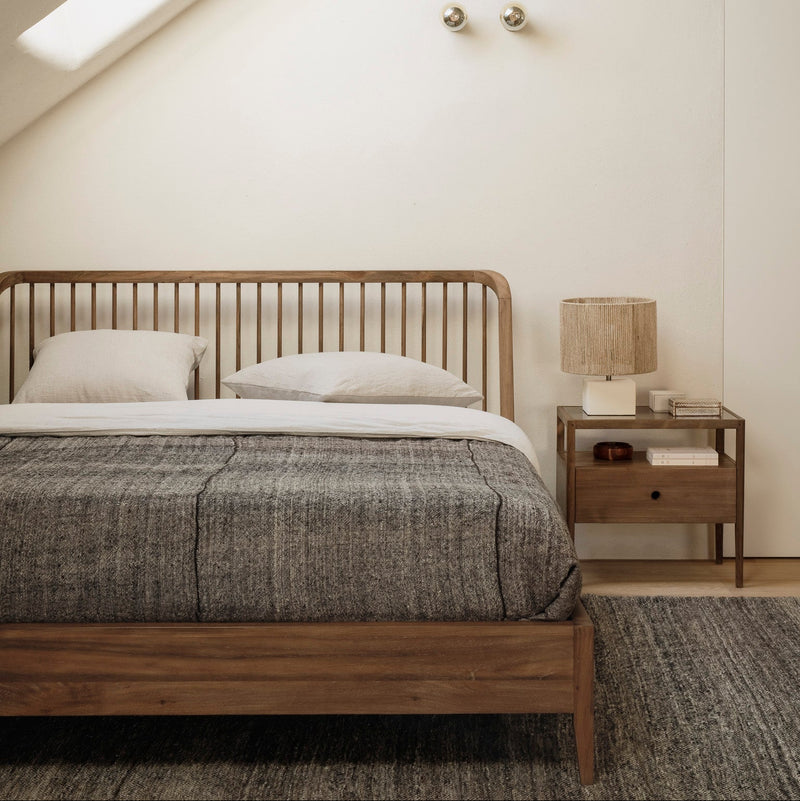
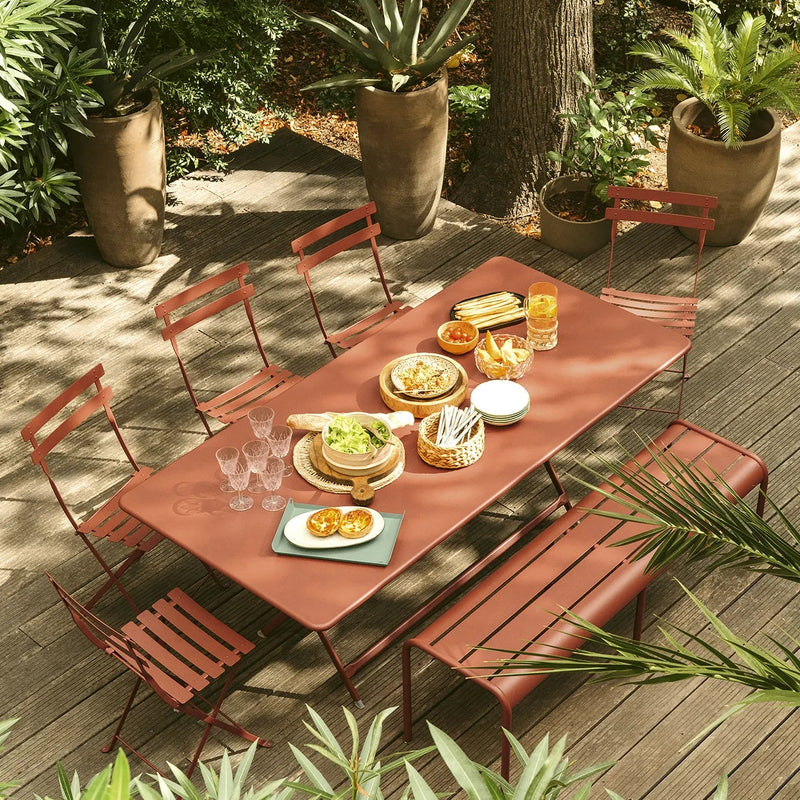
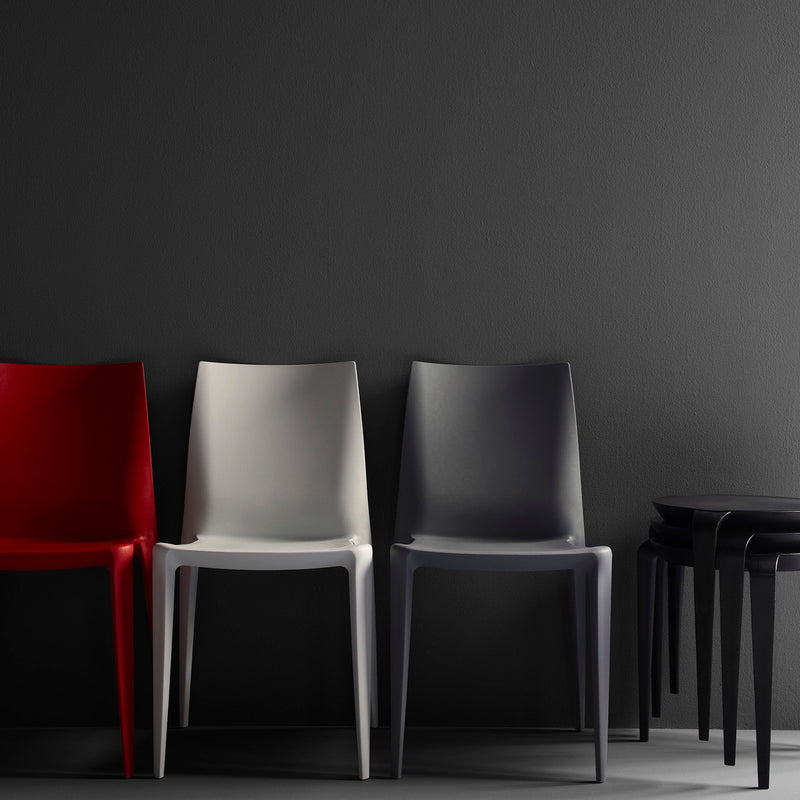
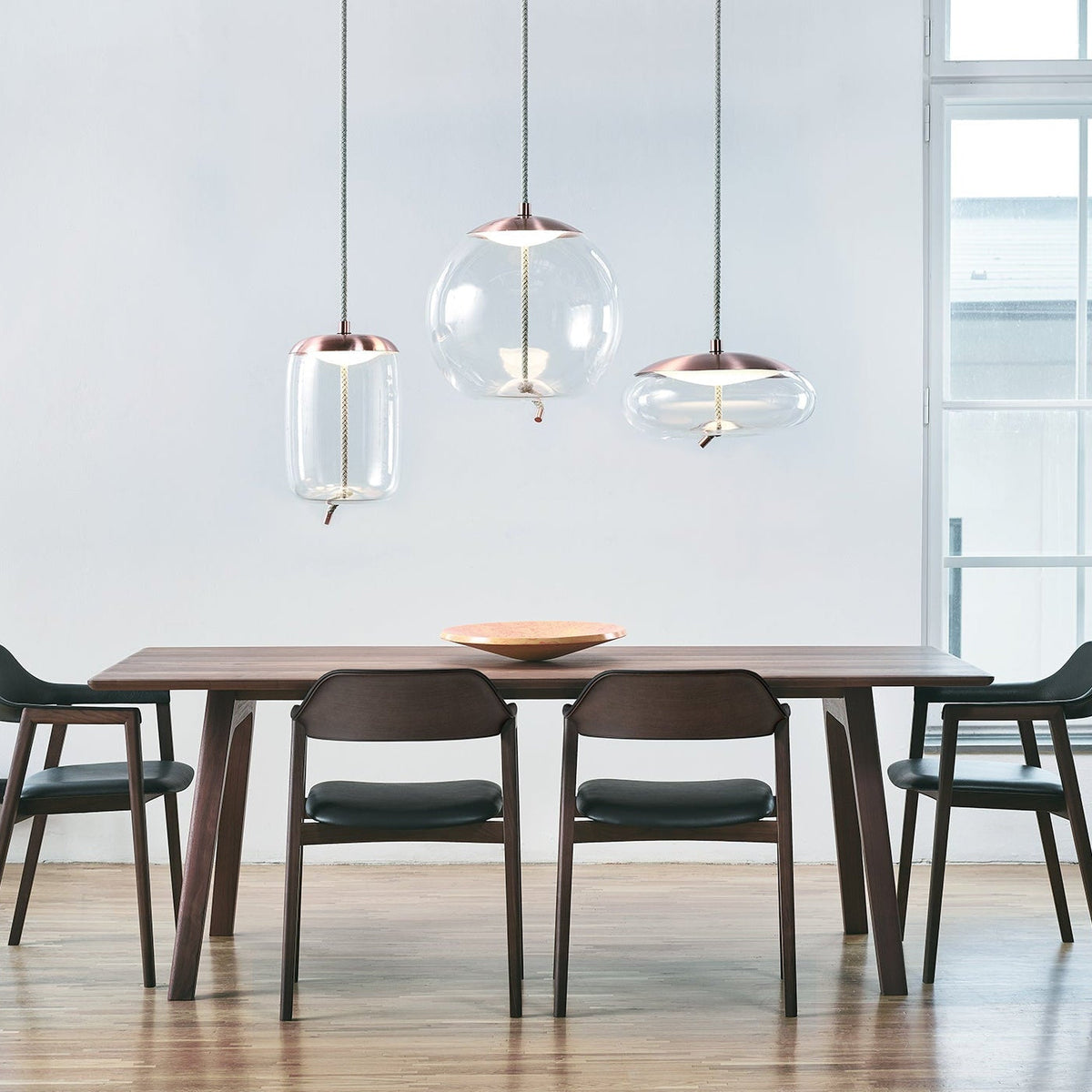
CondeHouse was founded on September 14, 1968, in Asahikawa, on the northern Japanese island of Hokkaido, by Minoru Nagahara, who had spent three and a half years studying furniture-making at a technical university in Rosenheim, West Germany, before coming home to start a workshop. Nearly six decades later, the company still builds from Hokkaido oak and ash — species that make up roughly three-quarters of its material — in a factory where the entire staff plants trees once a year. Comosum carries CondeHouse for that combination of exacting joinery and a supply chain the company has spent decades tending by hand.
The Background on CondeHouse
Nagahara's training in Rosenheim mattered because it exposed him to German joinery and machine-assisted woodworking at a time when Japanese furniture-making was still almost entirely hand-tool based. He brought that hybrid approach back to Asahikawa and, with a handful of other furniture enthusiasts, founded what became CondeHouse in 1968. Asahikawa was already a logging town, sitting in the middle of Hokkaido's hardwood forests, which gave the young company a wood supply on its doorstep rather than one it had to import.
The company has grown to nearly 300 employees, with products sold in more than 19 countries and branches across Japan, the United States, and Europe, but the Asahikawa factory has stayed the center of the operation. One of its more distinctive recent designs, the TEN collection — sold at Comosum as the Ten Armchair — was engineered around aeronautical principles: a sturdy internal skeleton wrapped in a lightweight outer skin, which is an unusual place to borrow structural logic from for a dining chair, and it shows in how little material the frame actually uses relative to its load. Michael Schneider, the designer behind both the TEN collection and CondeHouse's YON table line, is one of several outside designers CondeHouse works with alongside its in-house team.
How CondeHouse Sources and Builds
Materials
CondeHouse draws roughly 75% of its wood from Hokkaido-grown Japanese oak and ash, harvested from the forests surrounding Asahikawa rather than shipped in from elsewhere. The company has planted trees in those same forests every year since 2000, an internal replanting practice rather than a third-party forestry certification — CondeHouse does not publish FSC or PEFC chain-of-custody certification for its wood, which is worth stating plainly rather than implying a credential the company hasn't published.
Manufacturing
Production combines computer-controlled cutting for dimensional precision with hand-finishing for the joinery and surface details that CondeHouse says are best left to a person rather than a machine. The company describes a goal of using "every last piece" of each harvested tree, which shows up in smaller-format products built from off-cuts rather than fresh-milled stock. All of it happens at the single Asahikawa factory the company has operated since 1968.
Certifications & Recognition
CondeHouse's public sustainability case rests on operational practice — an annual factory-wide tree-planting tradition dating to 2000, a majority-local wood supply, and a stated low-waste milling process — rather than a portfolio of third-party certifications. That's a thinner paper trail than a B Corp or FSC-certified competitor can offer, and it's worth saying so directly: what CondeHouse has instead is a design and supply chain that hasn't materially changed in decades, which is its own kind of evidence.
Why CondeHouse Belongs at Comosum
We carry CondeHouse because Japanese solid-wood joinery is a genuinely different craft tradition than the Belgian, Danish, and American brands that make up most of Comosum's wood furniture — and because a company that plants trees in the same forest it harvests from for 25 years running is demonstrating a supply relationship, not just describing one. The MOM Round Extension Table and its square counterpart show the joinery at its most functional: an extension leaf stored inside the table itself rather than requiring separate storage. The YON Round Table, with its sculptural birch legs positioned clear of anyone's knees, is closer to the design-forward end of the range. None of this is a substitute for third-party wood certification, and we're not going to pretend it is — see our certification glossary for what FSC and similar labels actually verify. What CondeHouse offers instead is a slower, visibly accountable version of solid-wood manufacturing, which is exactly the kind of trade-off our Japandi-style, FSC-certified brand guide encourages readers to weigh brand by brand.
Explore CondeHouse at Comosum
- Ten Armchair — a solid-wood dining and lounge chair engineered around an internal skeleton-and-skin structure, designed by Michael Schneider.
- YON Round Table — a 43-inch birch-top round table on sculptural, exacting-joinery legs, also designed by Michael Schneider.
- MOM Round Extension Table — a round Japanese ash table that extends nearly 20 inches with a leaf stored inside its own base.
- MOM Square Extension Table — the square version of the MOM, seating four at rest and extending to 55 inches for guests.
Browse CondeHouse furniture at Comosum →
Frequently Asked Questions About CondeHouse
Where is CondeHouse furniture made?
CondeHouse furniture is made in a single factory in Asahikawa, on the Japanese island of Hokkaido, where the company has operated since it was founded in 1968.
Is CondeHouse furniture sustainable?
CondeHouse sources roughly 75% of its wood from Hokkaido-grown oak and ash and has planted replacement trees in the surrounding forests every year since 2000, but it does not publish FSC or other third-party wood certification. Its sustainability case rests on operational practice rather than certified credentials.
What wood does CondeHouse use?
Primarily Japanese oak and ash grown in Hokkaido, along with walnut on select pieces, milled at the company's Asahikawa factory using a combination of computer-guided cutting and hand-finishing.
Who designs for CondeHouse?
CondeHouse works with outside designers alongside its in-house team; Michael Schneider designed both the TEN collection (sold at Comosum as the Ten Armchair) and the YON table line.
What makes the TEN collection's construction unusual?
The TEN collection's frame is built around aeronautical engineering principles — a sturdy internal skeleton wrapped in a lightweight outer skin — rather than the thicker, solid-through construction typical of most dining chairs.


Leave a comment
This site is protected by hCaptcha and the hCaptcha Privacy Policy and Terms of Service apply.