
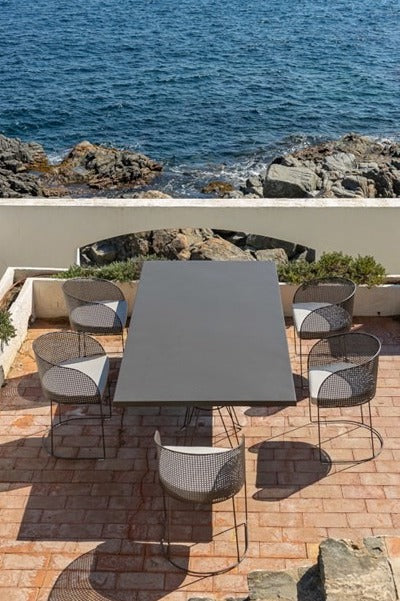
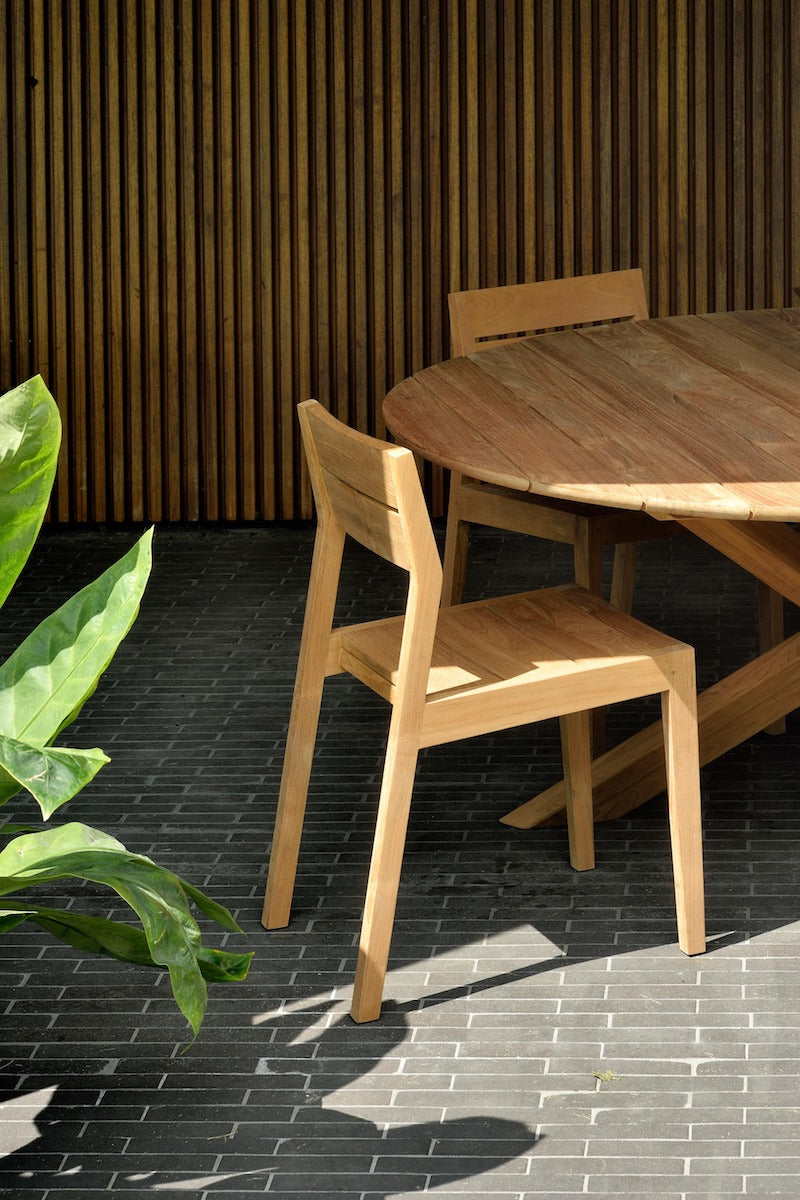
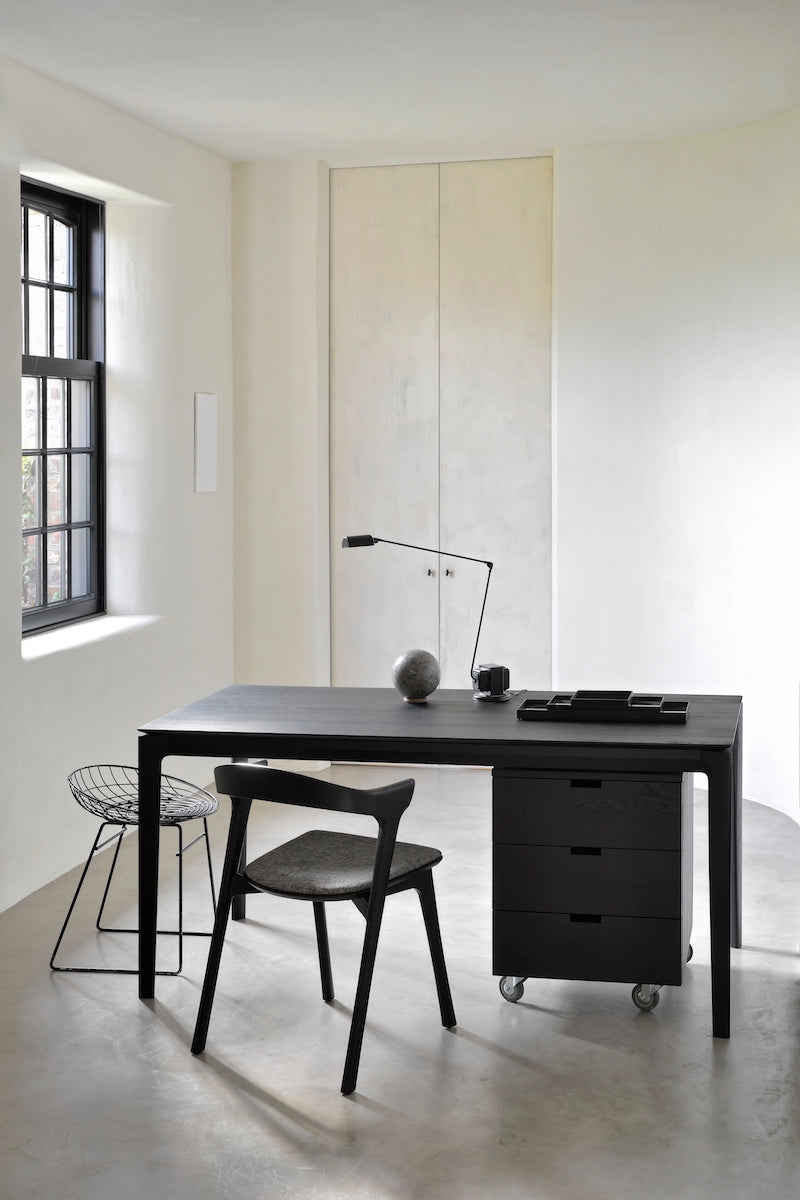
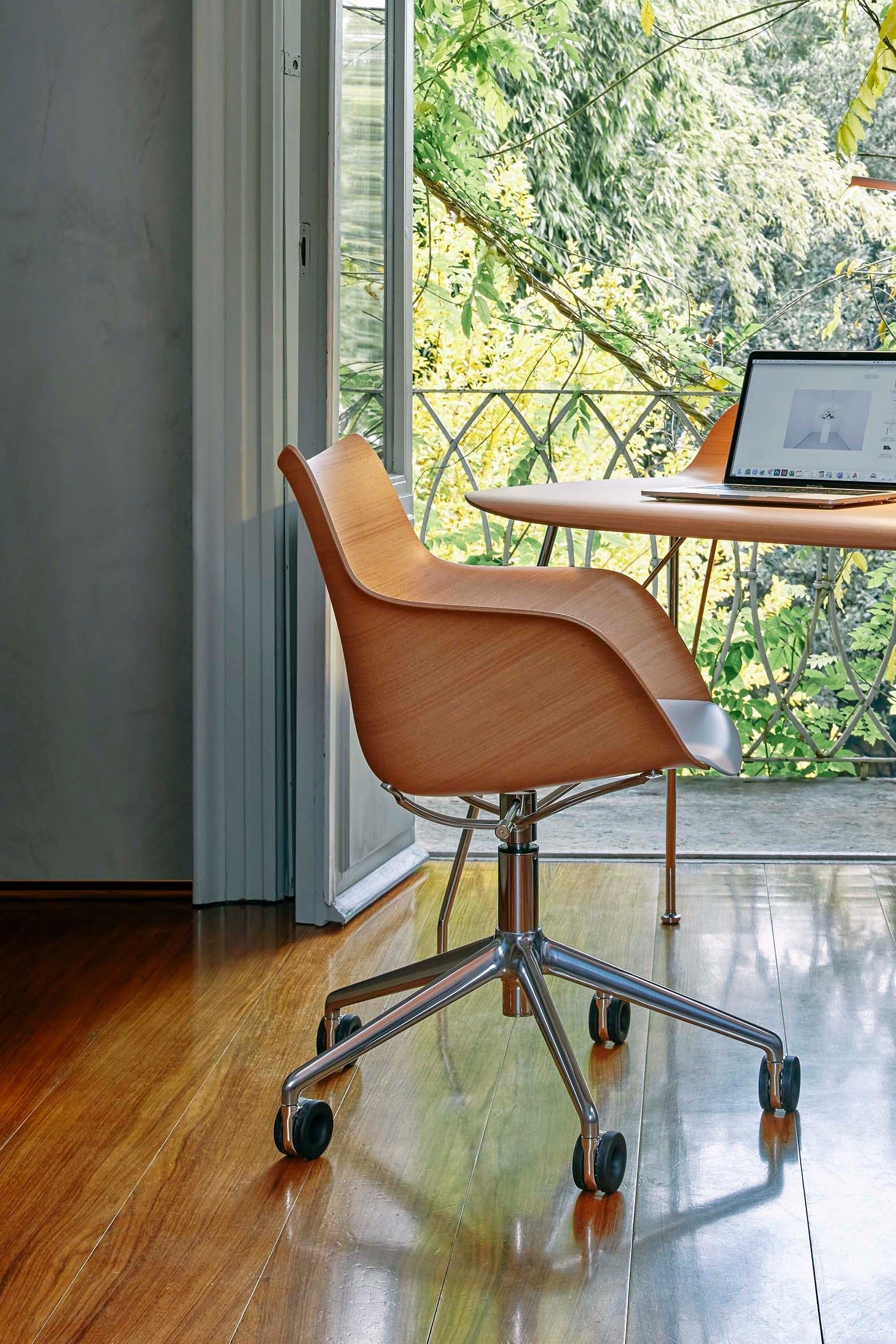
Fermob and Cane-Line are the two most-asked-about sustainable outdoor furniture brands in our catalog. Fermob is a French manufacturer founded in 1953, ISO 14001 certified since 2010, producing powder-coated steel and aluminum furniture at three factories in the Lyon region. Cane-Line is a Danish brand founded in 1986 whose outdoor collection is built around FSC-certified Grade A teak and a proprietary all-weather Cane-Line Fibre weave. Both meet credible sustainability standards. The right choice depends on whether you want metal or wood, color or patina, and a Parisian café aesthetic or a Scandinavian one.
Why the Comparison Matters
Outdoor furniture is one of the categories where greenwashing is most common. A patio table that is "weather-resistant" can still be assembled from formaldehyde-impregnated MDF, painted with solvent-based outdoor enamel, and dumped into landfill three seasons later. Both Fermob and Cane-Line have built their brands around materials, certifications, and design provenance that hold up to scrutiny — but they have done it in very different ways.
Fermob is descended from a 1889 Parisian metalworker's atelier and has stayed in the metal-furniture lane for more than a century. Its Bistro chair is a contemporary version of the same folding café chair that has been used in French gardens since the 1880s, now finished in a 24-color powder-coat palette and rated for outdoor use. The brand has been ISO 14001 environmental-management certified since 2010 (Fermob brand page).
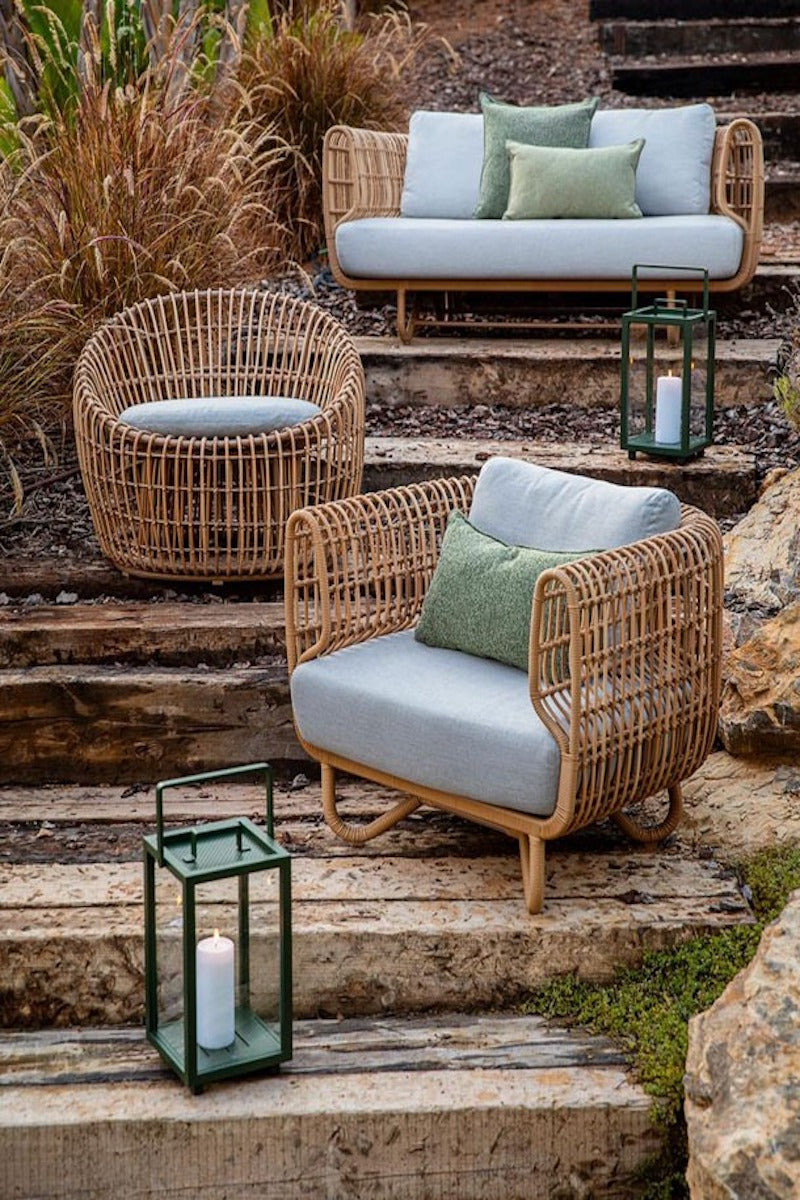
Cane-Line was founded in Denmark in 1986 by Henning Lund Madsen and has built its reputation on FSC-certified Grade A teak from sustainably managed forests, combined with its proprietary Cane-Line Fibre weave and Tex woven seating. The brand publishes annual responsibility reports and details its supply-chain audits on its responsibility principles page.
Head-to-Head: How They Compare
The two brands differ across four practical dimensions.
Materials
Fermob builds in powder-coated steel and aluminum. The metals are themselves highly recyclable (steel is the most recycled material on earth by mass), and Fermob says its products are designed to be up to 98% recyclable at end of life. The powder-coat finish is solvent-free, applied dry, and oven-cured — a far lower-emission process than wet-paint enamel.
Cane-Line builds in three primary materials: FSC-certified Grade A teak (the densest, most weather-resistant teak grade); the proprietary Cane-Line Fibre, a UV- and chlorine-resistant outdoor weave; and powder-coated aluminum on certain frames. Teak weathers to a silver-grey patina if left untreated, or stays honey-brown with periodic oil. The wood is sourced from Indonesian plantations with full chain-of-custody documentation via FSC (Forest Stewardship Council).
Manufacturing
Fermob operates three factories in the Lyon region of France, where designs are produced, powder-coated, and assembled in-country. ISO 14001 since 2010. Annual sustainability reporting.
Cane-Line works with long-standing manufacturing partners in Southeast Asia for teak production, with Danish design oversight and chain-of-custody auditing. Final assembly and finishing for many ranges happens in Denmark.
Aesthetic & Design Language
Fermob is unmistakably French. The Bistro, Luxembourg, and Bagatelle ranges are direct descendants of the cast-iron and bent-steel café furniture that defined Parisian public gardens. The 24-color palette skews bold: Acapulco Blue, Cactus, Cedar Green, Black Cherry. If your aesthetic is the Sustainable Furnishings Council's version of a Tuileries garden, Fermob is the obvious answer.
Cane-Line is Scandinavian. Designs from Strand+Hvass and other Danish studios emphasize natural materials, restrained color, and the kind of joinery (mortise and tenon, traditional finger joints in the Flip series) that you would find indoors as well. If you want outdoor furniture that looks like it could be inside, Cane-Line is the answer.
Lifespan & Care
Powder-coated Fermob steel and aluminum are essentially maintenance-free if kept reasonably dry — wipe them down and store them under a cover in heavy snow. Color holds for decades if not constantly abraded. Replacement parts (specific powder-coated components, glides, hinge pins) are available through Fermob's French distribution network rather than treated as one-time-only consumables.
Cane-Line teak ages over the first season into a silvery patina. If you want to keep it honey-coloured, apply teak oil twice a year. Cane-Line Fibre needs no maintenance other than rinsing. Replacement cushions, woven-seat panels, and slings are stocked by Cane-Line specifically so that a chair's frame can outlast multiple sets of soft components.
Price & Positioning
Fermob's iconic Bistro chair starts around $160, with the Luxembourg and Bellevie ranges sitting in the $500–$1,000 range per seat — squarely in the middle of the European designer-outdoor segment. Cane-Line teak runs higher per piece ($1,000–$3,500 for the Flip range), reflecting both the Grade A teak commodity price and the labor in the mortise-and-tenon joinery. Per dollar of lifespan, both brands work out similarly — Fermob through replaceable powder-coat finishes, Cane-Line through long-lived hardwood frames.
Why We Carry Both at Comosum
We carry both because they fit different homes. Fermob suits patios, balconies, and rooftops where color and stackability matter more than wood grain, and where steel's recyclability is a meaningful end-of-life consideration. Cane-Line suits backyards, decks, and porches where the furniture lives outside year-round and where the customer wants the texture of teak to age into the setting.
We are also drawn to both because their design histories are documented. Fermob's Bistro line traces directly to the 1889 Parisian park-furniture archetype; Cane-Line's Flip range was designed by Danish duo Strand+Hvass with the kind of folding-joint provenance you would expect from a Hans Wegner workshop. Both fit our broader curation of sustainable furniture brands where the design lineage is verifiable, and our outdoor furniture collection is built around them. For a deeper materials comparison, see our sustainable sofas guide on indoor seating built to comparable standards.
Explore Fermob & Cane-Line at Comosum
A starting set from each brand:
Fermob (French metal, powder-coated):
- Fermob Bistro Metal Chair — the contemporary version of the 1889 Parisian café archetype, folding, stackable, in 12 colours.
- Fermob Luxembourg Side Chair — Frédéric Sofia's 2003 reinterpretation of the 1923 Jardin du Luxembourg chair, stackable, aluminum.
- Fermob Bistro 30" Round Folding Table — the most-versatile size in the Bistro range, six colourways.
Cane-Line (Danish FSC teak):
- Cane-Line Flip Lounge Chair — Strand+Hvass's Grade A teak lounge chair with traditional folding joinery.
- Cane-Line Flip Folding Arm Chair — the dining counterpart to the lounge chair, Grade A teak.
Browse the full outdoor furniture collection at Comosum →
Frequently Asked Questions About Fermob vs. Cane-Line
Is Fermob furniture sustainable?
Fermob has been ISO 14001 environmental-management certified since 2010, produces in three factories in the Lyon region of France, and designs its products to be up to 98% recyclable through the metals themselves. The brand publishes annual sustainability reports.
Is Cane-Line teak sustainable?
Cane-Line sources Grade A teak from FSC-certified plantations with full chain-of-custody documentation. The brand publishes its sourcing policies on its responsibility principles page and undergoes annual third-party audits of its supply chain.
Which brand is better for cold-climate use?
Both. Fermob's powder-coated steel and aluminum are unaffected by freezing temperatures and can stay outside year-round in most climates. Cane-Line's Grade A teak naturally tolerates freeze-thaw cycles thanks to its high silica content, but should be lightly oiled or left to grey naturally rather than coated in a film-forming sealer.
Does Fermob make outdoor lighting?
Yes — Fermob's Aplô and Balad² portable LED lamps are made from the same powder-coated metal frames as its furniture, are IP54-rated for outdoor use, and are USB-C rechargeable. See our sustainable lighting buying guide for more.
Can I mix Fermob and Cane-Line on the same patio?
Yes. The most common mix we see is a Cane-Line teak dining table with Fermob Bistro or Luxembourg chairs in a single accent colour — wood softens the metal, and the colour ties the set together visually. Both brands are designed to be combined with other materials.
Which is better for a small balcony?
Fermob, almost always. The Bistro and Luxembourg lines are stackable, fold flat for storage, and ship in a single accent colour that can re-skin a small space without overpowering it. Cane-Line's teak pieces are bulkier and rarely fold, which is part of why they read so well in larger gardens but compete poorly with railings on a 4-by-8 balcony.
How long does powder-coated outdoor furniture last?
Fermob's powder-coat finish is typically rated for 10–15 years of outdoor use before any meaningful fading or chalking, longer if the furniture is brought in during off-season. The underlying steel and aluminum frames themselves can last several decades, and Fermob's color-match service makes refinishing possible if the powder-coat does eventually wear.

Leave a comment
This site is protected by hCaptcha and the hCaptcha Privacy Policy and Terms of Service apply.