

Fall living room decor in 2026 is less about buying and more about layering: warm woods, wool and bouclé textiles, and deep saturated tones added to furniture you already own. The method matters because most seasonal decorating produces landfill — a rug bought in October and discarded by March. At Comosum, we think the better approach is three or four durable additions, chosen once, that carry a room through a decade of autumns.
Why Layering Beats Redecorating
Every September the same impulse arrives: the light changes, the room feels cold, and something needs to happen. The furniture industry has a well-rehearsed answer to that impulse, and it involves a shopping cart full of items designed to last exactly one season.
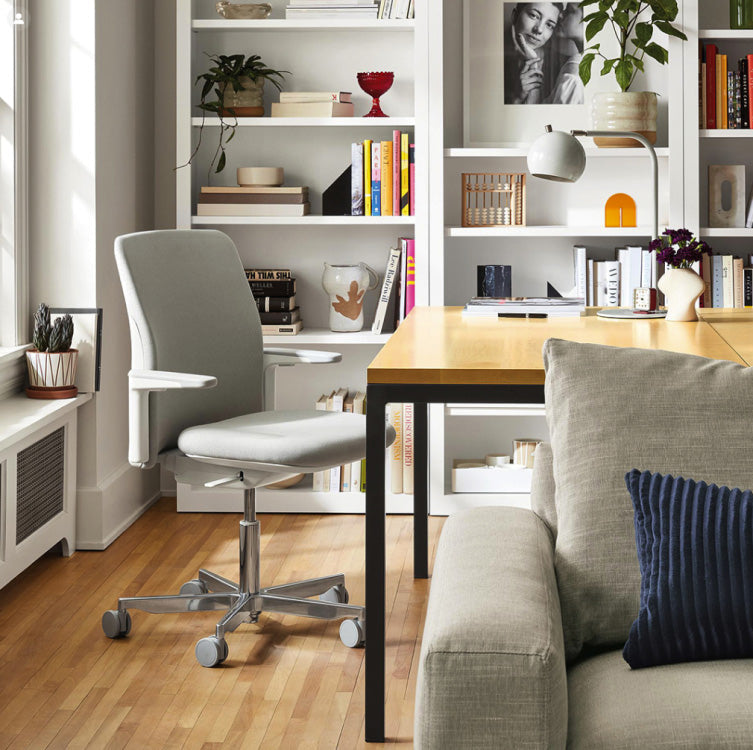
Layering is the alternative, and it is not a compromise. A living room that reads as warm in October is rarely a room where the sofa changed. It is a room where the light got warmer, a wool rug appeared underfoot, and one wooden object with visible grain entered the frame. The sofa is the same sofa.
This is a practical distinction, not an aesthetic one. Sofas, dining tables and casegoods are the expensive, long-cycle purchases — you buy them roughly once a decade and you should buy them carefully. Rugs, side tables, throws and lamps are the short-cycle layer, and that is precisely where fast furniture does its damage, because low-cost seasonal decor is designed with no expectation of a second life. Buying the short-cycle layer as though it were the long-cycle layer is the whole trick.
If you want the background on why the palette itself has shifted toward clay, walnut and terracotta, we covered that in our piece on warm minimalism and earth tones. This guide is about execution: what to actually do, and in what order.
The Four Moves, in Order
1. Fix the light before you buy anything
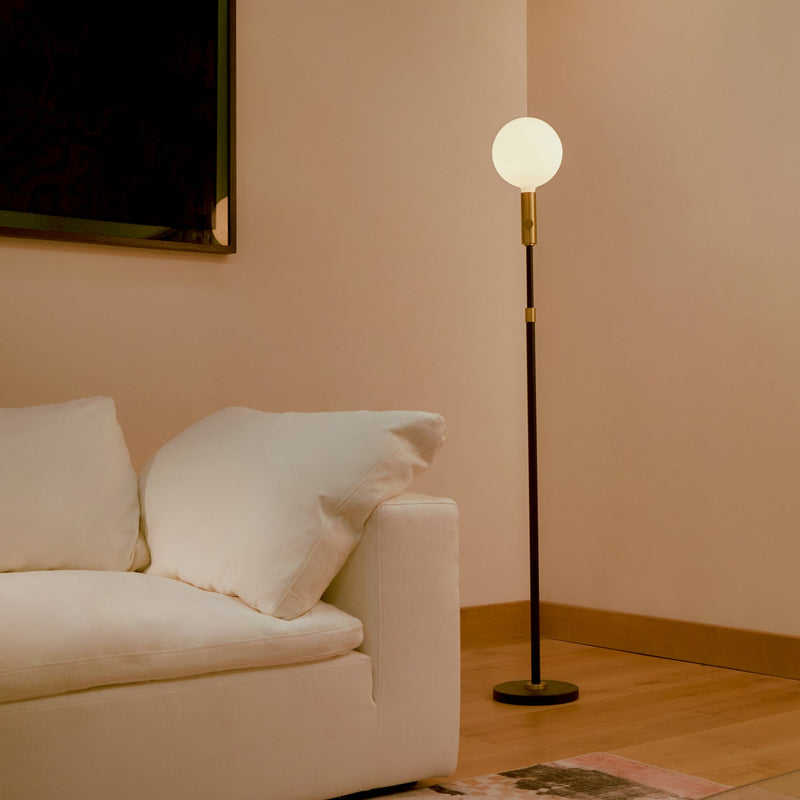
The cheapest change in the room is colour temperature. A living room lit at 4000K reads clinical no matter what you put in it; the same room at 2700K reads like autumn. Before buying a single object, swap to warm-white bulbs and add a second, lower light source — a table lamp at seated eye level rather than one ceiling fixture doing all the work. Most rooms that feel cold in October are not under-furnished. They are over-lit from above.
2. Add one wood anchor with visible grain
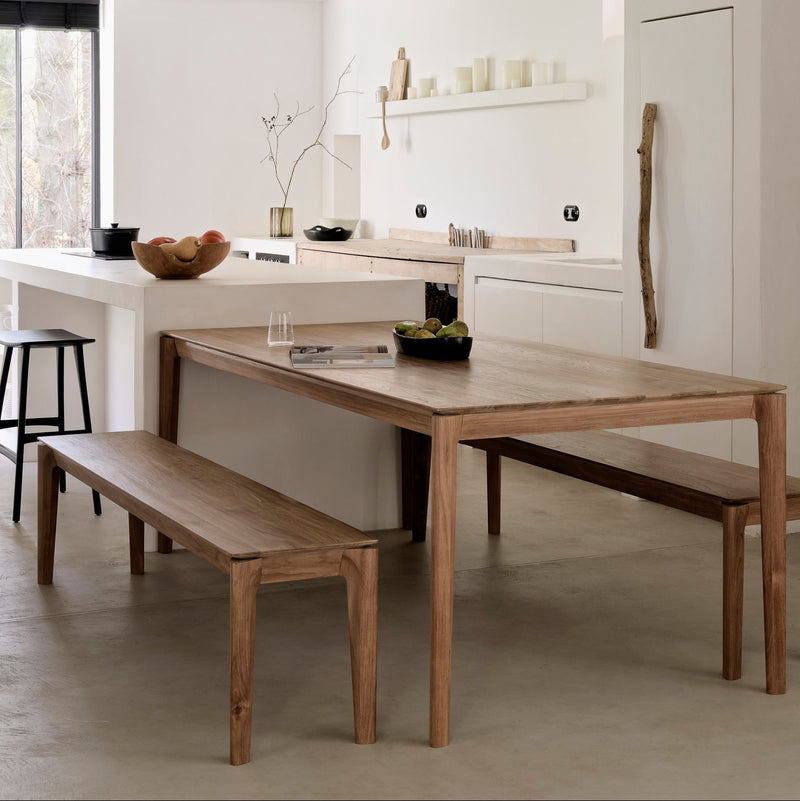
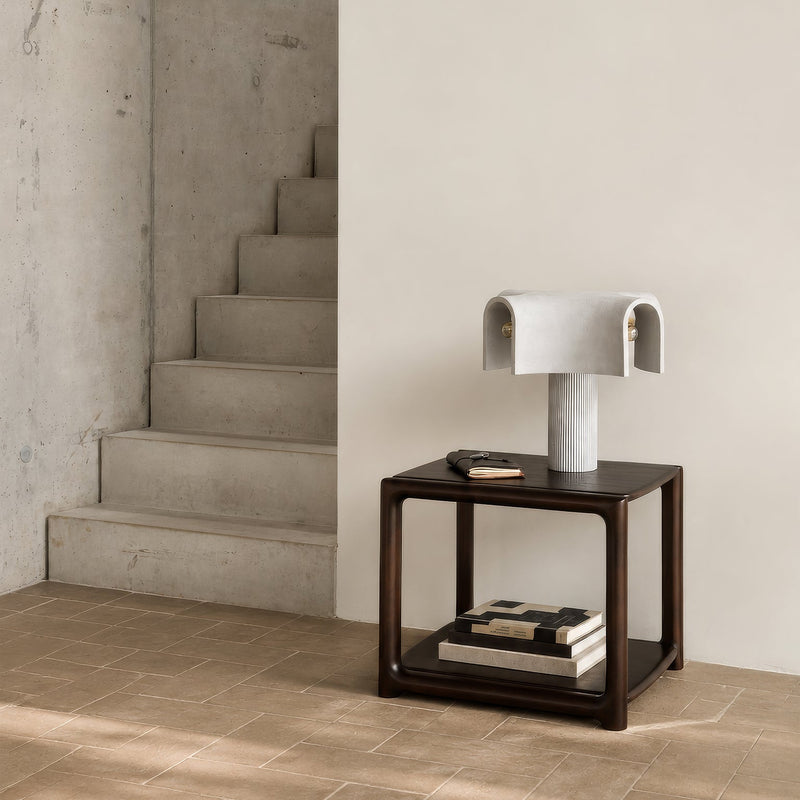
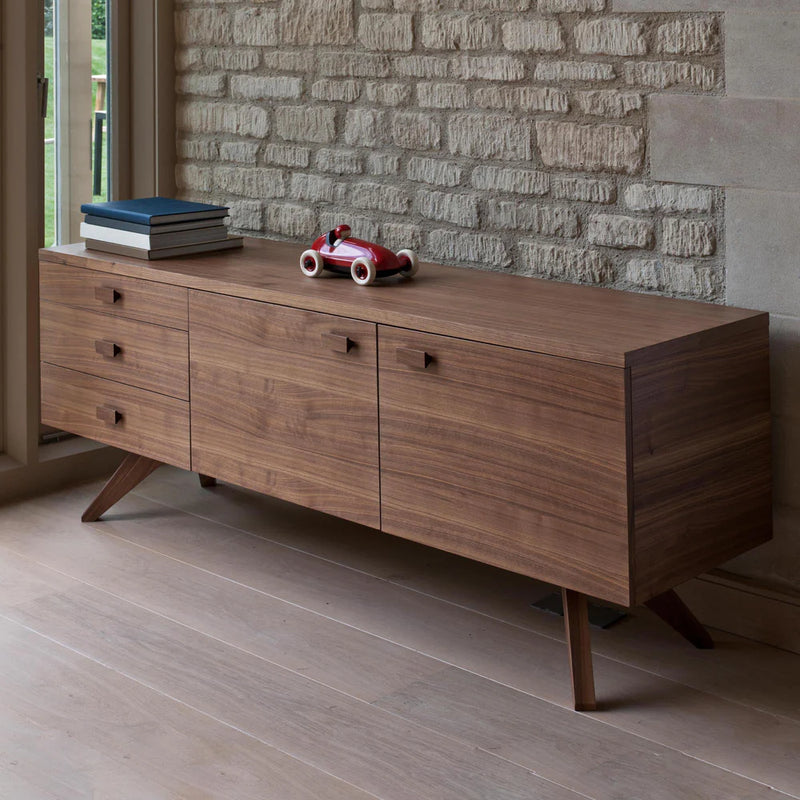
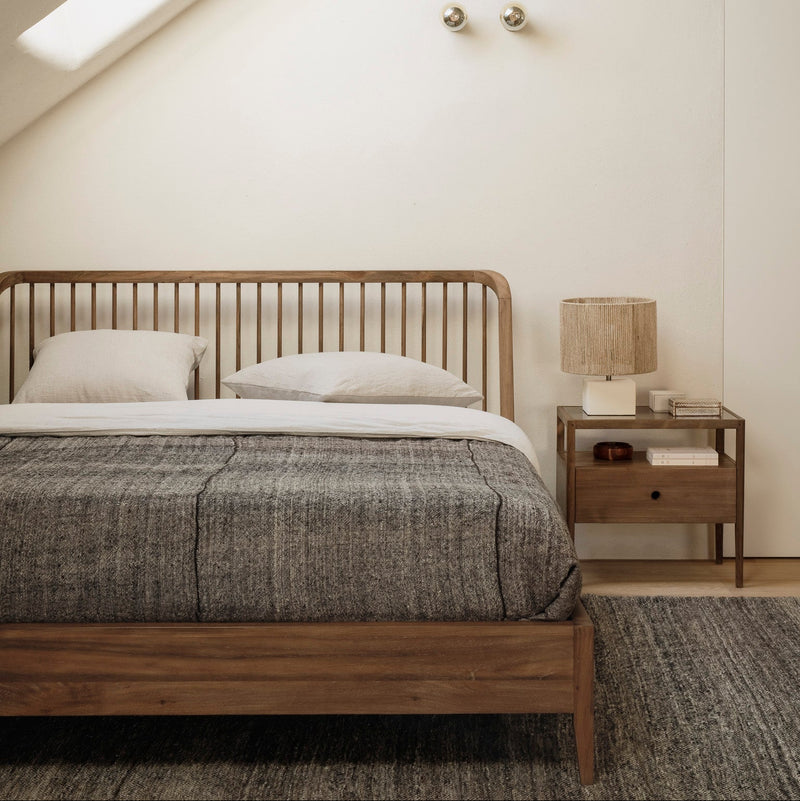
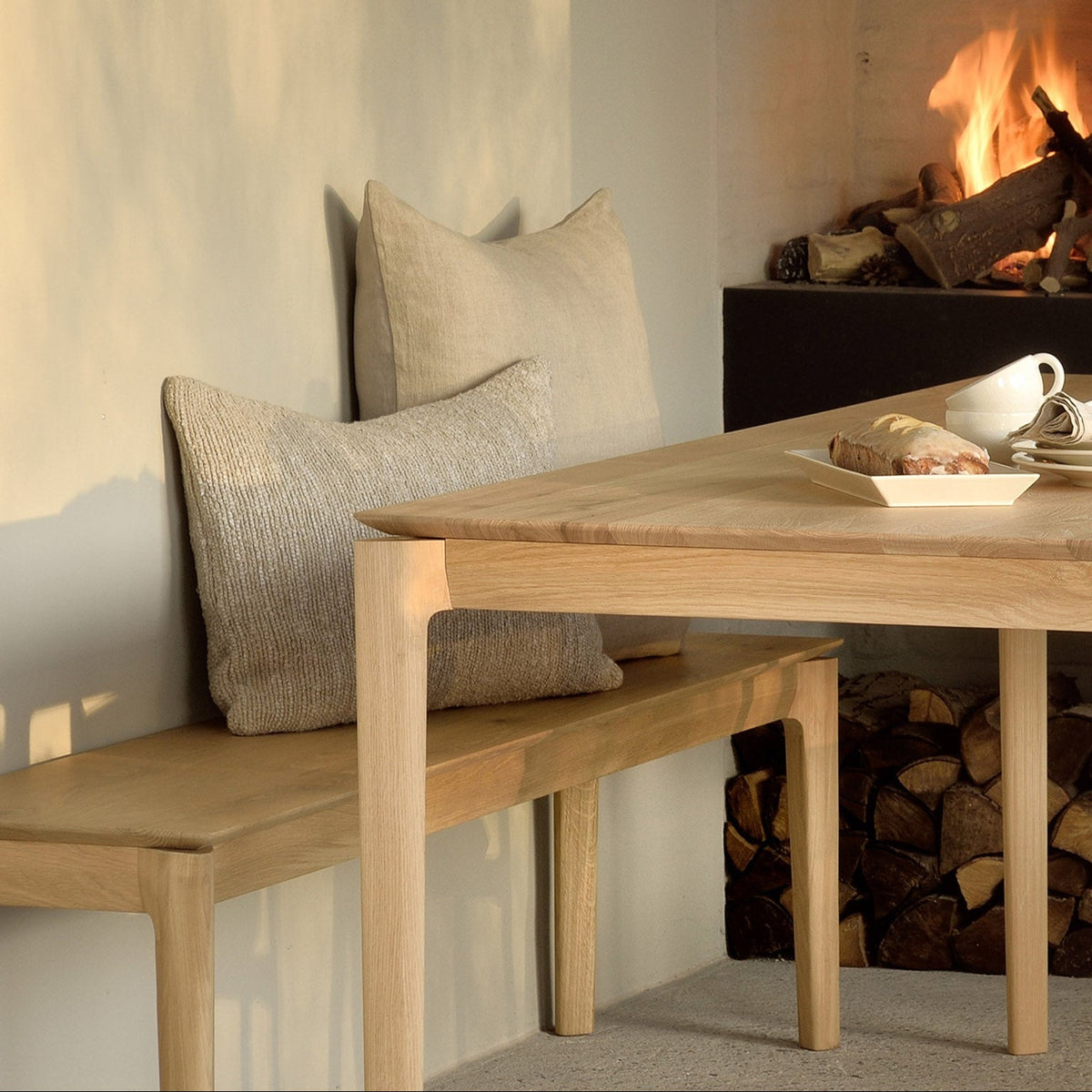
Warmth in a room usually comes from one honest material doing the heavy lifting. A solid mahogany or walnut surface — a coffee table, a side table, a sideboard — introduces grain, depth and a colour that painted furniture cannot fake. One piece is enough. Two competing wood tones in a small room read as clutter, not warmth.
3. Layer textiles that can survive being used
This is where seasonal decorating usually goes wrong. A throw that pills after four washes and a cushion cover that fades by spring are not decor, they are consumables. Wool, cotton and bouclé in undyed or naturally dyed tones will still be in the room in five years. Look for OEKO-TEX Standard 100 certification, which tests textiles for harmful substances across every component, from the yarn to the thread.
4. Ground it with a rug you would keep
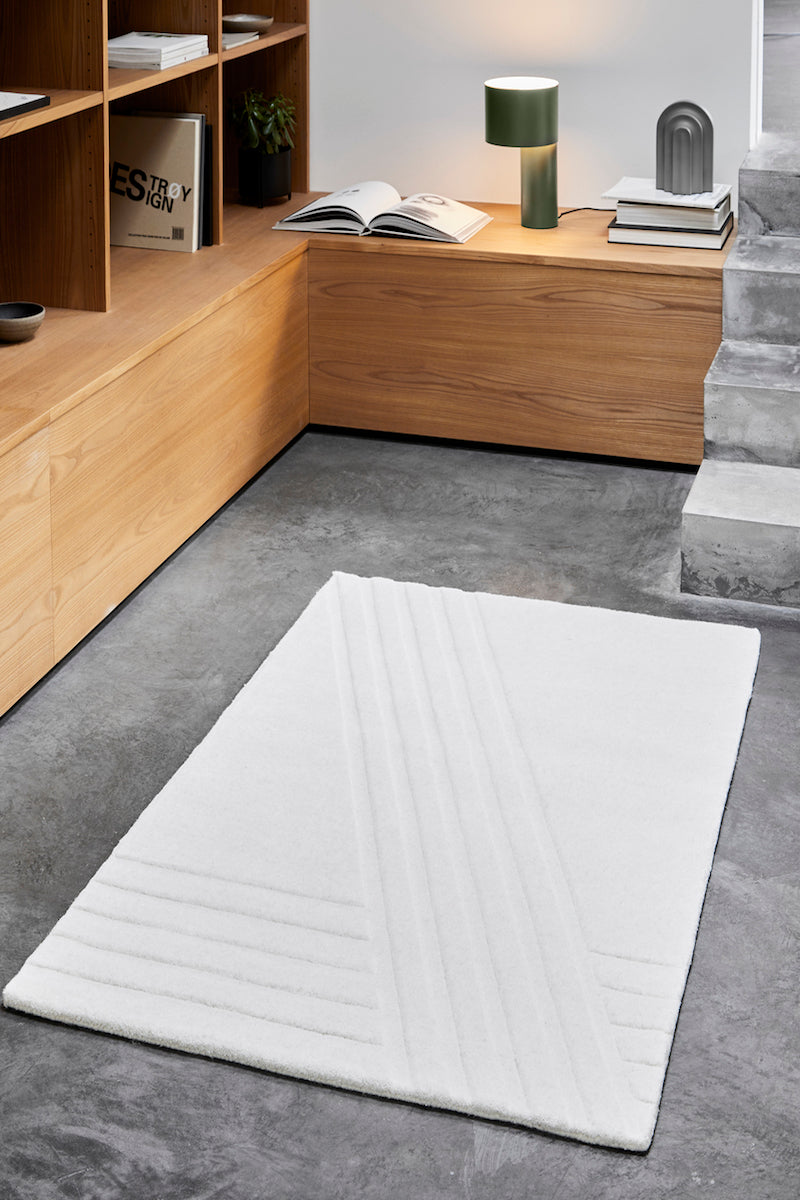
A rug is the largest single colour decision in most living rooms and the one most often made cheaply. Hand-tufted wool costs more upfront than a machine-made synthetic, resists crushing under furniture legs, and can be cleaned rather than replaced. If your budget only stretches to one considered purchase this autumn, this is the one that changes the room most.
The Materials That Make Warm Layering Last
Wood
Solid timber is the material most responsible for the fall palette, and the sourcing question matters. Ethnicraft, the Belgian maker behind much of our solid-wood assortment, reuses production waste — leftover logs, offcuts and sawdust — as fuel for its drying ovens or as feedstock for pellets, and opened a woodworking training centre in Indonesia in 2018. Danish maker WOUD specifies FSC-certified oak and walnut on individual pieces such as its Array sideboard and Sentrum side table; the certification is listed on each product page rather than claimed brand-wide, which is the more honest way to do it.
Textiles
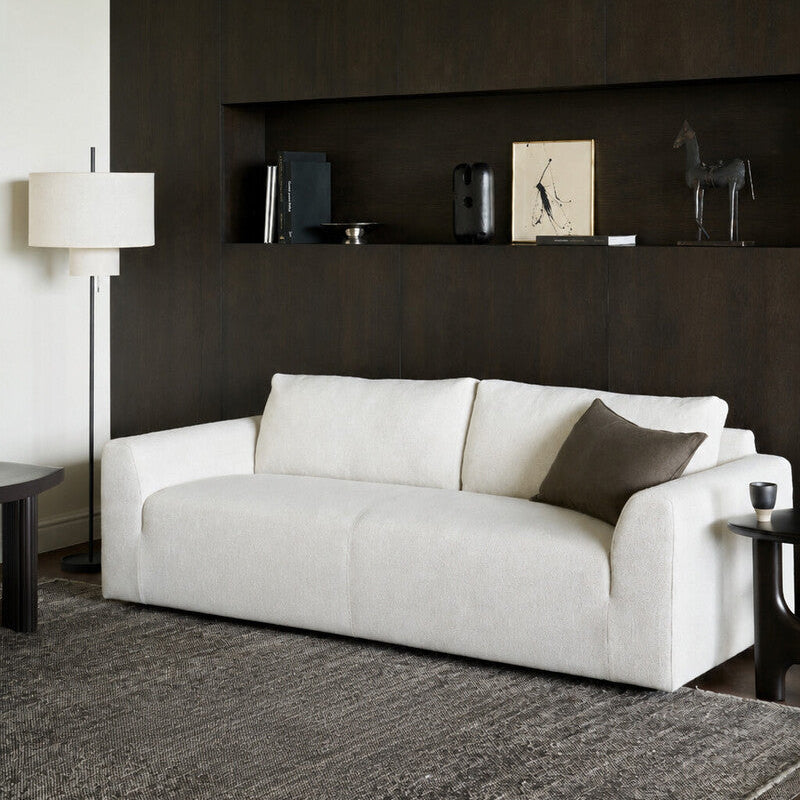
Upholstery and soft furnishings are where indoor air quality and durability intersect. The questions worth asking are whether the fabric has been tested for harmful substances, whether stain resistance comes from a PFAS-based treatment, and whether the cover can be removed and cleaned. Our guide to cleaning upholstered sofas without toxic treatments covers the maintenance side, which is what actually determines whether a sofa reaches its second decade.
Floor coverings
Wool remains the benchmark for living room rugs: it is naturally resilient, takes dye well, and is repairable by a specialist. Recycled synthetics have a real place at the threshold rather than the centre of the room — Norwegian maker Heymat weaves its mats from recycled PET yarn, which is the right material for a surface that meets wet boots every day.
Why We Recommend Layering Over Replacing
We sell furniture, so there is an obvious commercial argument for telling you to replace your sofa each autumn. We would rather not. The pieces we carry are priced as decade purchases, and the fastest way to lose a customer's trust is to sell them something they did not need.
What we do believe is that the short-cycle layer deserves the same scrutiny as the long-cycle one. A $448 wool rug that lasts fifteen years costs less per year than a $90 synthetic replaced every second winter, and it does not leave four rugs in a landfill along the way. The same logic applies to a side table, a lamp, a throw.
So our recommendation for fall is narrow on purpose: change the light, add one wood piece, add one textile layer, and ground the room with a rug worth keeping. Then stop. Browse our coffee tables, rugs, lounge chairs and sofas and sectionals, or see everyone we work with on our sustainable furniture brands page.
What to Shop at Comosum
- Ethnicraft Pi Coffee Table — Solid mahogany with a deep reddish grain that does more for a room's warmth than any cushion. From $969.
- Case Oar Rug — Hand-tufted wool designed by Eleanor Pritchard for London's Case Furniture. From $448.
- WOUD Sentrum Side Table — Hee Welling's side table in FSC-certified solid oak, available in a burnt orange that carries the autumn palette without repainting anything. From $699.
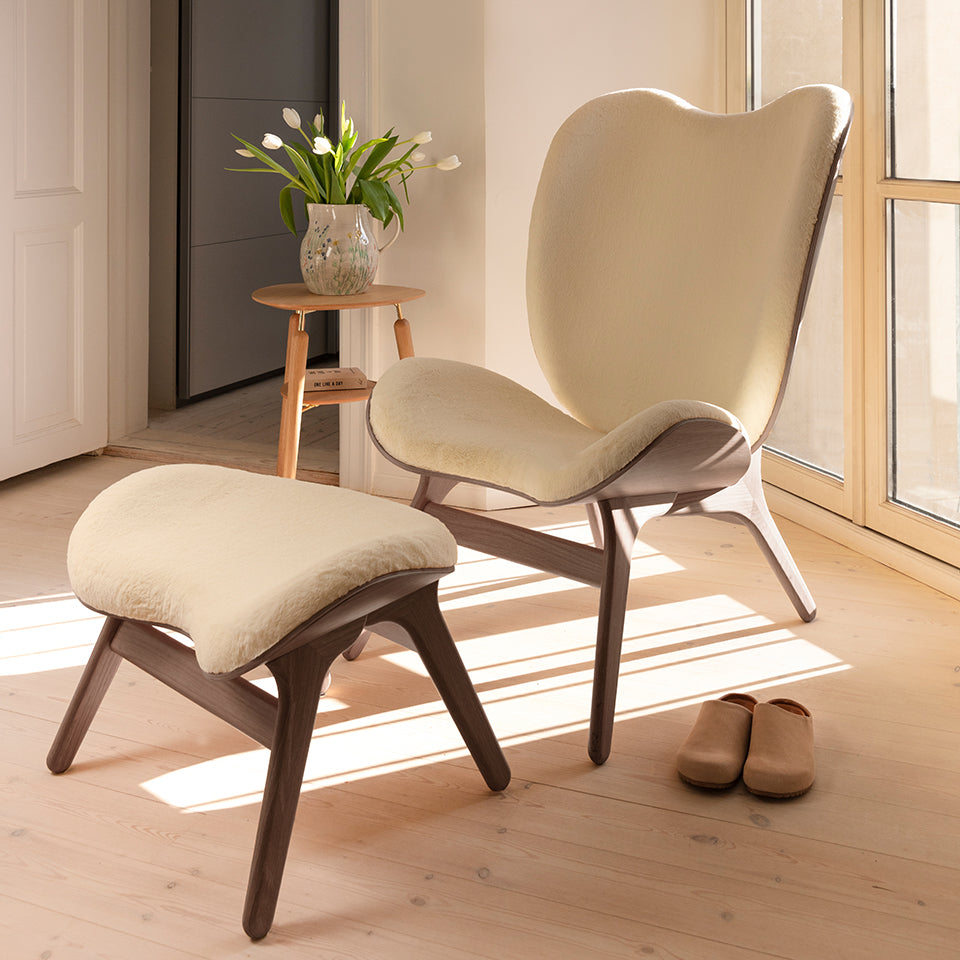
- UMAGE A Conversation Piece Lounge Chair, Tall — Dark oak legs and a textured upholstered shell: the second seat that turns a sofa into a room. From $3,299.
- WOUD Array Sideboard — Says Who's sideboard in FSC-certified solid walnut, for rooms where the wood anchor needs to hold storage too. From $2,049.
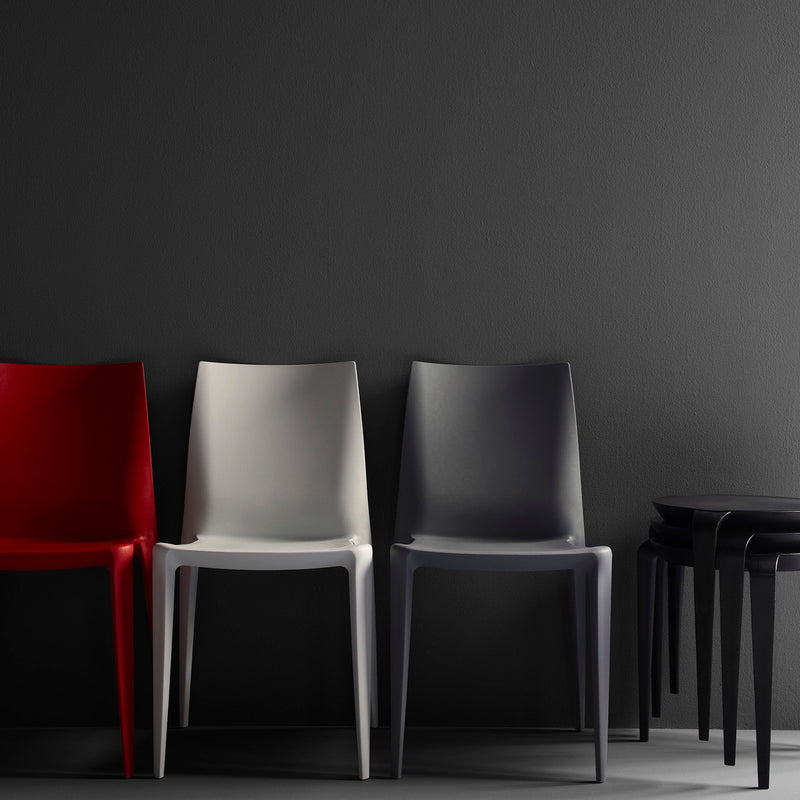
- Heller Vignelli Rocker — Massimo Vignelli's rocker in recyclable polyethylene, and a case for one deep saturated colour in an otherwise quiet room. From $940.
Browse the full WOUD collection and Heymat collection at Comosum →
Frequently Asked Questions About Fall Living Room Layering
How do I make a living room feel warmer for fall without buying new furniture?
Start with light: switch to warm-white bulbs around 2700K and add a second light source at seated height rather than relying on a ceiling fixture. Then add one wood object with visible grain and one wool or bouclé textile layer. Those three changes shift a room's temperature more than replacing a sofa does.
What colours define fall living rooms in 2026?
The palette runs warm and earthy: clay, terracotta, burnt orange, walnut and deep browns, set against soft whites rather than cool greys. The practical version is one saturated accent colour in a room that is otherwise quiet, which is easier to live with for several years than an entirely dark scheme.
Is a wool rug worth the extra cost over a synthetic one?
Over a long enough horizon, usually yes. Wool resists crushing under furniture legs, takes dye well, holds up to cleaning, and can be repaired by a specialist rather than discarded. A rug kept for fifteen years costs less per year than a cheap rug replaced every second winter, and produces far less waste.
What should I look for in fall textiles and upholstery?
Look for OEKO-TEX Standard 100 certification, which tests every component of a textile for harmful substances, and check whether stain resistance comes from a PFAS-based treatment. Removable, washable covers matter more than the fabric name, because maintenance is what determines whether upholstery reaches its second decade.
How many pieces should I actually add to layer a room for autumn?
Three or four is generally enough: a light change, one wood anchor, one textile layer, and a rug. Beyond that, most rooms start to read as cluttered rather than warm, and the additions stop earning their place.
The warmest rooms in autumn are rarely the newest ones. For the palette behind the shift, read our guide to warm minimalism and earth tones.


Leave a comment
This site is protected by hCaptcha and the hCaptcha Privacy Policy and Terms of Service apply.