




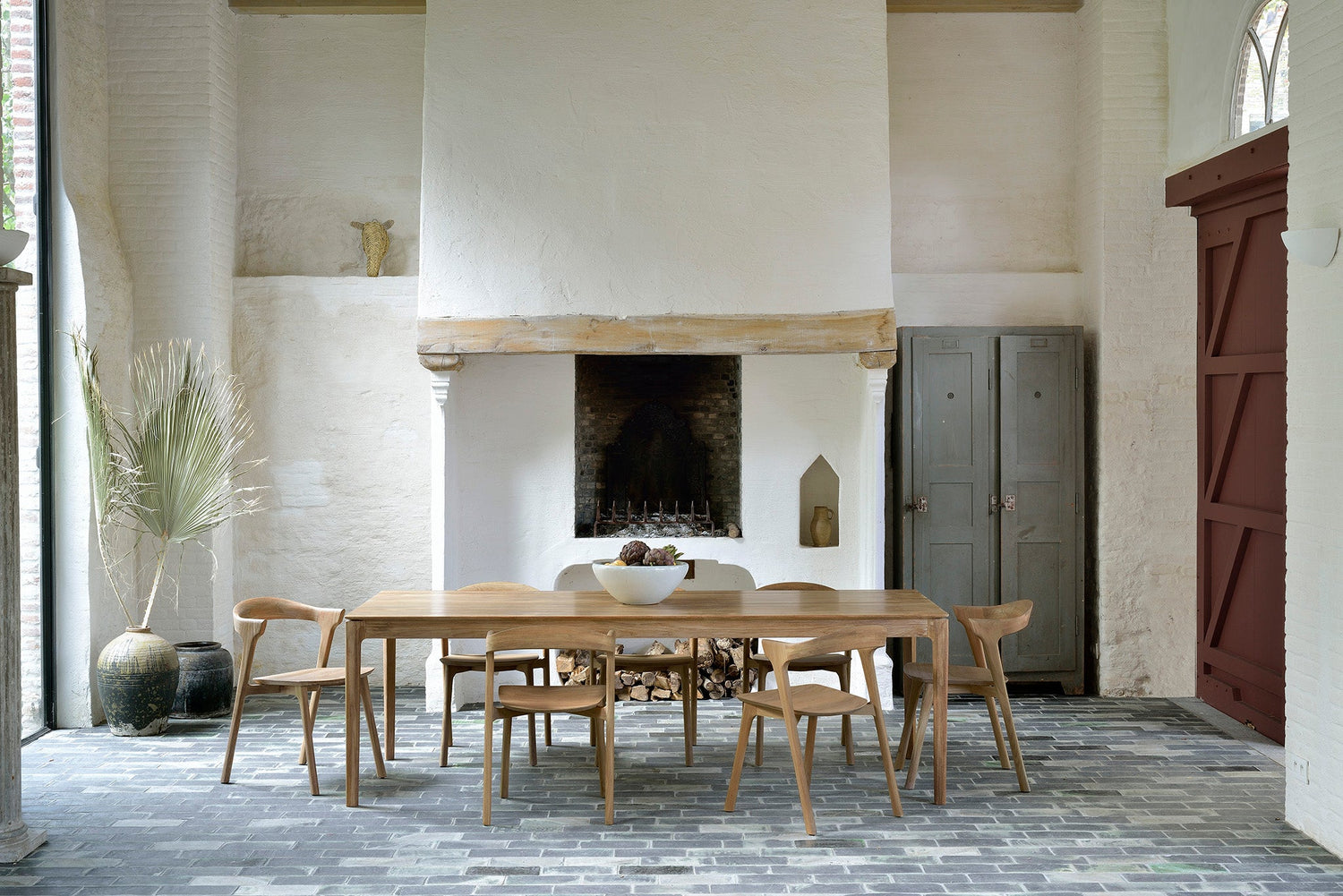
A zero-VOC finish is a furniture coating — a paint, oil, lacquer, or sealant — formulated to release little or no volatile organic compounds, the gases that off-gas from many solvent-based products and degrade indoor air. Because the U.S. EPA notes that indoor VOC levels often run several times higher than outdoor levels, the finish on a piece matters as much as the wood beneath it. At Comosum, we favor brands that seal solid wood with water-based coatings and natural oils rather than high-solvent lacquers.
What Does VOC Mean for Furniture?
VOC stands for volatile organic compound: a carbon-based chemical that evaporates readily at room temperature. In furniture, VOCs come mostly from finishes and adhesives — the solvents that carry a lacquer, the thinners in a stain, the binders in a glue. As those solvents evaporate and the coating cures, the compounds enter the air you breathe. The U.S. Environmental Protection Agency lists paints, varnishes, and wax among common indoor VOC sources and reports that concentrations of many organics are consistently higher indoors than out.
Not every VOC is dangerous, and a fully cured finish emits far less than a wet one. But the phrase “zero-VOC furniture finish” isn’t tightly regulated, so it pays to know what actually sits on the surface of a table or bed frame. A solvent-based polyurethane can keep off-gassing for weeks after it looks dry; a water-based or oil finish typically cures faster and cleaner. For a bedroom piece — where you spend eight or more hours a night at close range — that difference is worth understanding before you buy.
The Main Types of Low- and Zero-VOC Furniture Finishes
Finishes fall into a few families. Knowing them makes a spec sheet readable and a showroom claim easier to check.
Water-Based Coatings
Water-based (or “waterborne”) lacquers and polyurethanes use water as the primary carrier instead of petroleum solvents, which sharply lowers VOC content compared with traditional solvent-based coatings. They dry quickly, stay clear rather than ambering, and are the reason many modern Scandinavian pieces can carry ecolabels. FDB Møbler, for example, finishes several painted chairs with water-based paint under the Nordic Swan Ecolabel — a low-emission furniture finish you can verify on the product itself.
Natural Oils and Hardwax Oils
Oil finishes soak into the wood rather than forming a plastic film on top. Hardwax oils — such as those made by Osmo and Rubio Monocoat — blend natural oils and waxes to protect the surface while keeping a matte, tactile grain. They’re low in VOCs (Rubio Monocoat markets its hardwax oil as zero-VOC), easy to spot-repair, and forgiving over decades of use. Much of Ethnicraft’s solid oak is finished this way, which is also why an oiled table can be refreshed at home instead of professionally re-coated.
Soap, Lye, and Shellac
Older traditions still hold up. A soap finish — a Danish standard for pale beech and oak — is essentially just soap flakes and water, leaving raw-looking wood with no solvents at all. Shellac, made from a natural resin dissolved in alcohol, is food-safe once cured and off-gasses only the alcohol as it dries. Both are among the lowest-emission options available, though they ask for a little more upkeep than a modern water-based coat.
Why Zero-VOC Finishes Matter at Comosum
We think about finishes because they’re where sustainability and health quietly meet. A piece can be built from FSC-certified oak and still be sealed in a high-solvent lacquer that undoes much of the point. So when we curate, we look past the species of wood to how it’s protected — favoring water-based coatings, hardwax oils, and certified low-emission systems.
That’s a big reason our shelves lean toward brands like Ethnicraft, whose oiled oak can be maintained rather than replaced, and FDB Møbler, whose Nordic Swan Ecolabel paints keep emissions low without dulling the color. For pieces where air quality matters most — beds, nightstands, children’s furniture — we prioritize GREENGUARD Gold certification, which tests finished products against strict chemical-emission limits. It’s the same standard we point to across our non-toxic bedroom and materials guides, and it’s why a finish spec is never an afterthought here. You can read more about how we evaluate brands on our sustainable furniture brands page.
What to Shop at Comosum
A few pieces show what low- and zero-VOC finishes look like in practice, from an accessible entry point up:
- Ethnicraft Japan Board — $109. A solid-wood serving board finished with natural oil; a low-commitment way to see how an oiled surface feels and ages.
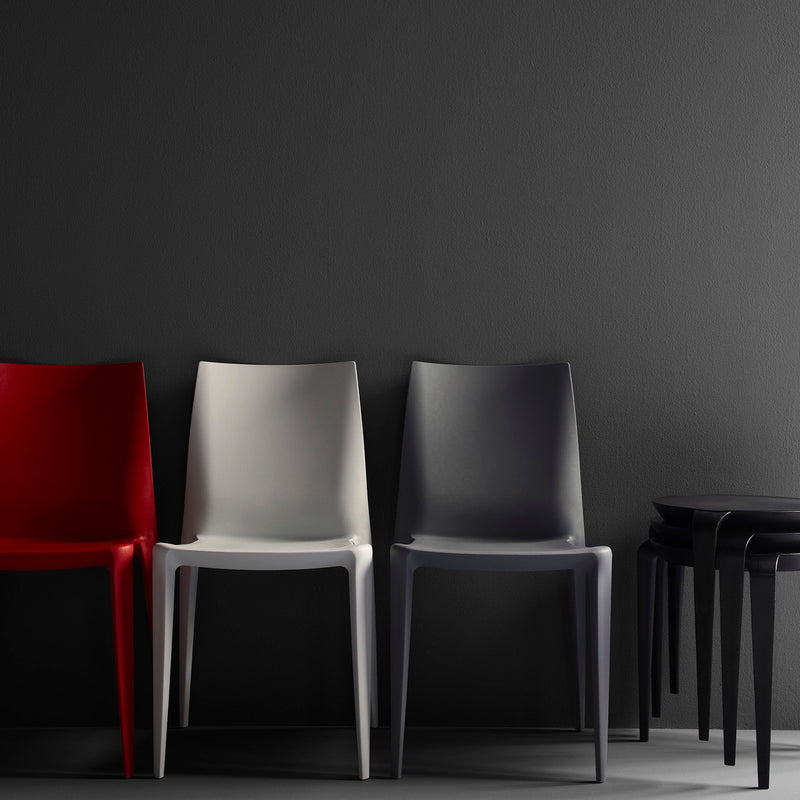
- FDB Møbler J81 Chair — Jet Black — $1,149. Beech finished with water-based paint under the Nordic Swan Ecolabel, a textbook low-emission furniture finish.
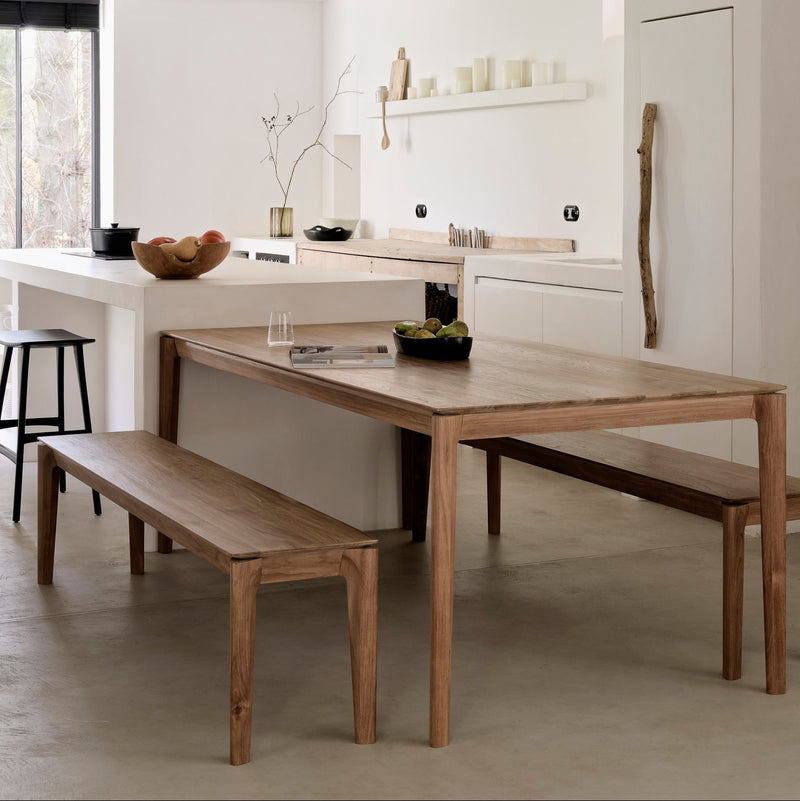
- Ethnicraft Bok Dining Table — from $1,889. Solid wood finished with hardwax oil rather than solvent lacquer, so scratches can be spot-repaired at home.
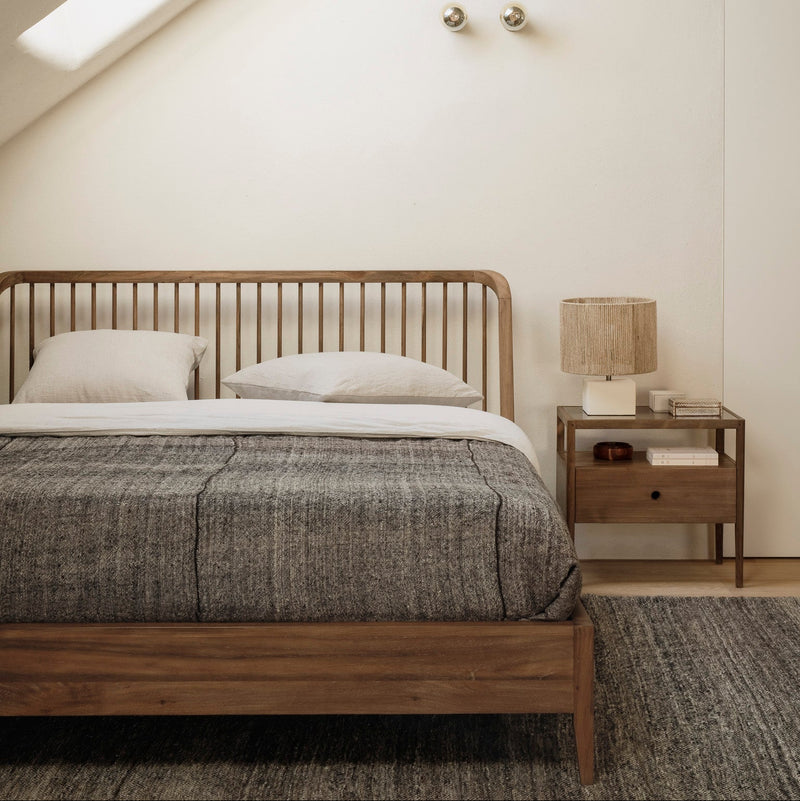
- Greenington Currant Platform Bed — from $2,089. Moso bamboo with a GREENGUARD Gold–certified low-emission finish, built for the room where air quality matters most.
Browse the full Ethnicraft collection, FDB Møbler collection, and Greenington bamboo collection at Comosum →
Frequently Asked Questions About Zero-VOC Finishes
What does zero-VOC mean on a furniture finish?
Zero-VOC means a coating is formulated to release little or no volatile organic compounds as it cures. The term isn’t strictly regulated, so it’s worth checking whether a finish is water-based, oil-based, or a certified low-emission system rather than relying on the label alone.
Are water-based finishes really lower in VOCs than lacquer?
Yes. Water-based coatings use water as the main carrier instead of petroleum solvents, which substantially lowers their VOC content compared with traditional solvent-based lacquers. They also cure faster and stay clear rather than yellowing over time.
Are there zero-VOC finishes for sustainable bed frames?
There are. Beds finished with hardwax oils, water-based paints, or GREENGUARD Gold–certified coatings are among the lowest-emission options — an important consideration for a piece you sleep beside for hours each night. See our non-toxic bedroom furniture guide for specific picks.
How do I know how a piece of furniture is finished?
Check the product’s material description for terms like “water-based,” “hardwax oil,” “soap finish,” or an ecolabel such as Nordic Swan or GREENGUARD Gold. If it isn’t listed, ask the retailer — a brand that finishes responsibly will usually say so plainly.
Is a natural oil finish durable enough for everyday use?
Oil and hardwax-oil finishes are durable and, unlike film finishes, can be spot-repaired at home when scratched or worn. They ask for occasional re-oiling, which is straightforward — our guide to caring for solid oak furniture walks through the process.
Learn more about how we choose what we carry on our sustainability page, and about the chemicals behind healthier pieces in our non-toxic furniture guide. External references: US EPA on VOCs and indoor air quality, UL GREENGUARD Certification, and OEKO-TEX.



Leave a comment
This site is protected by hCaptcha and the hCaptcha Privacy Policy and Terms of Service apply.