



The entryway is the smallest room in most homes and the one that fails first. A sustainable entryway solves the daily choreography of arriving and leaving — wiping, dropping, sitting, and hanging — with pieces made from honest materials that survive years of boots, bags, and keys. At Comosum, that means recycled-fiber doormats, FSC-certified solid-wood benches and coat racks, and wall catchalls in recyclable polyethylene, chosen so the hardest-working few square feet in your home never become the first to wear out. If your hall has room for a console, our sustainable console tables collection is sized for entryways.
Why the Entryway Is Worth Getting Right
Every home has a threshold that does more work than its size suggests. It catches the grit off the street, absorbs the pile-up of coats and bags, and sets the tone for the room beyond. When it is under-furnished, the floor becomes the drop zone and clutter migrates into the living room. When it is furnished badly — with fast-furniture consoles that chip and coat hooks that pull out of the wall — you replace it every couple of years, which is the opposite of sustainable. The Sustainable Furnishings Council makes the same case across the home: choosing fewer, more durable pieces is one of the most effective ways to shrink furniture's footprint.
The fix is not more stuff. It is a few well-made pieces that each earn their place. A good sustainable entryway is designed around movement: a mat to stop dirt at the door, a surface or catchall for keys and mail, a place to sit while you deal with shoes, and vertical storage that keeps the floor clear. Get those four jobs right with durable materials and you have a space that works for a decade rather than a season. For a broader look at how small rooms compound these decisions, our guide to sustainable furniture for small spaces and apartments covers the same logic room by room.
What Makes Entryway Pieces Sustainable
Entryways touch three material families — textiles, wood, and durable plastics or metals — and each has its own sustainability question. Here is what to look for.
Doormats and Rugs
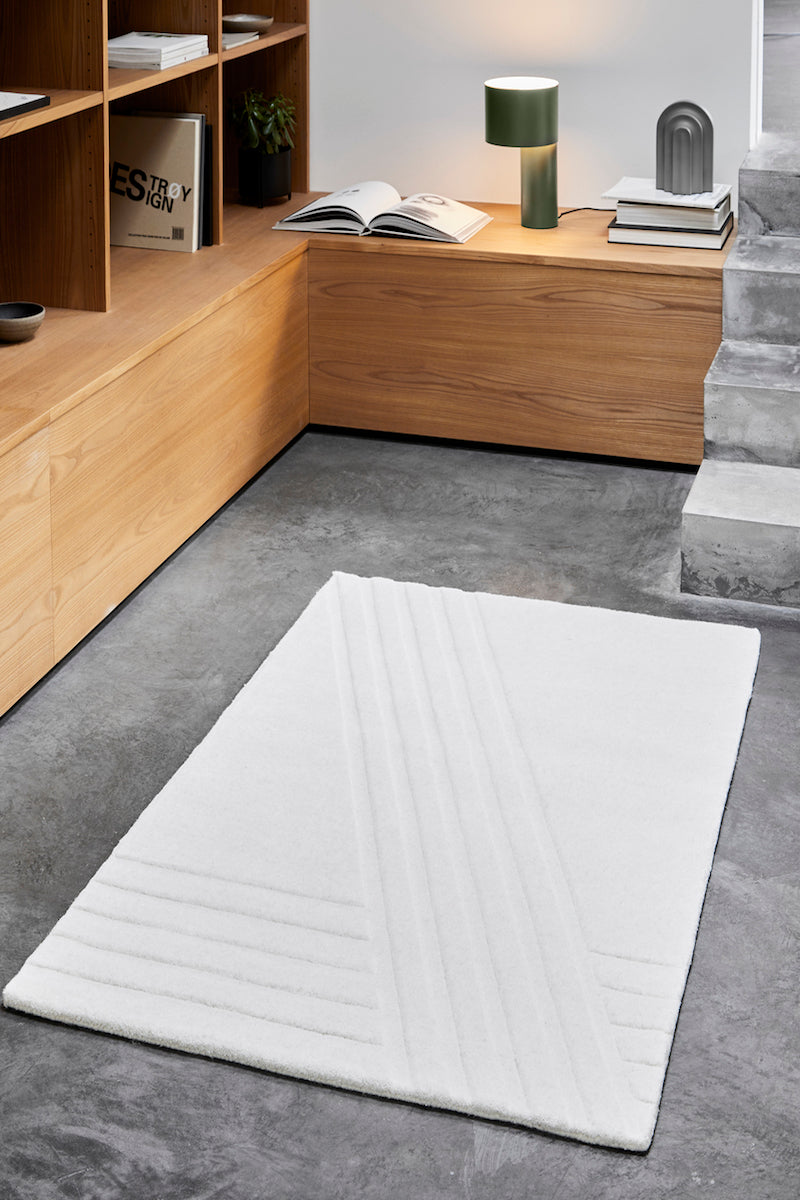
The most sustainable doormat is one made from recycled fiber that you can wash instead of throw away. Norwegian brand Heymat builds its mats from recycled materials and designs them to be machine-washable, so a scuffed mat gets cleaned rather than binned. A two-mat system works best: a coarse mat outside to scrape grit, and a washable mat inside to catch the last of it. We go deeper on fiber choices, pile height, and pad materials in our guide to sustainable rugs and doormats, and you can browse the full range in the Rugs & Doormats collection.
Wood and Steel Storage
For benches, coat racks, and shelves, solid wood and powder-coated steel outlast engineered-board alternatives by a wide margin. Look for FSC-certified timber, which traces the wood back to responsibly managed forests, and steel that can be recycled at end of life. Ethnicraft's entryway pieces use solid wood; Tiptoe pairs FSC oak with detachable steel legs and shelf brackets you can take apart and move rather than discard.
Finishes and Certifications
Because the entryway sits inside your home's air envelope, low-emission finishes matter. Water-based, low-VOC finishes on wood and durable powder coats on steel keep off-gassing minimal. Certifications do the verification for you: FSC for forestry, and B Corp for a brand's overall social and environmental accountability. Tiptoe, for instance, is a certified B Corporation. If the alphabet soup gets confusing, our certification glossary defines each label in plain English.
Building the Zones: Wipe, Drop, Sit, Hang
The easiest way to plan an entryway is to walk through what you actually do when you come home, then give each action a dedicated piece — the same zone-by-zone logic design publications like Dwell use when planning small, high-traffic spaces.
Wipe. Start at the floor. A washable recycled-fiber mat from Heymat stops most of the dirt before it travels — the brand's story is worth a read in our Heymat spotlight. This is the cheapest, highest-impact upgrade in the whole space.
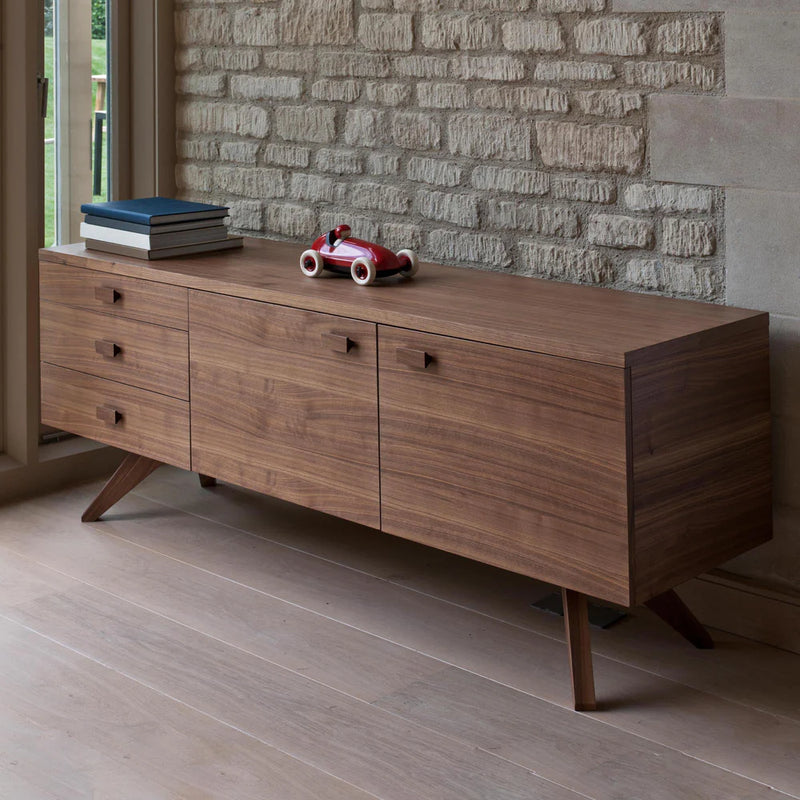
Drop. Give keys, mail, sunglasses, and the small daily debris a home on the wall rather than the console. The Heller Swell Wall Catchall, in recyclable polyethylene, is our most popular answer — a wave-shaped shelf that holds the day's clutter and looks good doing it. (We told its full design story here.) For a wood alternative, the Ethnicraft PI Wall Hanger pairs a hook with a small ledge. If your hall has room for a proper console, Tikamoon's Miho Console Table in solid teak and white terrazzo — and its solid-wood mirrors from $119 — are in our Tikamoon collection.
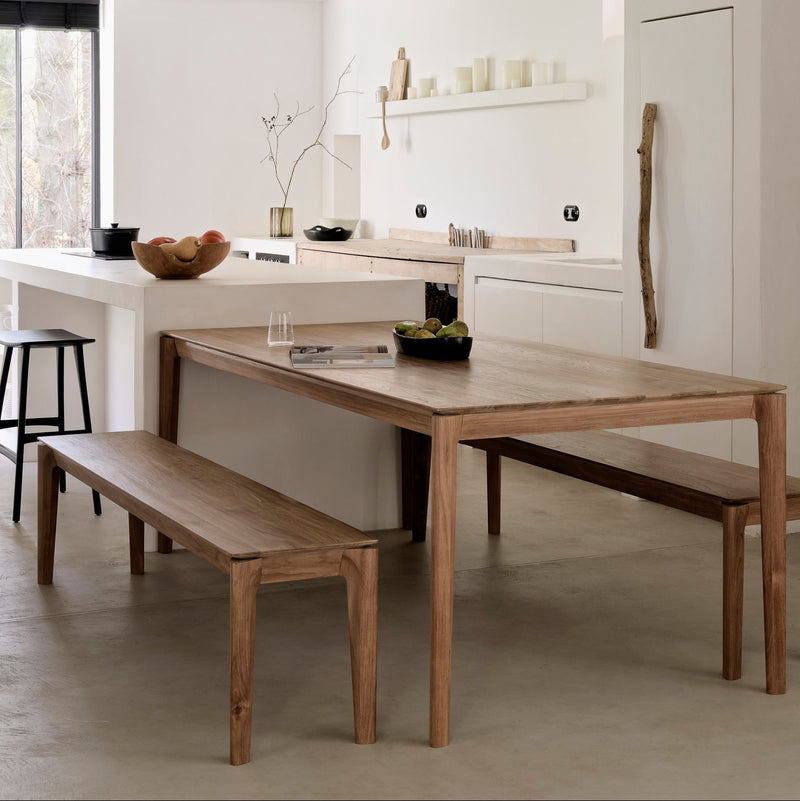
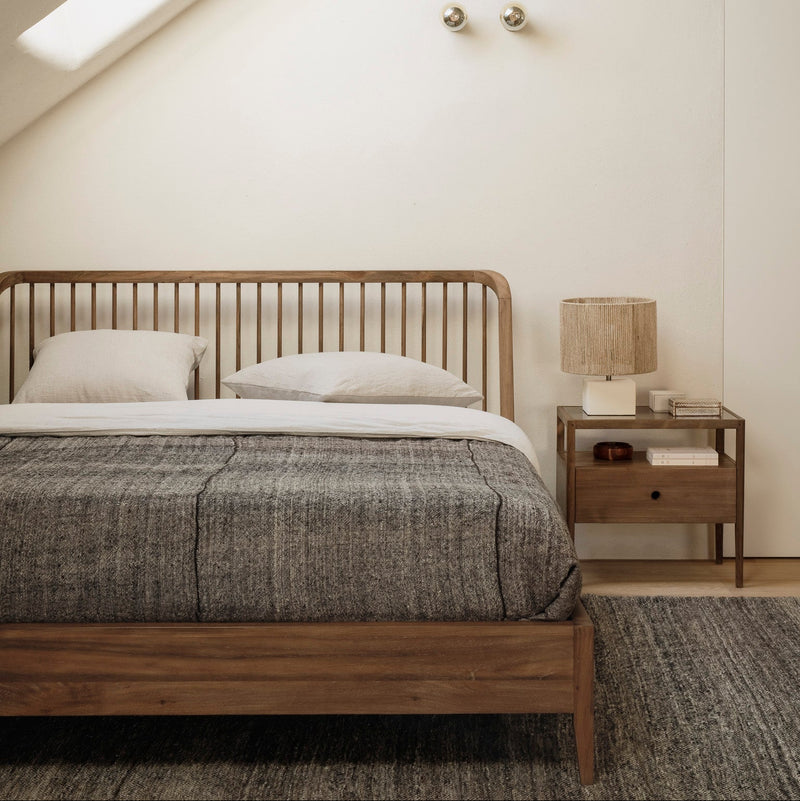
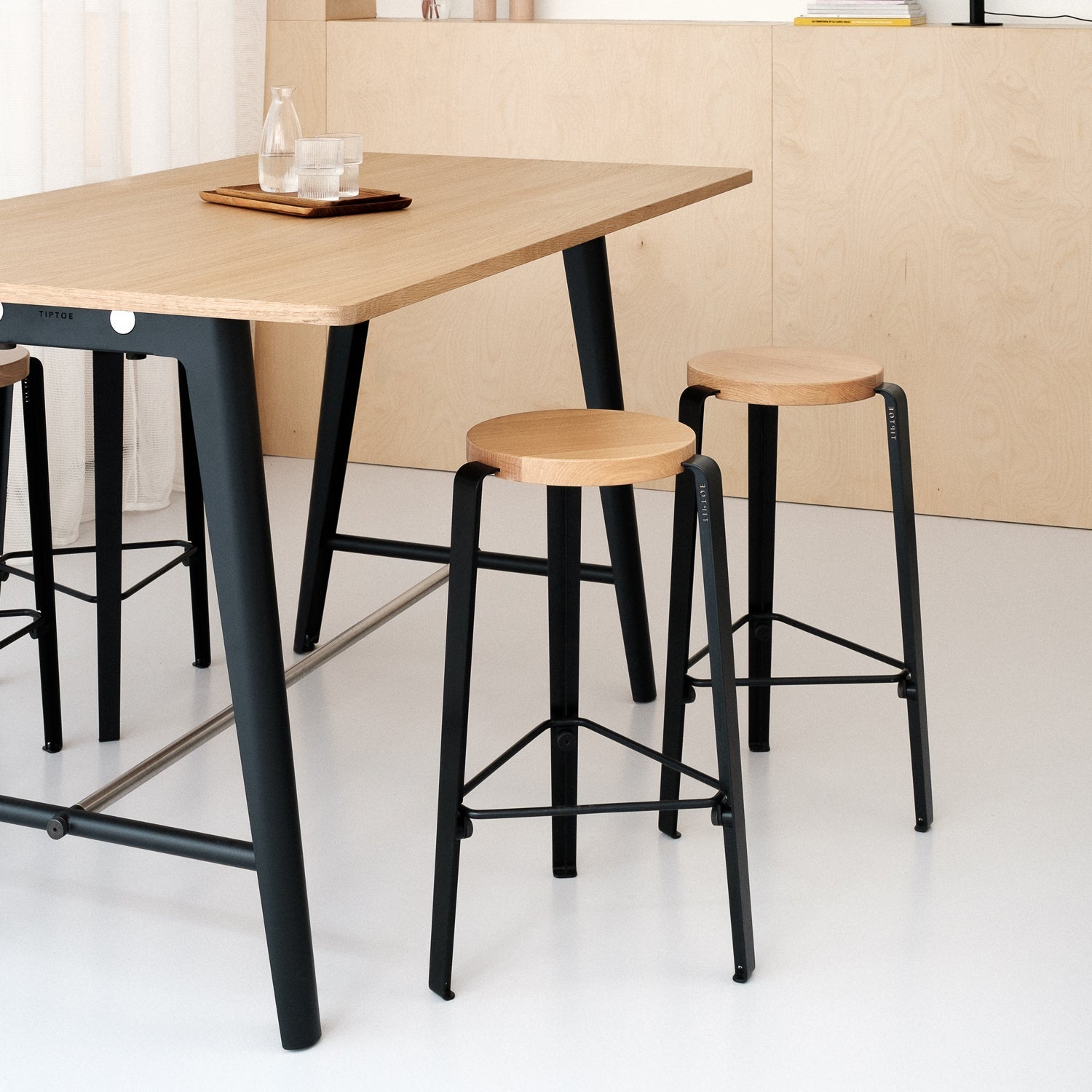
Sit. Nobody wants to balance on one foot pulling off a boot. A bench solves it and doubles as a landing spot for bags. The Ethnicraft Bok Bench in solid oak or FSC-certified teak is a clean, sturdy choice; the Spindle Bench brings a warmer, more traditional profile. In tight halls, a compact seat like the Tiptoe LOU Stool tucks in without blocking the path.
Hang. Vertical storage keeps the floor clear. A freestanding Ethnicraft PI Coat Rack handles coats and bags where wall-drilling isn't an option, while the Petite Friture Bubble Coat Hook adds a sculptural touch by the door. For layered storage, a Tiptoe PLI Steel Wall Shelf or anything from the wall-mounted shelving collection puts a surface exactly where you need it. If wall organization is your main goal, our dedicated guide to sustainable wall organizers, catchalls, shelves, and coat racks goes further on that zone alone. A mirror by the door belongs in this zone too; our mirrors include wall and floor designs from Ethnicraft, Tikamoon and FDB Møbler.
What to Shop at Comosum
A sustainable entryway is one of the rare rooms you can build from the ground up without a big budget — start small on the wall and ladder up to the furniture. Here's a price-ordered starter kit, all in stock and drawn from the sustainable furniture brands we vet closely:
- Ethnicraft PI Wall Hanger — from $79. Solid mahogany hook-and-ledge for keys and a coat by the door.
- Heller Swell Wall Catchall — from $85. Recyclable polyethylene, wave-shaped, our best-selling entryway piece.
- Tiptoe PLI Steel Wall Shelf — from $120. Powder-coated steel from a French B Corp, built to disassemble.
- Ethnicraft PI Coat Rack — from $179. Freestanding solid wood, no drilling required.
- Petite Friture Bubble Coat Hook — from $210 (set of two). A sculptural French design that turns hooks into a feature.
- Ethnicraft Bok Bench — from $979. Solid-wood seating that carries from the entry to the dining table.
Everything above under $500 also lives in our Sustainable Furniture Under $500 collection — the easiest place to start. Browse the full Storage Accessories collection or shop Stools & Benches to round out the space. For the thinking behind our curation, see our sustainability page, and if budget is the constraint, our guide to sustainable furniture under $500 shows how the math works over time.
Frequently Asked Questions About Sustainable Entryways
What furniture do I need for a sustainable entryway?
Plan around four actions: wipe, drop, sit, and hang. That translates to a washable doormat, a wall catchall or small surface for keys and mail, a bench or stool to sit on, and a coat rack or wall hooks for outerwear. Choosing durable, certified materials for each means you buy once rather than replacing cheap pieces every few years.
What is the most sustainable material for a doormat?
Recycled fiber that can be machine-washed is the most sustainable choice, because you clean the mat instead of discarding it when it gets dirty. Brands like Heymat build mats from recycled materials designed for repeated washing. A two-mat system — a coarse mat outside and a washable mat inside — extends the life of both.
Are Tiptoe and Heller entryway pieces actually sustainable?
Tiptoe is a certified B Corporation that uses FSC-certified wood and detachable steel parts designed to be taken apart, moved, and eventually recycled. Heller's Swell catchall is made from recyclable polyethylene. Both prioritize longevity and material recyclability over disposable design, which is the core of a sustainable entryway.
How do I set up an entryway in a small apartment with limited space?
Go vertical and skip the floor-hogging console. A wall catchall, a slim wall shelf, and a set of hooks handle storage without a footprint, and a compact stool gives you a seat that tucks away. Wall-mounted pieces keep the floor clear, which makes even a narrow hallway feel workable.
What is the best sustainable entryway catchall for keys and mail?
The Heller Swell Wall Catchall is our most popular choice — a wave-shaped wall shelf in recyclable polyethylene that holds keys, mail, and daily clutter off the floor. For a wood option, the Ethnicraft PI Wall Hanger pairs a solid-wood ledge with a hook, keeping the same job in a warmer material.


Leave a comment
This site is protected by hCaptcha and the hCaptcha Privacy Policy and Terms of Service apply.